How to Plan a Trip to Indonesia: Islands, Seasons and Real Costs
By Blaise Jaeger · Updated August 17, 2026
Why Visit Indonesia?
Indonesia is not a destination. It is a scale. More than 17,000 islands spread over 5,100 kilometres from west to east — further than London to Tehran — across three time zones and several hundred living languages. Nowhere else can you stand on the rim of a sulphur crater at dawn, dive a reef with more fish species than the entire Caribbean, and sleep in a village where the architecture has not changed in four centuries, in the same fortnight.
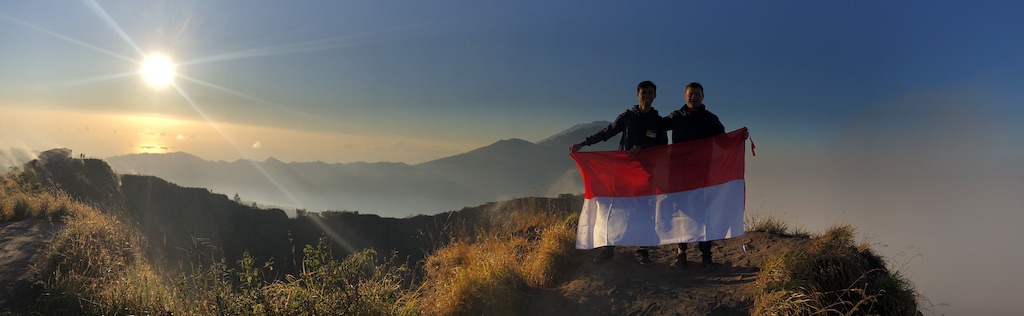
That scale is also the problem. Most first trips to Indonesia are ruined not by bad weather or bad luck but by a map that lies: two islands that look adjacent may have no flight between them, and the dry season in one region is the wet season in another. This guide is built around the four decisions that actually determine whether your trip works — where to go, how long you need, when to come, and what it will cost — and it sends you to a dedicated guide for each destination once those decisions are made.
Indonesia at a Glance
- Islands: over 17,000, of which around 6,000 are inhabited
- Distance west to east: about 5,100 km, spanning three time zones — WIB (UTC+7, Sumatra and Java), WITA (UTC+8, Bali, Sulawesi, Nusa Tenggara), WIT (UTC+9, Maluku and Papua)
- Main gateways: Jakarta (CGK), Bali–Denpasar (DPS), Surabaya (SUB), Makassar (UPG) for the east
- Currency: Indonesian rupiah (IDR). Roughly 17,850 IDR to 1 USD and 20,630 IDR to 1 EUR in August 2026
- Language: Bahasa Indonesia nationally, plus more than 700 regional languages. English is widely spoken in Bali and in tourist areas, sparsely elsewhere
- Visa: visa on arrival for around 90 nationalities, 30 days, extendable once
- Best all-round windows: May to early June, and September to early October
- Realistic daily budget: 25–42 USD backpacking, 78–123 USD mid-range, 200 USD and up in comfort
- Minimum sensible trip: 10 days for one region, three weeks to combine three
- Driving: left-hand side; an International Driving Permit is legally required and actively checked
What Six Years Based in Bali Taught Me About Planning a Trip Here
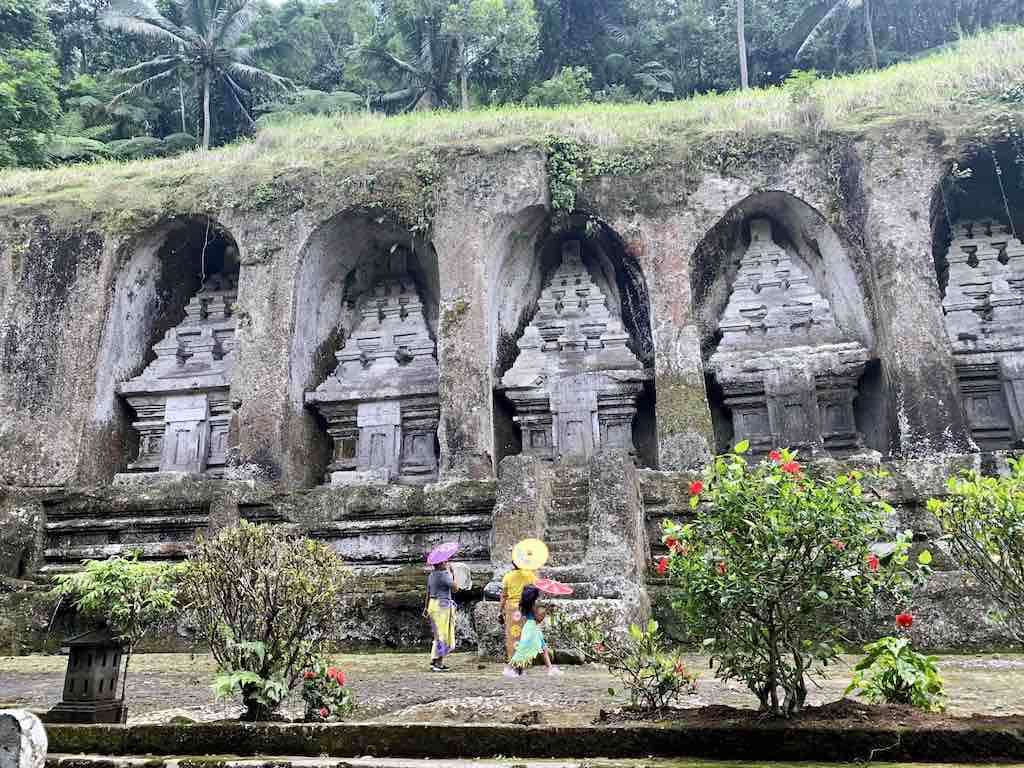
I have been based in Bali since 2020. In that time I have travelled a good deal of the rest of the archipelago — the famous places, and a number of islands that mass tourism has never reached. Living here changes what you notice, and almost all of it is about distance.
Here is the clearest illustration I can give you. When a large earthquake struck the eastern islands recently, I felt nothing at all in Bali. Friends of mine saw the lamps hanging from their ceilings swing gently — the very long, slow waves that travel a great distance. That is what several hundred kilometres of Indonesia does to an event large enough to make headlines worldwide. When people ask me whether they can “add Flores” to a Bali week, that swinging lamp is the image I reach for. These places are not neighbourhoods of the same city.
So the advice I give is always the same, and it is the opposite of what an itinerary generator will tell you: pick one region, or two, and go deep. Every island change costs you between half a day and a full day door to door — never the “one hour fifteen” the flight search shows you. Three islands in ten days is three days spent in transit and airport queues, and no evening anywhere long enough to be offered a second cup of coffee. Two islands in ten days is a trip you will still be describing in detail years later.
Everything below is organised around that principle. The destination sections are deliberately short — each one links to a full guide written on the ground. The long sections are the ones nobody else gets right: how the seasons actually work island by island, which weeks of the year the country stops moving, what things genuinely cost, and which island pairs quietly cost you two extra flights.
Where to Go in Indonesia: The Eight Regions That Matter
Eight regions cover almost every good reason to come to Indonesia. Read these as a shortlist, not as a guide: each one has its own detailed page, and the point of this section is simply to help you eliminate six of them.
Bali and Nusa Penida — the easy start
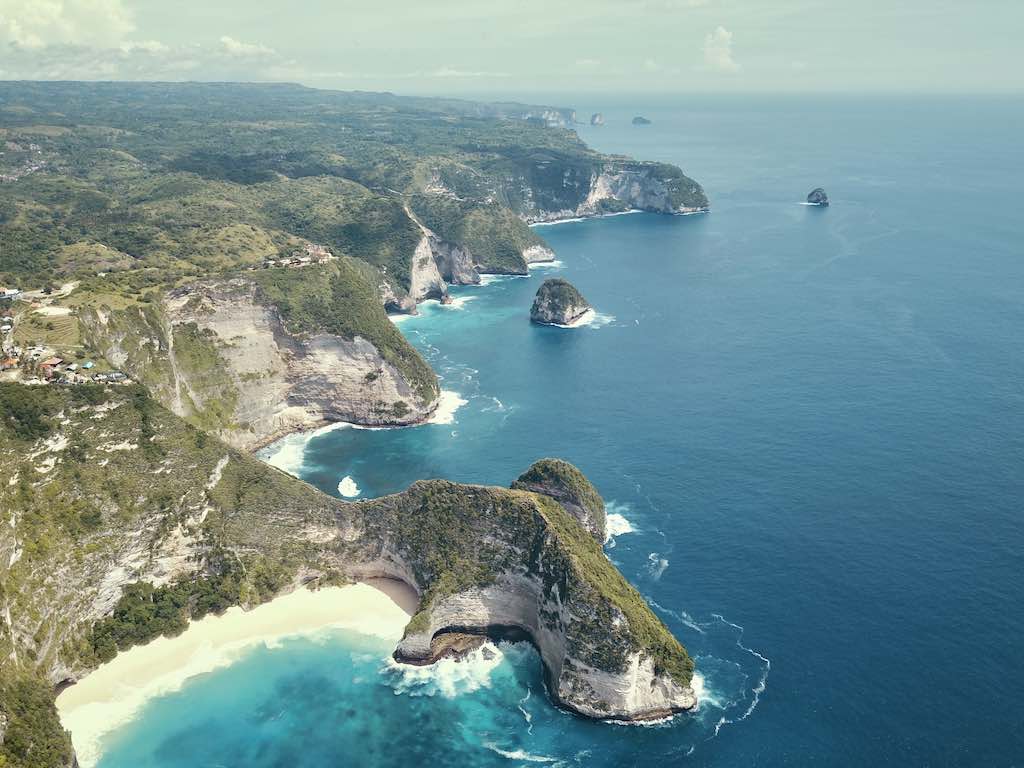
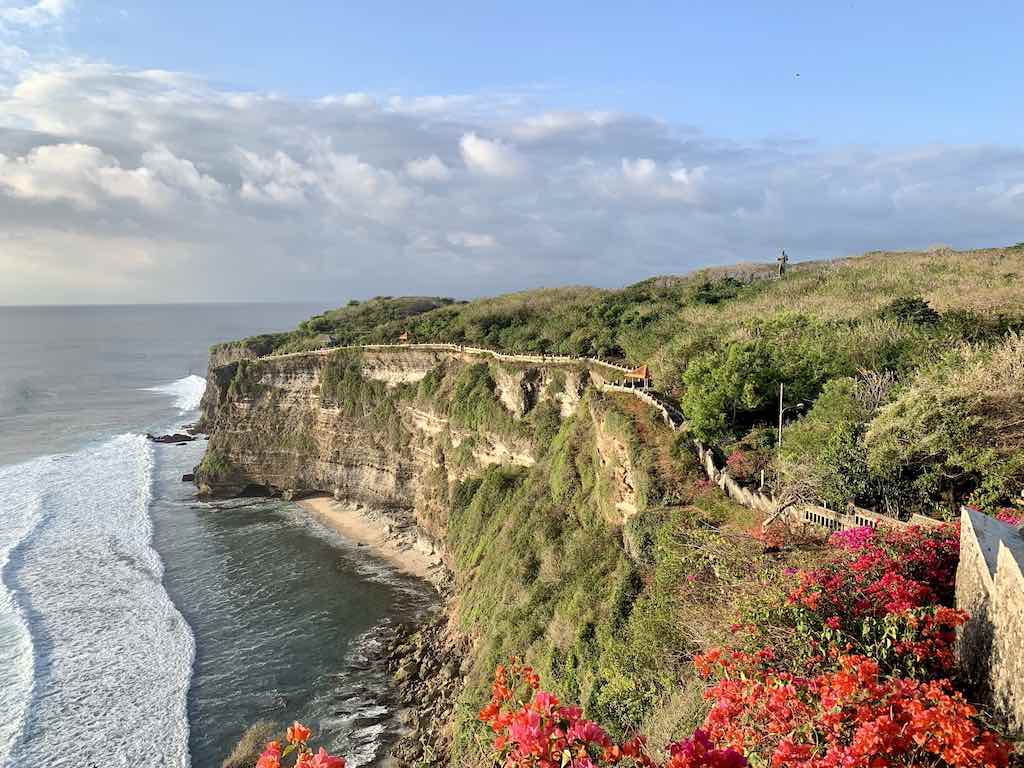
Bali is where most people begin, and there is no shame in it: it has the international airport, the widest range of accommodation in the country, and a living Hindu culture that has absorbed a century of visitors without dissolving. Rice terraces and volcanic peaks inland, surf and sunsets on the west coast, temples everywhere. Offshore, Nusa Penida is wilder — limestone cliffs, Kelingking Beach, and manta rays year-round.
Choose Bali if it is your first trip, if you are travelling with children, or if you want a base you can leave and return to. Skip it if crowds are what you are fleeing — in July, August and late December, Canggu, Seminyak and Ubud run at capacity.
👉 Full guides: Bali travel guide · Ubud · Nusa Penida travel guide
Lombok and the Gili Islands — the same latitude, half the traffic
Immediately east of Bali and reachable by boat, Lombok offers the same climate with a fraction of the development: empty beaches in the south around Kuta Lombok, waterfalls in the north, and Mount Rinjani, the second-highest volcano in the country and the finest multi-day trek in Indonesia. Sasak villages keep weaving and building traditions that predate the island’s tourism entirely.
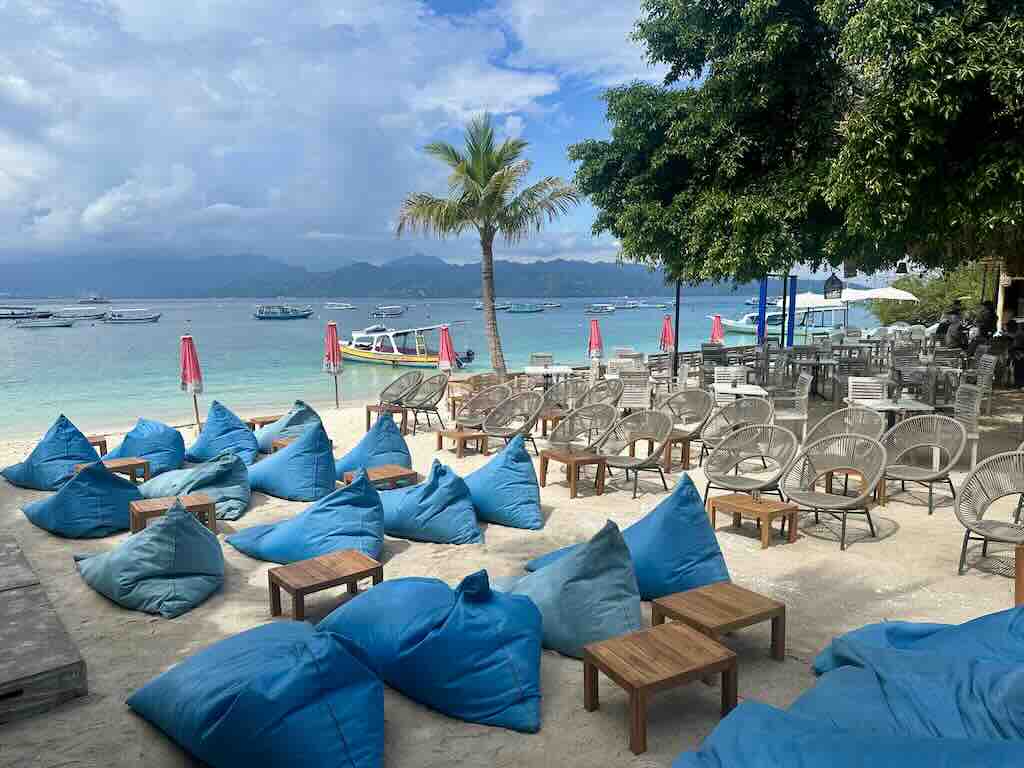
The three Gili Islands sit off the north-west coast: no cars, no motorbikes, white sand and reliable turtles. Trawangan is the busy one, Meno the quiet one, Air the compromise.
👉 Full guides: Lombok travel guide · Gili Islands
Java — volcanoes, temples and the weight of history
Java holds more than half of Indonesia’s population and almost all of its history. Yogyakarta is the cultural capital and the base for Borobudur and Prambanan, two of the greatest monuments in South-East Asia. East of it, Mount Bromo delivers the country’s most photographed sunrise, and Kawah Ijen its strangest sight, a turquoise crater lake with blue flames visible before dawn.
Java is also the only island with a real railway. If you dislike domestic flights, a Java-to-Bali overland trip is the most coherent route in the country: a continuous progression east, ending with a 45-minute ferry.
👉 Full guides: Java travel guide · Yogyakarta · Mount Bromo
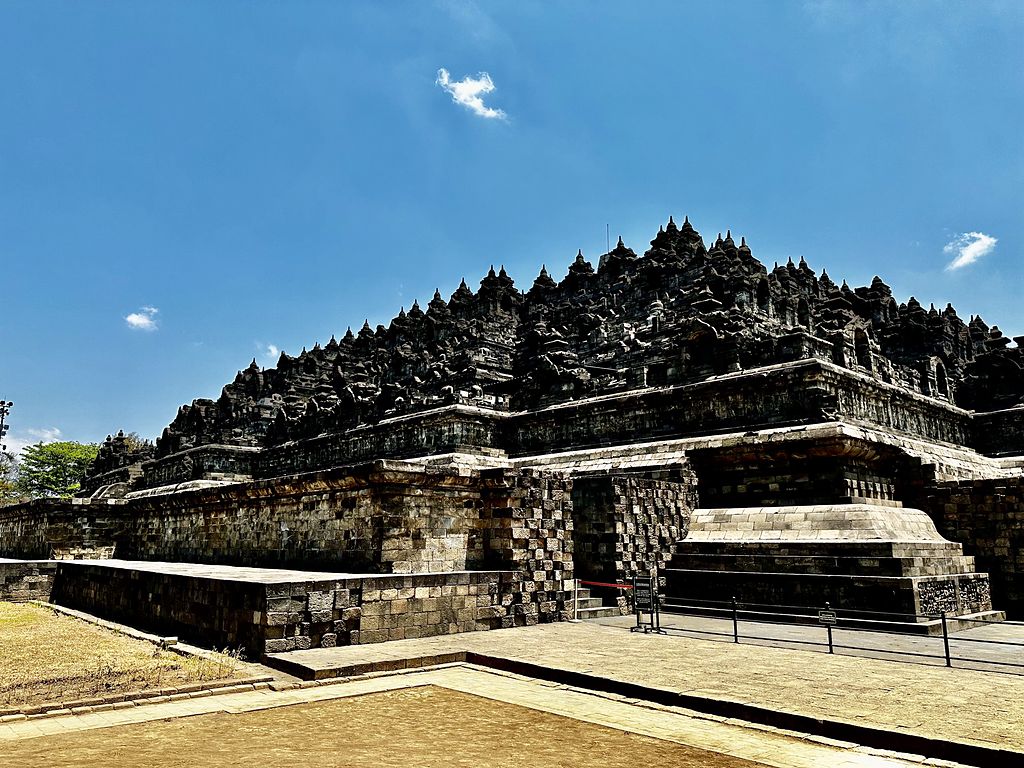
Flores and Komodo National Park — dragons, and the best day-boats in Asia
Labuan Bajo, on the western tip of Flores, is the gateway to Komodo National Park: Komodo dragons on Rinca and Komodo islands, the layered viewpoint on Padar, manta rays at Karang Makassar, and drift dives that experienced divers rank among the best anywhere. Inland, Flores runs 700 kilometres east through volcanic highlands to Kelimutu and its three crater lakes, which change colour independently of one another.
One practical note that shapes any Flores plan: the island is crossed by a single mountain road, and average speeds on it are 30 to 40 km/h. Check its current condition locally before committing to an overland route.
👉 Full guides: Flores travel guide · Labuan Bajo and Komodo National Park · Kelimutu

Sulawesi — the strangest map in Indonesia
Sulawesi is shaped like nothing else on earth, four long arms meeting at a mountainous centre, and its interior is correspondingly hard to reach and worth the effort. Tana Toraja, in the southern highlands, is known for its tongkonan — houses with soaring saddle-backed roofs — and for ceremonial traditions that structure family life across generations. In the far north, Bunaken and the Lembeh Strait are two of the finest dive areas in the country, one for walls, the other for macro life found almost nowhere else.
Sulawesi rewards travellers who have already done Bali and Java and want somewhere that does not arrange itself for visitors.
👉 Full guides: Sulawesi travel guide · Tana Toraja
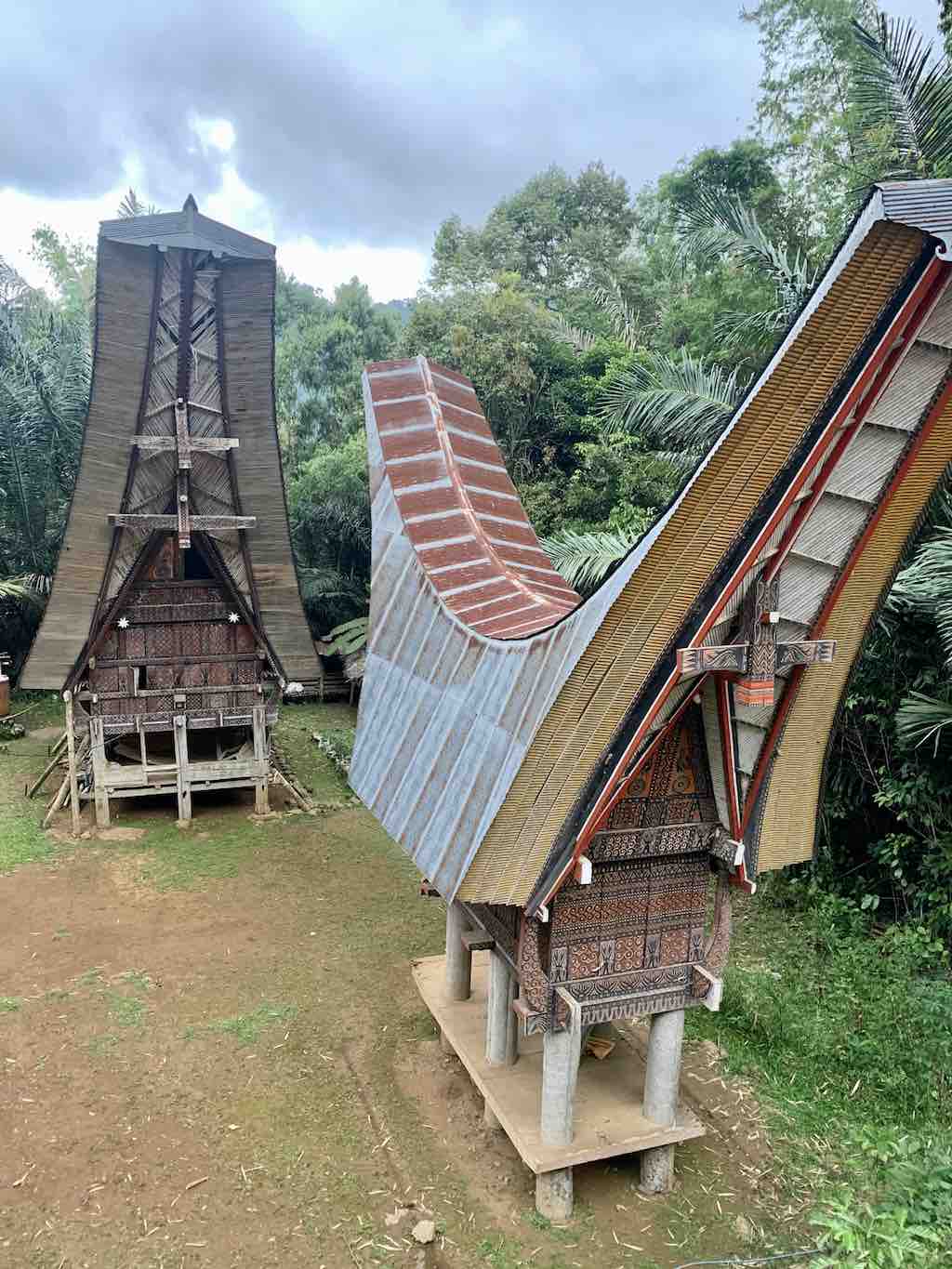
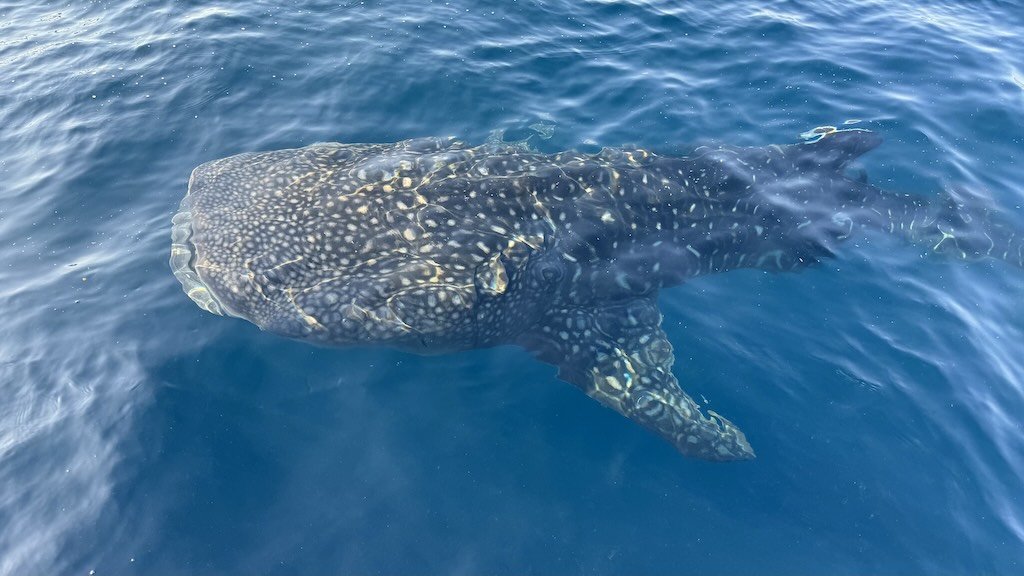
Sumbawa — surf breaks and whale sharks
Between Lombok and Flores, Sumbawa is crossed by most travellers and stopped in by few. It has world-class surf — Lakey Peak, Scar Reef, Supersuck — from May to October, and in Saleh Bay one of the few places on the planet where whale sharks gather reliably around fishing platforms, best from April to November with a peak in June to August.
👉 Full guides: Sumbawa travel guide · Whale sharks in Saleh Bay
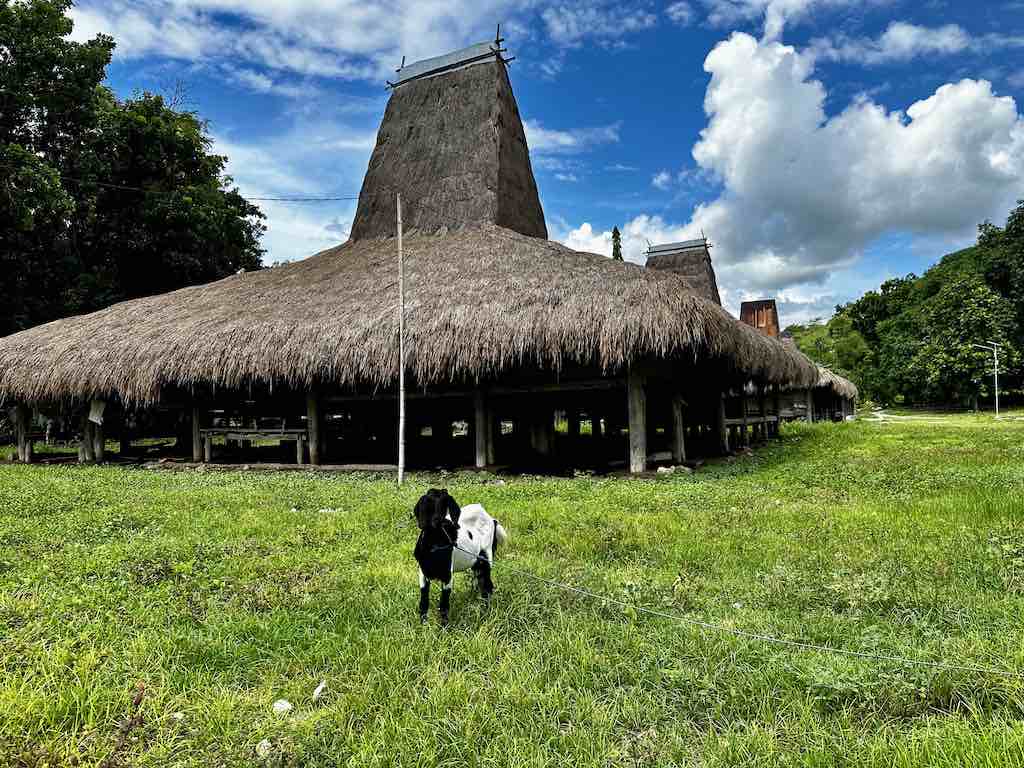
Sumba — savannah, megaliths and the country’s most extreme price range
South of Flores, Sumba is drier than the rest of the archipelago and looks it: rolling savannah, limestone cliffs, empty surf beaches, and hilltop villages built around megalithic tombs where the Marapu tradition is still practised. It is also the only island in Indonesia with essentially no middle: you either stay with families for very little, or in a handful of resorts that charge several hundred to two thousand dollars a night.
👉 Full guide: Sumba travel guide
Raja Ampat — the reason divers come to Indonesia
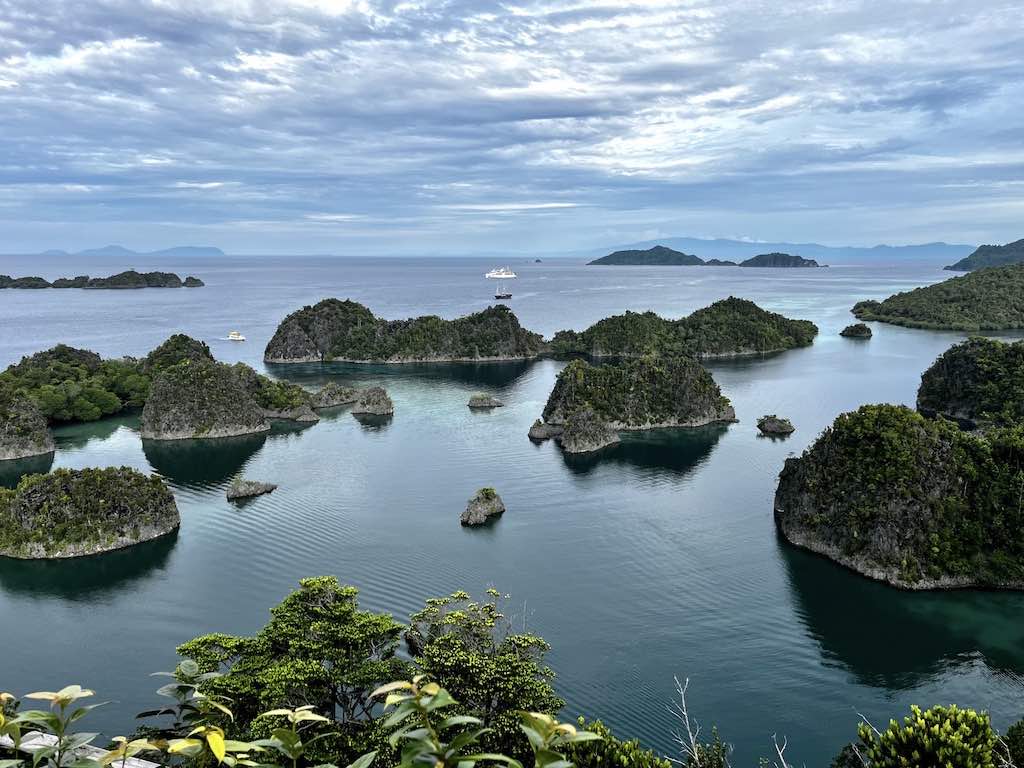
In West Papua, at the heart of the Coral Triangle, Raja Ampat holds more than 1,500 islands, roughly 600 coral species and around 1,700 species of fish — the richest marine biodiversity measured anywhere. Above the water it is limestone karst, turquoise lagoons and the viewpoint at Piaynemo.
Two things separate Raja Ampat from everywhere else in this list, and both are covered in detail further down: it is two to three times more expensive than the rest of Indonesia, and its season runs backwards compared with Bali and Komodo.
👉 Full guides: Raja Ampat travel guide · Diving in Raja Ampat
Diving across the archipelago
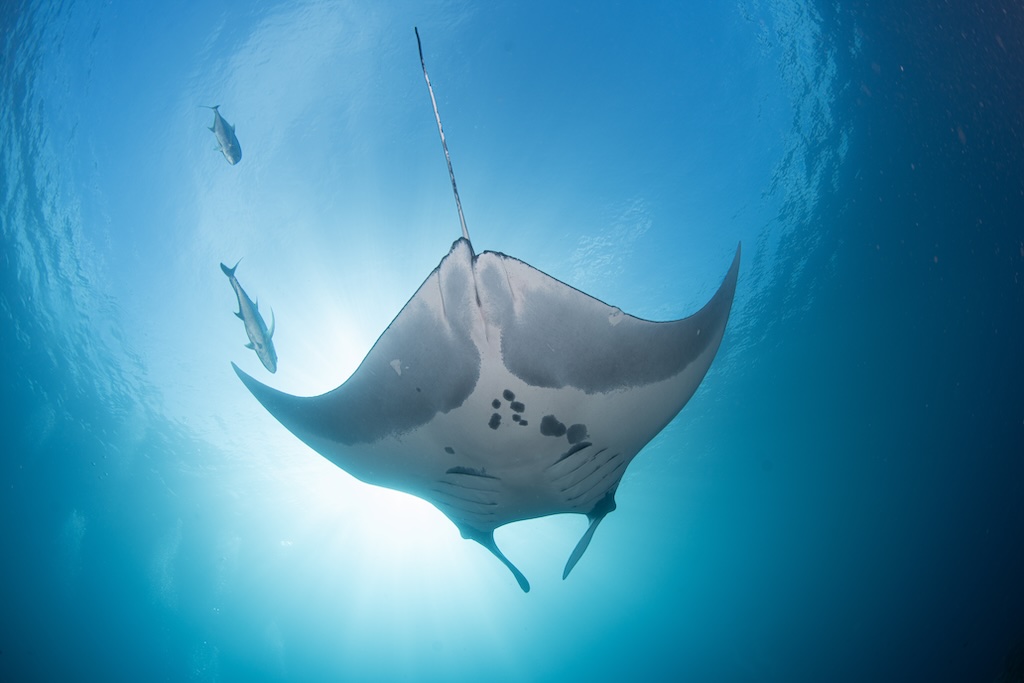
Diving deserves a mention of its own because it is one of the few reasons to plan an Indonesian itinerary backwards, starting from the water rather than the map. Nusa Penida for manta rays and the seasonal mola mola, Komodo for currents and sharks, Raja Ampat for sheer biodiversity, Maratua and the Derawan Islands for barracuda schools and green turtles, Saleh Bay for whale sharks, and the Lembeh Strait for creatures most divers only ever see in books.
👉 Full guides: Best diving in Indonesia · Maratua · Liveaboard cruises in Indonesia
How Long Do You Need? Itineraries That Actually Work
The single most useful number in Indonesian trip planning is this: every island change costs half a day to a full day, door to door. Transfer to the airport, check-in, flight, baggage, transfer to your accommodation, on roads where average speeds are low. Build your itinerary in island-changes rather than in flights and it will survive contact with reality.
10 to 12 days — one region, two at most
The version that works: three nights in Ubud, two in the Bali interior at Sidemen or Munduk, three on Nusa Penida, two on the south coast before flying out. Total transit: about a day and a half out of ten. You will have seen one island properly.
The compressed “best of” version — Bali, Yogyakarta, Bromo, then Komodo — is genuinely possible, with two domestic flights and two pre-dawn starts. It costs you about three of your ten days in transit. Worth doing if you know that going in, punishing if you do not.
Two weeks — the ferry chain, and why it beats flying
The best two-week itinerary in Indonesia uses no domestic flights at all: Ubud, then south Bali, then Nusa Penida, then Gili Trawangan, then Kuta Lombok. Every leg is a boat or a short drive, and the whole chain consumes about a day and a half of transit across fourteen days — the best ratio of any format.
The other strong two-week option is Java to Bali overland: Yogyakarta and the temples, Bromo, Ijen, then the ferry from Ketapang to Gilimanuk and on into Bali. One continuous eastward line, no backtracking, no internal flights.
Three weeks — the format the country is built for
Three weeks is where Indonesia becomes legible. The cleanest structure runs west to east: Yogyakarta (3 nights), Bromo (2), Ijen (2), Bali (4), Nusa Penida or the Gilis (2), then a flight to Labuan Bajo for Komodo, including a two-night liveaboard (3–4). Add Flores overland at the end if road conditions allow, or fly out from Labuan Bajo.
The alternative three-week trip is the diver’s: Bali, then Komodo, then Raja Ampat — but only if your dates fall inside the narrow window when both eastern seasons overlap, which is essentially April. See the seasons section below before you book anything.
One month — three weeks plus one big region
With a month, add one substantial region to the three-week plan — Sulawesi, Sumba, Raja Ampat or Sumatra — and not two. Sulawesi and Raja Ampat both require a hub transit through Makassar or Jakarta and reward at least eight to ten days each. A month spread across six islands is a month spent largely in departure lounges.
Island Combinations That Work — and the Ones That Trap You
The pairs that work
- Bali + Nusa Penida + Gili/Lombok — boats only, no flights, the most efficient chain in the country
- Java + Bali — a continuous overland line ending with a 45-minute ferry; culture then coast
- Bali + Komodo — one short flight each way, and the single best value-for-effort addition to a Bali trip
- Komodo + Flores overland — one arrival, one departure, everything in between by road
- Bali + Sumbawa + Komodo — a logical eastward progression by ferry and short flight
The pairs that cost you a detour
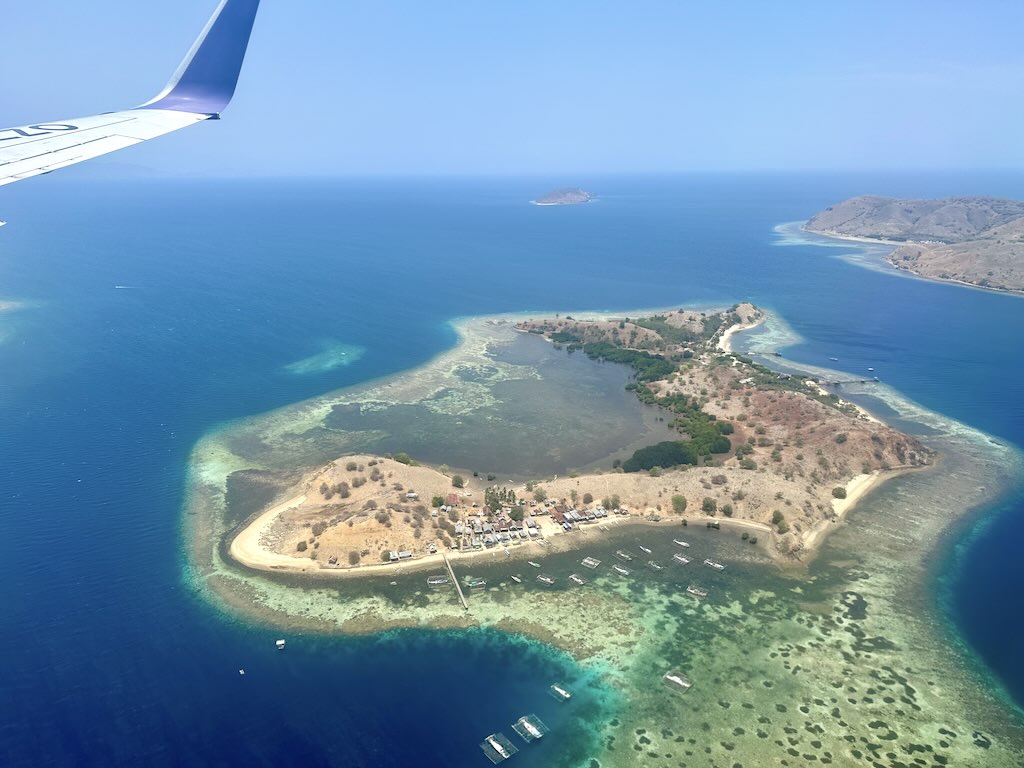
Indonesia’s domestic network is radial, not a web. Three hubs carry almost all connections — Jakarta for the west, Denpasar for the centre, Makassar for the east — and two islands that are neighbours on the map often have no direct flight at all. The consequence is sometimes absurd: reaching Papua from Bali frequently means flying about 1,000 km west to Jakarta before turning round and flying 3,500 km east.
Combinations to check carefully before committing: Sulawesi with Raja Ampat, Sumba with anywhere other than Bali or Flores, Sumatra with the eastern islands, and anything at all involving Maluku. In each case, price the actual routing rather than the distance.
Fly into one city, out of another
The most valuable trick in Indonesian planning costs nothing: book an open-jaw ticket. Fly into Jakarta and out of Denpasar, or the reverse, and an entire backtracking leg disappears from your itinerary. On a three-week west-to-east route this saves a full day and one internal flight. Most airlines price open-jaw within a few percent of a return.
👉 For airlines, routes and connections into the country, see the full guide on how to travel to Indonesia.
When to Go: Indonesia Does Not Have One Season
Almost every guide tells you the dry season runs from May to September. That is true for Bali, Java and Nusa Tenggara — and misleading everywhere else. Indonesia’s meteorological agency divides the country into 699 separate seasonal zones, and in 2026 the dry season began in April in some of them, June in others.
Two monsoons, three rainfall patterns
The north-west monsoon (October to March) brings moisture from Asia; the south-east monsoon (April to November) brings dry air from Australia. But only the monsoonal pattern — Java, Bali, Nusa Tenggara — has one clear wet season and one clear dry season. The equatorial pattern of Sumatra and central Kalimantan has two rainfall peaks and no real dry season at all. And the local pattern, of which central Maluku is the textbook case, is simply the reverse of the monsoonal one.
It also helps to know what “rainy season” means in practice across most of the archipelago: short, heavy afternoon downpours with clear mornings, not all-day rain. The real cost of the wet season is not the water — it is rough seas, cancelled boats and mountain roads.
Region by region, in months
- Bali and Nusa Penida: driest July–September; wettest January–February. Fast boats to Nusa Penida are reliable April–October and frequently cancelled November–March
- Java, Bromo and Ijen: dry May–October, clearest skies June–August. Altitude reverses the discomfort — nights at Bromo fall to about 10 °C in the dry months, and the embun upas frost has been recorded at 5 °C. Ijen’s crater closes on the first Friday of every month
- Lombok and the Gilis: dry May–August; Rinjani is best in July–August and the summit route closes in the wet season
- Komodo and Flores: dry April–October; best compromises April–June and September–November; strongest currents June–September
- Sumbawa: dry April–October; surf season May–October
- Sumba: dry May–October, August driest; green landscapes and full waterfalls December–April
- Sulawesi: the north (Manado, Bunaken) is best May–October, the south (Makassar, Toraja) June–September — and Gorontalo, next door to the north, is effectively closed May–October. The Togian Islands and Wakatobi work year-round
- Sumatra: no true dry season; April, May and September are the best all-round months
- Central Maluku: wettest May–September, driest October–February — the opposite of Bali
Raja Ampat runs backwards — and it catches people out
This is the single most expensive scheduling mistake in Indonesian travel. Raja Ampat’s season is October to April, with the sweet spot from mid-October to mid-December and peak manta aggregations from December to March. The wettest months are May to September, and from mid-June to mid-September the south-east wind blows a sustained 20 to 30 knots with a swell of one and a half to four metres.
The practical consequence: the liveaboard fleet leaves Raja Ampat from late April to early October. The boats relocate to Komodo, whose season is the mirror image. Land-based homestays stay open all year and drop their prices 15 to 30 percent, so a July trip is possible — but if you have booked a cruise in your head, the calendar has already decided for you. April is the one month where the two eastern seasons still overlap.
Wildlife windows
- Mola mola, Nusa Penida: July to October, peaking August–September, in water that drops to 16–22 °C — bring a thicker wetsuit than you think you need
- Manta rays: Nusa Penida year-round with a brief pause around November; Komodo October–March; Raja Ampat October–April, densest December–March
- Whale sharks, Saleh Bay: April–November, peak June–August, encounters at dawn around the fishing platforms
- Komodo dragons: most active in the July–August mating season; hatchlings emerge March–April
- Blue whales, Savu Sea (Alor, Lembata): May–October
The two best all-round windows are May to early June and September to early October: dry across Bali, Java, Lombok, Komodo, Sumbawa, Sumba and northern Sulawesi, before or after the price surge — with the caveat that neither works for Raja Ampat.

Nyepi, Lebaran and the Days the Country Stops
Weather is the easy part of Indonesian timing. The calendar is the part that ruins trips, because two of the country’s most important observances shut down transport entirely — and they move every year.
Nyepi — the day Bali switches off
Nyepi, the Balinese Day of Silence, is unlike any public holiday anywhere. For 24 hours the entire island stops: no travel, no work, no fire or light, no entertainment. The mobile network is switched off island-wide, though hotel wifi generally stays on. Streets are empty and patrolled by pecalang, the traditional wardens.
Most importantly for anyone booking flights: Bali’s Ngurah Rai airport closes completely for 24 hours, from 6:00 AM on Nyepi to 6:00 AM the following day. In 2026 that meant 440 scheduled flights suspended — 231 domestic, 209 international.
You can still enjoy it. Stay within your accommodation, swim, read, and go outside after dark: with the island’s lights off, Bali has the best night sky of the year. The evening before, Ogoh-Ogoh — giant demon effigies — are paraded and burned, and that is genuinely one of the great spectacles in Asia. The rule is simple: arrive at least two days before, leave no earlier than the day after.
Nyepi 2026 fell on 19 March. Nyepi 2027 falls on Monday 8 March, and Nyepi 2028 on Sunday 26 March. The date shifts every year because the Balinese Saka calendar is lunar — and it jumps forward by about three weeks in the years that carry a leap month, which is what happens in 2028. The government decree confirming each date comes only a few months in advance, so check before booking a long way out. For the full calendar of Balinese ceremonies — Galungan, Kuningan, Ogoh-Ogoh, temple odalan — and what each one actually involves for a visitor, see our guide to celebrations and ceremonies in Bali and Nusa Penida.
Lebaran and the mudik — the worst travel week of the year
Idul Fitri, known locally as Lebaran, ends Ramadan and triggers the mudik: the annual return to home villages, and one of the largest human migrations on earth. A record 193 million journeys were made in 2024, with more than eight million people leaving Jakarta alone. Flights, trains, buses and ferries are saturated simultaneously, prices rise one to two months in advance, and the disruption window runs roughly ten days to a fortnight around the date.
The nuance worth knowing: this is not really a Bali problem — Bali is majority Hindu, and a traveller staying put there barely notices. It is an inter-island and Java–Sumatra problem. If your plan involves domestic flights or an overland Java route, shift your dates. Lebaran is expected around 10–11 March 2027 and 26 February 2028; both dates depend on a lunar sighting and are confirmed only shortly beforehand.
When the two collide — March 2026 and March 2027
Because the Islamic calendar drifts about eleven days earlier each year against the solar one, Lebaran and Nyepi periodically converge — and they are converging right now. In 2026 Nyepi fell on 19 March and Idul Fitri on 21–22 March. In 2027 the two are closer still: Nyepi on Monday 8 March, Lebaran on 10–11 March.
Stacked, they produce the hardest travel window of the year: Bali’s airport shut for a full day, immediately followed by the peak of the national exodus. If you are planning for early 2027, treat roughly 5 to 15 March as a period to travel around rather than through — or to spend deliberately in one place in Bali, which is a perfectly good way to experience both. From 2028 the two separate again, with Lebaran in late February and Nyepi in late March.
Other dates that fill hotels and transport: Chinese New Year in February, Waisak at Borobudur in May, Christmas in the Christian regions of Flores, Toraja and North Sulawesi, and Indonesian school holidays in late June to early July and late December — which overlap exactly with the international peak.
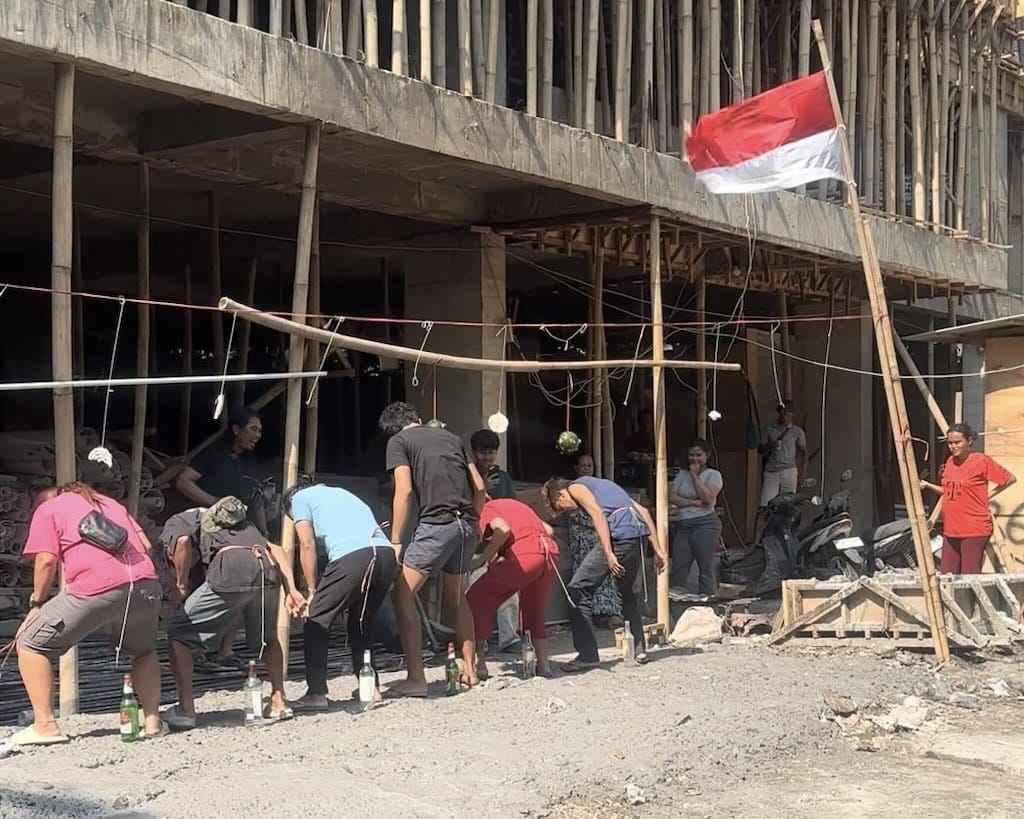
And one date to seek out rather than avoid: 17 August, Independence Day. Every neighbourhood in the country puts on lomba 17-an — the traditional games — in whatever space it has. Expect panjat pinang, teams climbing a greased pole; makan kerupuk, eating a cracker off a string with your hands behind your back; and memasukkan paku ke dalam botol, lowering a nail tied to your waist into a bottle. There is no ticket and no schedule. Ask where the neighbourhood is holding its games, turn up, and you will be handed a drink.
What a Trip to Indonesia Actually Costs
Indonesia has a reputation for being cheap. It is — but the daily rate is the least interesting part of the budget. What decides the total is which islands you choose and which two or three extras you say yes to. All figures below were checked in August 2026, at roughly 17,850 IDR to the dollar. Note that the rupiah is materially weaker than in 2023–2024, which makes older guides misleading in your favour.
Three daily budgets
- Backpacking — 450,000 to 750,000 IDR a day (25–42 USD): dorm or simple guesthouse, three warung meals, shared scooter, one paid activity
- Mid-range — 1,400,000 to 2,200,000 IDR a day (78–123 USD): a three-star hotel or good guesthouse with a pool, a mix of local and western food, a scooter plus occasional Grab, one excursion a day
- Comfort — from 3,500,000 IDR a day (200 USD and up): villa or resort, restaurants, a private driver at 700,000–850,000 IDR for a ten-hour day
Food is where the gap opens fastest. Nasi goreng at a warung costs 20,000–40,000 IDR. A flat white in a Canggu café costs 45,000–65,000 IDR — more than a full meal across the street. Managing that one ratio moves your budget more than the choice of hotel does.
Why some islands cost three times more
In Indonesia, price does not follow comfort. It follows fuel and boat size. A bamboo bungalow in Raja Ampat costs more than an air-conditioned hotel in Yogyakarta, because everything it serves you arrived by speedboat.
- Java — the cheapest region in the country; trains, dense roads, real hotel competition
- Sulawesi — cheap on the ground, but internal flights and long transfers add up
- Bali — the benchmark, and genuinely good value at mid-range thanks to sheer volume. The Gilis run 15–25 % higher: no vehicles, everything arrives by boat
- Flores and Komodo — cheap on land, expensive on water. Nothing is seen without a boat, and a speedboat day trip starts around 1,450,000 IDR per person
- Sumba — no middle ground: family homestays for almost nothing, or resorts from 250 to 2,000 USD a night
- Raja Ampat — two to three times everywhere else. Homestays run around 400,000–500,000 IDR per person per night including all meals, which sounds reasonable until you add the flights, the entry fees, and the boat transfers, each chartered privately at 500,000–800,000 IDR per boat. Ten days there, in a couple, lands around 800–950 USD each. This is the one region in Indonesia where travelling as a group of four to six genuinely halves the cost
The extras that decide your total
- Komodo liveaboard, 3 days / 2 nights: around 10,500,000 IDR per person (≈ 590 USD), park fees excluded
- Raja Ampat liveaboard, about 8 days: 1,700–2,800 USD budget, 2,900–4,500 mid-range, 5,000–7,000+ luxury
- Fun dives: roughly 640,000 IDR each in the Gilis, 900,000 in east Bali, 1,800,000–2,200,000 for two dives at Nusa Penida
- PADI Open Water: remarkably consistent at 6,200,000–6,900,000 IDR (350–390 USD) across Bali, Nusa Penida and the Gilis — no point shopping around
- Rinjani trek, 3 days / 2 nights to the summit: 275–335 USD in a shared group, including park fees, porters and all meals
- Bromo and Ijen combined from Bali, 3 days: around 2,600,000–4,600,000 IDR per person
Two travellers on the same three-week trip, with identical hotels and meals, can spend 900 USD or 4,500 USD. The difference is never the hotels. It is whether Raja Ampat and a liveaboard are on the list.
Cash, cards and QRIS
Cards work in hotels, resorts, supermarkets and better restaurants. They do not work at warungs, markets, homestays, boat transfers or any national park entrance. A useful rule: the more beautiful the setting, the less likely the card.
At ATMs, per-transaction limits vary by bank — 3,000,000 IDR at Mandiri, CIMB Niaga and Permata, 2,500,000 at BNI and BRI, as little as 1,250,000 at some BCA machines — and the Indonesian bank charges 5,000–30,000 IDR whatever you withdraw. Take the maximum, as rarely as possible.
QRIS is the real change of the last few years. One QR sticker on the counter accepts every Indonesian e-wallet, at more than 30 million merchants including tiny warungs, with no minimum transaction. Travellers from Singapore, Malaysia, Thailand, India, Japan, China and South Korea can scan it directly with their home banking app. Everyone else can install an Indonesian wallet — GoPay is the most workable — and top it up with an international card. No Indonesian bank account is needed, but you do need mobile data for every payment.
One thing to watch in Bali: money changers advertising rates well above the market. A legitimate office sits one to two percent below the interbank rate and displays an OJK or Bank Indonesia licence. A rate more than three percent better than the one on your phone is not a bargain, it is the bait. Ask for the counting machine, watch the display rather than the hands, and recount before you put the notes away.

Entry Requirements and Tourist Fees in 2026
Visa on arrival, and who is exempt
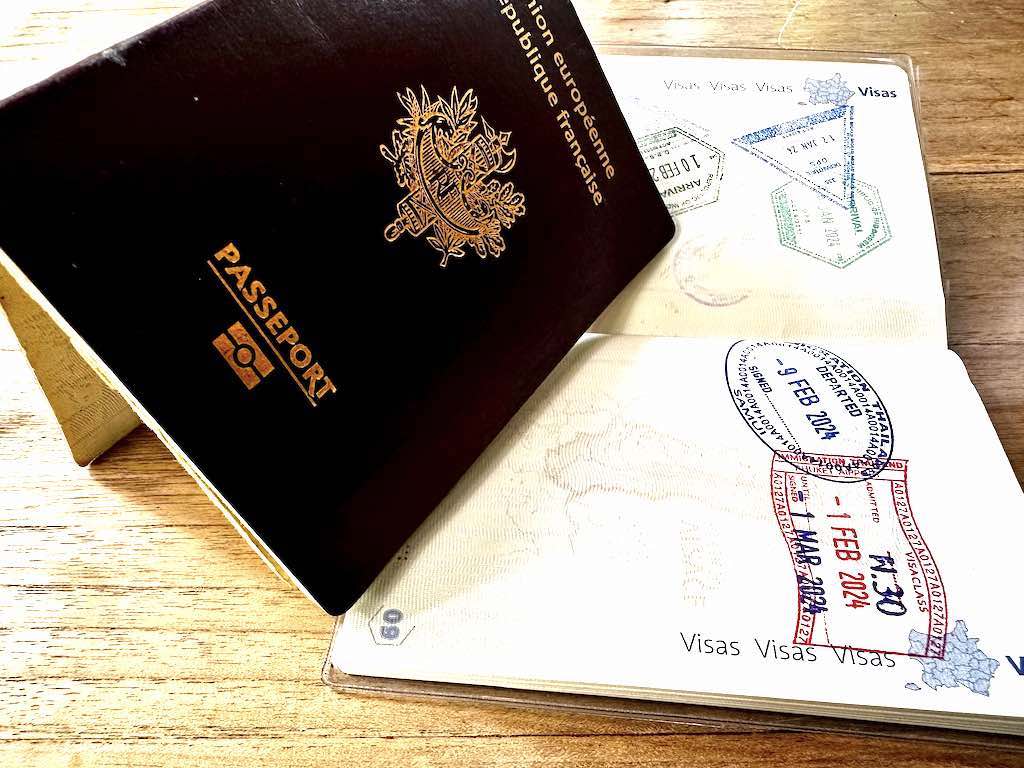
Around 90 nationalities — including the UK, US, Canada, Australia, and the whole of the EU — can obtain a visa on arrival costing 500,000 IDR, valid 30 days and extendable once for a further 30 days at the same price. You can apply in advance as an e-VOA, which is faster at the airport and valid for 90 days from issue.
Two changes are worth knowing. Since May 2025, extending your visa requires an in-person appearance at an immigration office for biometrics — it can no longer be done entirely online. And on 12 August 2026 the immigration authorities announced a plan to raise the fee to 750,000 IDR for e-VOA and 1,000,000 IDR on arrival; no date has been set and no regulation published, so check before you fly.
Genuine visa-free entry is now a short list of 19 nationalities — the ten ASEAN countries plus Colombia, Hong Kong, Suriname, Turkey, Brazil, Peru, Kazakhstan, Macao and Belarus. It lasts 30 days and, unlike the VOA, cannot be extended. Overstaying costs 1,000,000 IDR per day.
The arrival card that replaced everything else
Since October 2025, immigration, customs, health and quarantine forms have been merged into a single free All Indonesia Arrival Card, completed online within the three days before arrival at allindonesia.imigrasi.go.id or in the official app. You are issued a QR code to show on arrival. The separate electronic customs declaration and the SATUSEHAT health pass no longer exist. Your passport must be valid for six months, and an onward or return ticket is formally required.
Local levies and park fees — budget for these separately
- Bali tourist levy: 150,000 IDR per person, per entry to Bali — not per day, but payable again if you leave to Lombok or Java and come back. Pay online at lovebali.baliprov.go.id or at the dedicated counters at Ngurah Rai
- Nusa Penida, Lembongan and Ceningan: from 1 September 2026, a new Klungkung regency levy of 25,000 IDR per adult on arrival, plus 25,000 IDR at each attraction visited
- Komodo National Park: 250,000 IDR per person per day for foreign visitors, a flat rate with no weekday/weekend distinction, plus 25,000 IDR for divers and ranger fees per group of five. Cash only, at the official counter. See the park’s official site
- Raja Ampat: budget 1,700,000 to 2,000,000 IDR per person, combining the regency tourism levy of 1,000,000 IDR (in force since January 2026) and the marine park permit, which is in the middle of a price revision. Registration is compulsory in advance via SIPARI. Bring cash
- Bromo: 220,000 IDR on weekdays, 320,000 at weekends, plus 600,000–1,000,000 IDR per jeep, shared between four to six. Ijen: 100,000 IDR weekdays, 150,000 at weekends, plus a compulsory guide from 250,000 IDR if you descend towards the blue flames
- There is no departure tax — it is included in your ticket
Getting Around: Flights, Ferries and the Half-Day Rule
Flying, and the baggage trap
Domestic flying is safe and cheap. Every Indonesian airline was cleared off the EU list in 2018, and Garuda was ranked the most punctual airline in the world by OAG in March 2026, at 97.9 percent. Garuda and Citilink sit at the full-service end; Lion Air, Batik Air, Super Air Jet and AirAsia are the budget options; Wings Air, quietly, is the one that actually holds the eastern network together with its turboprops.
The trap is baggage. Guides still repeat “20 kg included”, and it is wrong: since July 2025 Lion Air includes 10 kg of checked baggage, and Citilink’s turboprops — precisely the aircraft serving Flores and the smaller islands — also allow 10 kg. Anyone with dive gear or a surfboard will pay. Always buy the extra allowance online; the airport desk price is punitive.
👉 For fare comparison, Trip.com is a straightforward way to compare domestic routes and dates.
Boats — the part to take seriously
Ferries and fast boats are how you move between neighbouring islands, and it is worth choosing an operator rather than the cheapest ticket. A serious operator has adult and child life jackets, life rafts, a passenger manifest, working radio and GPS. Warning signs are no manifest, an unusually low price, plastic chairs bolted to the deck, and corroded engines. Some travel insurers exclude fast boats altogether — check your policy, and check that it covers medical evacuation, which matters far more here than the cost of a ticket.
Seas are roughest from November to March, when cancellations are common. Morning departures, between 8 and 10 AM, are consistently the calmest. And the most expensive mistake in Indonesian logistics is a simple one: never book a flight on the same day as a boat crossing. Put a night in between.
👉 Ferries, buses, trains and transfers can be compared and booked on 12Go.

Trains, roads and the apps that work
Java has a genuinely good railway, and it is the most underused option in the country for foreign visitors. Eksekutif class is comfortable and reasonably priced, and the Blambangan Ekspres runs Jakarta to Banyuwangi, where the station is a five-minute walk from the Bali ferry. Book through tiket.com or Traveloka — the official KAI site is geoblocked and requires an Indonesian card — and remember that at major stations you need the printed orange boarding pass from a check-in kiosk, at least ten minutes before departure. The QR code alone will not get you aboard.
On the road, hiring a car with a driver is the normal solution rather than a luxury: 600,000–900,000 IDR for a full day in Bali, fuel and parking included. Grab and Gojek cover Bali, Java and the larger towns, but note that local transport associations block app pick-ups in parts of Ubud, Canggu, Uluwatu, Sanur and at several ports — you can usually be dropped there, not collected.
👉 Full guide: how to get around Indonesia.
Before You Go: Health, Safety and Practical Basics
Health and insurance
No vaccination is required for entry unless you arrive from a yellow fever country. Dengue is present nationwide and is a mosquito-bite question, not a tablet question — repellent, day and night. Malaria is not a concern in Bali or most of Java, but it is in eastern Indonesia and Papua; check your specific route with a travel clinic. Rabies is a real issue in Bali: do not touch dogs or monkeys, and treat any bite or scratch as urgent.
Drink bottled or filtered water and use refill stations where you find them. Take travel insurance that explicitly covers medical evacuation — on remote islands the nearest hospital may be a flight away, and repatriation can run into tens of thousands of dollars. Divers should carry dedicated diving cover and know where the nearest recompression chamber is before they get in the water.
Scooters — the one thing that genuinely goes wrong
The realistic risk to a visitor in Indonesia is not crime. It is the road. Bali alone recorded 269 road deaths in 2024.
To ride legally you need two documents together: your home licence with a motorcycle category, and an International Driving Permit carrying that same category. The IDP alone is not a licence — it is a translation — and it must be obtained in your own country before you leave. Police do check: 226 foreign nationals were prosecuted in Bali in 2024, and fines reach 1,000,000 IDR.
The part that costs real money is the insurance. Rental shops almost never ask to see a licence, and that creates a dangerous false confidence: if you crash without a valid motorcycle licence, your travel insurance will not pay — not the hospital, not the bike, not third-party claims. Surveys suggest around 40 percent of travellers do not know this. Wear the helmet, carry the papers.
Living on the Ring of Fire
Indonesia sits on the meeting point of several tectonic plates, which is precisely why it has the volcanoes, the hot springs and the reefs that people come to see. Earthquakes are frequent and mostly unremarkable; around 130 volcanoes are considered active, and a handful are usually at a raised alert level at any given time. This is background, not a reason to hesitate — but it is worth knowing where to look.
Two official sources cover it, both in English and both updated continuously: BMKG for earthquakes, tsunami warnings and weather, and Magma Indonesia for volcanic alert levels and exclusion zones. Check the volcano status before booking a Bromo, Ijen, Rinjani or Agung climb — access restrictions change, and local operators follow them. In coastal areas, the standing advice after a strong or long earthquake is to move inland or to high ground without waiting for an official warning.
Everyday practicalities
- Three time zones. A Jakarta to Sorong flight silently costs you two hours — a genuine trap when your ferry leaves at a fixed time on arrival
- SIM cards. Telkomsel is the only network with usable coverage in the east; roughly 100,000 IDR buys 13 GB for 30 days. Buy in a city shop, not at the airport, where the same package costs two to three times more. Your passport is required to activate
- Electricity. 230 V, European-style two-round-pin sockets
- Temples and mosques. Shoulders and knees covered; a sarong is usually lent at Balinese temples. Outside Bali, dress more conservatively — and considerably more so in Aceh, which applies sharia law
- Manners. Give and receive with the right hand, remove shoes when entering a home, ask before photographing people, and bargain in markets with good humour rather than as a contest
- Language. Bahasa Indonesia is one of the easiest languages in Asia to make a start in — no tones, no conjugation. Terima kasih, berapa, enak and permisi will take you a surprising distance
- Drugs. Penalties are severe and include the death penalty, and this extends to cannabis in every form, CBD oils and vape cartridges included, regardless of legality at home. Airport scanners cover transit baggage
Indonesian Food, in One Paragraph
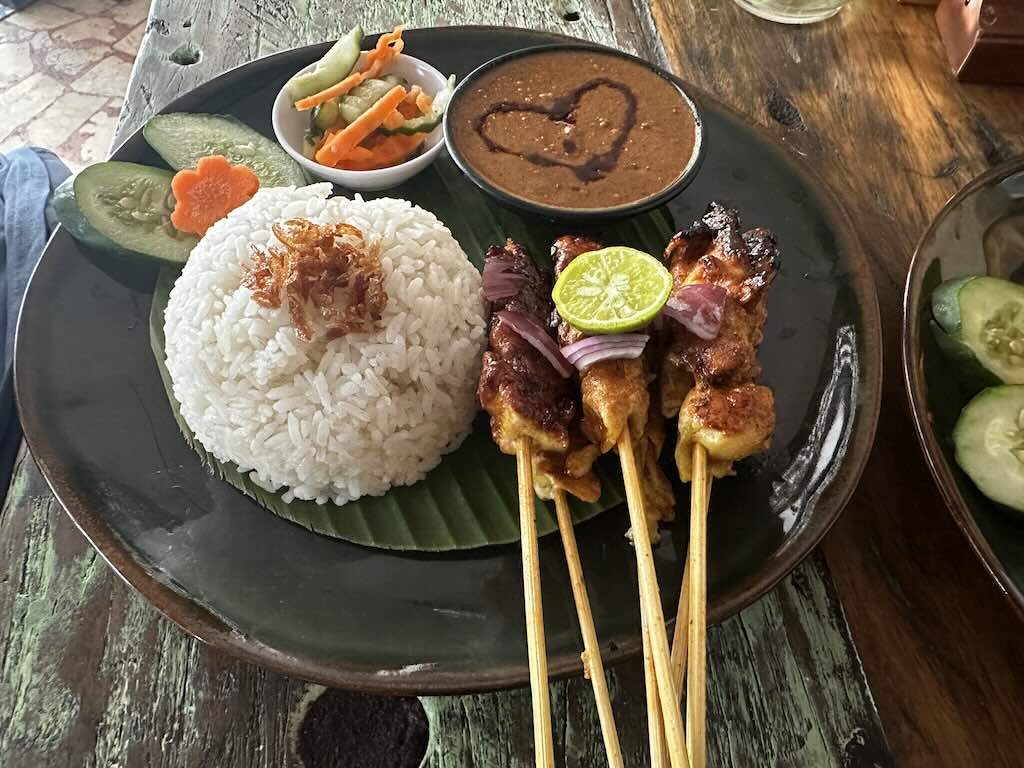
Indonesian cooking is regional before it is national. Nasi goreng and satay are everywhere, but rendang is Minangkabau from West Sumatra, gudeg is Yogyakarta, babi guling belongs to Hindu Bali and appears nowhere in the Muslim-majority islands, and coto is Makassar. Street food is not a lesser version of restaurant food here — bakso, martabak and grilled fish on the coast are the real thing, and a warung meal will cost you a fifth of what a tourist restaurant charges for the same dish.
👉 Full guide: Indonesian food — the dishes, the regions and how to order.
Read More
Once you have chosen your region, these are the guides to read next. And if Indonesia is one leg of a longer journey, our Asia travel hub covers Thailand, Vietnam, Cambodia, Malaysia and the Maldives.
Nusa Penida Travel Guide
Discover where to stay in Nusa Penida, the island’s most beautiful beaches, top viewpoints, manta ray snorkeling, practical travel tips, and detailed itineraries to plan the perfect trip.
Diving in Indonesia
Komodo, Raja Ampat, Nusa Penida, Maratua and whale shark encounters — where to dive, when to go and which liveaboard season to book.
Bali Travel Guide
Beaches, temples, rice terraces, diving and practical tips for Indonesia’s most visited island — and how to escape its crowds.
Frequently Asked Questions About Traveling to Indonesia
How many days do you need in Indonesia?
Ten to twelve days for one region, three weeks to combine three. Because every island change costs half a day to a full day door to door, a shorter trip spread over several islands spends most of its time in transit. If you have a week, choose Bali and Nusa Penida and go no further.
What is the best time to visit Indonesia?
May to early June and September to early October are the best all-round windows: dry across most of the country, without July–August prices or crowds. There is no single national season, though — Raja Ampat is best from October to April, and central Maluku is driest when Bali is wettest.
Which island should I choose?
Bali for a first trip and ease, Java for temples and volcanoes, Komodo and Flores for wildlife and boats, Lombok and the Gilis for quieter beaches, Sulawesi for culture off the tourist track, Raja Ampat for diving, and Sumba for landscapes and a complete change of pace.
Is Indonesia expensive?
No — most of the country is excellent value, at 25–42 USD a day backpacking and 78–123 USD mid-range. But costs vary enormously by island: Java is the cheapest region and Raja Ampat is two to three times more expensive than anywhere else, because everything there arrives by boat.
Do I need a visa for Indonesia?
Most nationalities buy a visa on arrival for 500,000 IDR, valid 30 days and extendable once. You can apply in advance online as an e-VOA. Only 19 nationalities, mainly ASEAN countries, enter visa-free — and that exemption cannot be extended.
What is Nyepi, and should I avoid it?
Nyepi is the Balinese Day of Silence, when the whole island stops for 24 hours and Bali’s airport closes completely. Do not plan to arrive or leave that day — but staying through it is a genuine experience, and the Ogoh-Ogoh parades the evening before are spectacular.
How do you travel between the islands?
Flights for anything over a few hundred kilometres, boats for neighbouring islands such as Bali to Nusa Penida, the Gilis and Lombok. Bear in mind that the network is radial: two islands that look adjacent may only connect via Jakarta, Denpasar or Makassar.
Is Indonesia safe for travellers?
Yes, with ordinary precautions. Violent crime against visitors is rare; the real risks are road accidents, particularly on scooters, and water conditions. Take insurance covering medical evacuation, and check volcano alert levels on Magma Indonesia before any climb.
Can I use my card, or do I need cash?
Both. Cards work in hotels and better restaurants but not at warungs, homestays, boat transfers or park entrances. QRIS payment by QR code is now accepted almost everywhere, including by tiny vendors, and travellers can use it via an Indonesian e-wallet such as GoPay.
Do I need an International Driving Permit?
Yes, and for a scooter it must carry the motorcycle category, alongside your home licence. Rental shops rarely ask, but police do — and without it your travel insurance will not cover a crash, including medical costs and repatriation.
Do people speak English in Indonesia?
Widely in Bali and in tourist areas, patchily elsewhere and rarely in rural Sulawesi, Flores or Papua. Bahasa Indonesia is unusually easy to begin — no tones and no verb conjugation — and even a handful of words changes how you are received.
Can you combine Komodo and Raja Ampat in one trip?
Only in a narrow window. Their seasons are opposites — Komodo runs April to October, Raja Ampat October to April — and the liveaboard fleet physically moves between the two. April is realistically the only month when both work, and it requires a transit through Makassar or Jakarta.
Thank you for this great article about Indonesia. What are your favorite places for diving in Indonesia?
Hi Mick,
My favorite places for diving in Indonesia are Raja Ampat, Komodo and Nusa Penida. Read here my article about my 10 favorites places for diving in Indonesia. It is in French but there will be soon an english version!
https://aller-a.fr/meilleurs-sites-de-plongee-en-asie-du-sud-est/plongee-en-indonesie/
You can also read this article about an awesome experience of dive cruise in Indonesia :
https://mybestplacestovisit.com/asia/indonesia/diving-cruise-in-indonesia/
Blaise