Sumbawa Travel Guide 2026: Whale Sharks, Surf & Beaches
By Blaise Jaeger · Updated August 23, 2026
Sumbawa is one of Indonesia’s last truly untouched islands. Located in West Nusa Tenggara, Sumbawa remains one of the country’s most underrated islands, offering some of the best things to do in eastern Indonesia — from whale shark tours to remote surfing beaches.
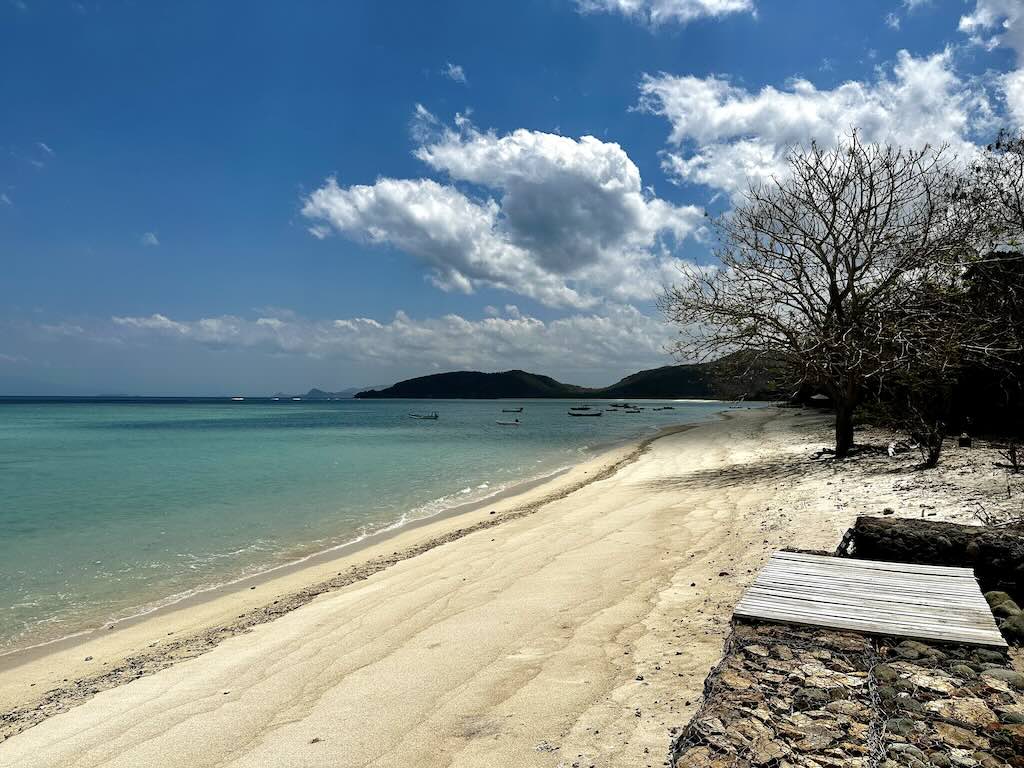
Far less developed than Bali or Lombok, Sumbawa is ideal for travelers seeking raw landscapes, authentic villages, and unforgettable wildlife experiences. During each of my visits to Sumbawa, what struck me most was how empty the beaches felt — especially after traveling through Bali and Lombok. Whale shark encounters in Saleh Bay remain one of the most authentic marine experiences I’ve had in Indonesia. Like neighboring Sumba, Sumbawa has largely remained off the mass-tourism radar, which is exactly why it remains so rewarding for independent travelers.
This complete 2026 Sumbawa travel guide covers the best things to do, how to get there, where to stay, when to visit, suggested itineraries, and how to swim with whale sharks responsibly in Saleh Bay.
Quick Facts About Sumbawa
- 📍 Location: West Nusa Tenggara, Indonesia
- 🐋 Famous for: Whale sharks in Saleh Bay
- 🏄 Surf spots: Lakey Peak, Huu
- 🌋 Volcano: Mount Tambora
- 🗓 Best time to visit: May–November
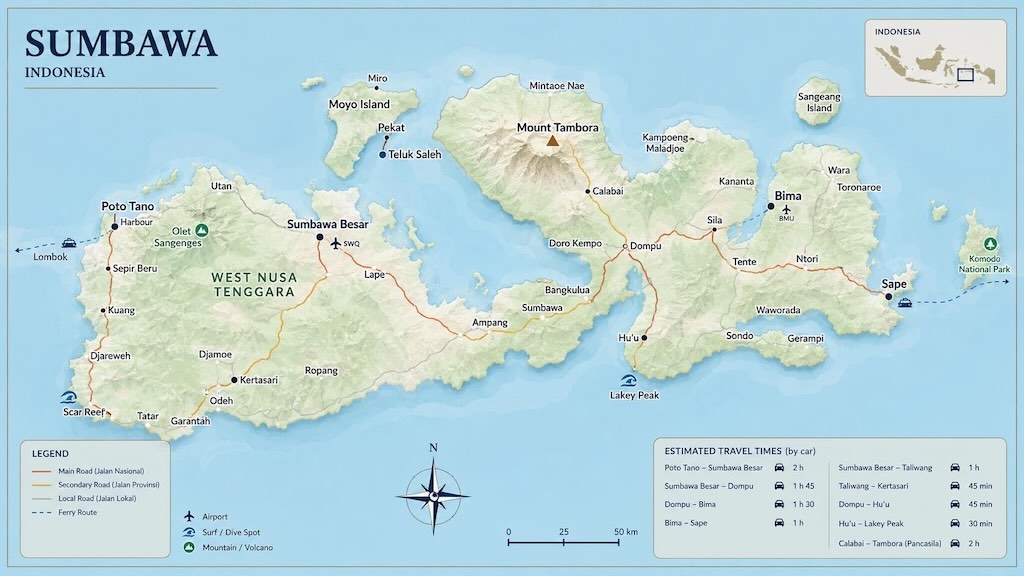
- ✈ Closest airports: Sumbawa Besar (SWQ), Bima (BMU)
What Keeps Drawing Me Back to Sumbawa
I’ve made the trip from Bali to Sumbawa three times now, each visit lasting four to seven days. Sumbawa is just east of Lombok — close enough to be an easy escape from Bali’s crowds, yet wild enough to feel like an entirely different country. After three visits, I keep coming back for the same three reasons.
First, swimming with whale sharks in Saleh Bay on the central coast — a wildlife encounter so close, so quiet, and so unhurried that no aquarium experience can compare. Second, diving with manta rays off the west coast, where the cleaning stations are still uncrowded and the visibility is consistently excellent. Third, the surf breaks at Lakey Peak on the east coast — waves I’d rate among the most consistent in Indonesia, with a small but genuine surf town that hasn’t been swallowed by Bali-style development.
This guide reflects what I’ve learned across these visits: which roads are actually passable in rainy season, where to base yourself depending on whether you came to dive, surf, or simply explore, and which local warungs serve the best food without appearing on any travel blog. It’s not a one-trip guide written from a Bali hotel — it’s the Sumbawa I keep returning to, and the one I want you to discover.
Why Visit Sumbawa?
Sumbawa is best known for wild nature, long distances, and experiences that still feel genuinely local. The main reasons to visit are:
- 🐋 Swimming with whale sharks in Saleh Bay
- 🏄 World-class surfing in Lakey Peak & Huu
- 🌋 Mount Tambora volcano
- 🏝️ Remote beaches with almost no crowds
- 🐠 Snorkeling & diving around Moyo Island
If Bali feels too busy and Lombok too developed, Sumbawa still feels raw, authentic, and adventurous — but it also requires more planning, longer transfers, and a bit more flexibility.
Bali vs Lombok vs Sumbawa: Which Island Is Right for You?
Bali, Lombok and Sumbawa are close on the map but offer very different travel experiences. Bali is the easiest and most developed, Lombok combines nature with relatively simple logistics, while Sumbawa rewards travelers prepared for longer transfers with whale sharks, remote beaches, world-class surf and a much more local atmosphere.
| Bali | Lombok | Sumbawa | |
|---|---|---|---|
| Tourism | Highly developed | Moderately developed | Still limited |
| Crowds | High in the main areas | Medium | Very low outside a few surf spots |
| Beaches | Very varied | Excellent | Remote and often empty |
| Surf | World class | Excellent | World class, especially Lakey Peak and the west coast |
| Diving & snorkeling | Excellent | Very good | Very good, with far fewer boats in many areas |
| Whale sharks | No regular experience | No regular experience | Yes — Saleh Bay |
| Main volcano | Mount Batur | Mount Rinjani | Mount Tambora |
| Getting around | Easy | Relatively easy | Long distances require more planning |
| Best for | First trip, culture, restaurants & variety | Nature, beaches & a slower pace | Adventure, wildlife, surf & authenticity |
If this is your first trip to Indonesia and convenience matters most, Bali is usually the easiest choice. Choose Lombok for beautiful beaches, Mount Rinjani and a quieter trip with relatively straightforward logistics. Choose Sumbawa if you are looking for empty coastlines, whale sharks in Saleh Bay, uncrowded surf and a more adventurous journey away from Indonesia’s main tourist routes.
You do not necessarily have to choose: Lombok and Sumbawa combine particularly well in the same trip, using the ferry between Kayangan and Poto Tano.
Best Things to Do in Sumbawa
🐋 Swim with Whale Sharks in Saleh Bay
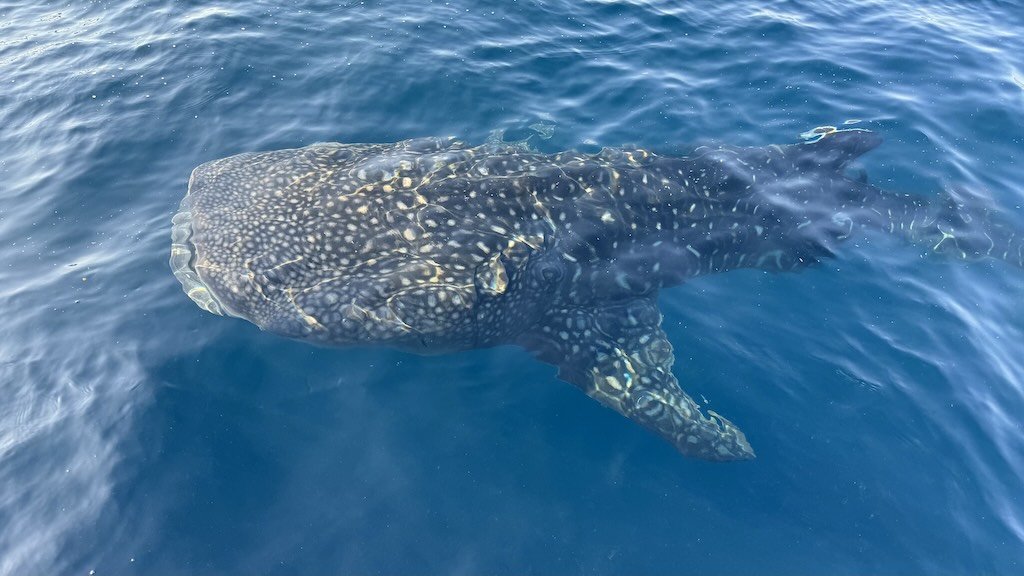
One of the main reasons travelers visit Sumbawa is the opportunity to swim with whale sharks in Saleh Bay. It is one of Indonesia’s most memorable marine wildlife experiences.
Unlike many destinations where sightings are seasonal, whale sharks can be observed here year-round. They are attracted by plankton and traditional fishing platforms known as bagan.
What to Expect
- Early morning departure (around 4–5 am)
- 1-hour boat ride in calm waters
- Snorkeling or diving in shallow conditions
- Whale sharks feeding near the surface
- Excellent visibility (often 15–25 m)
The experience is calm and respectful. These gentle giants can grow up to 12 meters long but are completely harmless.
Best Time to See Whale Sharks
Whale sharks are present all year, but the dry season (May–November) offers:
- Calmer seas
- Better visibility
- Higher chance of multiple sightings
Many local operators also observe stronger activity around the new moon.
This is one of the most accessible and authentic ways to see whale sharks in Indonesia, especially if you choose an operator that keeps distance, limits time in the water, and avoids touching or chasing the animals.
Read my complete guide about Whale Sharks in Saleh Bay
🏄 Surfing in Huu & Lakey Peak
Sumbawa is internationally known for its surf breaks.
Lakey Peak and Lakey Pipe near Huu attract surfers from around the world thanks to consistent reef breaks and powerful waves.
Best for:
- Intermediate to advanced surfers
- Dry season swells (May–October)
The atmosphere is laid-back and far less crowded than Bali.
🌊 Kertasari & West Coast Beaches
Kertasari village
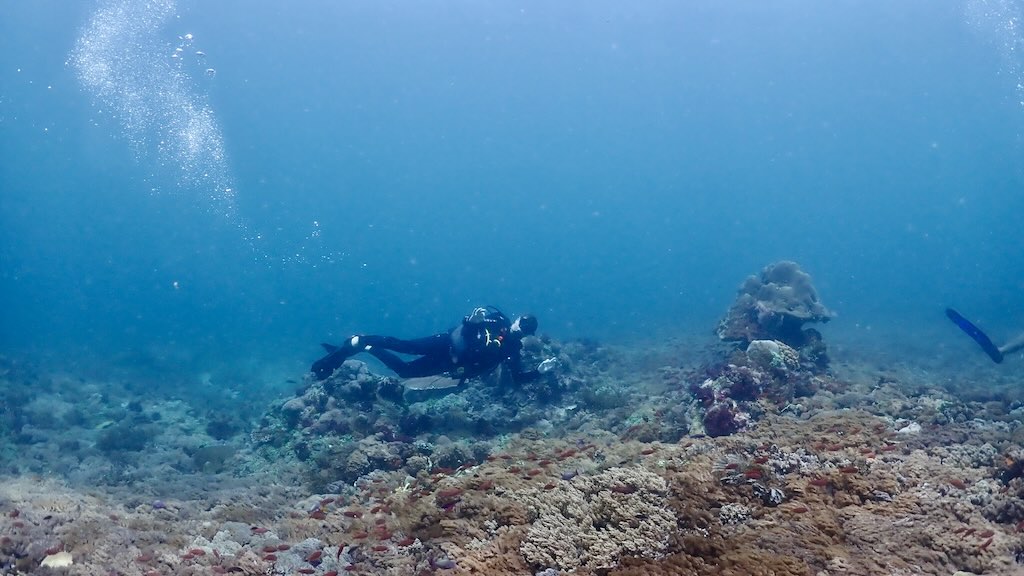
The village of Kertasari, on Sumbawa’s western coast, is a surfer’s paradise. Its consistent waves cater to both beginners and experienced surfers. The tranquil setting and absence of crowds make it even more appealing. Besides surfing, Kertasari is ideal for snorkeling and swimming, thanks to its crystal-clear waters and well-preserved coral reefs. Scuba diving with the Mocean Resort is another highlight, offering opportunities to see manta rays feeding near the small island in Kertasari Bay.
The Beaches South of Taliwang
While part of Sumbawa’s western coastline is industrialized, with power plants and mining operations, there are still some truly stunning beaches to explore—ideal for both relaxation and surfing.
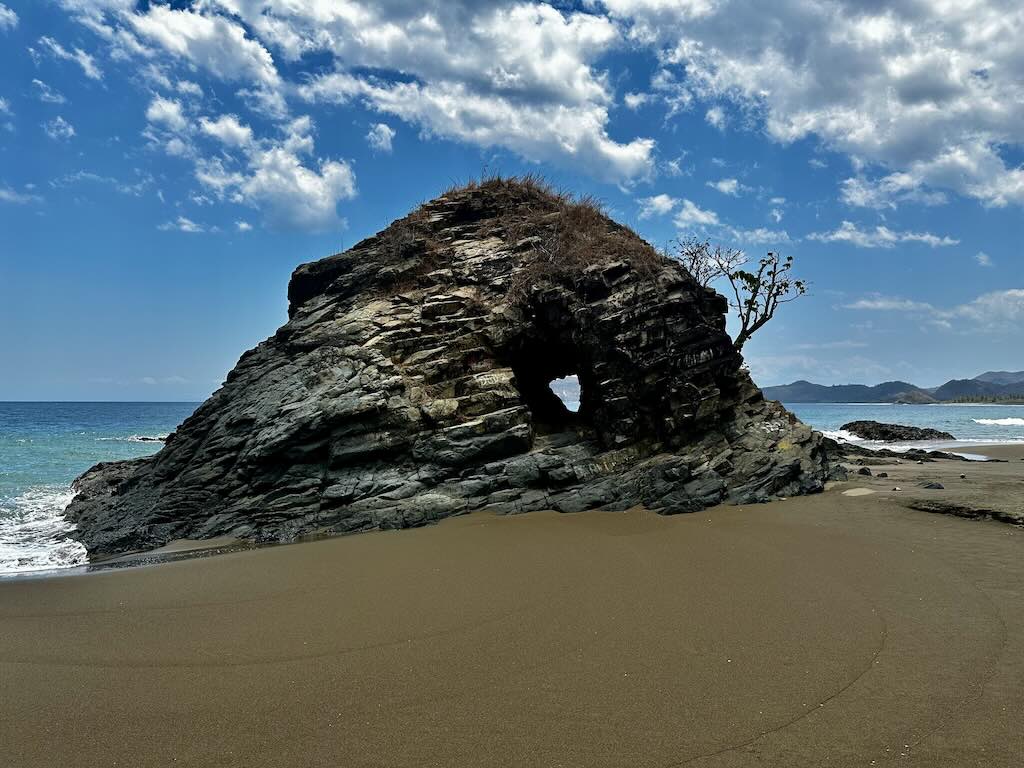
One must-visit spot is Scar Reef Beach, a breathtaking and impressive location renowned for its powerful waves. If you’re unsure where to settle on the beach, do as I did and grab a coffee at Myamo Beach Cottage—a great starting point.
Seaweed farming
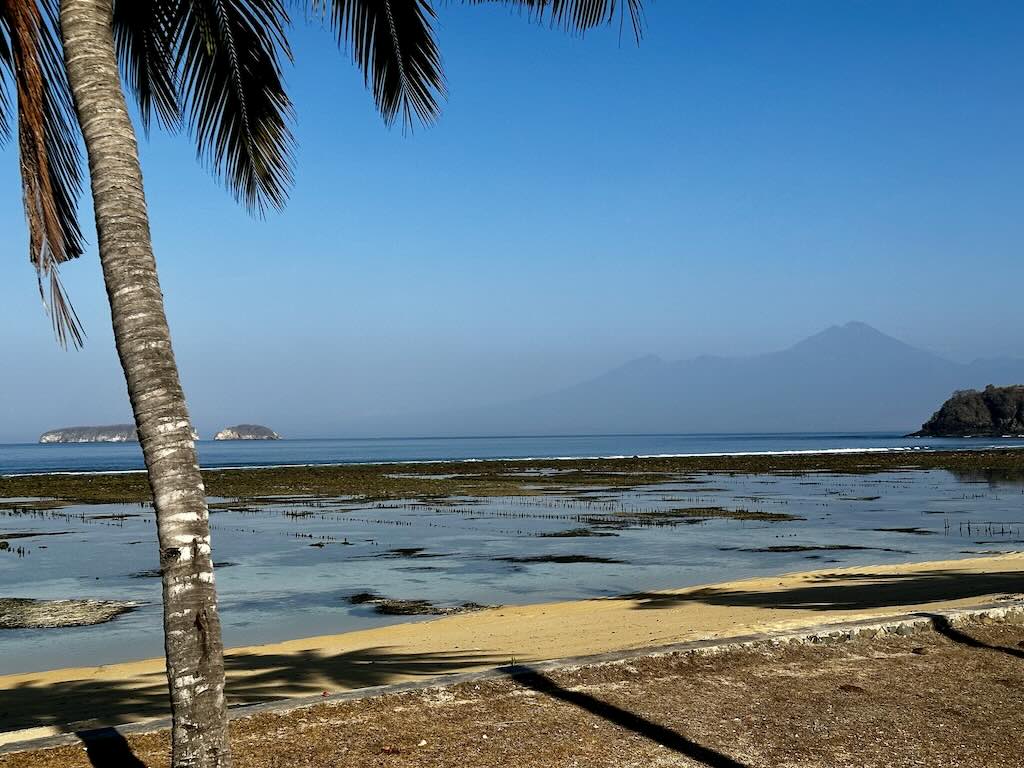
Surrounded by lush rice fields and green hills, Kertasari also offers visitors a glimpse into rural life. You can learn about the local seaweed farming process, similar to what is seen in Nusa Lembongan, and savor local specialties like ikan bakar (grilled fish) at small seaside eateries (warungs).
🏝️ Moyo Island
Moyo Island is a peaceful snorkeling and diving destination off Sumbawa’s coast.
Expect:
- Clear turquoise waters
- Healthy coral reefs
- Sea turtle nesting sites
- Eco-lodges and simple accommodation
It’s ideal for travelers wanting a slow island escape.
🌋 Mount Tambora
Mount Tambora is one of Indonesia’s most historically significant volcanoes. Its 1815 eruption changed global climate patterns.
Today, trekking Tambora offers:
- Expansive crater views
- Multi-day hiking routes
- Remote wilderness atmosphere
Best attempted during dry season months.
How to Get to Sumbawa
Reaching Sumbawa is easier than many travelers expect. The island is accessible by both air and ferry from Bali, Lombok, and other parts of Indonesia. If you’re planning a longer trip across the archipelago, you may also find my guides on how to get to Indonesia and how to travel around Indonesia useful. You can also check the official Indonesian tourism portal for broader trip-planning information.
For most travelers, the easiest route is to fly to Sumbawa Besar if your priority is Saleh Bay whale sharks, or to Bima if you are heading to Lakey Peak, Huu, or eastern Sumbawa. If you are combining Lombok and Sumbawa, the ferry from Kayangan to Poto Tano is usually the most flexible option.
By Air
Fly from:
- Bali (Denpasar)
- Jakarta
- Lombok
Airports:
- Sumbawa Besar (west)
- Bima (east)
Flight time from Bali: around 1 hour.
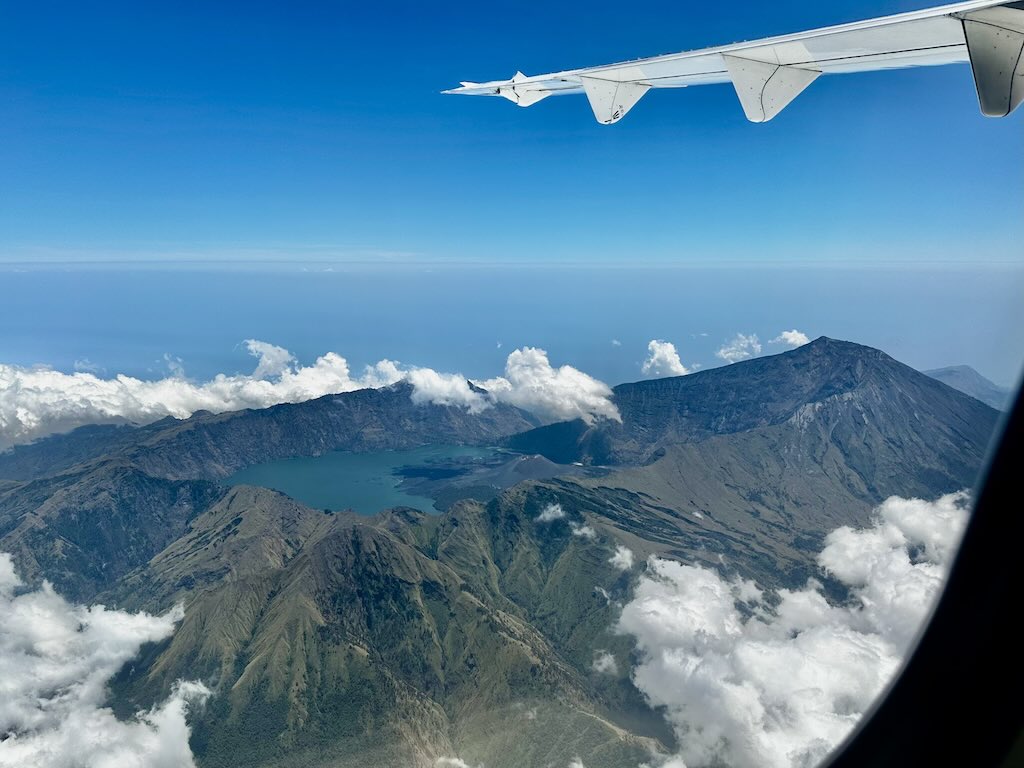
If you are seated near the window on the left side of the plane from Bali, you may be lucky enough to observe the Rinjani volcano and its crater lake up close.
By Ferry
From Lombok, ferries depart from Kayangan port to Poto Tano on Sumbawa. The crossing takes about 1.5 hours and runs hourly throughout the day, with prices around Rp 20,000 (~$1.50) per passenger. You can also book your Lombok–Sumbawa ferry in advance on 12Go if you prefer a hassle-free experience with hotel pickup.
From Flores, ferry connections also operate to Bima or Sape in eastern Sumbawa.
Where to Stay in Sumbawa
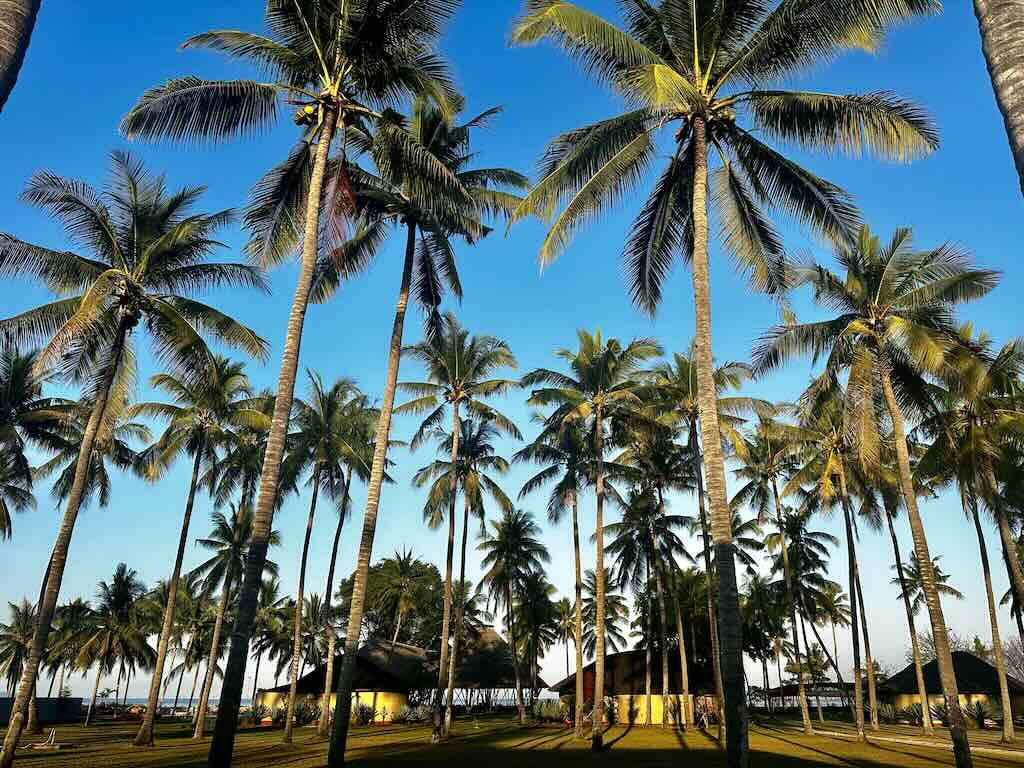
West Sumbawa (Kertasari & Taliwang)
- Beachfront guesthouses
- Surf lodges
- Relaxed atmosphere
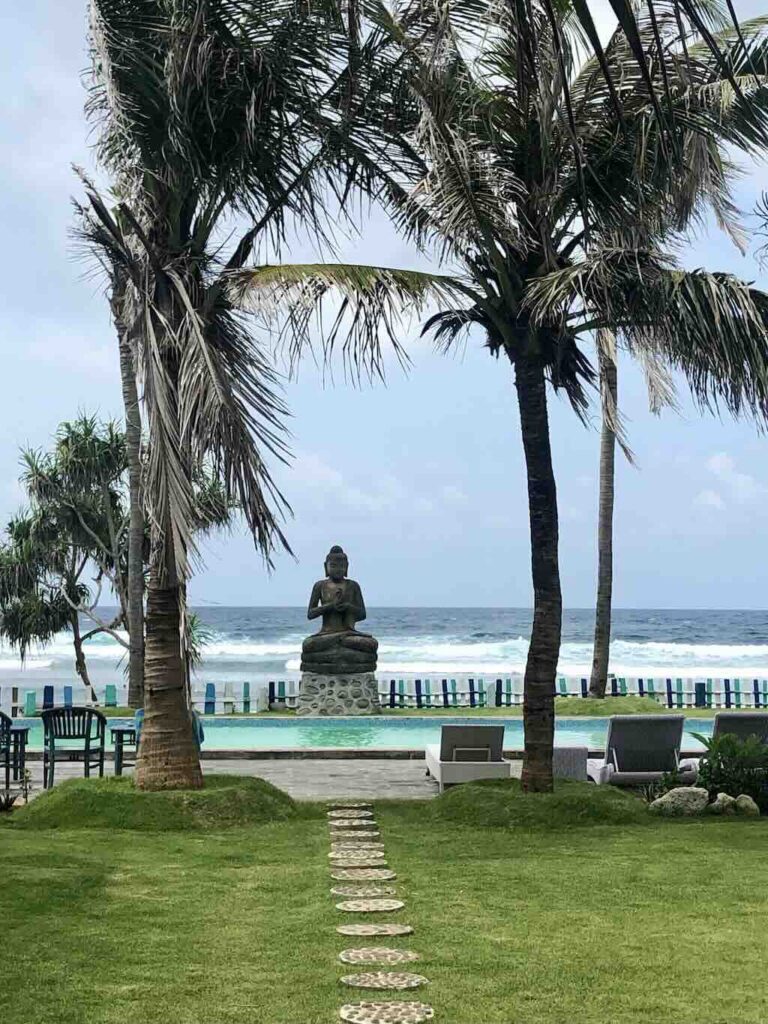
Whales & Waves in Kertasari offers ocean views and peaceful surroundings.
Sumbawa Besar
Good for:
- Airport access
- Whale shark tours in Saleh Bay
- Overnight stays before Saleh Bay
Hotel Kaloka is conveniently located and organizes whale shark boat trips. If whale sharks are your main reason for visiting Sumbawa, Sumbawa Besar is the simplest base for one or two nights before an early departure to Saleh Bay.
Huu / Lakey Peak
Best for surfers.
Simple surf lodges and beachfront stays dominate the area. I stayed at The Tree House Sumbawa and had a great experience.
Culture & Local Life in Sumbawa
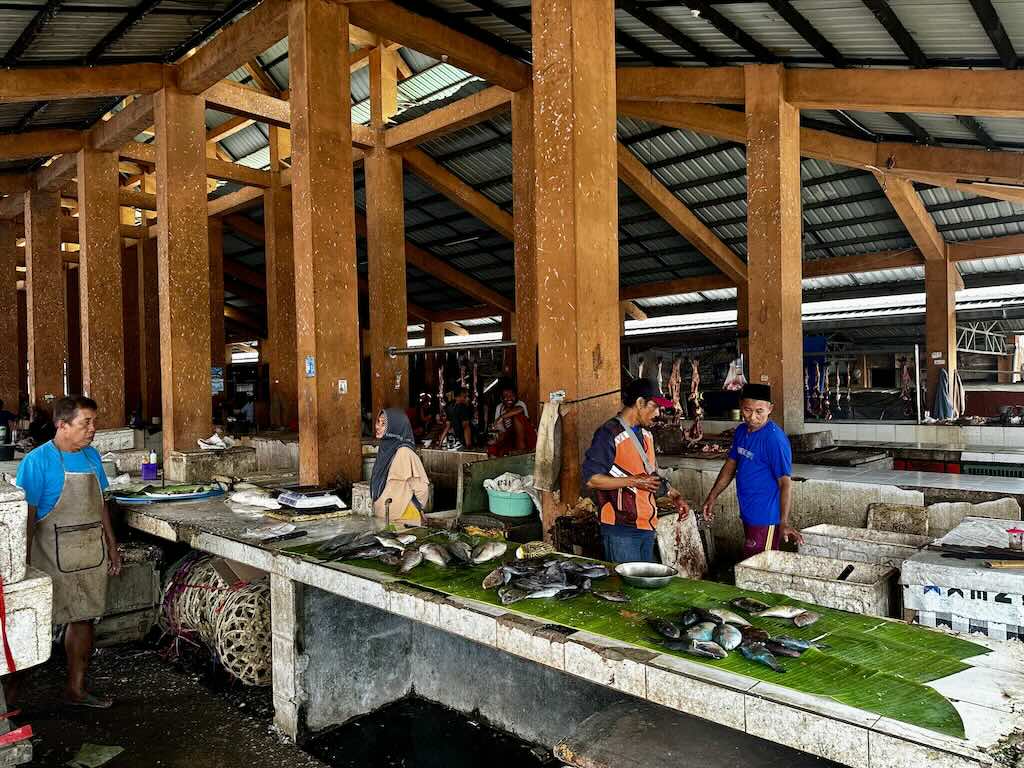
Unlike Hindu Bali, Sumbawa is predominantly Muslim — and that cultural difference is one of the things that gives the island its distinct atmosphere. You’ll hear the call to prayer five times a day across the towns and villages, see modest dress codes (especially in rural areas), and find that alcohol is far less available than in Bali (most warungs don’t serve it; some larger hotels do). It’s not restrictive — Sumbawanese people are warm, curious, and welcoming — but it’s worth dressing respectfully when visiting villages, mosques, or local markets.
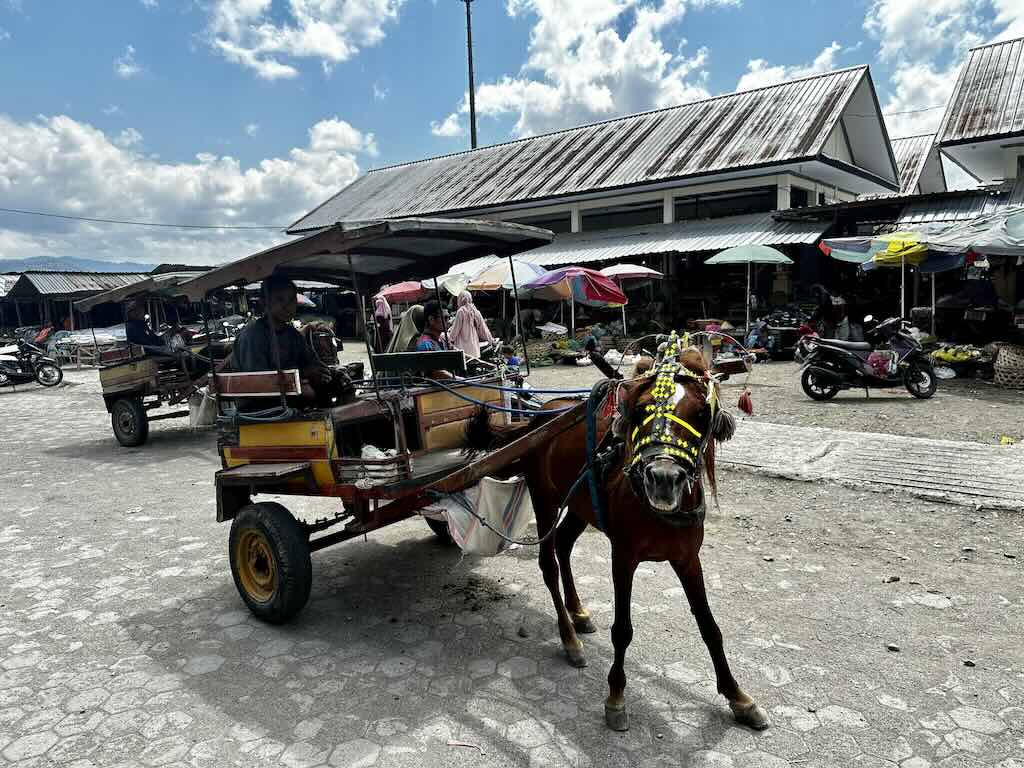
The island is split between two main ethnic groups: the Sumbawanese in the west (around Sumbawa Besar and Taliwang) and the Bimanese in the east (around Bima and Dompu). Each has its own language, traditions, and even slightly different cuisine. The most visible cultural treasure of Sumbawa is its horse-riding tradition — the small but tough Sumbawa horse (kuda Sumbawa) has been bred here for centuries, and traditional horseback races still happen during local festivals in towns like Taliwang. If you visit between April and August, ask locals about upcoming pacu kuda (traditional horse races) — they’re chaotic, joyful, and a window into pre-tourism Sumbawa.
For food, Sumbawa cuisine leans on grilled fish, sambal, and rice — simpler and spicier than Balinese cooking. The local specialty everyone mentions is sepat: a sour-spicy fish soup with mango that you’ll find in warungs from Sumbawa Besar to Bima. In coastal villages, ask for ikan bakar (grilled fish) caught the same morning and served with sambal and steamed rice — usually under 50,000 IDR for a complete meal. The food won’t blow your mind like Balinese fine dining, but it’s honest, fresh, and reflects the rhythms of an island where most people still fish, farm, or raise horses.
Best Time to Visit Sumbawa
The best time to visit Sumbawa is during the dry season (May–November).
Advantages:
- Better surf conditions
- Calmer seas for whale shark tours
- Easier road travel
Rainy season (December–April):
- Greener landscapes
- Fewer tourists
- Occasional rough seas
Whale sharks are present year-round, but dry season offers optimal conditions.
How Many Days in Sumbawa?
Minimum: 4–5 days
Ideal: 7–10 days
Divers and surfers often stay longer.
Suggested Sumbawa Itineraries: 4, 7 or 10 Days
Sumbawa is much larger than it first appears, so the best itinerary depends on how much time you have and whether your priorities are whale sharks, surf, diving, beaches or Mount Tambora. The routes below are designed to avoid unnecessary backtracking and, whenever possible, to let you arrive through one side of the island and leave from the other.
4 Days — Whale Sharks & West Sumbawa
Four days is the minimum I would recommend. Keep the trip focused on Saleh Bay and western Sumbawa rather than trying to cross the entire island.
- Day 1: Fly to Sumbawa Besar and stay nearby. If you arrive early, explore the town and prepare for the very early start the following morning.
- Day 2: Leave before dawn for a whale shark experience in Saleh Bay, then rest or continue toward western Sumbawa.
- Day 3: Explore Kertasari, its beaches and seaweed farms. Divers can book a local dive while surfers can spend the afternoon on the west coast.
- Day 4: Visit Scar Reef and the coast south of Taliwang, then continue to Poto Tano for the ferry to Lombok.
7 Days — The Best of Sumbawa from West to East
A week is a much better length for a first trip because it lets you combine the island’s three strongest experiences — the west coast, Saleh Bay and Lakey Peak — without rushing every day.
- Day 1: Arrive from Lombok via Poto Tano and continue to Kertasari.
- Day 2: Kertasari — surf, dive, snorkel, relax on the beach or discover the seaweed farms.
- Day 3: Explore Taliwang, Scar Reef and the beaches of West Sumbawa.
- Day 4: Drive to Sumbawa Besar and stay overnight.
- Day 5: Early whale shark trip in Saleh Bay, then start heading east.
- Day 6: Continue to Huu and Lakey Peak and enjoy the late-afternoon surf atmosphere.
- Day 7: Spend the morning around Lakey Peak before departing via Bima, or add another night if your flight schedule allows.
10 Days — Sumbawa at a Slower Pace
Ten days gives you enough flexibility to stay longer in the places you enjoy most and to add either Mount Tambora or Moyo Island instead of simply driving across Sumbawa. It also makes it easier to connect the trip with Lombok to the west or Flores and Komodo to the east.
- Days 1–2: Kertasari and West Sumbawa — beaches, surf, diving and Taliwang.
- Day 3: Scar Reef and the southwest coast.
- Day 4: Transfer to Sumbawa Besar.
- Day 5: Whale sharks in Saleh Bay.
- Days 6–7: Add Moyo Island or dedicate extra time to the Saleh Bay / Tambora region.
- Day 8: Cross toward Huu and Lakey Peak.
- Day 9: Lakey Peak, nearby beaches and surf.
- Day 10: Continue to Bima or Sape. From here you can fly out or travel onward toward Flores and Komodo.
My advice: do not underestimate Sumbawa’s distances. A slower itinerary is usually more rewarding than trying to tick off every destination, especially if diving, surfing or wildlife encounters are the main reason for your trip.
Is Sumbawa Worth Visiting?
Yes — especially if you are looking for:
- Authentic Indonesia
- Whale shark encounters
- Fewer tourists
- Remote beaches
- World-class surf
Sumbawa is not luxury-focused or nightlife-driven. It’s wild, simple, and powerful.
Why Sumbawa Is One of Indonesia’s Most Underrated Islands
Sumbawa combines:
- Whale sharks
- Legendary surf breaks
- Volcano trekking
- Empty beaches
- Authentic villages
It’s not polished. It’s not crowded. And that’s exactly what makes it special.
If you’re planning a broader Indonesia trip, you can combine Sumbawa with Lombok, Flores, or Komodo National Park for a truly diverse island adventure.
Explore More of Indonesia
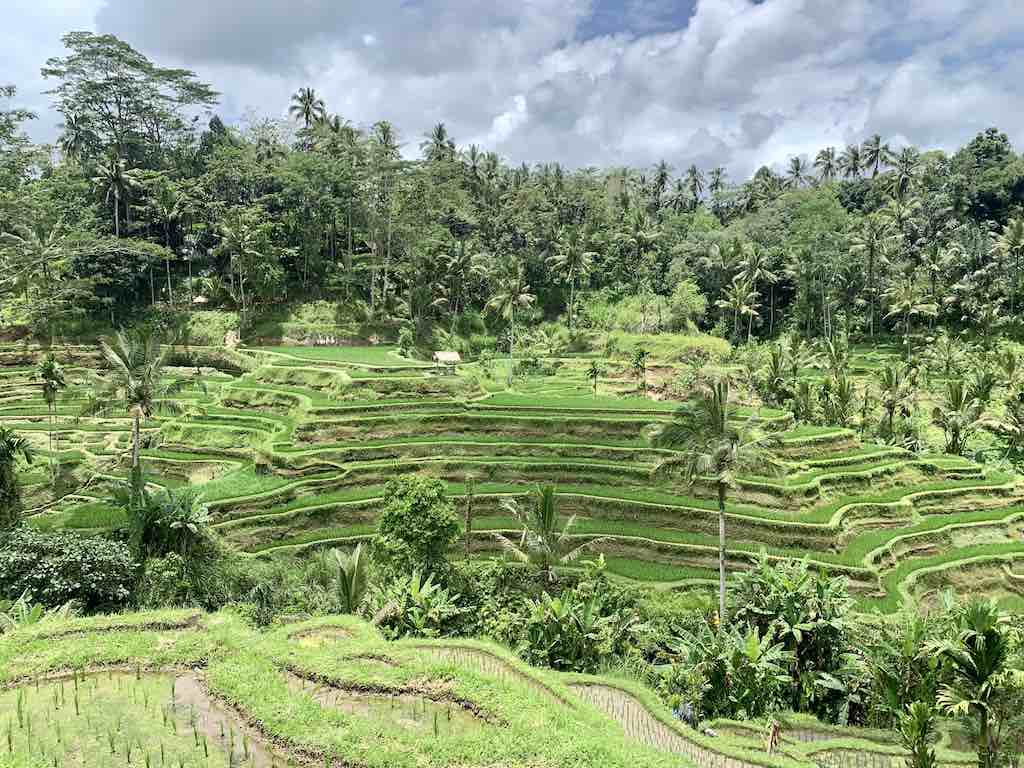
Discover Bali — Indonesia’s most famous island and the natural gateway to Sumbawa for most travelers. Hindu temples, terraced rice fields, surf breaks, and the country’s most developed tourism infrastructure.
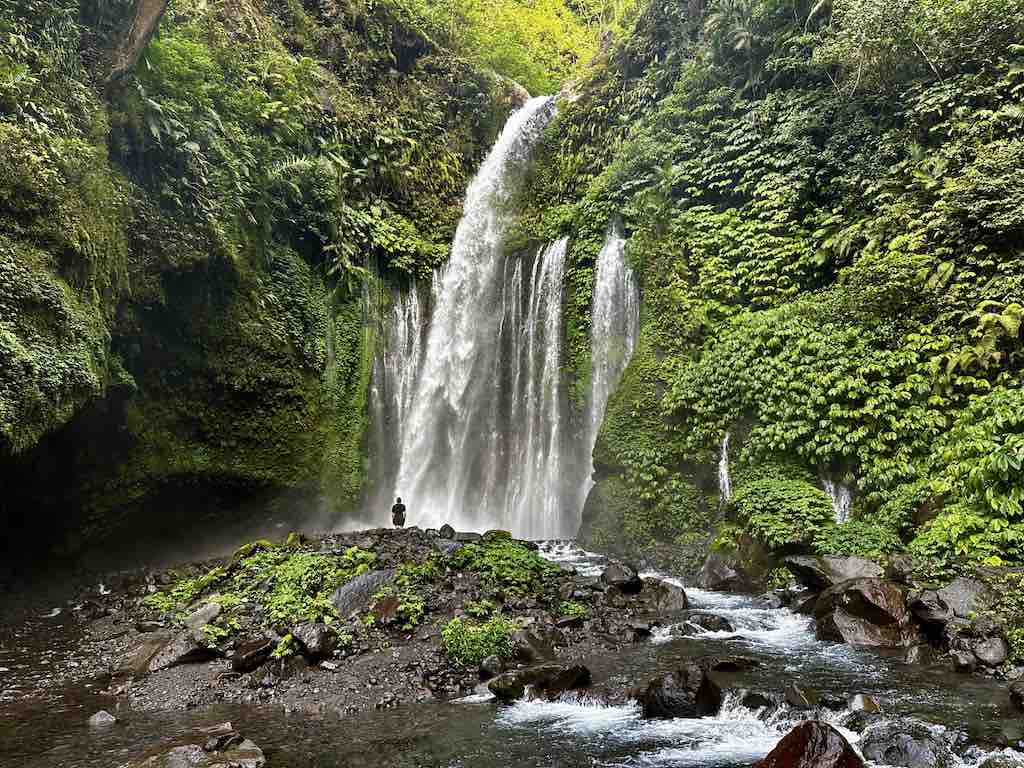
Visit Lombok — Sumbawa’s western neighbor, with Mount Rinjani, the Gili Islands, and quieter beaches than Bali. A natural stepping stone between Bali and Sumbawa, or a destination of its own.
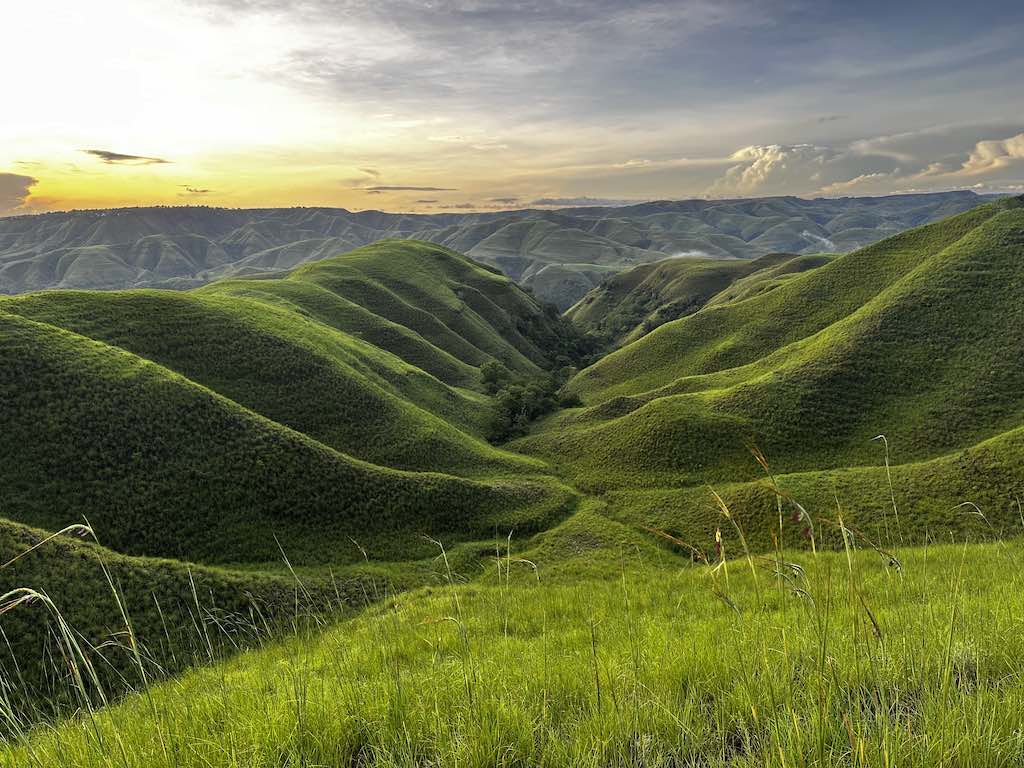
Cross over to Sumba — the wilder, more traditional island east of Sumbawa. Famous for its world-class surf at Nihiwatu, the megalithic villages of the interior, and the spectacular pasola horseback festivals each February-March.
Frequently Asked Questions About Sumbawa
Is Sumbawa worth visiting?
Yes, especially if you want to see a less-developed side of Indonesia. Sumbawa combines whale sharks in Saleh Bay, world-class surf, remote beaches, diving, Mount Tambora and a strong local atmosphere, but it requires more time and planning than Bali or Lombok.
What is Sumbawa famous for?
Sumbawa is best known for whale sharks in Saleh Bay, surfing at Lakey Peak, Mount Tambora and its long, uncrowded coastline. The island is also increasingly attractive for diving, snorkeling and independent road trips.
How many days do you need in Sumbawa?
I recommend at least 4–5 days, while 7–10 days is much more comfortable if you want to combine Saleh Bay, the west coast and Lakey Peak. Divers, surfers and anyone planning to add Mount Tambora or Moyo Island should allow longer.
When is the best time to visit Sumbawa?
The dry season, roughly May to November, generally offers the easiest conditions for road travel, surfing, diving and boat trips. Whale sharks can be encountered in Saleh Bay throughout the year, although sea and weather conditions still matter.
Can you swim with whale sharks in Sumbawa all year?
Whale sharks are observed in Saleh Bay year-round around traditional fishing platforms, but sightings can never be guaranteed. For details on timing, operators and what the experience is actually like, see my Saleh Bay whale shark guide.
How do you get to Sumbawa from Bali?
The fastest option is to fly to Sumbawa Besar or Bima, depending on which part of the island you want to visit first. Another good option is to travel via Lombok and take the ferry from Kayangan to Poto Tano, particularly if you want to combine Lombok and Sumbawa.
Is Sumbawa better than Lombok?
Neither island is simply “better.” Choose Lombok for easier logistics, more accommodation and a relaxed beach-and-nature trip. Choose Sumbawa for whale sharks, uncrowded surf, more remote landscapes and a stronger sense of adventure.
Is Sumbawa suitable for families?
It can be, particularly for families who enjoy nature, snorkeling and road trips. The main constraint is the distance between regions, so families should plan fewer stops, allow generous transfer times and choose responsible operators for wildlife activities.