France Travel Guide: 8 Best Places to Visit in 2026
By Blaise Jaeger · Updated July 27, 2026
Why Visit France?
France is a country of breathtaking landscapes, rich history, and diverse cultural heritage. From the vibrant streets of Paris to the stunning coastlines of Brittany and the picturesque villages of Alsace, every region has something unique to offer. As a French native, I’ve explored many corners of my homeland, and these eight destinations stand out as my absolute favorites. Whether you’re looking for history, natural beauty, or culinary delights, these places should be at the top of your France travel list.
France at a Glance
- Capital: Paris
- Language: French
- Currency: Euro (€)
- Best time to visit: April–June and September–October for mild weather and fewer crowds; December for Alsace’s Christmas markets; winter for the Alps
- Getting around: a fast TGV rail network links the major cities; a car is best for the countryside, wine routes and villages
- How long you need: a week for one or two regions, two weeks or more to combine Paris with the coast, the Alps and the south
A Personal Connection to France
I was born in Paris and have family roots in Alsace, so France is not just a destination for me — it’s home. I’ve spent my life crossing the country, from childhood Christmases in Strasbourg to summers on the Riviera and ski trips in the Alps. That’s why this guide isn’t a generic top-eight list: it’s the France I keep coming back to, region by region, with the places I’d send my own friends to first.
1. Paris – The Heart of France
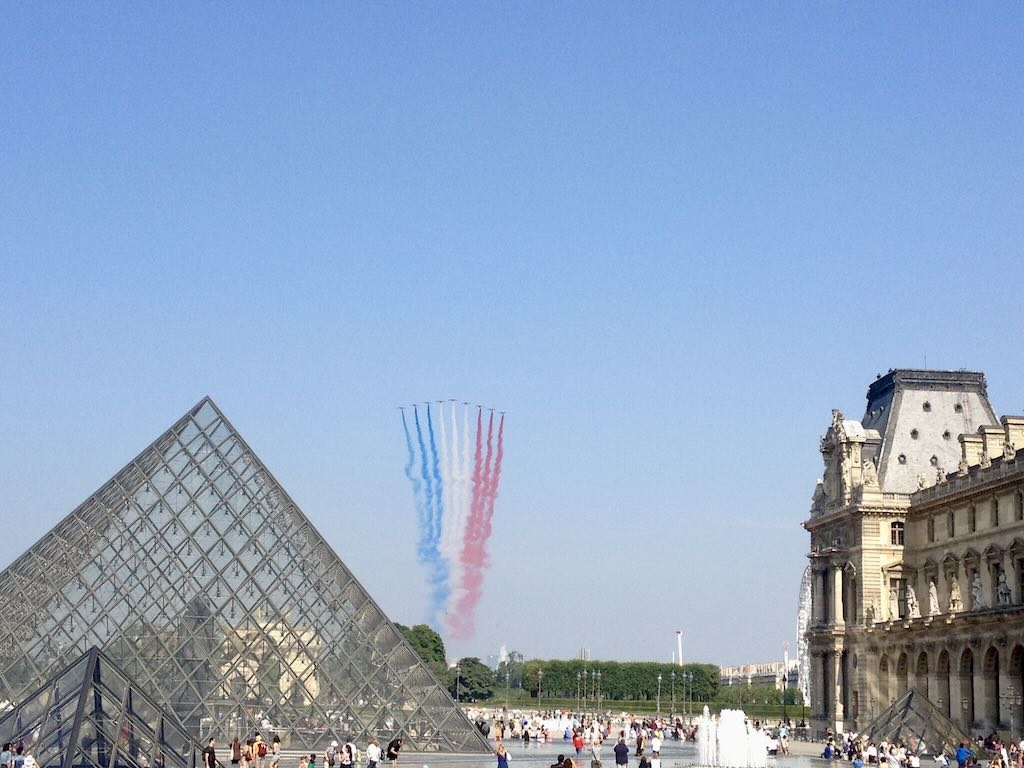
Paris, the City of Lights, needs no introduction. It’s a must-visit for first-time travelers and a place that continues to enchant even those who know it well. Walking along the Seine, admiring the Eiffel Tower, and exploring world-class museums like the Louvre and Musée d’Orsay are just the beginning. Strolling through the charming streets of Montorgueil, Le Marais, or Saint-Germain-des-Prés offers a more intimate glimpse of the city’s magic. Don’t miss iconic landmarks like Notre-Dame, Sacré-Cœur, and the Champs-Élysées. And, of course, Parisian gastronomy — from buttery croissants to exquisite Michelin-starred dining — is an experience in itself.

2. Normandy – Dramatic Cliffs and Timeless Beauty
Normandy’s blend of stunning coastal landscapes and historic sites makes it an unforgettable destination.
- Étretat: Known for its striking white cliffs and natural rock arches, Étretat offers breathtaking scenery and invigorating coastal walks.
- Honfleur: This charming port town has inspired artists for centuries with its colorful houses and lively atmosphere. Strolling along the old harbor and enjoying fresh seafood here is a delight.
- D-Day Beaches: For history enthusiasts, the beaches of Normandy are a moving tribute to World War II events. Visiting Omaha Beach and the American Cemetery is a poignant experience.
3. Brittany – Wild Coasts and Medieval Charm
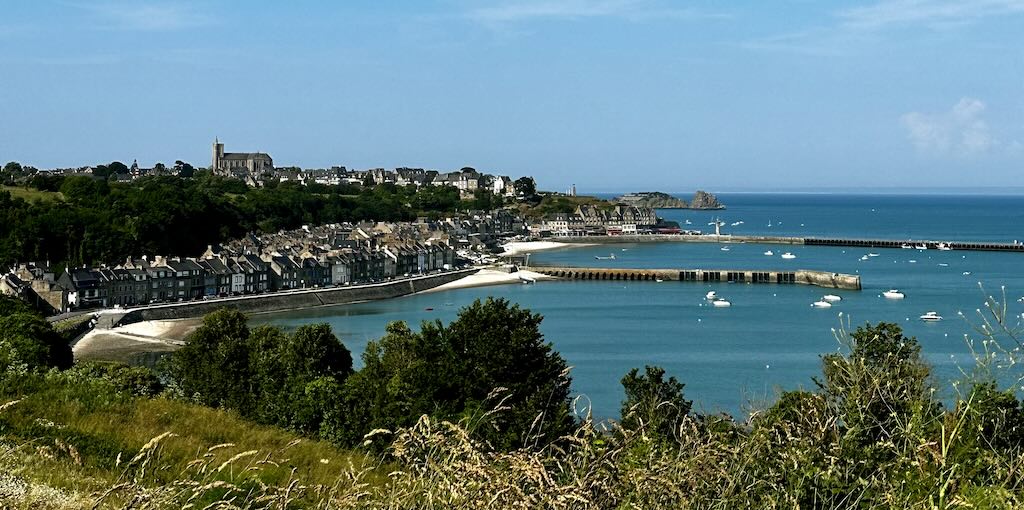
Brittany’s rugged coastline, medieval towns, and unique cultural identity make it one of France’s most enchanting regions.
- Mont Saint-Michel: This UNESCO-listed abbey perched on a tidal island is one of France’s most spectacular sights. Walking through its medieval streets feels like stepping back in time.
- Saint-Malo: A walled port city with a fascinating history of pirates and seafarers, Saint-Malo offers stunning ocean views and fantastic seafood.
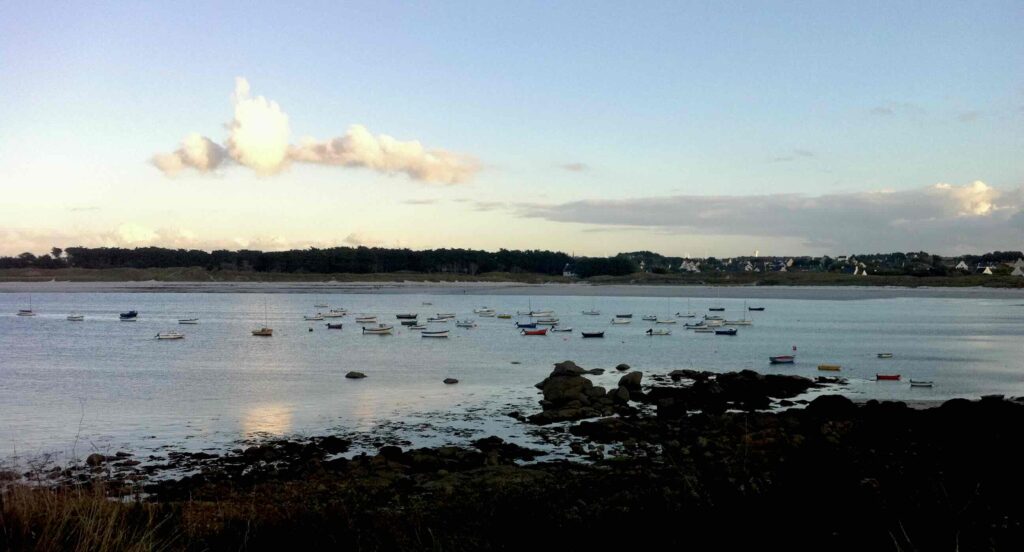
- North Finistère: The wild, untamed beauty of this region, with its dramatic cliffs and lighthouses, is perfect for nature lovers.
4. Loire Valley – A Fairytale Land of Castles
The Loire Valley, often called the “Garden of France,” is home to some of the most magnificent châteaux in the world.
- Château de Chambord: This Renaissance masterpiece is the Loire’s largest and most extravagant castle.
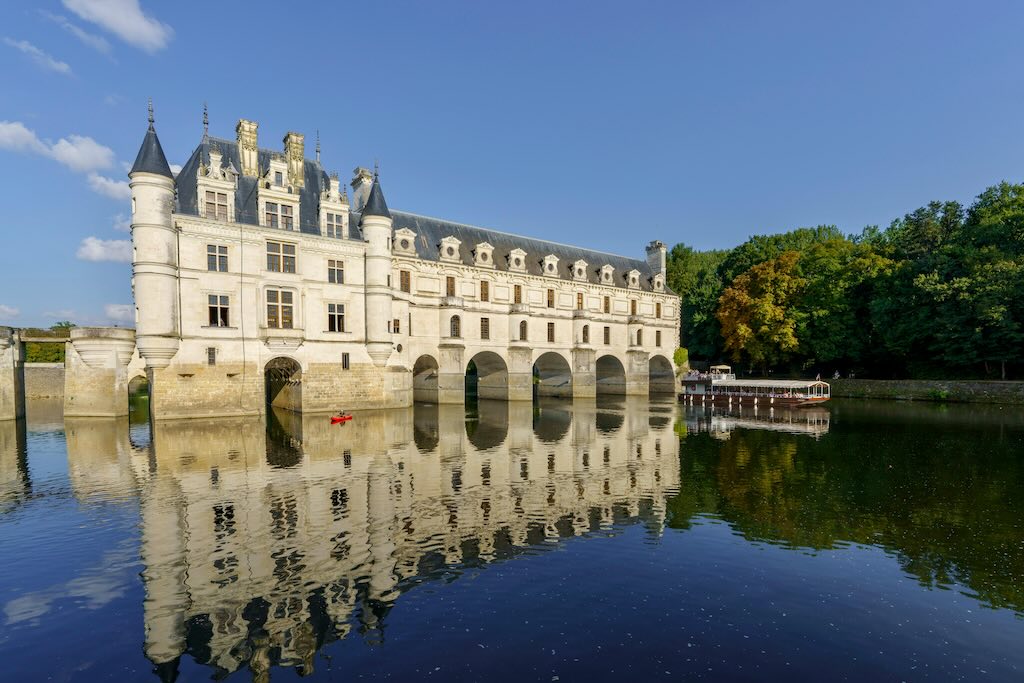
- Château de Chenonceau: Known as the “Ladies’ Castle,” this elegant château spans the River Cher and boasts stunning gardens.
- Château de Blois & Chaumont: These castles blend history, art, and beautifully preserved architecture.
- Château d’Amboise: A former royal residence, Amboise also houses the tomb of Leonardo da Vinci.
5. Alsace – Fairytale Villages and Wine Routes
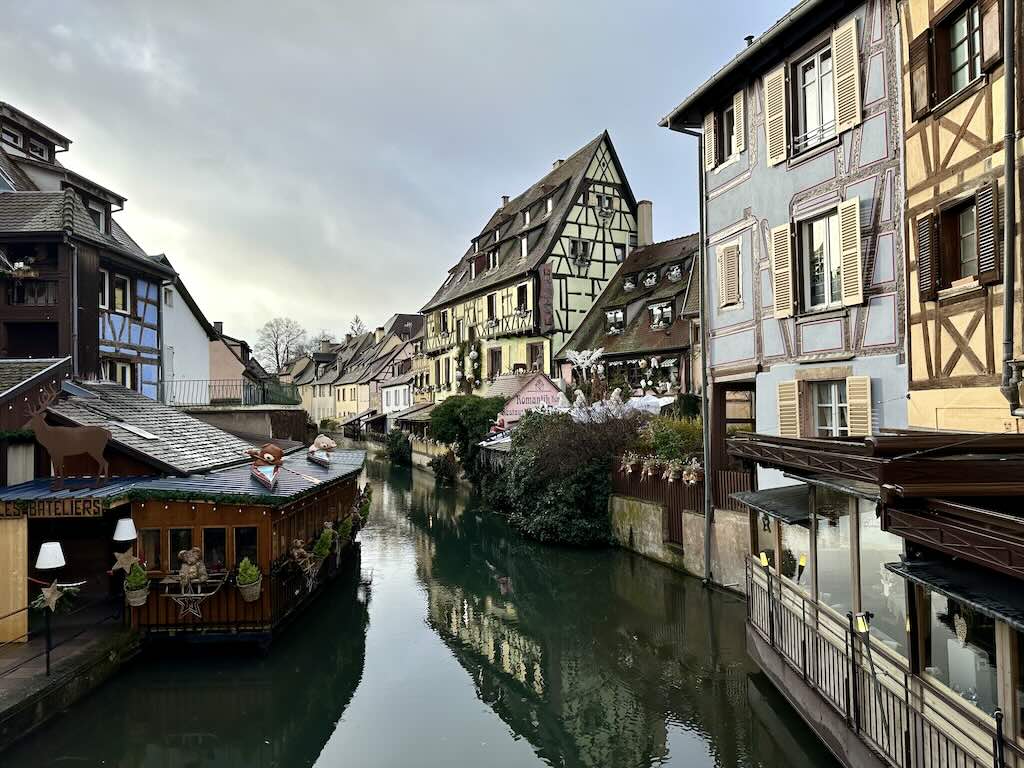
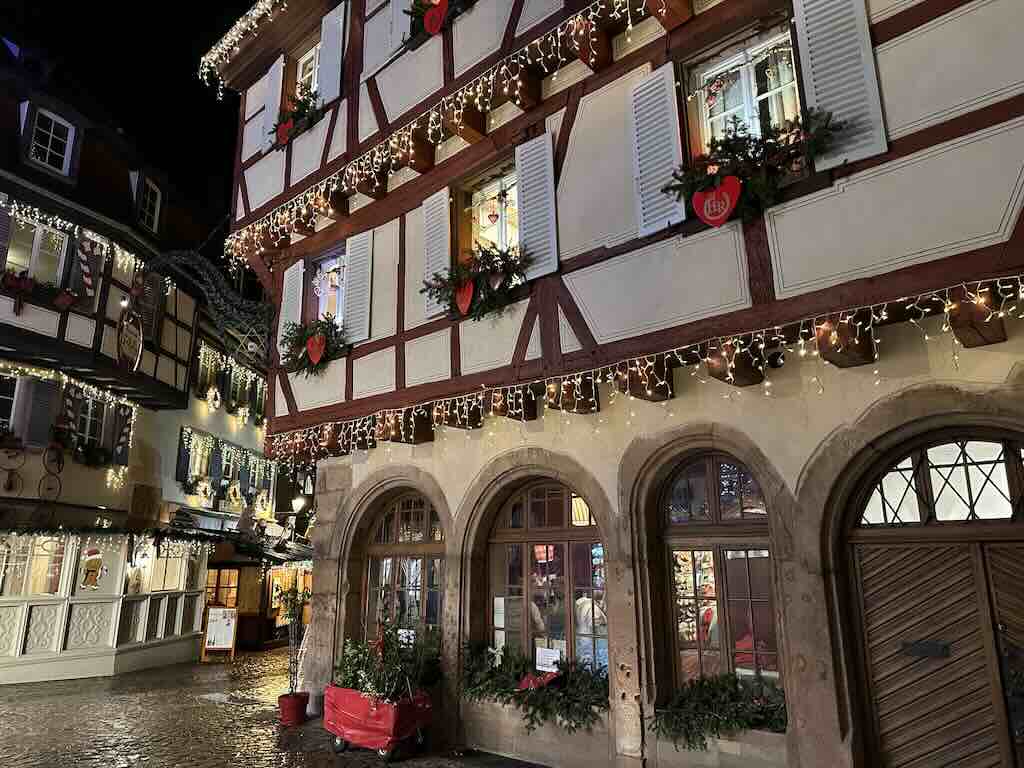
Alsace, on the German border, is a picture-perfect region with charming half-timbered houses, rolling vineyards, and festive Christmas markets.
- Colmar: Often called “Little Venice,” Colmar’s canals and colorful houses make it one of France’s most picturesque towns.
- Riquewihr & Obernai: These small villages are straight out of a storybook, with cobbled streets, flower-filled balconies, and fantastic wine-tasting opportunities.
- Strasbourg: Home to the stunning Strasbourg Cathedral and the quaint Petite France district, Strasbourg perfectly blends French and German influences.
6. The French Alps – Majestic Peaks and Outdoor Adventures
The French Alps are a paradise for winter sports enthusiasts and summer adventurers.
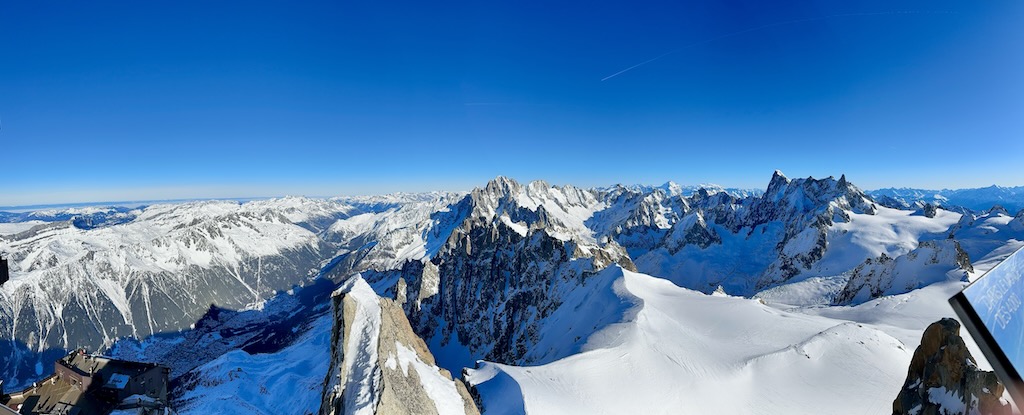
- Chamonix: This legendary ski town, at the foot of Mont Blanc, offers world-class skiing, hiking, and breathtaking mountain scenery.
- Megève: A chic alpine village with a cozy atmosphere, Megève is perfect for winter sports and summer retreats.
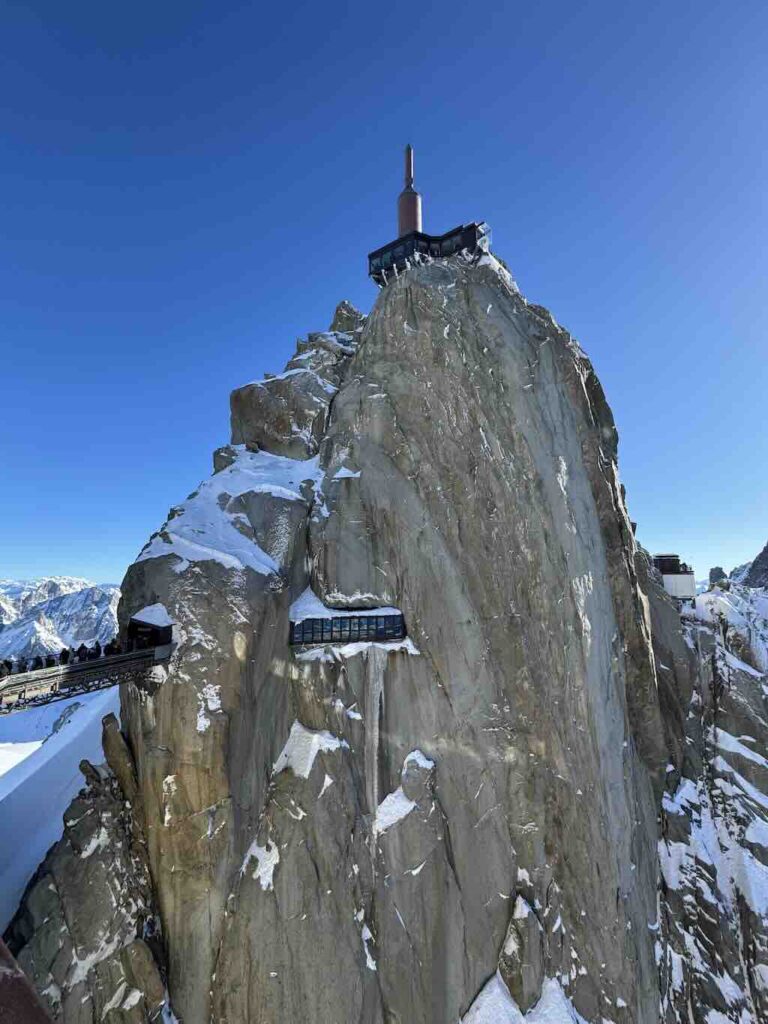
- Aiguille du Midi & Mer de Glace: Take a cable car to Aiguille du Midi for jaw-dropping views or explore the Mer de Glace glacier via the historic Montenvers train.
7. The French Riviera – Sun, Glamour, and Azure Waters
The Côte d’Azur, or French Riviera, is synonymous with luxury, but it also offers stunning landscapes and charming seaside villages.
- Nice: The Promenade des Anglais, colorful Old Town, and vibrant markets make Nice a fantastic base for exploring the Riviera.
- Cannes: Famous for its film festival, Cannes boasts sandy beaches and an elegant atmosphere.
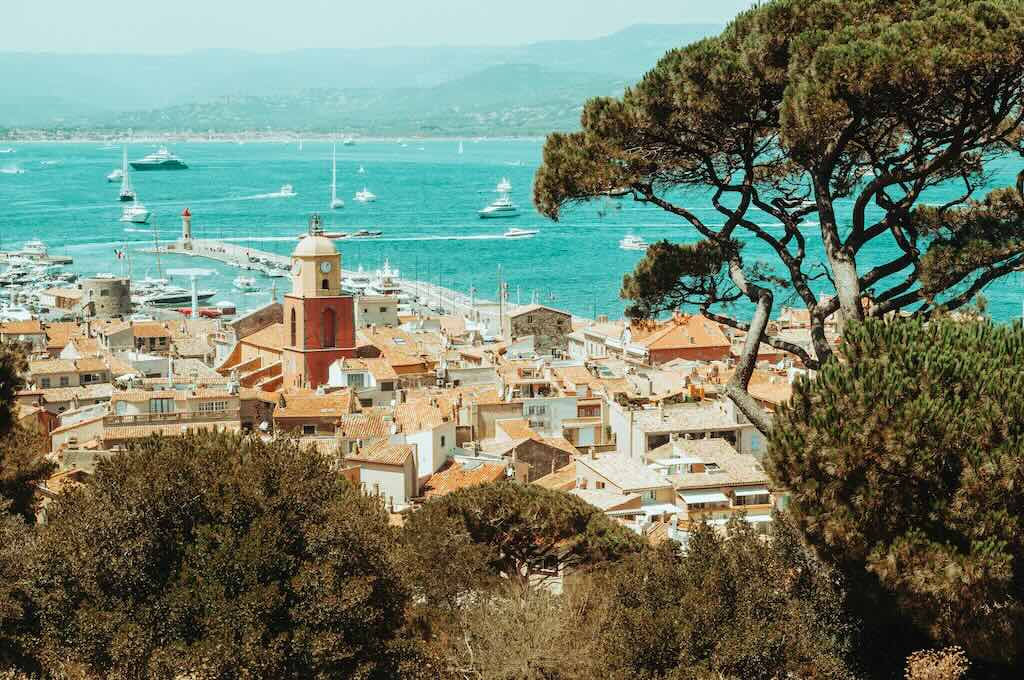
- Saint-Tropez: Once a quiet fishing village, Saint-Tropez is now a glamorous destination with beautiful beaches and a lively nightlife.
- Porquerolles: This lesser-known island paradise features crystal-clear waters, unspoiled nature, and scenic hiking trails.
8. Toulouse and the Southwest – Rich Culture and Gastronomy
The Southwest of France is known for its rich history, scenic countryside, and incredible food.
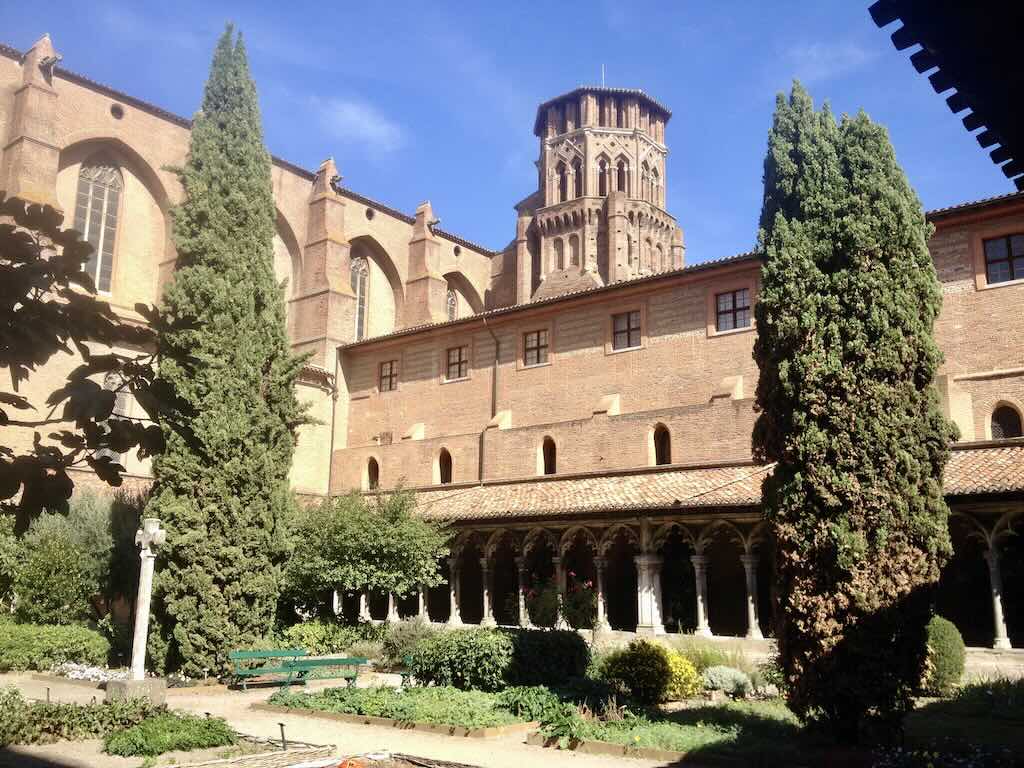
- Toulouse: The “Pink City” is famous for its warm terracotta architecture, lively squares, and fantastic cuisine, including the renowned cassoulet.
- Carcassonne: This medieval fortress town looks like it’s straight out of a fairytale, with its well-preserved walls and towers.
- The Dordogne & Bordeaux Regions: These areas offer breathtaking landscapes, historic castles, and some of France’s best wines. Exploring the vineyards of Bordeaux or canoeing through the Dordogne River is an unforgettable experience.
Practical Tips for Visiting France
Best Time to Visit France
Late spring (April–June) and early autumn (September–October) are the sweet spots: warm weather, long days and fewer crowds than in peak summer. July and August are hot and busy, especially on the Riviera. Visit Alsace in December for the Christmas markets, and the Alps from January to March for the best snow.
Getting Around France
France has one of the best rail networks in Europe: high-speed TGV trains connect Paris to Lyon, Bordeaux, Strasbourg, Marseille and beyond in just a few hours. For the countryside, the wine routes, the Loire châteaux or the Alpine villages, a car gives you far more freedom.
🚗 Compare car hire prices across France on DiscoverCars.
Where to Stay in France
From boutique hotels in Paris and vineyard stays in Alsace to seafront rooms on the Riviera and cozy alpine chalets, France has accommodation for every style and budget. Book ahead for summer on the coast and for the December markets in Alsace.
👉 Check availability and prices for hotels across France on Booking.com
Explore France Region by Region

Paris
Plan the perfect city trip with my neighbourhood-by-neighbourhood guide to the best things to do in Paris.
Alsace
Discover fairytale villages, the Wine Route and magical Christmas markets in my local’s guide to Alsace.
French Alps
Ski, ride the Aiguille du Midi and see Mont Blanc with my guide to Chamonix and the French Alps.
Frequently Asked Questions About Visiting France
What is the best region to visit in France?
It depends on what you love. Paris is essential for first-timers, Alsace for fairytale villages and wine, the French Alps for mountains and skiing, the Riviera for beaches and glamour, and the Loire Valley for châteaux. Most visitors combine Paris with one or two other regions.
When is the best time to visit France?
April to June and September to October offer the best mix of pleasant weather and thinner crowds. Summer is warmest but busiest, December is magical in Alsace, and January to March is peak ski season in the Alps.
How many days do you need to visit France?
A week is enough for Paris plus one nearby region. To combine Paris with the coast, the Alps or the south, plan on two weeks or more, using the TGV to move quickly between regions.
What is the capital of France?
Paris is the capital and largest city of France, and the country’s main gateway for international visitors.
Do you need a car to travel around France?
Not for the big cities — the TGV rail network connects them quickly and easily. But a car is the best way to explore the countryside, the Loire châteaux, the Alsace Wine Route and the smaller Alpine or coastal villages.
What are the most beautiful villages in France?
Some of the most beautiful include the Alsace wine villages of Riquewihr, Eguisheim and Colmar, Brittany’s Saint-Malo, the medieval fortress of Carcassonne, and Mont Saint-Michel on the Normandy–Brittany border.
What food is France famous for?
France is famous for its bread and pastries, cheeses and wines, plus regional specialties like Alsatian choucroute and flammekueche, Savoyard fondue and tartiflette in the Alps, Toulouse’s cassoulet, and fresh seafood in Normandy and Brittany.
Is France expensive to visit?
Paris and the Riviera can be pricey, especially in summer, but France is very manageable on a mid-range budget. Travelling in spring or autumn, using the train, and basing yourself in smaller towns or villages keeps costs down.