Le Marais Paris: Best Things to See, Eat & Do (2026)
By Blaise Jaeger · Updated May 31, 2026
Why Visit Le Marais?
Le Marais is one of the most captivating neighborhoods in Paris, known for its rich history, elegant architecture, and lively atmosphere. Located in the heart of the city, Le Marais stretches across parts of the 3rd and 4th arrondissements on the Right Bank of the Seine, just a short walk from iconic landmarks such as Notre-Dame Cathedral, the Seine River, and the Centre Pompidou.
This district seamlessly blends old-world charm with modern vibrancy, making it a favorite among both locals and visitors.
Le Marais at a Glance
- Best for: history, food, shopping
- Arrondissements: 3rd & 4th
- Time needed: 1–2 days
- Closest metro: Saint-Paul
- Best season: April–June / September–October
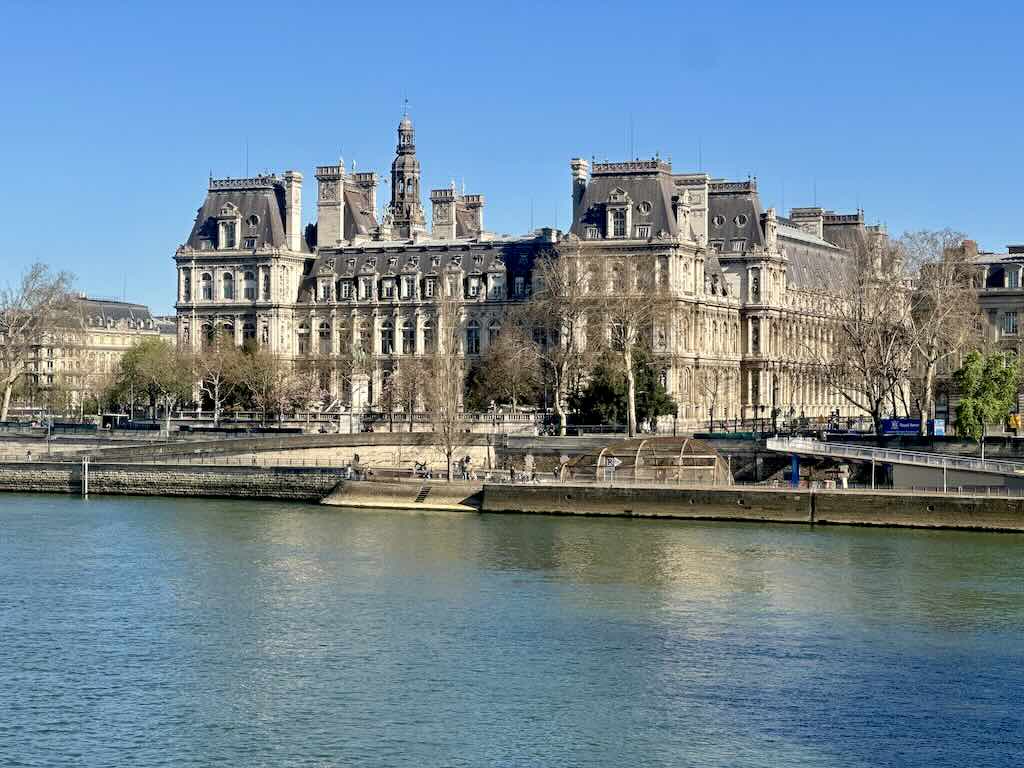
Le Marais holds a special place in my heart
I spent several years living just outside Le Marais, first on Rue Beaubourg in the 3rd arrondissement. And later directly across from Saint-Paul Church in the 4th arrondissement. These locations gave me the perfect balance. Close enough to enjoy everything Le Marais has to offer, while avoiding the constant buzz of tourists. Living nearby allowed me to experience the neighborhood at different times of the day. From the quiet charm of early mornings to the lively energy of evenings! Even if I later decided to settle in Montorgueil, Le Marais still holds a special place in my heart.
Le Marais is not just a historical district. It is also one of Paris’ trendiest areas, filled with fashion boutiques, art galleries, cafés, and great restaurants. Whether you want to explore museums, indulge in Parisian gastronomy, or simply wander its picturesque streets, Le Marais has something for everyone. This guide will take you through the best places to visit, eat, shop, and experience in this unique part of Paris.
The History of Le Marais
Le Marais is one of the most historically rich districts in Paris,. In Le Marais medieval streets, aristocratic mansions, and vibrant cultural influences come together to create a unique atmosphere. Unlike other parts of the city that underwent major 19th-century renovations by Baron Haussmann, Le Marais has retained much of its pre-revolutionary charm. It is indeed a living museum of Parisian history.
Le Marais as an Aristocratic Quarter
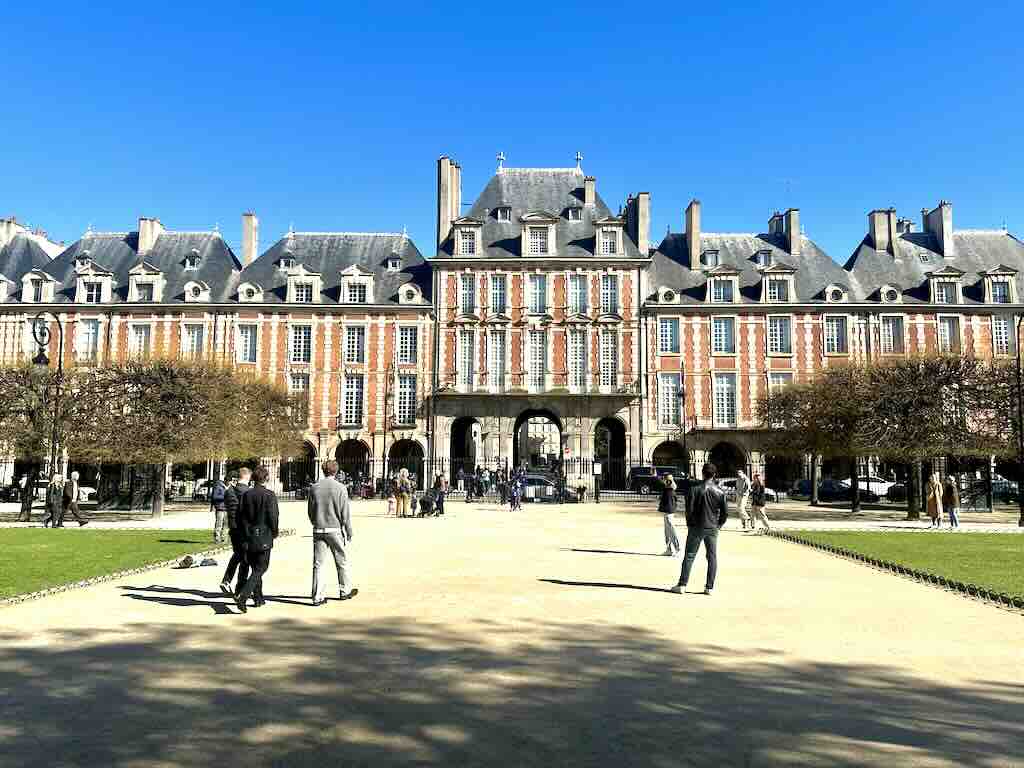
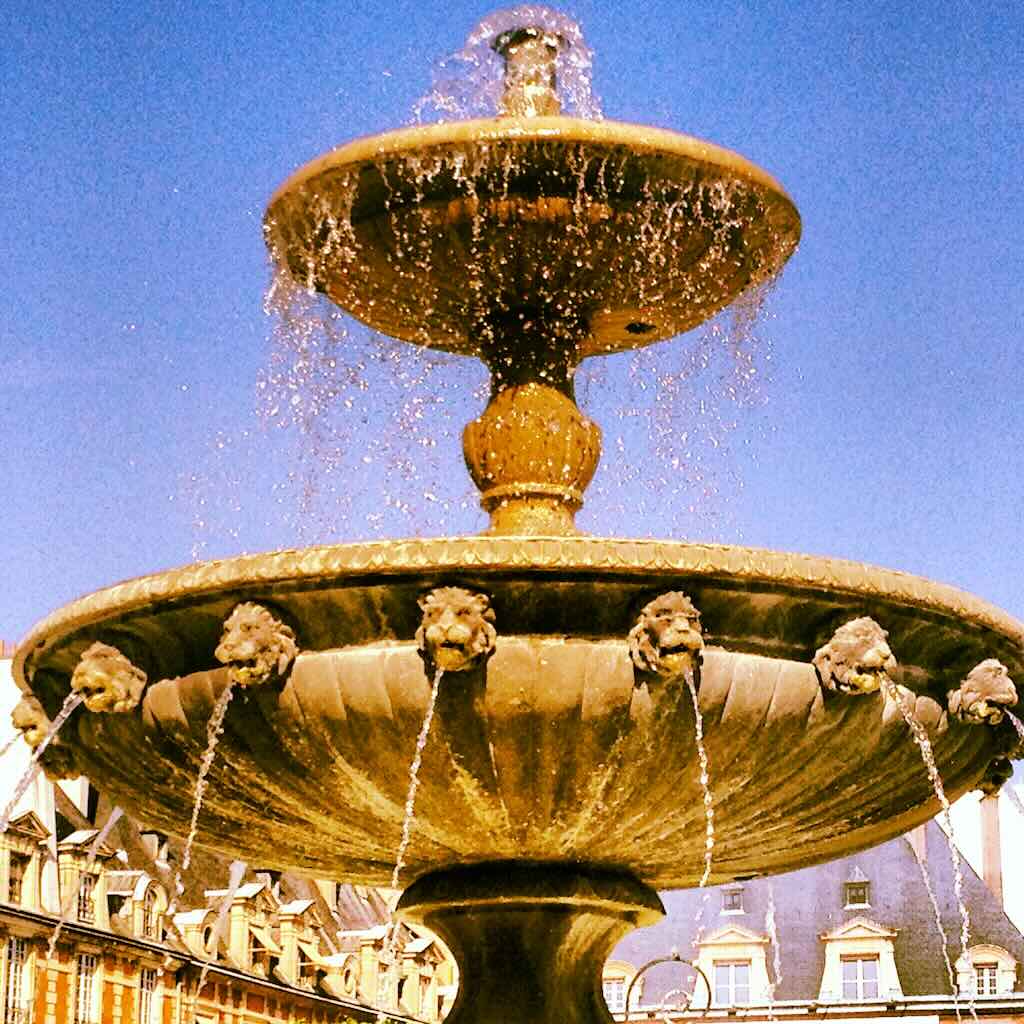
During the 16th and 17th centuries, Le Marais became the favored district of the Parisian aristocracy, who built grand private mansions known as “hôtels particuliers.” The most famous of these is the Place des Vosges, a stunning square completed in 1612 under King Henry IV. This elegant, symmetrical plaza was the first planned square in Paris. It soon became a gathering place for the city’s elite. Many of these aristocratic residences, such as Hôtel de Sully and Hôtel de Soubise, still stand today. Most of them now house museums, cultural institutions, and government buildings.
Jewish Heritage & Rue des Rosiers
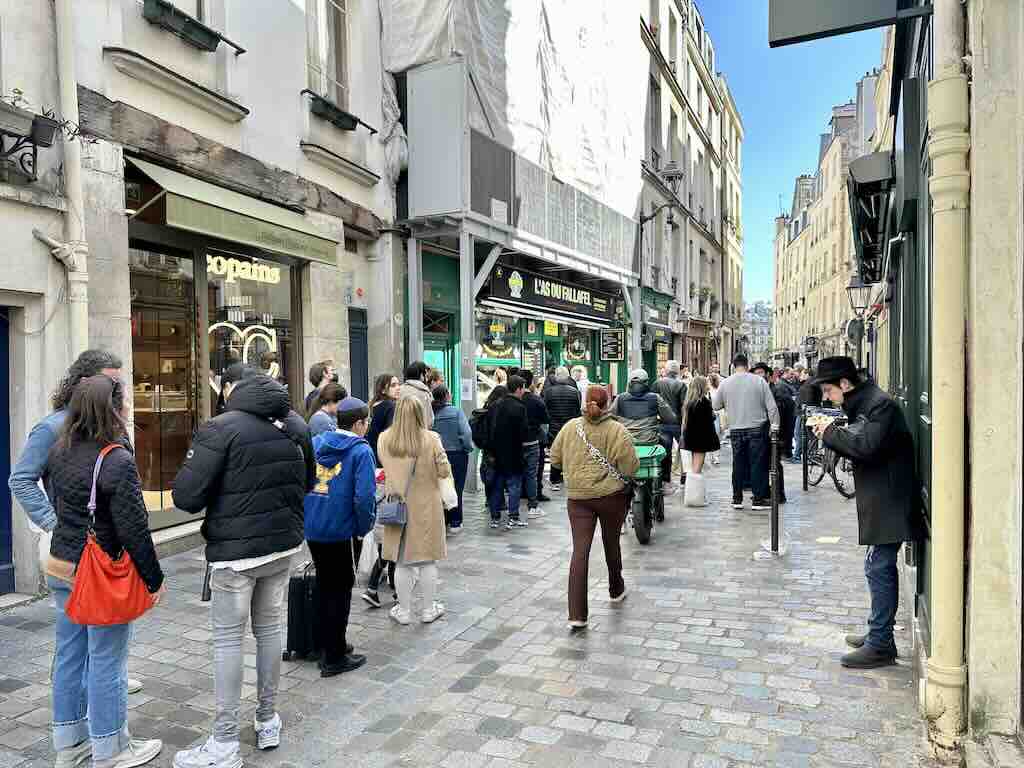
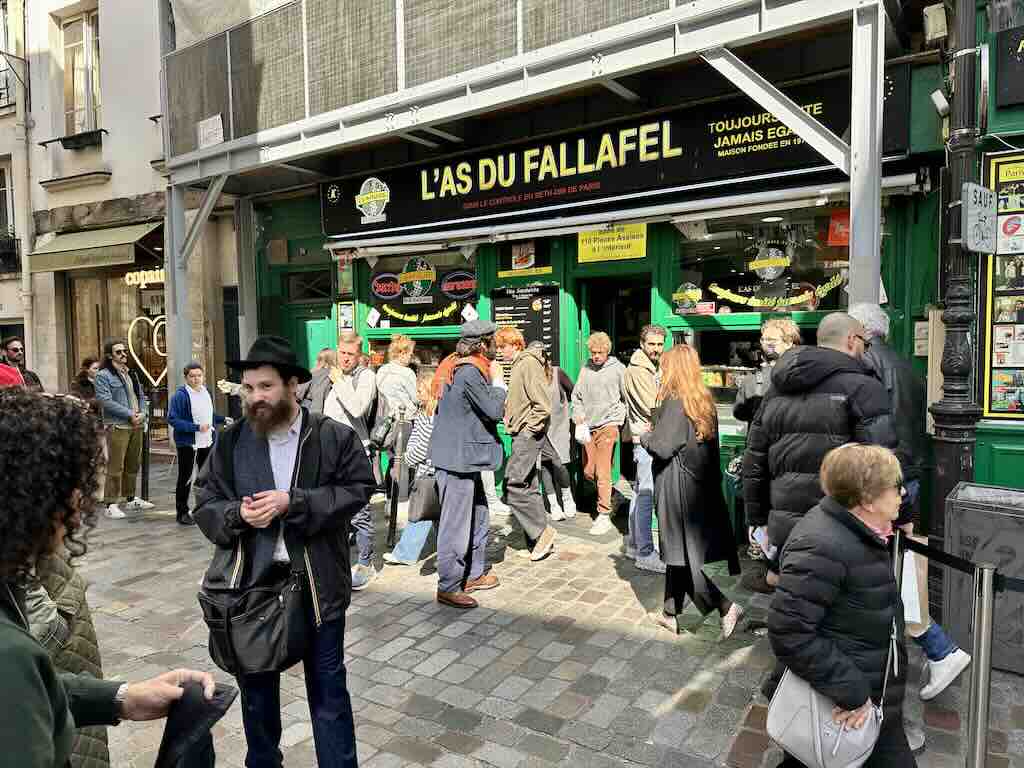
Le Marais is also home to Paris’ historic Jewish quarter, centered around Rue des Rosiers. The Jewish presence in this area dates back to the 13th century. Despite periods of persecution, it has remained a cultural and culinary hub for Parisian Jews. Here, you’ll find traditional Jewish bakeries, kosher restaurants, and synagogues. One of the must-visit spots is L’As du Fallafel, famous for serving some of the best falafel in the city.
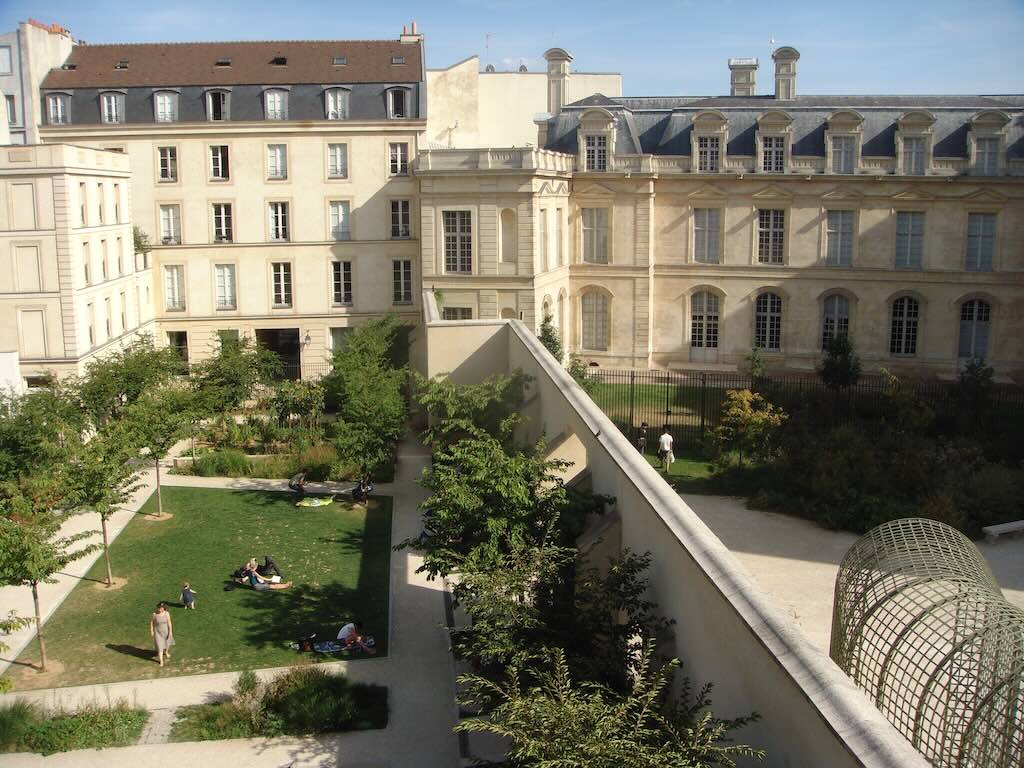
For those interested in history, the Museum of Jewish Art and History offers a deep dive into Jewish heritage in France,. Nearby, the tranquil Anne Frank garden provides a peaceful retreat.
Le Marais: From Historic Landmark to Trendy Neighborhood
By the 19th and early 20th centuries, Le Marais had lost its aristocratic prestige and became a working-class district. However, from the 1960s onwards, it experienced a cultural revival, thanks in part to efforts to preserve its historic buildings rather than demolish them. In the following decades, it became one of the most fashionable areas in Paris. Le Marais gradually attracted artists, designers, and members of the LGBTQ+ community, who played a major role in revitalizing the neighborhood.
Key Historical Sites to Visit
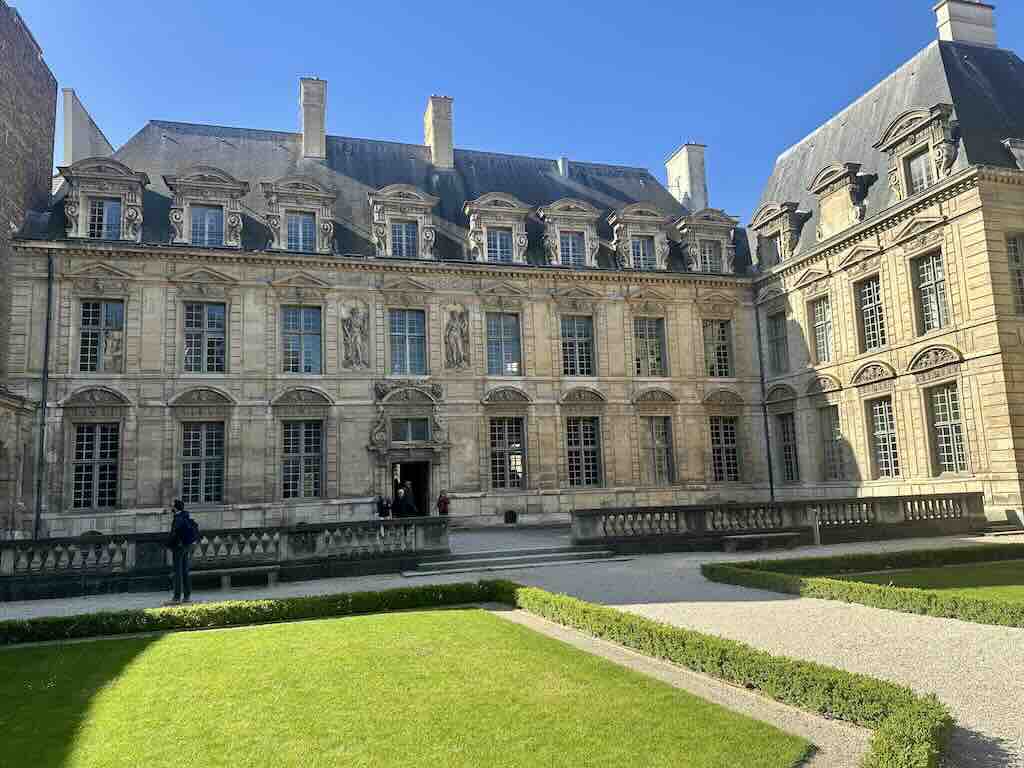
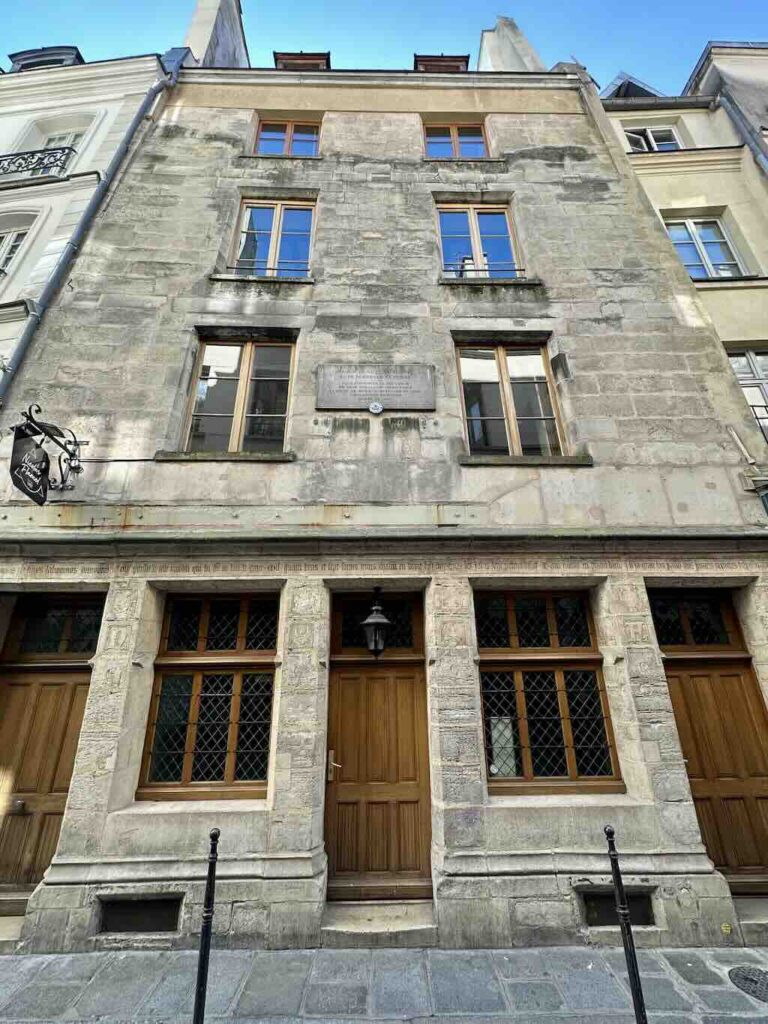
Le Marais is filled with historic landmarks that reflect its rich and layered past. The Hôtel de Sully, a magnificent 17th-century mansion, features a beautifully preserved courtyard. It also offers a hidden passage leading directly to the iconic Place des Vosges, Paris’s oldest planned square. Another one of the district’s most fascinating sites is Nicolas Flamel’s House, the oldest stone house in Paris, built in 1407. Once owned by the legendary alchemist, the house still carries an air of mystery and now hosts a charming restaurant.
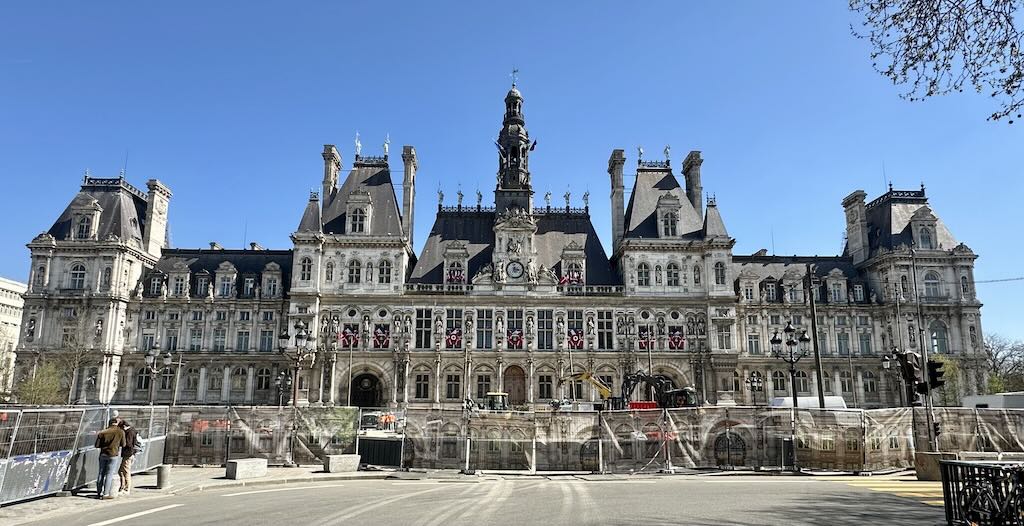
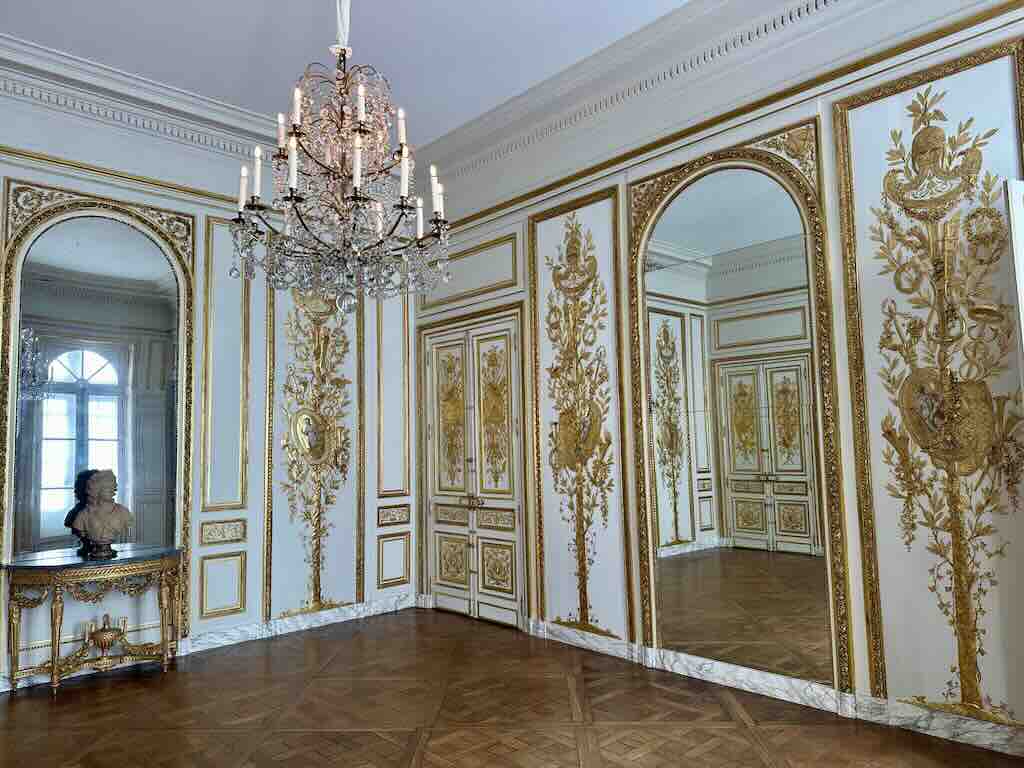
Another architectural gem is the Hôtel de Ville (Paris City Hall). This impressive Renaissance-style building now serves as the administrative heart of the city. It is also a focal point for cultural events, public gatherings, and festive illuminations. For those eager to uncover the rich history of Paris, the Musée Carnavalet is a must-visit. Set within two beautifully preserved mansions, this museum takes visitors on a fascinating journey through the city’s evolution. The collection goes from its medieval origins to the present day. The entrance is free.
Art & Culture in Le Marais
Le Marais is a paradise for art lovers, offering a mix of world-renowned museums and cutting-edge contemporary art galleries.
The Musée Picasso, housed in the elegant 17th-century Hôtel Salé, offers an extensive collection of Picasso’s masterpieces. For those passionate about modern and contemporary art, the Centre Pompidou is a must-visit. Its striking inside-out architecture is home to an outstanding collection of 20th- and 21st-century works. However, keep in mind that the museum was closed for renovations in October 2025. Photography enthusiasts should not miss the Maison Européenne de la Photographie. This cultural hub is dedicated to contemporary photography. It regularly features thought-provoking exhibitions from renowned and emerging photographers.
Beyond museums, Le Marais is home to some of the most prestigious art galleries in Paris. Galerie Perrotin is one of the city’s most influential contemporary art spaces. The gallery showcases works by international artists like Takashi Murakami and JR.
Nearby, Galerie Jeanne Bucher Jaeger specializes in modern and abstract art. While Galerie Polka is a must-visit for photography enthusiasts, featuring works by renowned photojournalists and fine art photographers.

Centre Pompidou (currently closed for renovation)
The Centre Pompidou was one of Paris’ most iconic cultural institutions, renowned for its modern and contemporary art museum, vast public library, and striking high-tech architectural design by Renzo Piano and Richard Rogers. The Centre Pompidou closed in autumn 2025 for a major five-year renovation. You can follow the renovation progress on the official Centre Pompidou website. But the building itself is worth photographing from Place Georges-Pompidou — and the surrounding squares are some of the liveliest in Le Marais.

Where to Eat in Le Marais: Best Restaurants, Cafés & Bakeries
Le Marais is a food lover’s paradise, offering everything from traditional French bistros to famous falafel stands and trendy cafés. Whether you’re in the mood for a classic Parisian meal, a quick street food bite, or a perfectly brewed coffee, this district has something to satisfy every craving.
Traditional French Bistros
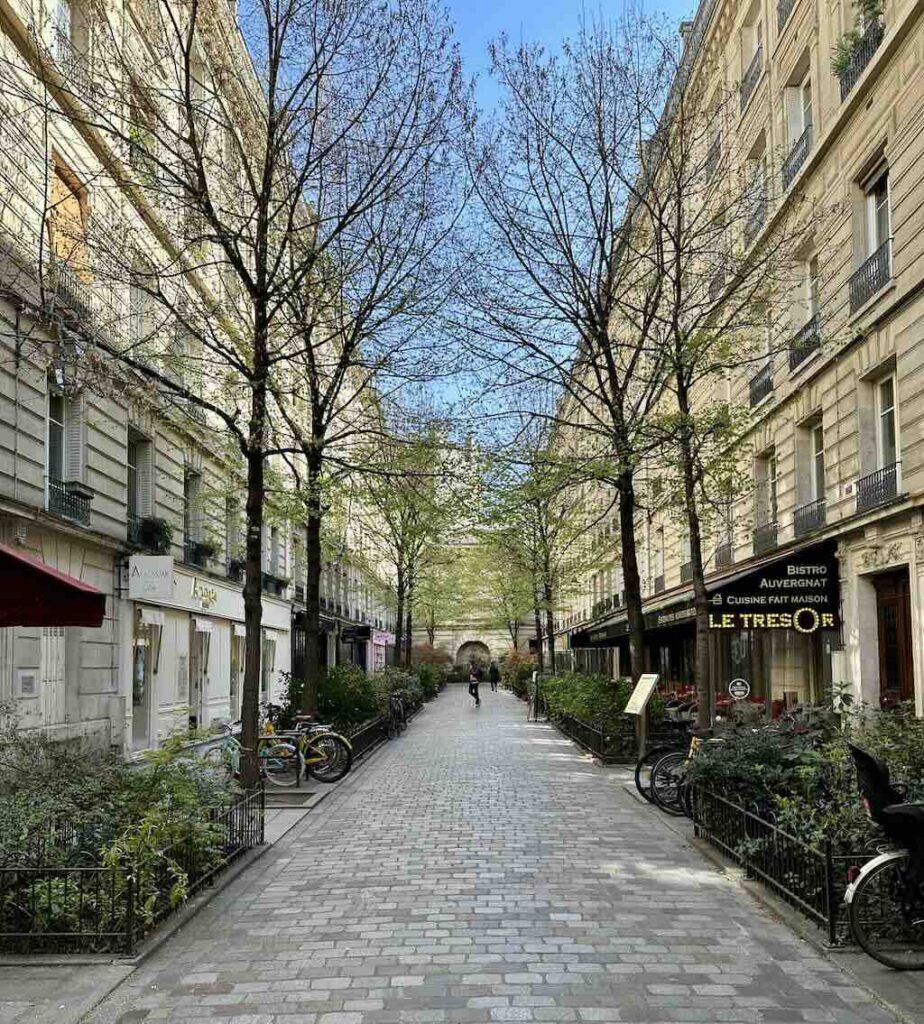
For those looking to experience classic French cuisine in a charming and intimate setting, Le Marais is home to several excellent bistros. Le Petit Fer à Cheval, with its horseshoe-shaped bar, is a beloved institution. you can enjoy there a coffee or a traditional dish in a cozy, vintage atmosphere. Not far, Le Colimaçon offers a warm, rustic dining experience with hearty French dishes like duck confit and foie gras. Le Trésor, nestled on a quiet street, combines a romantic ambiance with refined French classics. While Le Hangar, on your way to enter Anne Franck garden, is a hidden gem proposing excellent seasonal dishes.
Jewish Food & Falafel Spots
No visit to Le Marais is complete without tasting the famous falafel on Rue des Rosiers. This street is indeed the heart of the district’s Jewish quarter. L’As du Fallafel is the most renowned, often drawing long lines for its generously filled pita sandwiches packed with crispy falafel, fresh vegetables, and creamy hummus. Nearby, Miznon offers a modern take on Israeli street food. Their flavorful roasted cauliflower and stuffed pita sandwiches have become cult favorites. For traditional Jewish baked goods, head to Sacha Finkelsztajn, an iconic yellow-fronted bakery serving delicious challah, strudel, and cheesecake.
Trendy Cafés & Coffee Spots
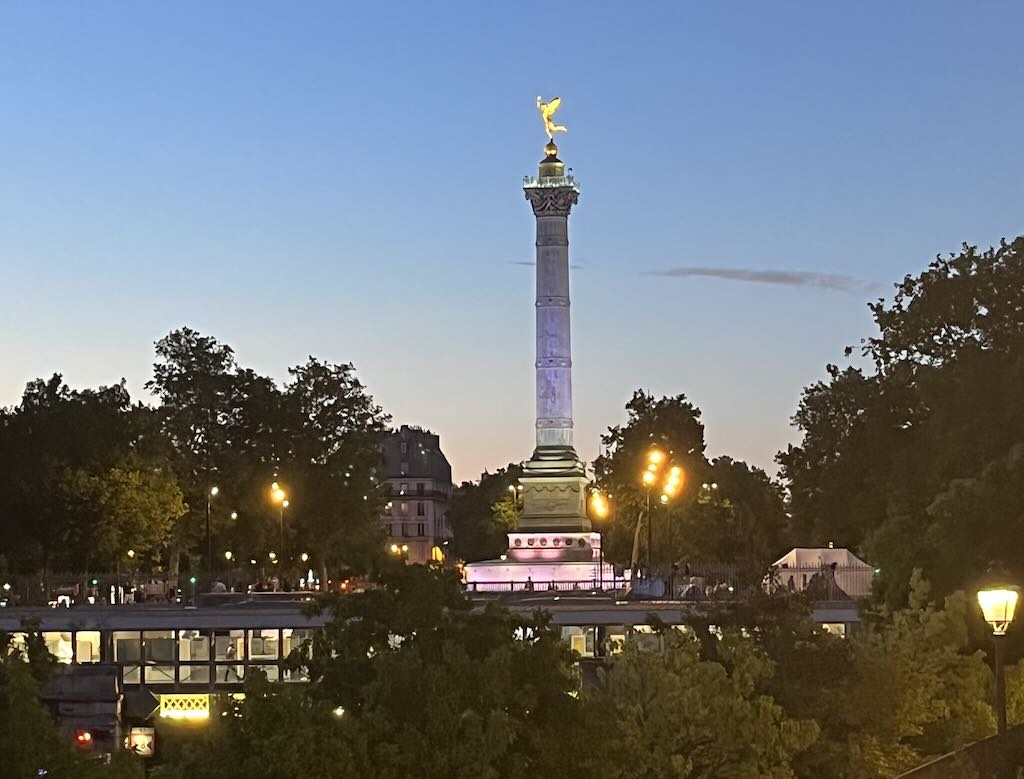
Le Marais is also a paradise for coffee lovers, with a mix of historic cafés and trendy coffee shops. La Perle is a lively and unpretentious spot known for its casual yet fashionable crowd—perfect for an late afternoon drink or a morning espresso. For a more refined experience, Carette, place des Vosges, offers a touch of Parisian elegance. You can taste there beautifully crafted pastries, decadent hot chocolate, and traditional French breakfasts. Café Français, located near Place de la Bastille, is a stylish brasserie with a spacious terrace. It is ideal for people-watching while enjoying a café crème. For something unique, Café FIKA at the Swedish Institute is a hidden gem serving Scandinavian-inspired coffee and pastries in a tranquil courtyard—a great escape from the city’s hustle.
Le Marais Nightlife & Bars
Le Marais is one of the liveliest districts in Paris when it comes to nightlife, offering everything from chic cocktail lounges to casual wine bars and vibrant clubs. For wine lovers La Belle Hortense, a unique wine bar and bookstore, provides a relaxed yet stylish atmosphere. If you’re looking for expertly crafted cocktails, Little Red Door offers innovative drinks in an intimate setting.
For stunning views of Paris, rooftop bars near Le Marais provide the perfect place to unwind with a drink. Le Perchoir Marais, located atop the BHV department store, offers breathtaking views of the Seine and Hôtel de Ville. Along with delicious cocktails and a trendy crowd.
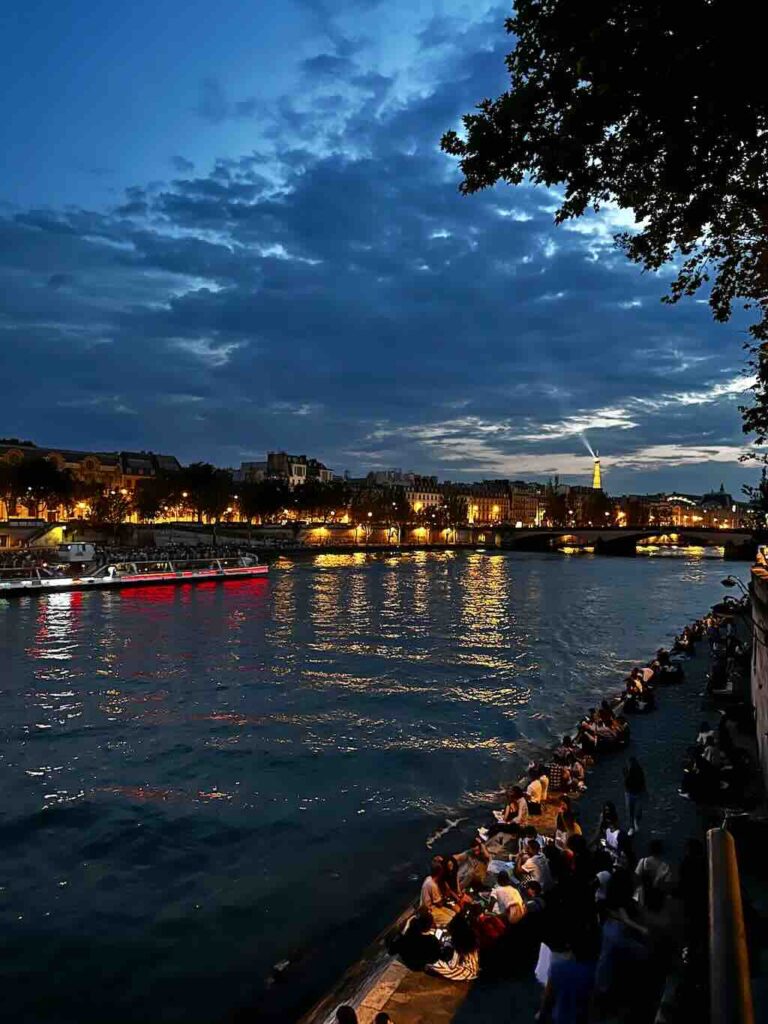
If you prefer a more relaxed evening, a picnic along the banks of the Seine is a fantastic option when the weather is warm. Just a short walk from Le Marais, the stretch of the river near Île Saint-Louis and Quai de l’Hôtel de Ville becomes a lively gathering spot in the evenings. Grab a bottle of wine, some fresh bread, cheese, and charcuterie from a local market. And settle in for a picture-perfect Parisian experience as you watch the sunset over the water! A short walk north of Le Marais, the Canal Saint-Martin area offers a completely different atmosphere, with fashionable bars, waterside terraces, and a relaxed local vibe.
LGBT nightlife scene
Le Marais is at the heart of Paris’ LGBT nightlife scene, offering a vibrant mix of bars and clubs that cater to the community. The iconic Raidd Bar is known for its lively atmosphere and famous live shower shows after midnight. Just a short walk away, COX draws a fun crowd with its great music and relaxed vibe.
Throughout the week, various special events take place across different locations. During spring and summer don’t miss La Vendredix sur Seine, a popular Friday afterwork gathering along the banks of the Seine. People come there to enjoy drinks, music, and stunning riverside views. Another option on Friday and Saturday evening is Chez Mylene overlooking the end of Canal Saint-Martin close to Bastille.
Shopping in Le Marais: From Luxury to Vintage Finds
Le Marais is one of Paris’ top shopping destinations, offering a mix of high-end boutiques and trendy concept stores. Whether you’re looking for designer fashion, unique home décor, or a one-of-a-kind souvenir, this neighborhood has something for every shopper.
Best Shopping Streets
The main shopping streets in Le Marais are packed with a variety of stores. Rue des Francs-Bourgeois is a must-visit for stylish boutiques and well-known brands. While Rue Vieille du Temple blends designer stores with trendy independent labels. For a more historic touch, Rue des Rosiers is lined with vintage shops, artisanal bakeries, and Jewish delicacies.
Luxury Boutiques & Concept Stores
Le Marais is home to some of Paris’ most exclusive shopping experiences. Fashion lovers can explore luxury boutiques like Isabel Marant, Sandro, and The Kooples. Merci, a stylish concept store, offers fashion, home décor, and books in a beautifully curated space. Shinzo Paris is another standout, known for its premium selection of sneakers and streetwear.
Vintage and Thrift Shopping
For those seeking timeless Parisian style at a fraction of the price, Le Marais has several great vintage stores. Kilo Shop lets you buy vintage clothing by weight. While Free’P’Star is perfect for digging through racks of affordable second-hand treasures. Thanx God I’m a V.I.P. offers a more curated selection of high-quality vintage pieces.
Le Marais in One Day: Suggested Walking Itinerary
If you only have one day to explore Le Marais, don’t worry. The neighborhood is compact and easy to discover on foot. This itinerary combines the district’s most beautiful historic landmarks, cultural highlights, and local atmosphere.
Morning: Place des Vosges & Saint-Paul
Start your day at Place des Vosges, the oldest square in Paris and one of the city’s most beautiful public spaces. Stroll beneath the elegant arcades before walking through the surrounding streets of southern Le Marais.
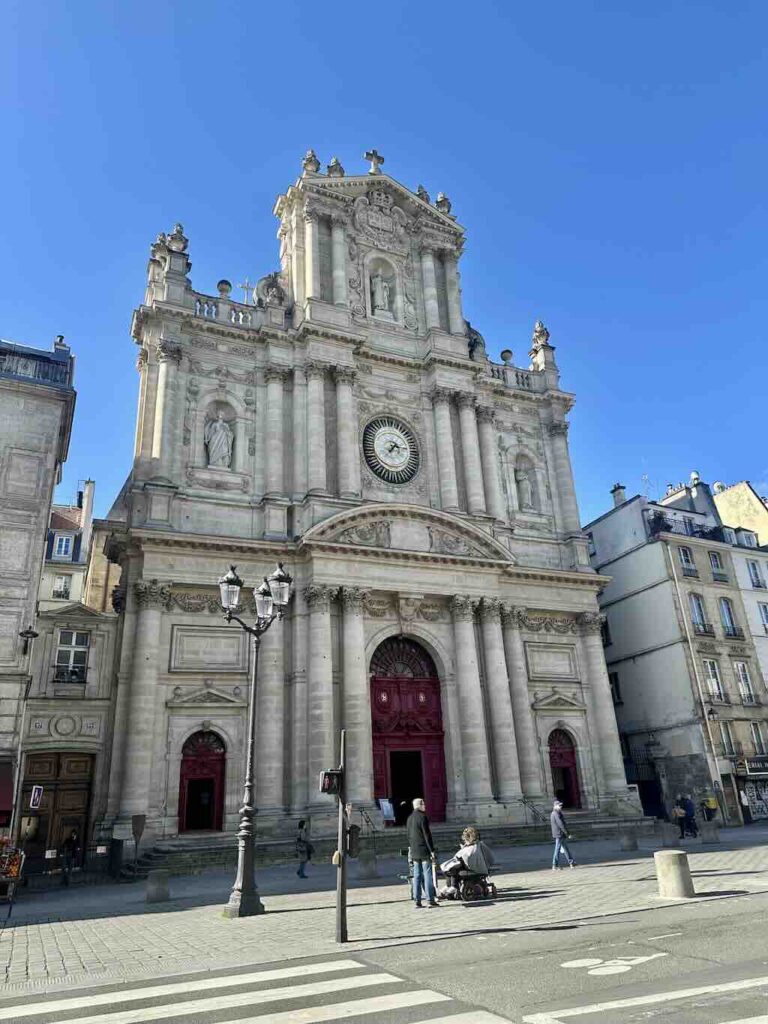
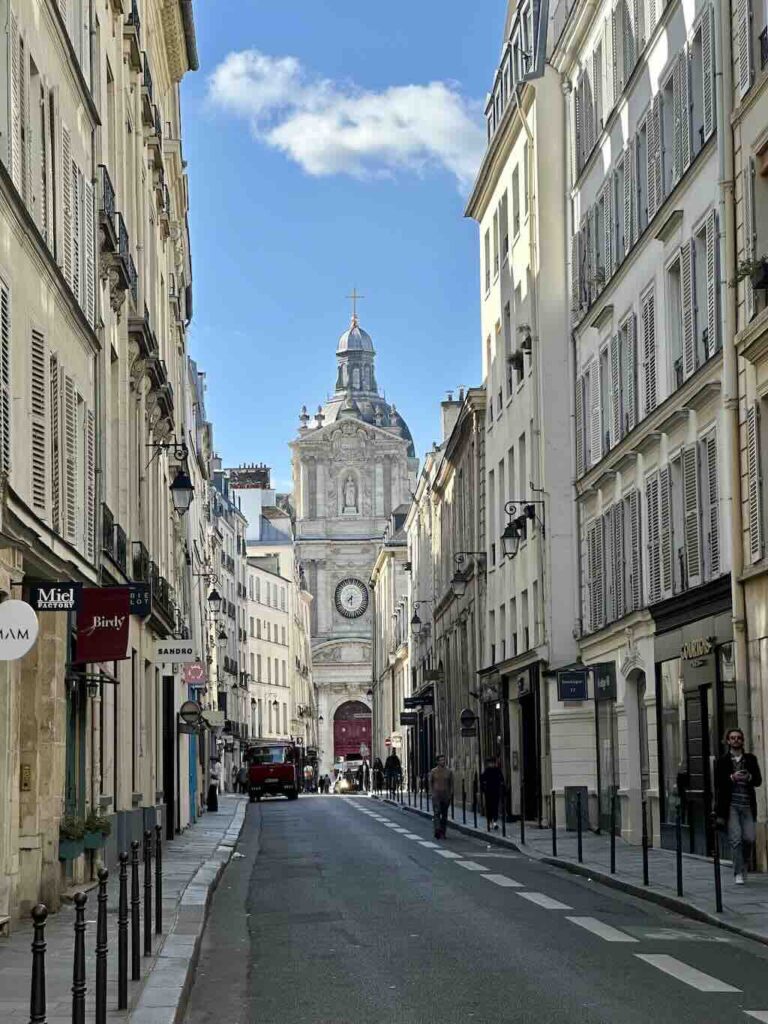
Continue to Saint-Paul-Saint-Louis Church, one of the finest Baroque churches in Paris, and explore the charming streets around Rue Saint-Antoine and Rue de Sévigné.
Lunch: Rue des Rosiers
Head to Rue des Rosiers, the historic heart of Paris’s Jewish quarter. This lively street is famous for its bakeries, delicatessens, and falafel restaurants. It is the perfect place to stop for lunch and experience one of the most vibrant parts of Le Marais.
Afternoon: Musée Carnavalet & Anne Frank Garden
Spend the afternoon at the Musée Carnavalet, one of the best museums in Paris for understanding the history of the city. Housed in beautiful historic mansions, it offers free admission to its permanent collections.
After your visit, enjoy a peaceful break in the nearby Anne Frank Garden, a hidden green oasis tucked away behind the Museum of Jewish Art and History.
Evening: The Banks of the Seine
Finish your day with a walk along the Seine River. The riverside paths between Hôtel de Ville, Île Saint-Louis, and Notre-Dame offer some of the most beautiful views in Paris, especially at sunset. If the weather is nice, join the locals for a picnic or a drink by the water before dinner.

How to Get to Le Marais & Transportation Tips
Le Marais is centrally located in Paris, making it easy to reach by metro, bus, or even on foot from nearby districts. Whether you’re arriving from another part of the city or planning to explore beyond Le Marais, here’s how to navigate the area efficiently. For more ideas on exploring the city, see my complete Paris walking tour itineraries.
Closest Metro Stations
Le Marais is well-served by several metro lines, making it one of the most accessible neighborhoods in Paris. The key metro stations to reach Le Marais include:
- Saint-Paul (Line 1) – Ideal for reaching the heart of Le Marais, close to Rue des Rosiers and Place des Vosges.
- Hôtel de Ville (Lines 1 & 11) – Perfect for accessing the southern part of Le Marais, near the Seine and the Centre Pompidou.
- Rambuteau (Line 11) – Convenient for visiting the northern part of Le Marais and the Centre Pompidou.
- Arts et Métiers (Lines 3 & 11) – Located near the Musée des Arts et Métiers and offering easy connections to other areas of Paris.
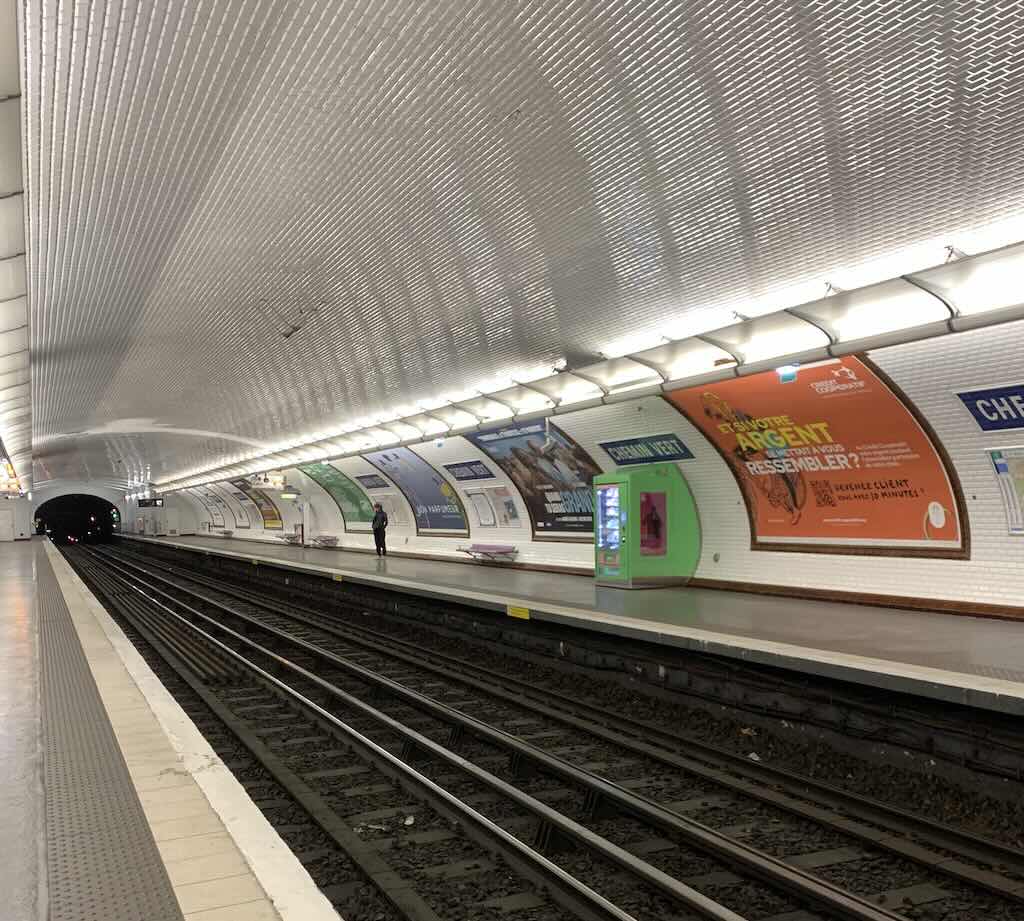
- Chemin Vert (Line 8) – A quieter option near Place des Vosges and the Musée Carnavalet.
- Bastille (Lines 1, 5 & 8) – A great choice for those exploring the eastern part of Le Marais.
If you’re arriving by RER (regional train), Châtelet – Les Halles (RER A, B, D) is just a short walk from Le Marais. It provides direct connections to Charles de Gaulle Airport, Orly Airport, and other major train stations.
Getting Around Paris from Le Marais
Le Marais is one of the best areas to explore Paris on foot. From here, you can indeed easily reach:
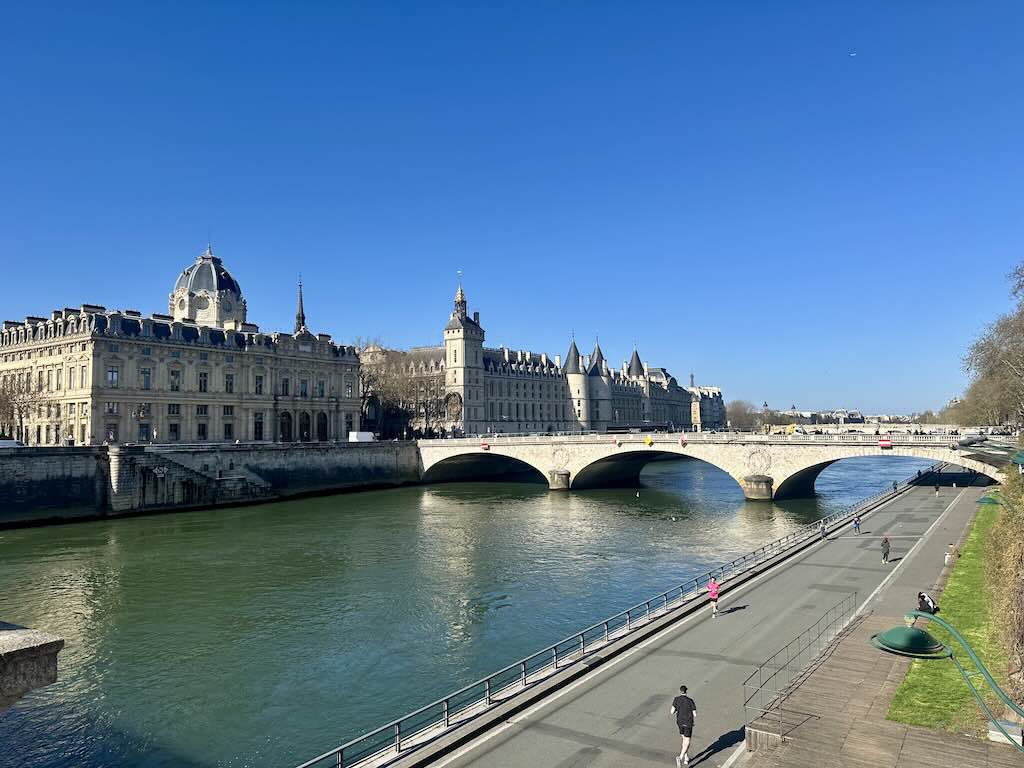
- Île de la Cité & Notre-Dame Cathedral – A 10-minute walk south.
- The Louvre Museum – About a 15-minute walk west.
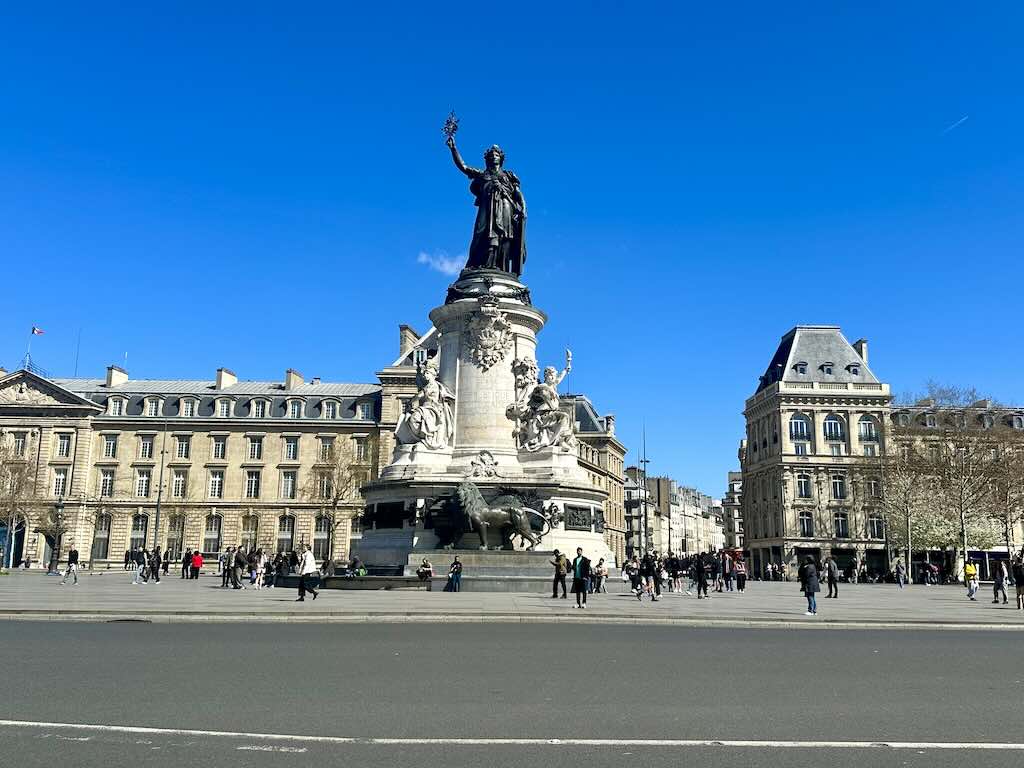
- Place de la République – A 10-minute walk northeast.
- Bastille & Place des Vosges – A 15-minute walk east.
- Quartier Latin and Luxembourg garden on the other side of the Seine river.
- Concorde and Champs-Élysées walking through Jardin des Tuilleries or directly with Metro Line 1.
For longer trips, the metro is the fastest way to navigate the city. If you prefer a scenic ride, you can take the Batobus (Seine River shuttle) from the Hôtel de Ville stop to enjoy a boat trip to landmarks like the Eiffel Tower and Musée d’Orsay.
Transportation Tips
- Use a Navigo Easy card or contactless tickets instead of single-use paper tickets for unlimited transfers between metro, bus, and tram.
- Be mindful of rush hours (8-10 AM & 5-7 PM), when metro and buses can be crowded.
- Consider renting a bike via the Vélib’ bike-sharing system to explore the area at your own pace.
- If taking a taxi or ride-share, note that some streets in Le Marais are pedestrianized, so drop-off points may be slightly outside the neighborhood.
Final Tips for Visiting Le Marais
Le Marais is one of the most charming and vibrant neighborhoods in Paris, offering an incredible mix of history, culture, shopping, and nightlife. To make the most of your visit, here are some final tips covering the best time to explore, cultural etiquette, and practical advice for a smooth experience.
Best Time to Visit – Seasonal Highlights & Local Events
Le Marais is a fantastic destination year-round, but each season brings its own unique charm:
- Spring (March–May): The weather is mild, and the neighborhood is in full bloom. It’s an excellent time for leisurely walks through Place des Vosges and the Seine River banks, as well as enjoying outdoor terraces at cafés.
- Summer (June–August): This is peak tourist season, so expect larger crowds, but also lively street life, open-air events, and the famous Paris Plages (where parts of the Seine are transformed into artificial beaches). Many Parisians go on vacation in August, meaning some small boutiques and restaurants may be closed.
- Autumn (September–November): A great time to visit with fewer crowds and pleasant temperatures. It’s also the season of major cultural events like the Journées du Patrimoine (Heritage Days), where historical sites open their doors for free.
- Winter (December–February): While the temperatures drop, the festive decorations, Christmas markets, and cozy cafés make Le Marais feel magical. The soldes (winter sales) in January are perfect for shopping lovers.
Le Marais also hosts special events throughout the year, such as La Nuit Blanche (an all-night contemporary art festival in October), Paris Fashion Week, and various LGBTQ+ Pride celebrations in June.
Cultural Etiquette – How to Blend in Like a Parisian
Le Marais is a favorite spot for both locals and tourists. So following some basic cultural etiquette can help you blend in:
- Greetings Matter: A simple “Bonjour” when entering a shop, restaurant, or café is expected. It’s considered rude not to greet the staff.
- Respect Pedestrian Zones: Many streets in Le Marais are pedestrianized. While it’s tempting to stroll leisurely, try not to block the narrow sidewalks, especially in busy areas.
- Dress the Part: Parisians favor stylish but understated fashion. Avoid overly casual outfits like gym wear if you want to blend in.
- Dining Etiquette: If you’re dining out, expect a slower pace compared to other countries—enjoy the experience rather than rushing. Tipping isn’t obligatory in France, but rounding up the bill or leaving small change is appreciated.
- Photography Awareness: While Le Marais is Instagram-worthy, be mindful when taking photos in markets, shops, or religious sites like synagogues on Rue des Rosiers.
Safety & Practical Advice for a Smooth Experience
Le Marais is generally a safe and well-policed area, but like any major tourist spot, it’s good to keep a few precautions in mind:
- Beware of Pickpockets: Be especially cautious in crowded places like metro stations, shopping streets, and museums. Keep your bag zipped and close to your body.
- Use Reliable Transportation: The metro is the most efficient way to get around, but avoid taking it late at night alone if possible. Ride-sharing apps like Uber or taxis are safe alternatives.
- Plan for Sundays & Public Holidays: Many shops and restaurants in Paris close on Sundays, but Le Marais is one of the few areas where most places stay open—making it an ideal day for shopping and brunch. However, public holidays may still affect business hours.
- Cash vs. Card: Most places accept credit cards, but smaller bakeries, markets, and cafés may have a minimum spend for card payments, so carrying some cash can be useful.
By keeping these tips in mind, you’ll be able to fully enjoy everything Le Marais has to offer, from its historical sites and trendy boutiques to its lively nightlife and café culture.
Where to Stay in Le Marais
Le Marais is one of the best areas to stay in Paris thanks to its central location, beautiful architecture, excellent restaurants, and easy access to many of the city’s main attractions. Whether you’re looking for historic charm, lively nightlife, or a quieter atmosphere, different parts of Le Marais offer slightly different experiences. My recommendations are based on years spent living in and around the neighborhood, focusing on the advantages of each area rather than individual hotel reviews.
Saint-Paul: Best for First-Time Visitors
The Saint-Paul area, in the southern part of Le Marais, is often the best choice for a first stay in Paris. You’ll be within walking distance of Place des Vosges, Rue des Rosiers, Île Saint-Louis, Notre-Dame Cathedral, and the Seine River. The atmosphere is lively without feeling overwhelming, and the area offers a great mix of cafés, restaurants, and boutique hotels.
Place des Vosges: Best for Charm and Elegance
If you’re looking for the most picturesque part of Le Marais, stay near Place des Vosges. Surrounded by historic mansions, arcades, and quiet gardens, this area offers a more refined atmosphere than the busier shopping streets nearby. It is particularly appealing for couples and travelers who enjoy architecture, history, and romantic walks through one of Paris’s most beautiful squares.
Archives & Temple: Best for Shopping and Nightlife
The northern part of Le Marais, around Rue des Archives, Rue Vieille du Temple, and Rue de Bretagne, is the trendiest section of the district. Here you’ll find fashionable boutiques, contemporary art galleries, cocktail bars, concept stores, and some of the neighborhood’s best restaurants. This is an excellent area for visitors who want to experience the more modern and vibrant side of Le Marais.
Arts et Métiers: Best Value and Local Atmosphere
Located on the western edge of Le Marais, the Arts et Métiers area is often slightly less expensive while remaining within easy walking distance of all major attractions. The neighborhood feels more residential and local, with fewer tourists and excellent transport connections. It is a good choice for travelers seeking a quieter stay without sacrificing convenience.
More Paris neighborhoods to explore
- The Latin Quarter (5th arrondissement) – the Left Bank’s oldest quarter, with its cafés, bookshops, and Roman ruins.
- Saint-Germain-des-Prés (6th) – classic Left Bank elegance beside the Luxembourg Garden.
- Montparnasse – the best panoramic view in Paris, the Catacombs, and bohemian cafés.
- Eiffel Tower to Concorde (7th & 8th) – the Eiffel Tower, Les Invalides, Musée d’Orsay, and the Champs-Élysées.
- Opéra & Grands Boulevards (9th & 10th) – the Palais Garnier, department stores, and Canal Saint-Martin.
- Best Paris walking tours & itineraries – ready-made routes to explore the city on foot.

Discover the best of Paris with must-visit attractions, hidden gems, and expert tips for an unforgettable stay. Insider tips from a real Parisian!
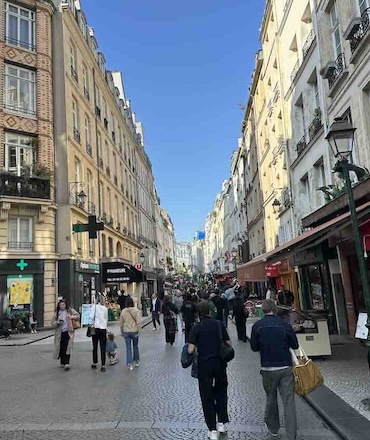
A 15-minute walk west of Le Marais, Montorgueil is Paris’ food-lover’s pedestrian street, with century-old bakeries and lively terraces all within 200 meters.
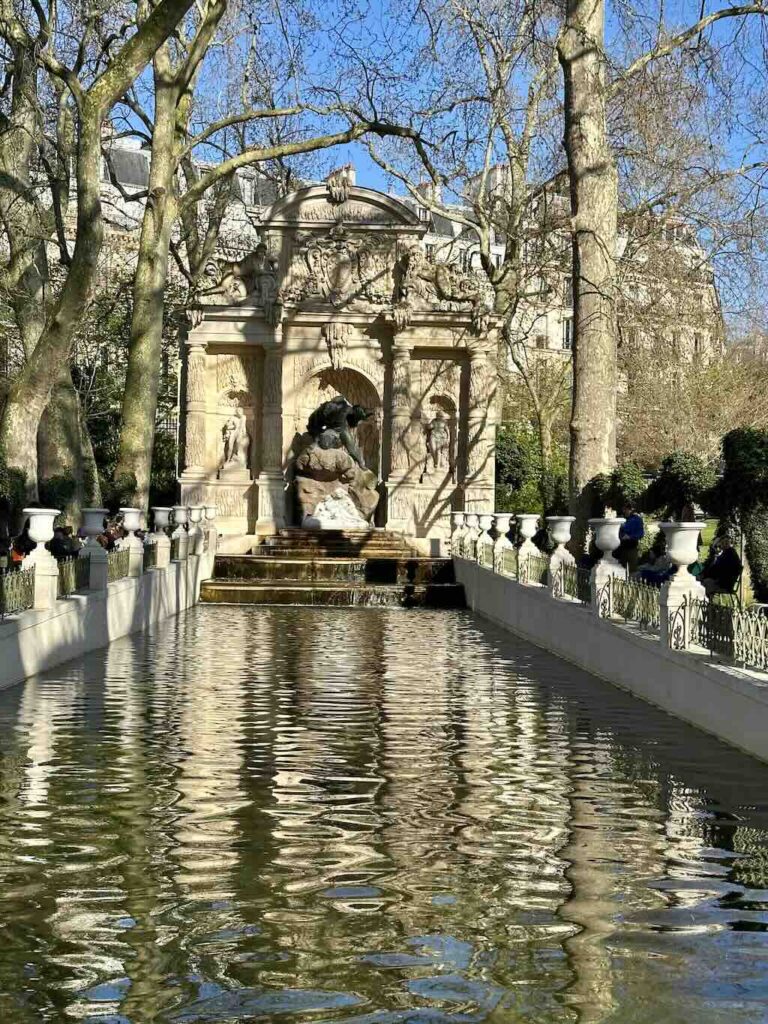
Discover the charm of the Luxembourg Garden area, from the gardens to the Panthéon and the Left Bank’s literary cafés.
Frequently Asked Questions about Le Marais
Where is Le Marais in Paris?
Le Marais straddles the 3rd and 4th arrondissements on the Right Bank of the Seine, just north of Île Saint-Louis and east of the Centre Pompidou. It’s centrally located and a 15-minute walk from Notre-Dame, making it one of the easiest Paris districts to reach on foot from major landmarks.
Is Le Marais worth visiting?
Absolutely — Le Marais is one of the few Paris neighborhoods that combines aristocratic 17th-century architecture, a thriving Jewish heritage, the best LGBTQ+ scene in the city, world-class falafel, hidden boutiques, and the Centre Pompidou next door. If you have even half a day in Paris, Le Marais should be on your shortlist. Many visitors call it their favorite district after just one walk through.
How many days should I spend in Le Marais?
One full day is enough to cover the main highlights: Place des Vosges, Musée Carnavalet, rue des Rosiers (for falafel), and the Picasso Museum. If you want to explore the boutiques, café-hop, and visit a couple of museums properly, plan two days. The neighborhood rewards slow wandering.
What is Le Marais famous for?
Le Marais is famous for four things: (1) the most preserved pre-Haussmannian architecture in Paris (Place des Vosges, hôtels particuliers), (2) its historic Jewish quarter centered on rue des Rosiers, (3) being the heart of LGBTQ+ Paris, and (4) being the city’s most fashionable shopping district for vintage finds and emerging designers.
Is Le Marais safe at night?
Yes, Le Marais is generally very safe at night. It’s one of the liveliest neighborhoods in Paris with bars, restaurants, and pedestrians active until late, especially on weekends. Stick to the main streets (rue Vieille du Temple, rue des Archives, rue de Turenne) and use standard urban precautions. The area around the Hôtel de Ville and metro Saint-Paul is well-lit and busy throughout the evening.
What’s the best metro station for Le Marais?
For the heart of Le Marais (Place des Vosges, rue des Rosiers), use metro Saint-Paul (line 1). For the northern part near the Picasso Museum and Musée Carnavalet, use Chemin Vert (line 8) or Saint-Sébastien-Froissart (line 8). Hôtel de Ville (lines 1 and 11) covers the western edge near the Centre Pompidou. All three stations are 5-10 minutes walking distance from any spot in Le Marais.
Where else should I visit near Le Marais?
From Le Marais you can easily reach several other top Paris areas on foot or with one metro stop. The food-lover’s paradise of Montorgueil is 15 minutes north on foot. Cross the Seine and you’re in the Latin Quarter with the Luxembourg Gardens. Walk west and you reach the Eiffel Tower and Concorde area. For a full itinerary covering all of these, check our complete Paris walking tour guide.
What’s the best falafel in Le Marais?
The two iconic competitors are L’As du Fallafel and Mi-Va-Mi, both on rue des Rosiers, both excellent. L’As du Fallafel famously had a sign from Lenny Kravitz (“the best falafel in the world”) and tends to have longer lines. Mi-Va-Mi is the locals’ favorite. Both are takeaway-friendly and priced around €7-9 for a stuffed pita. Avoid lunch rush (1-2 PM) if you don’t want to wait.
When is the best time to visit Le Marais?
Le Marais is enjoyable year-round, but the sweet spots are late April to mid-June and September to mid-October — mild weather, fewer tourists than peak summer, and most shops/restaurants fully open. Saturday is the liveliest day for shopping and people-watching. Many Jewish-owned shops on rue des Rosiers are closed Friday evening and Saturday for Shabbat, which is worth knowing if you specifically want to visit them.
Is Le Marais expensive?
Le Marais is one of the most desirable neighborhoods in Paris, so accommodation prices are generally higher than the city average. However, the area offers options for most budgets, from luxury hotels and boutique properties to apartments and more affordable accommodations on the edges of the district. Restaurants and cafés also range from casual eateries to upscale dining.
Can you visit Le Marais on Sunday?
Yes, and Sunday is actually one of the best days to visit Le Marais. Unlike many areas of Paris, numerous boutiques, cafés, galleries, and shops remain open on Sundays, especially along Rue des Francs-Bourgeois and Rue Vieille du Temple. The neighborhood is lively and pedestrian-friendly, making it ideal for a leisurely day of sightseeing and shopping.
What is the difference between Le Marais and Montmartre?
Le Marais and Montmartre are two of Paris’s most famous neighborhoods, but they offer very different experiences. Le Marais is known for its elegant mansions, museums, historic streets, fashionable boutiques, and vibrant food scene. Montmartre, located on a hill in northern Paris, is famous for its artistic heritage, village atmosphere, and landmarks such as the Sacré-Cœur Basilica. If you enjoy history, architecture, shopping, and central locations, Le Marais is often the better choice. For panoramic views and a more bohemian atmosphere, Montmartre is hard to beat.