Luxembourg Gardens Paris: Guide to Visiting in 2026
By Blaise Jaeger · Updated June 2, 2026
Why Visit the Luxembourg Gardens?
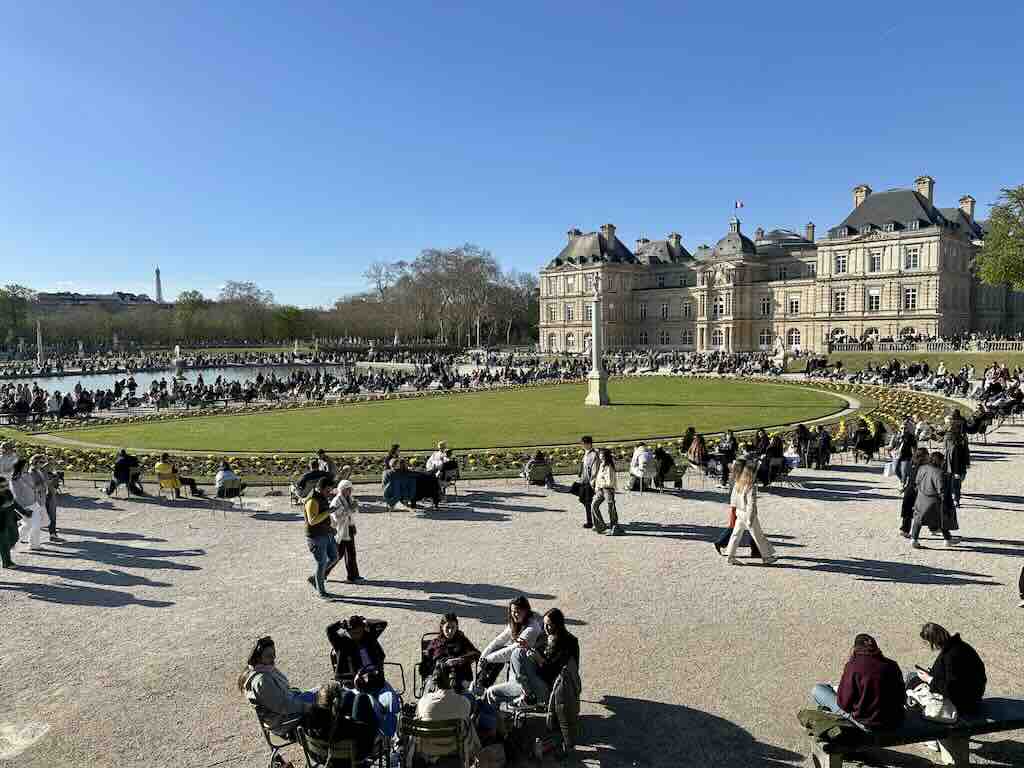
The Luxembourg Gardens — Jardin du Luxembourg in French — are the most beloved park in Paris and one of the most iconic green spaces in Europe. Spread across 25 hectares between Saint-Germain-des-Prés and the Latin Quarter, they offer a rare combination: the formal elegance of a royal Italian garden, the relaxed atmosphere of a Parisian park, and the everyday rhythm of locals reading on green metal chairs. Open to the public for centuries, the Luxembourg Gardens remain one of Paris’ most accessible green spaces. Parisians go there to slow down, watch their kids push toy sailboats around the central pond, or sunbathe on the lawns when the weather allows.
What makes the Luxembourg Gardens unique isn’t just the Palais du Luxembourg (today the seat of the French Senate) or the romantic Fontaine Médicis. It’s the way the park manages to feel both grand and intimate at the same time. You can spend ten minutes here on the way to lunch, or three hours reading under a chestnut tree — both experiences feel quintessentially Parisian. If you only had a single afternoon on the Left Bank, the Luxembourg Gardens would be my recommendation.
Growing Up Around the Luxembourg Gardens
Beyond their cultural significance, these neighborhoods have a deeply personal resonance for me: this is where I grew up. I spent my entire childhood and teenage years in the 6th arrondissement, until I was 18. All my schools were clustered around the Jardin du Luxembourg, so this place literally became the daily backdrop of my life. My primary school was on rue de Vaugirard, then I continued on rue Madame, just steps from Saint-Sulpice. Later came the benches of Lycée Montaigne, before I joined the prestigious Lycée Louis-le-Grand in the 5th arrondissement.
Every morning, crossing the Jardin du Luxembourg on the way to class was part of my ritual — a peaceful one, bathed in golden light in autumn, blooming with flowers in spring, or echoing with the crunch of gravel under my feet in winter. It was much more than just a route to school: it was a daily immersion in a vibrant and timeless Paris, a Paris of elegance and memory that shaped my sensibility and the way I see the world.
I remember spending countless hours here as a child. One school assignment in particular stayed with me: I had to catalog every single statue in the garden. The assignment gave me an early appreciation of the remarkable number of sculptures found throughout the gardens.
Luxembourg Gardens at a Glance
- Location: 6th arrondissement (extending into the 5th and 14th), Left Bank, between Saint-Germain-des-Prés and the Latin Quarter
- Size: 25 hectares (61 acres)
- Year built: 1612, on order of Marie de Médicis
- Admission: free, year-round
- Opening hours: daily, roughly 7:30 AM to sunset (varies by season)
- Closest metro: RER B “Luxembourg” (right at the gate), Odéon (lines 4, 10), Saint-Sulpice (line 4), Vavin (line 4)
- Best for: history lovers, families with kids, picnic seekers, joggers, anyone who wants to feel like a local
- Time needed: 1-2 hours for a classic visit, half a day if you linger
- Avg lunch nearby: €15-25 in a bistro, €40-80 for a refined dinner in Saint-Germain
- Nearby hotels: €120 to €500 per night depending on category
The History of the Luxembourg Gardens
Few parks in Europe carry as much history as the Luxembourg Gardens. They were commissioned in 1612 by an Italian queen who missed her home country — and four centuries later, you can still see her influence in every alley, fountain and parterre. Read more on the Wikipedia entry on the Luxembourg Gardens.
Marie de Médicis and the Italian Inspiration
After her husband Henri IV was assassinated in 1610, Queen Marie de Médicis decided to leave the Louvre and build her own residence on the Left Bank. She bought the Hôtel de Luxembourg from François de Luxembourg and commissioned architect Salomon de Brosse to design a new palace inspired by the Pitti Palace in Florence, where she had spent her childhood. The gardens were laid out around it in the formal Italian style, with terraces, statues, and a long alley of chestnut trees.
From Royal Garden to Public Park
The gardens were already open to “well-dressed” Parisians under the monarchy, but the French Revolution transformed them into a fully public park. In the 19th century, Baron Haussmann’s urban redesign of Paris reduced their original surface (a chunk was sliced off to build rue Auguste-Comte and the boulevard Saint-Michel), but the core layout remained intact. Today, the Luxembourg Gardens are managed by the French Senate and are one of the rare central Parisian parks where the lawns are mostly protected — you can only lie down on the southern lawns, near the orchard.
The Palais du Luxembourg Today: Seat of the French Senate
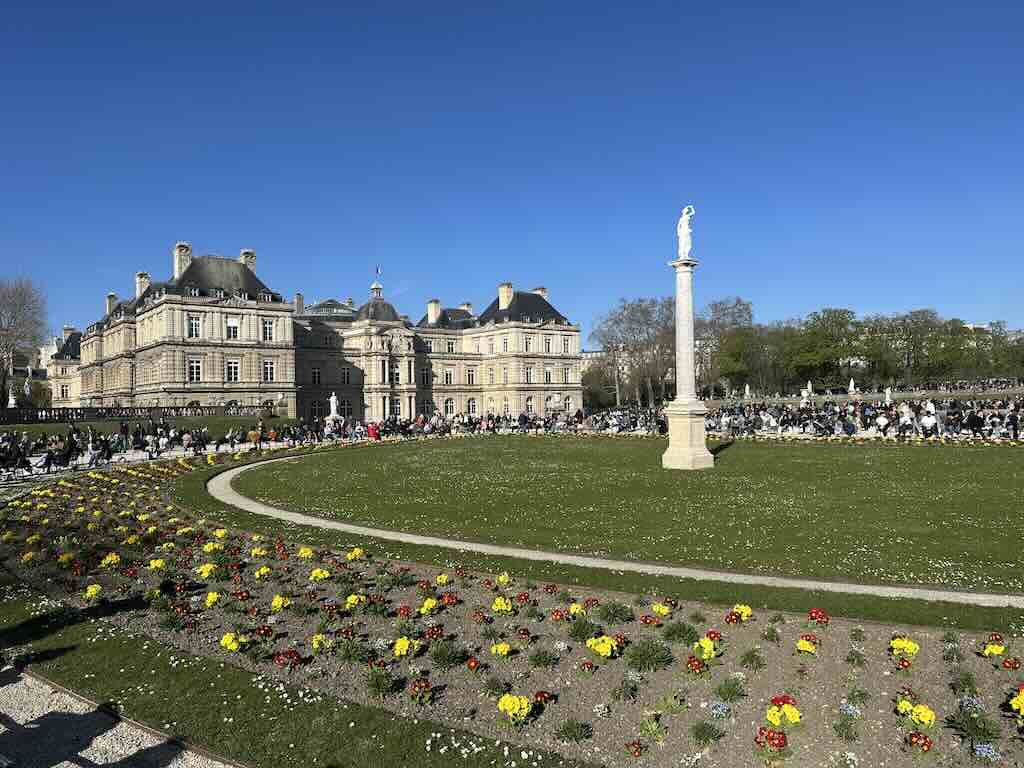
Since 1799, the Palais du Luxembourg has housed the French Senate, the upper house of the French parliament. You can usually only see the palace from the outside, but the Senate offers guided tours on selected weekends (mostly during the European Heritage Days in September). For up-to-date info on visits, check the official Senate visit page. Next to the palace, the Musée du Luxembourg hosts temporary art exhibitions year-round — see the official Musée du Luxembourg website for the current program.
What to See in the Luxembourg Gardens
For a 25-hectare park, the Luxembourg Gardens are surprisingly dense in highlights. Here are the five things you absolutely shouldn’t miss on a first visit.
The Medici Fountain — A Romantic Gem
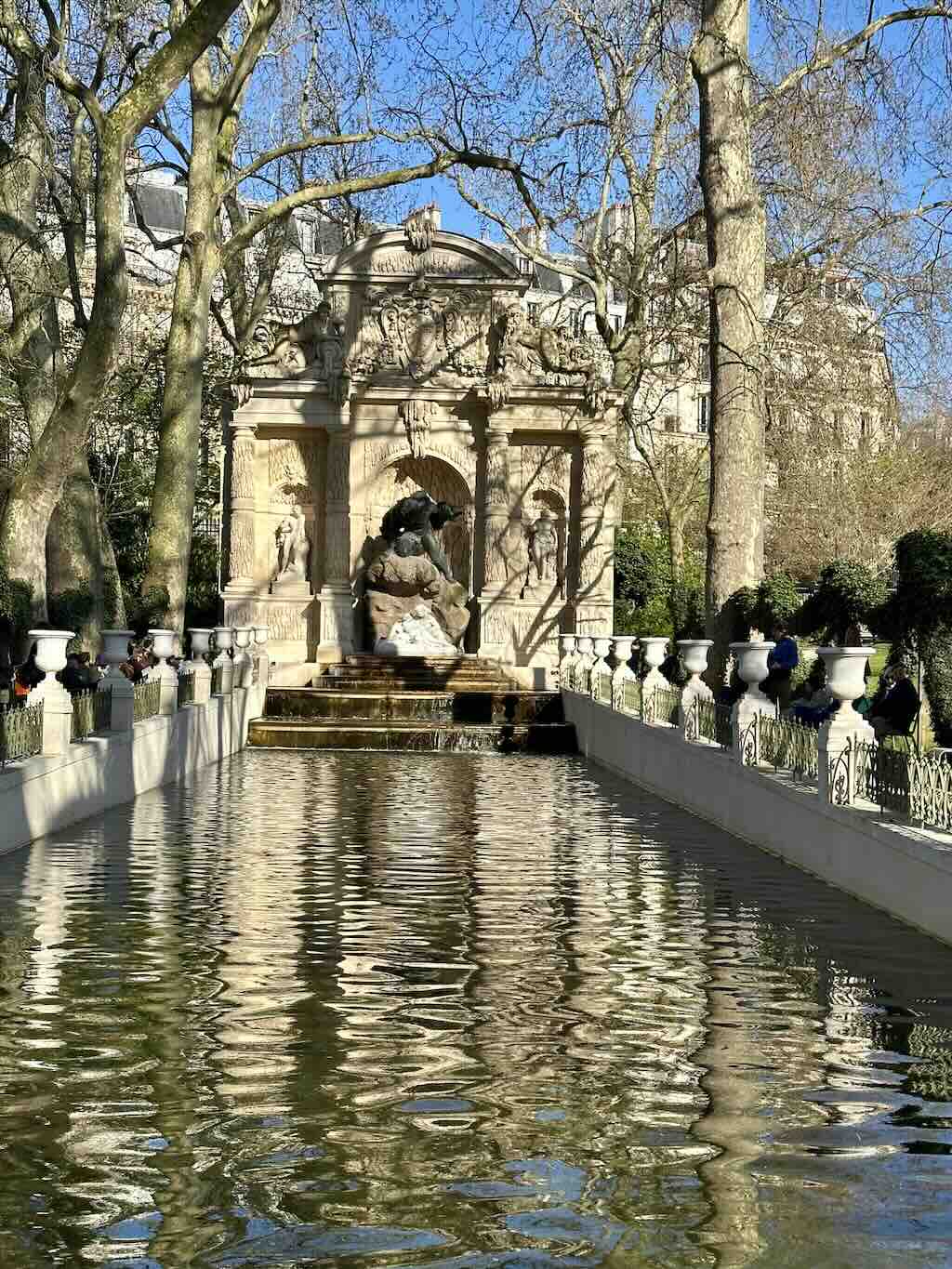
Hidden in the eastern part of the park, the Fontaine Médicis is one of the most romantic spots in Paris. Built around 1630 in the Italian Mannerist style, it features a long reflecting pool flanked by plane trees and a dramatic central sculpture of Polyphemus surprising Acis and Galatea. The fountain was moved and redesigned in the 19th century when Haussmann’s works reshaped the area. Come in the late afternoon when the light filters through the trees — it’s a favorite of Parisian couples and photographers.
The Central Pond and Toy Sailboats
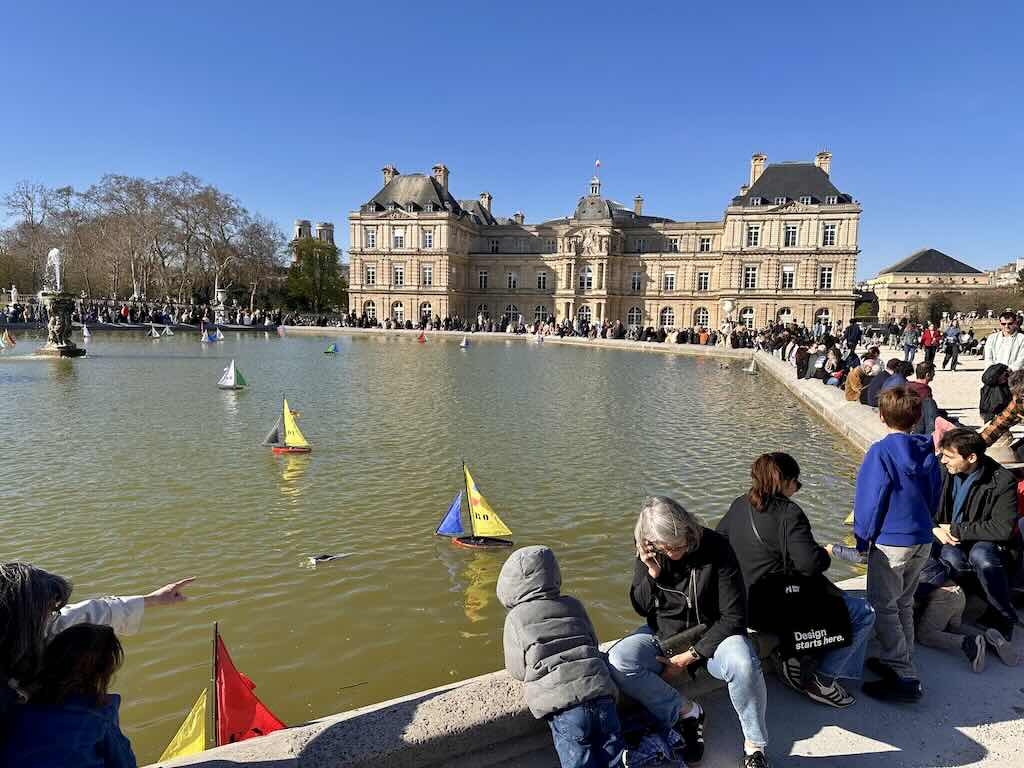
The octagonal pond in front of the Palais du Luxembourg is arguably the most iconic image of the gardens. On sunny afternoons, children rent wooden toy sailboats from a stand near the pond and push them across the water with long sticks — a tradition dating back to the 19th century. Adults sit around in the famous green metal chairs (designed for the park and now considered Parisian design icons). It’s the quintessential “feeling Parisian” moment.
The Statues of the Queens of France
Lining the upper terraces around the pond stand twenty white marble statues representing famous women of French history — queens, saints and noblewomen, from Sainte Geneviève to Marie de Médicis herself. The series was commissioned by King Louis-Philippe in the 1840s, and the statues are a favorite stop for photography and history enthusiasts. Walk slowly along the terrace — each statue has its story.
The Orchard and Beekeeping School
In the southern part of the gardens, an old orchard preserves nearly 600 varieties of fruit trees, mostly pears and apples. Just next to it sits the Rucher École, France’s oldest beekeeping school, founded in 1856. The orchard is open to the public from April to October on weekends and is one of the most peaceful corners of central Paris. Beekeeping courses are also offered (in French) — a quirky reminder that Paris is, beneath the surface, an unexpectedly green city.
The Musée du Luxembourg and Temporary Exhibitions
Adjacent to the palace, the Musée du Luxembourg was the first French museum opened to the public (1750). Today it hosts internationally acclaimed temporary art exhibitions — past shows have included Botticelli, Tudor masters and Cézanne. Tickets typically run €14-16. Check the current exhibition before visiting — if it matches your taste, it pairs perfectly with a stroll in the gardens.
For Families: Best Activities for Kids
The Luxembourg Gardens are widely considered one of the best parks in Paris for families. If you’re traveling with kids, plan to spend at least a half-day here — there’s enough to keep them entertained without resorting to screens.
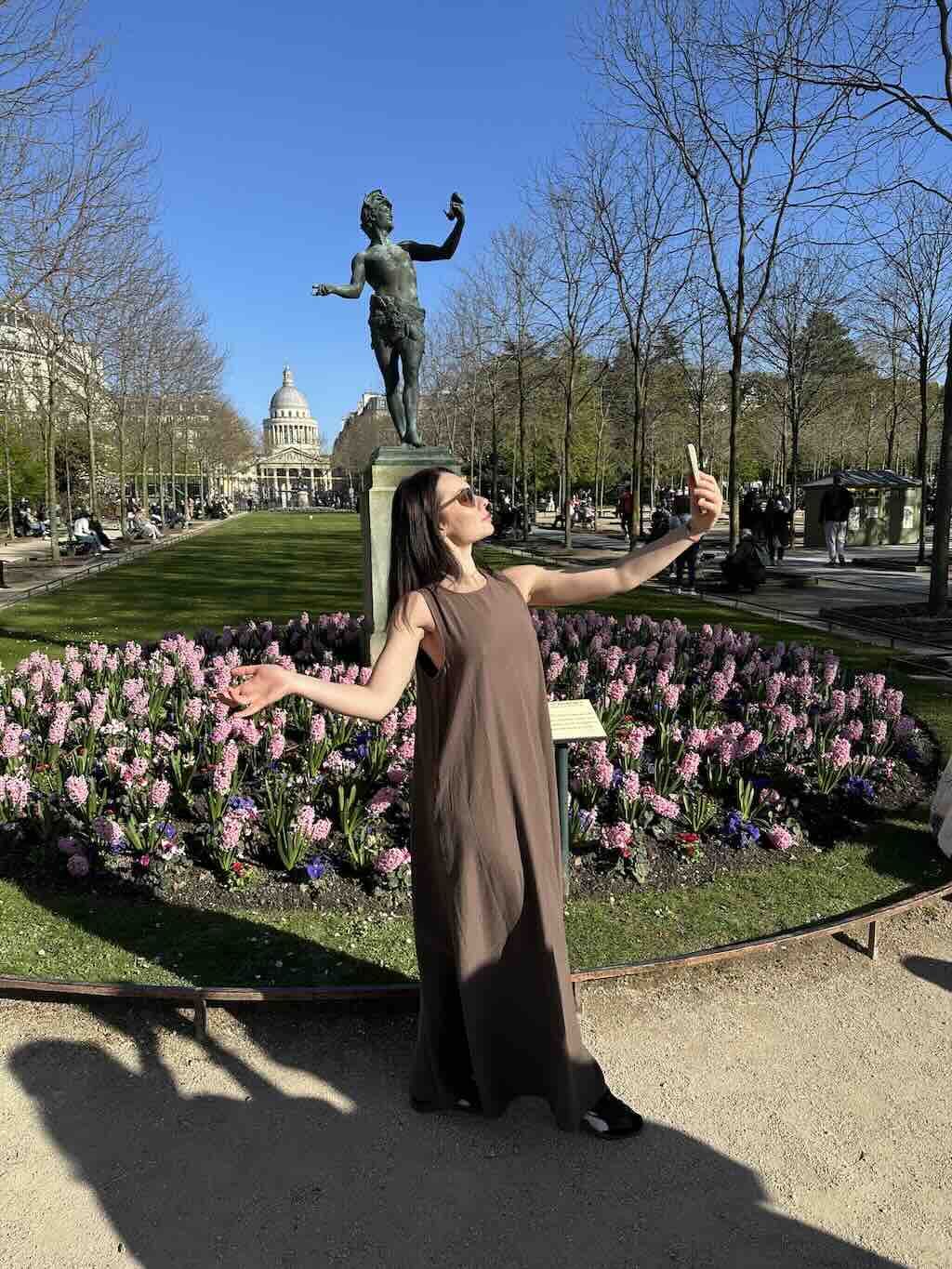
- Toy sailboats on the pond: rent a wooden boat for a few euros and push it around with a stick — kids love it
- Théâtre du Luxembourg (puppet shows): France’s oldest marionette theatre, with shows in French at weekends and during school holidays — even non-French speakers enjoy the visual humor
- Vintage carousel: a beautiful belle-époque-style merry-go-round near the orchard
- Playgrounds: a large fenced playground (small admission fee) with swings, slides and a sandpit, plus several free play areas
- Pony rides: occasionally available in the southern part of the park
- Tennis courts: bookable in advance via the Paris.fr website
Where to Eat near the Luxembourg Gardens
The Luxembourg Gardens are surrounded by some of the best dining streets in Paris — rue de Tournon, rue de Vaugirard, rue Madame, rue de Médicis. Whether you want a quick takeaway lunch on a bench or a long Sunday brunch, here are my recommended spots within a 5-minute walk of the gates.
Traditional Bistros
For a classic Parisian lunch, try Polidor on rue Monsieur-le-Prince (frequented by Hemingway and James Joyce, unchanged since 1845), or Le Comptoir du Relais on Carrefour de l’Odéon (small bistro, expect a wait, brilliant cooking by chef Yves Camdeborde). Brasserie Lipp on Boulevard Saint-Germain is the historic option — pricey but iconic. Average price: €25-40 per person for lunch, €50-80 for dinner.
Trendy Cafés and Specialty Coffee
For specialty coffee, try Strada Café on rue Monge or Coutume Café slightly farther west — both serve excellent flat whites and pastries. Café Charlot at the corner of rue Madame is great for people-watching with reasonable prices. For something more refined, La Société on Place Saint-Germain-des-Prés serves modern French cuisine in a sleek interior.
Bakeries and Patisseries for a Picnic
For a picnic on the southern lawns: Pierre Hermé on rue de Sèvres for legendary macarons, Poilâne on rue du Cherche-Midi for the best sourdough in Paris, and Maison Mulot on rue de Seine for sandwiches and pastries. A baguette tradition, a slice of brie from a fromagerie on rue de Buci, a bottle of rosé and you’ve got a Parisian afternoon for €15.
The Luxembourg Gardens in One Day: Suggested Walking Itinerary
If you have a full day to explore the area, here’s an itinerary that combines the Luxembourg Gardens with the surrounding neighborhoods — Saint-Sulpice, Saint-Germain-des-Prés and the Latin Quarter. Count on 7-8 hours including breaks.
Morning — Inside the Gardens
Start at 9:00 AM at the main gate on rue de Vaugirard (RER B Luxembourg). Walk along the eastern alley to the Fontaine Médicis — it’s quieter in the morning. Loop around to the central pond, sit on a green chair, watch Parisian retirees with their newspapers. Wander the upper terrace to see the Queens of France statues, then head south to the orchard and beekeeping school. Aim to leave the gardens by 12:00.
Lunch — Rue de Tournon and Odéon
Exit through the northern gate (rue de Médicis) and walk down rue de Tournon — one of the prettiest streets in the 6th arrondissement, with antique shops and small galleries. Have lunch at a bistro on rue Monsieur-le-Prince or grab a takeaway sandwich from Maison Mulot and eat in the gardens. Around Place de l’Odéon, you’ll find the Théâtre de l’Odéon (one of France’s national theaters).
Afternoon — Saint-Sulpice and Saint-Germain-des-Prés
Walk west to Place Saint-Sulpice (with its impressive fountain and the Saint-Sulpice church, made famous by The Da Vinci Code). Continue to Saint-Germain-des-Prés and the 6th arrondissement to see the oldest church in Paris and have a coffee at Les Deux Magots or Café de Flore — both historic cafés where Sartre, Hemingway and Picasso used to write. Browse the bookshops on rue de Buci, then wander the galleries on rue de Seine.
Evening — Latin Quarter and Pont des Arts
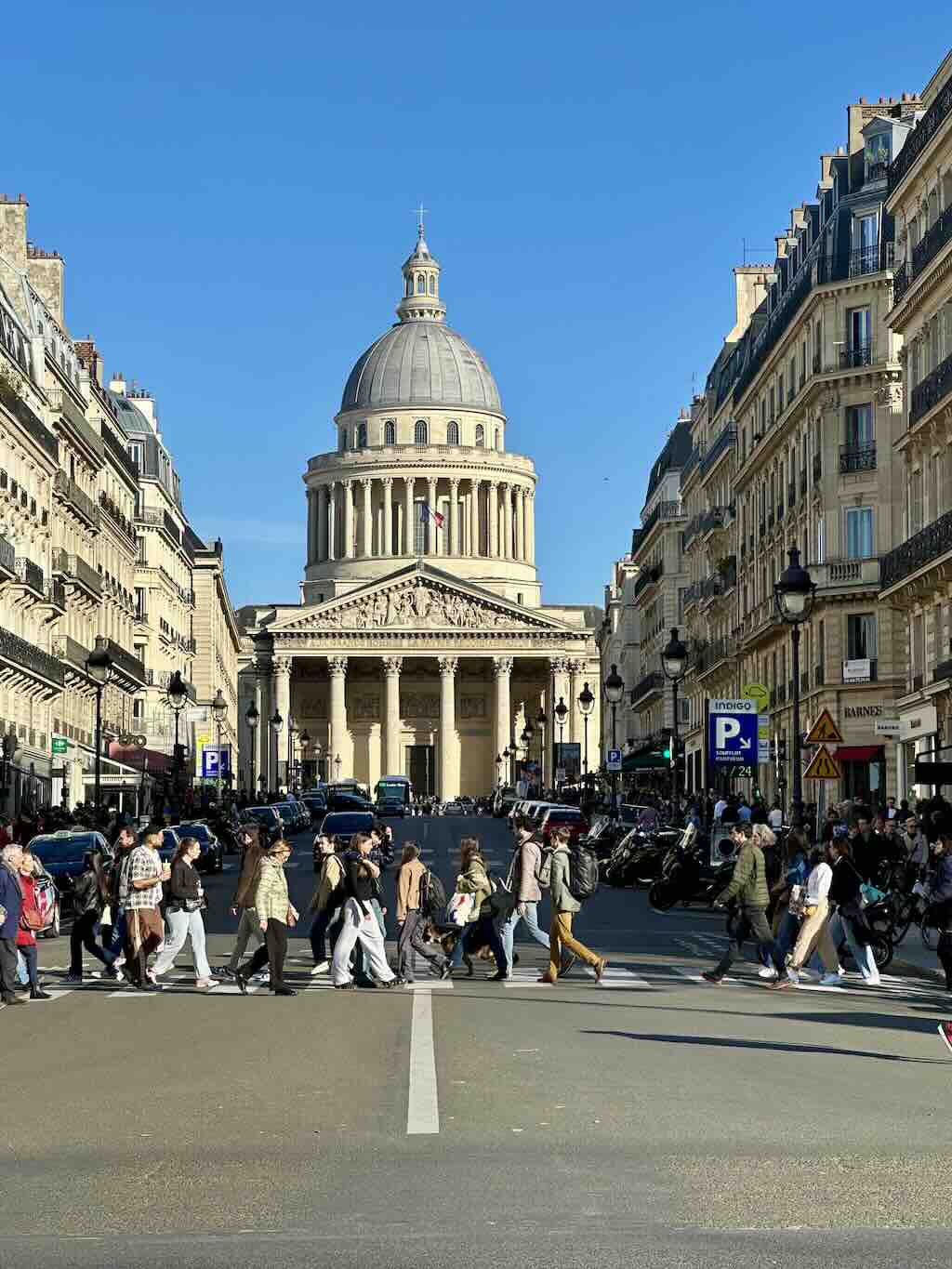
Cross into the Latin Quarter in the 5th arrondissement via boulevard Saint-Michel. Walk up rue Soufflot for the dramatic view of the Panthéon — the resting place of Voltaire, Rousseau, Marie Curie and other French national heroes. Have dinner in a small bistro on rue Mouffetard, then walk down to the Seine for a stroll past Notre-Dame at sunset. End the day at the Pont des Arts for the classic Paris-by-night view.
How to Get to the Luxembourg Gardens and Practical Tips
The Luxembourg Gardens are right in the center of Paris and very well connected. Here’s everything you need to plan a smooth visit. For the full Paris metro map, see the official RATP website.
Closest Metro Stations
The most convenient option is RER B “Luxembourg” — the station exit lands you directly at the eastern gate. Other useful stations: Odéon (lines 4 and 10) to the north, Saint-Sulpice (line 4) and Mabillon (line 10) to the northwest, and Vavin (line 4) for the southern entrance near the orchard. All metro stations are within 5-10 minutes walk of the park.
Opening Hours
The gardens are open every day, but hours change with the seasons. In general, the park opens around 7:30 AM and closes at sunset — that means roughly 4:30 PM in mid-winter and 9:30 PM in mid-summer. The official closing time is announced 15-30 minutes before by a uniformed gardener ringing a bell and asking people to leave. Admission is always free.
Best Time to Visit
Spring (late April to mid-June) is the most photogenic season — the chestnut trees bloom and the orange trees come out of their winter shelter. Summer is busy but lively, with concerts in the bandstand on weekends. Autumn delivers the most spectacular colors. Winter is quieter and atmospheric, especially on misty mornings — the gardens stay open even when there’s snow. Weekday mornings are always the quietest moments.
Transportation Tips
Buy a Navigo Easy pass (rechargeable, no photo needed) or a Paris Visite pass if you’ll be using transport heavily. The metro runs from about 5:30 AM to 1:00 AM (2:00 AM on Fridays and Saturdays). Apps like Bonjour RATP or Citymapper are excellent for navigation. For short distances, Vélib city bikes are perfect — there are stations all around the gardens.
Where to Stay near the Luxembourg Gardens
Staying near the Luxembourg Gardens means waking up in one of the most refined and culturally rich areas of Paris — between Saint-Germain literary cafés, the Latin Quarter’s student energy and the elegance of the 6th arrondissement. Here are four micro-zones to choose from, each with a different atmosphere.
Around the Garden — Ideal for First-Time Visitors
Hotels on rue de Vaugirard, rue Madame or rue Servandoni put you steps from the main gates. Mornings start with a walk in the park before the crowds arrive. Expect upscale boutique hotels — count €200-400 per night for high season. Perfect for couples and travelers who plan to spend most of their time exploring on foot.
Saint-Sulpice and Odéon — Charm and Café Life
The area around Place Saint-Sulpice and the Odéon theater offers some of the most picture-perfect streets in Paris. Boutique hotels here are charming and well-priced — €150-300 per night. Restaurants and cafés are everywhere, and you’re 5 minutes walk from both the Luxembourg Gardens and Saint-Germain-des-Prés. My favorite zone for a first stay on the Left Bank.
Latin Quarter (5th Arrondissement) — Vibrant and Studenty
If you prefer a livelier (and more affordable) atmosphere, base yourself in the Latin Quarter — around the Panthéon, rue Mouffetard or the Sorbonne. Smaller hotels and B&Bs sit between historic universities and bustling food streets. Expect €100-200 per night. The Luxembourg Gardens are 10 minutes walk west.
Montparnasse — Best Price-Quality
South of the gardens, Montparnasse offers larger and more modern hotels at better rates (€100-180 per night). The area has its own artistic legacy (Picasso, Modigliani, Hemingway all worked here) — read more in our Montparnasse guide. The Luxembourg Gardens are 15 minutes walk north — a pleasant morning commute.
Some links in this section are affiliate links. If you book through them, MBPV receives a small commission at no extra cost to you. We only recommend hotels we’ve personally stayed in or carefully vetted.
Final Tips for Visiting the Luxembourg Gardens
Cultural Etiquette — How to Blend In
Three things to know: 1) Don’t walk on the lawns in the formal sections — they’re protected; you can only lie down on the southern lawns near the orchard, marked with a different sign. 2) The famous green metal chairs are free to move around — pick one up, set it where you want, leave it when you go. 3) Pay attention to the closing bell at sunset — a gardener walks through ringing it 15-30 minutes before the gates close.
Seasonal Highlights and What Not to Miss
In spring, look for the chestnut tree blooms along the main alleys. In May, the citrus and orange trees are wheeled out of their winter shelter and placed around the central pond — a tradition unchanged for centuries. During summer, free open-air concerts happen at the bandstand on weekend afternoons. In autumn, photograph the gardens just before closing time when the low golden light hits the Médicis Fountain. The Senate also opens for visits during European Heritage Days in September.
Safety and Practical Info
The Luxembourg Gardens are very safe, including in the evening hours just before closing. Standard precautions against pickpockets in the metro are enough. Public toilets are available near the central pond and the southern playground (free or small fee). Bring water in summer — the fountains are decorative, not drinkable. Wi-Fi is patchy inside the park — a feature, not a bug.
Explore More of Paris’ Left Bank
The Luxembourg Gardens are just one highlight of the Left Bank. For the bigger picture, see our complete Paris travel guide — or keep exploring the neighborhoods around the park:
Discover the Latin Quarter and the 5th arrondissement — the Sorbonne, the Panthéon, rue Mouffetard and centuries of student energy on the Left Bank.
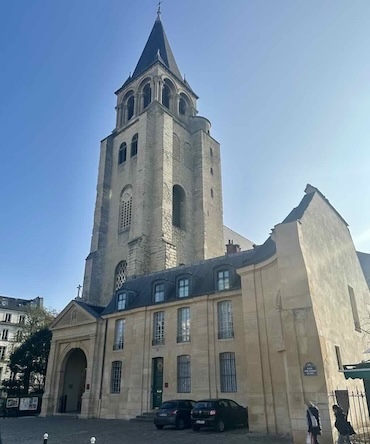
Explore the 6th arrondissement of Paris — Saint-Germain-des-Prés, its iconic literary cafés, art galleries and bohemian atmosphere.
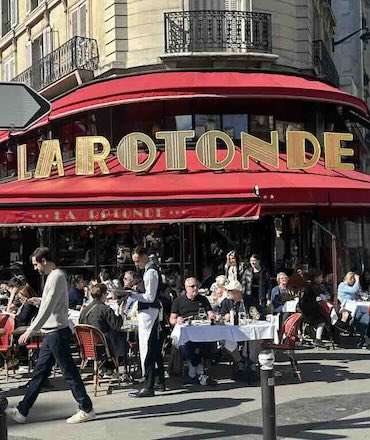
Step into Montparnasse and the 14th arrondissement — the artistic and bohemian past of Paris, from Picasso to Hemingway.
Frequently Asked Questions About the Luxembourg Gardens
Where is the Jardin du Luxembourg?
The park is in the 6th arrondissement of Paris, between Saint-Germain-des-Prés and the Latin Quarter. It’s easily reached on foot or by metro — the RER B “Luxembourg” station drops you right at the gate. Metro Odéon (lines 4 and 10) and Saint-Sulpice (line 4) are also within 5-10 minutes walk.
Is admission to the Luxembourg Gardens free?
Yes, access to the gardens is completely free for all visitors. The park has been open to the public since the 17th century and is one of the most accessible green spaces in central Paris. The only paid attractions inside are the playground (small fee) and the Musée du Luxembourg (€14-16 depending on the exhibition).
What are the opening hours of the Luxembourg Gardens?
The gardens open daily at around 7:30 AM and close at sunset, which means roughly 4:30 PM in mid-winter and 9:30 PM in mid-summer. A gardener rings a bell 15-30 minutes before closing to let visitors know it’s time to leave. Hours adjust gradually each month according to natural light.
What’s the best time of day to visit?
Early morning (8:00-10:00 AM) is the quietest moment — you’ll share the park mostly with joggers and locals. Late afternoon between 4:00 PM and sunset is the most photogenic, with golden light hitting the Médicis Fountain and the palace. Avoid weekends in late June and July, when the gardens get very busy.
What’s the best season to visit the Luxembourg Gardens?
Spring (late April to mid-June) is the most photogenic with chestnut blooms and the orange trees coming out of winter storage. Summer is lively with bandstand concerts. Autumn delivers spectacular colors. Winter is quieter and atmospheric, especially in light snow — and the park stays open year-round.
What are the main things to see in the Luxembourg Gardens?
Top sights include the Fontaine Médicis (the romantic 17th-century fountain in the eastern alley), the central pond with toy sailboats and the Palais du Luxembourg in the background, the twenty statues of the Queens of France lining the upper terrace, the orchard and beekeeping school in the south, and the Musée du Luxembourg’s temporary art exhibitions.
How long do you need to visit the Luxembourg Gardens?
You can see the main highlights in 1-2 hours, but it’s also the perfect place for a longer break during your day. Many Parisians spend a full afternoon reading on the iconic green metal chairs, picnicking on the southern lawns, or chatting with friends. If you’re traveling with kids, plan a half-day with the carousel, playground, and toy sailboats.
Are the Luxembourg Gardens family-friendly?
Yes — they’re one of the best parks in Paris for families. Highlights for kids include the famous toy sailboats to push around the pond with a wooden stick, the historic Théâtre du Luxembourg puppet shows, a vintage carousel near the orchard, several playgrounds, and pony rides at certain times. Plan at least a half-day if traveling with children.
Can you have a picnic in the Luxembourg Gardens?
Yes, but only in the authorized areas — mainly the southern lawns near the orchard and the beekeeping school. In the formal sections around the Palais du Luxembourg, lying on the grass is not allowed; you’re expected to use the green metal chairs or the benches. Bring food from a nearby boulangerie or fromagerie for the most Parisian experience.
Can you visit the Palais du Luxembourg (the French Senate)?
The palace generally cannot be visited freely — it’s the working seat of the French Senate. However, the Senate offers guided tours on selected weekends, primarily during the European Heritage Days in September. Check the official Senate visit page for current availability. The Musée du Luxembourg next door is open to the public year-round.