Italy Travel Guide: My Trips from Rome to Venice and Lake Como
By Blaise Jaeger · Updated October 14, 2026
Italy packs more World Heritage Sites than any other country into a peninsula you can cross by high-speed train in a few hours: ancient Rome, Renaissance Florence, the canals of Venice, the fishing villages of the Cinque Terre, the Alpine lakes north of Milan. The hard part is not finding something to see, but choosing what fits in one trip.
I have known Italy for a long time. Part of my family lives there, with cousins in Venice and in Umbria. I traveled to Rome dozens of times for work between 2004 and 2009, and I keep coming back on holiday. This guide gathers my trips and the detailed guides I wrote after each one: Rome, Florence, Pisa, the Cinque Terre, Venice, Lake Como and Milan, with the practical basics to link them.
Italy at a Glance
- Capital: Rome. The main international airports are Rome Fiumicino and Milan Malpensa; Venice, Florence and Pisa also have airports.
- Currency: the euro. Cards are accepted almost everywhere, but keep some cash for small bars and markets.
- Entry: Italy is in the Schengen area.
- Getting around: high-speed trains (Frecciarossa and Italo) link Milan, Florence, Rome, Naples and Venice; regional trains reach the smaller towns and the Cinque Terre.
- City tax: most cities add a tourist tax per person and per night, paid at the hotel.
- Best time: April to June and September to October.
My Trips in Italy
My last two trips show two ways of travelling in Italy. In May and June 2025, Roy and I flew into Rome for a family wedding, then went north by train: Rome, Florence, Pisa, the Cinque Terre and Genoa, in about a week. In March 2026, I came by rental car from France through the Mont Blanc Tunnel, for Lake Como and Milan, with a detour to Pavia.
In June 2023, Roy and I spent three days in Venice with my cousins, who took us around the canals in their boat. I had been to Venice many times before, for the Biennale, for the Redentore fireworks in July and to see family.
Best Places to Visit in Italy
Rome: The Eternal City
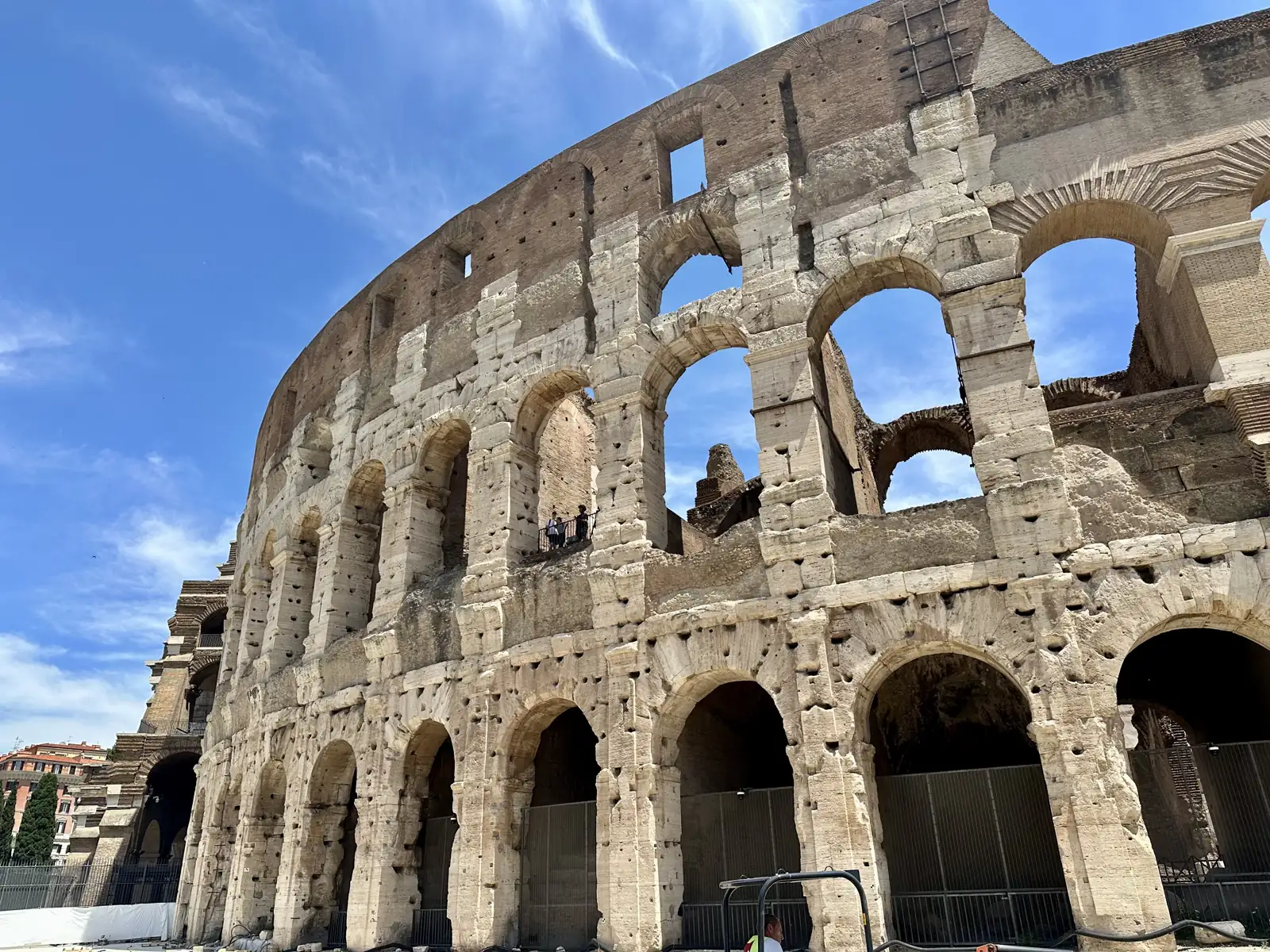
Rome is the city I know best. In three days you can see the Colosseum and the Roman Forum, the Pantheon, the Trevi Fountain, Piazza Navona and the Vatican, where the Vatican Museums and St Peter’s Basilica need a morning at least. My Rome itinerary follows our stay in May 2025, with the papal audience, the tickets to book and a day trip to Tivoli.
Florence: The Heart of the Renaissance
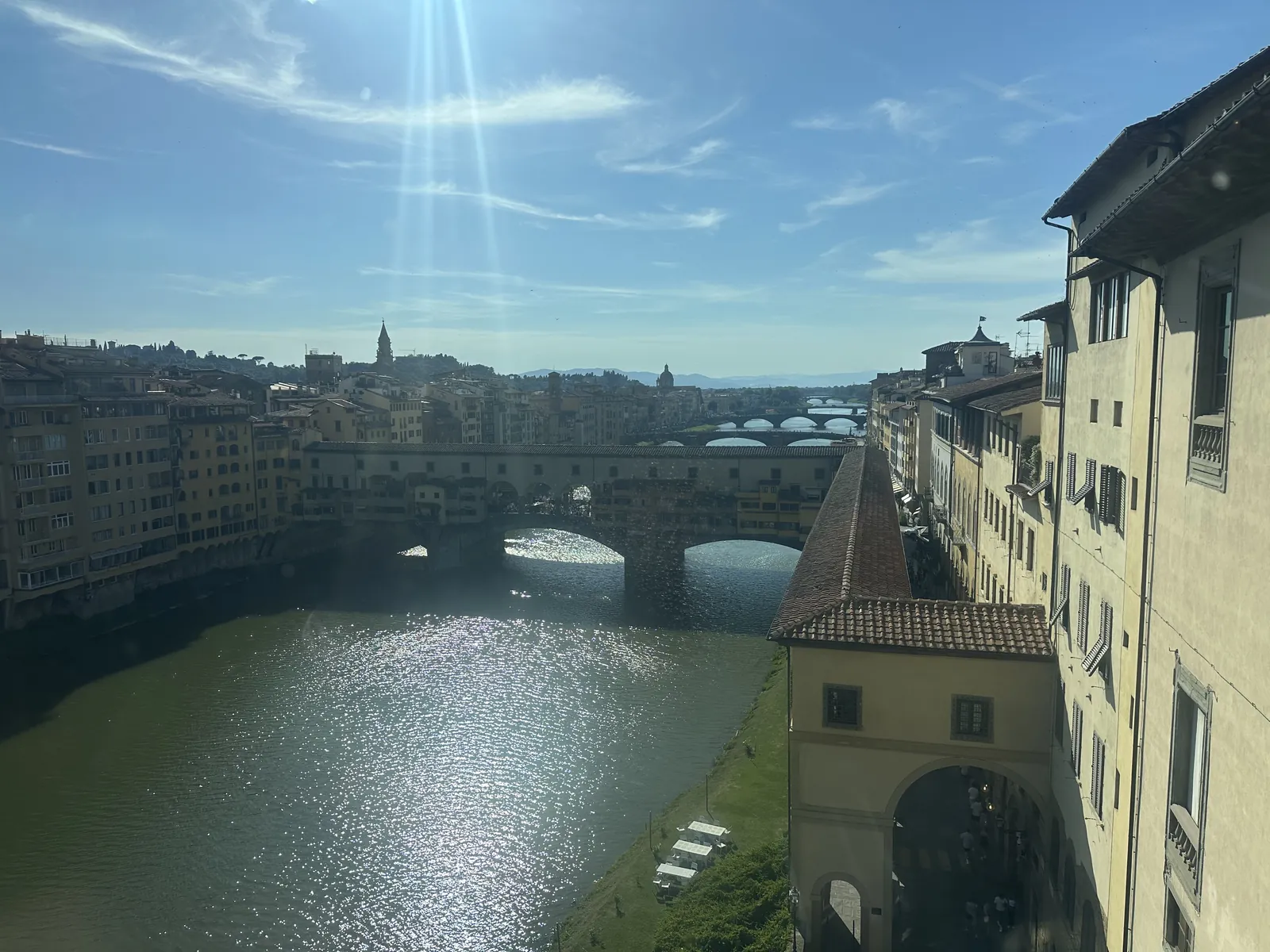
Florence is compact: the Duomo, the Baptistery, the Uffizi, the Ponte Vecchio and the Oltrarno are all within walking distance. A day and a half was enough for the essentials, with tickets booked ahead for the Uffizi and the climb of Giotto’s Bell Tower. See my Florence itinerary.
Pisa: More Than the Leaning Tower
Pisa is one hour from Florence by train, and most visitors only stop for a photo of the tower. The Piazza dei Miracoli, with the cathedral, the Baptistery and the Camposanto, deserves more, especially at sunset when the day trippers have gone. My Pisa travel guide explains how we spent the evening there.

The Cinque Terre: Five Villages by Train
The five villages of the Cinque Terre, between La Spezia and Levanto, are linked by a regional train that stops in each of them. We visited Riomaggiore, Manarola, Monterosso and Vernazza in one day, with the Via dell’Amore between the first two. My Cinque Terre guide covers the Cinque Terre Card and the order to follow.

Venice: The City of Canals
I have been to Venice many times since 2008, also because my cousins live there. Beyond St Mark’s Square and the Rialto, the best way to understand it is from the water: by vaporetto on the Grand Canal, or in a small boat through the inner canals. The church and bell tower of San Giorgio Maggiore, across the basin, give the finest view of the city. My Venice travel guide follows my three days in June, with the canals by private boat, how to get around and where to stay.

Lake Como: Villas and Ferries
Lake Como is one hour north of Milan. The ferries link Como, Cernobbio, Bellagio, Varenna and Tremezzo, where Villa Carlotta has one of the finest gardens on the lake. I stayed there in May 2015 and again in March 2026; my Lake Como travel guide lists the towns, the ferries and where to stay.

Milan: The Duomo and the Navigli
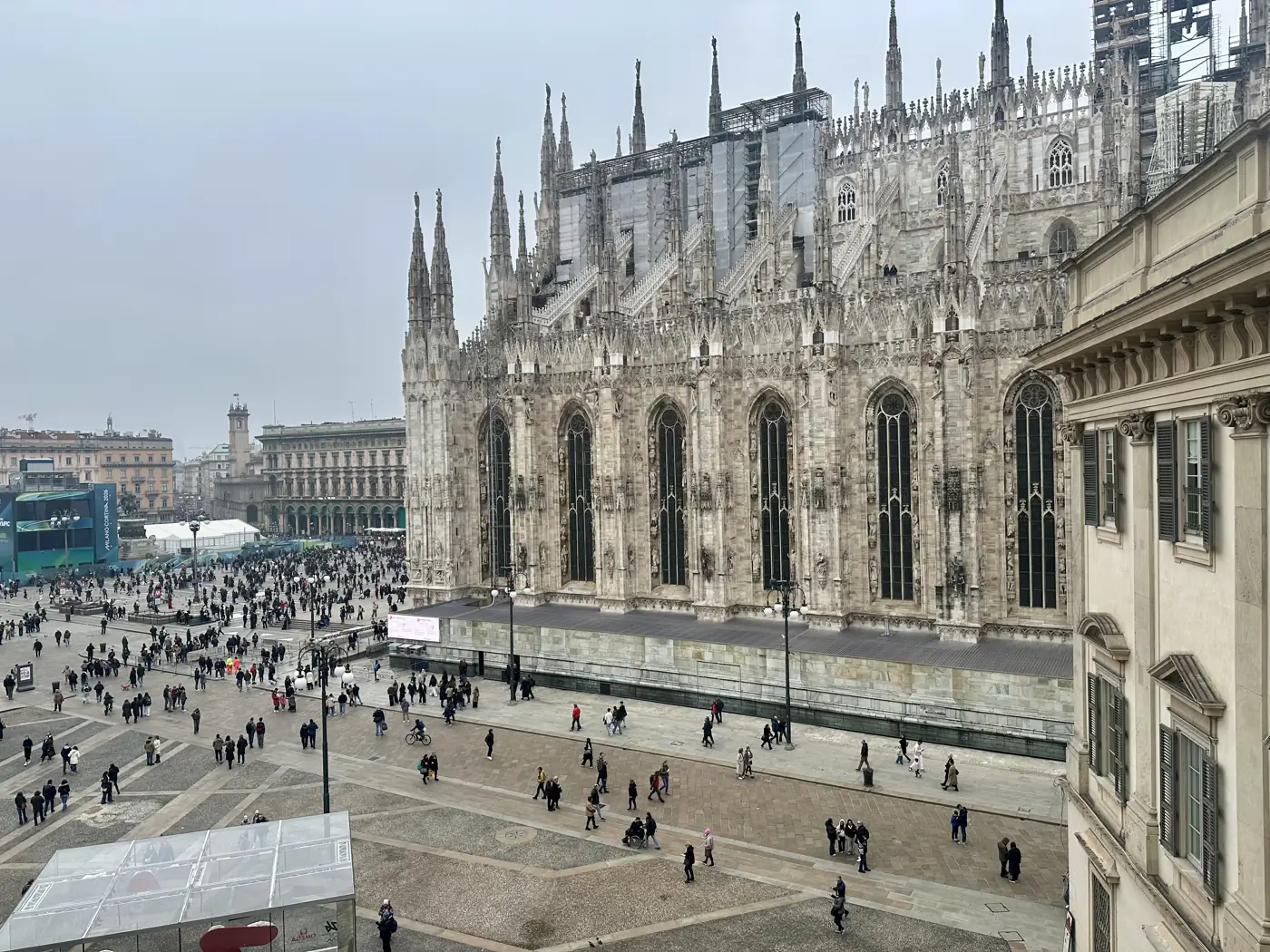
Milan is often seen as a business city, but one day is enough for its highlights: the rooftop terraces of the Duomo, the Galleria Vittorio Emanuele II, Brera and an aperitivo along the Navigli canals. Pavia, with its covered bridge and its Certosa, is a short drive away. See my Milan travel guide.
Umbria and the Marche: Assisi and the Hill Villages
On July 2, 2017, I crossed central Italy, where part of my family lives. In Assisi, in Umbria, the Basilica of St Francis stands at the edge of the town, above the plain. Further east, in the Marche, the hills around San Severino Marche are dotted with old stone hamlets and a ruined hilltop fortress: a side of Italy far from the crowds of the big cities.
Sicily
I have been to Sicily twice, a long time ago: once with my mother, then with friends. Italy’s largest island deserves a trip of its own, with the Greek temples of Agrigento, Mount Etna, Taormina above the sea and the markets of Palermo. I have not written a detailed guide to it yet.

How to Plan an Italy Itinerary
For a first trip, the classic route runs north from Rome to Florence and Venice by high-speed train, in about a week. With ten days, add Pisa and the Cinque Terre between Florence and Genoa, as we did in 2025, or Milan and Lake Como at the end. For the lakes and the countryside, a car gives more freedom; for the cities, the train is faster and you avoid the limited traffic zones.
- One week: Rome (3 days), Florence (2 days), then Pisa and the Cinque Terre, or Venice (2 days).
- Ten days: Rome, Florence, Pisa, the Cinque Terre, then Milan and Lake Como, or Venice.
- Northern loop: Milan, Lake Como and Venice, easy to combine by train or car.
Getting Around Italy
- By train: Frecciarossa and Italo trains link Rome to Florence in about 1 h 30 and Florence to Milan or Venice in about 2 hours. Tickets are cheaper when booked ahead; you can compare them on 12Go.
- Regional trains: fixed-price tickets for the Cinque Terre, Pisa or Como; validate paper tickets before boarding.
- By car: useful for Tivoli, Tuscany or the lakes, but avoid driving into city centres, where ZTL zones are fined by camera. We rented ours at Roma Termini; you can compare rentals on Discover Cars.
- In Venice: no cars at all; the vaporetto is the public transport, with passes from one to seven days.
When to Visit Italy
April to June and September to October are the most pleasant months, with mild weather and fewer crowds than in summer. July and August are hot in the cities and crowded on the coast. Winter suits Rome, Florence and the museums, and the lakes are quiet; some ferries and hotels on Lake Como run reduced schedules until March.
Food and Drink in Italy
Each region has its own cuisine: carbonara and cacio e pepe in Rome, bistecca alla fiorentina in Florence, pesto and focaccia in Liguria, risotto alla milanese in Milan, cicchetti and seafood in Venice. In the evening, the aperitivo is a ritual: a spritz or a glass of wine served with a few snacks, before dinner around 8 PM.

For coffee, do as Italians do: an espresso at the counter is cheaper than at a table, and cappuccino is a morning drink.
Where to Stay in Italy
In each city, I chose to stay within walking distance of the main sights: in the Monti district near the Colosseum in Rome, in the historic centre of Florence, and on the lakefront in Como. You can compare hotels across the country on Booking.com; my city guides list the places where I stayed.
My Italy Travel Guides
- Rome itinerary: the Vatican, the Colosseum and Tivoli in three days.
- Florence itinerary: the Uffizi, the Duomo and the Ponte Vecchio.
- Pisa travel guide: the Leaning Tower at sunset.
- Cinque Terre in one day: the five villages by train.
- Venice travel guide: the canals by boat with my cousins.
- Lake Como travel guide: Como, Bellagio and Villa Carlotta.
- Milan travel guide: the Duomo, Brera, the Navigli and Pavia.
Italy Travel FAQ
How many days do you need in Italy?
One week is enough for Rome, Florence and either Venice or the Cinque Terre. With ten days to two weeks, you can add Pisa, Milan and Lake Como.
What is the best month to visit Italy?
May, June and September offer the best balance of weather and crowds. July and August are the busiest and hottest months.
Is it better to travel Italy by train or by car?
By train between the big cities, which are linked by fast and frequent high-speed trains. A car is useful for the countryside, Tivoli or the lakes, but not in city centres.
Which Italian cities should you visit first?
Rome, Florence and Venice are the classic first trip, all linked by high-speed train.
Do you need to book museums in advance in Italy?
Yes for the most popular ones, such as the Vatican Museums, the Colosseum, the Uffizi and the Last Supper in Milan, which work with timed tickets.
Is Italy expensive?
Big cities and the lakes are expensive in high season, especially for hotels. Eating at a trattoria, having coffee at the counter and travelling by train keep costs reasonable.