Venice Travel Guide: My Three Days and the Canals by Private Boat
By Blaise Jaeger · Updated October 14, 2026
Venice is built on more than a hundred small islands in a lagoon, linked by some 400 bridges, with no cars at all: you get around on foot or by boat. St Mark’s Square, the Doge’s Palace, the Rialto Bridge and the Grand Canal draw most visitors, but the city reveals itself best from the water and in the quiet districts away from the main sights.
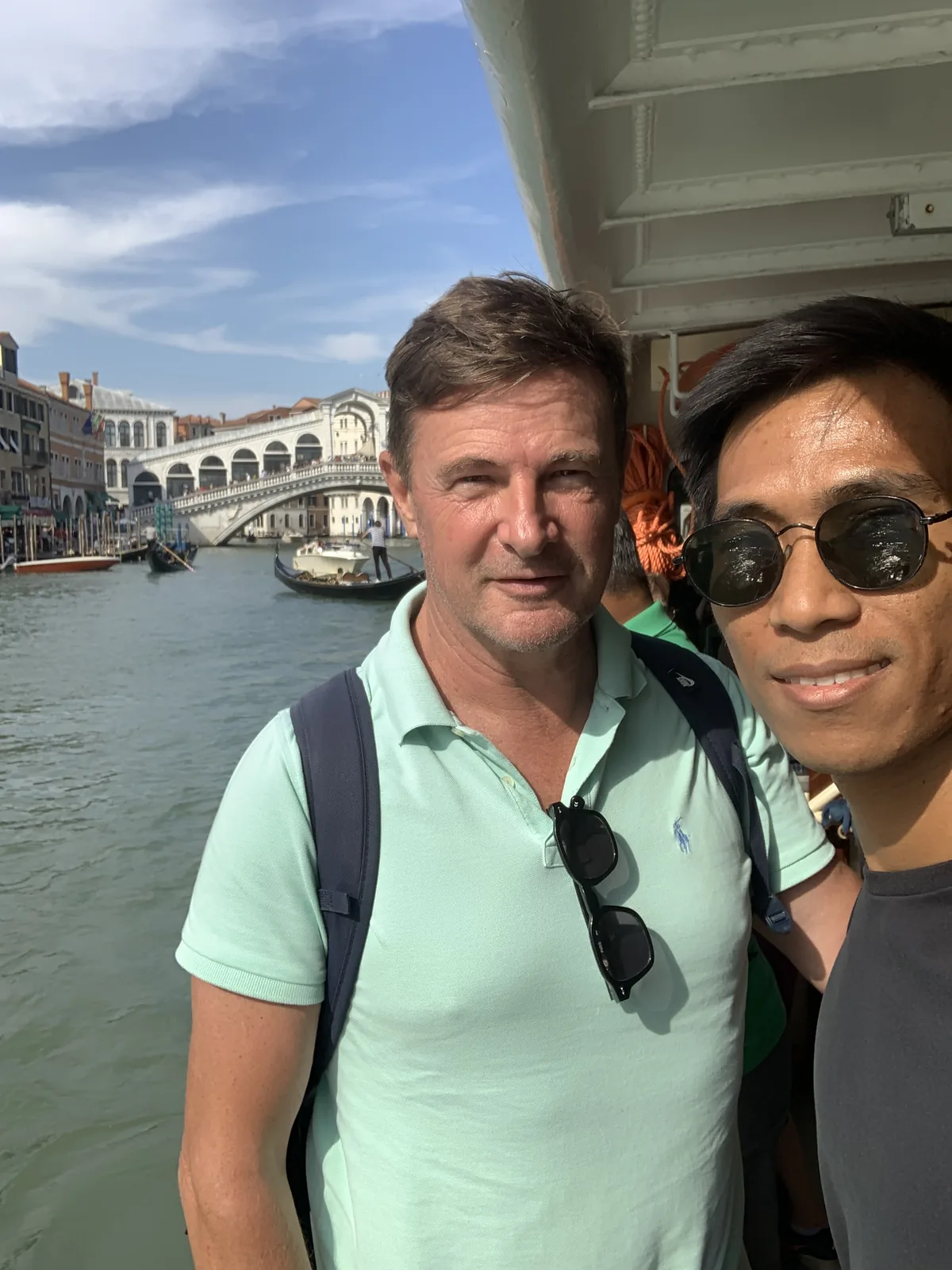
I have been to Venice many times since 2008, partly because two of my cousins live there. This guide follows my last stay, from June 7 to 9, 2023, with my friend Roy: three days between St Mark’s Basilica, the Punta della Dogana, and a morning on the canals in my cousin’s private boat, the best way I know to discover Venice. It also covers where we stayed, how to get there and how to get around.
Venice at a Glance
- Where: in the Veneto, north-eastern Italy, in a lagoon on the Adriatic. Mestre is the mainland part of the city.
- Arrival: by train at Venezia Santa Lucia station, on the Grand Canal, or by plane at Venice Marco Polo or Treviso airport.
- Must-see: St Mark’s Square and Basilica, the Doge’s Palace, the Rialto Bridge, the Grand Canal, Santa Maria della Salute and San Giorgio Maggiore.
- How long: two to three days for the city, more for the islands of the lagoon.
- Getting around: on foot and by vaporetto, the water bus; water taxis and gondolas cost much more.
- Access fee: on peak days in spring and early summer, day-trippers pay a fee to enter the old town; overnight guests are exempt but must register.
My Venice Itinerary: Three Days in June
Day 1: arrival and the Grand Canal
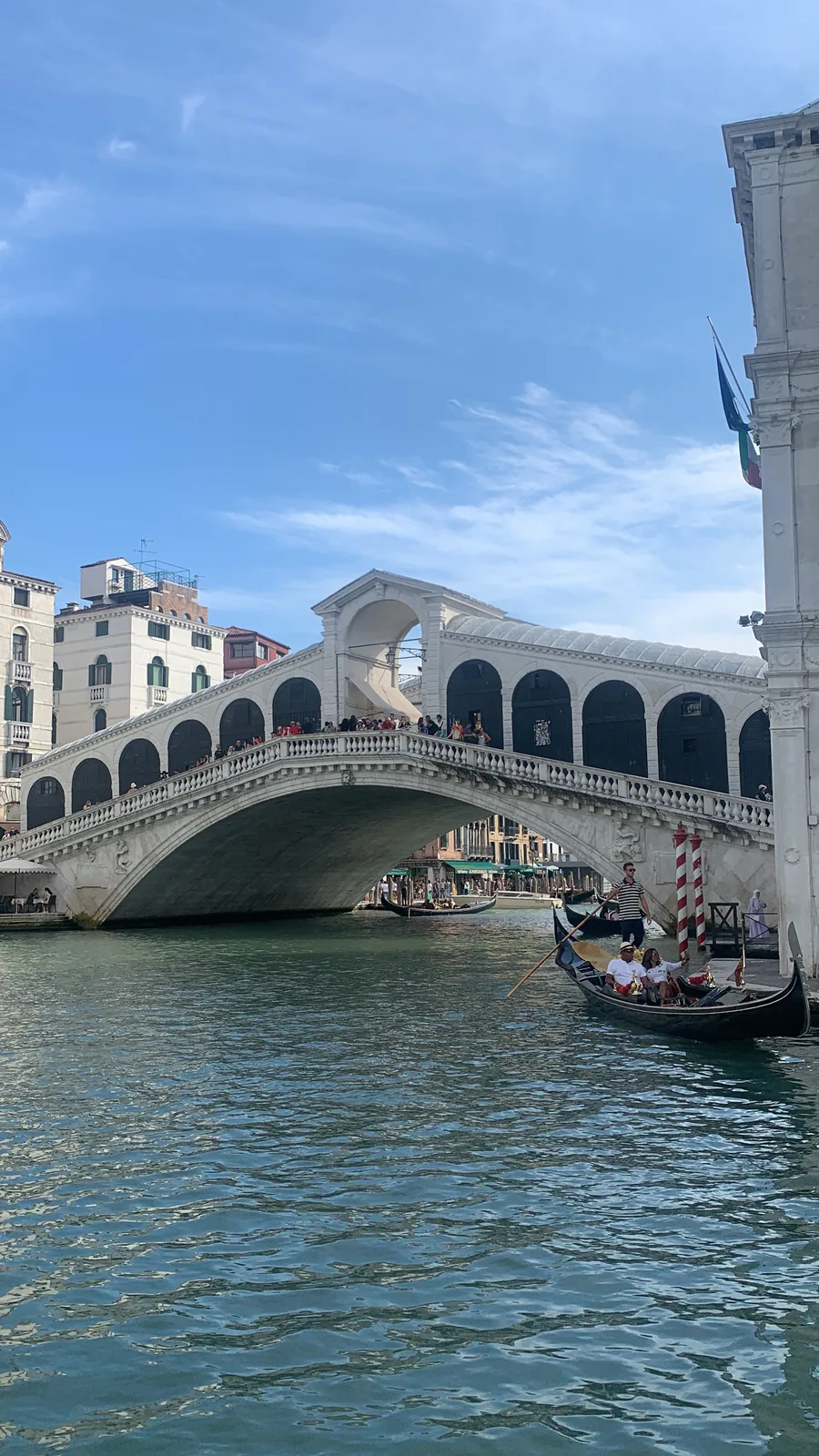
On Wednesday, June 7, 2023, Roy and I flew in from Corfu to Treviso airport, then took the train to Venezia Santa Lucia. In front of the station, we boarded a vaporetto down the Grand Canal: the palaces, the gondolas and, around 5 PM, the Rialto Bridge appearing at a bend of the canal.
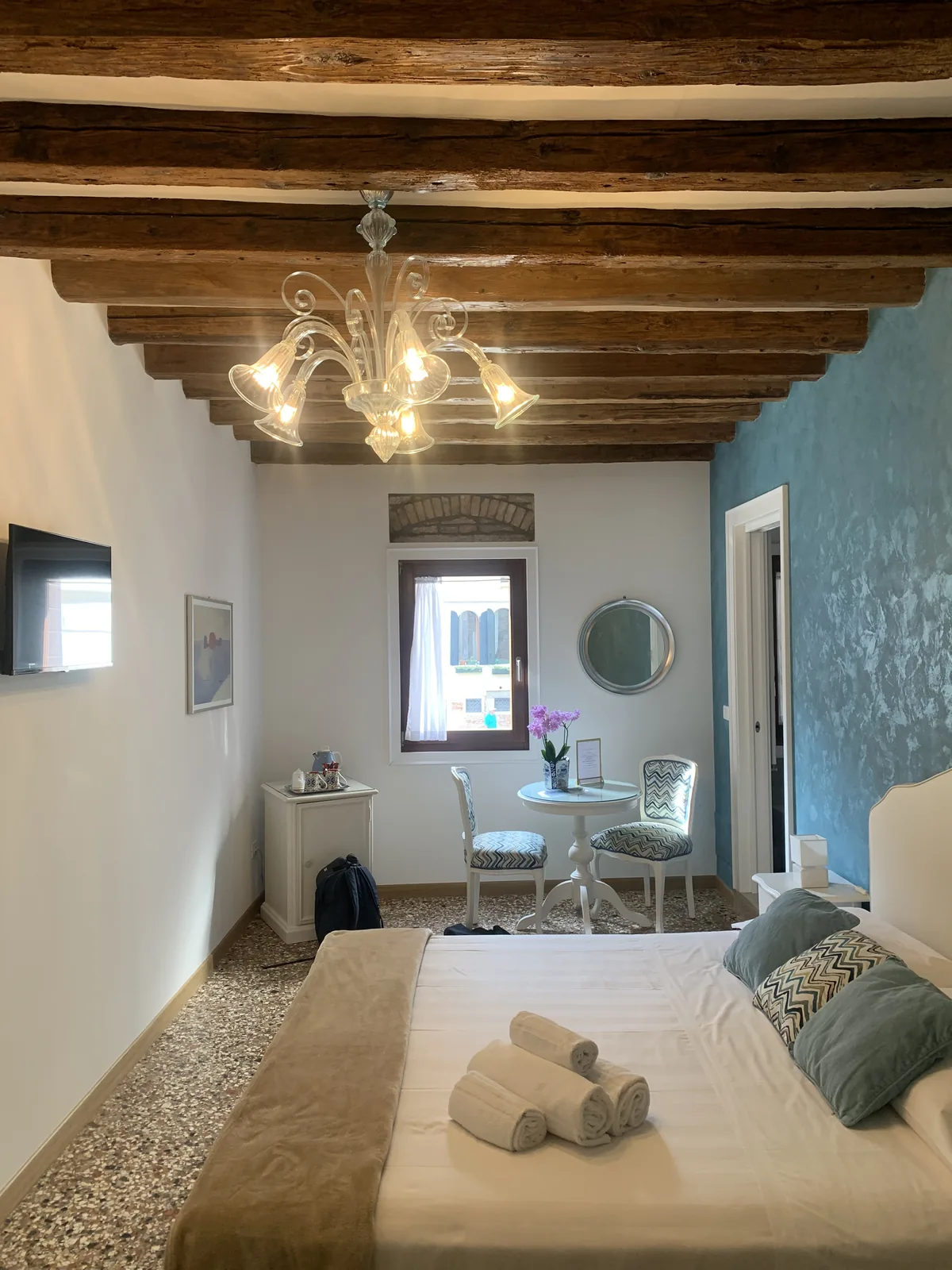
We stayed at the Residenza San Silvestro, a guesthouse in the San Polo district, a few minutes’ walk from the Rialto Bridge. Our room had the exposed wooden beams typical of old Venetian houses. I recommend it: the location is ideal for exploring on foot. You can check prices for the Residenza San Silvestro on Booking.com.
Day 2: St Mark’s Basilica and the Punta della Dogana
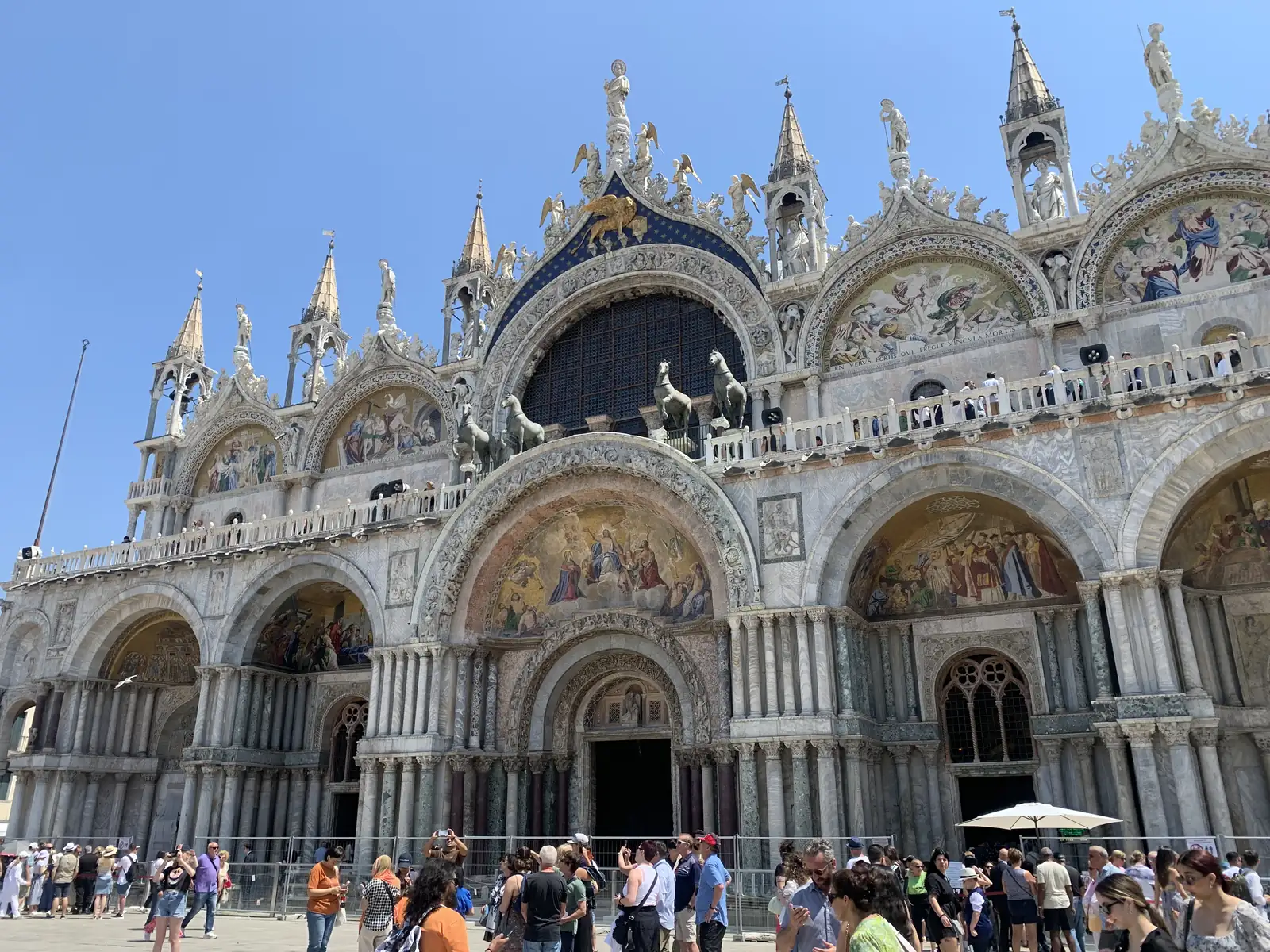
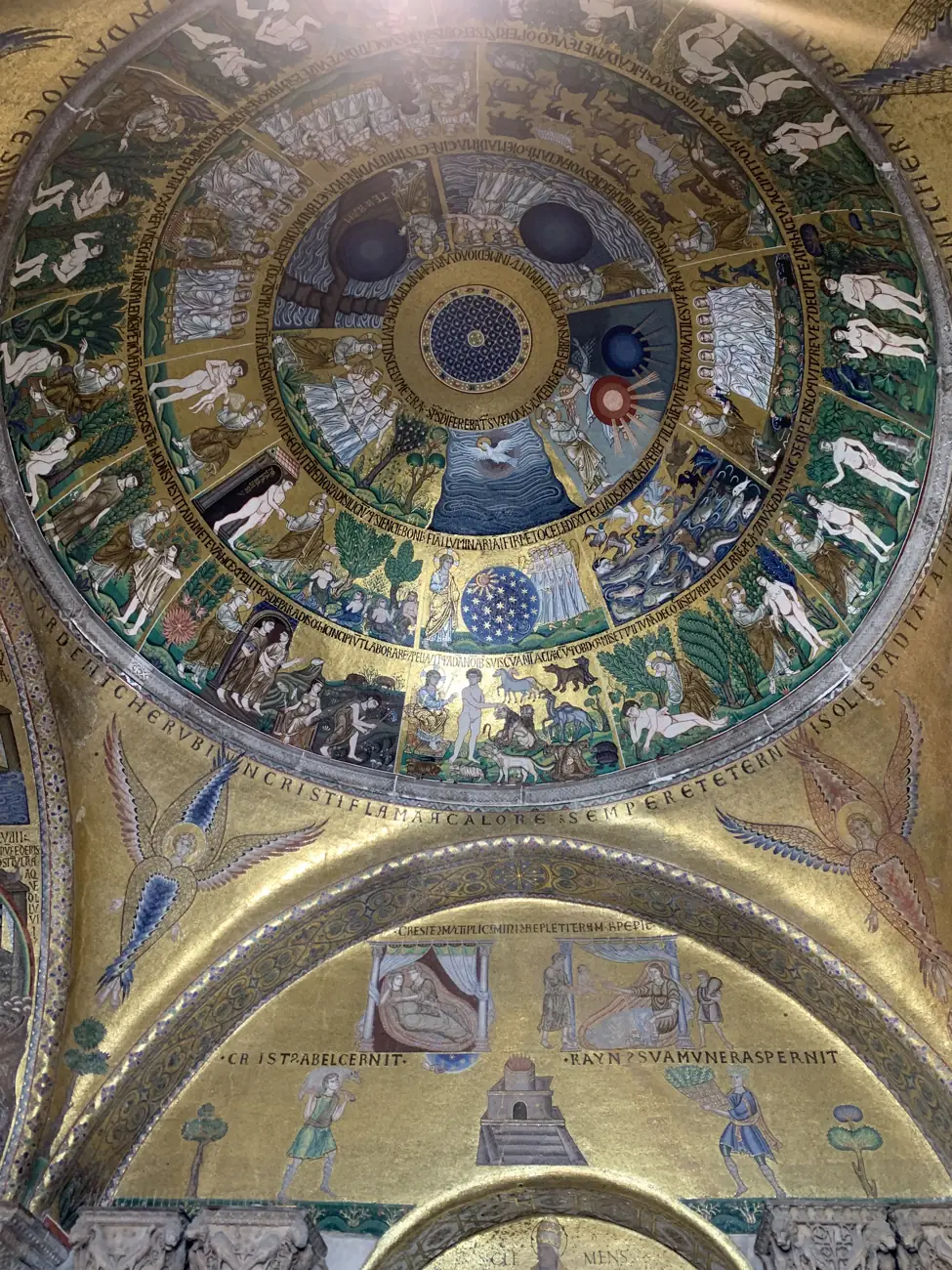
On Thursday, June 8, we started at St Mark’s Square. The facade of the basilica, with its domes, its arches and its golden mosaics, is even more striking up close. Inside, the domes and vaults are covered with mosaics on a gold background; booking a time slot online saves queuing in the sun.
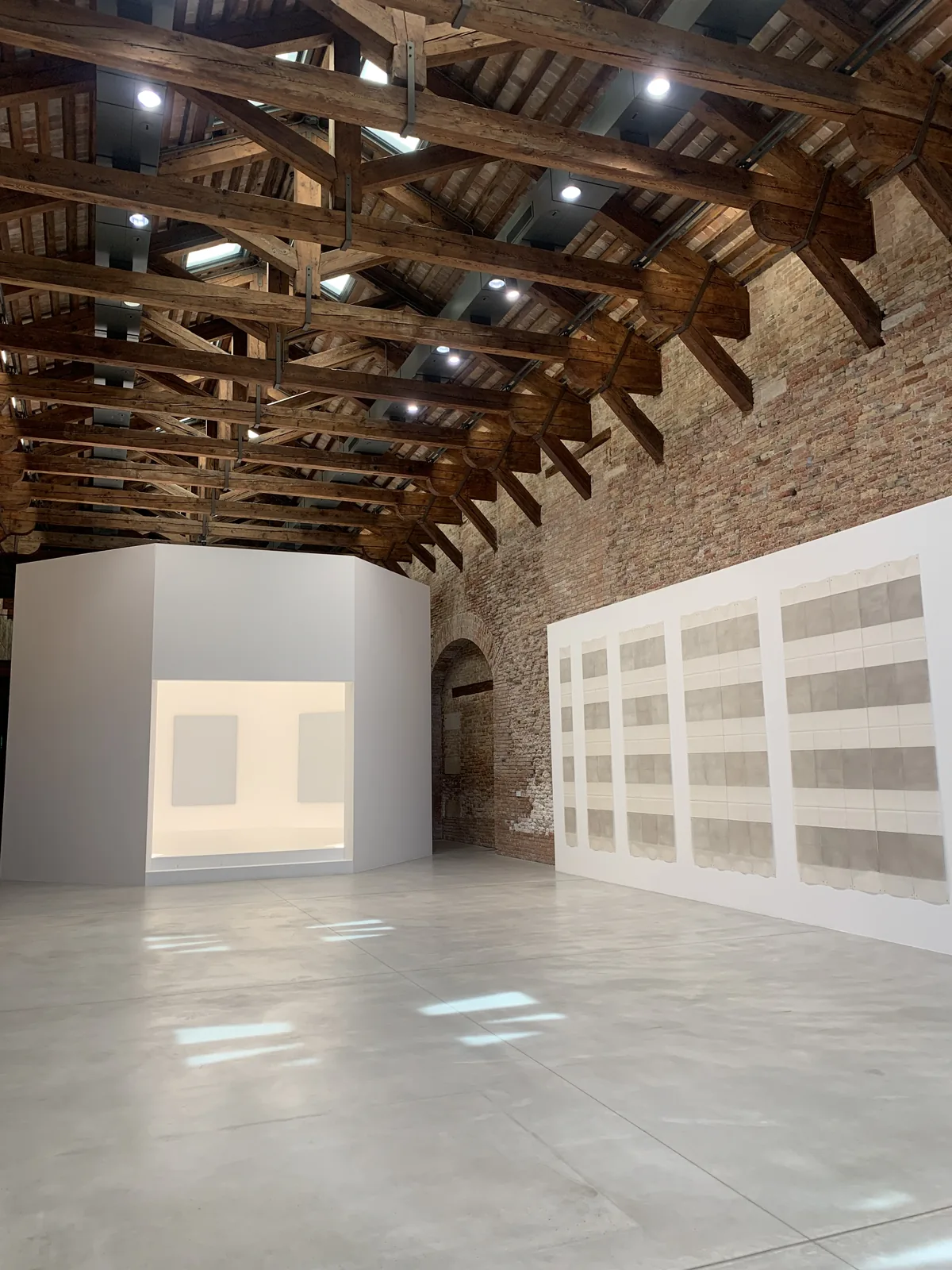
We then went to the Punta della Dogana, the former customs house at the tip of Dorsoduro, facing St Mark’s Basin. It now houses the contemporary art of the Pinault Collection; that year, the exhibition was called Icônes. The building itself, with its brick walls and wooden roof beams, is worth the visit.
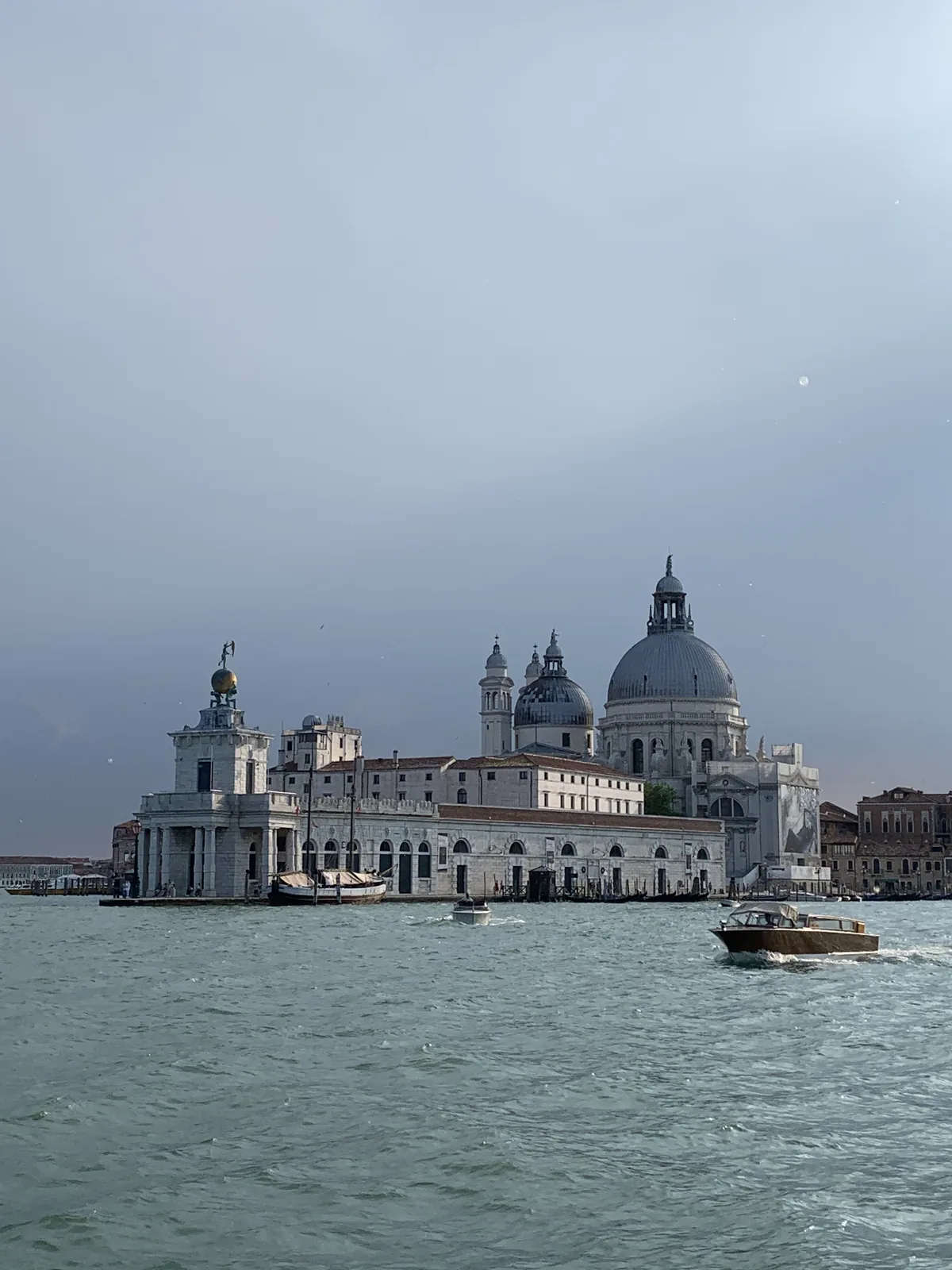
For lunch, we kept it simple: an Aperol spritz and slices of pizza from Farini, a bakery chain with several shops in the city. In the evening, from the vaporetto, we saw Santa Maria della Salute at the entrance of the Grand Canal under a stormy sky.

Day 3: the canals by private boat with my cousin
Friday, June 9, was the highlight of the trip. My cousin keeps his wooden boat at a boatyard on Giudecca, the long island facing Venice across the Giudecca Canal. He picked us up in the morning for a tour of the canals that most visitors only see from the bridges.
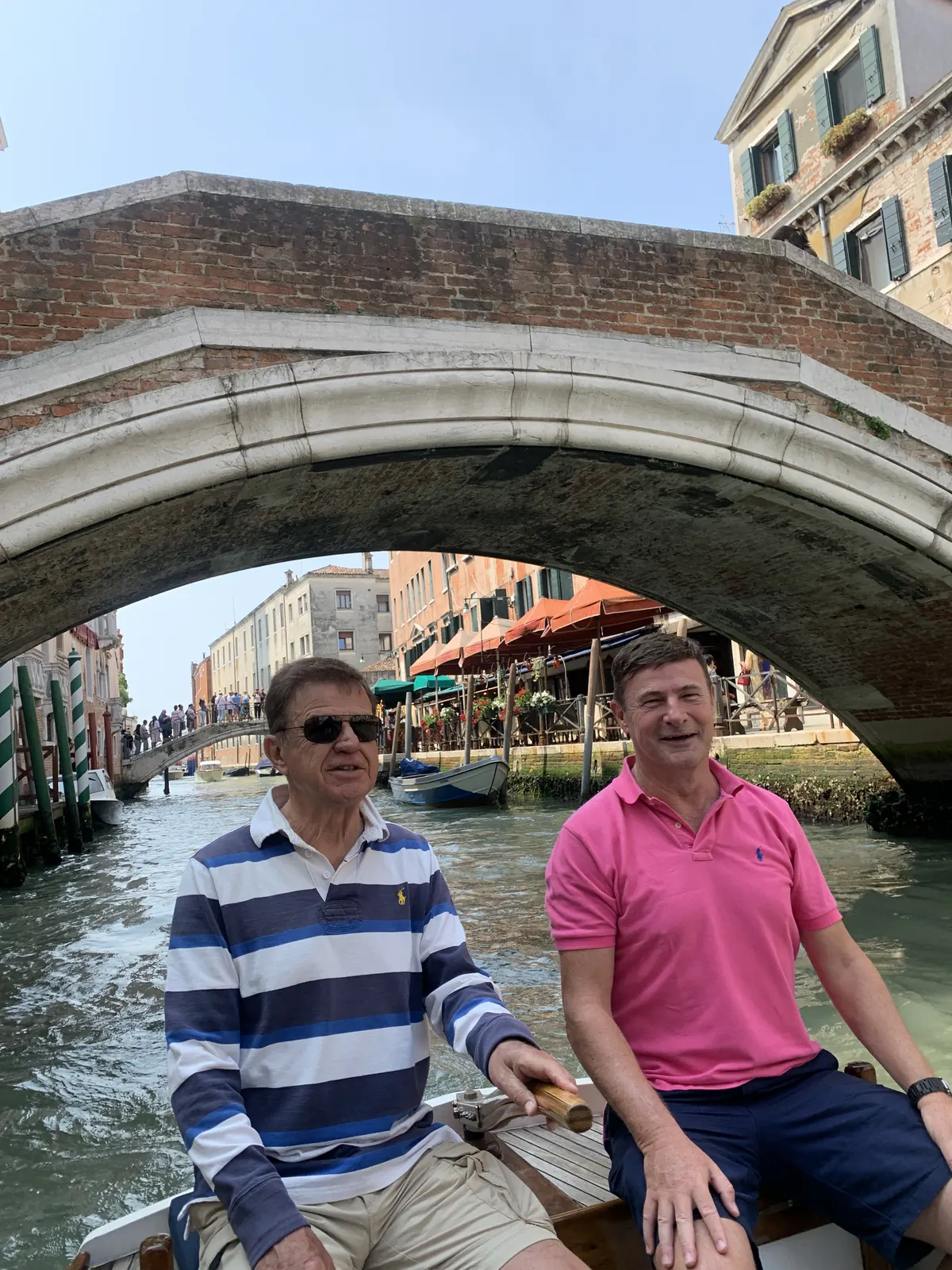
Seen from the water, at the level of the doorways and the mooring poles, Venice becomes a different city: low bridges you have to duck under, narrow canals between houses, laundry hanging above our heads. We then came out onto the Grand Canal and passed under the Rialto Bridge, in the middle of the gondolas and water taxis.
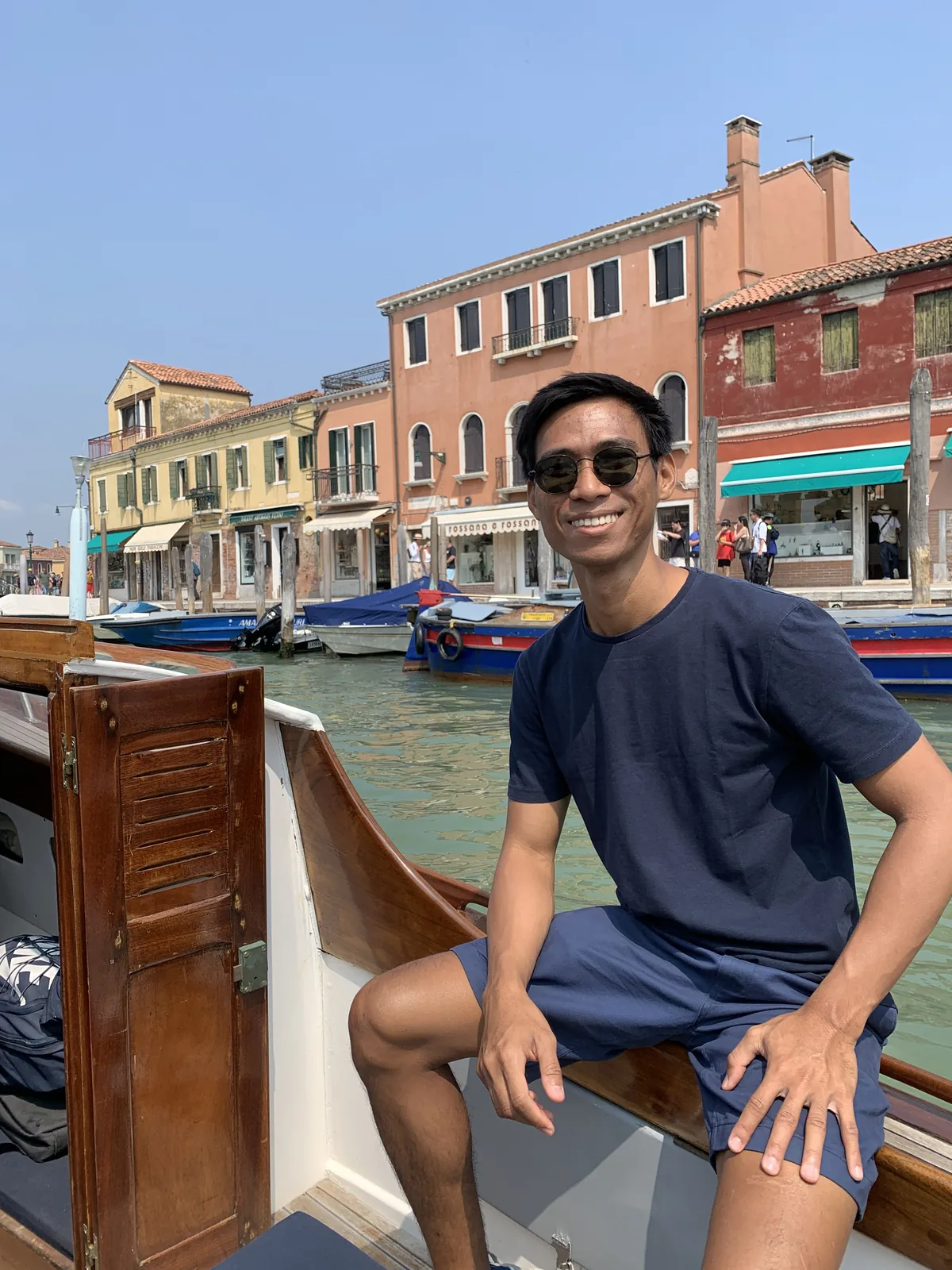
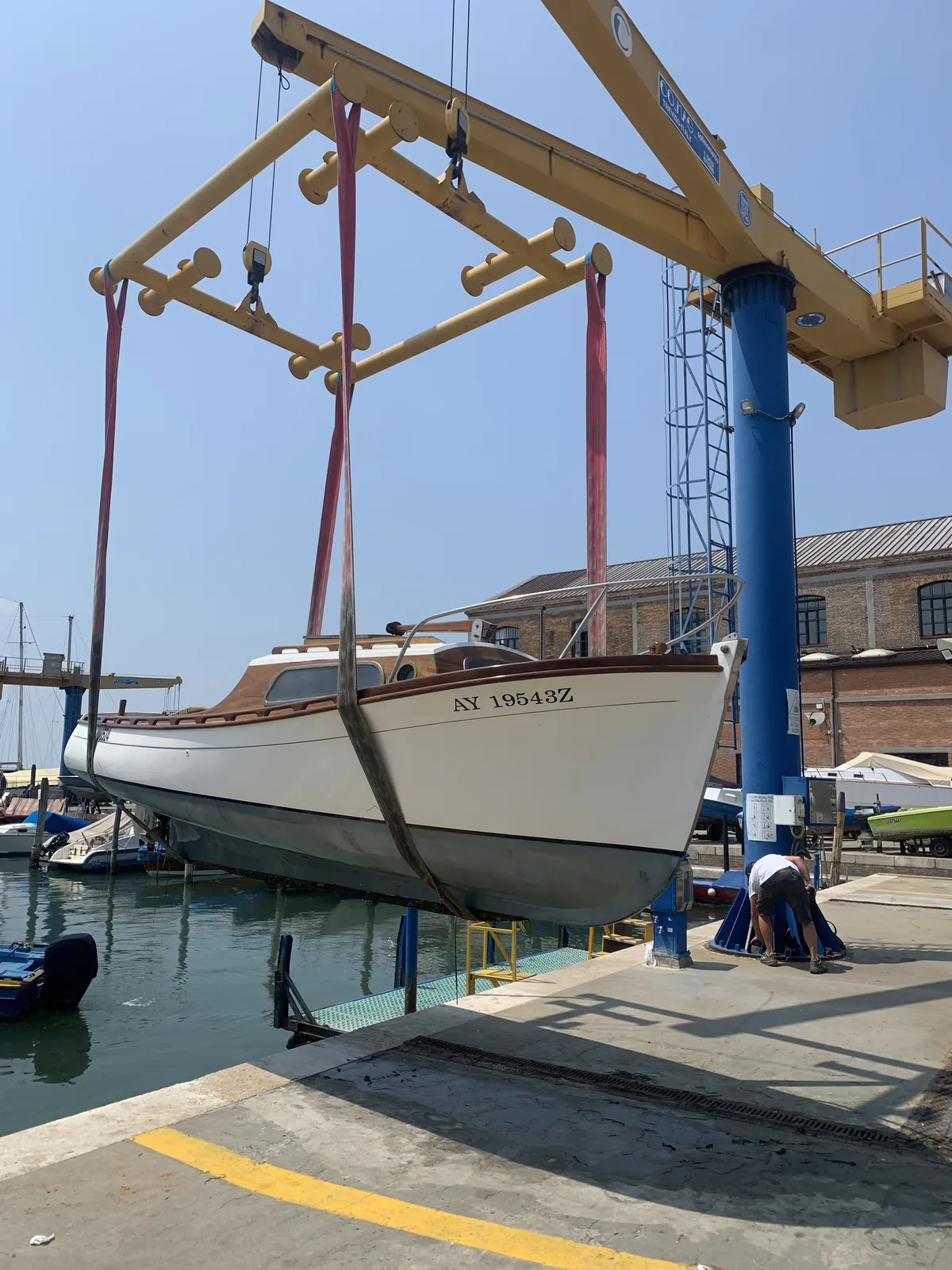
Around midday, we were back at the boatyard on Giudecca, where a crane was lifting a wooden boat out of the water. It is a side of Venice few visitors see: the city still lives from its boats, which have to be maintained, repaired and stored like cars elsewhere.
Without a cousin with a boat, you can get a similar experience with a private boat tour or a water taxi booked by the hour. The vaporetto down the Grand Canal remains the cheapest way to see the palaces from the water.
San Giorgio Maggiore: the best view of Venice
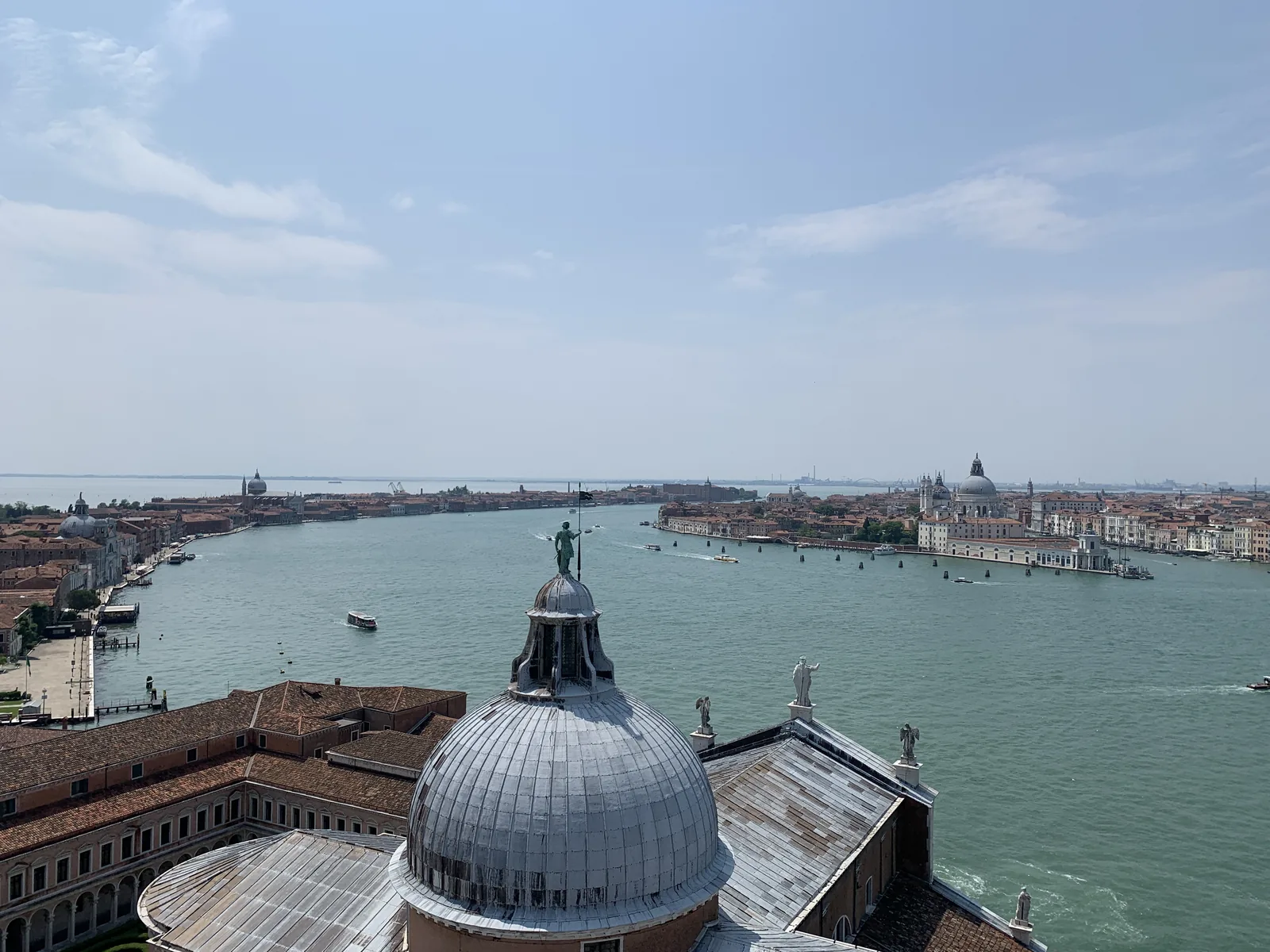
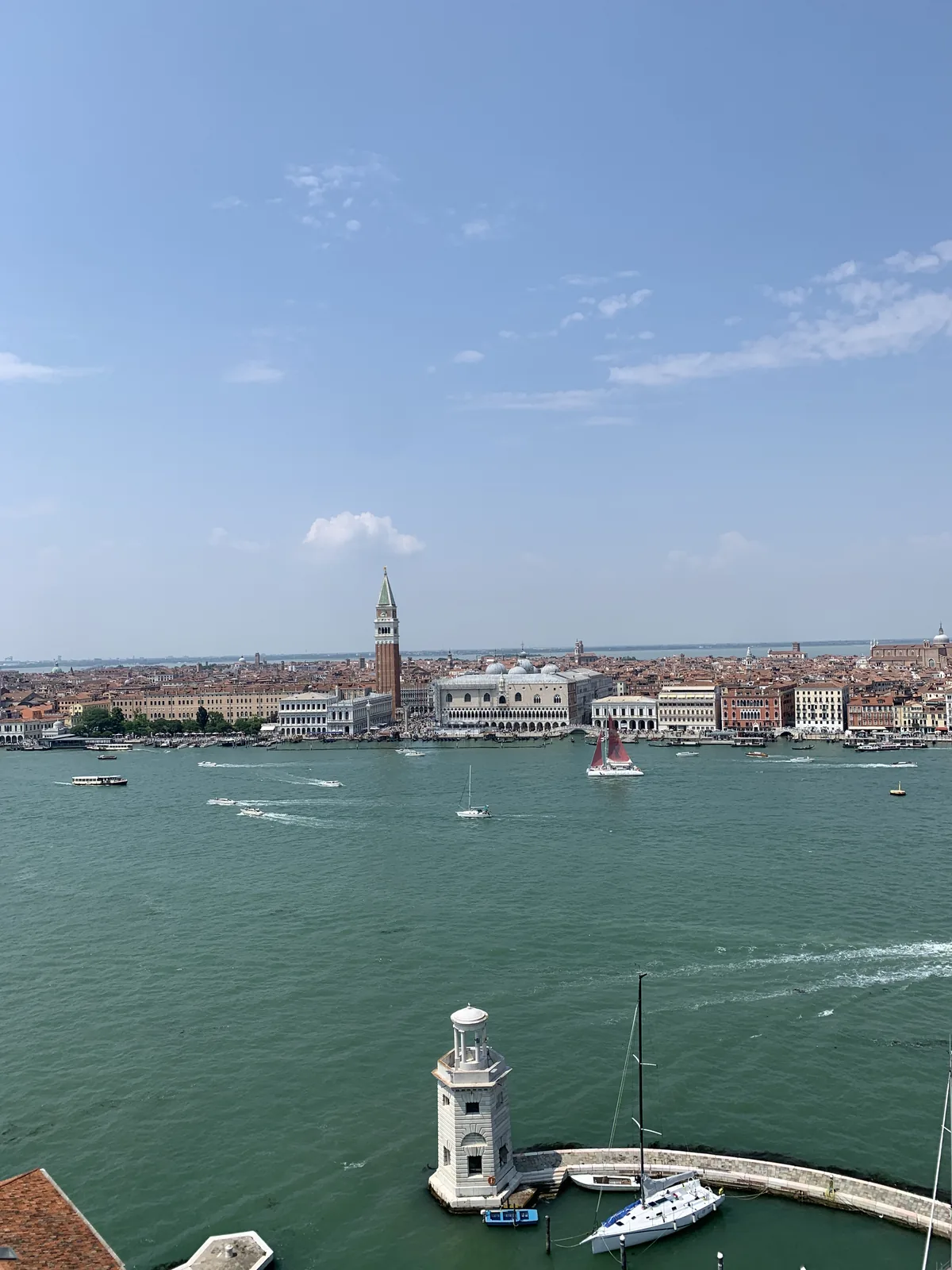
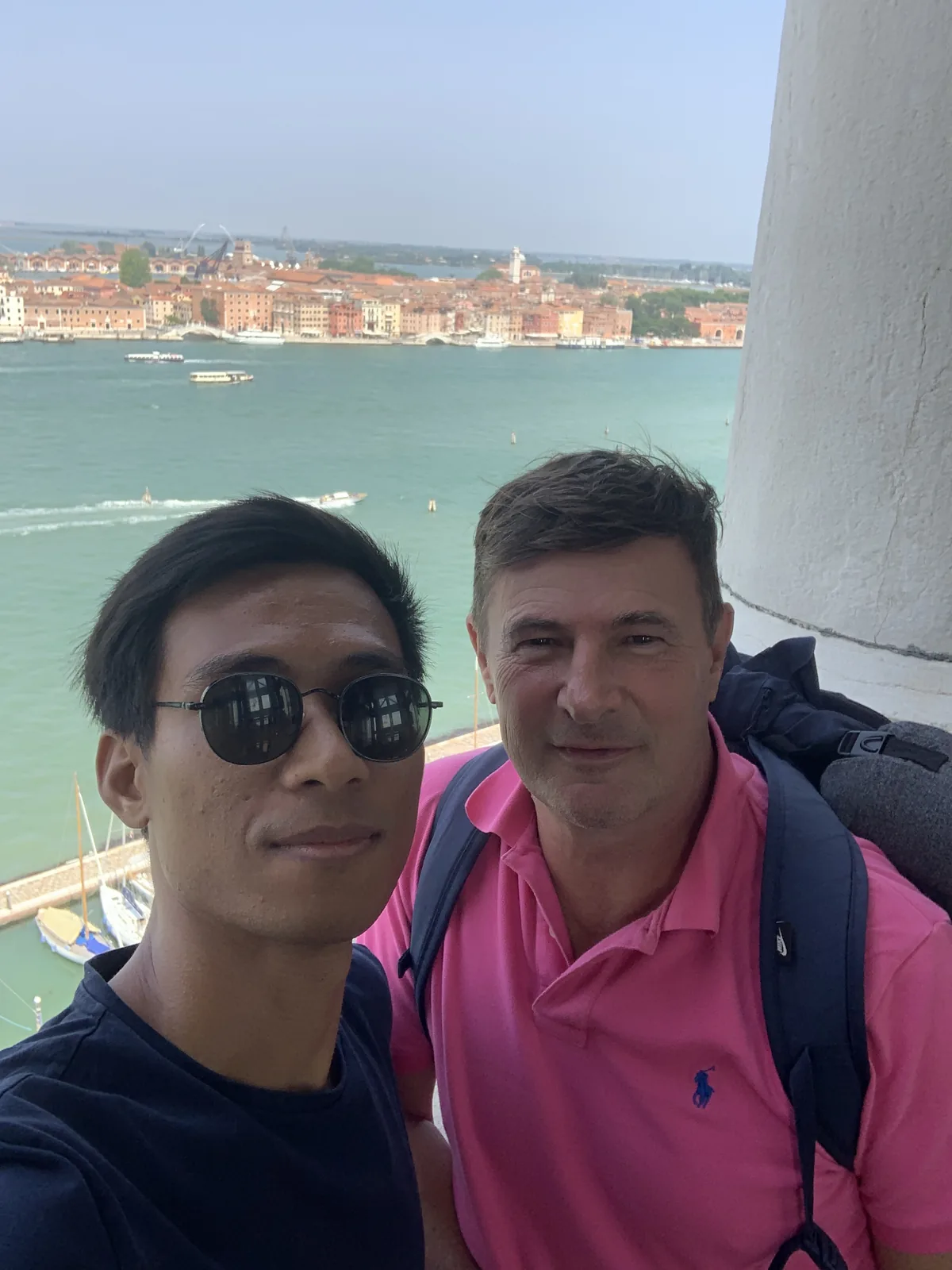
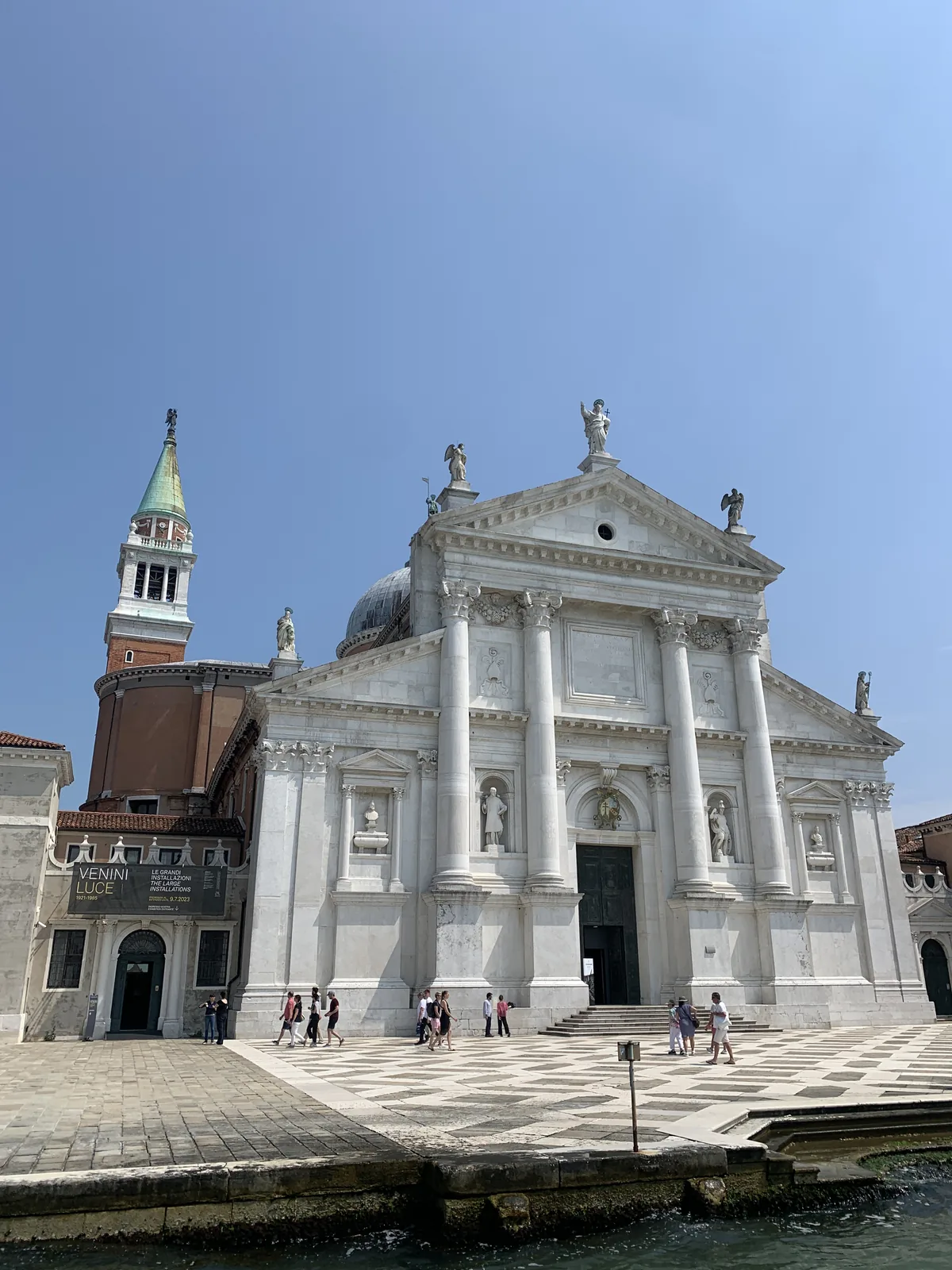
In the early afternoon, we went to San Giorgio Maggiore, the small island next to Giudecca, facing St Mark’s Square. Palladio’s white church dominates the island, and a lift takes you to the top of its bell tower. The view is, to me, the best in Venice: St Mark’s Square and the Doge’s Palace across the basin, Giudecca, the Lido and the lagoon all around, without the queue of the St Mark’s bell tower.
My Earlier Visits to Venice
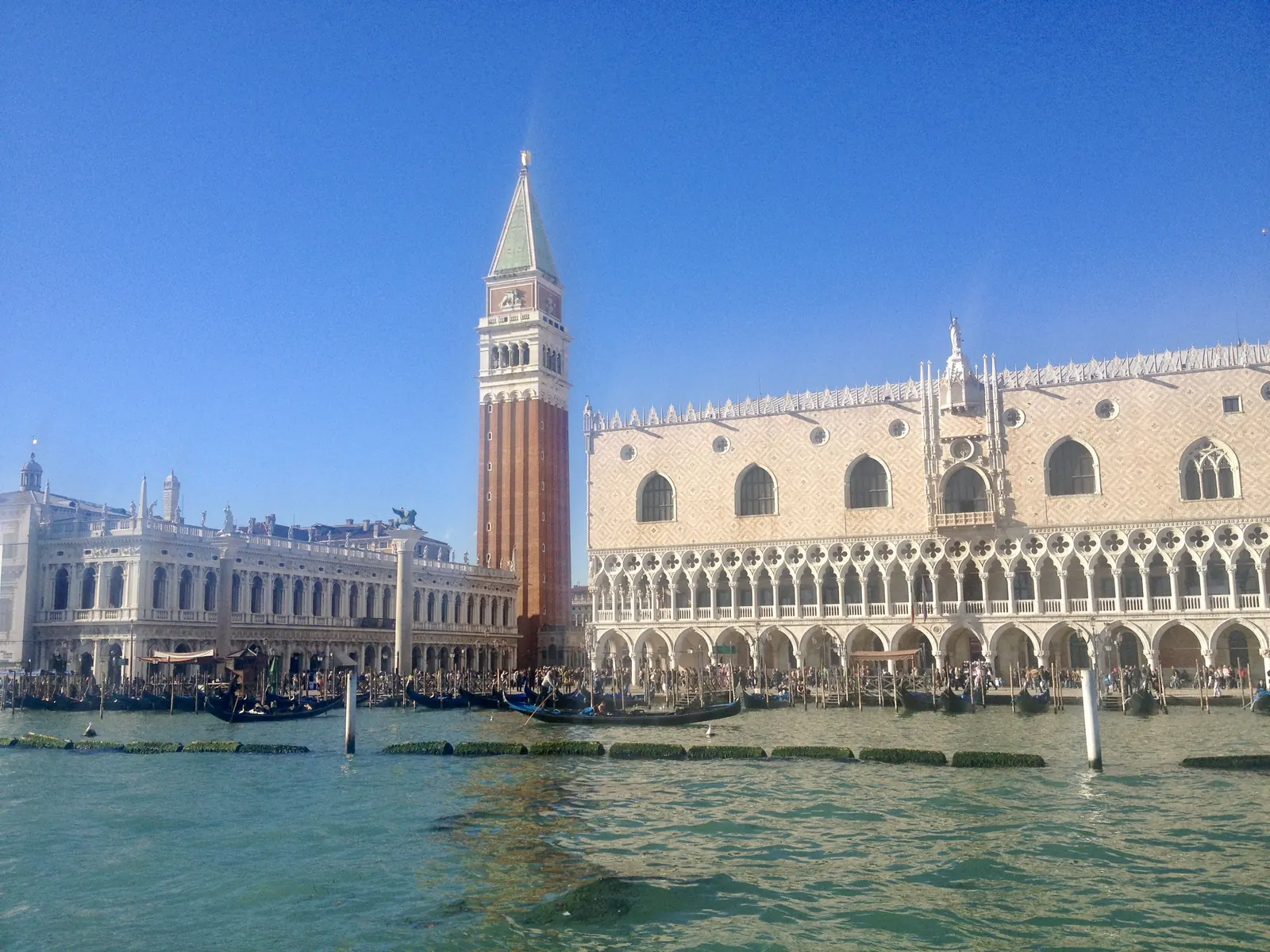
Since 2008, I have returned to Venice many times: for the Art Biennale in 2015, for Damien Hirst’s exhibition in 2017, and for the Redentore in July 2019, when fireworks light up St Mark’s Basin for the feast of the Redeemer. With family living there, I have also learned to enjoy Venice outside the big events, in the early morning or late evening when the day-trippers have left.
How to Get to Venice
- By train: Venezia Santa Lucia station is on the Grand Canal, with high-speed trains from Milan, Florence and Rome. Do not get off at Venezia Mestre, the mainland station.
- By plane: Venice Marco Polo airport is on the edge of the lagoon, linked by bus, water bus and water taxi. Treviso airport, used by many low-cost flights, is about 40 km away; from there, a bus or a train takes you to Venice.
- From Milan and Lake Como: about 2 h 30 by high-speed train. See my Milan travel guide and my Lake Como travel guide.
- By car: cars stop at Piazzale Roma or Tronchetto car parks, or in Mestre, where parking is cheaper.
Getting Around Venice
- On foot: the best way to discover the city. Distances are short, but expect bridges with steps everywhere and many dead ends.
- Vaporetto: the water buses run along the Grand Canal and to the islands. Day passes are worth it if you take more than two or three boats.
- Traghetto: a gondola ferry that crosses the Grand Canal at a few points, for a couple of euros.
- Water taxi and private boat: expensive, but the most beautiful way to see the canals, especially shared among a few people.
Where to Stay in Venice
Staying on the main island lets you enjoy Venice in the evening and early morning, when it is at its most beautiful. San Polo, around the Rialto, where we stayed, is central and lively; Cannaregio is quieter and closer to the station; Dorsoduro is close to the museums. Hotels in Mestre are cheaper but you lose the evening atmosphere. You can compare hotels in Venice on Booking.com.
Practical Tips for Venice
- Access fee: check whether your date falls on a fee day if you visit for the day; if you sleep in Venice, register your exemption with your booking.
- Book ahead: St Mark’s Basilica and the Doge’s Palace sell timed tickets online.
- Timing: visit St Mark’s Square early in the morning or in the evening; the crowds peak between 10 AM and 5 PM.
- High water: in autumn and winter, the acqua alta can flood St Mark’s Square for a few hours; raised walkways are set up.
- Eat like a local: cicchetti, small snacks served in bacari, the Venetian wine bars, with a spritz or a glass of wine.
Read More
- Italy travel guide: my trips and itineraries in Italy.
- Milan travel guide: the Duomo, Brera and the Navigli.
- Lake Como travel guide: Como, Bellagio and Villa Carlotta.
- Florence itinerary: the Uffizi, the Duomo and the Ponte Vecchio.
Venice FAQ
How many days do you need in Venice?
Two to three days for the main sights and a boat trip on the canals; add a day for the islands of the lagoon, such as Murano and Burano.
What is the best way to see Venice from the water?
The vaporetto along the Grand Canal is the cheapest. A private boat or a water taxi lets you explore the smaller canals; a gondola ride is the classic, shorter option.
Where is the best view of Venice?
From the bell tower of San Giorgio Maggiore, facing St Mark’s Square across the basin. A lift takes you to the top and the queue is usually much shorter than at St Mark’s bell tower.
Do you have to pay to enter Venice?
Day-trippers pay an access fee on peak days in spring and early summer. Visitors staying overnight are exempt but must register their exemption.
Should you get off the train at Venezia Mestre or Santa Lucia?
At Venezia Santa Lucia, which is in Venice itself, on the Grand Canal. Mestre is on the mainland.
Can you visit Venice from Treviso airport?
Yes. Treviso airport is about 40 km from Venice, linked by bus, or by bus and train via Treviso station.