French Alps: Chamonix, Mont Blanc & Ski Guide 2026
By Blaise Jaeger · Updated July 27, 2026
I’ve been to Chamonix Valley in the French Alps several times, but my trip in December 2024 was truly special. This time, I brought along my Indonesian friend Roy, who had never seen snow before. Experiencing the majestic Mont Blanc, the crisp mountain air and the deep blue winter sky was incredible for me. But for him, it was an entire world of firsts. What began as Roy’s first encounter with snow has since become a tradition: he caught the skiing bug, and we now return to the Alps together every year — these days to Saint-Gervais-les-Bains, which has become our home base. In this article, I’ll share the best places to visit, the top ski spots, and must-do experiences in Chamonix Valley, plus tips for first-time visitors discovering the magic of snow for the first time.
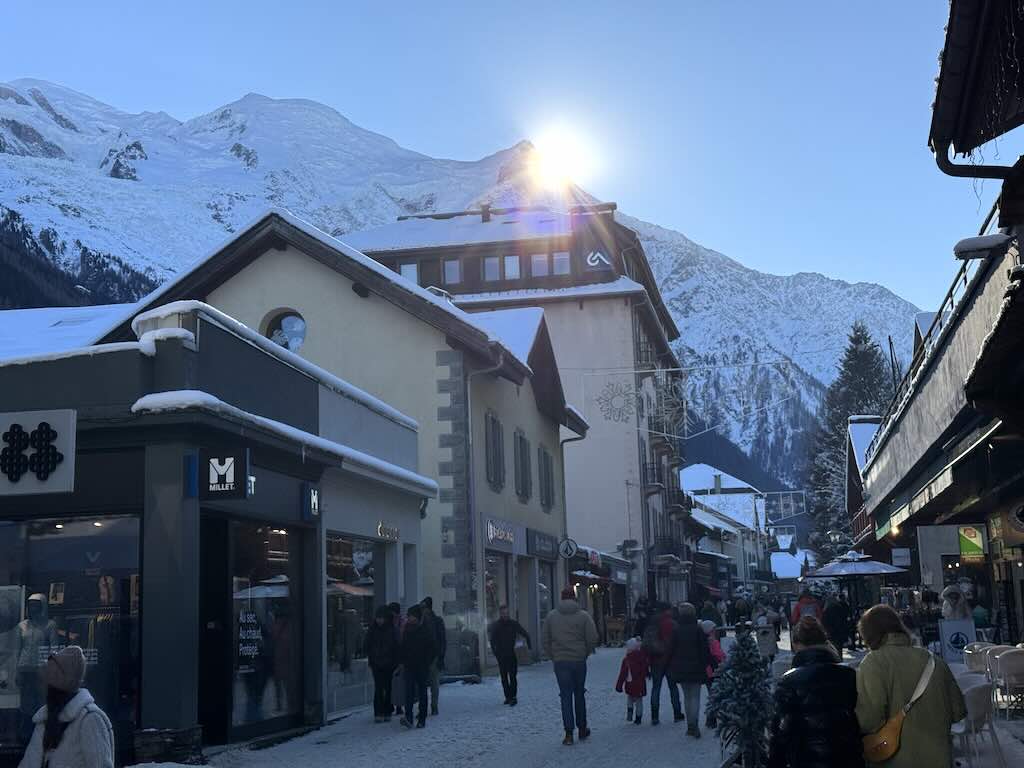
The French Alps at a Glance
- Where is Chamonix? In the Haute-Savoie, south-east France, at the foot of Mont Blanc on the border with Switzerland and Italy
- Mont Blanc: the highest peak in Western Europe at about 4,806 m
- Main resorts: Chamonix (adventure), Saint-Gervais-les-Bains (family), Megève (luxury)
- Nearest airport: Geneva (GVA), about 80 km / 1 h 15 by transfer
- Best time to visit: January–March for skiing, June–September for hiking
- How long you need: 3–4 days for the highlights, a week to ski and explore
A Special Trip to Chamonix with My Friend Roy
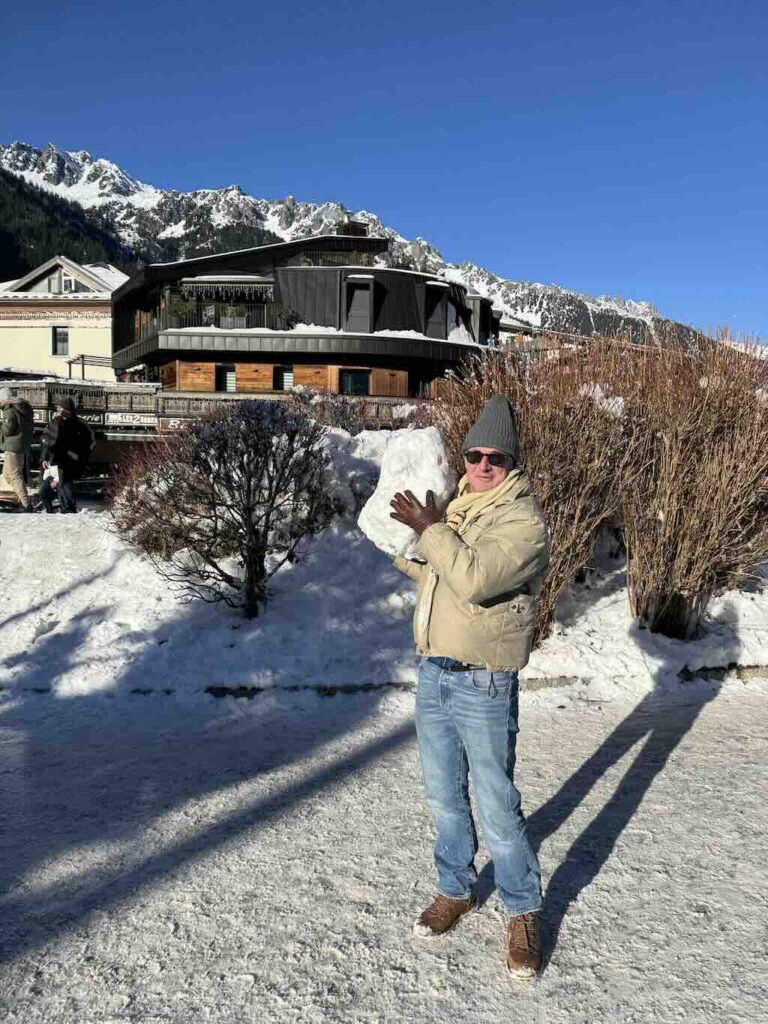
From the moment we arrived in the Alps, everything was a discovery. The first time Roy touched snow, he was amazed by its softness and coldness. Throwing snowballs, making footprints in fresh powder, and watching snowflakes fall from the sky were magical experiences for him. Staying in a cozy chalet surrounded by snow-covered pines, waking up to a white landscape, and hearing the crunch of snow underfoot made it all feel like a winter fairy tale.
One of the highlights was teaching Roy to ski. At first, just walking in ski boots was a challenge. But by the end of the trip, he glided down beginner slopes with a huge smile. Whether we were sipping hot chocolate at an altitude bar, riding the cable car up Aiguille du Midi, or exploring the Mer de Glace glacier, every moment was unforgettable. He was so hooked that we’ve been coming back every winter since — the trip that follows is where it all started. Read on to follow our adventure!
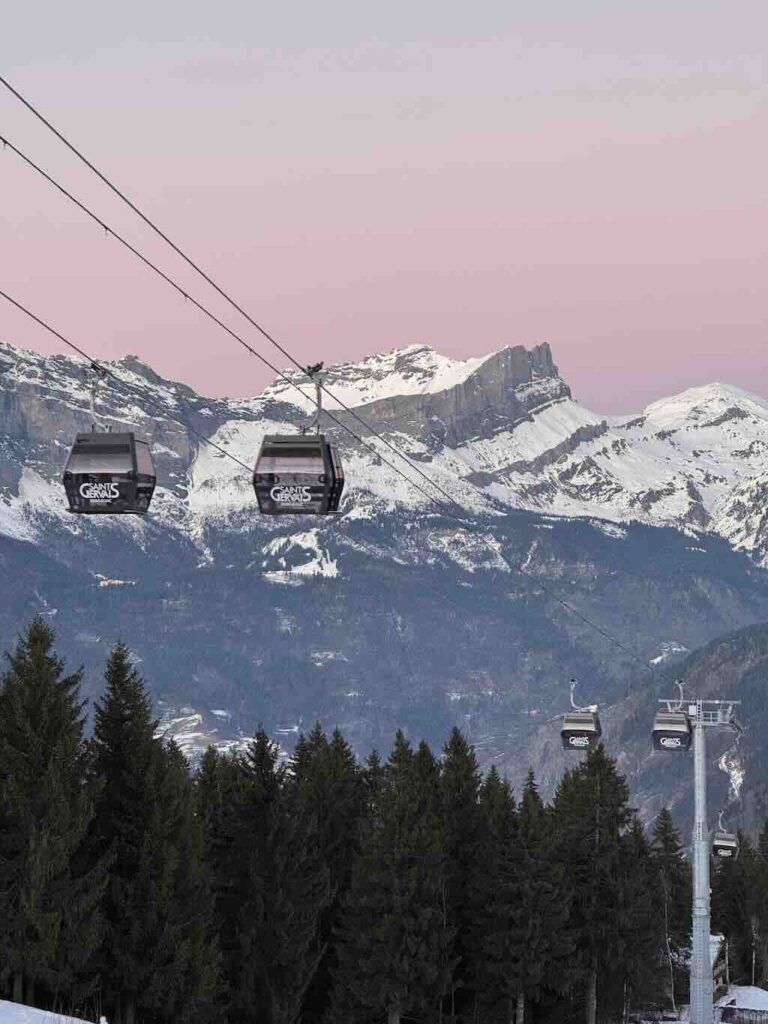
Chamonix Valley: A Winter Wonderland
The Chamonix Valley is nestled at the foot of Mont Blanc, the highest peak in Western Europe (about 4,806 m). It is a dream destination for winter lovers, but it also has plenty to offer during the rest of the year. I’ve never visited the Alps in summer myself, but all my friends who have say there’s plenty to do, such as mountain hiking, river rafting, and paragliding.
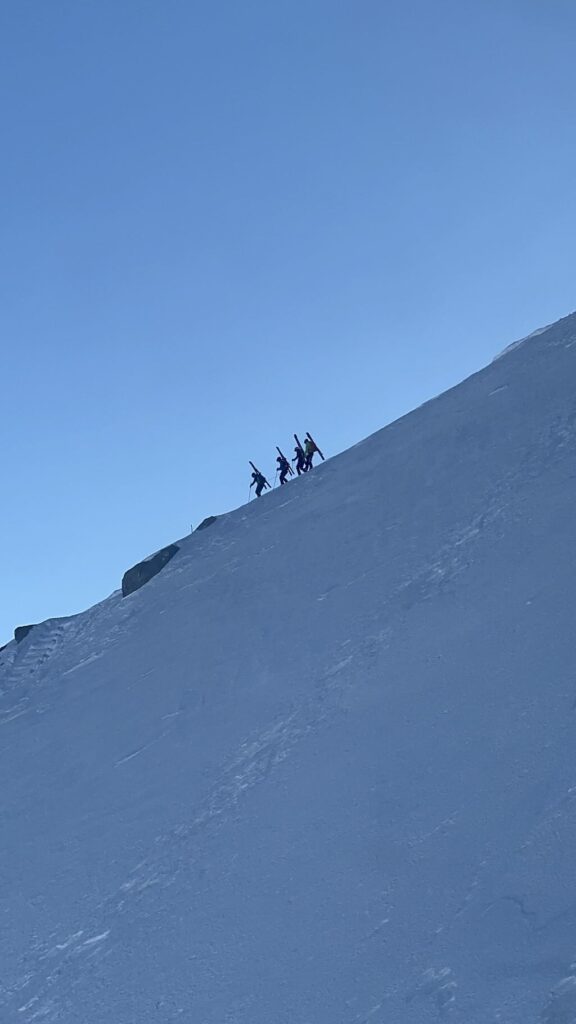
A Paradise for Winter Sports and Scenic Views
Chamonix Valley attracts adventure seekers from all over the globe. It’s home to some of the most challenging ski runs in the world, but also plenty of areas for beginners. Apart from skiing and snowboarding, visitors can enjoy snowshoeing, ice climbing, paragliding, and even dog sledding. But even if you don’t participate in winter sports, the valley is worth visiting just for the scenery. The snow-capped mountains, deep valleys, and frozen lakes create an unforgettable experience.
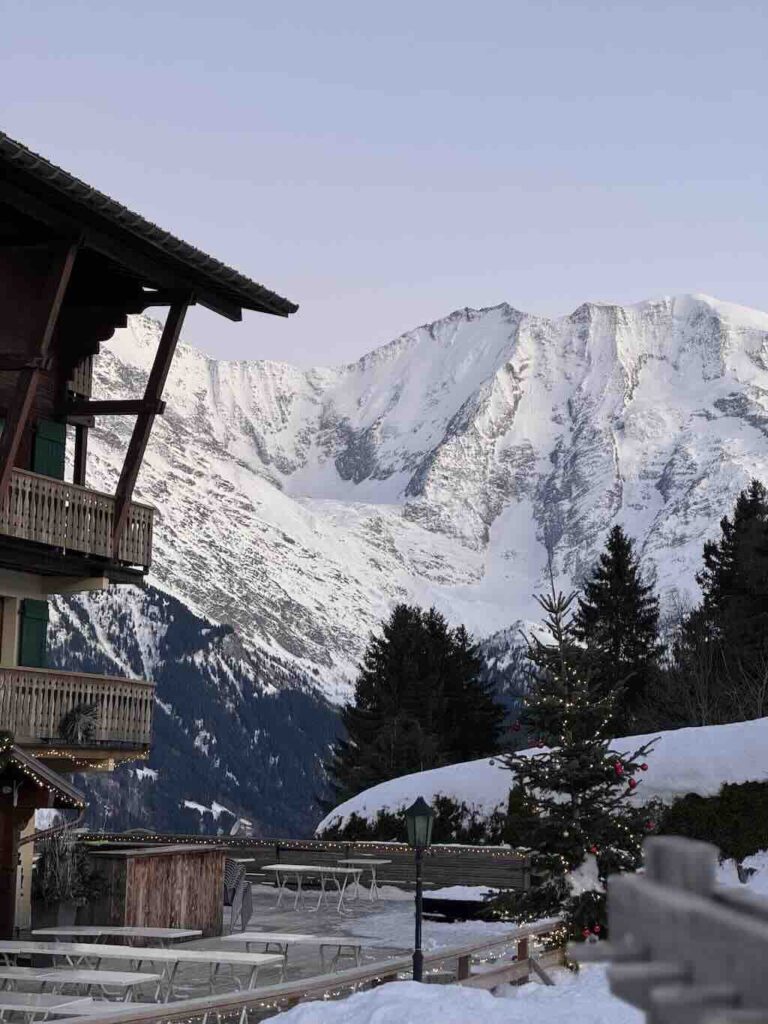
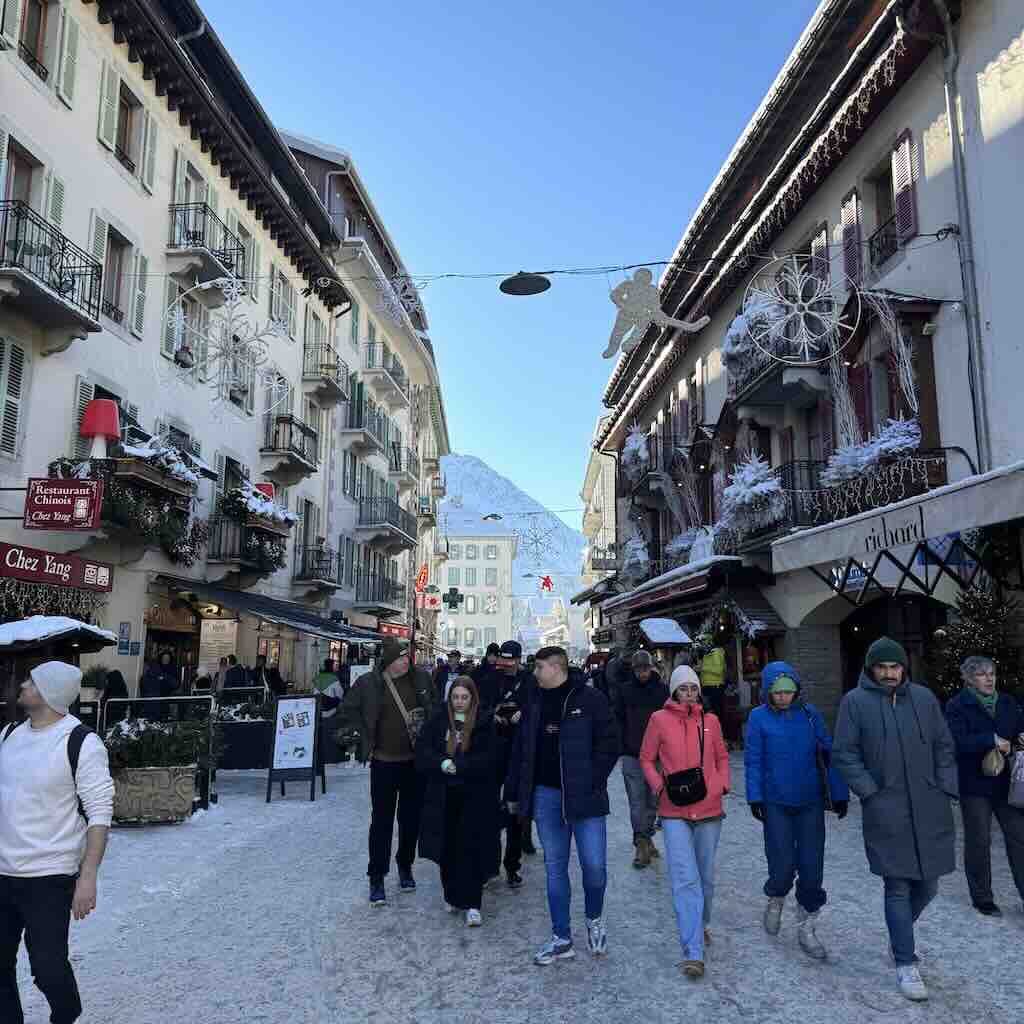
Chamonix: The Heart of Adventure
Chamonix is the most famous town in the valley and is known as the birthplace of modern mountaineering. It’s a paradise for expert skiers, with access to legendary slopes like La Vallée Blanche, a 20-kilometer off-piste run surrounded by glaciers. Chamonix is also home to the Aiguille du Midi. To get there, you’ll ride one of the highest cable cars in the world, with stunning views of Mont Blanc. Chamonix also has a vibrant après-ski scene: cozy alpine bars, lively pubs, and international restaurants make it a great place to unwind after a day in the snow.
Saint-Gervais-les-Bains: A Quieter, Family-Friendly Resort
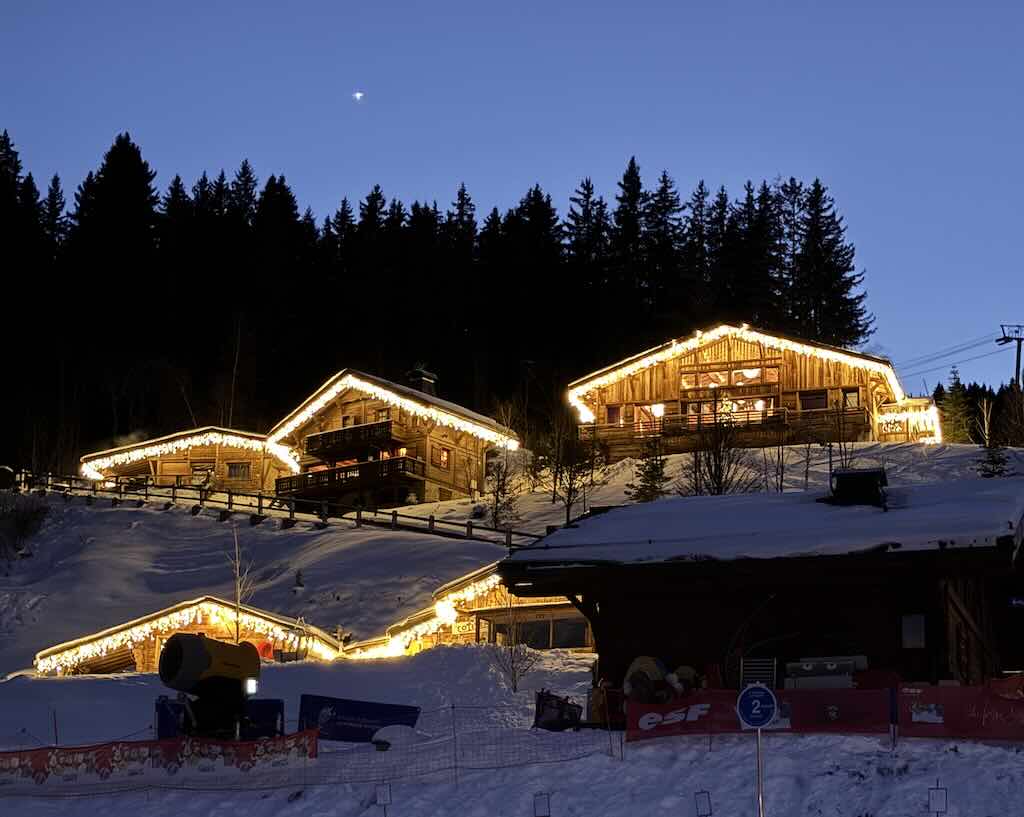
For those looking for a more relaxed atmosphere, Saint-Gervais-les-Bains is the perfect choice. This charming ski resort offers gentler slopes, making it ideal for families and beginners. The town is also famous for its thermal baths, where you can soak in warm, mineral-rich waters surrounded by snow — the perfect place to relax after a day on the slopes. Unlike the more adrenaline-fueled vibe of Chamonix, Saint-Gervais offers a peaceful retreat with stunning views of Mont Blanc. It has since become our regular base: Roy fell in love with skiing on that first trip, and we now come back here together every winter.
Megève: Luxury and Elegance in the Alps
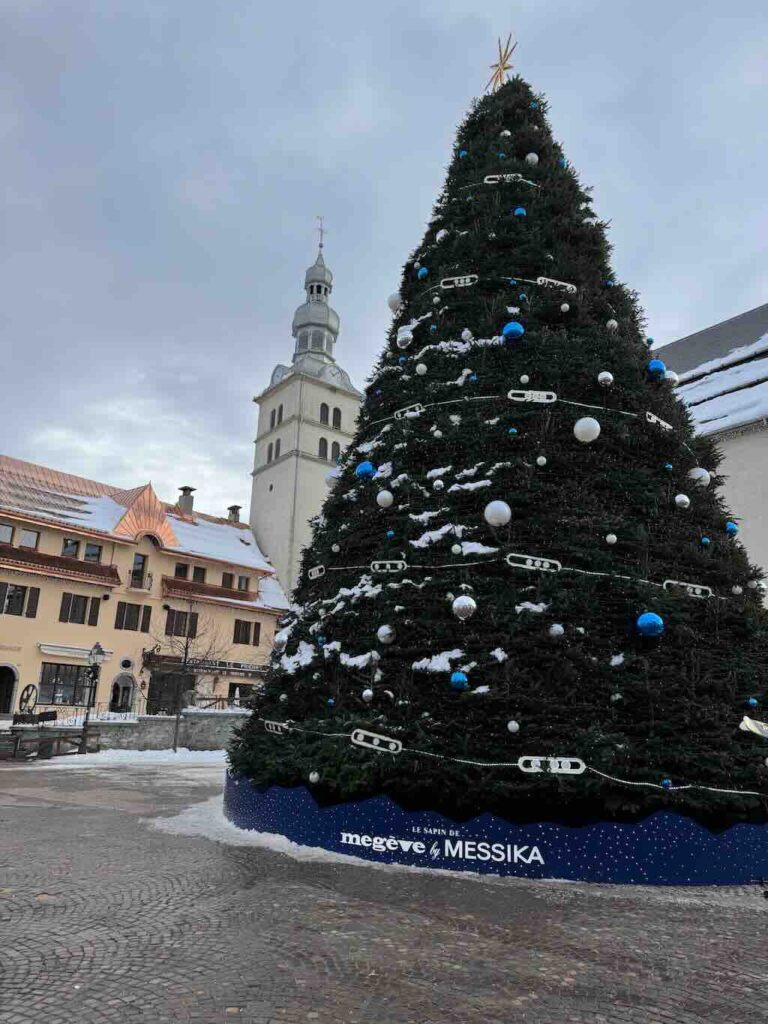
For those seeking a more exclusive and luxurious experience, Megève is the place to be. Originally developed as a high-end ski resort by the Rothschild family, Megève is known for its chic atmosphere, five-star hotels, gourmet restaurants, and designer boutiques. While the skiing here is fantastic, the authentic charm of Megève lies in its picturesque village center, with cobblestone streets, horse-drawn carriages, and elegant chalets. The town also has a renowned food scene, with Michelin-starred restaurants offering some of the best French alpine cuisine.
Aiguille du Midi: The Most Spectacular Viewpoint in the Alps
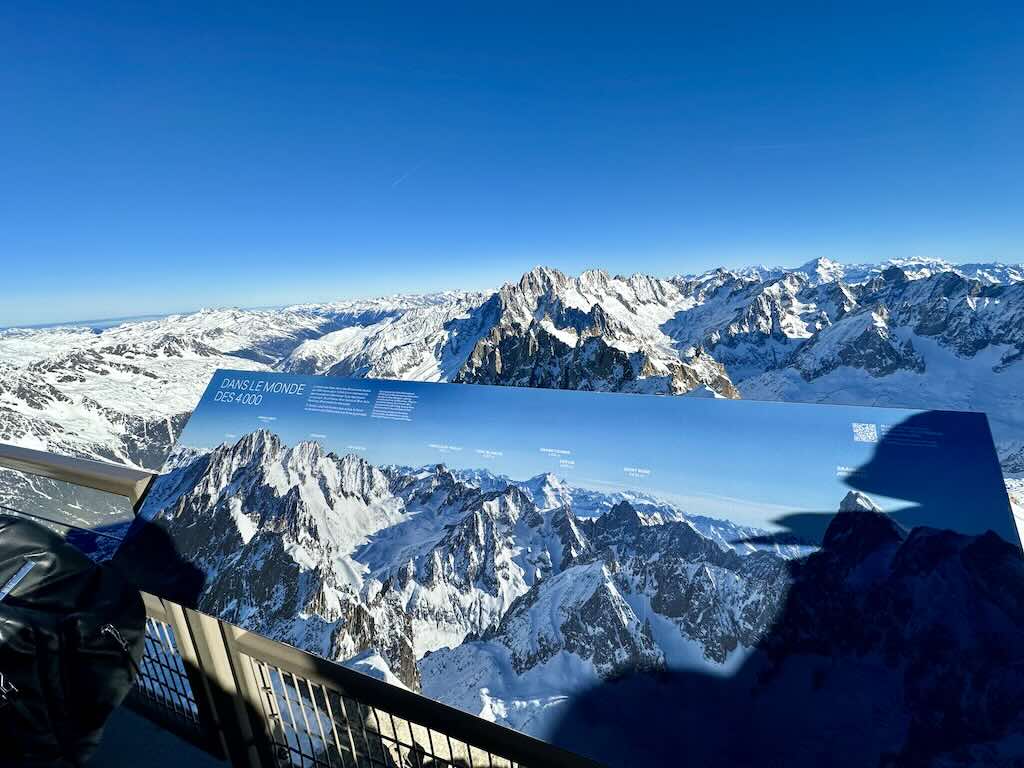
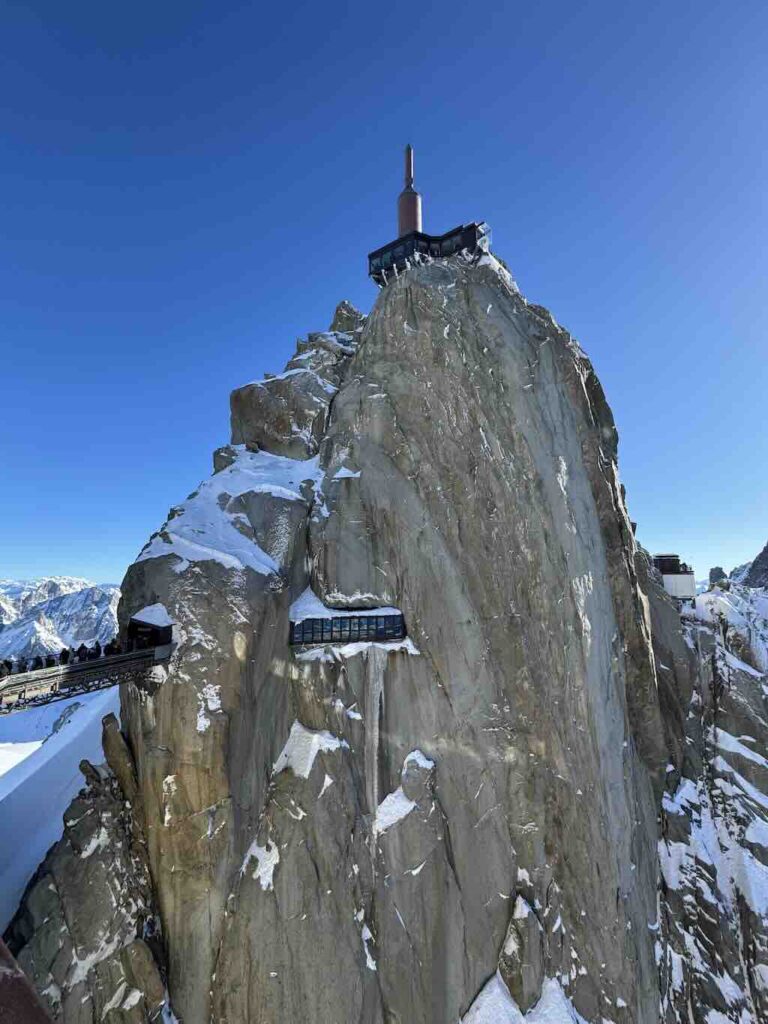
The Aiguille du Midi is one of the most breathtaking viewpoints in the Alps, offering an unparalleled panorama of snow-covered peaks and deep valleys. At 3,842 meters, it provides a 360-degree view that stretches across the French, Swiss, and Italian Alps. Whether you’re a skier, a mountaineer, or simply a lover of stunning landscapes, this is a must-visit destination in Chamonix Valley.
The Thrill of the Aiguille du Midi Cable Car
Reaching the summit is an adventure in itself. The Aiguille du Midi cable car is one of the highest in the world, taking visitors from Chamonix town (1,035m) to the peak in just two stages. The first leg brings you to Plan de l’Aiguille (2,317m), a great spot for scenic hikes in summer. The second leg is a near-vertical ascent that seems to defy gravity, offering mesmerizing views of jagged rock faces and vast glaciers. The moment you step out onto the observation deck at the summit, the crisp mountain air and the jaw-dropping view make the journey completely worth it.
Step Into the Void: A Glass Skywalk Experience
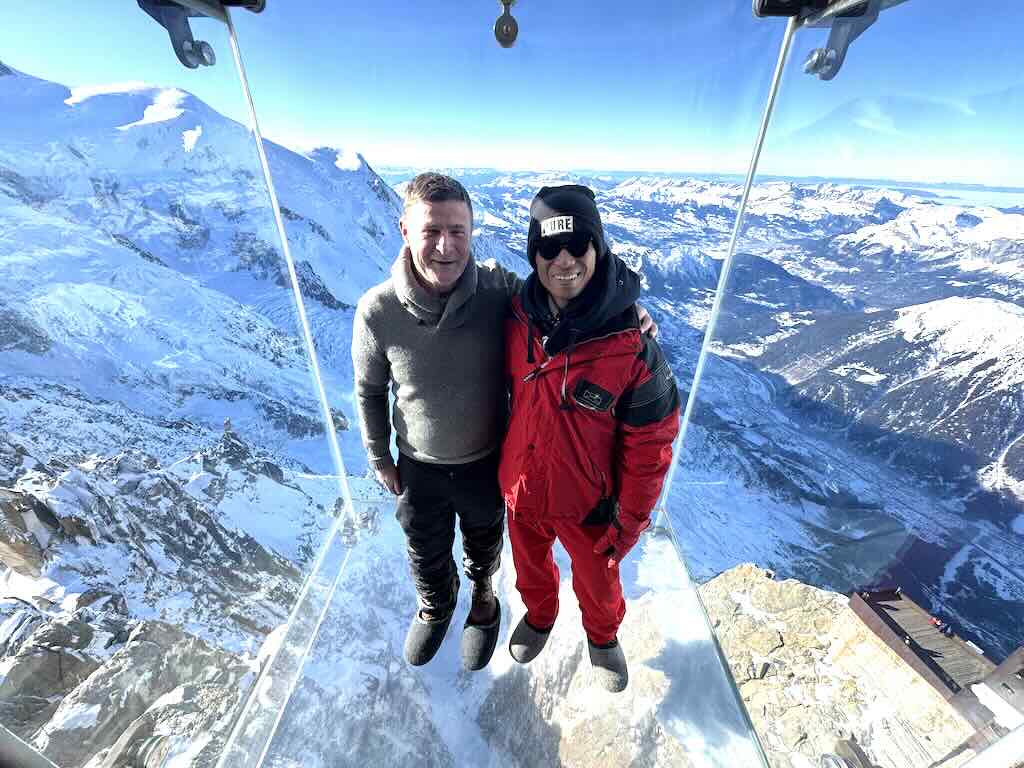
If you’re looking for an unforgettable adventure, you have to check out “Step Into the Void.” This glass skywalk lets you step out over a breathtaking 1,000-meter drop. Imagine feeling like you’re floating right above the mountains! It’s an exhilarating experience that will get your heart racing — and you’ll definitely want to capture the moment with a few photos. Don’t miss this thrilling opportunity!
A Destination for Everyone
If you’re not into skiing or mountaineering, don’t worry — Aiguille du Midi is still a fantastic place to visit! The multiple terraces at the top give you breathtaking views of Mont Blanc and the surrounding peaks, and there’s a cozy café where you can enjoy a hot drink while soaking in one of the most stunning panoramas in Europe.
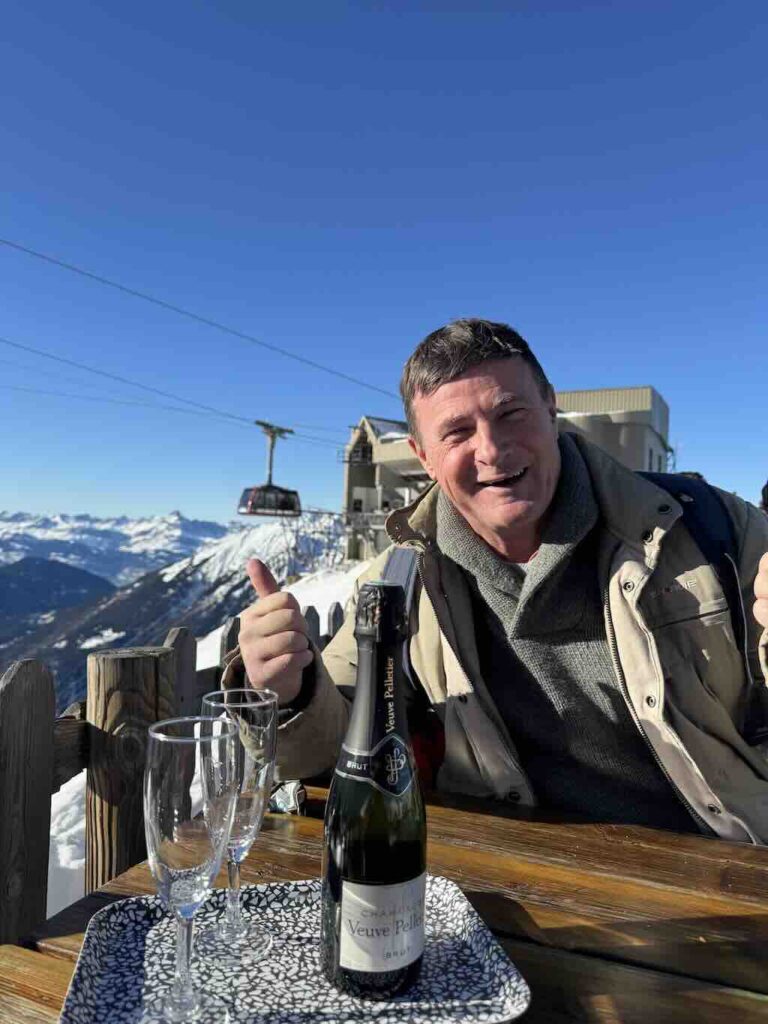
Adventurers flock here to start high-altitude hikes and climbs in the summer, and in winter it’s the gateway to the iconic Vallée Blanche ski descent. I visited on December 31st, and I thought, what better way to celebrate the New Year than with a glass of champagne at such an incredible spot? Cheers to unforgettable moments!
La Mer de Glace: Exploring France’s Largest Glacier
La Mer de Glace, France‘s largest glacier, is one of the most breathtaking natural wonders in the Alps. Stretching over 7 kilometers and reaching 200 meters deep, this majestic ice river has been a must-visit attraction for centuries. Tucked away in the Mont Blanc Massif, it offers an unforgettable experience of the raw beauty of the Alps while also serving as a powerful reminder of climate change.
The Scenic Train to Montenvers: A Journey Back in Time
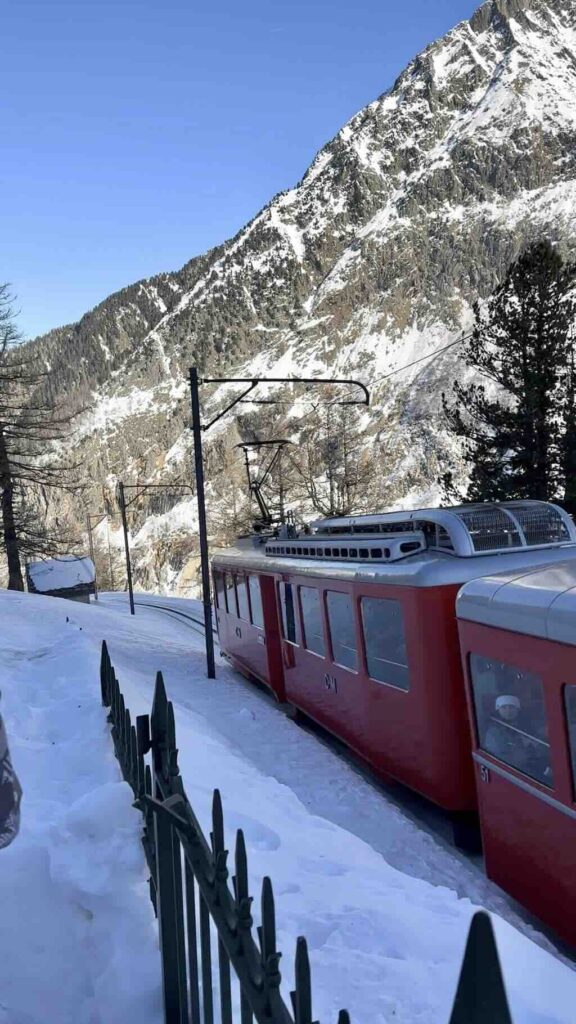
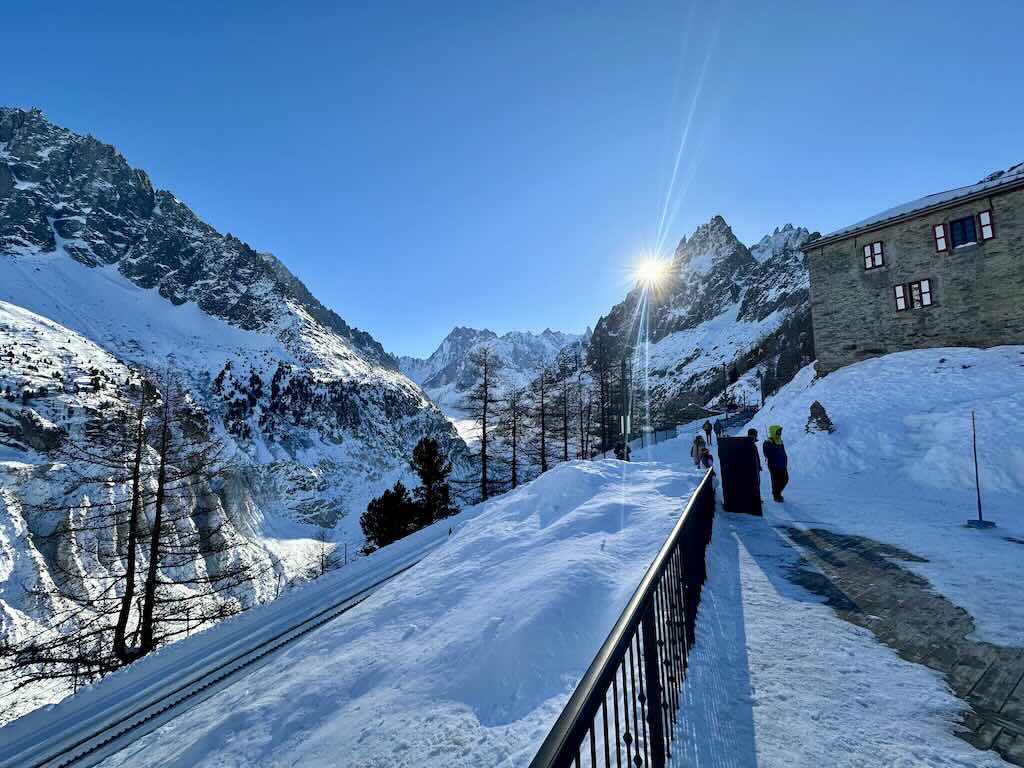
The adventure begins with a ride on the famous Montenvers Railway, a charming red cogwheel train that has been transporting visitors from Chamonix to the glacier since 1908. The 20-minute ascent through dense alpine forests and rocky cliffs provides spectacular views of the valley below. As the train climbs to an altitude of 1,913 meters, the scenery opens up to reveal the stunning expanse of La Mer de Glace, a name that translates to “Sea of Ice.”
Upon arrival at the Montenvers station, visitors are greeted with a sweeping panorama of the glacier, surrounded by jagged peaks such as Les Drus, Les Grandes Jorasses, and the Aiguille des Grands Charmoz. The viewing platforms provide breathtaking perspectives, making this a perfect spot for photography and reflection.
Exploring the Ice Cave: A Walk Through a Frozen World
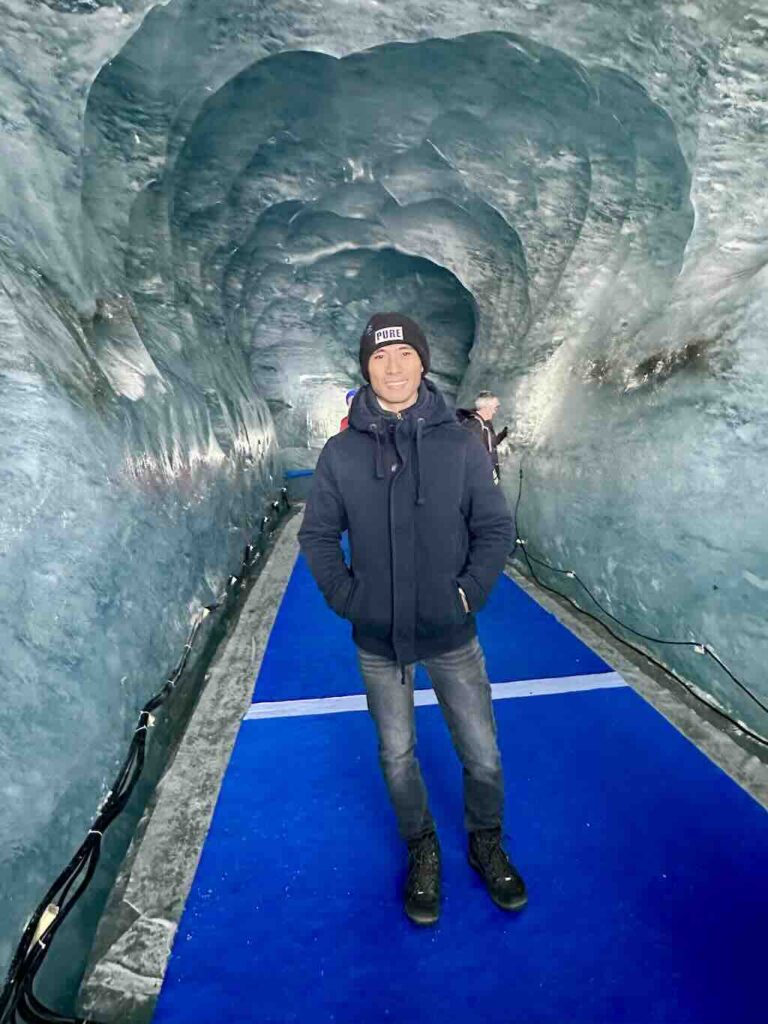
One of the highlights of visiting La Mer de Glace is the Grotte de Glace (Ice Cave), an artificial tunnel carved directly into the glacier. The cave is re-sculpted every year to allow visitors to walk inside this mesmerizing frozen world. The walls of ice shimmer in different shades of blue, creating an almost magical atmosphere. Inside, ice sculptures and historical displays tell the story of the glacier and the region’s mountaineering heritage.
Visitors take a gondola ride down from Montenvers to reach the ice cave, followed by a series of stairs leading to the entrance. However, the increasing number of steps required each year is a stark reminder of the glacier’s retreat due to climate change.
The Impact of Climate Change: A Disappearing Wonder
While La Mer de Glace remains an incredible sight, its rapid shrinkage is impossible to ignore. Over the past century, the glacier has lost significant volume, retreating by nearly 80 meters per year in recent decades. Historical photos displayed at Montenvers vividly illustrate the dramatic ice reduction, showing how much the landscape has changed. All this makes visiting the glacier more special than ever, as future generations may not have the chance to see it in its current form.
Skiing in the Alps for Beginners
Roy’s First Ski Lesson: A Memorable Introduction to Skiing
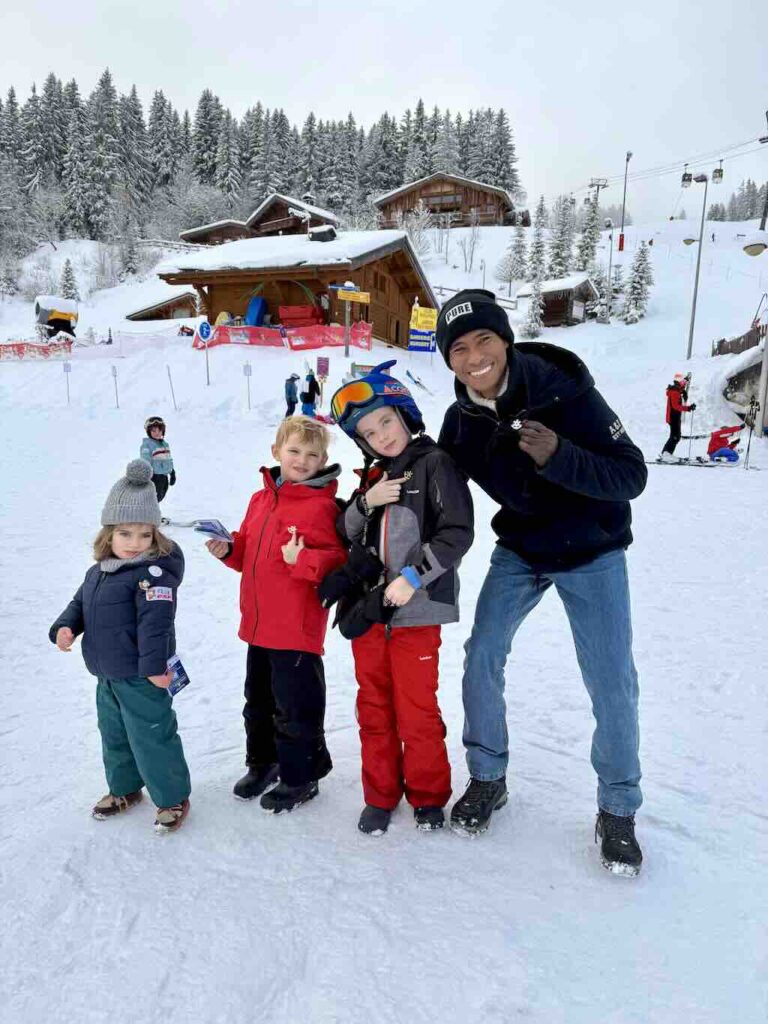
Roy had never seen snow before this trip, let alone put on skis, so everything was a new discovery for him. To ensure he got the best start, we booked a private ski lesson with the École de Ski Français (ESF). His lesson took place in the beginner area, right next to very young kids learning in group classes. It was amusing to see him at the same level as five-year-olds, but he took it in stride, eager to learn.
His instructor started him on a very easy slope with a travelator to bring him back up after each attempt. Within an hour, Roy had learned the basic techniques: the “pizza” (a V-shaped stance to control speed), how to stop, and how to shift his weight to turn.
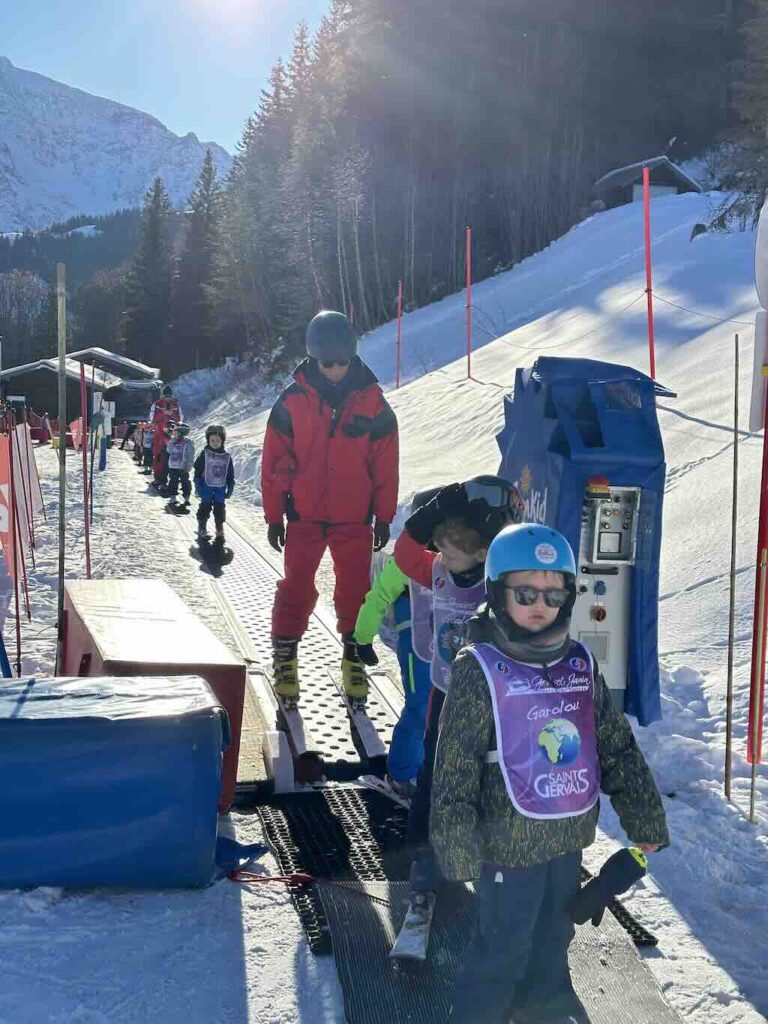
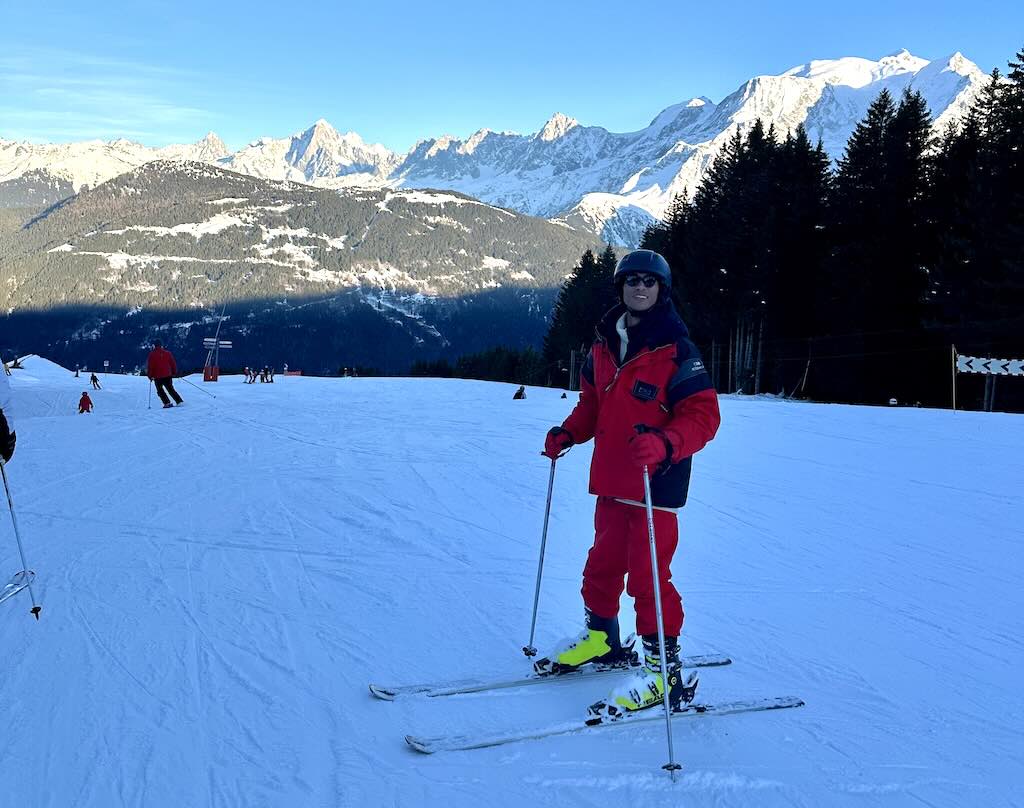
After his lesson, I took over as his personal guide. We moved on to a gentle slope with a “tire-fesses” (button lift) so he could practice his new skills. His confidence grew quickly, so we took the next step — riding a télésiège (chairlift) up to La Folie Douce, a famous altitude bar known for its lively après-ski atmosphere. The view from the top was spectacular, and we enjoyed a short break before the real challenge: skiing all the way down to the base station on a blue run.
The descent was slow, and there were a few falls along the way, but Roy did very well, and we went up and down a few more times. By the end of the day he was exhausted but incredibly happy, already talking about when he could go skiing again — and, as it turned out, he never really stopped.
How to Take a Ski Lesson in the Alps
If you’re new to skiing or snowboarding, booking a lesson with a professional instructor can make all the difference. The École de Ski Français (ESF) and Evolution 2 are two of the most reputable ski schools in Chamonix, offering private and group lessons for all ages and levels.
To get the most out of your experience:
- Book your lessons in advance, especially during peak season.
- Choose the right ski area based on your skill level.
- Dress appropriately – multiple layers, waterproof gloves, and ski goggles are essential.
- Take breaks – skiing and snowboarding can be tiring, especially for first-timers. Enjoy a hot chocolate or a meal at one of the mountain restaurants to recharge.
Altitude Bars, Après-Ski & Dining in Chamonix Valley
After an exhilarating day on the slopes, there’s nothing better than soaking in the après-ski culture of Chamonix Valley.
Après-Ski & Altitude Bars: Where to Celebrate After Skiing
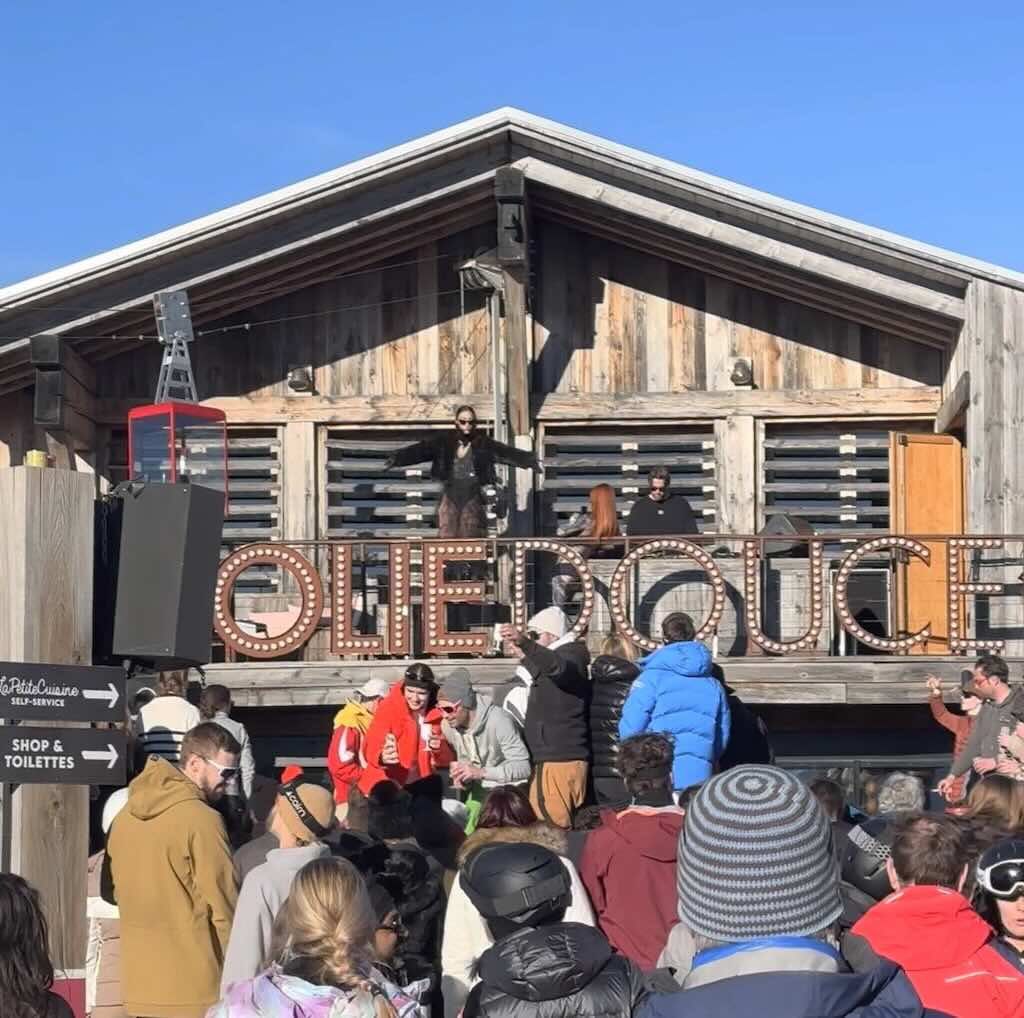
Chamonix is home to some of the best après-ski scenes in the Alps, with bars ranging from high-altitude party spots to laid-back lounges where you can relax by a crackling fire. One of the most iconic venues is La Folie Douce, at an altitude of over 2,000 meters. Famous for its vibrant atmosphere, live DJs, and energetic performances, La Folie Douce transforms the slopes into an open-air club where skiers and snowboarders dance in their gear before making their final descent of the day.
Beyond Chamonix, both Saint-Gervais-les-Bains and Megève offer fantastic après-ski spots. In Saint-Gervais, you’ll find relaxed bars where locals and visitors gather for a post-ski drink, often accompanied by a plate of regional charcuterie. Megève, known for its elegance, offers stylish cocktail bars and sophisticated wine lounges where you can unwind in a more refined setting.
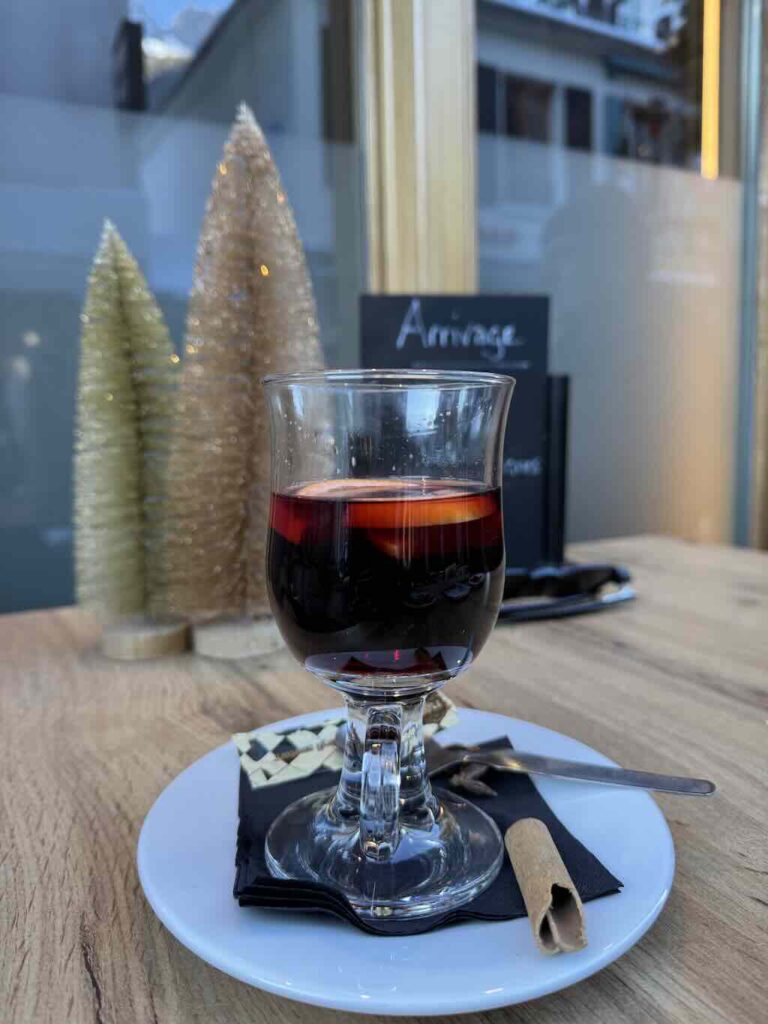
No après-ski experience in the Alps is complete without trying some local drinks. Order a vin chaud, the famous mulled wine infused with spices, or taste Génépi, a traditional herbal liqueur from the region, perfect for warming up after a day in the snow.
What to Eat in the Alps
Chamonix Valley is not just about skiing — it’s also a paradise for food lovers. The region is known for its Savoyard cuisine, featuring rich, hearty dishes perfect for refueling after a long day on the slopes. For an authentic mountain meal, head to one of the traditional chalets and enjoy a fondue Savoyarde, a bubbling pot of melted cheese served with fresh bread. Another must-try is raclette, where you scrape melted cheese onto potatoes, cured meats, and pickles. Finally, there’s nothing like a steaming plate of tartiflette — potatoes, reblochon cheese, onions, and lardons — while overlooking the snow-covered peaks of Mont Blanc.
Where to Stay in Chamonix Valley
Chamonix Valley has accommodation for every style, from cozy self-catering chalets to spa hotels with Mont Blanc views. Base yourself in Chamonix for the liveliest atmosphere and the best access to the Aiguille du Midi, in Saint-Gervais-les-Bains for a quieter, family-friendly stay (our own favourite), or in Megève for luxury and fine dining. Booking well ahead is essential in the December–March ski season.
👉 Check availability and prices for hotels and chalets in Chamonix Valley on Booking.com
Practical Travel Tips for Visiting Chamonix Valley
How to Get to Chamonix from Geneva
The most convenient way to reach Chamonix is via Geneva Airport (GVA), which is about 80 km (50 miles) away. From there, you have several options:
- Shared or private airport transfers: the fastest and most hassle-free option, taking about 1 hour 15 minutes to reach Chamonix.
- Train: a scenic but slower option. Take a train from Geneva to Saint-Gervais-les-Bains-Le Fayet, then transfer to the local Mont-Blanc Express to Chamonix. The total journey takes about 2.5 to 3 hours.
- Car rental: if you plan to explore Megève or Saint-Gervais too, renting a car gives you flexibility. Keep in mind that winter roads can be icy, so snow tires or chains are essential.
🚗 Compare car hire prices at Geneva Airport on DiscoverCars.
How to Get to Chamonix from Paris
Getting to Chamonix from Paris is easy and offers several options depending on your budget and schedule. The fastest way is to fly from Paris to Geneva, as explained above. Alternatively, you can take the TGV high-speed train from Paris to Annecy or Bellegarde, then transfer to a regional train to Saint-Gervais-les-Bains, followed by a short train or bus ride to Chamonix. For a more flexible journey, renting a car lets you enjoy the picturesque drive through the French countryside and Alps, taking approximately six hours.
Best Time to Visit Chamonix Valley
The best time to visit Chamonix depends on what you want to do:
- Winter (December – April): the peak ski season, offering world-class skiing, snowboarding, and après-ski. Snow conditions are generally best from January to March, though early December and late April still offer good skiing with fewer crowds.
- Summer (June – September): perfect for hiking, trail running, paragliding, and glacier exploration. The Mer de Glace and Aiguille du Midi are open, and you’ll enjoy stunning landscapes without the cold.
- Spring and autumn (May, October, November): the quietest seasons, with unpredictable weather. Some cable cars and attractions may be closed, but if you prefer fewer crowds and lower prices, this can be an option.
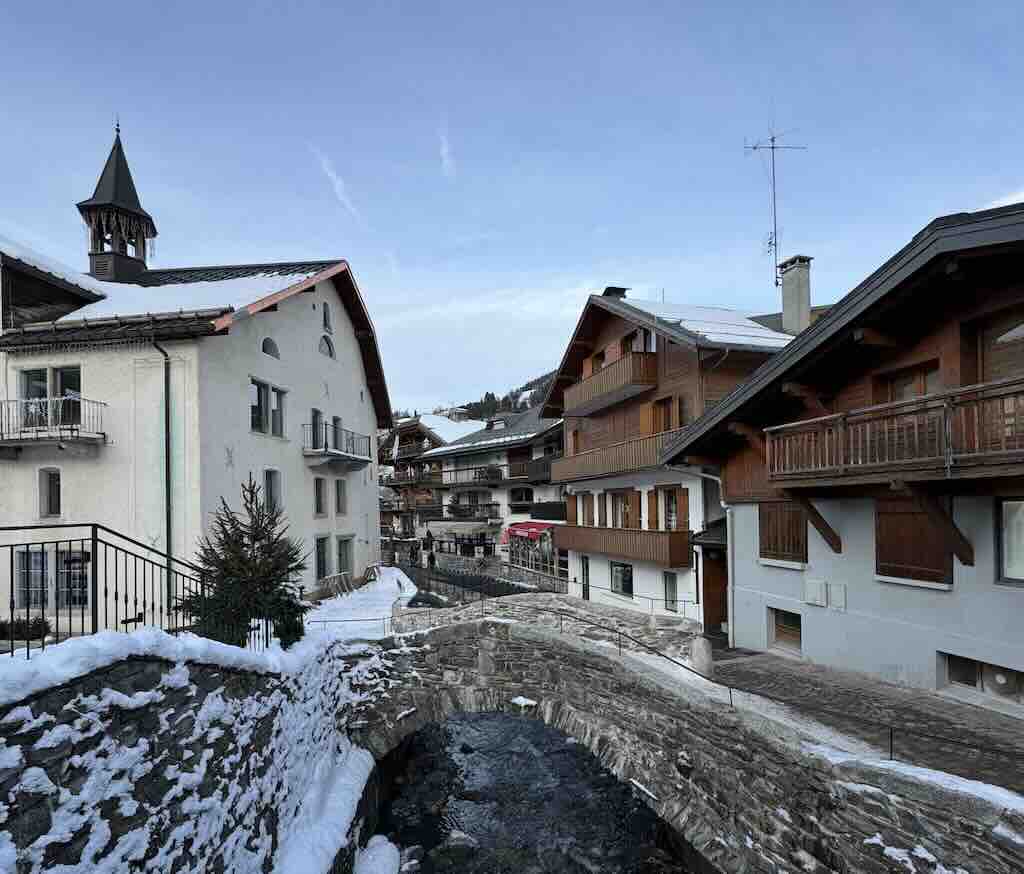
Packing List: Essentials for Chamonix Adventures in the Alps
Depending on the season, here’s what you should pack:
Winter Packing List for the Alps (Skiing & Snowboarding)
- ✅ Insulated ski jacket & pants
- ✅ Thermal base layers & moisture-wicking clothing
- ✅ Waterproof gloves, hat, and neck warmer
- ✅ Ski goggles & sunglasses
- ✅ High-SPF sunscreen & lip balm (the sun is strong at high altitudes)
- ✅ Snow boots for walking around town
- ✅ Hand and foot warmers for extra cold days
Summer Packing List for the Alps (Hiking & Exploring)
- ✅ Lightweight, moisture-wicking clothing
- ✅ Sturdy hiking boots with ankle support
- ✅ Windproof and waterproof jacket (mountain weather can change rapidly)
- ✅ Sunglasses, sun hat & sunscreen
- ✅ Hydration pack or reusable water bottle
- ✅ Trekking poles (for steep trails)
Regardless of the season, if you plan on visiting Aiguille du Midi, bring warm layers — even in summer, temperatures at the top can be freezing.
A Personal Highlight: The Magical Sunset Over Mont Blanc
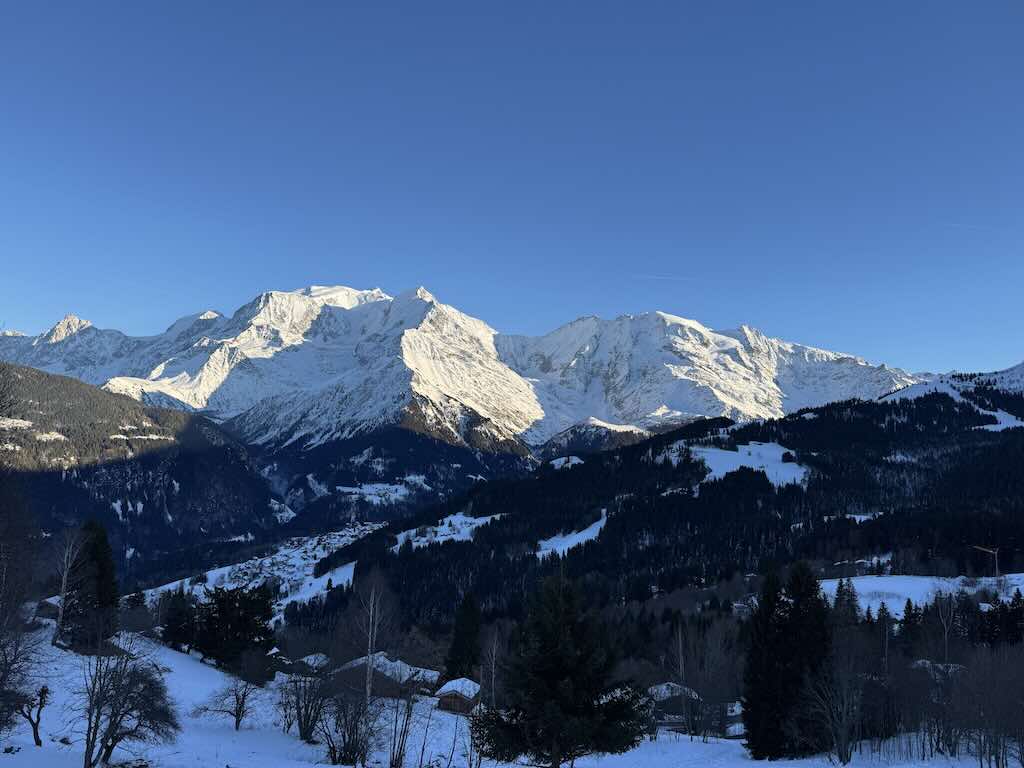
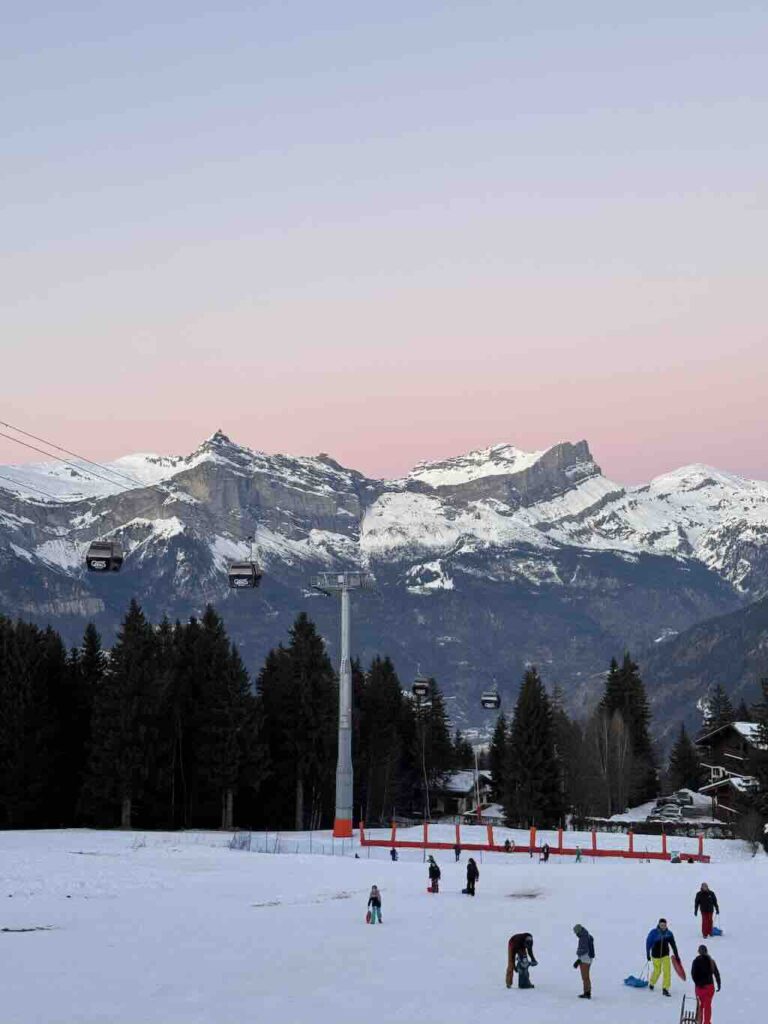
Among all the incredible experiences in Chamonix Valley, one of the most unforgettable was watching the sunset over Mont Blanc. After a long day of skiing, I took a break at an altitude bar and saw the snow-capped peaks transform under the golden light. The entire valley was bathed in warm hues, creating a surreal, picture-perfect scene.
Explore More of France
Alsace
Discover fairytale villages, the Wine Route and magical Christmas markets in my local’s guide to Alsace.

Paris
Plan the perfect city trip with my neighbourhood-by-neighbourhood guide to the best things to do in Paris.
France
From iconic landmarks to charming villages and breathtaking landscapes, explore more in my complete guide to France.
Frequently Asked Questions About Chamonix and the French Alps
Where is Chamonix in the French Alps?
Chamonix is in the Haute-Savoie in south-east France, at the foot of Mont Blanc where France meets Switzerland and Italy. The nearest airport is Geneva, about 80 km away.
How high is Mont Blanc?
Mont Blanc is about 4,806 meters high, making it the tallest mountain in the Alps and in Western Europe. Its exact height varies slightly each year as the summit ice cap changes.
What are the Chamonix Alps famous for?
Chamonix is famous for world-class skiing, mountaineering and stunning views of Mont Blanc. It’s known as the birthplace of modern mountaineering and hosted the first Winter Olympics in 1924.
How do you visit Mont Blanc from Chamonix?
Take the Aiguille du Midi cable car for the closest, most spectacular views of Mont Blanc, or ride the Montenvers train to the Mer de Glace glacier. Both start in Chamonix town.
Is Chamonix good for beginner skiers?
Yes. While Chamonix is famous for expert terrain, it has dedicated beginner areas, and nearby Saint-Gervais-les-Bains offers gentler, family-friendly slopes. Ski schools like the ESF and Evolution 2 teach all levels.
What is the best time to visit the French Alps?
January to March offers the best snow for skiing, while June to September is ideal for hiking, paragliding and glacier visits. Spring and late autumn are quieter but some lifts may be closed.
Chamonix, Saint-Gervais or Megève — which resort should you choose?
Choose Chamonix for adventure and legendary terrain, Saint-Gervais-les-Bains for a quieter, family-friendly stay with thermal baths, and Megève for luxury, fine dining and gentle slopes. All three sit beneath Mont Blanc and are easy to combine.
Do you need a car in Chamonix?
Not necessarily — Chamonix, Saint-Gervais and Les Houches are linked by train and free ski buses. But a car helps if you want to combine several resorts like Megève. In winter, snow tires or chains are essential.
How many days do you need in Chamonix Valley?
Three to four days is enough to ski, ride the Aiguille du Midi and visit the Mer de Glace. A full week lets you explore several resorts and enjoy the après-ski and Savoyard food at a relaxed pace.