Eastern Algarve Travel Guide: Tavira, Cacela Velha and the Ria Formosa
By Blaise Jaeger · Updated October 25, 2026
Why Visit the Eastern Algarve?
The Algarve is two coasts in one. In the west, around Lagos, golden cliffs and coves; in the east, between Faro and the Spanish border, a calmer world of lagoons, salt marshes and long sandy islands protected by the Ria Formosa. This is the Algarve I prefer: quieter, more authentic, with Tavira, one of the most elegant towns in the south of Portugal, and Cacela Velha, a tiny white village above one of the most beautiful beaches in the country. For the rest of the country, see my Portugal travel guide.
The Eastern Algarve at a Glance
- Where: the south-east of Portugal, between Faro and the Spanish border on the Guadiana.
- Main town: Tavira, on the Gilão river, about 300 km from Lisbon.
- Must-see: the old town of Tavira, the village of Cacela Velha and its beach, the lagoons of the Ria Formosa.
- Getting there: by car from Lisbon, in about three hours, or from Faro airport, about 30 km away.
- Where to stay: the Pousada Convento de Tavira, in a former convent in the old town.
- Best time: September for swimming; spring and winter for walking in peace.
My Eastern Algarve
I went three times, always by car from Lisbon, where I lived: in December 2014, driving down through Évora; in September 2015, at the end of the summer; and in March 2016. Each time I stayed at the Pousada Convento in Tavira, and each time I went back to Cacela Velha. The drive takes about three hours, on the A2 motorway and then the A22 along the Algarve coast. The A2 has tolls, but the A22 has been toll-free since January 2025.
Tavira
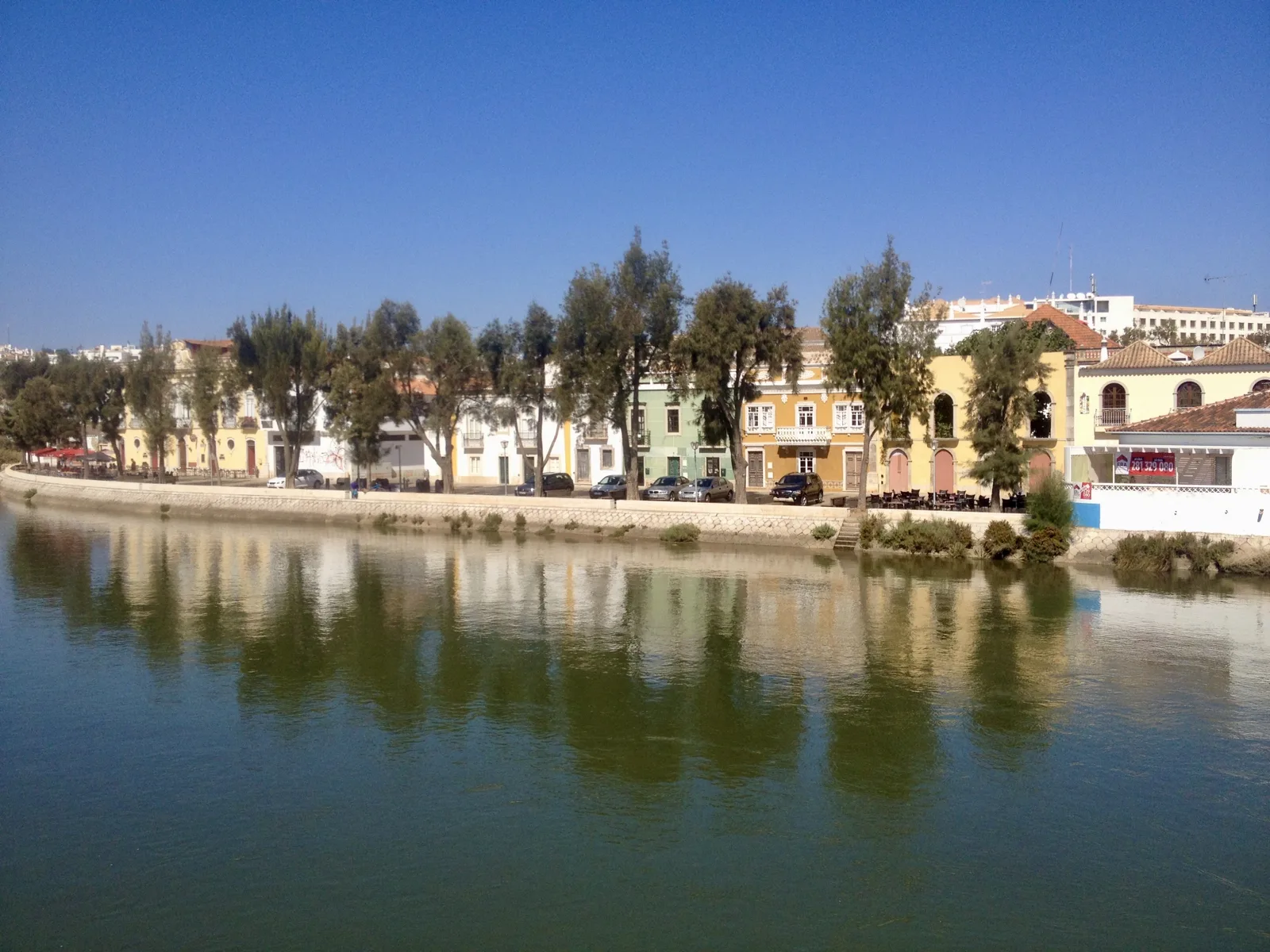
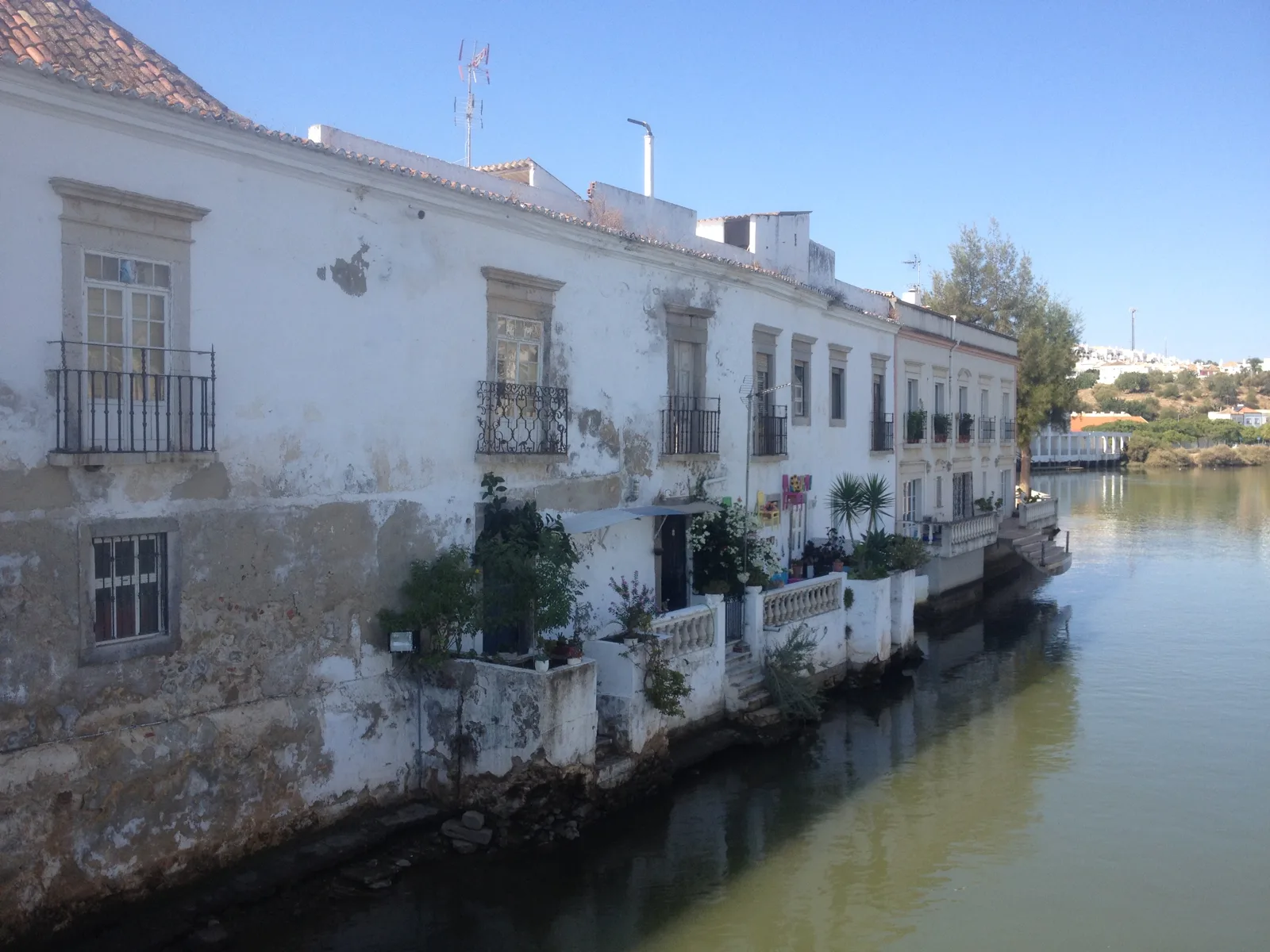
Tavira stretches along both banks of the Gilão river, a few kilometers before it reaches the lagoon. It is an elegant town of whitewashed houses with tiled roofs, balconies and wrought-iron railings, often said to have 37 churches, and it has kept its charm because it never became a beach resort: the beaches are on the islands, across the lagoon.
The old bridge and the riverside
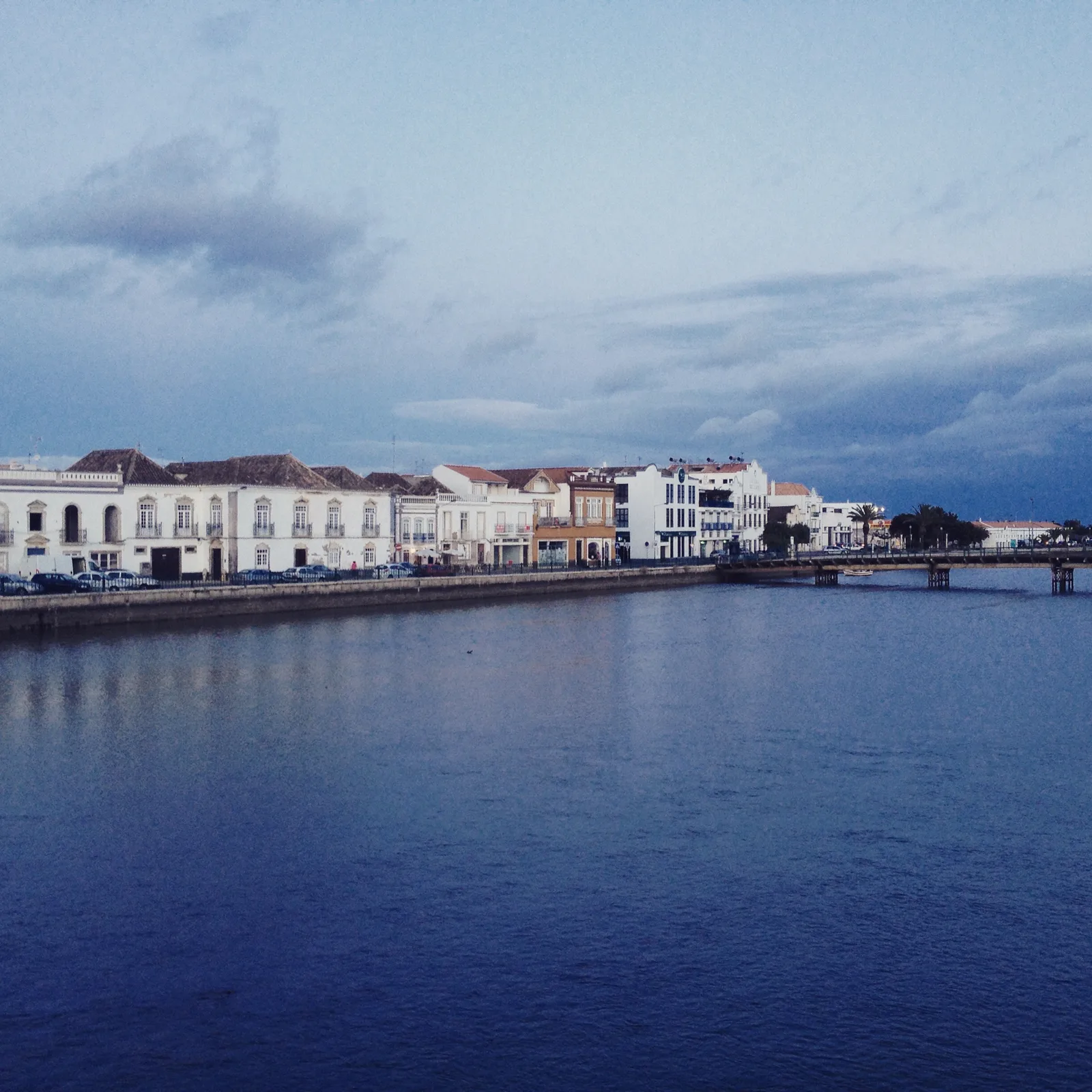
The heart of town is the old pedestrian bridge over the Gilão, known as the Roman bridge, which leads to the Praça da República and the riverside gardens. Walk along both banks at the end of the day, when the light turns golden and the facades are reflected in the water.
The castle and Santa Maria do Castelo
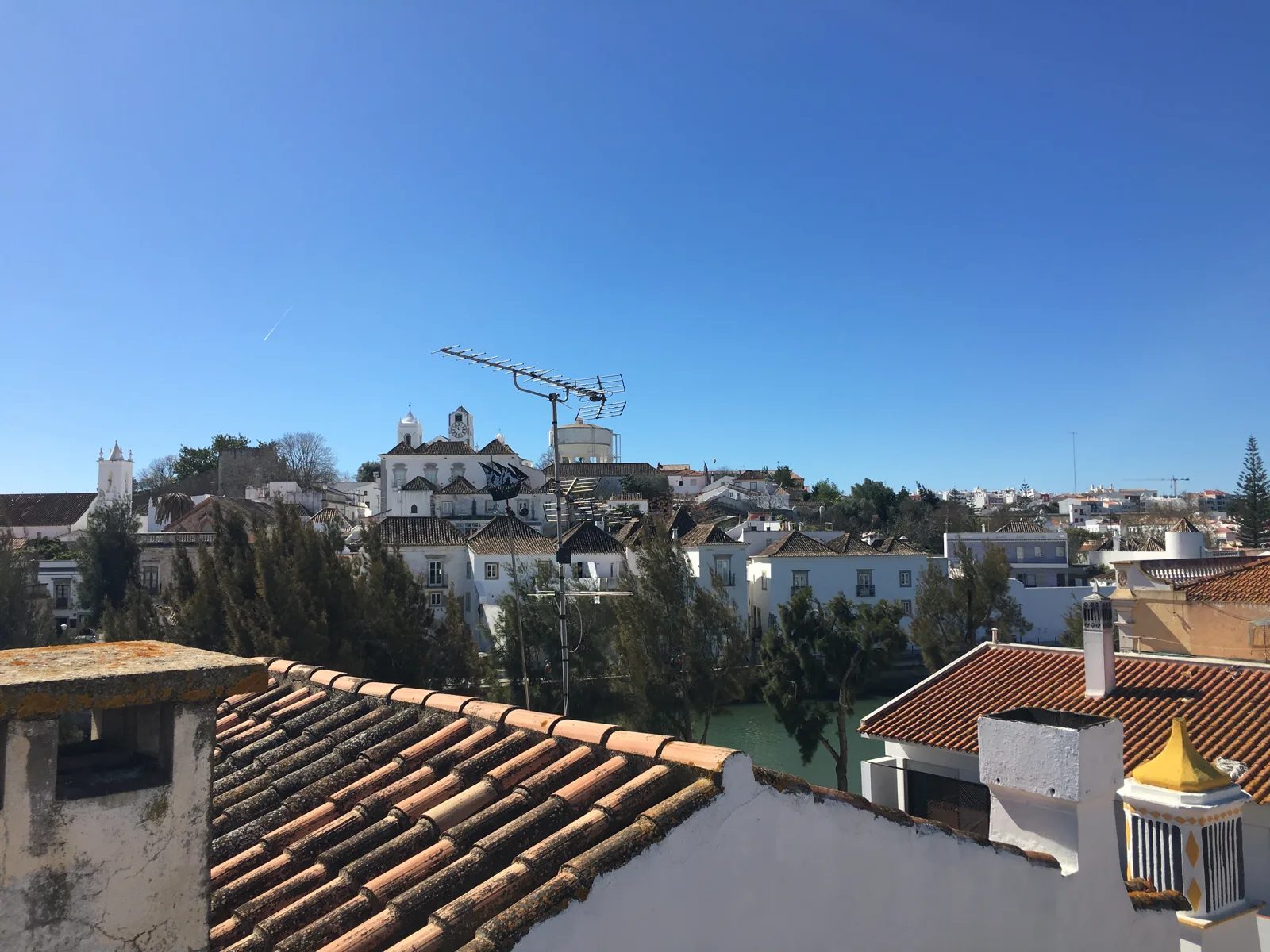
Climb up to the ruins of the castle, whose walls offer the best view over the roofs of Tavira. Next door, the church of Santa Maria do Castelo stands on the site of the former main mosque and holds the tomb of Dom Paio Peres Correia, the knight who took Tavira from the Moors in 1242.
The streets of the old town
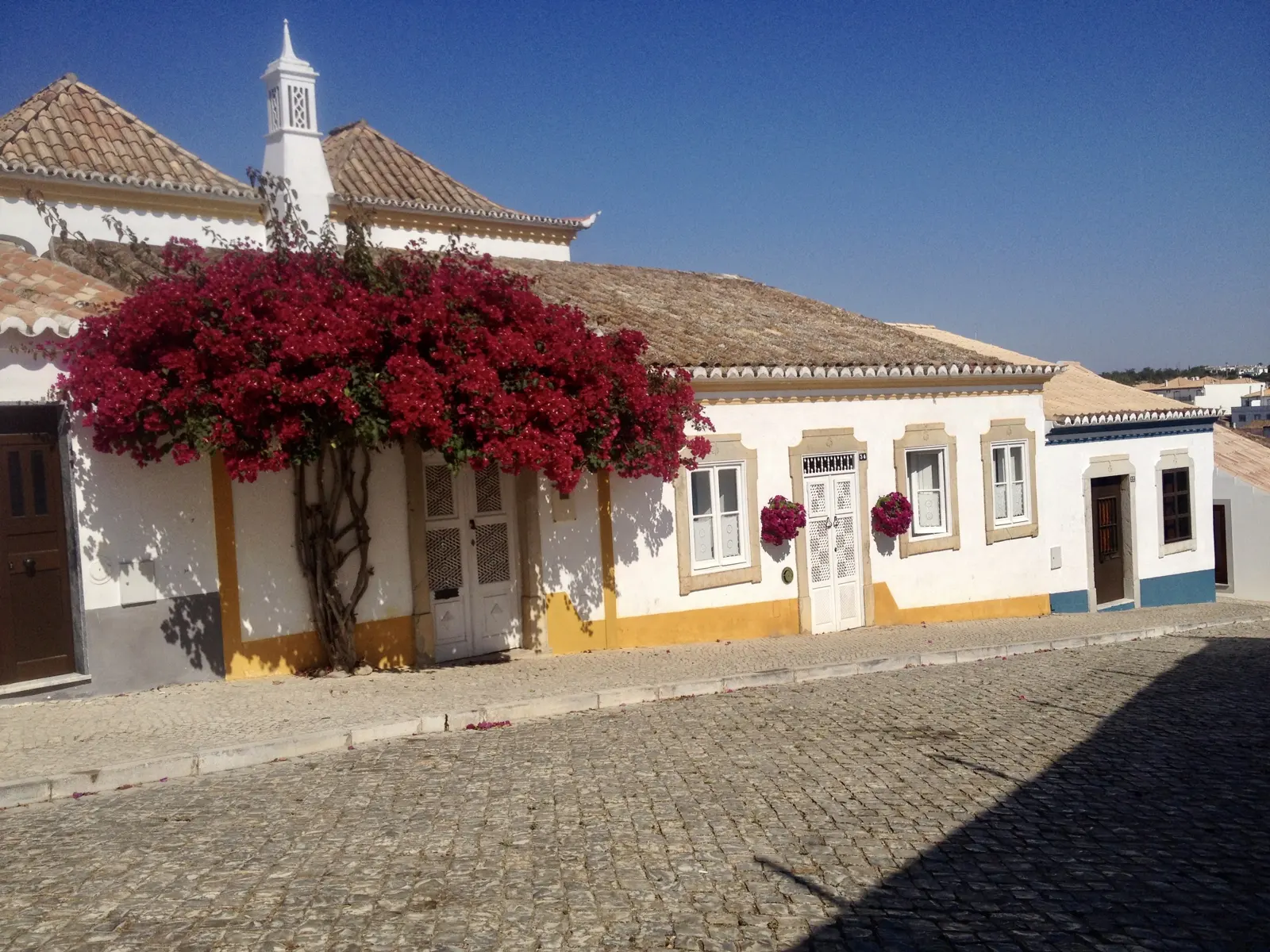
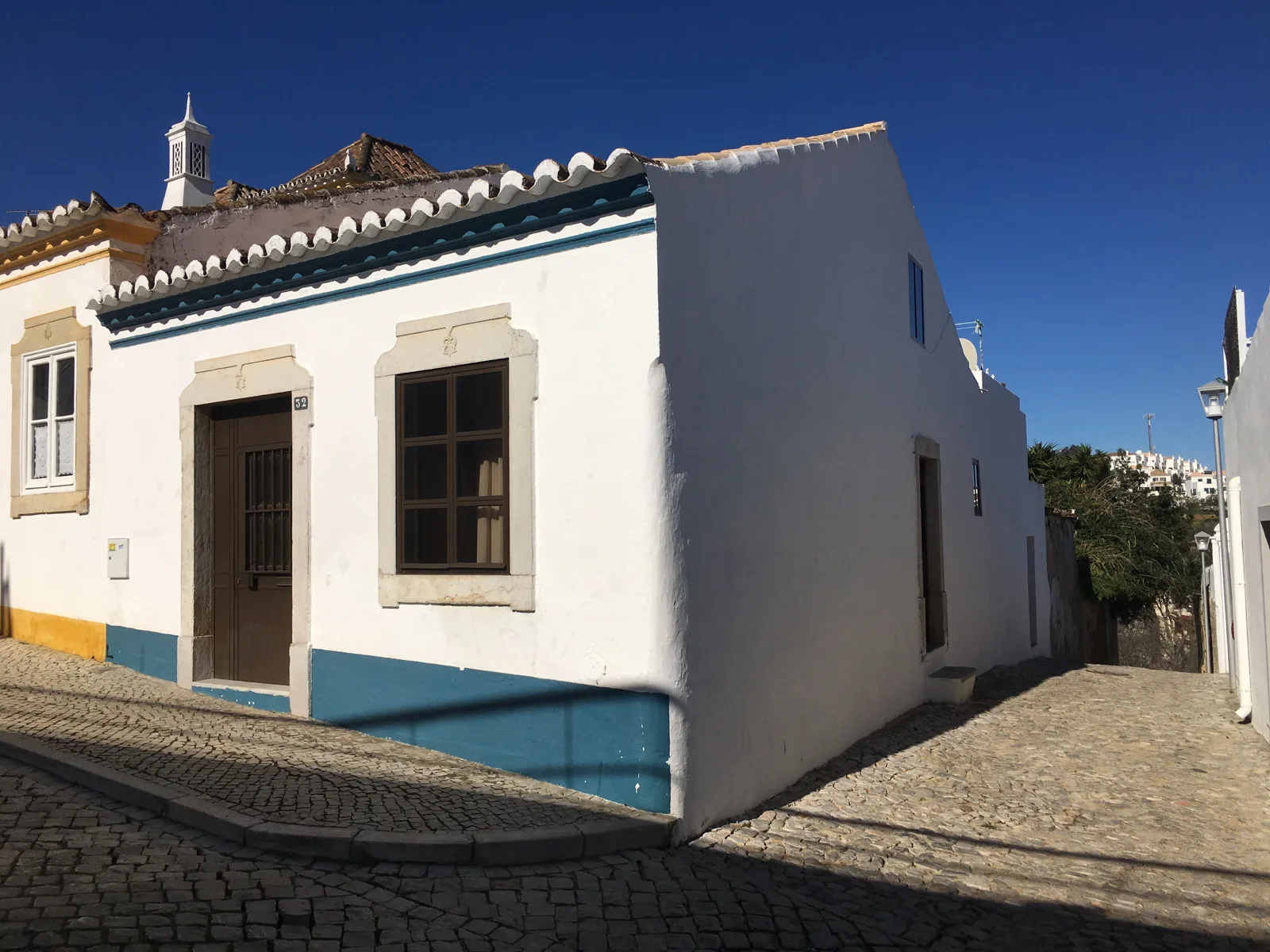
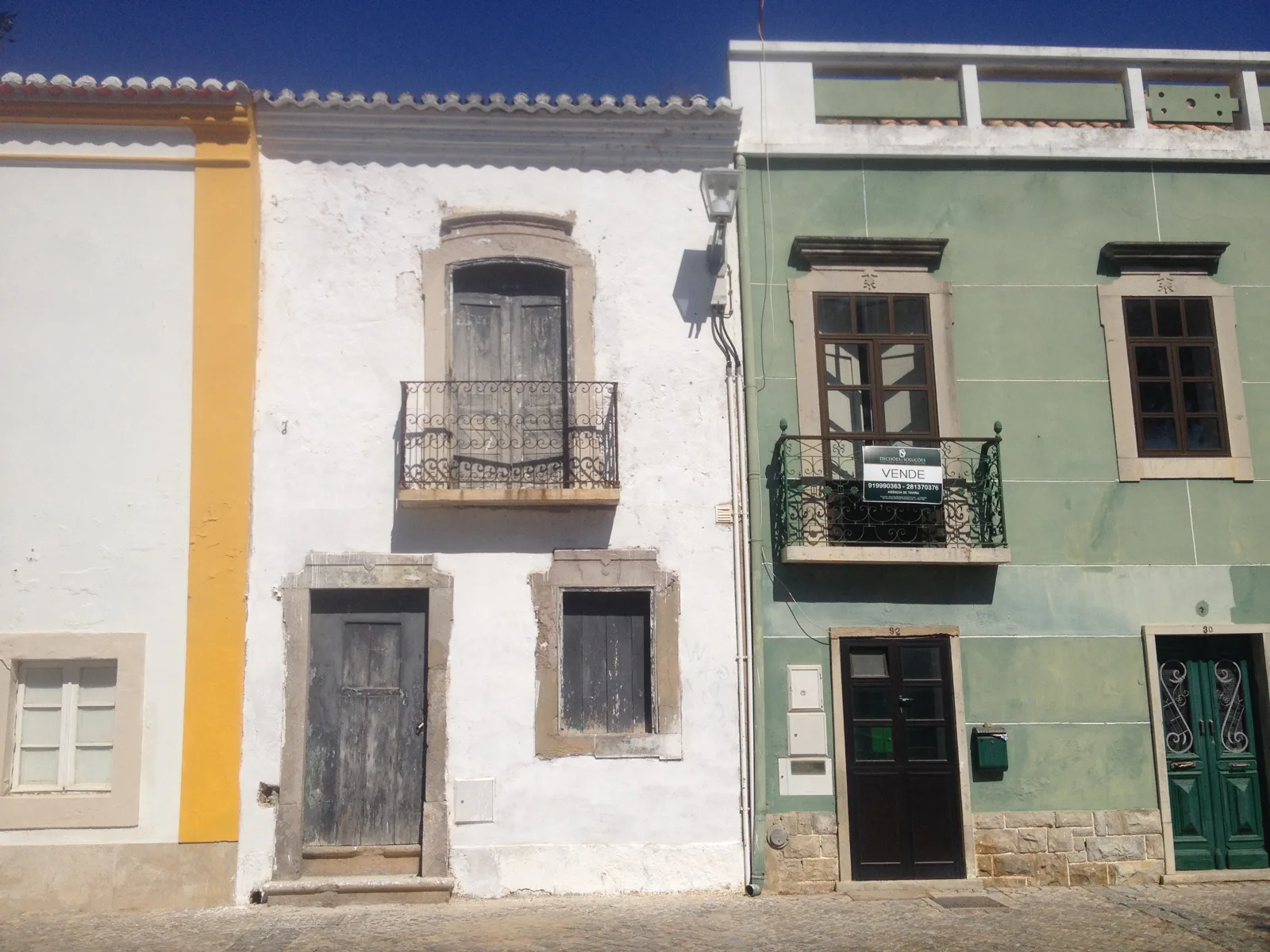
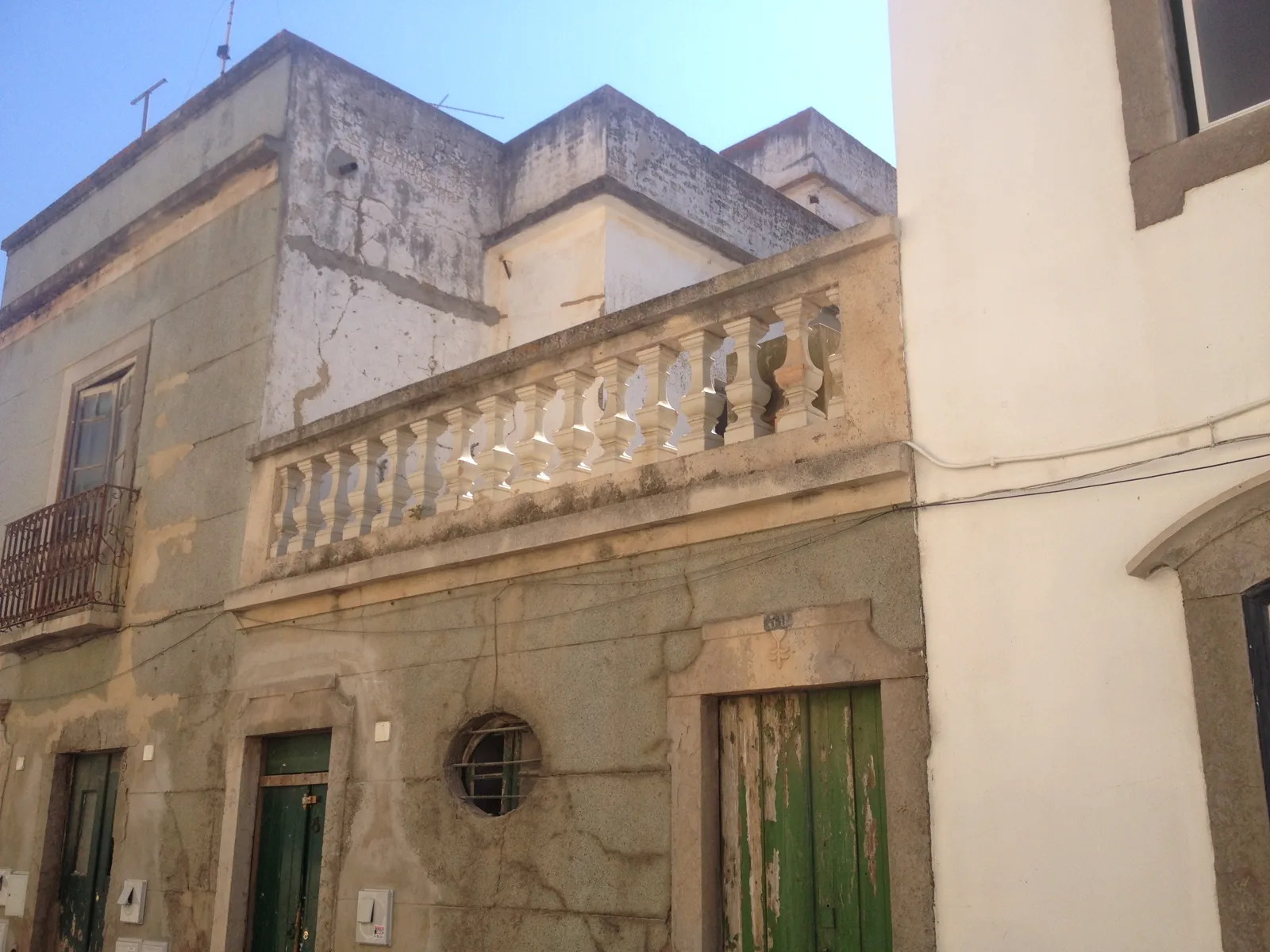
The real pleasure of Tavira is to wander without a plan through its lanes of old houses, with their faded colors, stone door frames and baroque balconies. My favorite is the Calçada de Dona Ana, one of the most charming streets in town, near the castle, lined with white houses with colored trim and cascades of bougainvillea.
Where to Stay in Tavira
I stayed every time at the Pousada Convento de Tavira, and I would not stay anywhere else. It occupies the Convento da Graça, built in the 16th century under King Sebastião for Augustinian nuns, right next to the church of Santa Maria do Castelo, in the highest part of the old town. Its 36 rooms open onto the cloister, and there is a large pool in the courtyard garden, a rare luxury in the middle of a historic town. For other options, see hotels in Tavira.
Cacela Velha
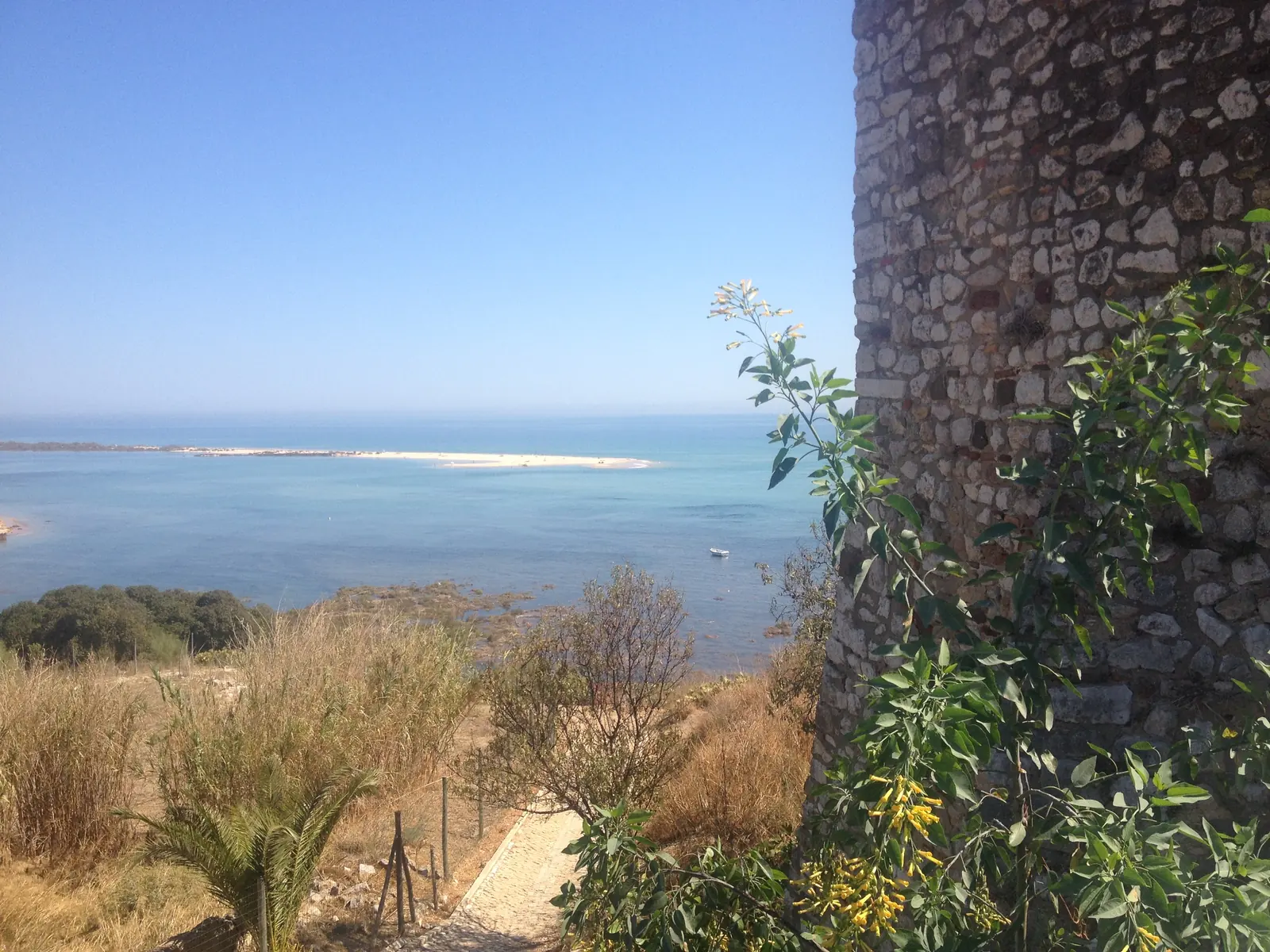
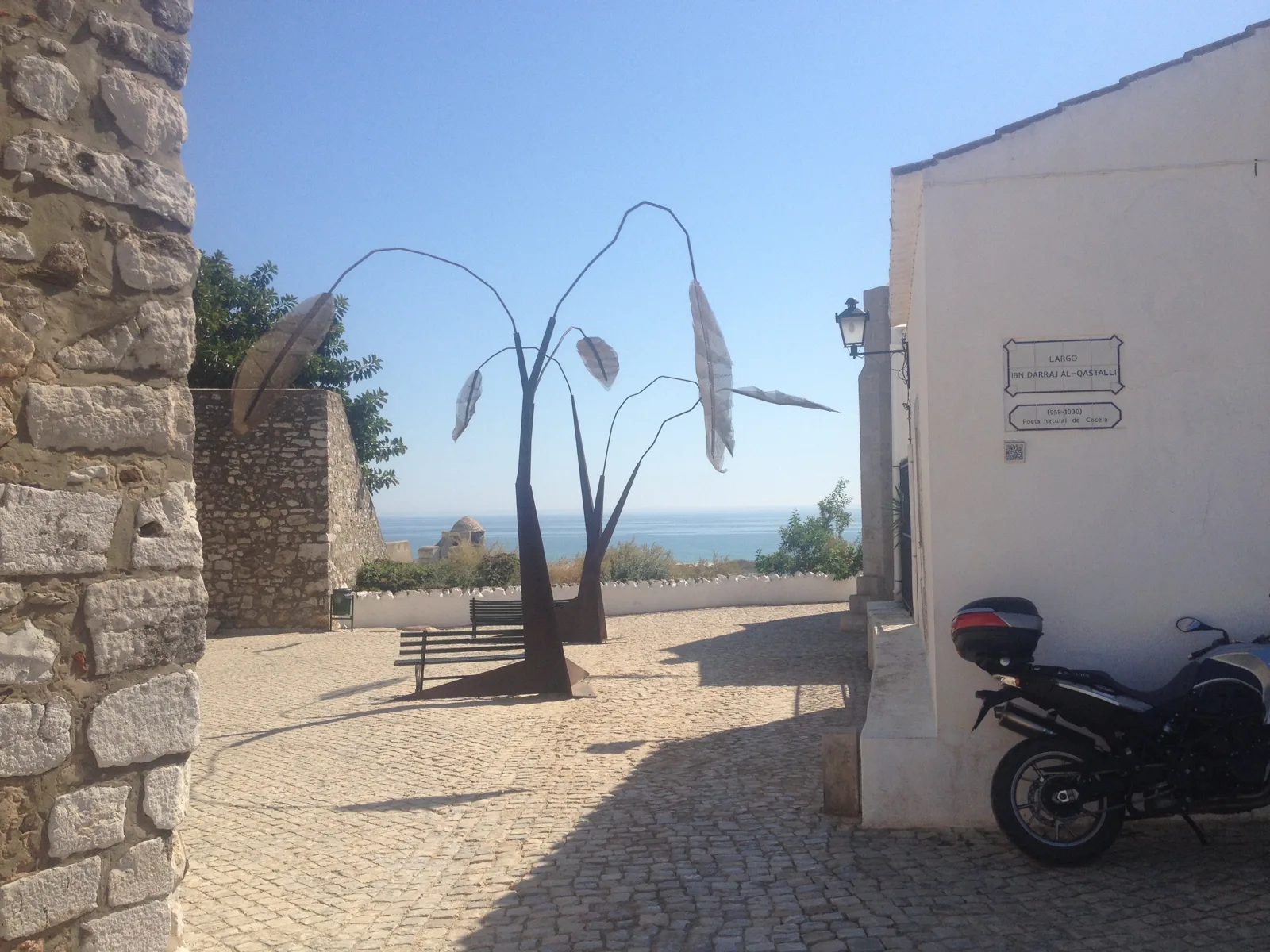
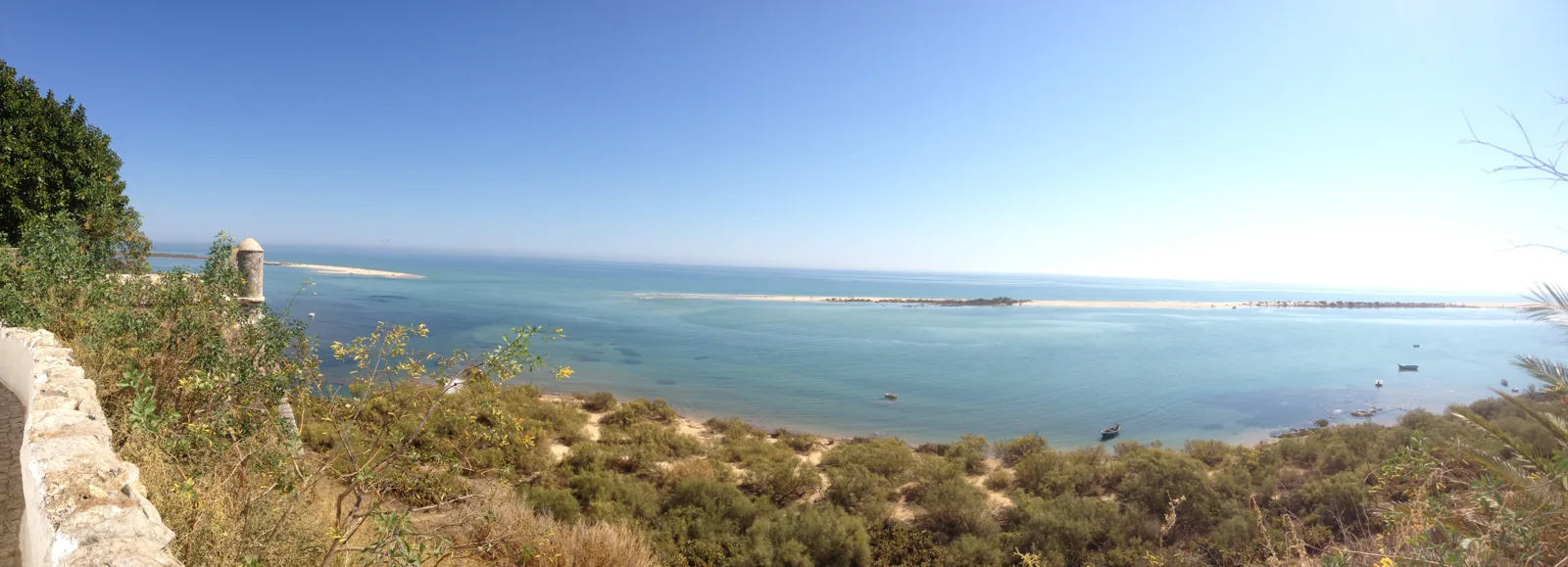
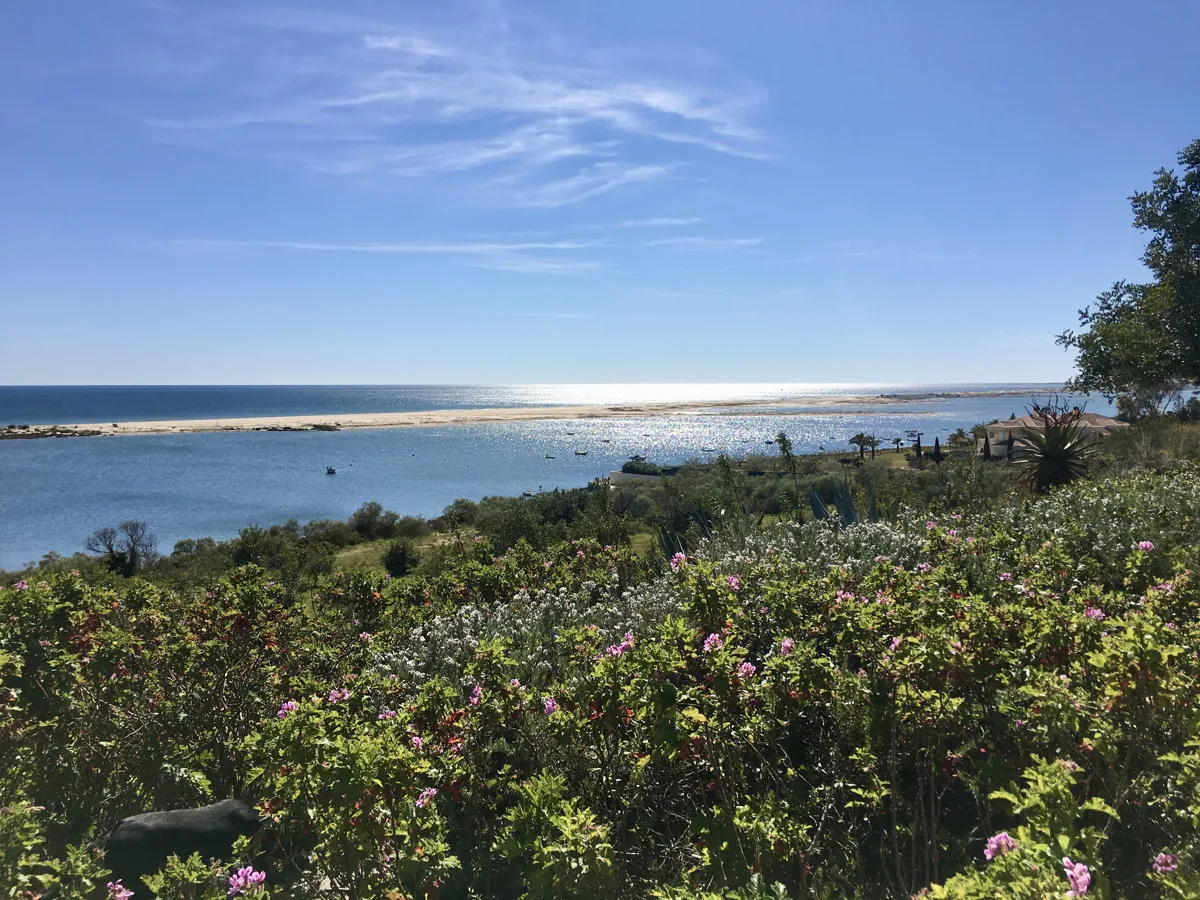
Twenty minutes east of Tavira, Cacela Velha is one of the smallest and most beautiful villages in the Algarve: a few white houses, a whitewashed church and a small fortress perched on a bluff above the lagoon. Once a town of some importance, it was almost abandoned after the earthquake of 1755, and it has kept the peace of a place the 20th century forgot. From the churchyard, the view over the Ria Formosa, its sandbanks and the ocean beyond is breathtaking.
The Praia de Cacela Velha
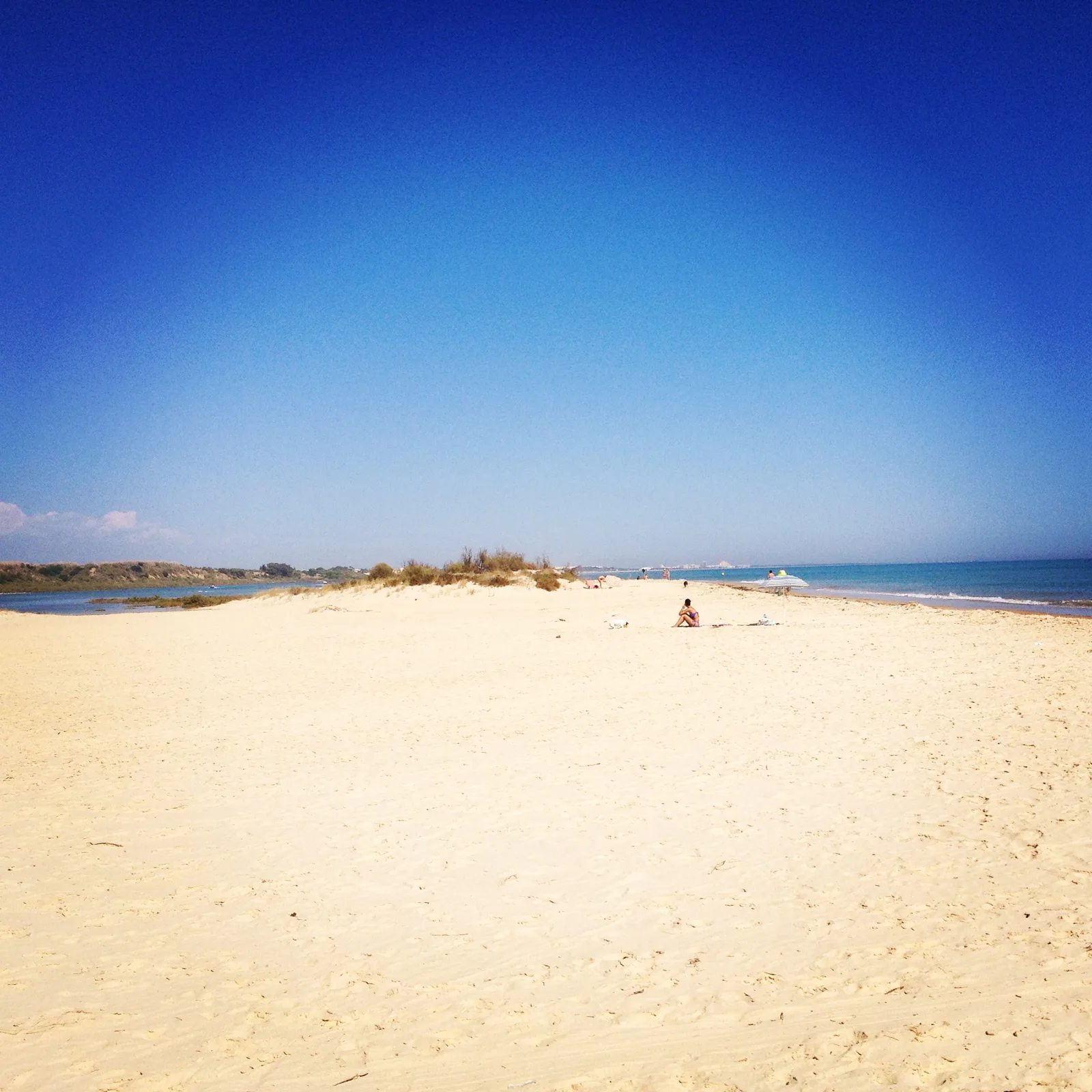
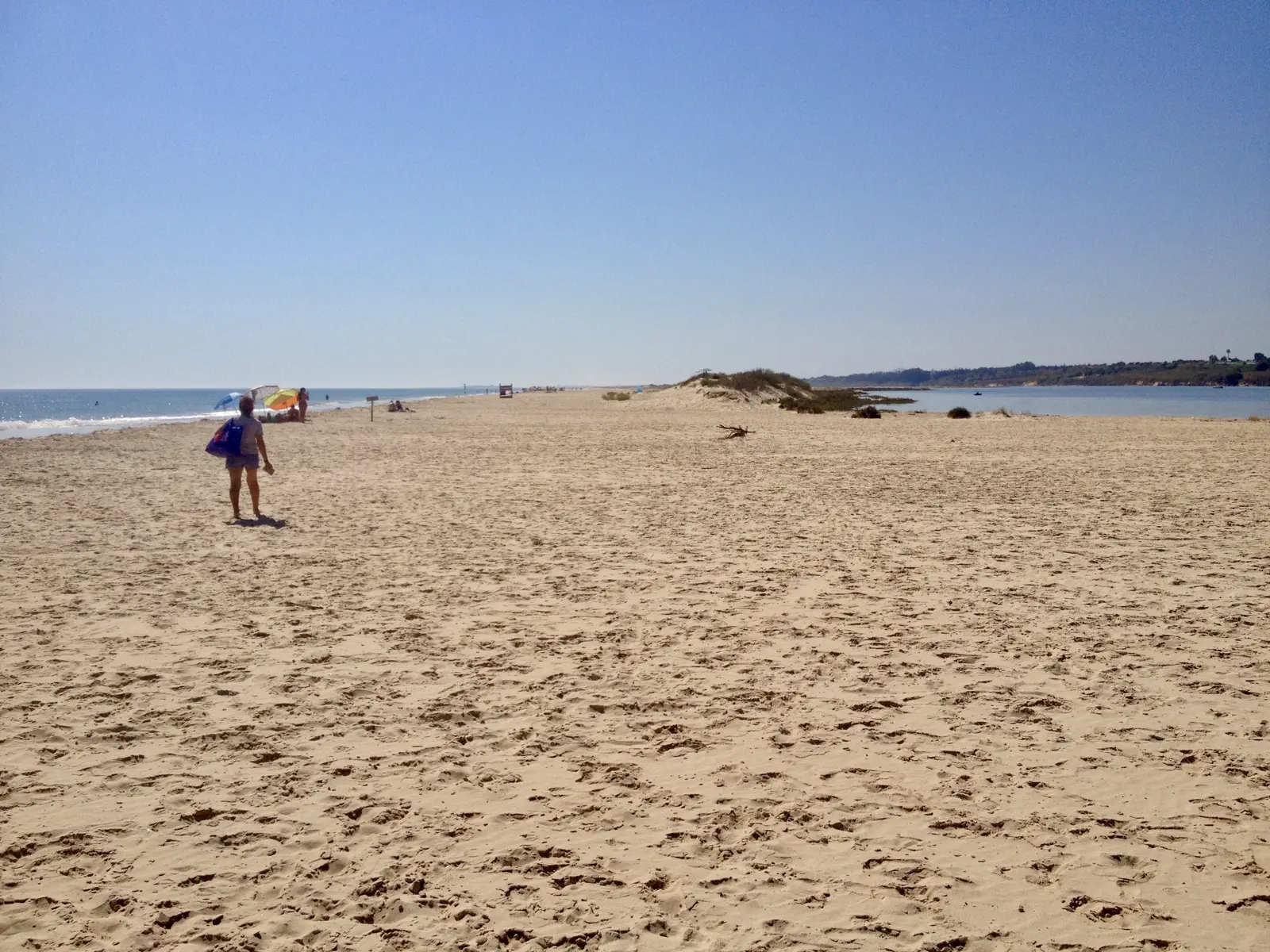
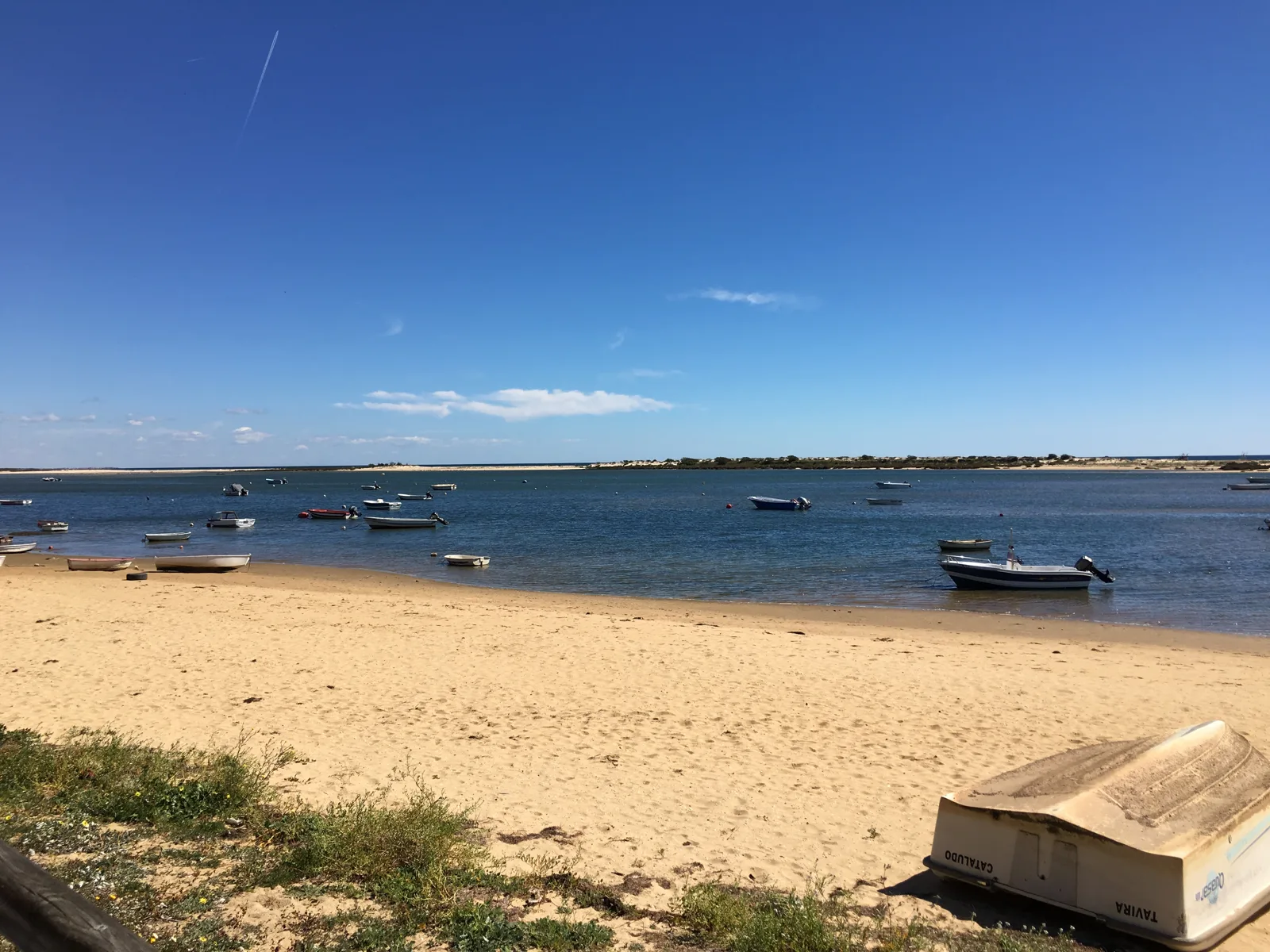
Below the village, across the lagoon, lies the Praia de Cacela Velha, also called the Praia da Fábrica: a narrow strip of sand between the lagoon and the ocean, endless and often almost empty. For me it is one of the most beautiful beaches in Portugal.
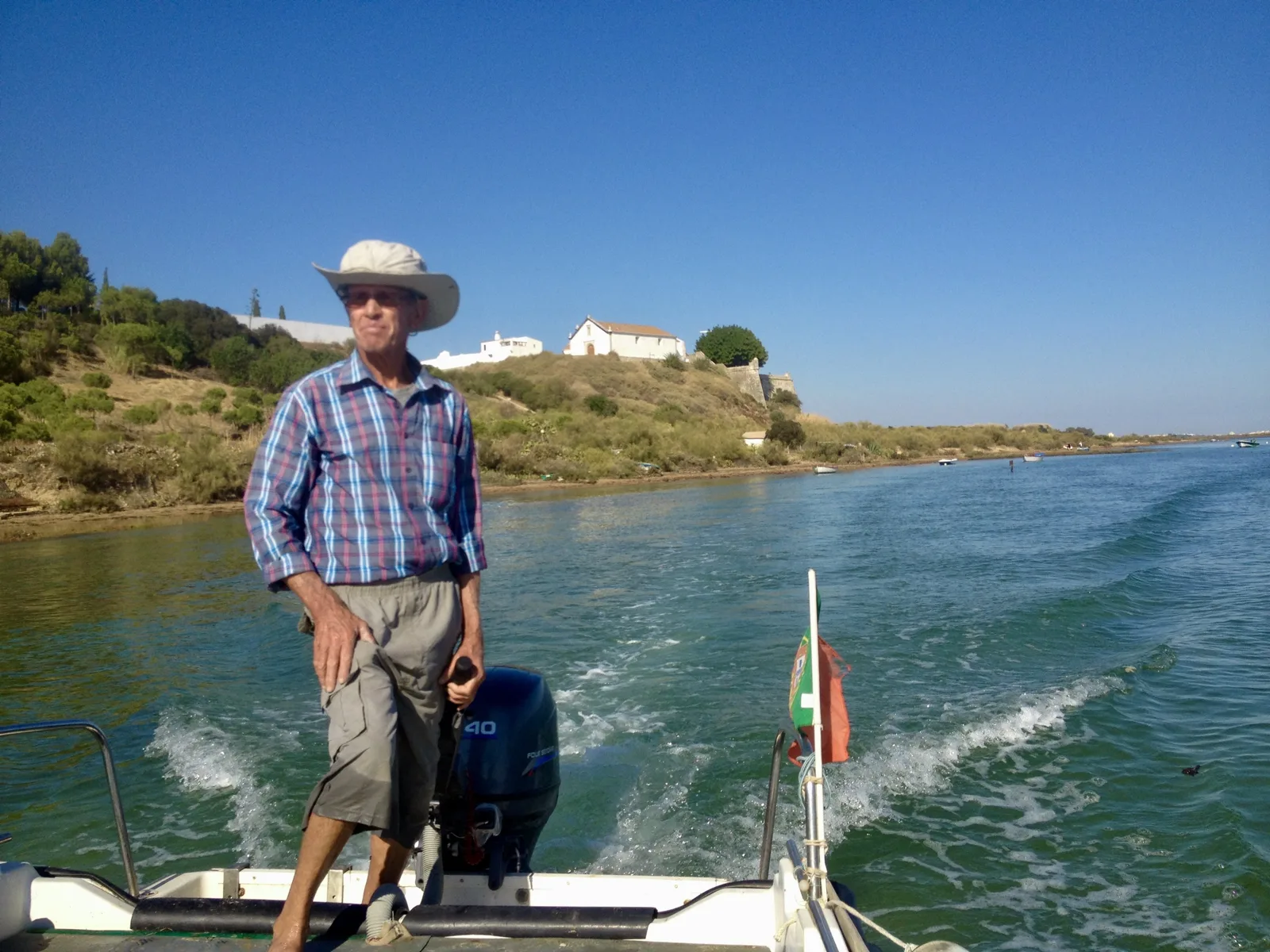
There are two ways to reach it. From the Sítio da Fábrica, just west of the village, small fishing boats ferry you across in a few minutes; they run from May to October, with no fixed timetable, leaving when they have passengers. At low tide you can also walk across, but watch the tide: when it rises, the water can come up to your chest and you would have to swim back. There is nothing on the beach, no restaurant and almost no shade, so bring water and a hat.
Where to Eat: Fábrica
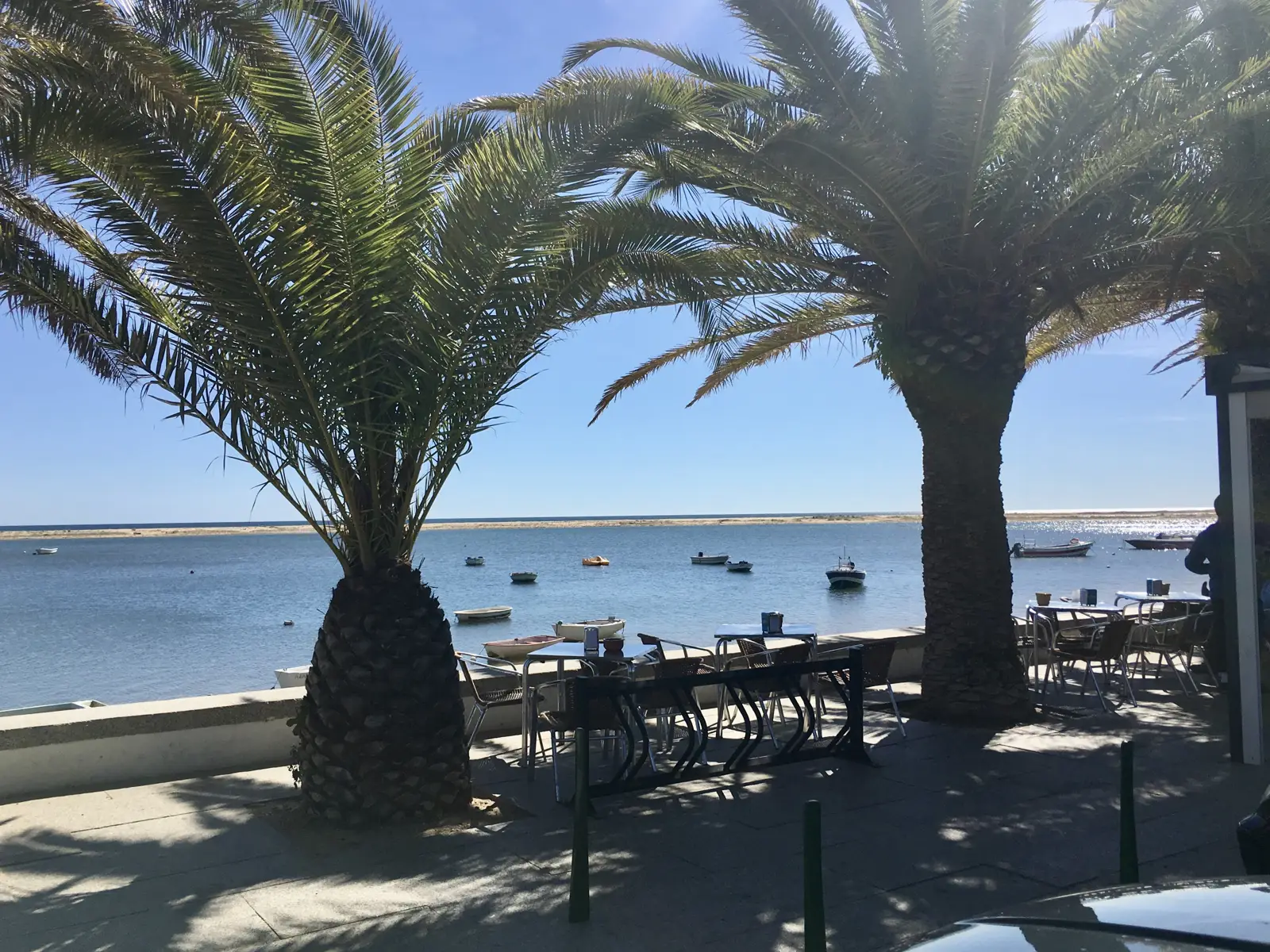
After the beach, have lunch at the Restaurante Marisqueira Fábrica do Costa, at Fábrica, a seafood restaurant with a terrace in the shade of palm trees, facing the lagoon and the fishing boats.
The Ria Formosa
All of this coast is protected by the Ria Formosa Natural Park, a lagoon of channels, salt marshes and barrier islands which follows about 60 km of low coast from Ancão, west of Faro, to Manta Rota, just past Cacela Velha. It is a paradise for birds, with flamingos in the salt pans near Tavira, and a breeding ground for clams and oysters. Between the islands, the tide changes the landscape twice a day.
Best Time to Visit
September is ideal: the water is at its warmest, the summer crowds have gone and the boats to the beaches are still running. July and August are hot and busy. I also loved the eastern Algarve in winter and early spring: in December and March, the light is soft, the towns are quiet and lunch on a terrace in the sun is still possible.
Read More
Lisbon Travel Guide
The city I know neighborhood by neighborhood, from ten years living there.
Day Trips from Lisbon
Sintra, Cabo da Roca, Cascais, Queluz, Cristo Rei, Caparica and Meco.
Frequently Asked Questions About the Eastern Algarve
Is Tavira worth visiting?
Yes. It is one of the most elegant towns in the Algarve, with its old bridge over the Gilão, its castle, its churches and its streets of old houses, and it has kept its character because it never became a beach resort.
How do you get to the Praia de Cacela Velha?
By a small fishing boat from the Sítio da Fábrica, in a few minutes, from May to October, or on foot across the lagoon at low tide. Check the tide times: at high tide the water can reach chest height.
Where should you stay in Tavira?
At the Pousada Convento de Tavira, in a 16th-century convent next to the church of Santa Maria do Castelo, with a pool in its courtyard garden. I stayed there every time.
How far is Tavira from Lisbon?
About 300 km, roughly three hours by car on the A2 and A22 motorways. The A2 has tolls; the A22 has been toll-free since January 2025.
What is the best time to visit the eastern Algarve?
September, for warm water and fewer crowds. Spring and winter are also lovely for walking, with soft light and quiet towns.