Lisbon Travel Guide: The City I Know Neighborhood by Neighborhood
By Blaise Jaeger · Updated October 25, 2026
Why Visit Lisbon?
Lisbon is a city of seven hills, yellow trams, tiled facades and viewpoints over a river so wide it looks like the sea. It is one of the sunniest capitals in Europe, it is still walkable from end to end, and it changes completely from one neighborhood to the next: the medieval lanes of Alfama, the elegant streets of Chiado, the bars of Bairro Alto, the monuments of Belém.
I spent the best part of ten years there, from 2013 on, so this is not a weekend guide. It is the Lisbon I would show a friend: where to watch the sunset, where to have lunch, which neighborhood to stay in, and what to skip. For the rest of the country, see my Portugal travel guide.
Lisbon at a Glance
- Where: on the north bank of the Tagus estuary, on the Atlantic coast of Portugal.
- Neighborhoods to know: Alfama, Chiado, Bairro Alto, Santa Catarina, Baixa, Cais do Sodré and Belém.
- Airport: Humberto Delgado, about 20 minutes from the center on the red metro line.
- Getting around: on foot, by metro, and on the old yellow trams and funiculars.
- Best for: viewpoints, old neighborhoods, food and wine, nightlife, and easy day trips to Sintra and the beaches.
- Best time: April to June and September to October; mid-June for the Santo António festival.
- How long: three or four days for the city, a week with Sintra, Cascais and the beaches.
My Lisbon: Ten Years of Apartments, Renovations and Sunsets
I started investing in Lisbon in 2013, when the city was still recovering from the crisis and its old buildings were crumbling. I bought apartments, renovated them and rented them out to travelers, so for years I flew in every month, and I lived in the apartments myself between guests. The first ones were in Santa Catarina, then I moved on to Portas do Sol and then to the heart of Alfama.
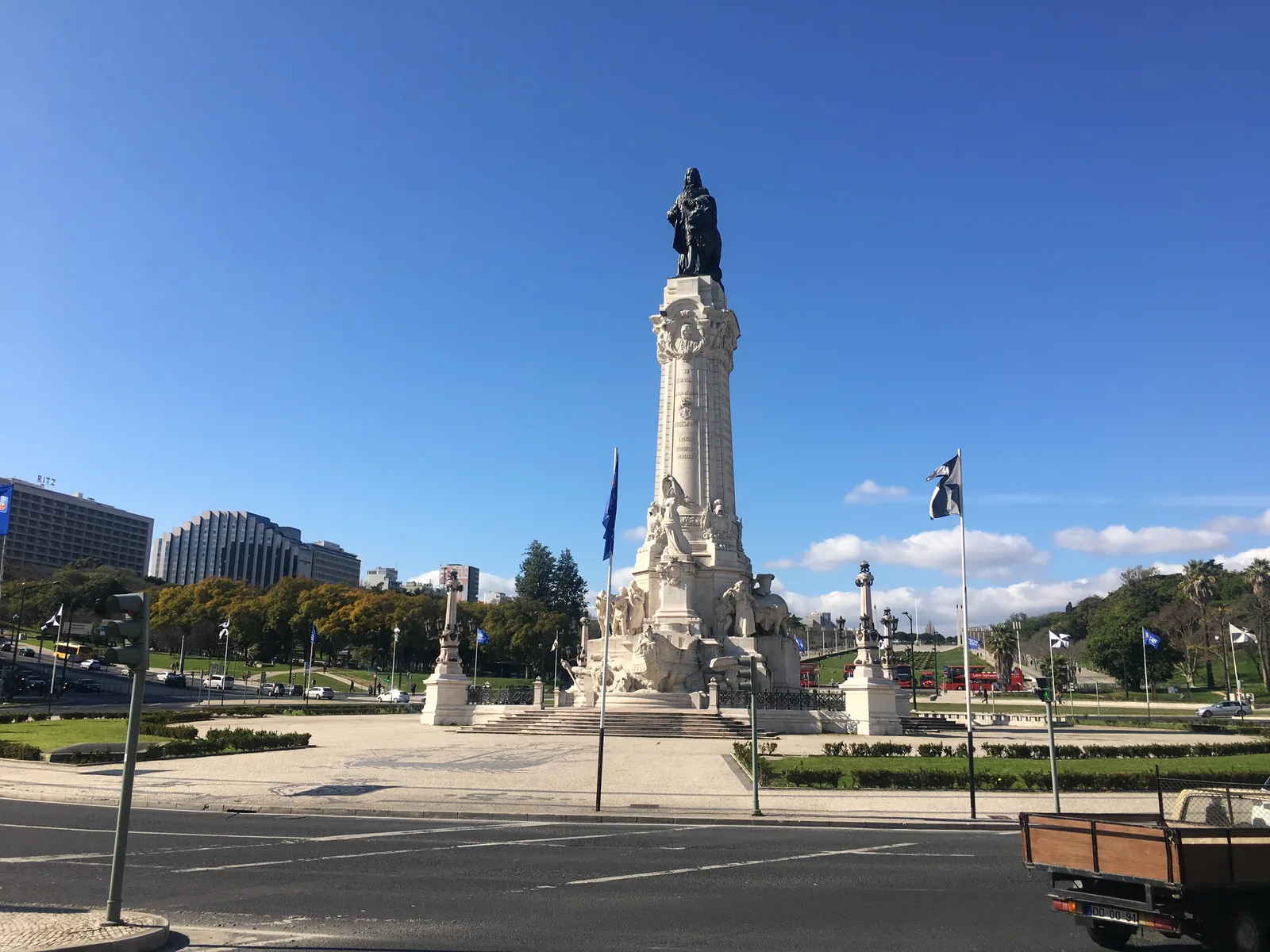
From 2017 to 2022 I rented an apartment in Chiado, which remains my favorite neighborhood, and I renovated an entire building in the historic center, a few steps from the Marquês de Pombal square. That is how I learned the city: through its neighborhoods, its builders, its cafés and its viewpoints, at every season.
Lisbon Neighborhoods: Where Is What
- Alfama: the oldest quarter, below the castle, a maze of stairs and tiny squares; the home of fado and of the Santo António festival.
- Chiado: elegant streets, historic cafés, theaters and bookshops, between Baixa and Bairro Alto. My favorite.
- Bairro Alto: quiet in the day, the city’s nightlife district after dark.
- Santa Catarina: a village-like hill above the river, with one of the best sunset viewpoints and the Bica funicular.
- Baixa: the grid of streets rebuilt after the 1755 earthquake, from Rossio to the Praça do Comércio.
- Cais do Sodré: the riverside, the trains to Cascais and the ferries, with bars around Pink Street.
- Belém: the monuments of the Age of Discovery, 6 km west along the river.
Best Things to Do in Lisbon
The Miradouro das Portas do Sol
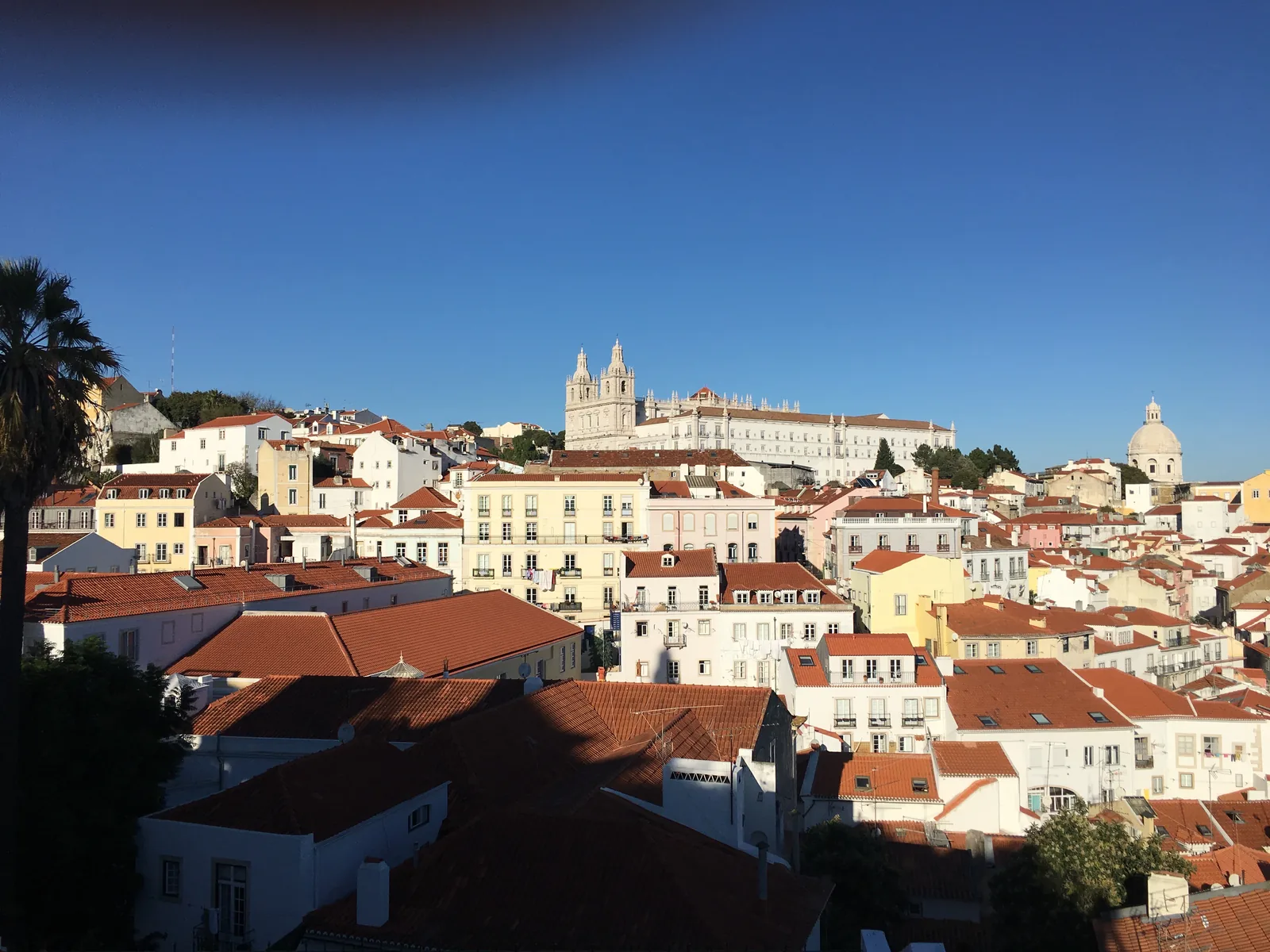
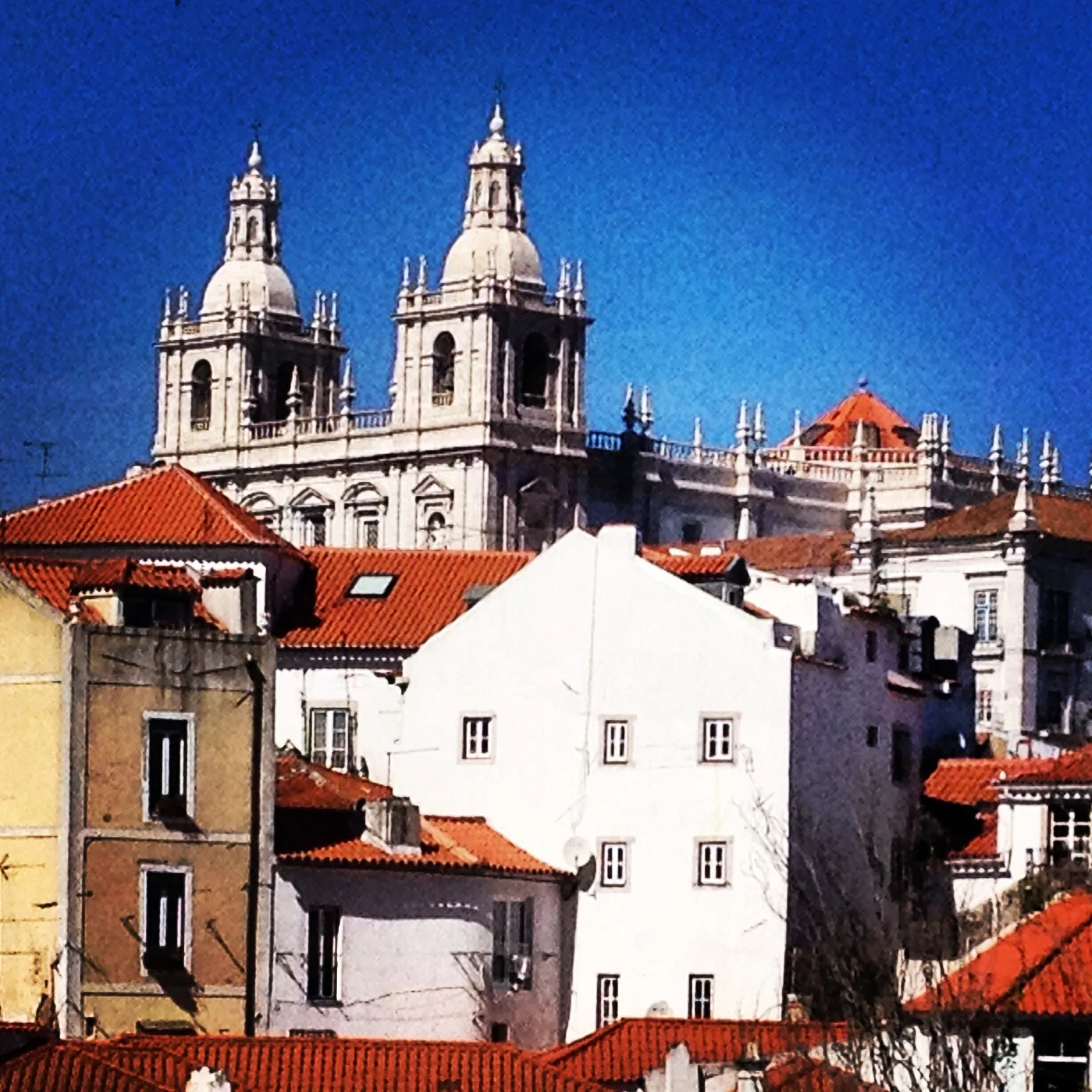
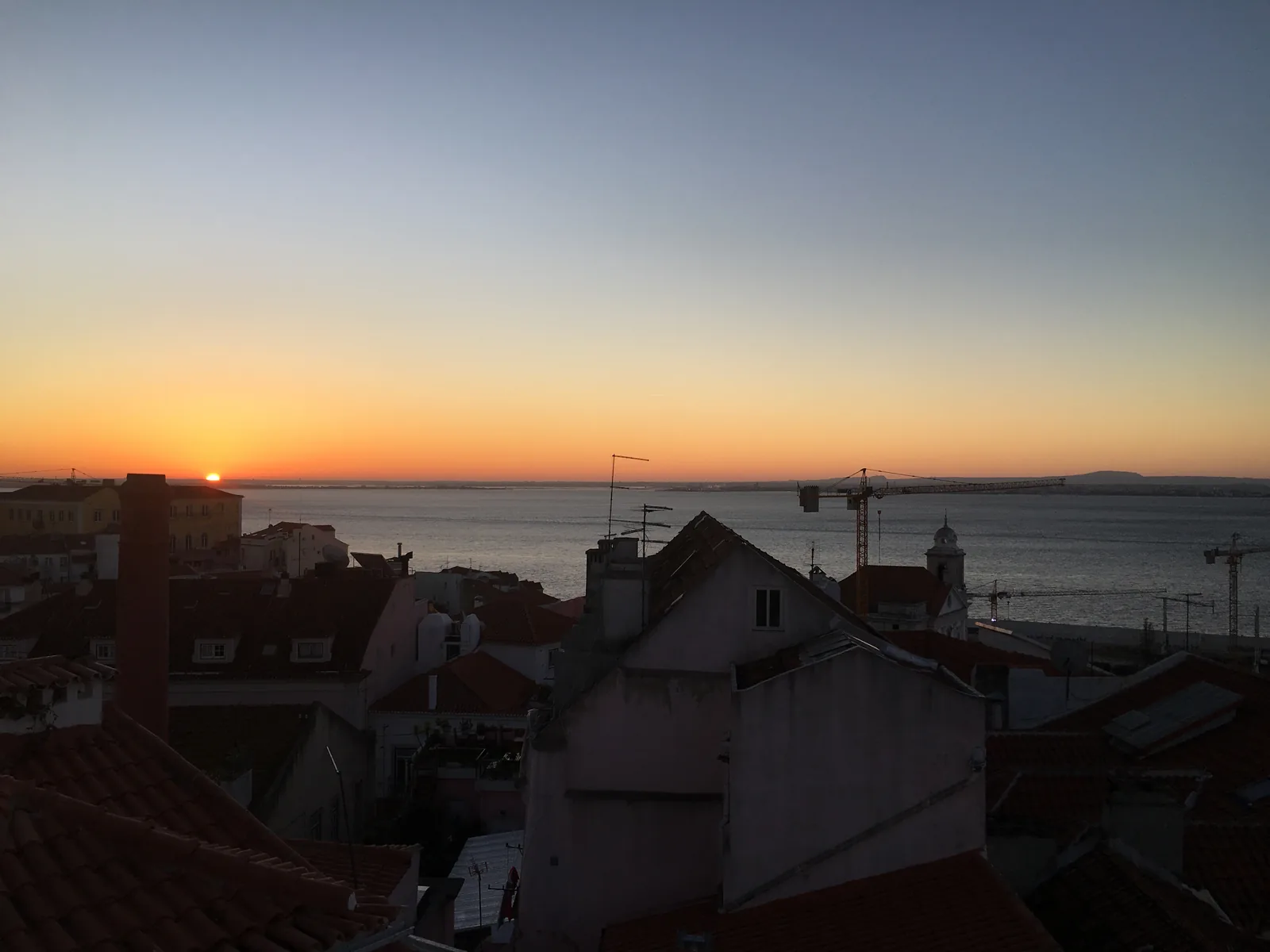
Of all of Lisbon’s viewpoints, this is the most beautiful. From the terrace at the top of Alfama you look down over a jumble of white houses and red roofs to the Tagus, with the twin towers of São Vicente de Fora on your left. I lived just below it for several years and never got tired of it, at sunrise, at sunset or with a coffee at the kiosk. Tram 28 stops right there.
Alfama and the Santo António festival
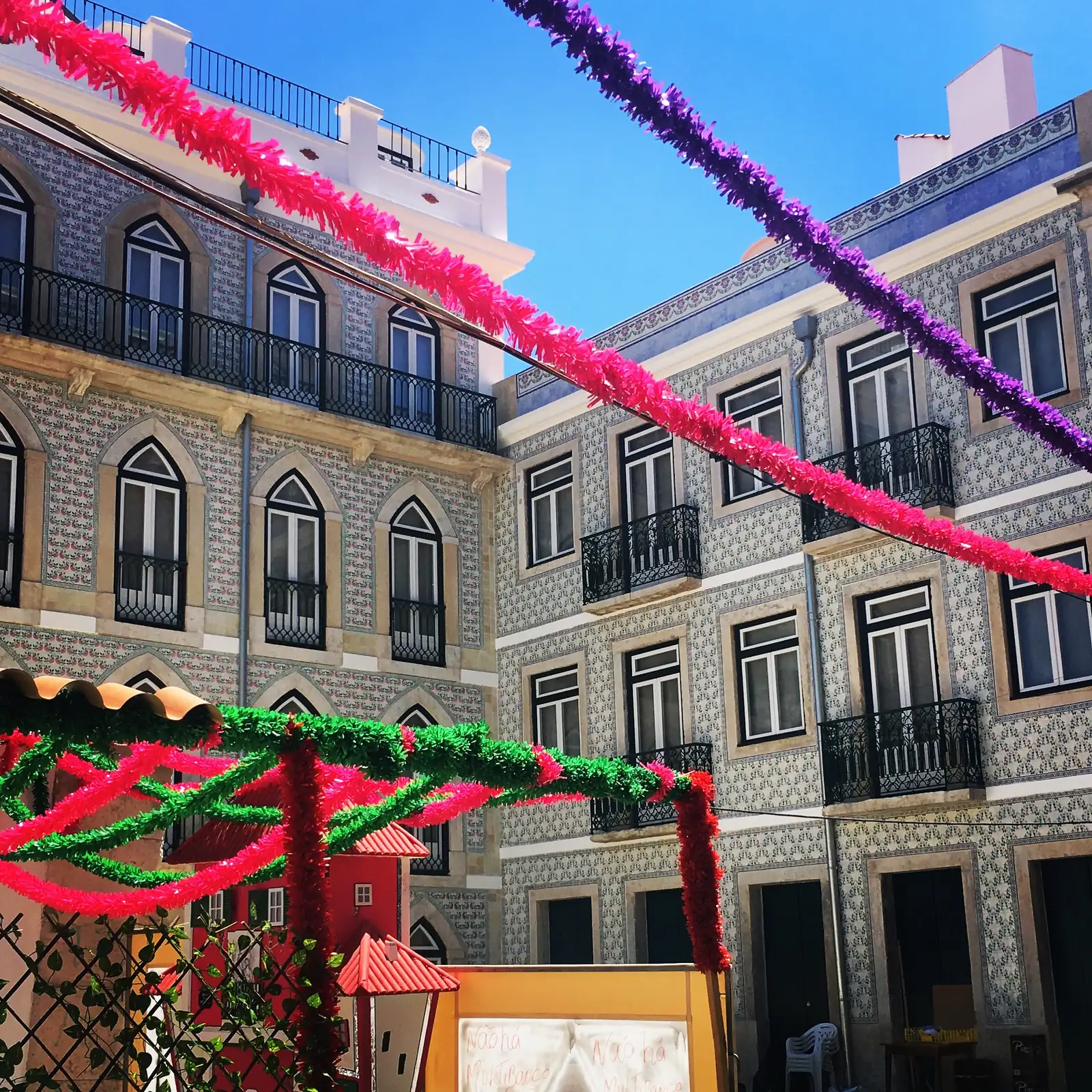
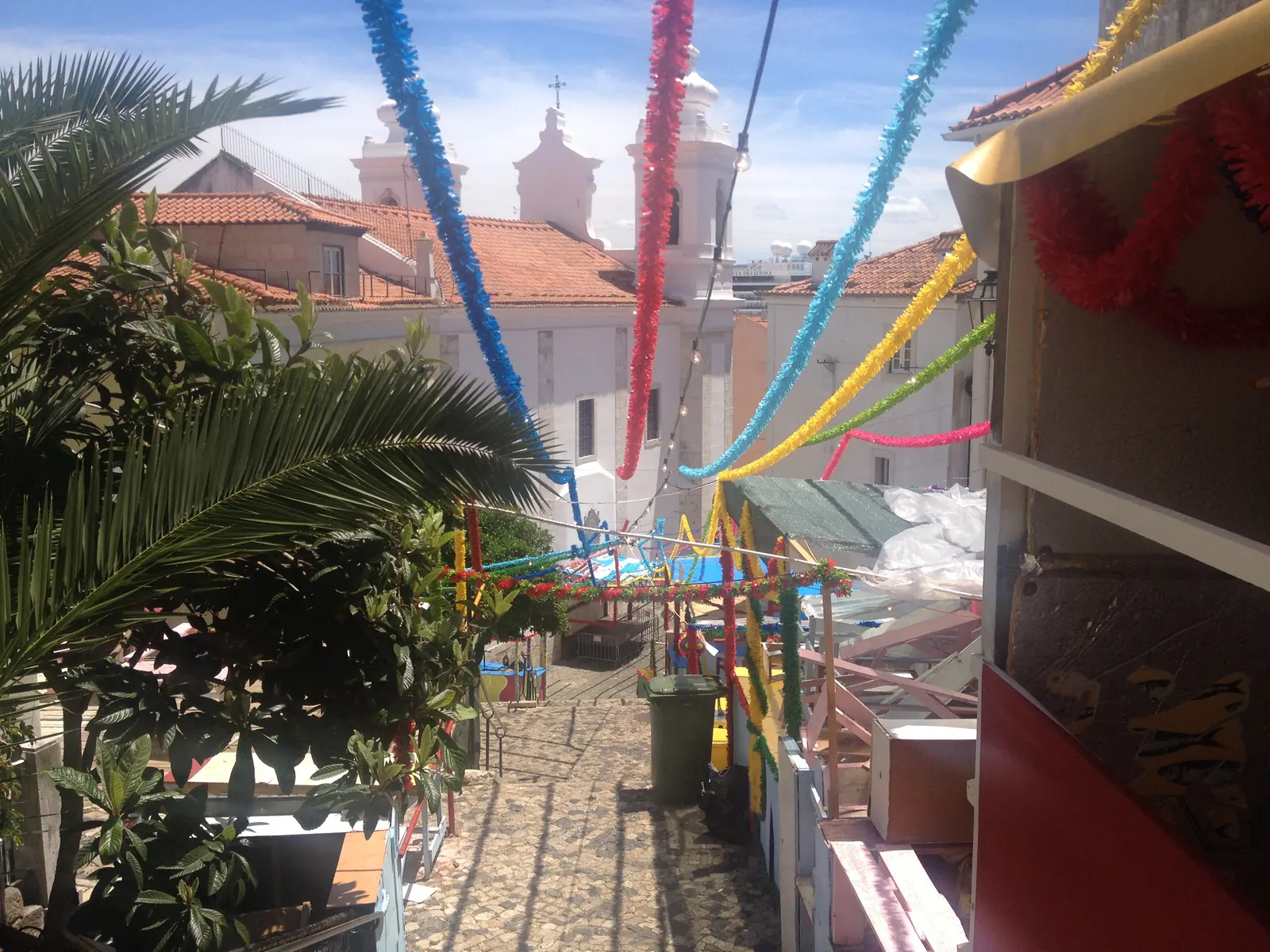
Get lost in Alfama: there is no other way to visit it. The lanes climb, turn and end in tiny squares where laundry hangs above the doors. In June the whole neighborhood decorates its streets with paper garlands for the Santo António festival, and on the night of June 12 to 13, Lisbon’s municipal holiday, the Marchas Populares parade down the Avenida da Liberdade while Alfama turns into one huge street party that lasts until dawn. It is the liveliest night of the year, and living there, I never missed it.
Tram 28
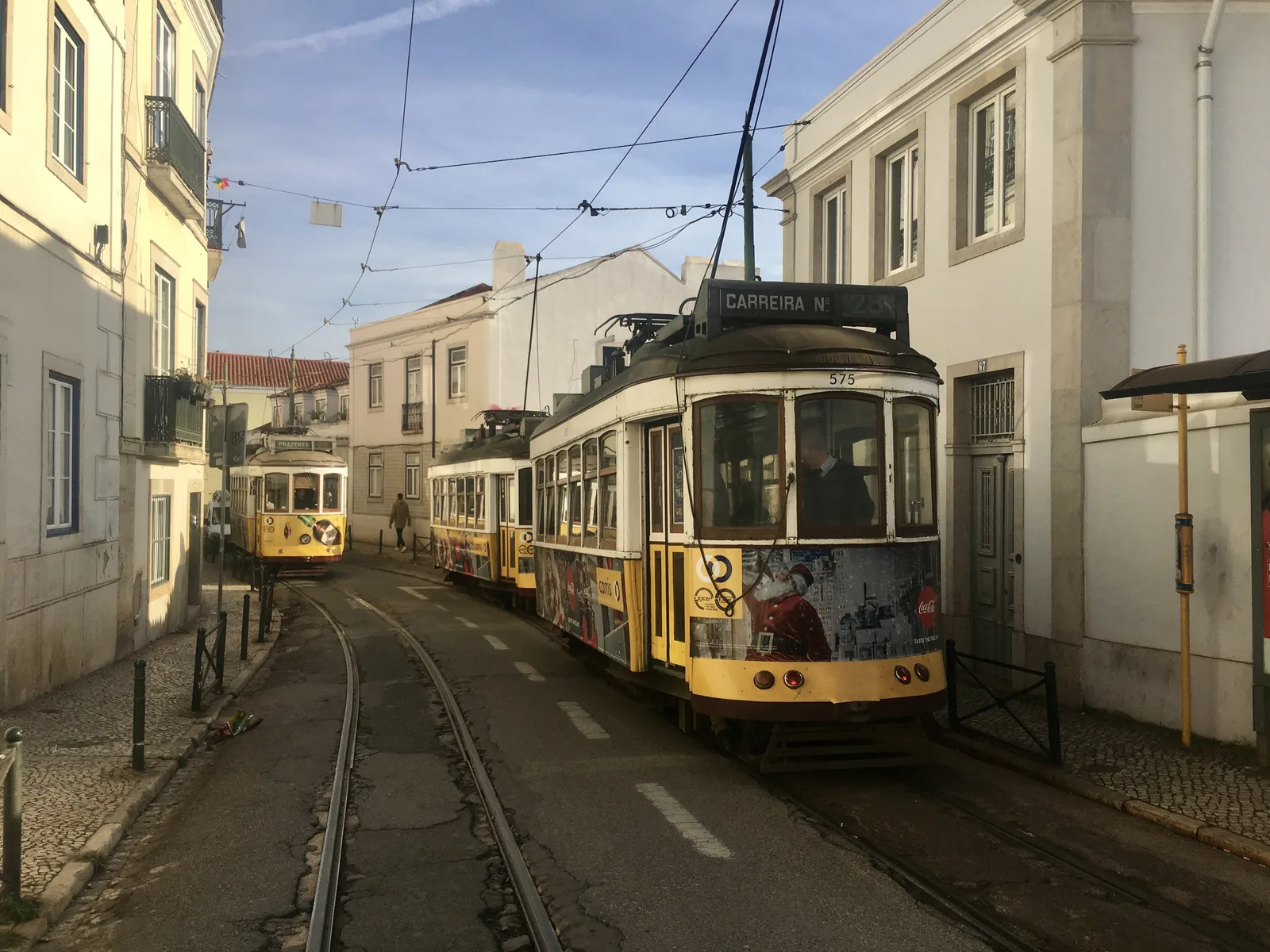
The yellow tram 28 rattles from Martim Moniz up through Graça and Alfama, down to Baixa and on through Chiado to Campo de Ourique, squeezing through streets barely wider than the car. It is a must, but it is packed in the middle of the day: ride it early in the morning, or board at the terminus. A ticket bought on board costs €3.30; with a Navegante card loaded with a 24-hour ticket (€7.25), trams, buses, funiculars and the metro are included.
Santa Catarina and the Bica funicular
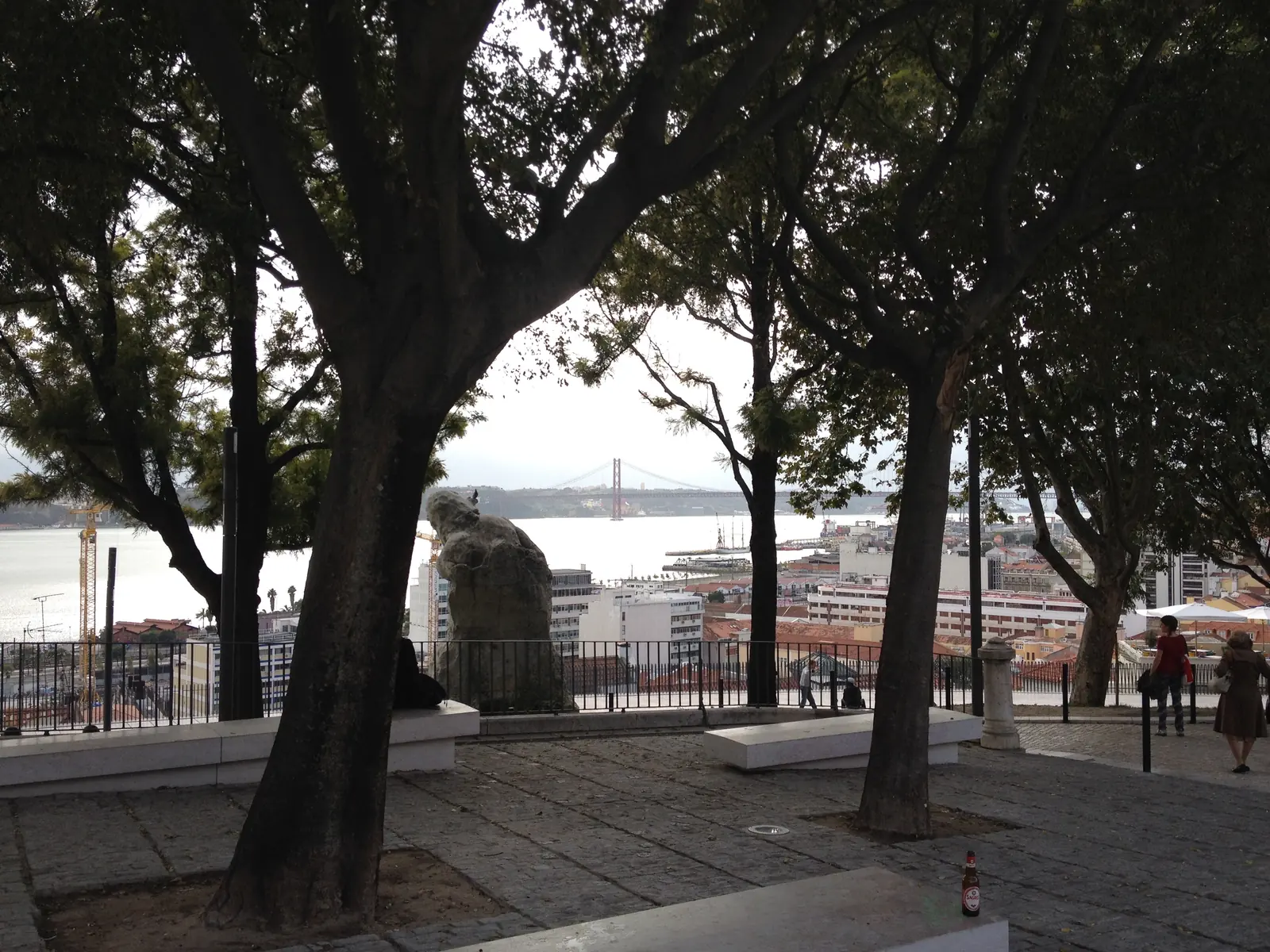
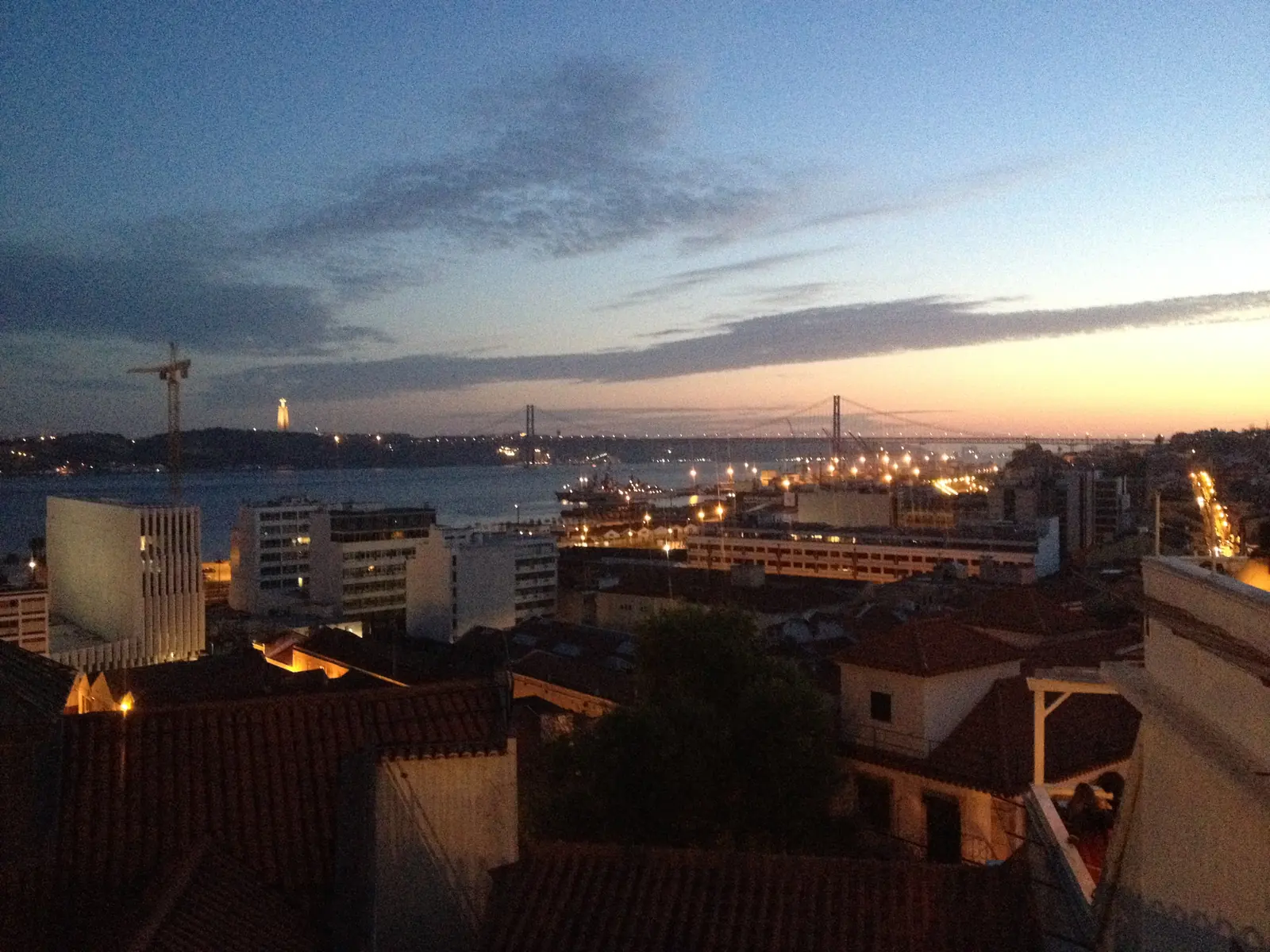
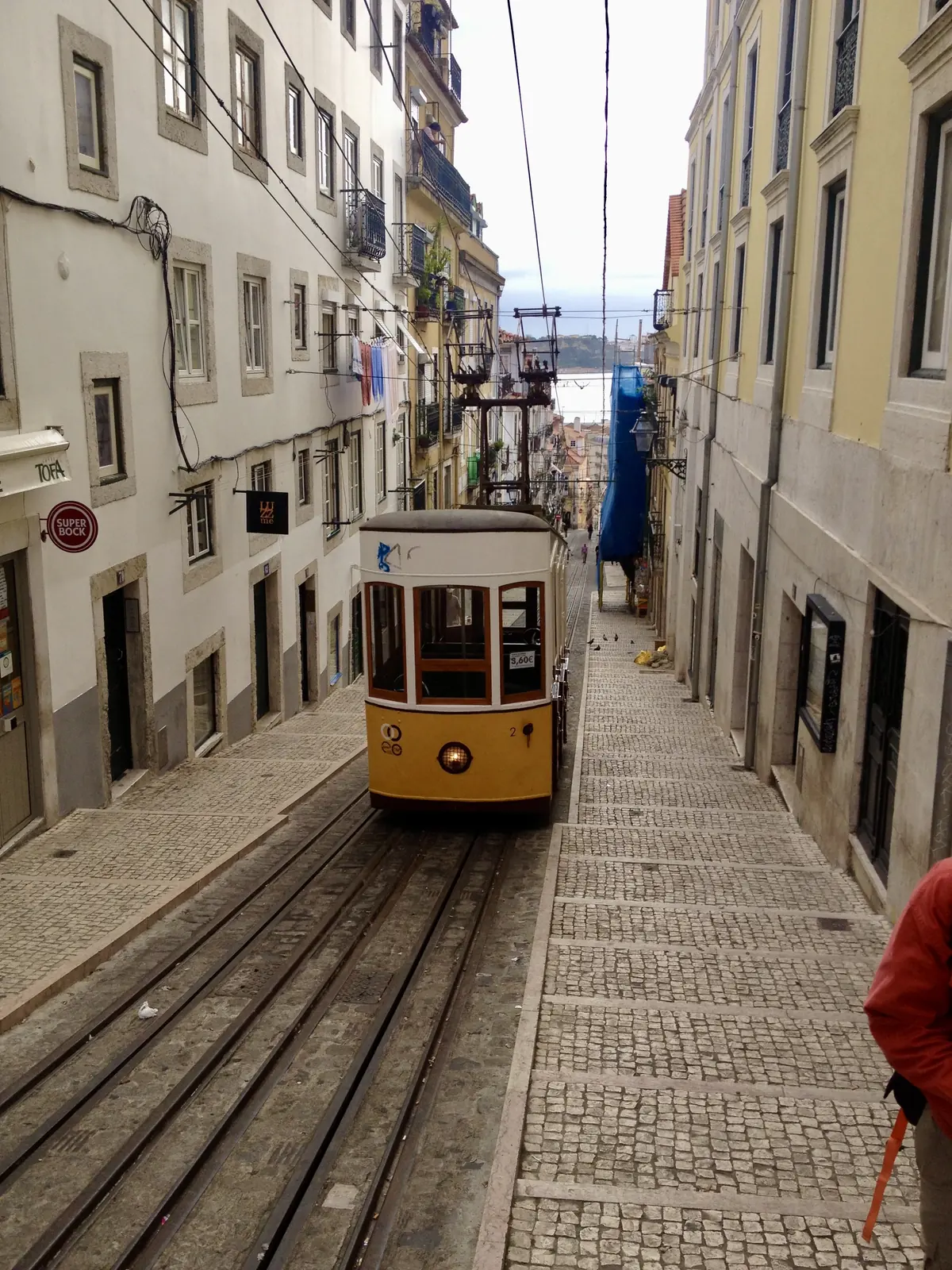
Santa Catarina is where I bought my first apartments, and it still feels like a village. The Miradouro de Santa Catarina, guarded by the statue of Adamastor, looks straight down the river to the 25 de Abril Bridge, and it is a classic place to watch the sunset. Below it, the little yellow Elevador da Bica climbs its steep street down to the river.
Chiado, my favorite neighborhood
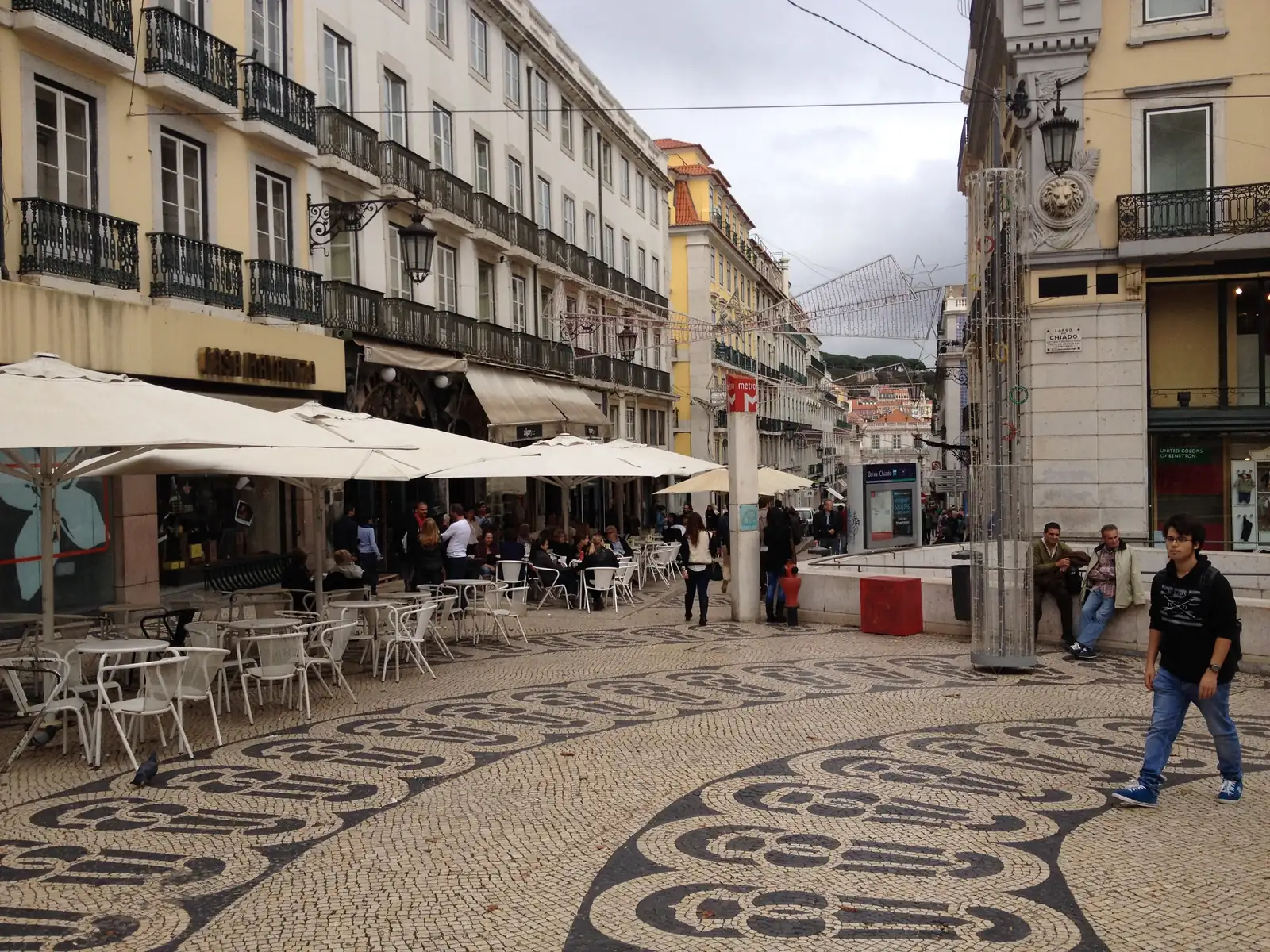
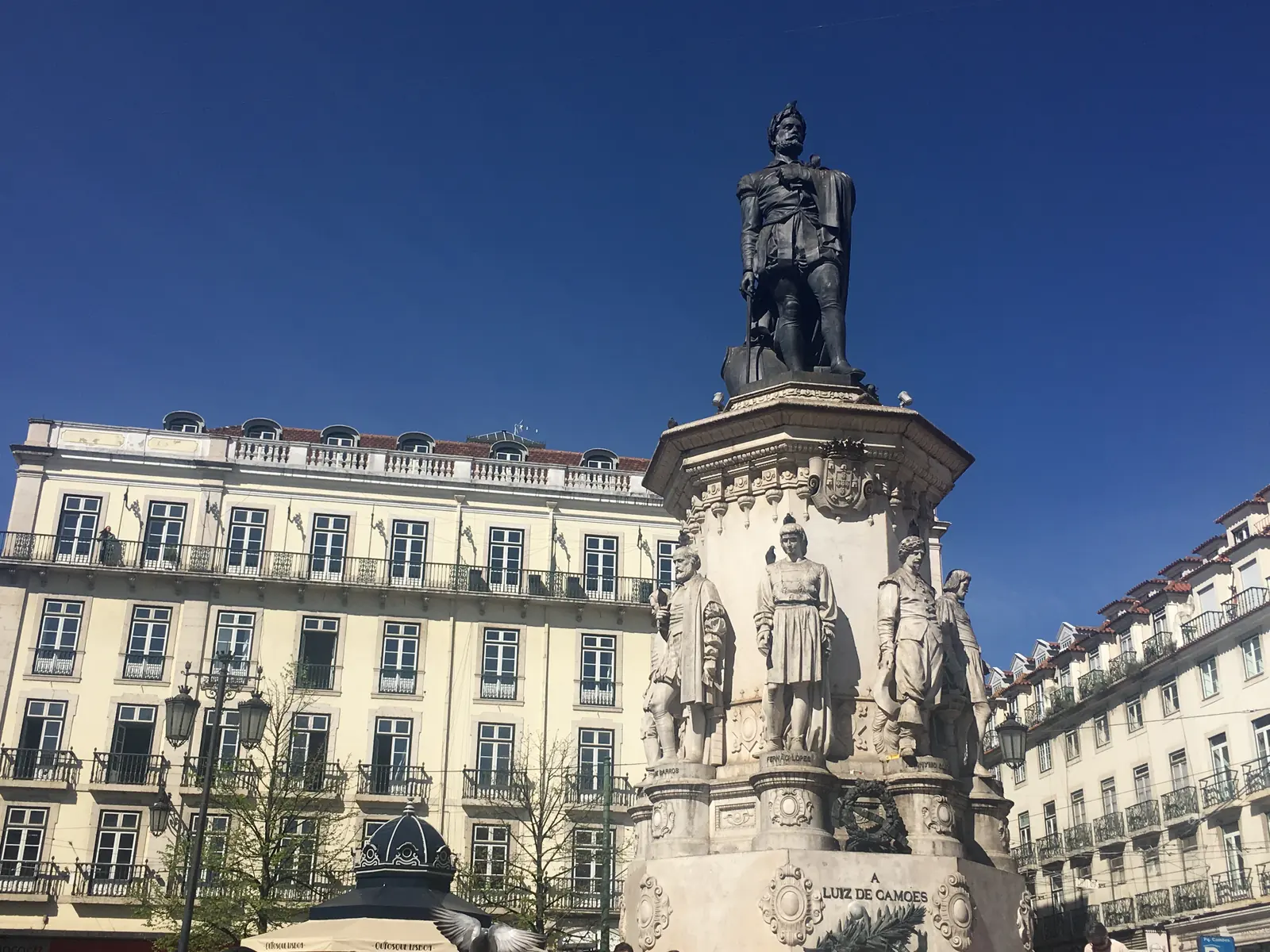
Chiado is Lisbon at its most elegant: the Rua Garrett with its old shops, the Largo do Chiado and the statue of the poet Camões, theaters, bookshops, and Café A Brasileira, open since 1905, where the bronze Fernando Pessoa sits at his table on the terrace. After the fire of August 1988 destroyed much of the quarter, the architect Álvaro Siza Vieira led its reconstruction, so well that you would never guess. I lived there for five years and would go back tomorrow.
Baixa, the Praça do Comércio and the Santa Justa lift
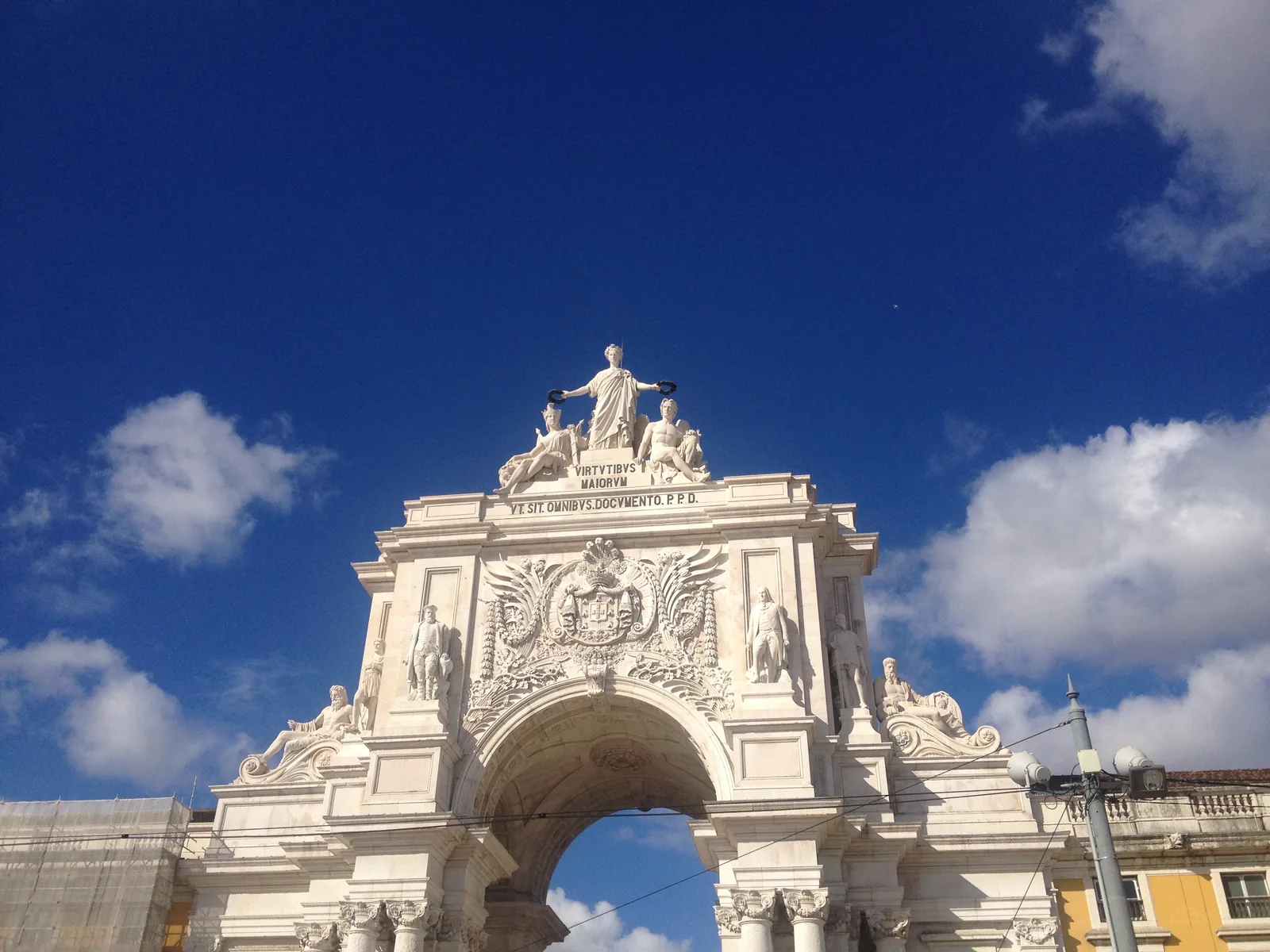
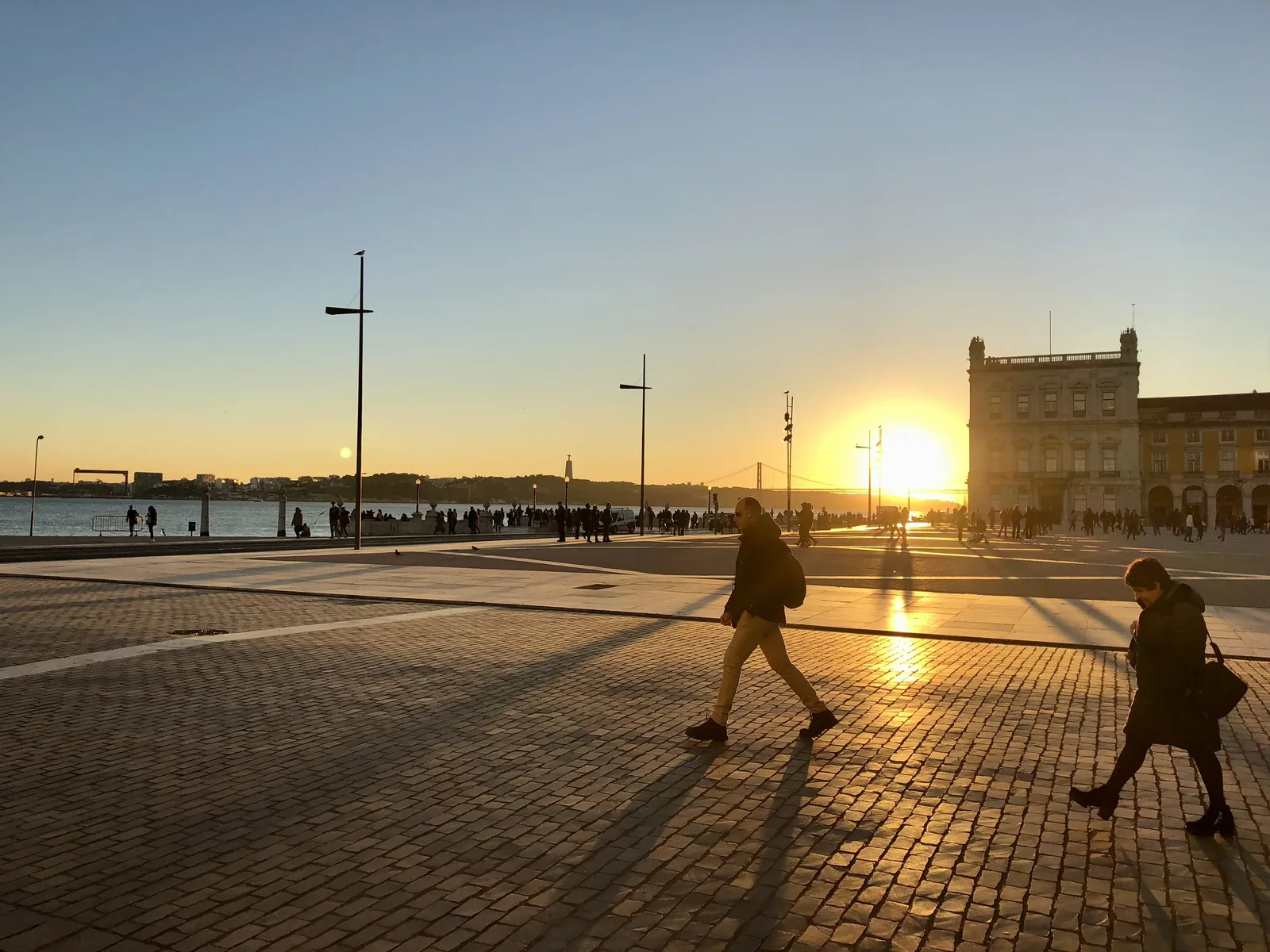
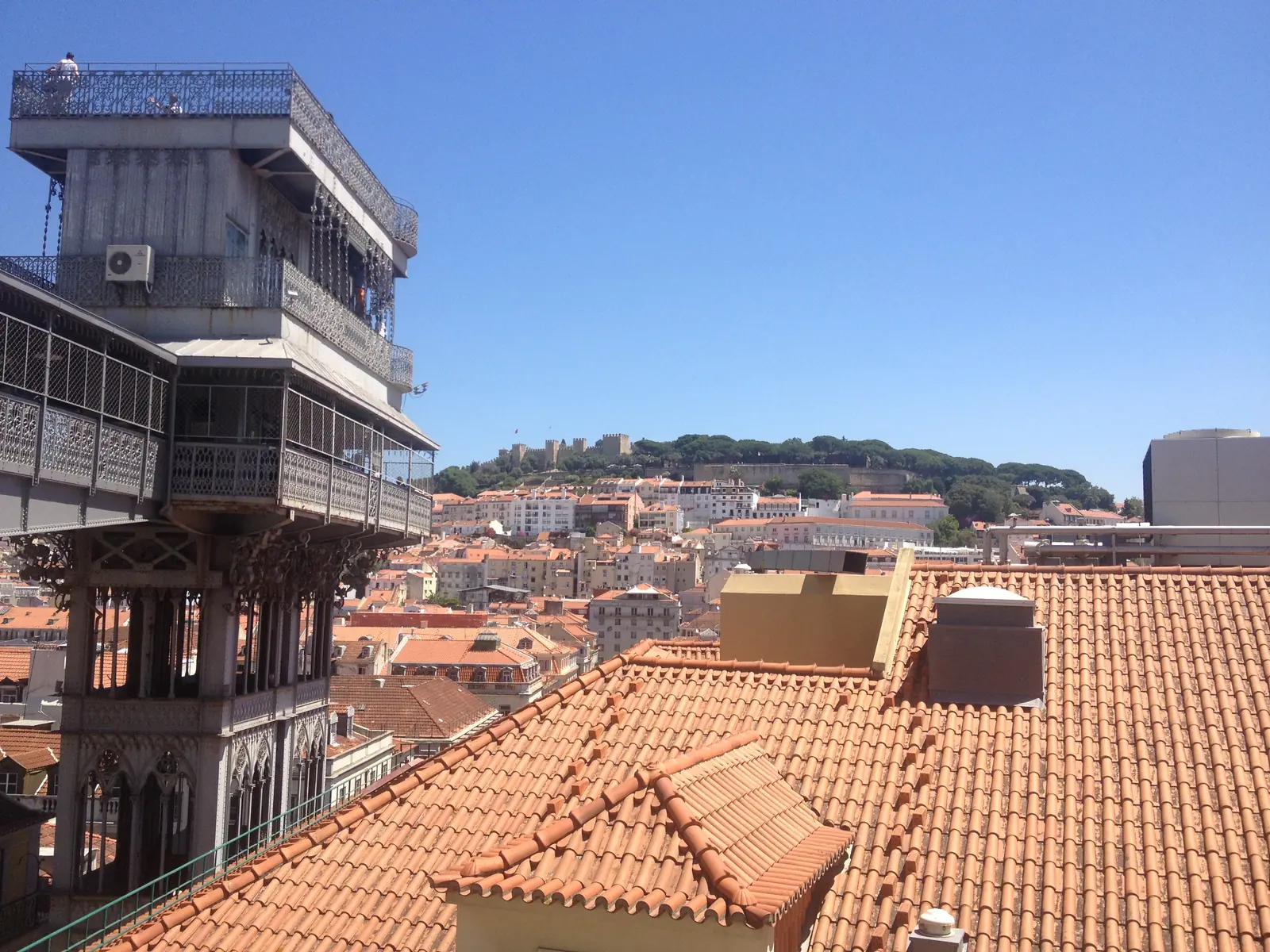
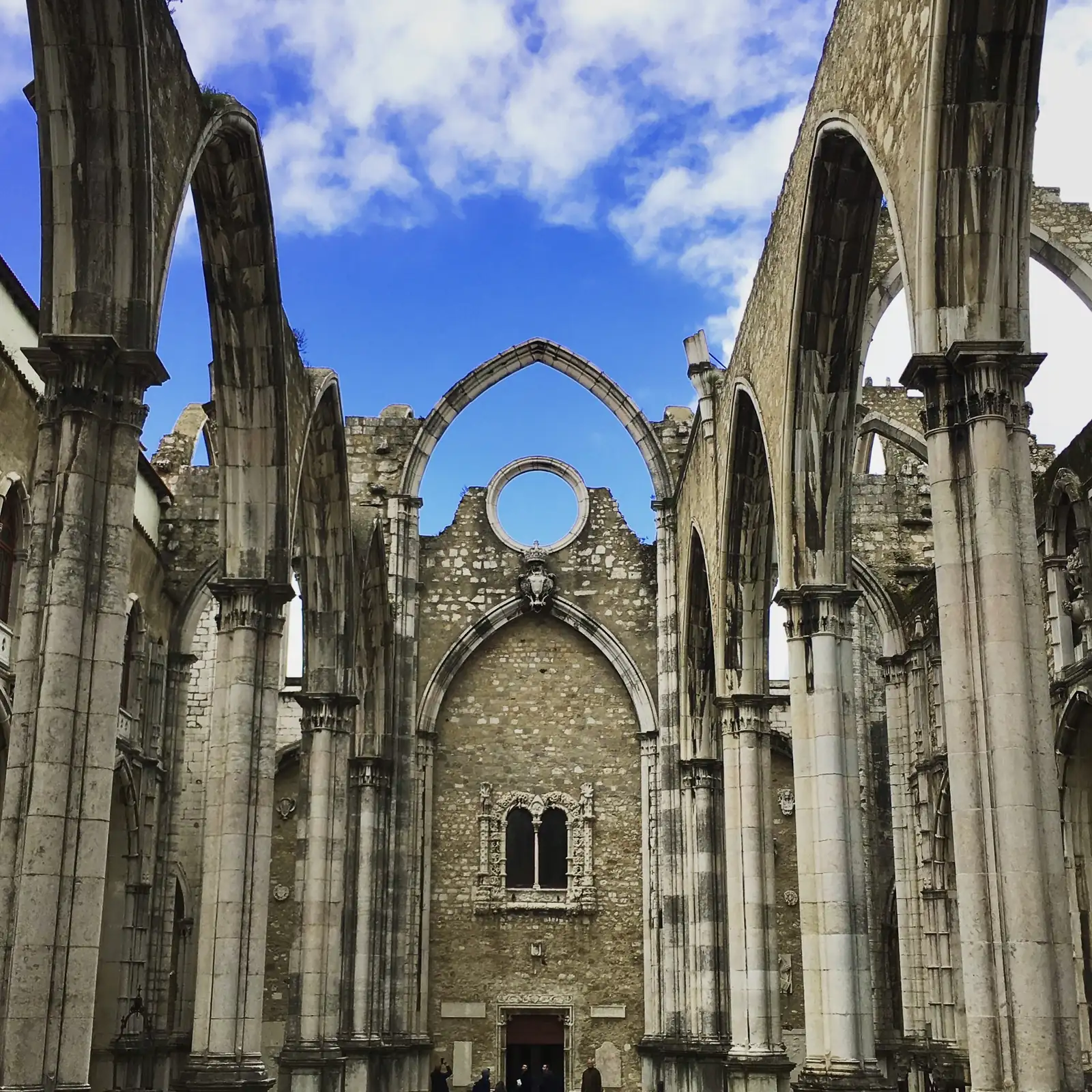
The Baixa, flattened by the earthquake of November 1, 1755 and rebuilt on a grid by the Marquis of Pombal, runs from Rossio down to the Praça do Comércio and its triumphal arch on the river. Above it, the Elevador de Santa Justa, a neo-Gothic iron lift, links the Baixa to the Carmo ruins: the ride costs €6.20 and the line can be long, but you can also walk up to its top platform from Chiado. The roofless nave of the Carmo convent, left as it was after 1755, is one of the most striking places in the city.
The cathedral and the Graça viewpoint
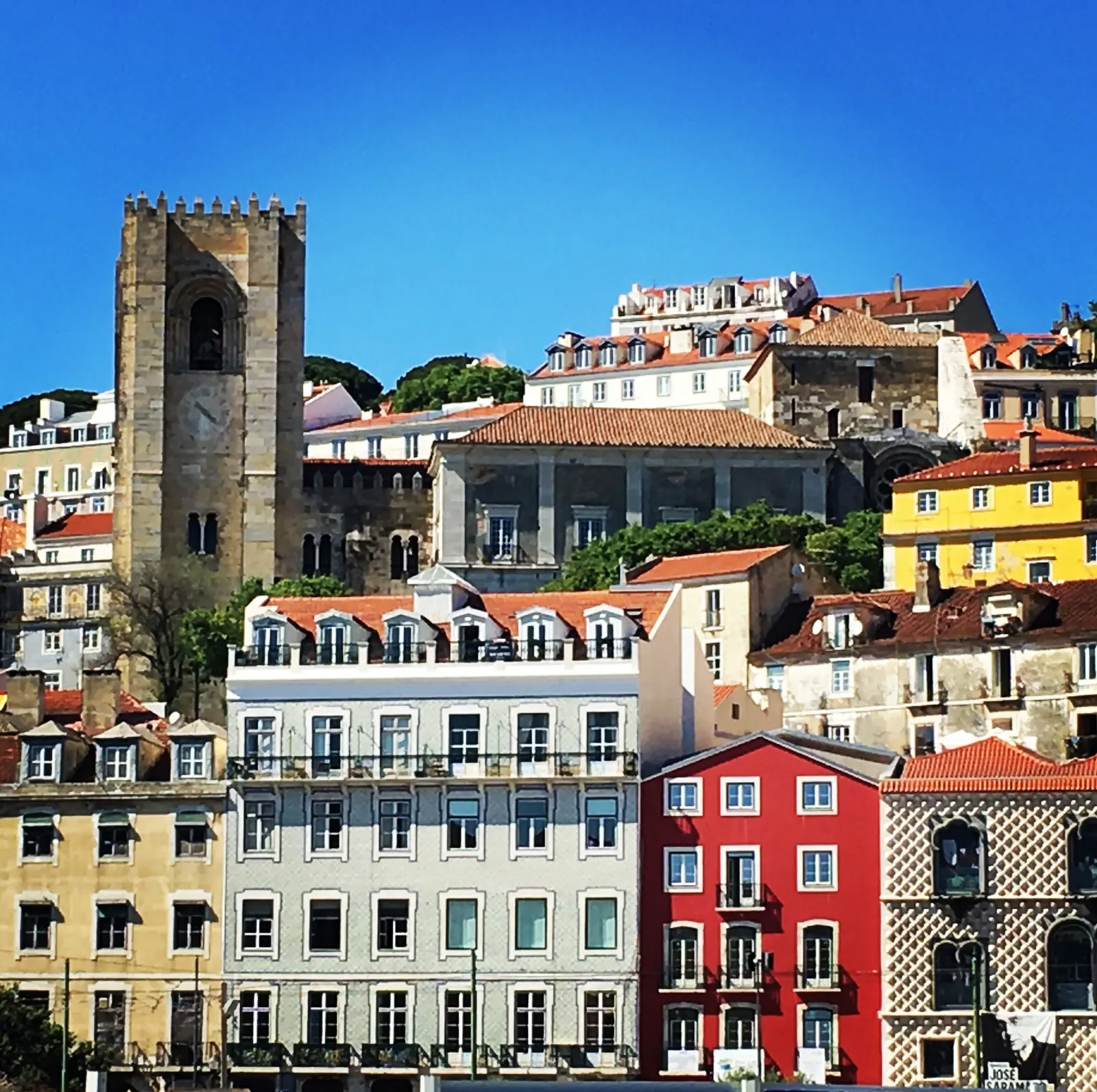
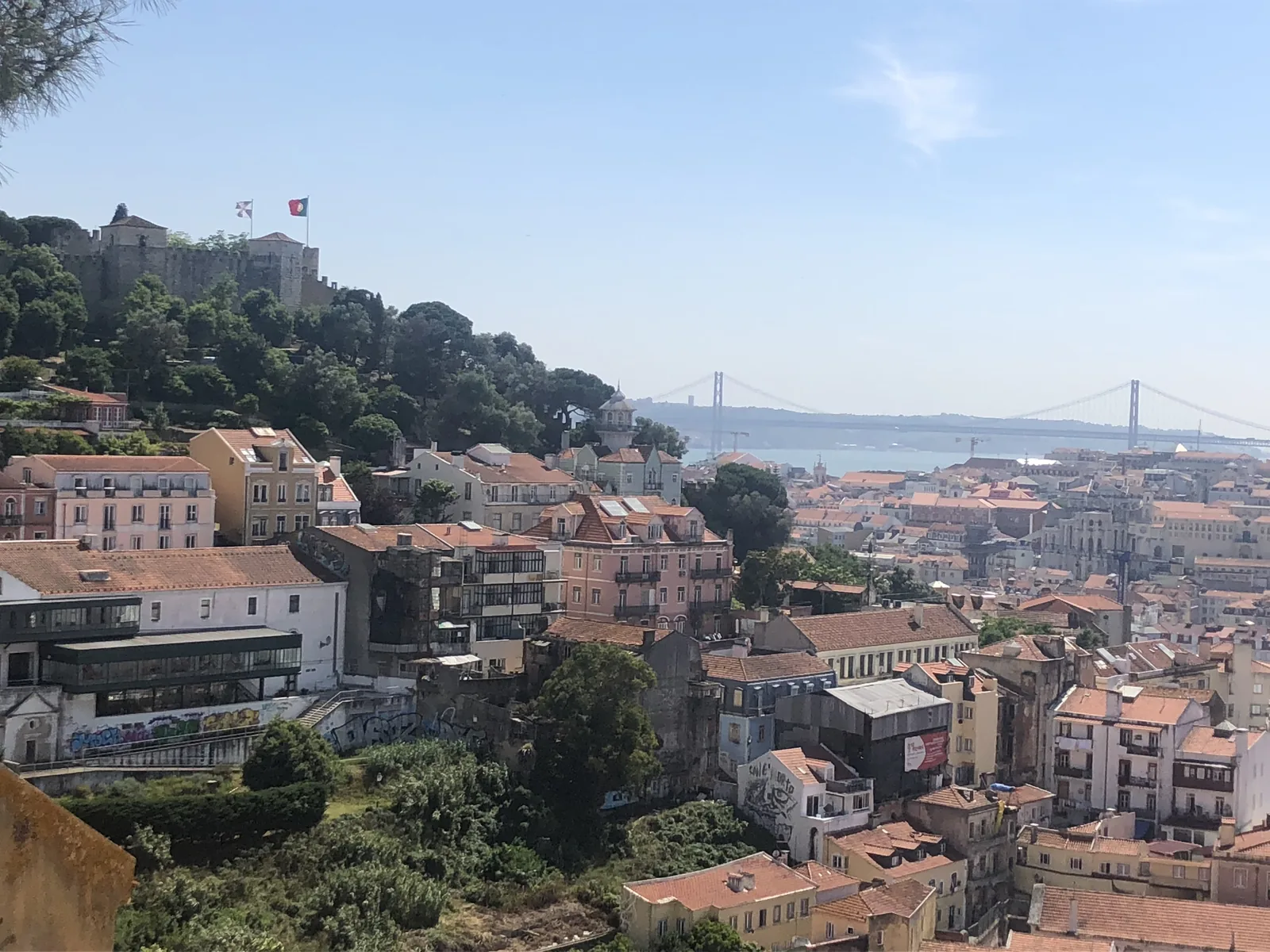
Between Baixa and Alfama, the Sé, Lisbon’s fortress-like Romanesque cathedral, rises above the tram lines. Further up, the Miradouro da Graça, under its pine trees, gives a wide view of the castle hill and the city down to the bridge.
Belém
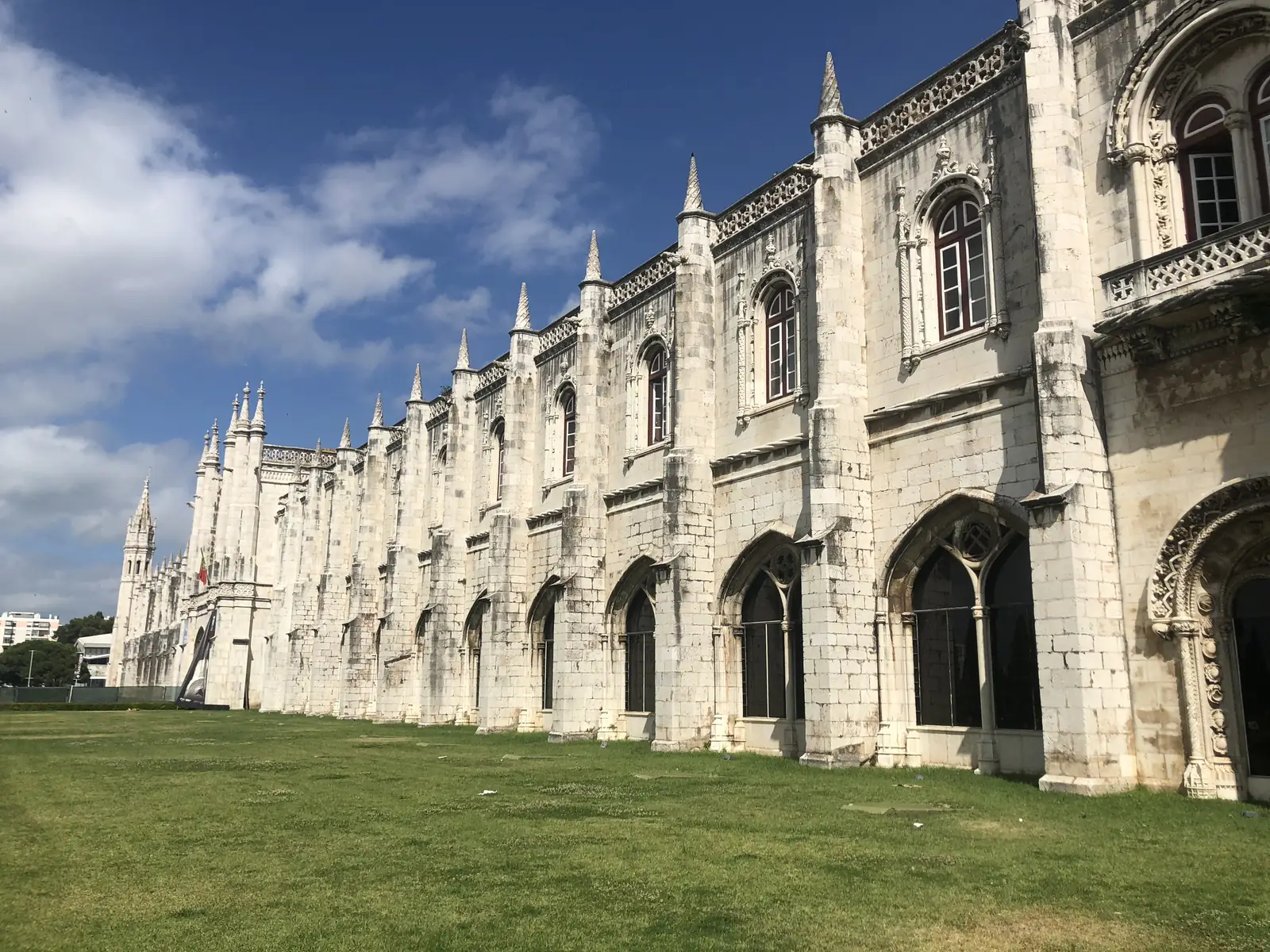
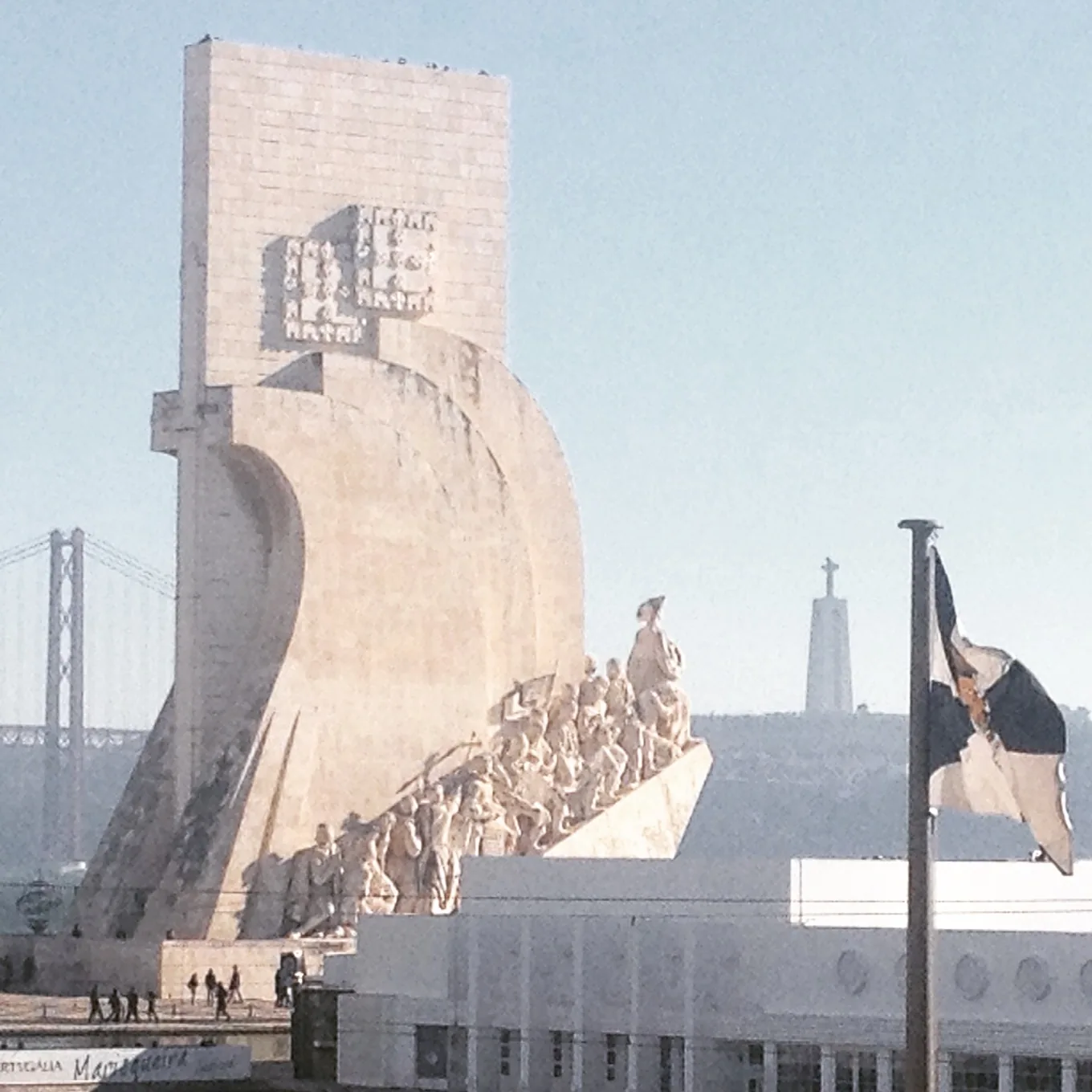
Belém, 6 km west of the center along the river, is where the caravels of the Age of Discovery set sail. The Jerónimos Monastery and the Belém Tower have been UNESCO World Heritage sites since 1983. The monastery is open Tuesday to Sunday, 9:30 AM to 5:30 PM, for €18, with a timed ticket to book online; the tower reopened in May 2026 after a year of restoration, with timed entries. Add the Padrão dos Descobrimentos, the MAAT museum on the riverfront, and, of course, the pastéis de Belém.
Cycling along the Tagus to Belém
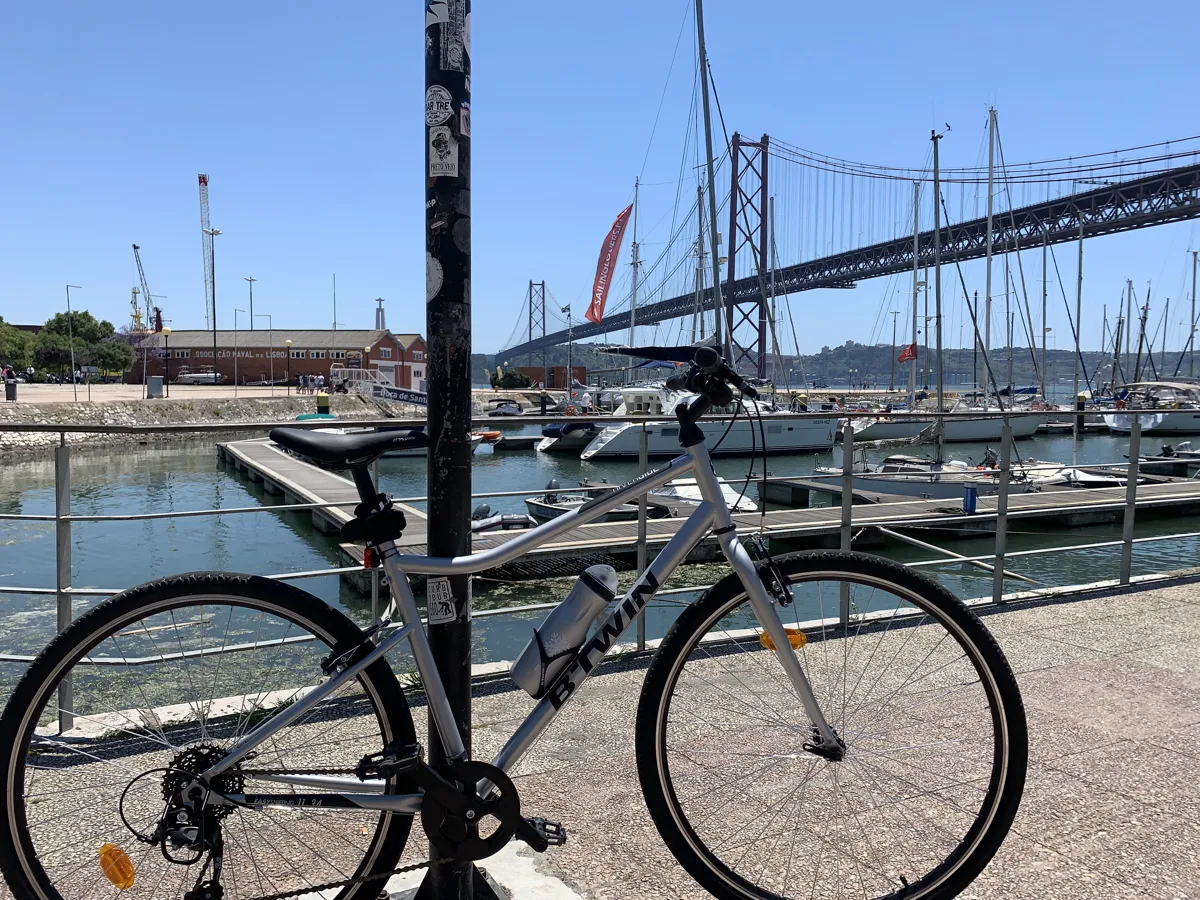
My favorite way to reach Belém is by bike along the river. A riverside path runs about 7.5 km from Cais do Sodré to the Belém Tower, flat and mostly away from traffic, passing the docks of Alcântara and Santo Amaro and under the 25 de Abril bridge. You can rent a bike near Cais do Sodré or use Lisbon’s GIRA shared bikes, and stop for a drink at the Doca de Santo Amaro, right under the bridge.
Cristo Rei and the 25 de Abril Bridge
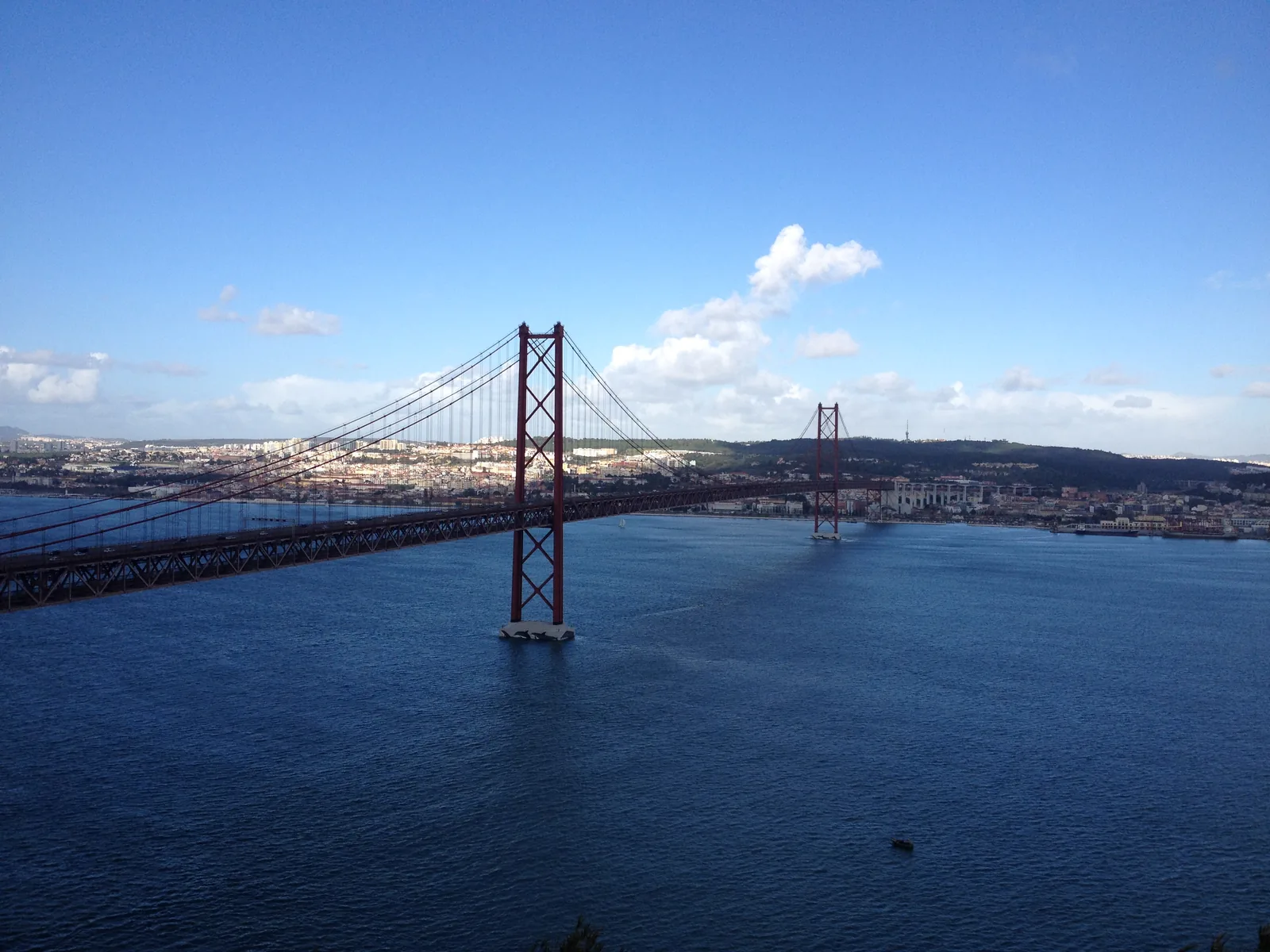
Take the ferry across the river to Cacilhas, then a bus to the Cristo Rei statue on the south bank: from its terrace you get the best view of the 25 de Abril Bridge with the whole city behind it.
The jacarandas and the Marquês de Pombal
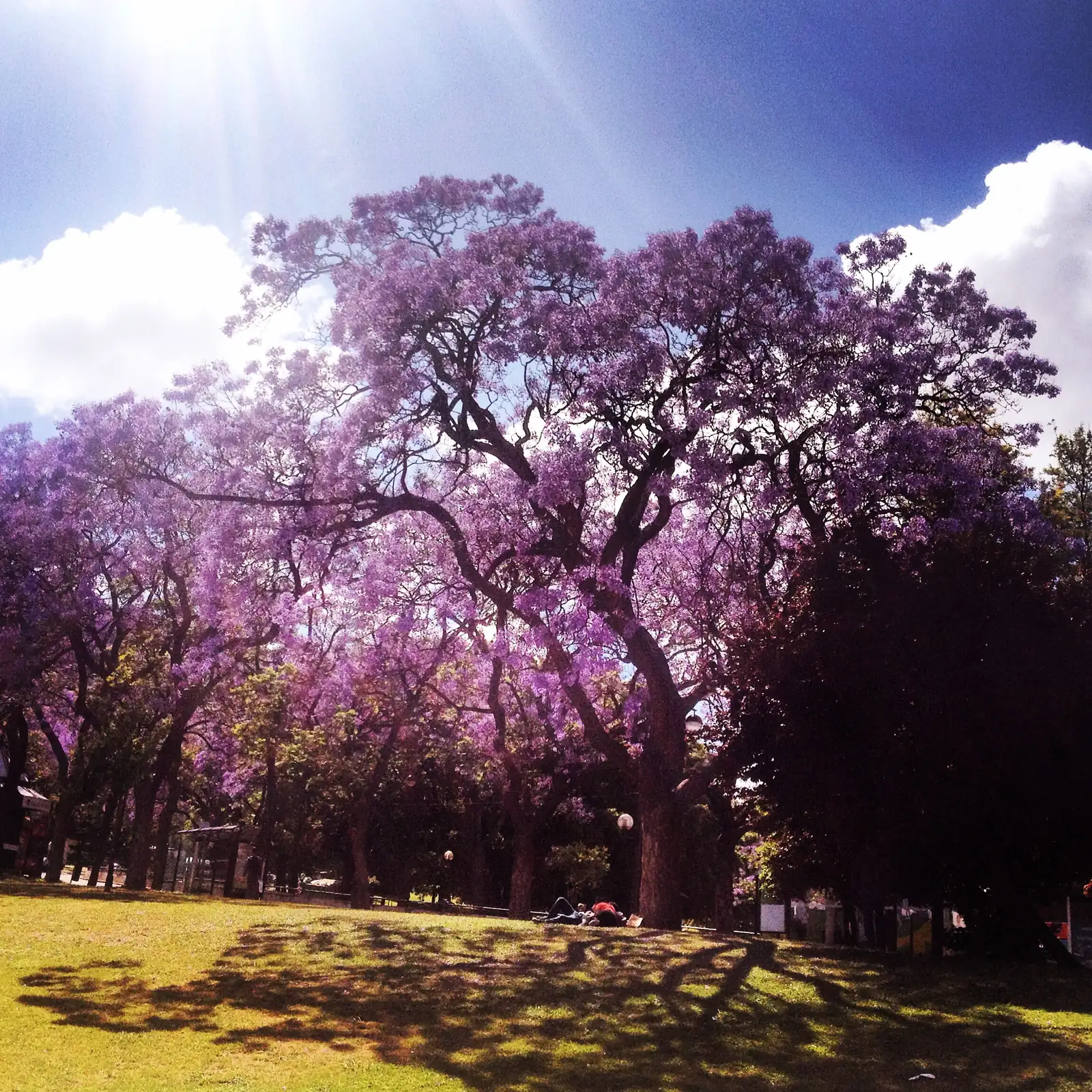
From late May to June, the jacaranda trees turn whole avenues purple. Walk up the Avenida da Liberdade, Lisbon’s grand boulevard, to the Marquês de Pombal square at its top: the building I renovated is a few steps away, in one of the quieter historic streets nearby.
Lisbon Museums
Lisbon’s museums are less famous than its viewpoints, but several of them are worth a morning, especially on a rainy day.
The MAAT and the Electricity Museum
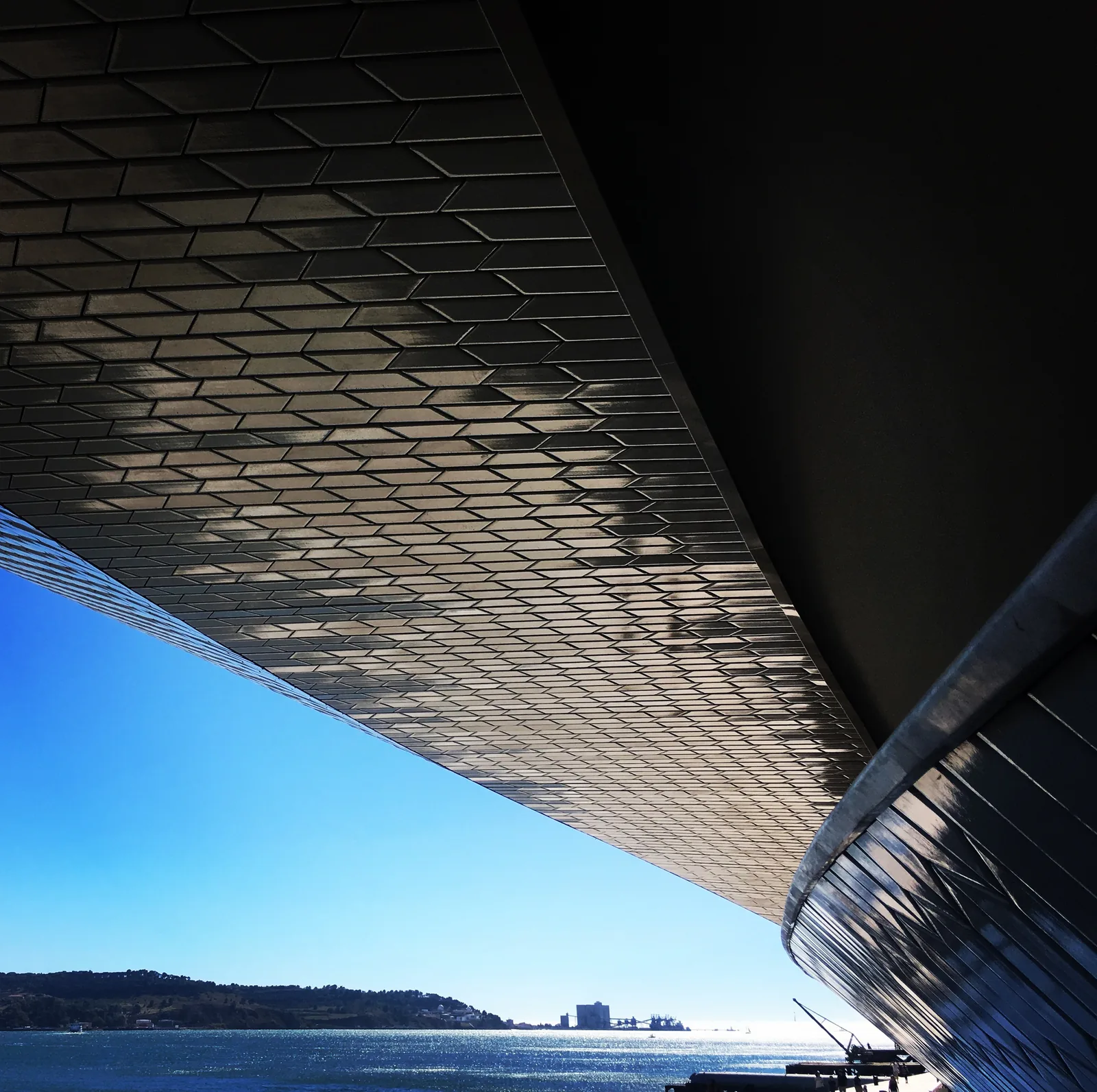
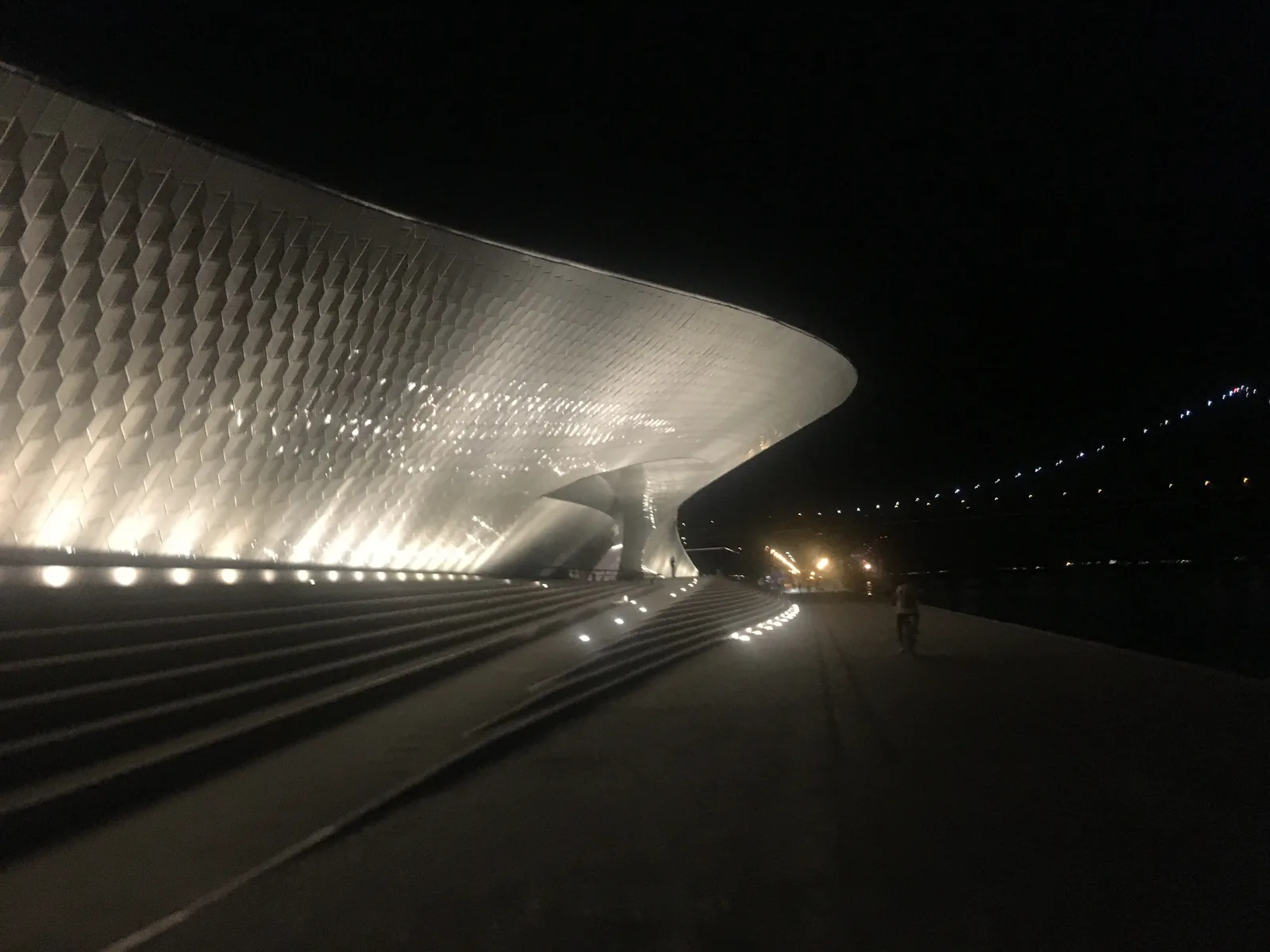
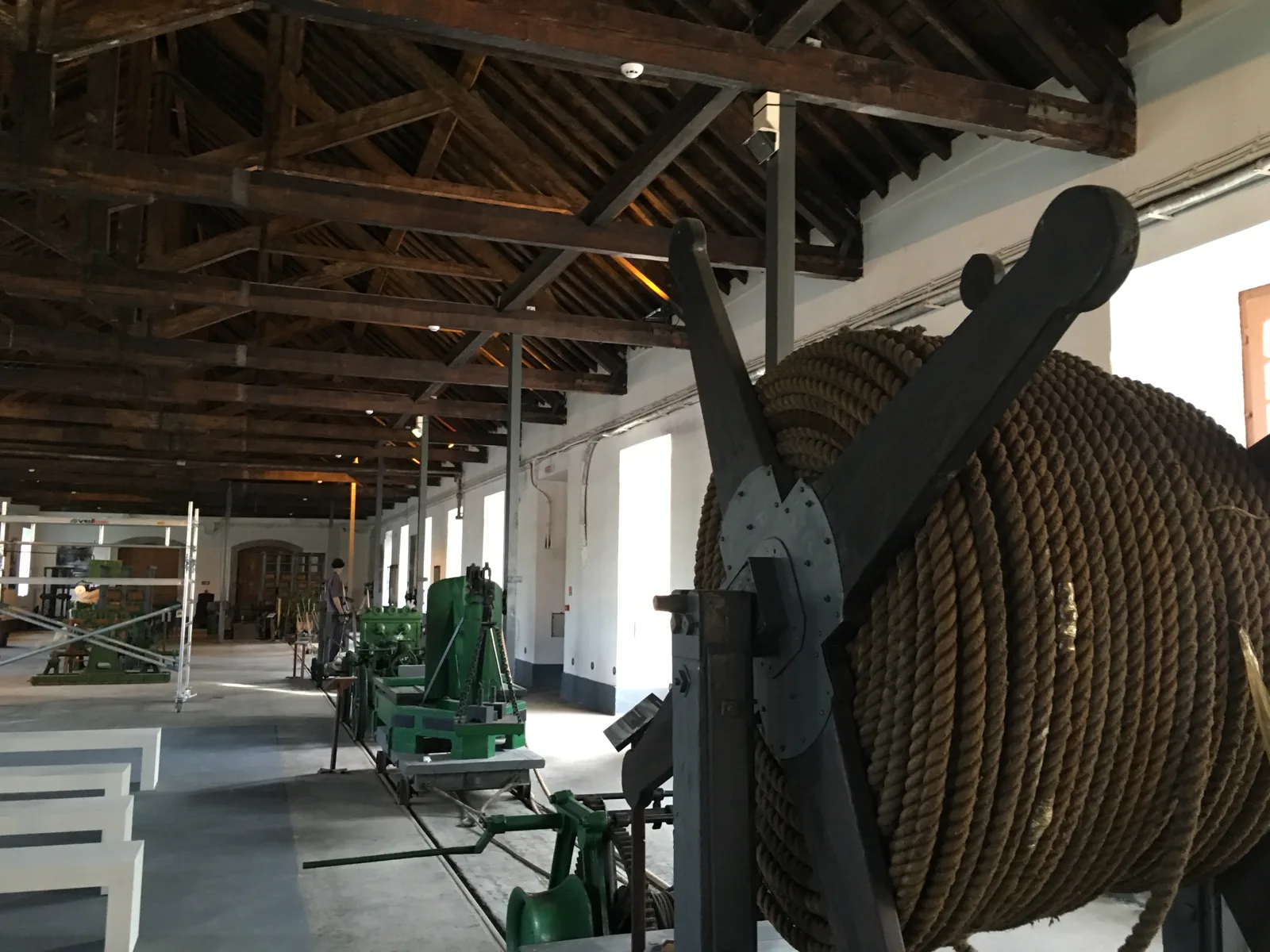
On the riverfront in Belém, the MAAT, the Museum of Art, Architecture and Technology, opened in 2016 and designed by the British architect Amanda Levete, is a long white wave of tiles that you can walk over, with a superb view of the Tagus, and it is magical at night. Next door, the red-brick Tejo power station, which produced electricity for Lisbon from 1908, now houses the Electricity Museum, with its giant boilers and machines still in place. Both are closed on Tuesdays.
The Centro Cultural de Belém
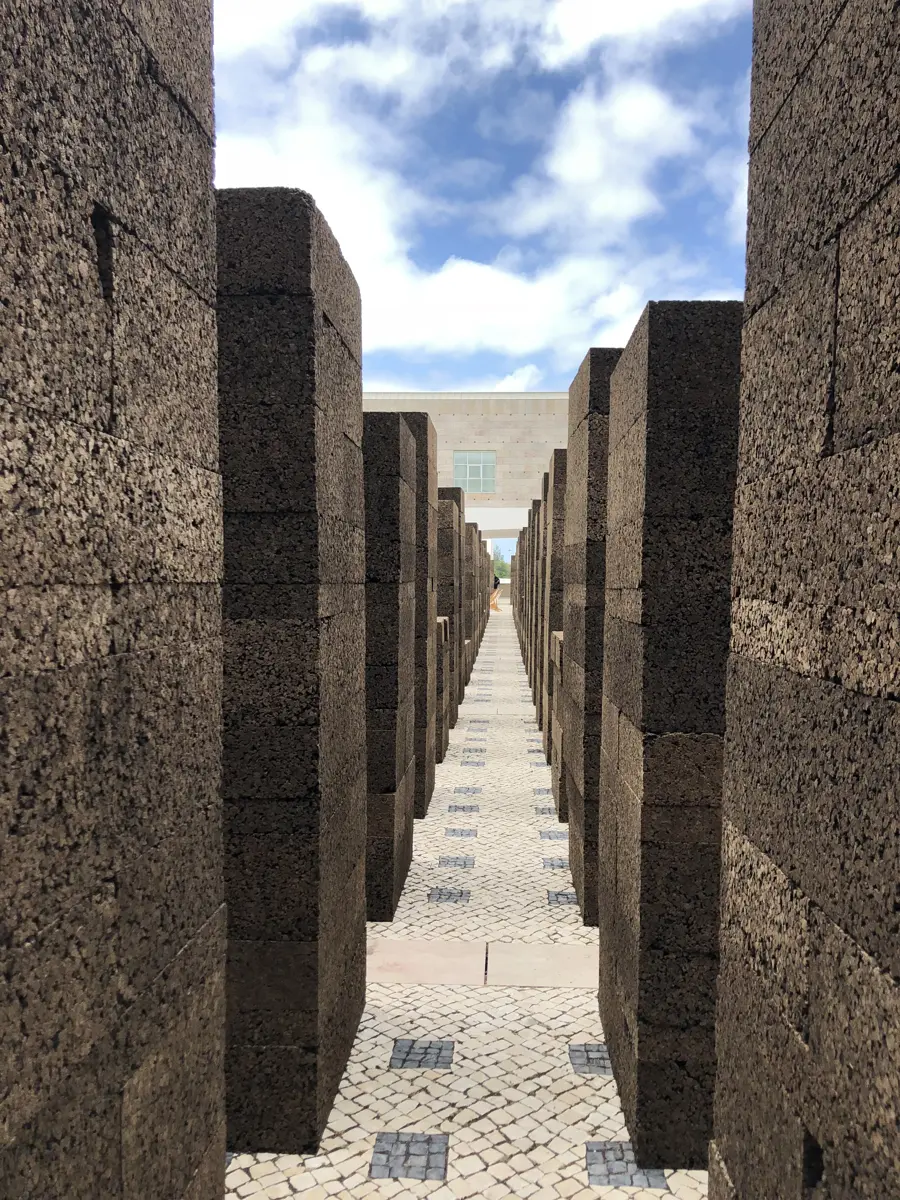
Opposite the Jerónimos Monastery, the Centro Cultural de Belém (CCB) houses the MAC/CCB, a museum of contemporary art opened in 2023 that shows the Portuguese State collection of contemporary art and the Berardo Collection, among others, as well as an architecture center. It is closed on Mondays and free on the first Sunday of the month.
The Gulbenkian Museum
North of the center, the Calouste Gulbenkian Museum is one of the great museums of Lisbon: the collection of the Armenian oil magnate Calouste Gulbenkian ranges from ancient Egypt to René Lalique’s jewelry, in a modernist building set in a beautiful park. The main museum reopened in July 2026 after renovation, and the modern art center next door, redesigned by the Japanese architect Kengo Kuma, reopened in 2024. The museum is closed on Tuesdays; the garden is free.
The National Tile Museum
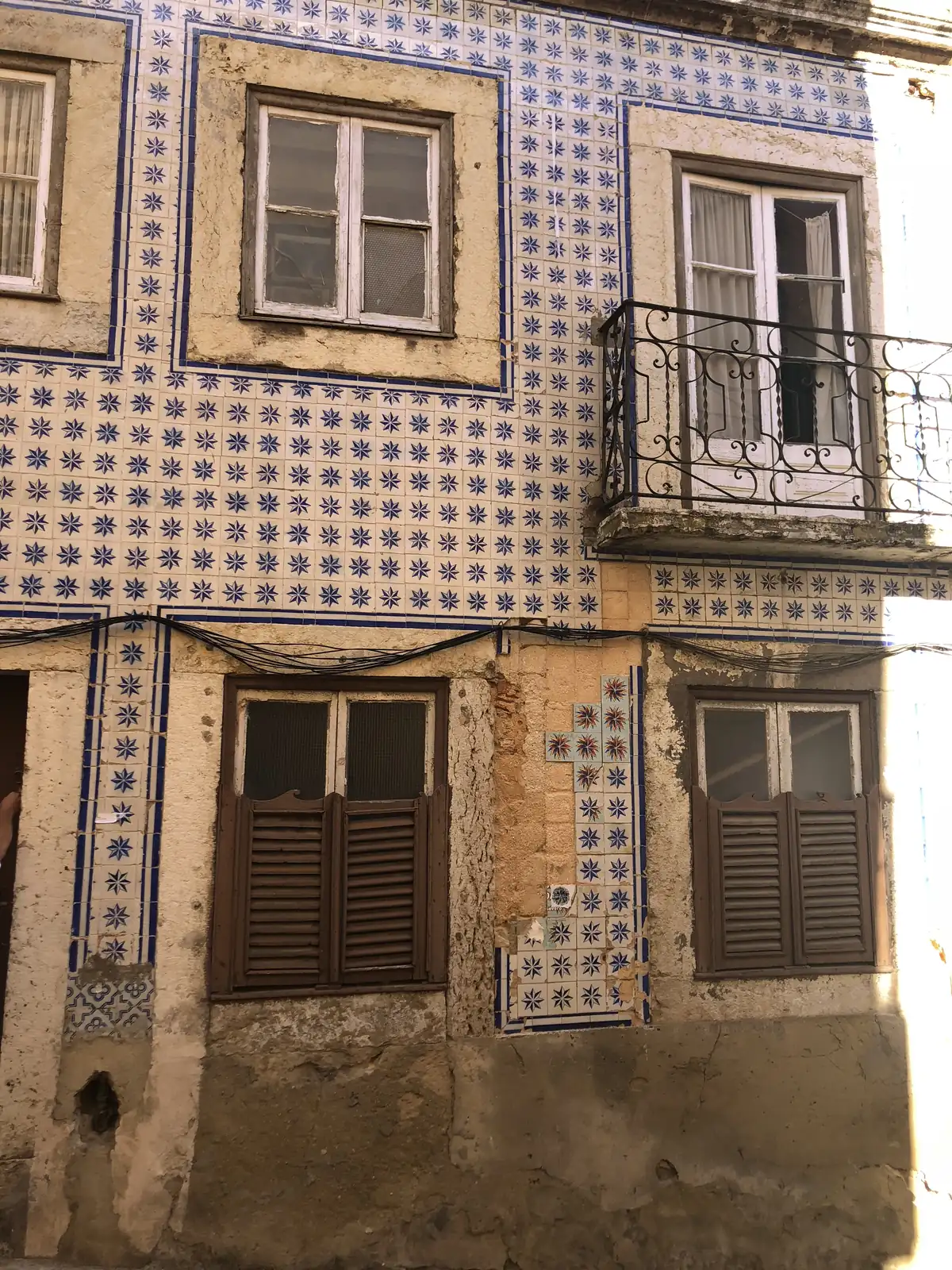
Housed in the former Madre de Deus convent, east of the center, the National Tile Museum tells five centuries of the history of azulejos, with a famous panorama of Lisbon before the 1755 earthquake. It has been closed for renovation since November 2025, with no reopening date announced, so check before you go. In the meantime, you can see superb azulejos at São Vicente de Fora and at the Miradouro de Santa Luzia.
The MNAC in Chiado
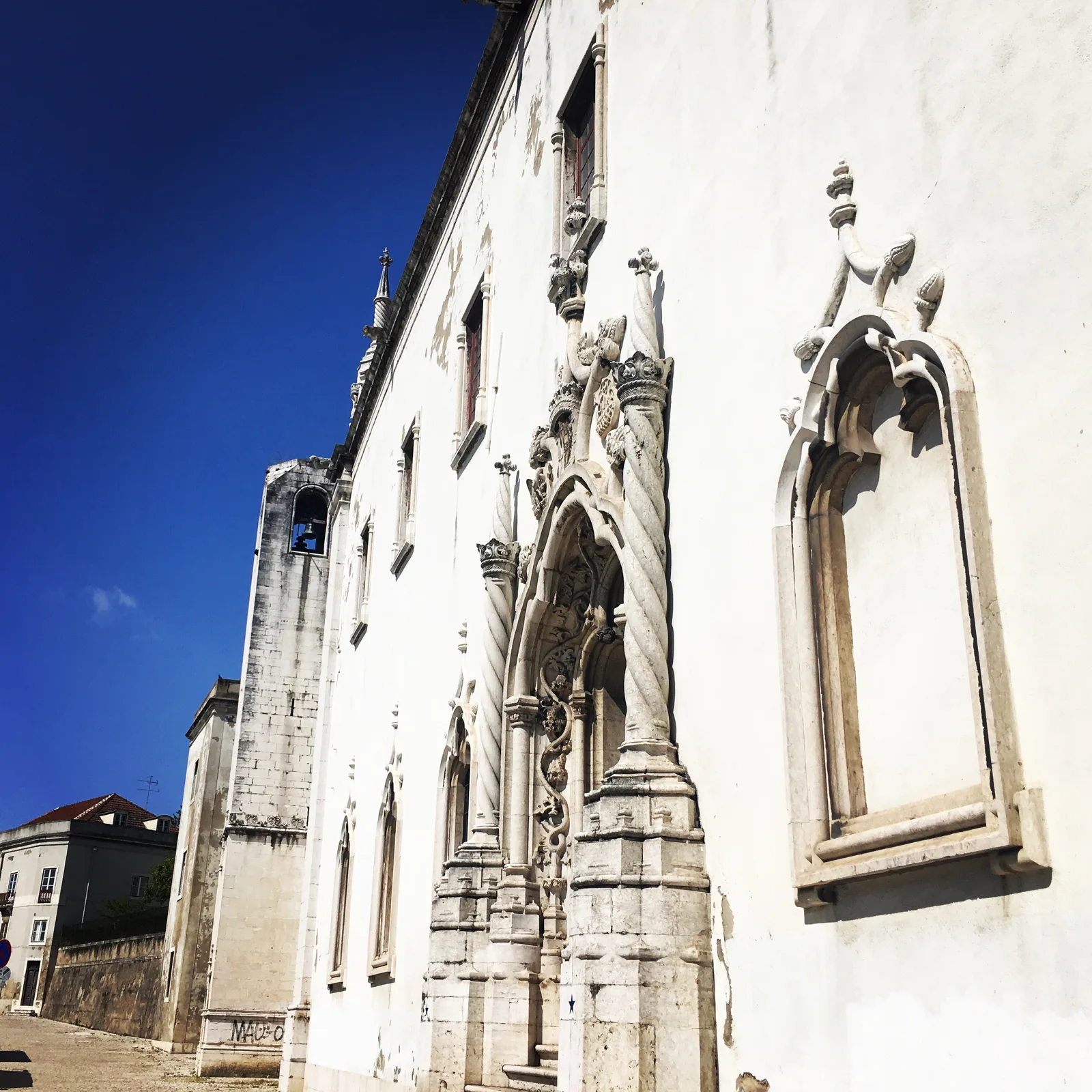
In Chiado, the National Museum of Contemporary Art, the MNAC, also known as the Museu do Chiado, founded in 1911, shows Portuguese art from 1850 to the present day. It is small, a few steps from A Brasileira, and perfect for an hour between two cafés.
The Arpad Szenes–Vieira da Silva Foundation
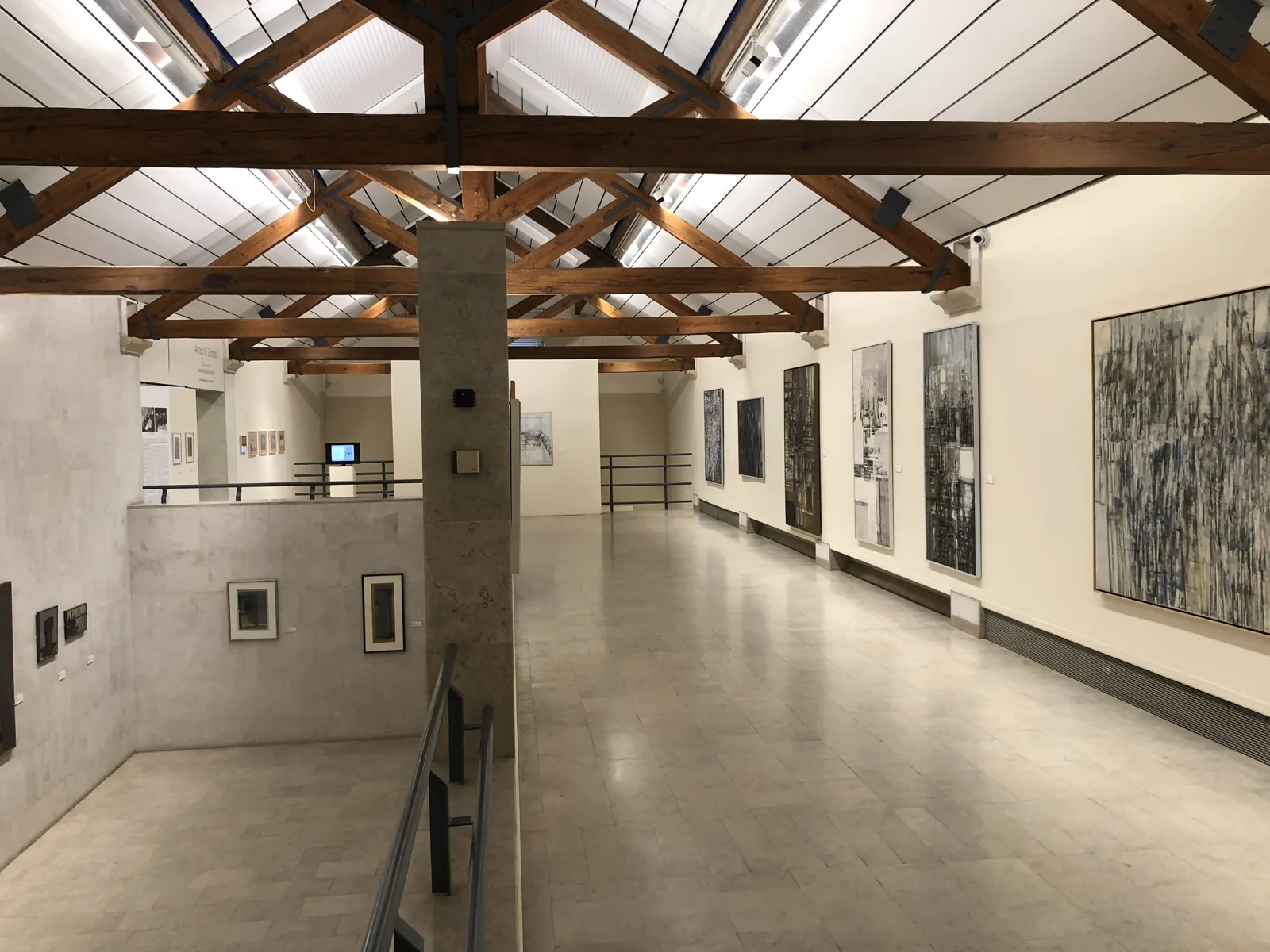
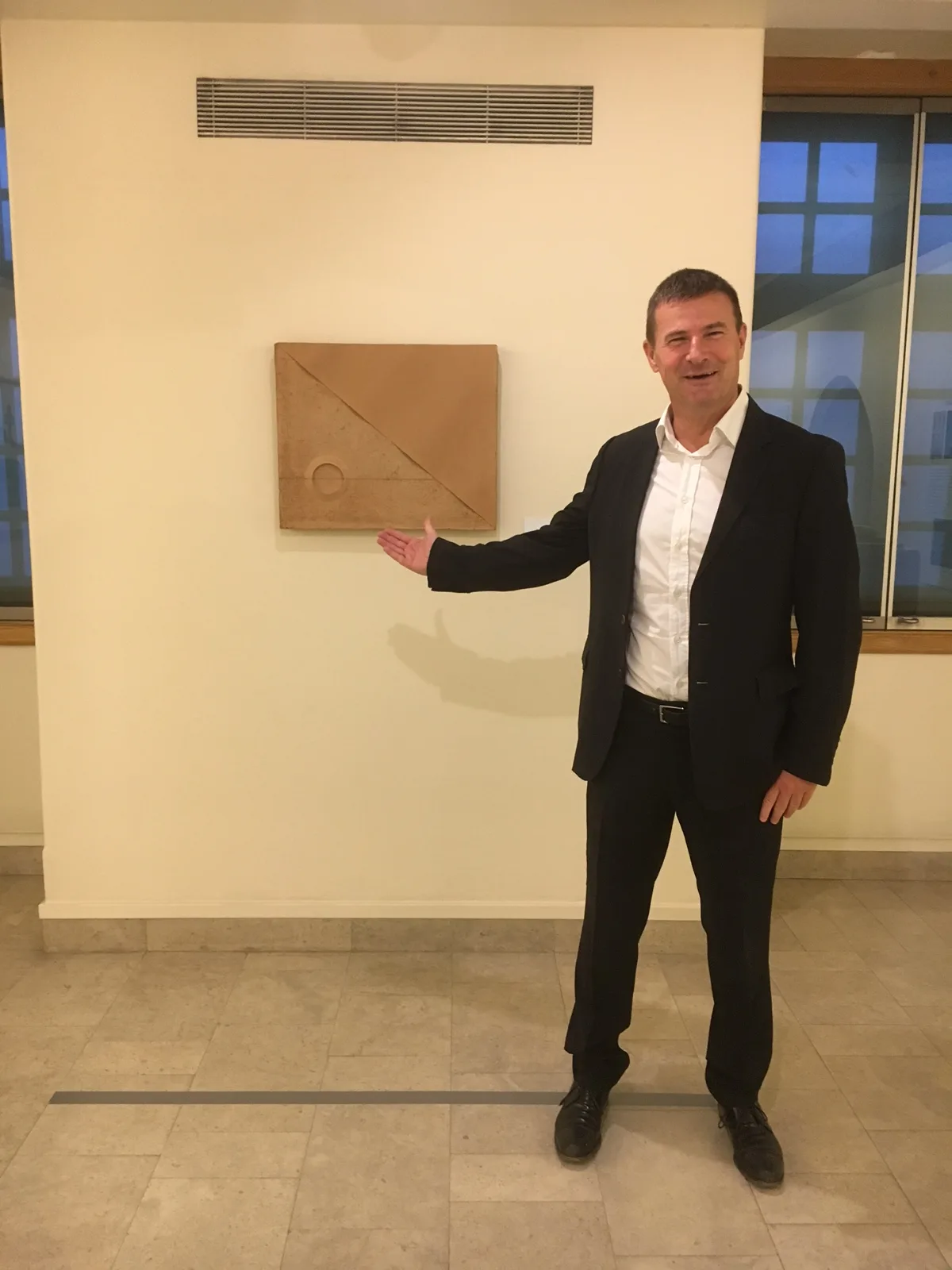
Near the Amoreiras garden and the aqueduct, this small museum is devoted to the painter Maria Helena Vieira da Silva, born in Lisbon, and her husband, the Hungarian painter Arpad Szenes. It opened in 1994 in a former workshop of the 18th-century Royal Silk Factory, and besides their works it holds excellent temporary exhibitions. I went back several times.
The Ricardo do Espírito Santo Silva Foundation
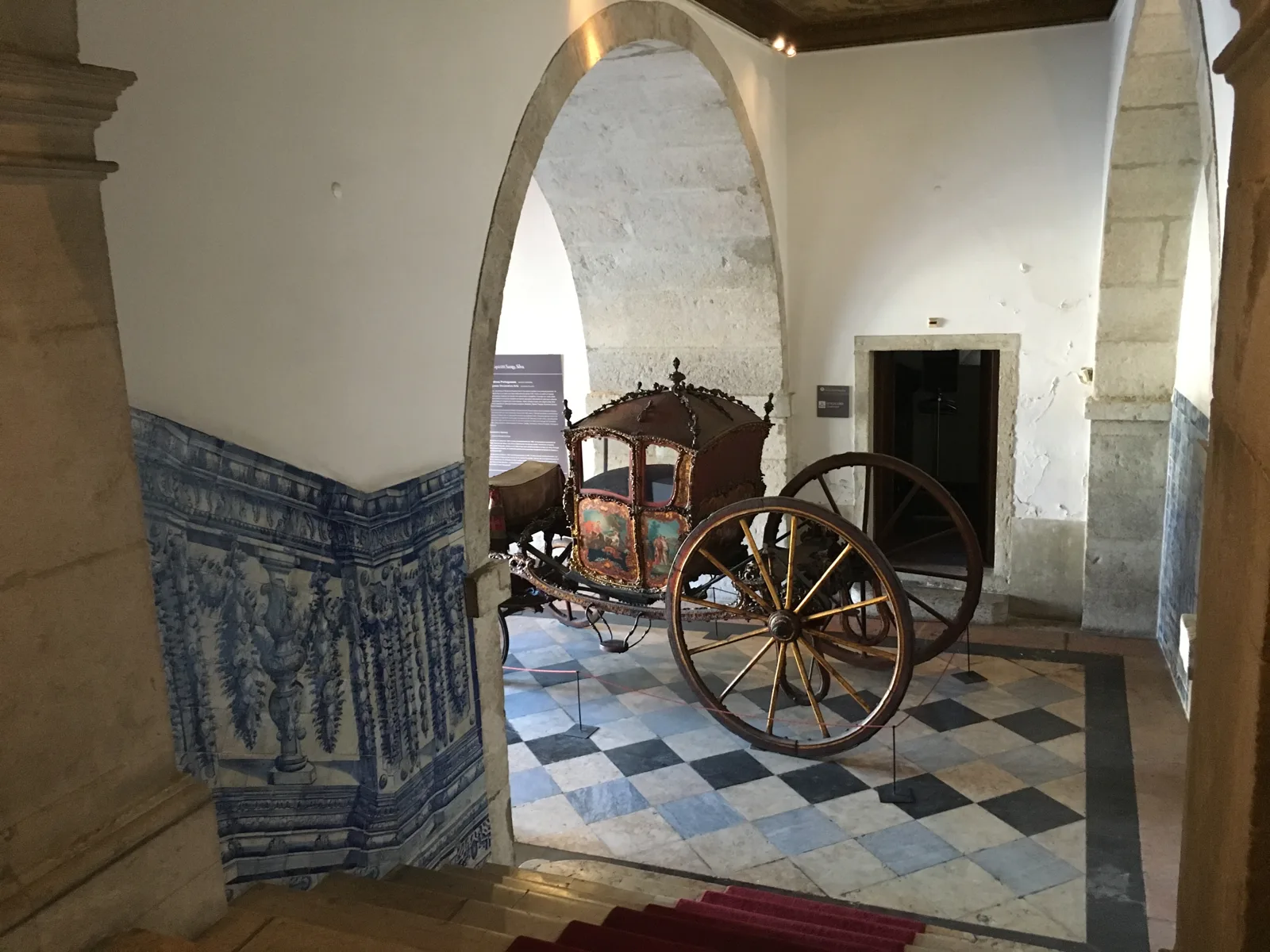
On the Largo das Portas do Sol, right next to the viewpoint where I lived, the 17th-century palace of the Counts of Azurara houses the Museum of Portuguese Decorative Arts: furniture, silverware, tapestries and azulejos collected by the banker Ricardo do Espírito Santo Silva, who created the foundation in 1953. It also runs workshops where craftsmen keep traditional skills alive. Its cafeteria-restaurant in the inner patio was one of my favorite places for a quiet lunch in Alfama.
Where to Eat and Drink in Lisbon
Pharmácia, Santa Catarina
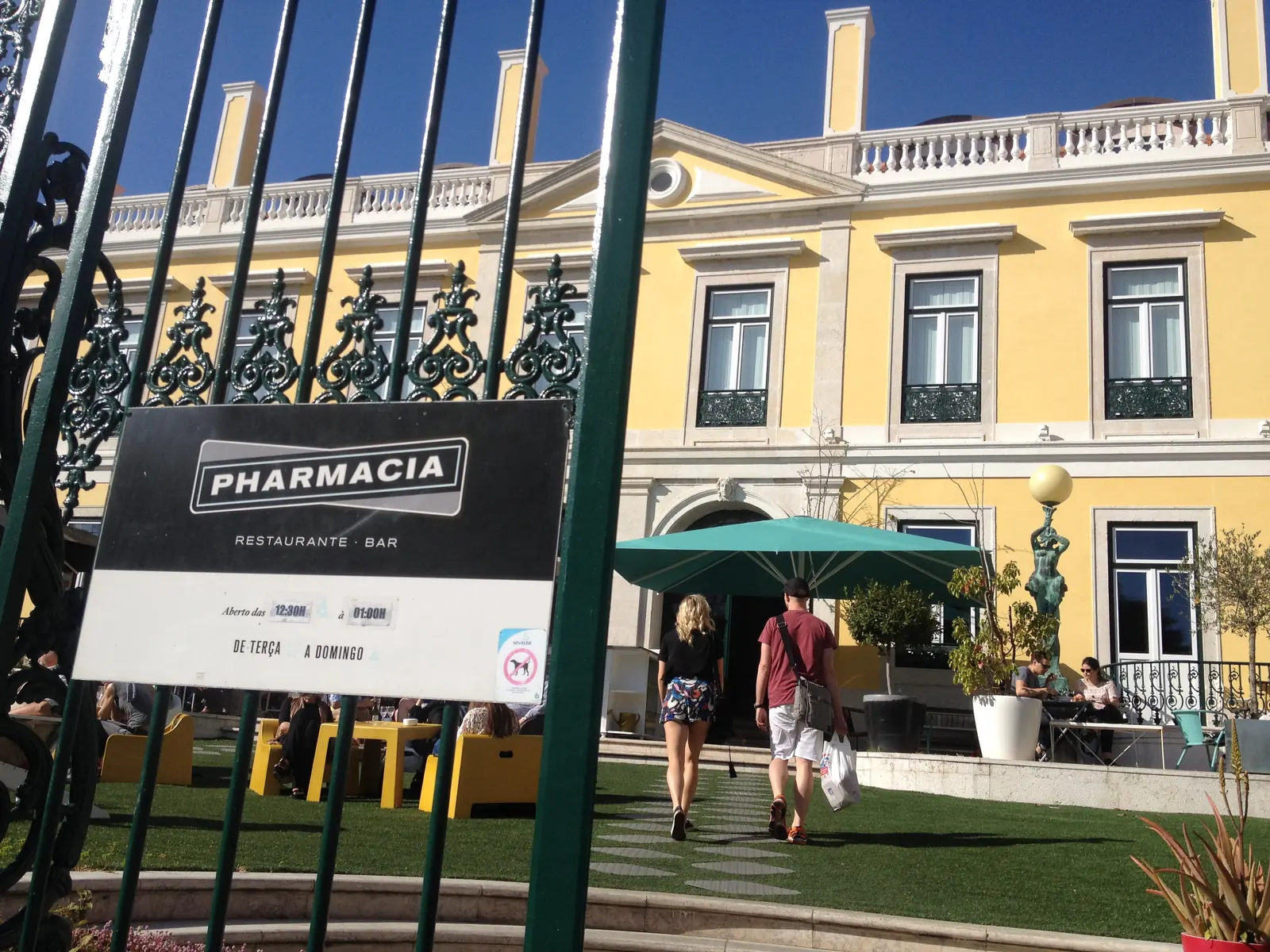
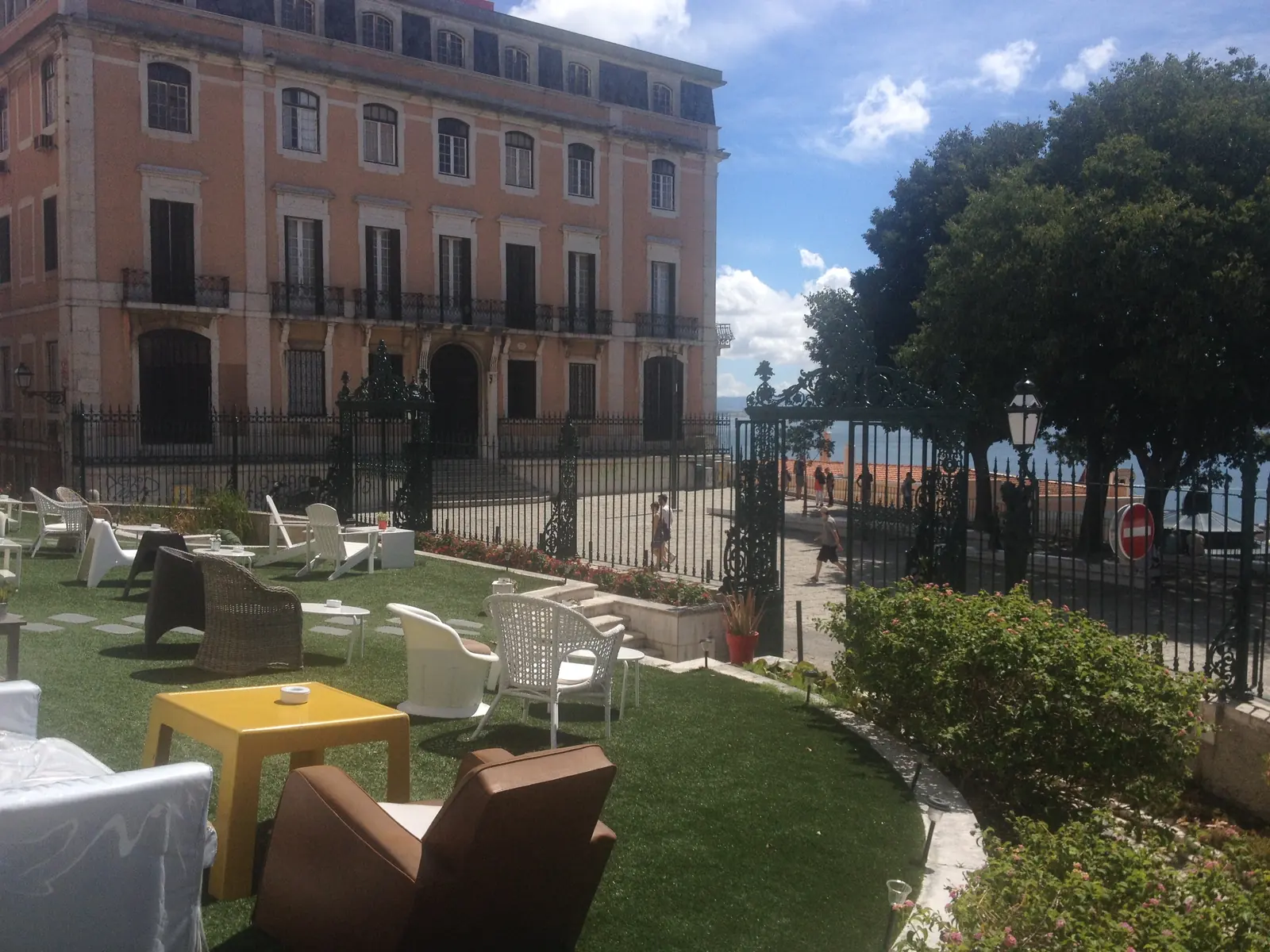
For years my favorite restaurant was Pharmácia, in the yellow palace of the Pharmacy Museum, next to the Santa Catarina viewpoint: Portuguese dishes to share and a garden terrace facing the river. Its chef left at the end of 2025 after fourteen years, and the restaurant is being taken over by a new team, so check that it has reopened before you go.
Cantina das Freiras, the most unusual lunch in Lisbon
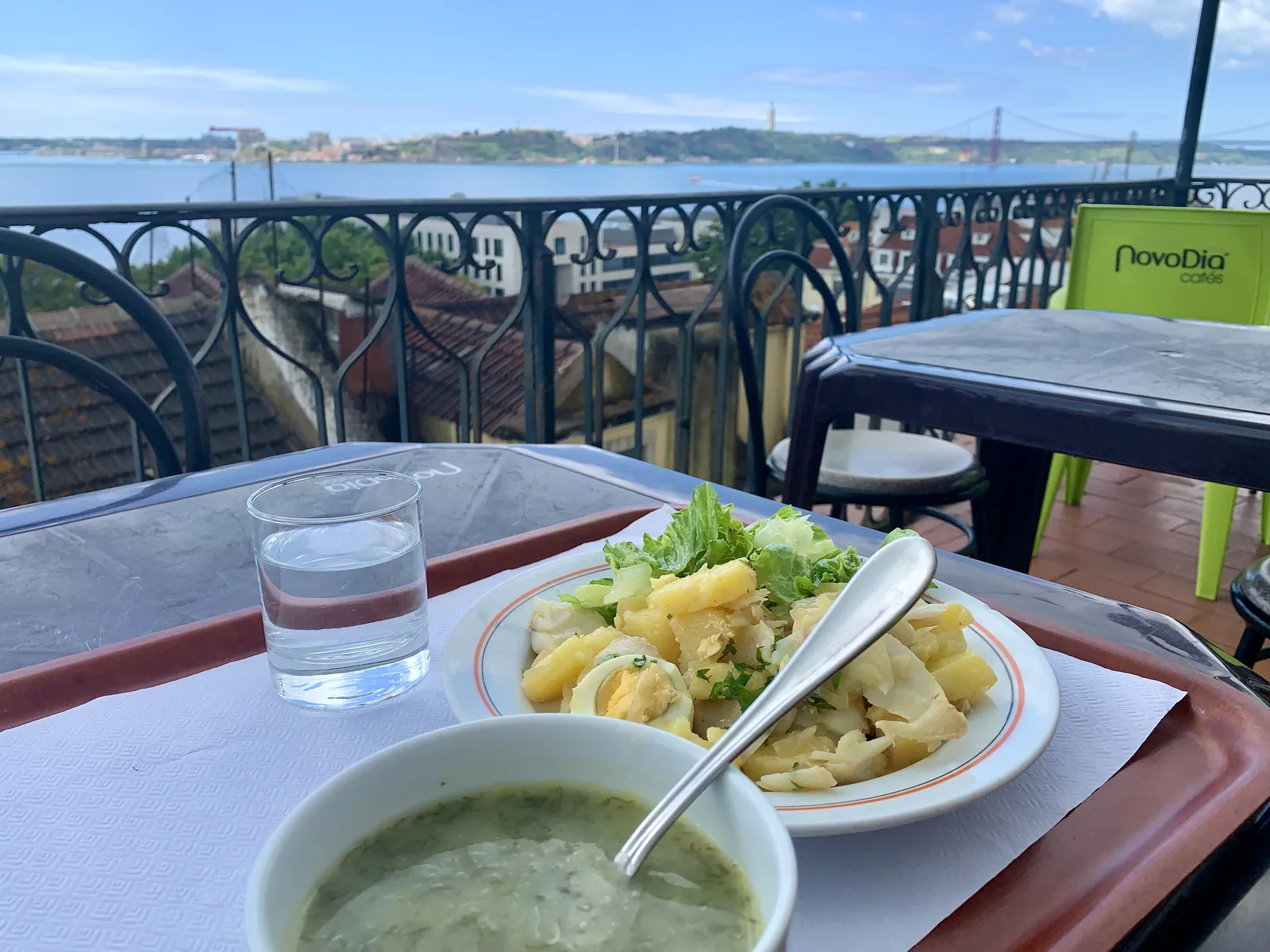
On the Travessa do Ferragial, between Chiado and Cais do Sodré, the Cantina das Freiras is a canteen run by a Catholic association, known to everyone as the nuns’ canteen, on a rooftop terrace overlooking the Tagus. You take a tray, choose a soup and a dish of the day, and eat with one of the best views in the city for less than €10. It is open for lunch only, Monday to Friday, from noon to 3:00 PM.
Pastéis de nata in Belém
Lisbon is full of custard tarts, but the original is in Belém: the Pastéis de Belém bakery has been making them since 1837, from a recipe that came from the Jerónimos monks. Eat them warm, with cinnamon and powdered sugar. It opens every day at 8:00 AM.
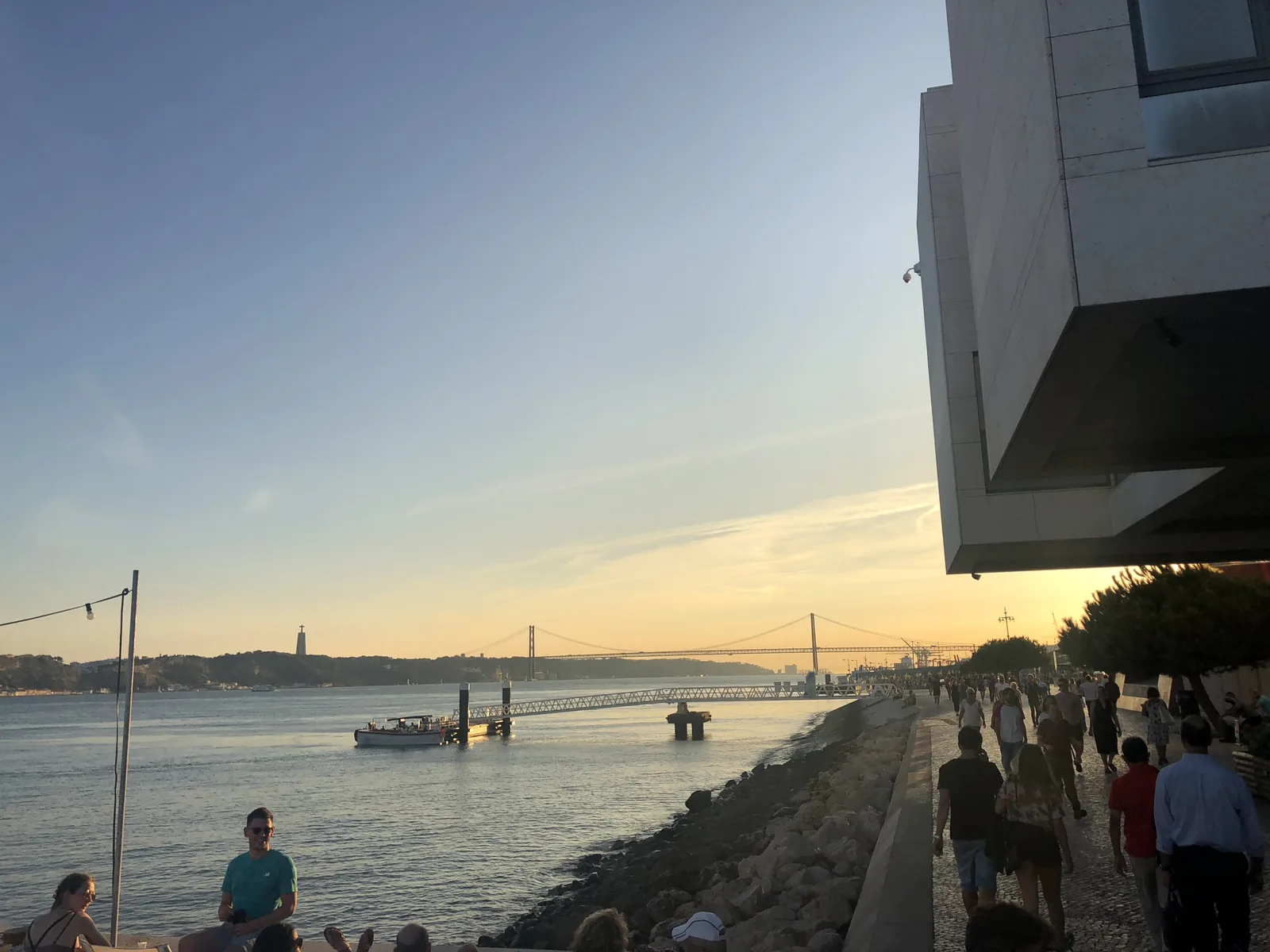
Sunset in Cais do Sodré, the night in Bairro Alto
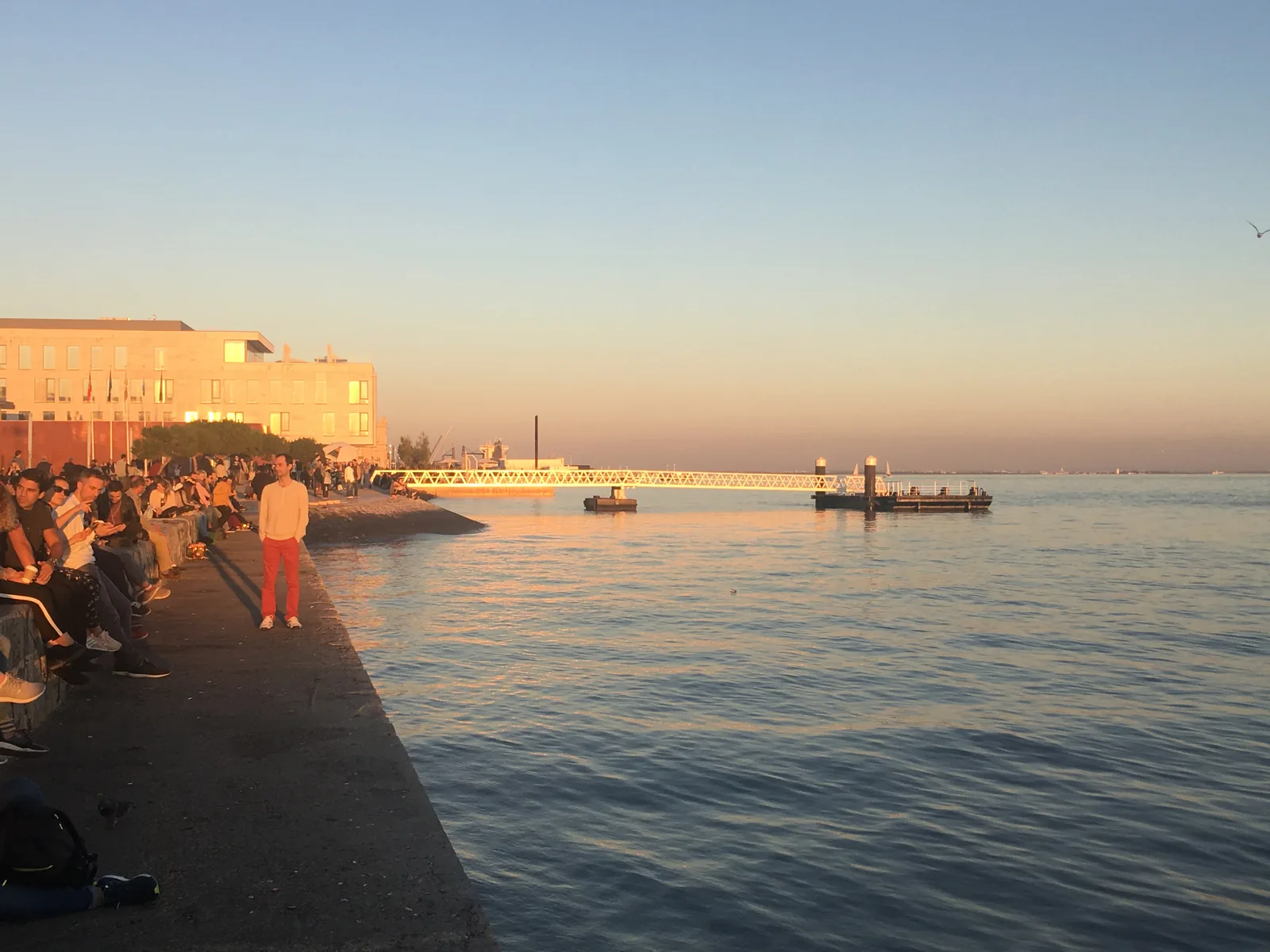
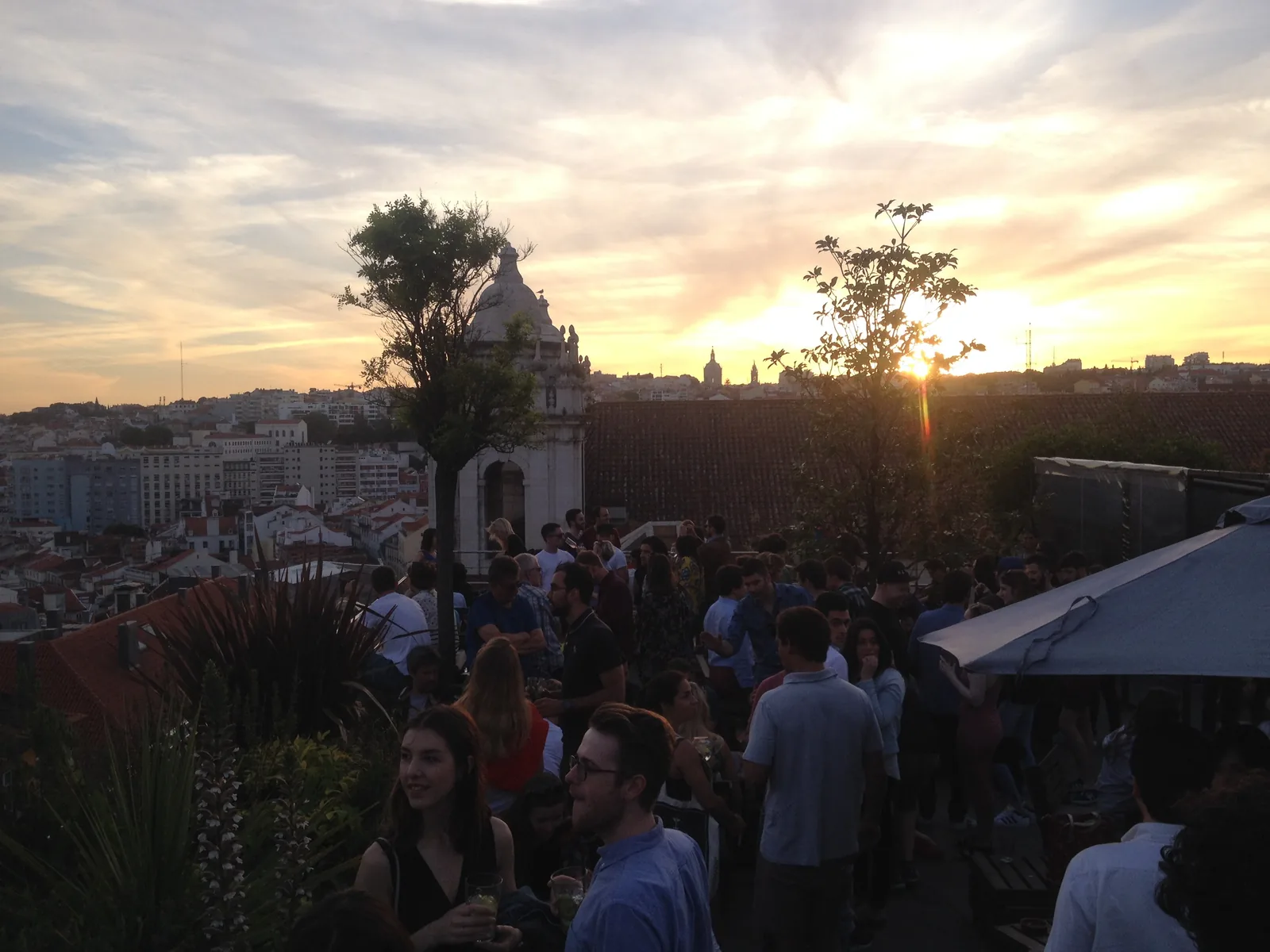
My Lisbon evening goes like this: a drink by the river at sunset in Cais do Sodré or on the Ribeira das Naus promenade, then, later, up to Bairro Alto, where dozens of tiny bars spill onto the street until late. Or head for Park, a bar on the sixth floor of a parking garage on the Calçada do Combro, whose rooftop terrace looks over the domes and the river to the bridge.
What I would skip
The Time Out Market, in the old Mercado da Ribeira, is convenient and popular, but I find it crowded and impersonal; I would rather eat in a neighborhood tasca. LX Factory, the creative hub under the bridge in Alcântara, is pleasant but far from everything; go only if you are already heading to Belém.
Fado in Alfama
Fado, the melancholy song of Lisbon, has been on UNESCO’s list of Intangible Cultural Heritage since 2011, and Alfama is its home. Go for dinner in a fado house, where singers perform between courses and silence is expected during the songs. Among the best-known are Clube de Fado, near the cathedral, and Mesa de Frades, in a former chapel lined with azulejos. Book ahead, especially on weekends.
Where to Stay in Lisbon
Lisbon is hilly, so where you stay matters more than in most cities: choose a central neighborhood and you will walk everywhere.
Chiado, my favorite base
Central, elegant, safe and well connected, between Baixa and Bairro Alto. For a special stay, the Bairro Alto Hotel, a five-star hotel on the Praça Luís de Camões, has one of the best rooftop terraces in the city. More options: hotels in Chiado.
Alfama
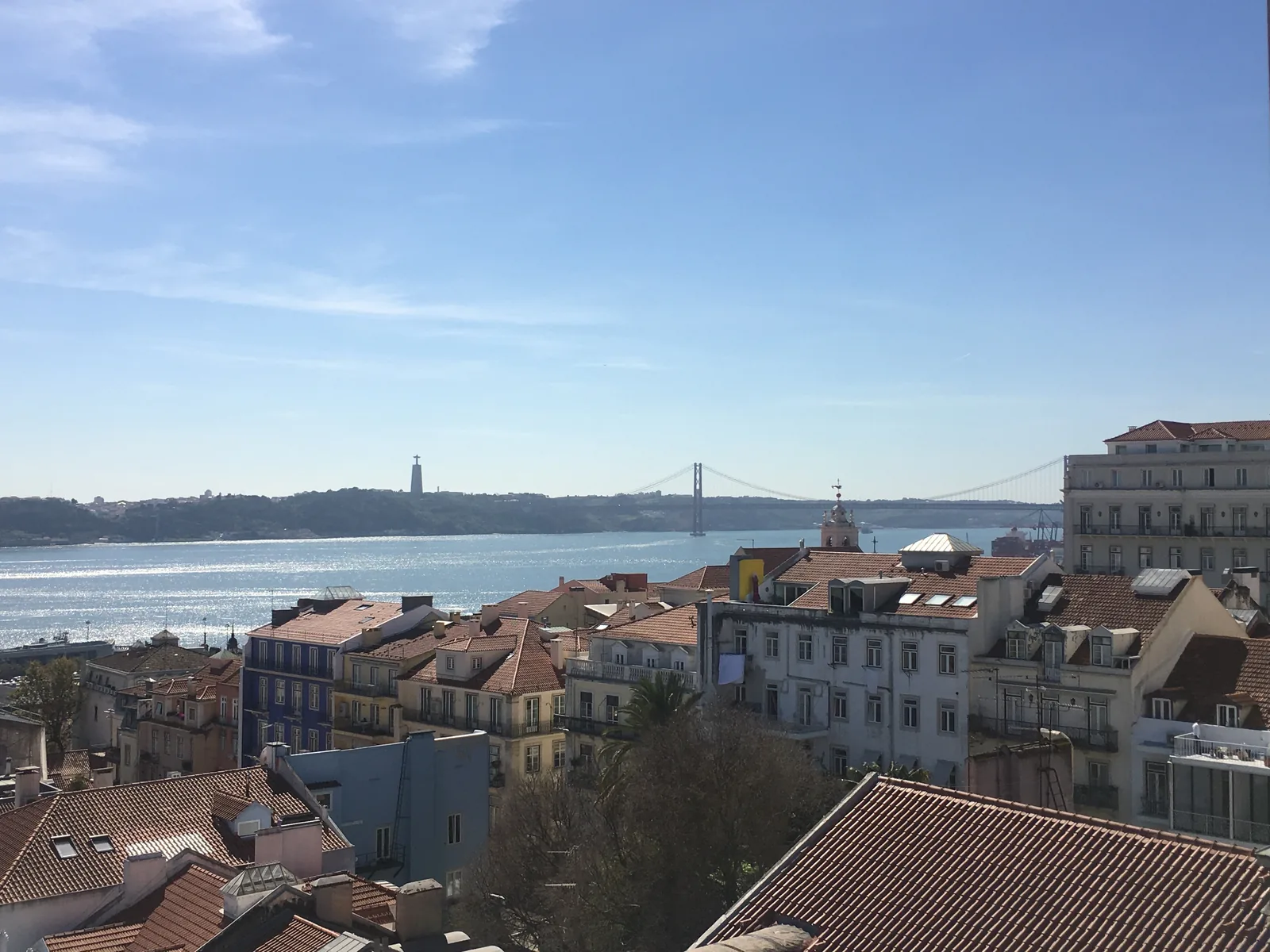
For atmosphere, stay in Alfama, in an apartment with a view over the roofs: magical, but expect stairs, cobblestones and noise during the June festivals. See places to stay in Alfama.
Santa Catarina and Bairro Alto
Santa Catarina is quiet and close to everything; Bairro Alto is perfect if you go out at night, but noisy until late. See hotels in Bairro Alto.

Getting Around Lisbon and Practical Tips
From the airport
The red metro line runs from the airport to the center in about 20 minutes for €1.90, with one change for Baixa, Rossio or Cais do Sodré. The Aerobus no longer runs; the Carris bus 783 is the alternative.
Trams, funiculars and the metro
Buy a reusable Navegante card (€0.50) and load it with single tickets (€1.90) or a 24-hour ticket (€7.25) valid on the metro, buses, trams and funiculars. Tickets bought on board cost more: €3.30 on the tram. Wear shoes with grip: Lisbon’s polished limestone cobblestones are slippery, even when dry.
Tourist tax
Lisbon charges a tourist tax of €4 per person per night, for up to seven nights, from the age of 13. It is paid at your hotel or apartment.
Best Time to Visit Lisbon
Lisbon has close to 2,900 hours of sunshine a year and mild winters. April to June and September to October are the best months: warm days, blue skies and fewer crowds. July and August are hot, with highs around 28°C (82°F), and very busy. Come in mid-June for the Santo António festival, or in late May for the jacarandas. Winter is quiet and often sunny, but rainy spells are frequent from November to February.
Day Trips from Lisbon
Lisbon is the best base for exploring the coast. Sintra and its palaces are 40 minutes away by train from Rossio; Cascais and the beaches of Estoril, such as the Praia do Tamariz, 40 minutes by train from Cais do Sodré; and the long Atlantic beach of the Costa da Caparica, across the river, is my favorite for a lunch on the sand. All my favorite places along the coast are in my guide to day trips from Lisbon.
Read More
French Riviera Travel Guide
Cannes, Antibes, Nice, Saint-Tropez and the Verdon, from four years living in Cannes.
Frequently Asked Questions About Lisbon
How many days do you need in Lisbon?
Three to four days for the city itself: Alfama and the viewpoints, Chiado and Baixa, Belém, and an evening in Bairro Alto. Add two or three days for Sintra, Cascais and the beaches.
What is the best neighborhood to stay in Lisbon?
Chiado, for a first visit: central, elegant and well connected, between Baixa and Bairro Alto. Alfama has more atmosphere but more stairs, and Bairro Alto is noisy at night.
What is the most beautiful viewpoint in Lisbon?
For me, the Miradouro das Portas do Sol in Alfama, with its view over the roofs, São Vicente de Fora and the Tagus. For sunsets, Santa Catarina and the riverside at Cais do Sodré are hard to beat.
Is tram 28 worth it?
Yes, it is one of the classic Lisbon experiences, but avoid the middle of the day, when it is packed. Ride it early in the morning or board at the Martim Moniz terminus.
Where can you eat the best pastéis de nata in Lisbon?
The most famous are at Pastéis de Belém, the bakery that has been making them since 1837, near the Jerónimos Monastery. Eat them warm with cinnamon.
When is the Santo António festival in Lisbon?
The main night is June 12 to 13, when the Marchas Populares parade on the Avenida da Liberdade and the old neighborhoods, especially Alfama, hold street parties until dawn. June 13 is a holiday in Lisbon.
How do you get from Lisbon airport to the city center?
Take the red metro line: about 20 minutes and €1.90 to the center, with one change for Baixa, Rossio or Cais do Sodré. The Aerobus no longer runs.
Is there a tourist tax in Lisbon?
Yes, €4 per person per night, for a maximum of seven nights, for guests aged 13 and over. It is collected by your hotel or apartment.