Portugal Travel Guide: Lisbon, Porto, the Algarve and Beyond
By Blaise Jaeger · Updated October 25, 2026
Why Visit Portugal?
Portugal packs an extraordinary variety into a small country: two great cities, Lisbon and Porto, with their tiled facades and river views; palaces in the forests of Sintra; Gothic monasteries and university towns; the cork oaks and white villages of the Alentejo; and some of the most beautiful coastline in Europe, from the Atlantic cliffs to the lagoons of the Algarve. It is also one of the friendliest, safest and best-value destinations in Western Europe.
I know it from the inside. From 2013 I invested in apartments in Lisbon, renovated them and spent part of every month there for close to ten years, exploring the rest of the country on weekends and holidays. My Lisbon travel guide covers the capital in depth; this page is the overview of the whole country.
Portugal at a Glance
- Where: the western edge of the Iberian Peninsula, on the Atlantic, with Spain as its only land neighbor.
- Capital: Lisbon. Second city: Porto.
- Population: about 10.7 million.
- Language and currency: Portuguese; the euro. Portugal is in the EU and the Schengen area.
- Time zone: the same as the UK (UTC+0, UTC+1 in summer), one hour behind Spain and France.
- Getting around: fast trains between Lisbon, Coimbra, Porto and Faro; a car for the coast and the countryside.
- Best time: March to May and September to October.
- Plugs: type C and F, 230 V.
My Portugal
Lisbon was my base: first in Santa Catarina, then Portas do Sol and Alfama, and from 2017 to 2022 in an apartment in Chiado, between the renovations of my apartments and of a whole building near the Marquês de Pombal. From there I explored the coast around the city, Sintra and Cabo da Roca, the beaches of Estoril and the Costa da Caparica, and went further afield whenever I could.
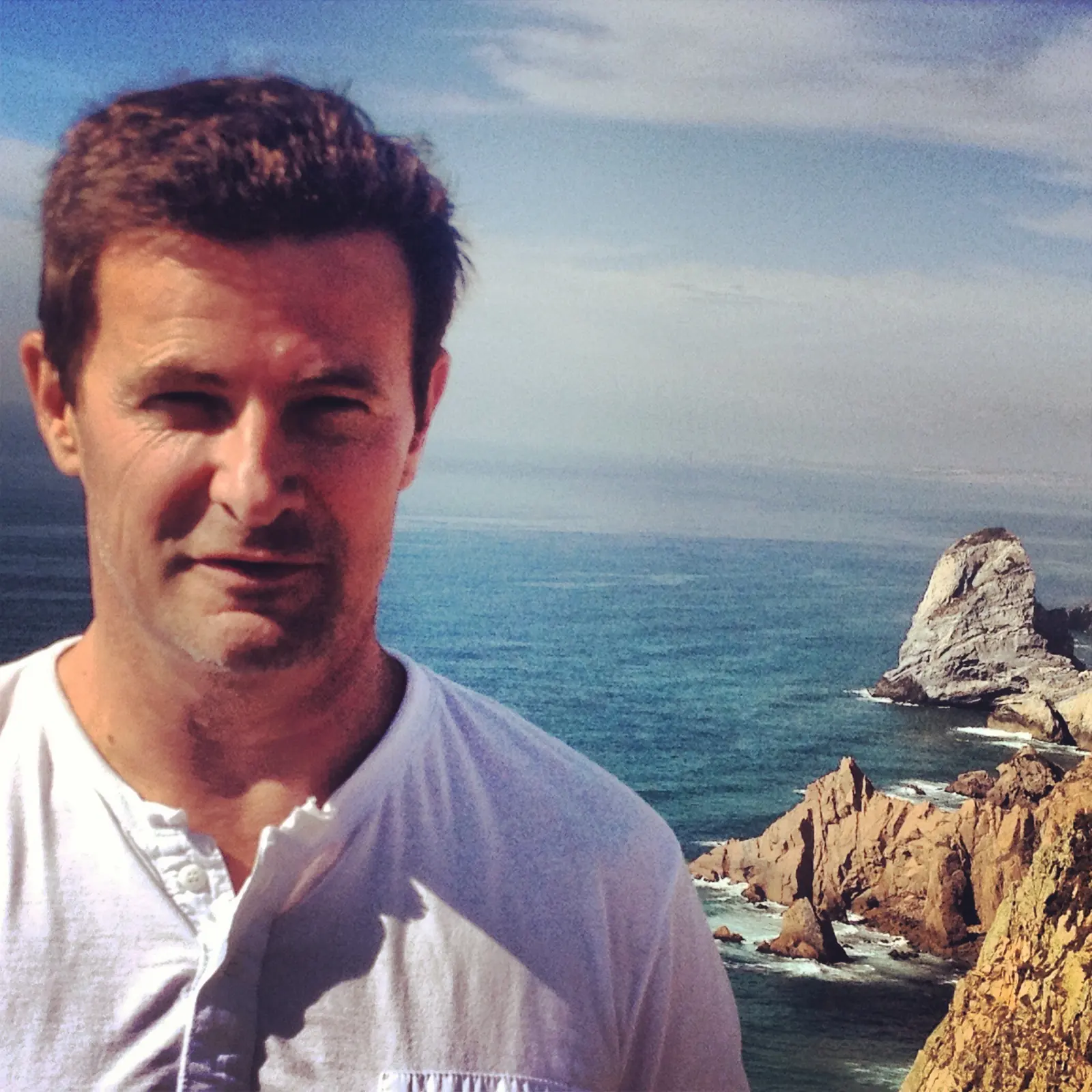
In December 2014 I drove to the Algarve through Évora, and I went back to Tavira several times, in 2015 and 2016. In August 2017 I did a road trip north, through Batalha, Coimbra, Braga and Porto, and back down the coast through Peniche. The places on this page are the ones I have seen myself, with photos to prove it.

Where to Go in Portugal
Lisbon
The capital is the obvious place to start, and where I would spend the most time: the viewpoints of Alfama, tram 28, the elegant streets of Chiado, the nightlife of Bairro Alto, the monuments of Belém and the sunsets over the Tagus. Allow three or four days. Everything is in my Lisbon guide, neighborhood by neighborhood.
Sintra, Cascais and the coast around Lisbon
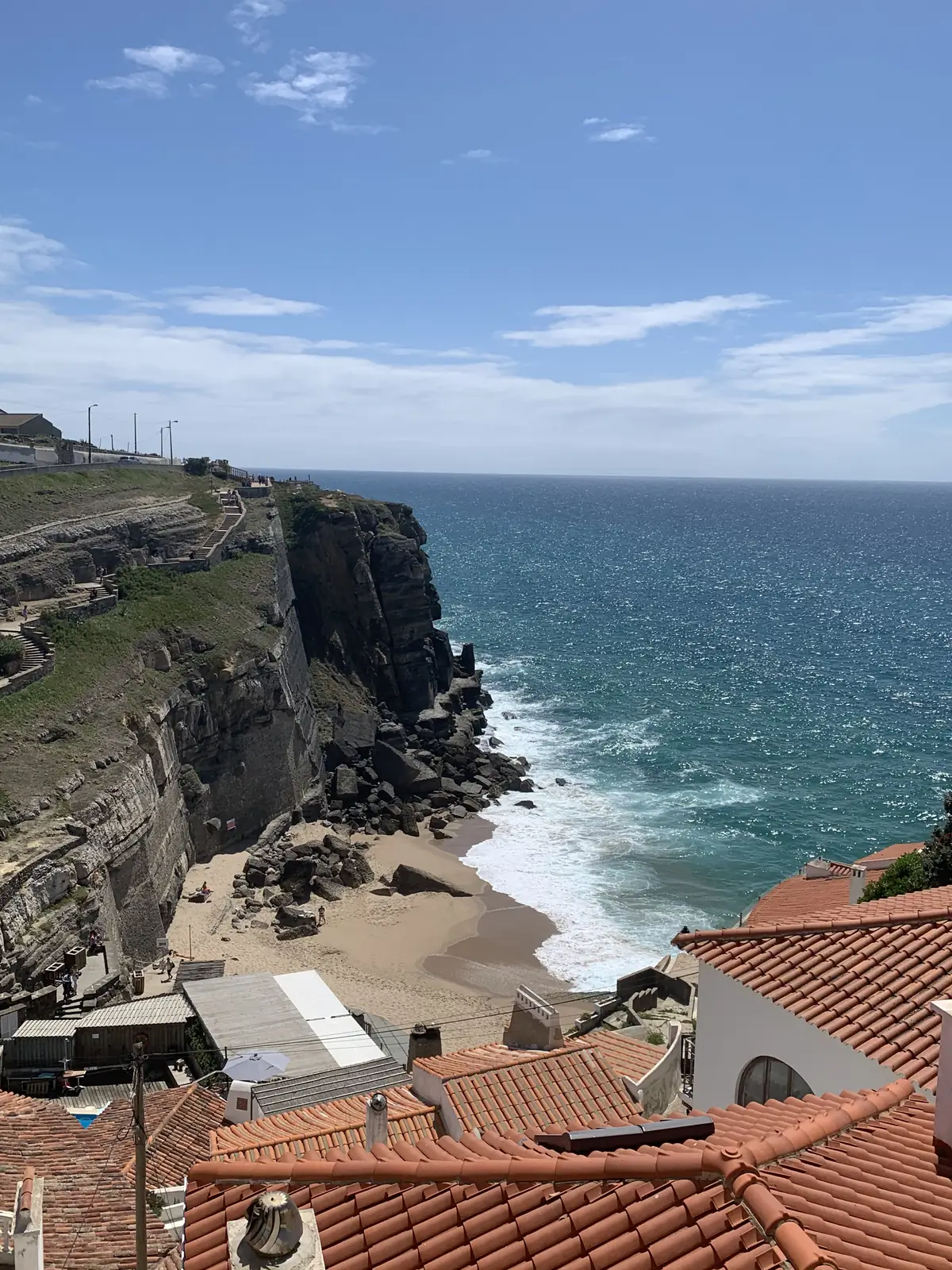
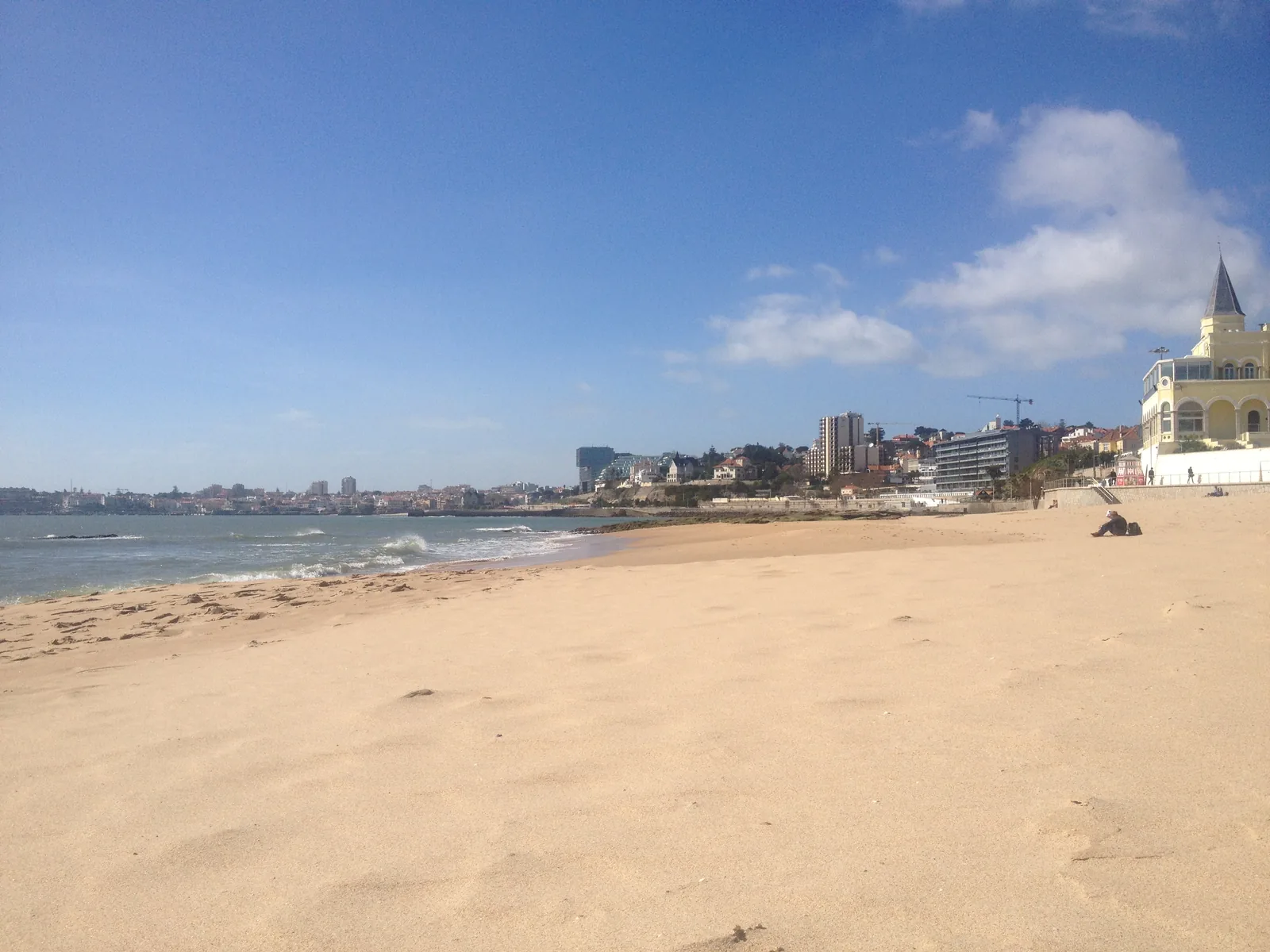
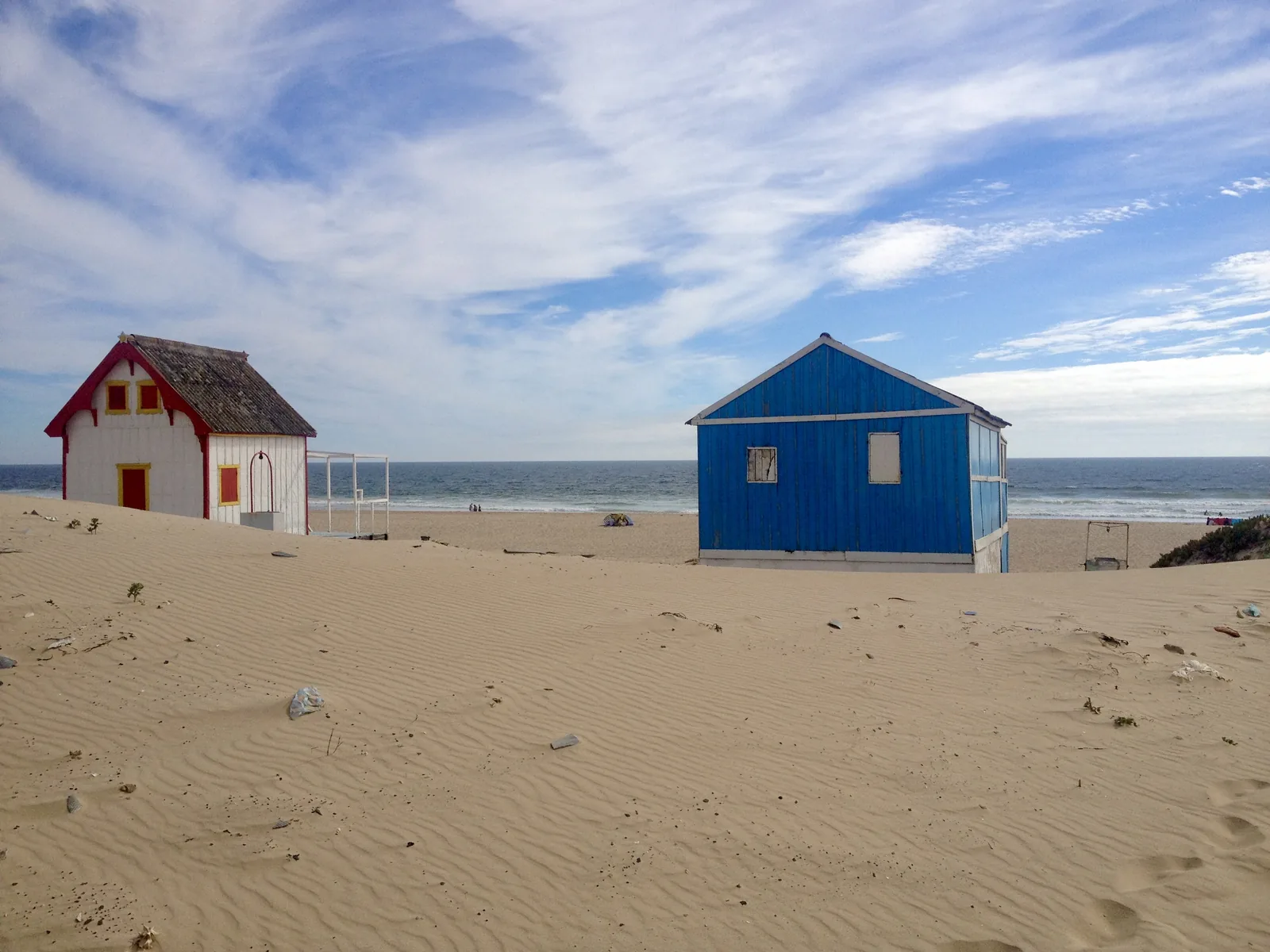
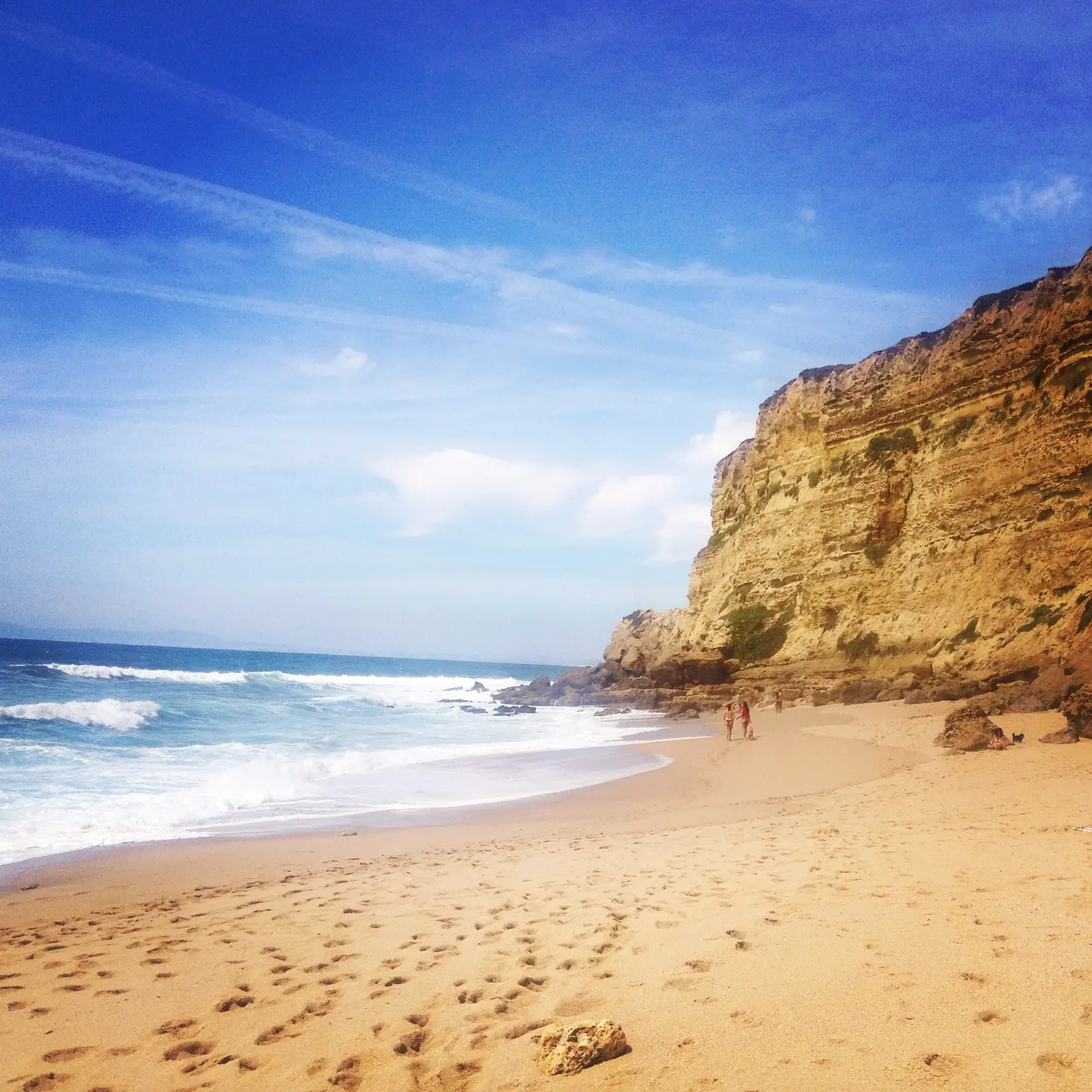
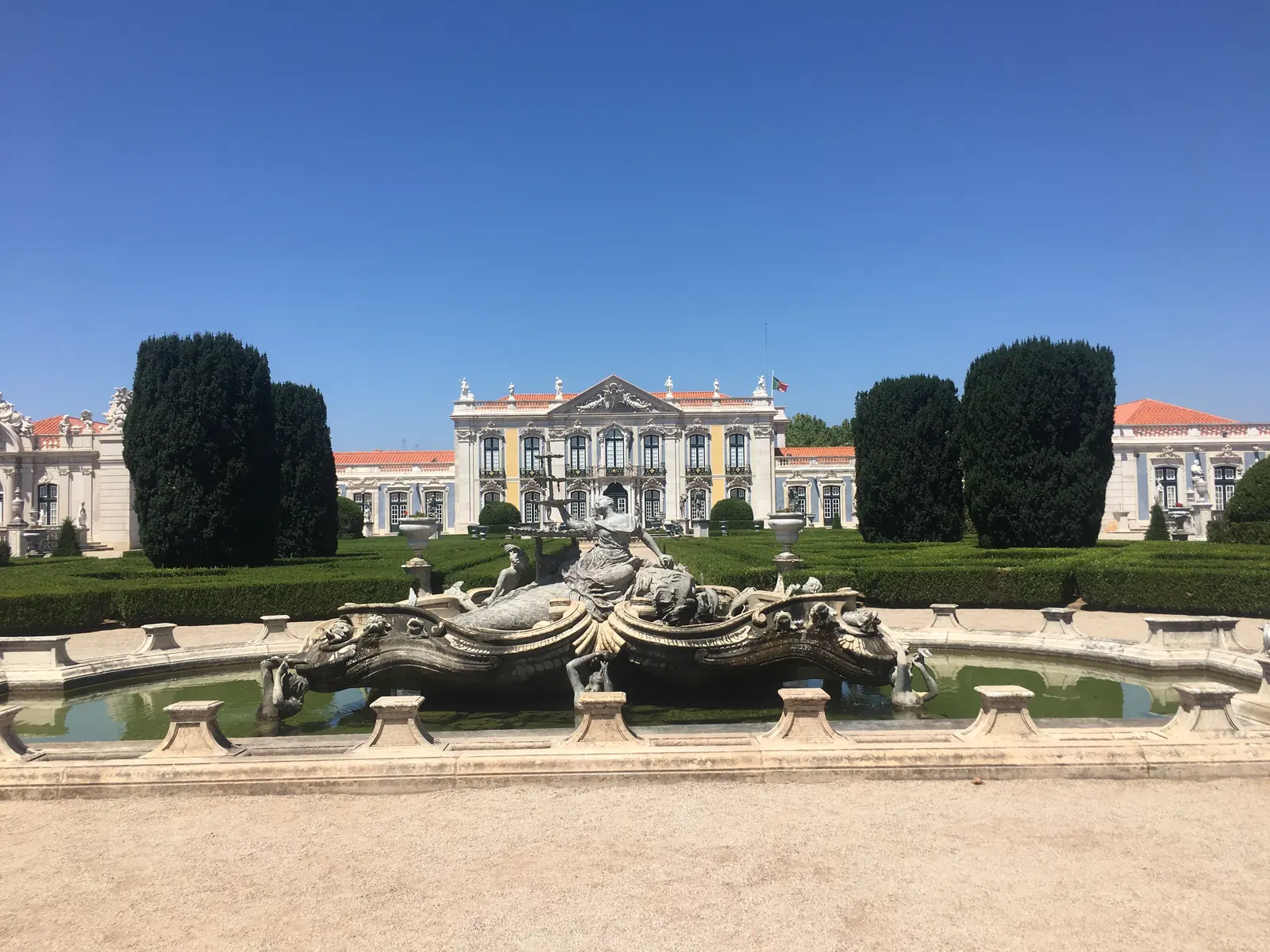
Within 40 minutes of Lisbon by train, Sintra hides romantic palaces in a forested hill, a UNESCO cultural landscape since 1995, and Cascais and Estoril line up beaches along a seaside promenade. Beyond Sintra, Cabo da Roca is the westernmost point of mainland Europe, and Azenhas do Mar is a white village clinging to the cliffs. South of the Tagus, the Costa da Caparica is a long Atlantic beach where Lisbon goes to swim, and further south the cliffs of Meco are wilder still. Closer in, the rococo Palace of Queluz has beautiful formal gardens and a canal lined with azulejos. All the details, with my photos, are in my guide to day trips from Lisbon.
Batalha and Coimbra
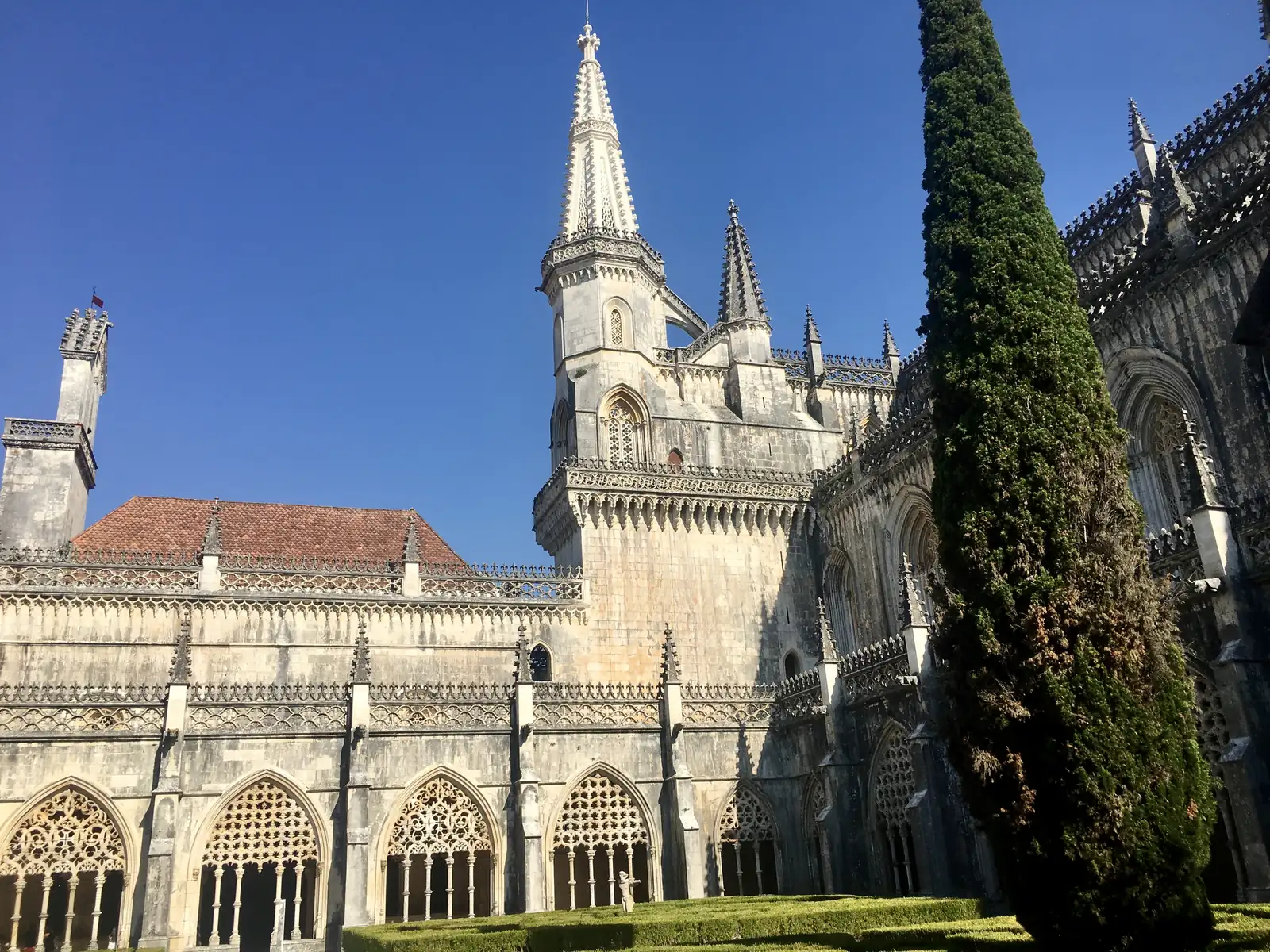
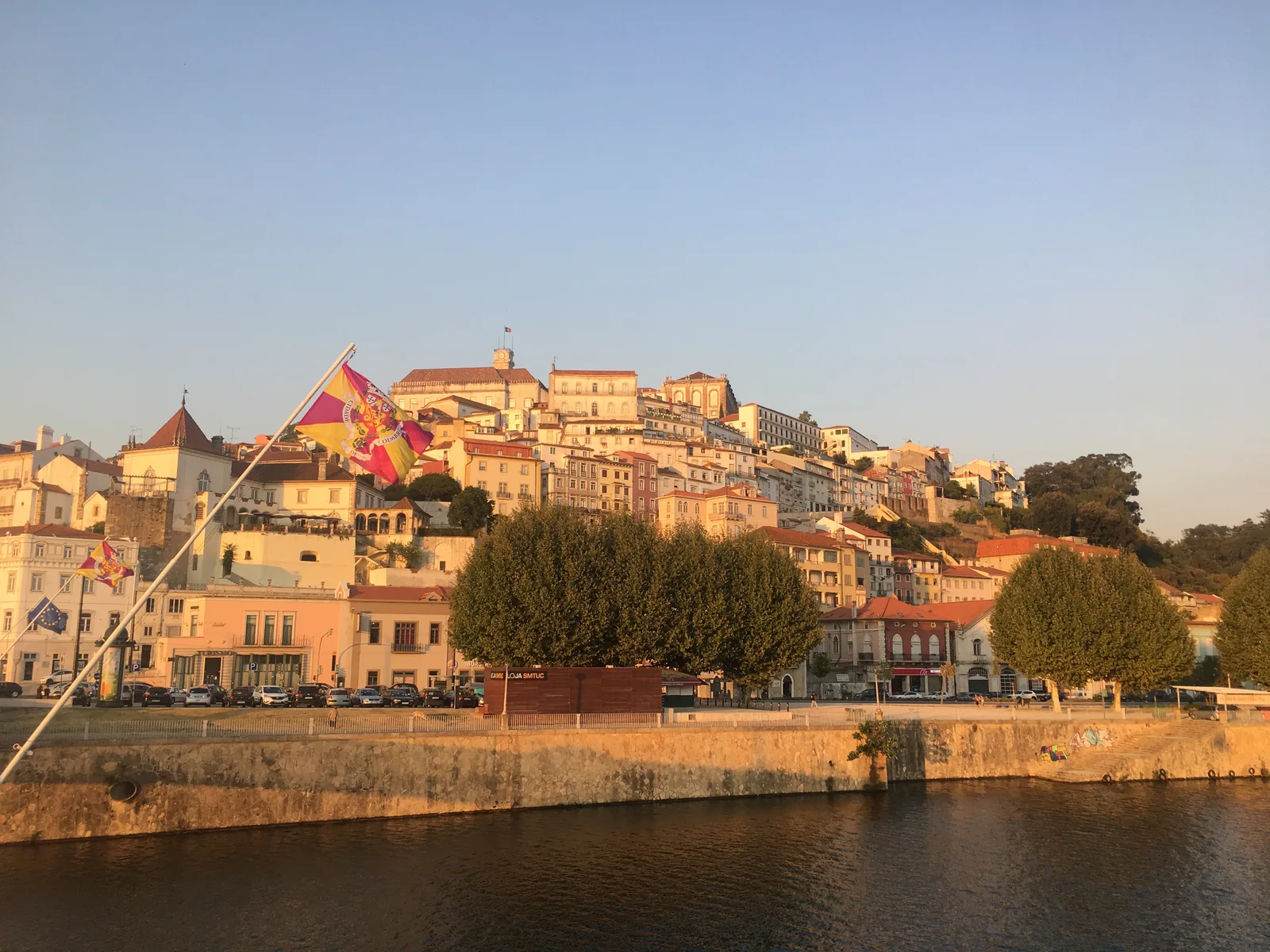
North of Lisbon, the Monastery of Batalha, a masterpiece of Portuguese Gothic with its famous Unfinished Chapels, has been a UNESCO World Heritage site since 1983. Further on, Coimbra climbs its hill above the Mondego river. Its university, founded in 1290 and one of the oldest in Europe, has been on the UNESCO list since 2013, and its baroque Joanina Library is one of the most beautiful libraries anywhere.
Braga and the Bom Jesus
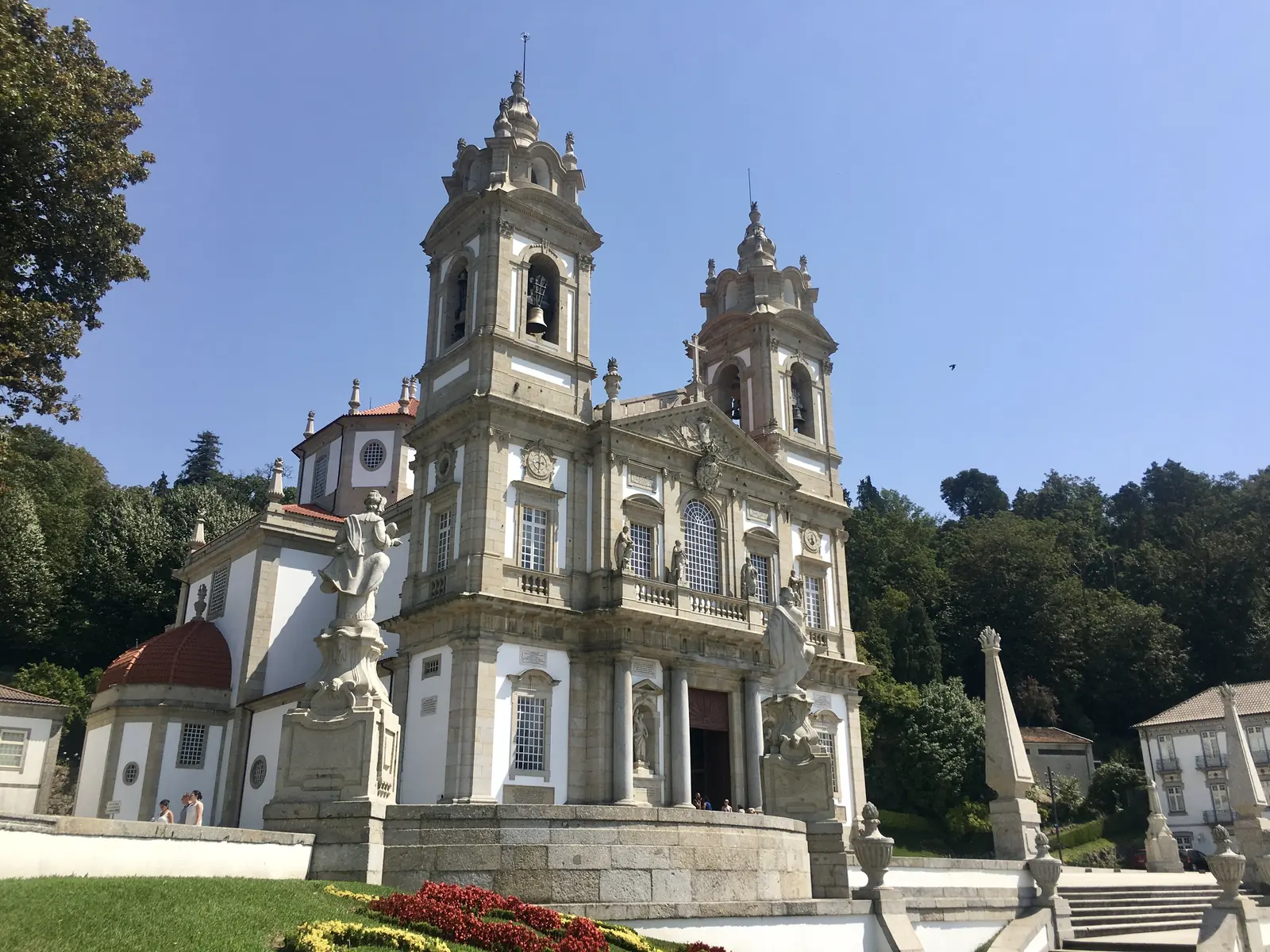
Braga, the religious capital of Portugal, is known above all for the sanctuary of Bom Jesus do Monte, on a hill outside the city, a UNESCO site since 2019. Pilgrims climb its zigzag baroque stairway; visitors can also take the funicular, opened in 1882, the first in the Iberian Peninsula and the oldest water-counterweight funicular still running in the world.

Porto
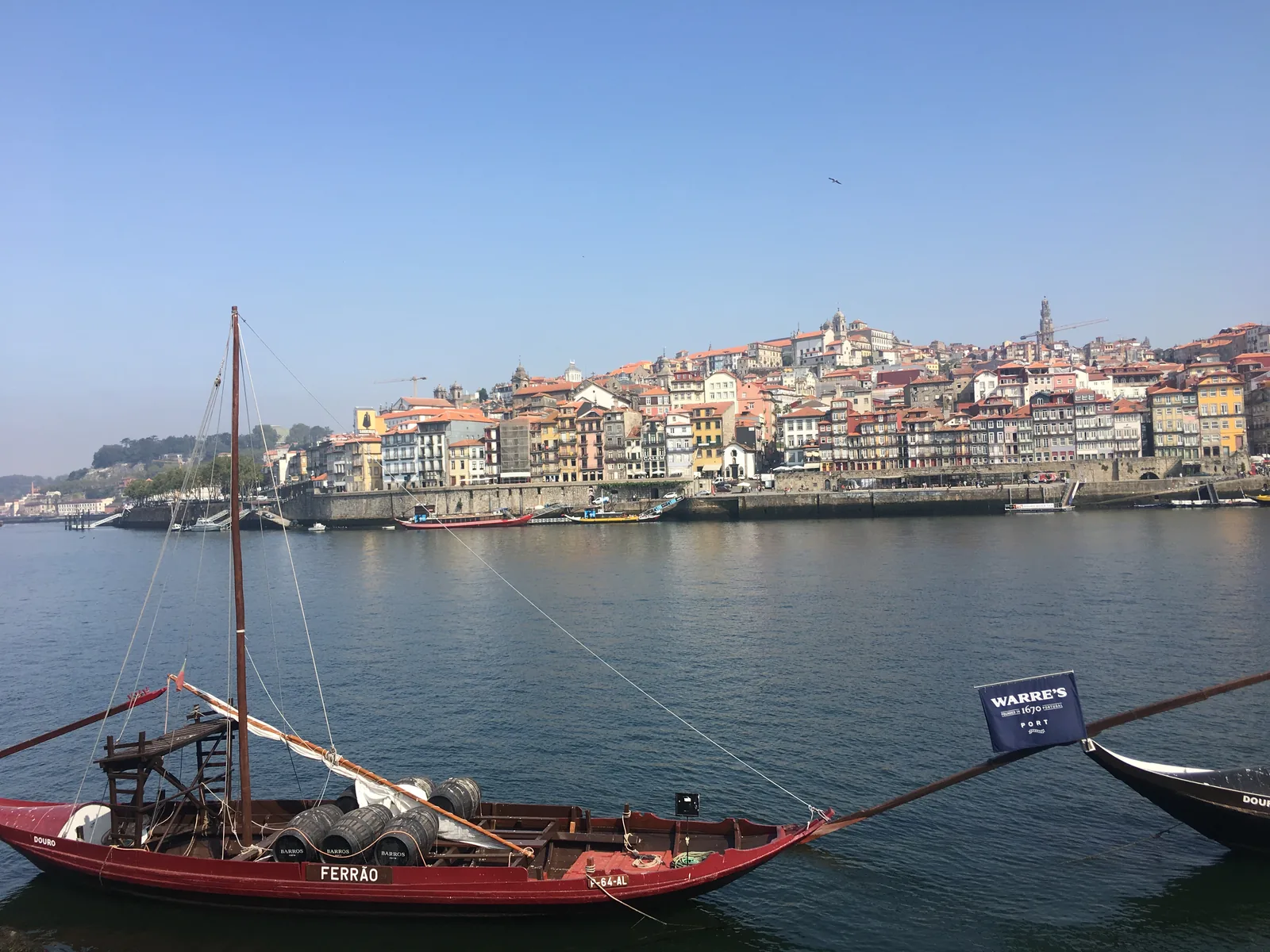
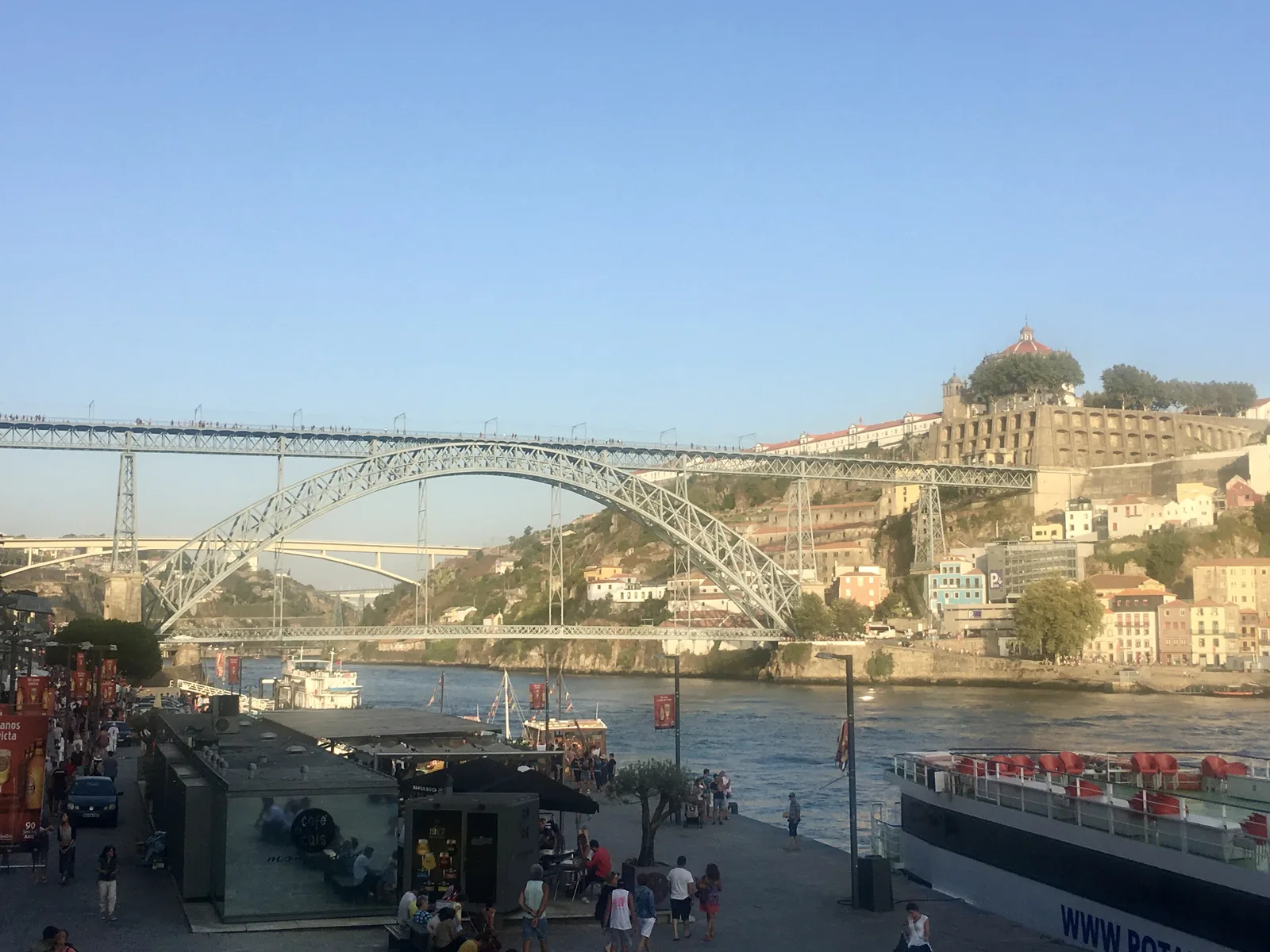
Porto is more granite and more intimate than Lisbon. Its historic center, with the Ribeira waterfront and the Dom Luís I bridge, has been a UNESCO site since 1996. The double-decker iron bridge, opened in 1886, was designed by Théophile Seyrig, a former partner of Gustave Eiffel. Across the river, in Vila Nova de Gaia, the port wine lodges open for tastings, and the rabelo boats that once carried the barrels down the Douro are moored in front of them. Try a francesinha, Porto’s famous and very rich sandwich.
Peniche and the Atlantic coast
On the way back from the north, Peniche sits on a rocky peninsula where the Atlantic crashes against the cliffs of Cabo Carvoeiro, a superb place at sunset. From its port, boats leave for the Berlengas islands, a UNESCO biosphere reserve since 2011, with a limited number of visitors a day.

Évora and the Alentejo
Inland, the Alentejo is a land of wheat fields, cork oaks and whitewashed villages. Its capital, Évora, a UNESCO site since 1986, has a Roman temple, a cathedral, and the Capela dos Ossos, a chapel lined with bones whose inscription warns visitors: “We bones that are here await yours.” Entry costs €7. I stopped there on the way to the Algarve.
Tavira and the eastern Algarve
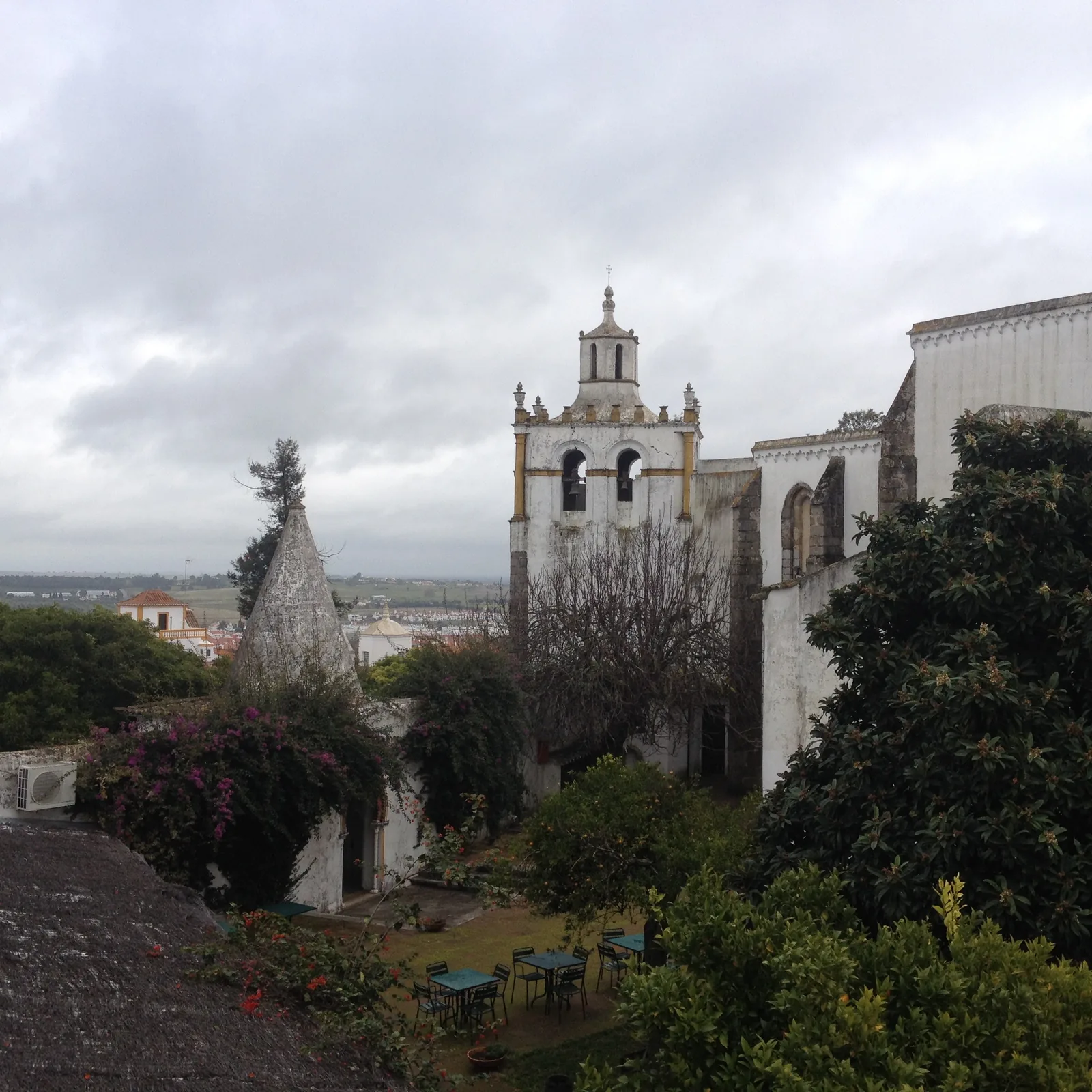
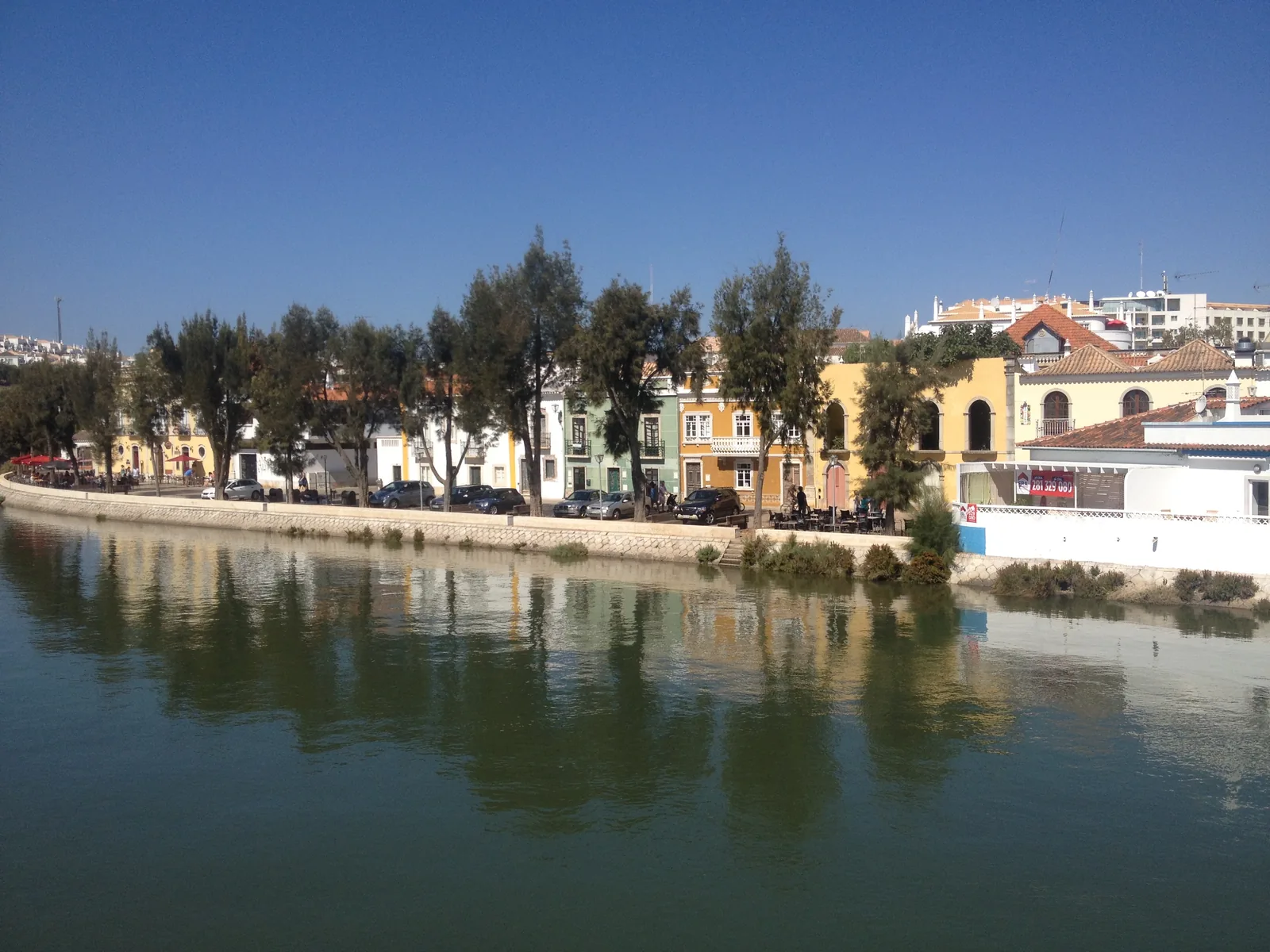
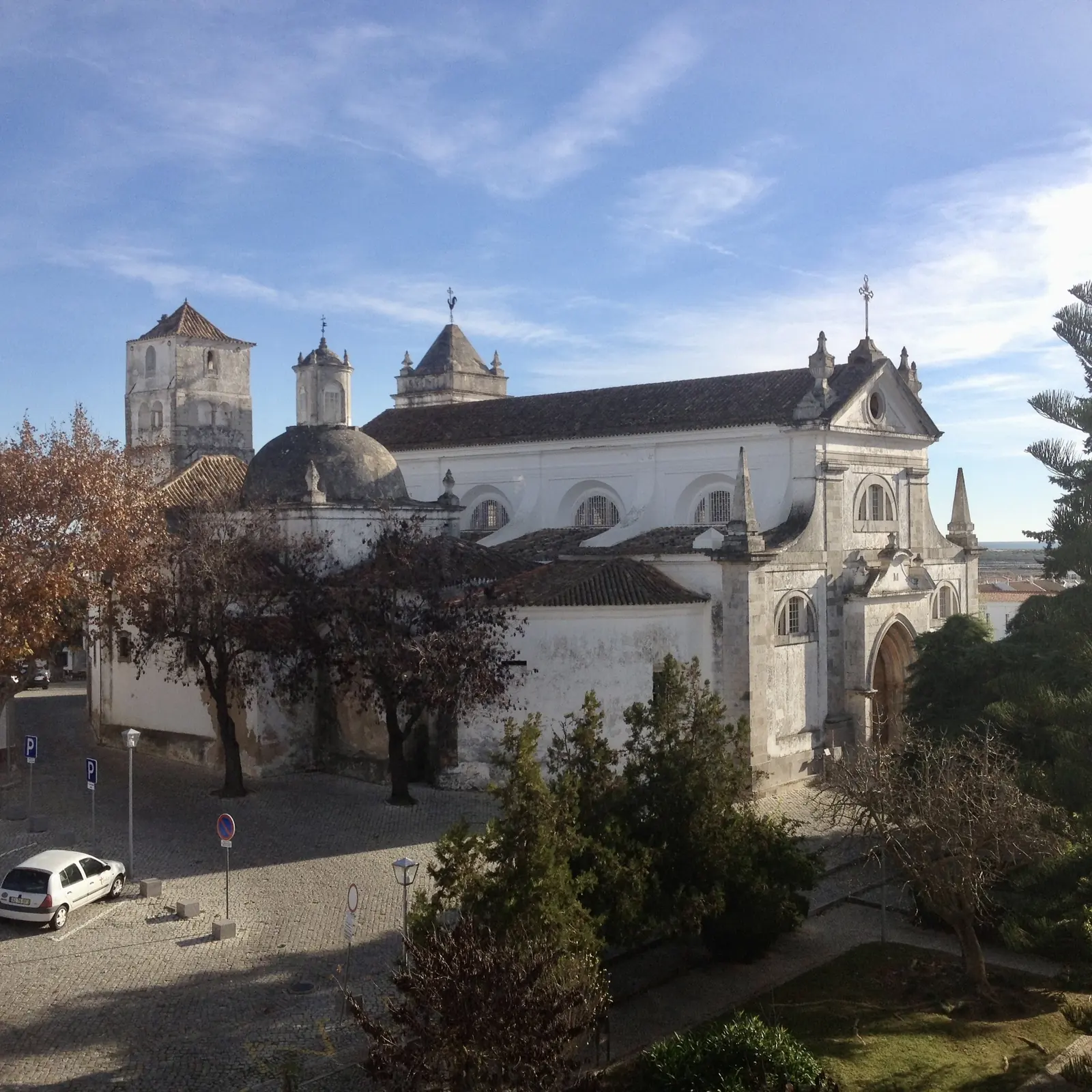
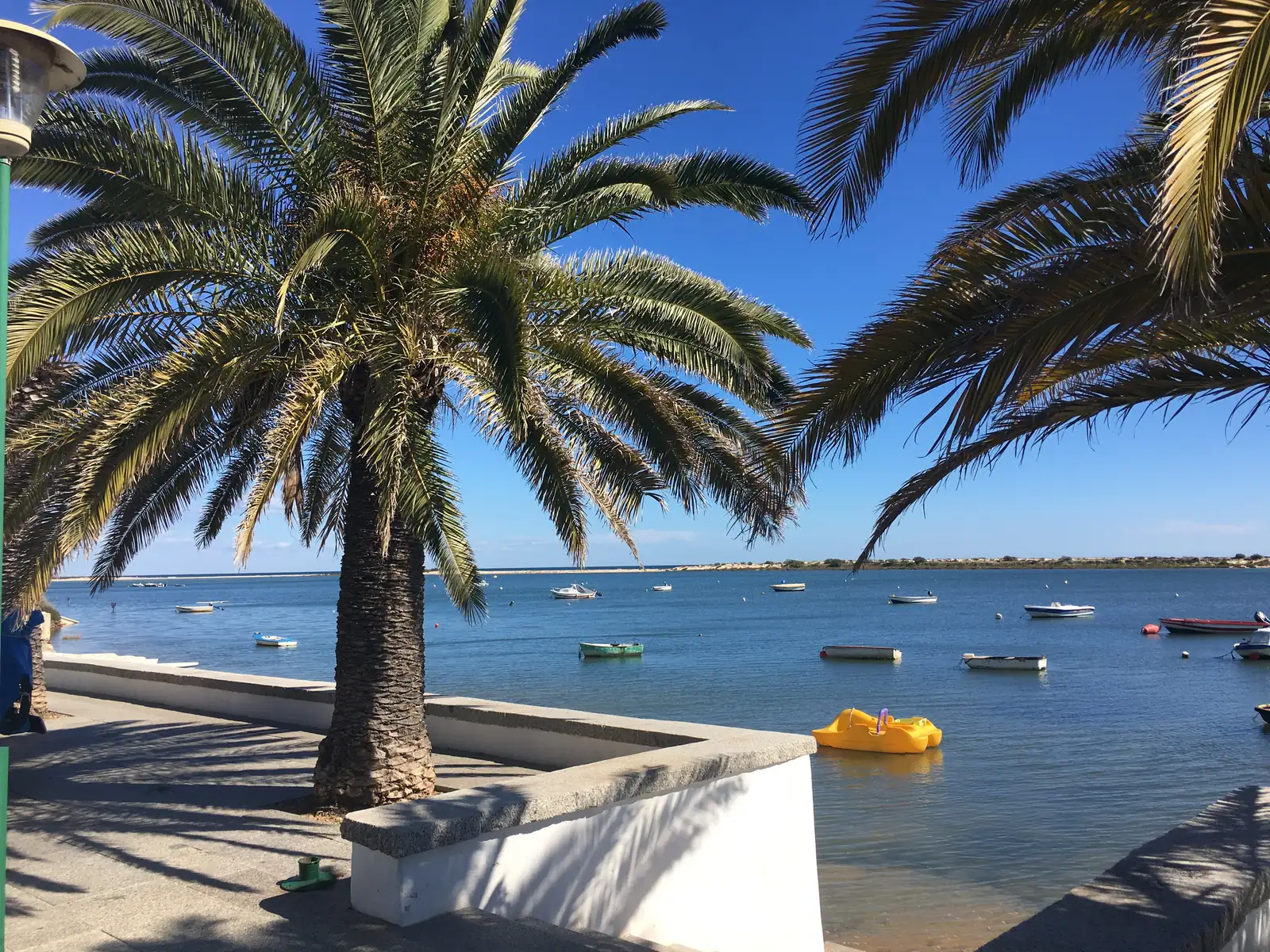
The Algarve is two coasts in one: golden cliffs and coves around Lagos in the west, lagoons and endless sandy islands in the east. My favorite is the east, around Tavira, an elegant town of churches and old houses on both banks of the Gilão river. Stay at the Pousada Convento de Tavira, in a former convent in the heart of the old town. From Tavira, boats cross to the long beach of the Ilha de Tavira, in the Ria Formosa Natural Park. All the details, from the old town of Tavira to the beach of Cacela Velha, are in my eastern Algarve travel guide.
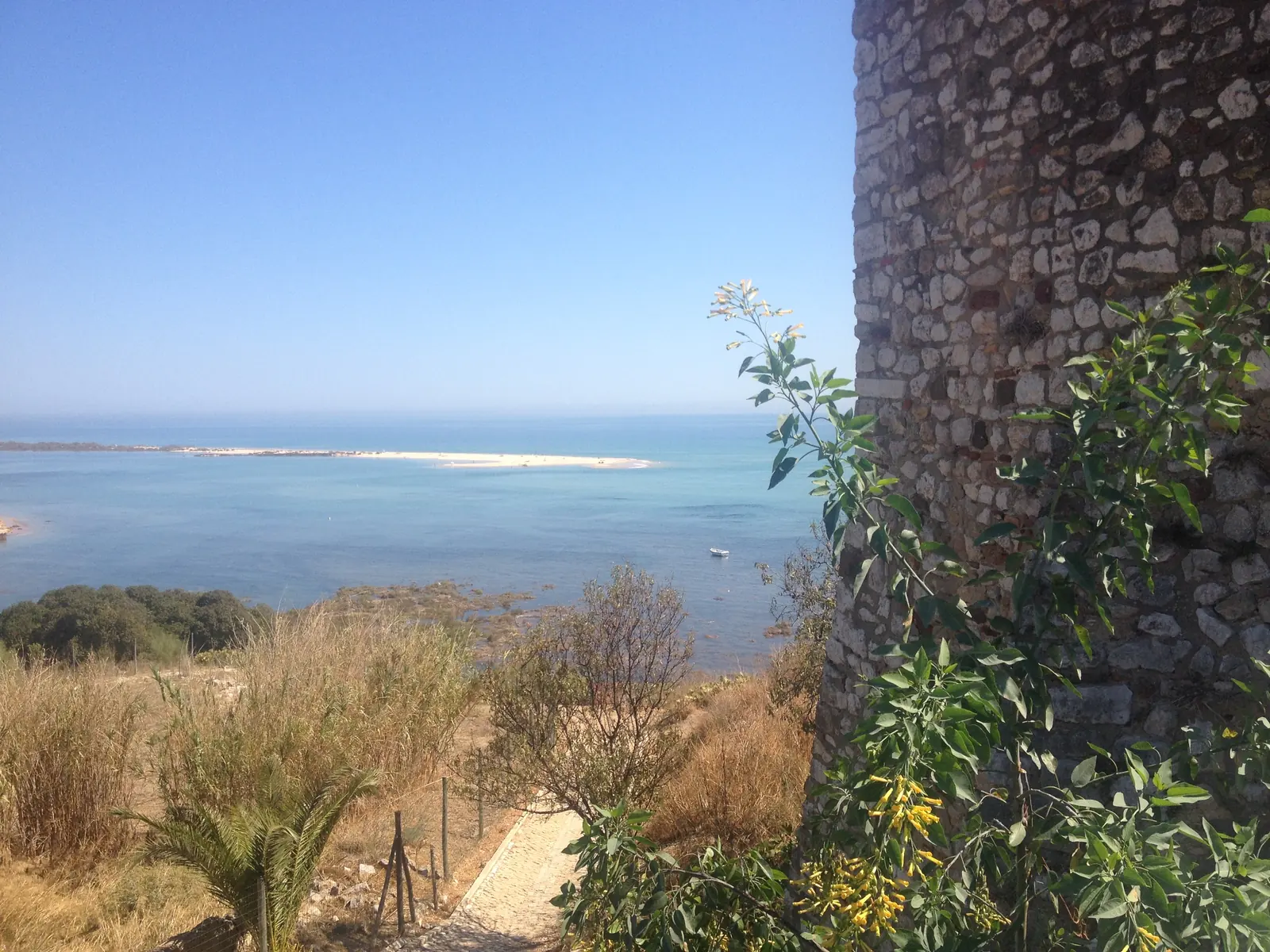
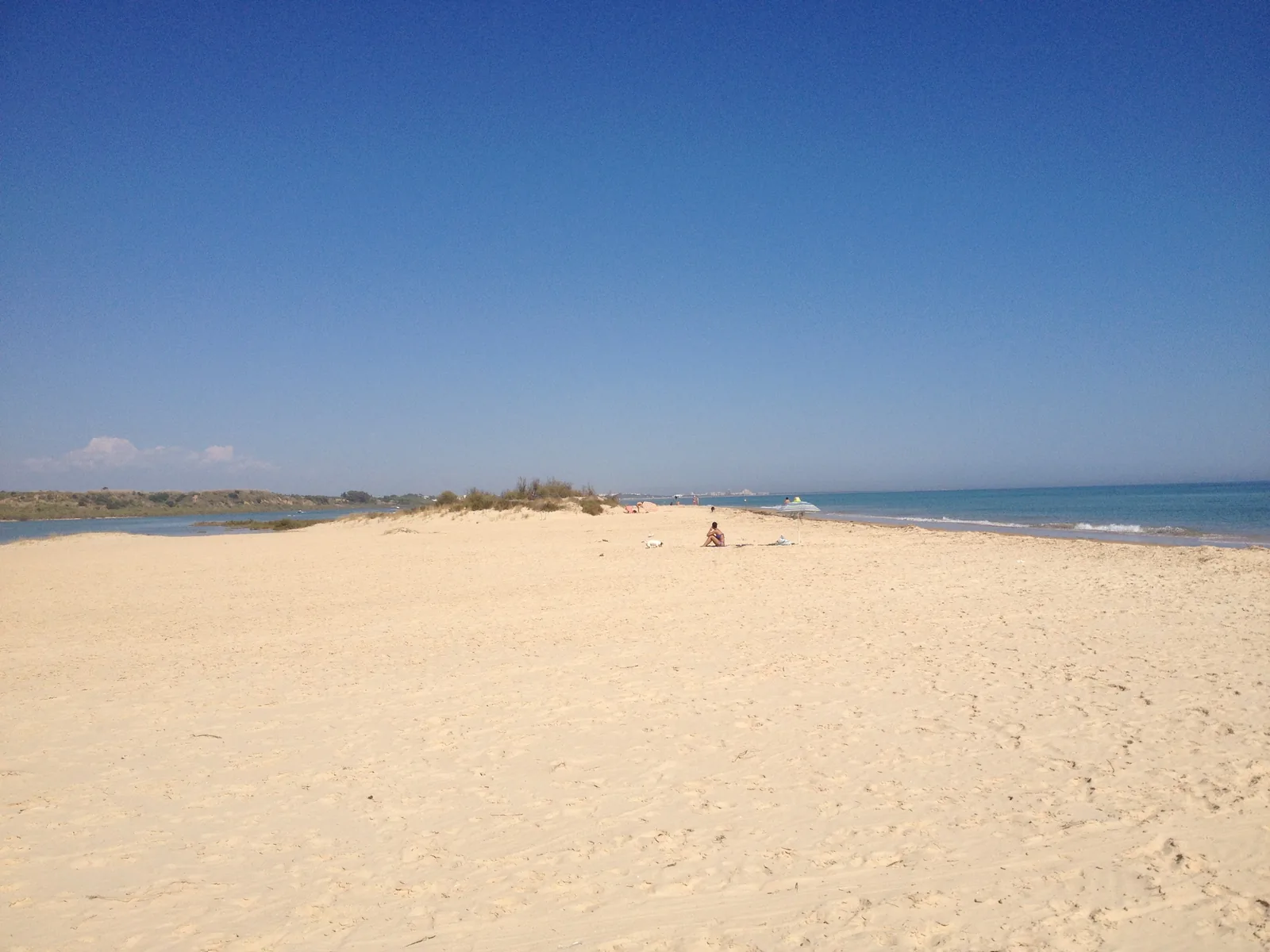
Twenty minutes east, the village of Cacela Velha sits on a bluff above the lagoon, and below it lies one of the most beautiful beaches in Portugal: the Praia de Cacela Velha, or Praia da Fábrica, a narrow strip of sand between the lagoon and the ocean. You reach it by a small fishing boat from Fábrica, in a couple of minutes, or on foot across the lagoon at low tide. I went back several times.
A 10-Day Portugal Itinerary
- Days 1-4, Lisbon: Alfama, Chiado, Belém, Bairro Alto; a day trip to Sintra.
- Day 5, the coast: Cascais and Estoril, or the Costa da Caparica.
- Day 6, Batalha and Coimbra: the monastery on the way, a night in Coimbra.
- Days 7-8, Porto: the Ribeira, Gaia and the port lodges, with a half-day in Braga.
- Days 9-10, back south: Peniche on the way to Lisbon, or a train to Faro and two days in Tavira.
With more time, spend a week in the Algarve or add the Alentejo, with Évora, on the way south.
Where to Stay in Portugal
In Lisbon, stay in Chiado or Alfama; my detailed advice is in the Lisbon guide. In Porto, the Ribeira and the streets around it put you within walking distance of everything: see hotels in Porto. In Tavira, I recommend the Pousada Convento de Tavira, a former convent with a pool in the old town. For Coimbra, see hotels in Coimbra.
Getting Around Portugal
By train
The Alfa Pendular links Lisbon to Porto in about 3 hours, for around €34 in second class, with promotional fares from €9.50 booked in advance; the slower Intercidades takes about 3 hours 20 minutes. Coimbra is about 1 hour 40 minutes from Lisbon, and Faro, for the Algarve, about 3 hours, with a regional train on to Tavira.
By car
A car is the best way to explore the coast, the Alentejo and the villages. Many motorways have electronic-only tolls: rental cars usually come with a transponder billed afterwards. Good news for the Algarve: since January 1, 2025, the A22 motorway along the coast is toll-free. Speed limits are 50 km/h in towns, 90 km/h on ordinary roads and 120 km/h on motorways.
Best Time to Visit Portugal
March to May and September to October are ideal: mild, sunny and less crowded. Summer is hot inland and busy on the coast. Be warned that the Atlantic is cold: around 19°C (66°F) in August near Lisbon, while the eastern Algarve, sheltered by the lagoons, reaches about 23°C (73°F). In Lisbon, mid-June is the time of the Santo António festival.
What to Eat in Portugal
Bacalhau, salt cod, is said to have a different recipe for every day of the year; grilled sardines are the taste of June; the pastel de nata is the national custard tart, best warm in Belém. In Porto, try a francesinha; in the north, drink vinho verde, a light, young wine; and finish with a glass of port. Tipping is not compulsory: rounding up or leaving 5 to 10% in restaurants is appreciated.
Read More
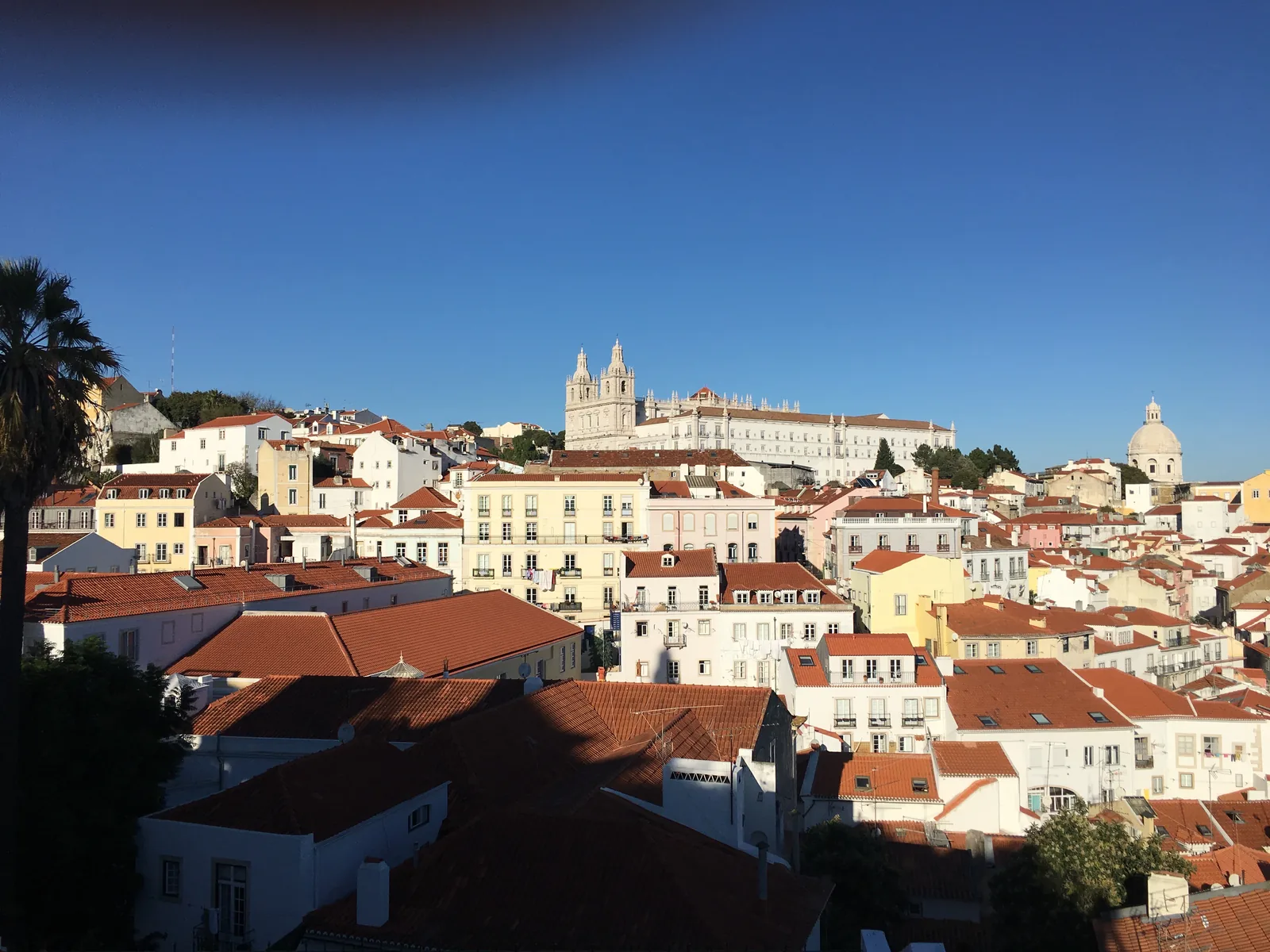
Lisbon Travel Guide
The city I know neighborhood by neighborhood: viewpoints, food, nightlife and where to stay.
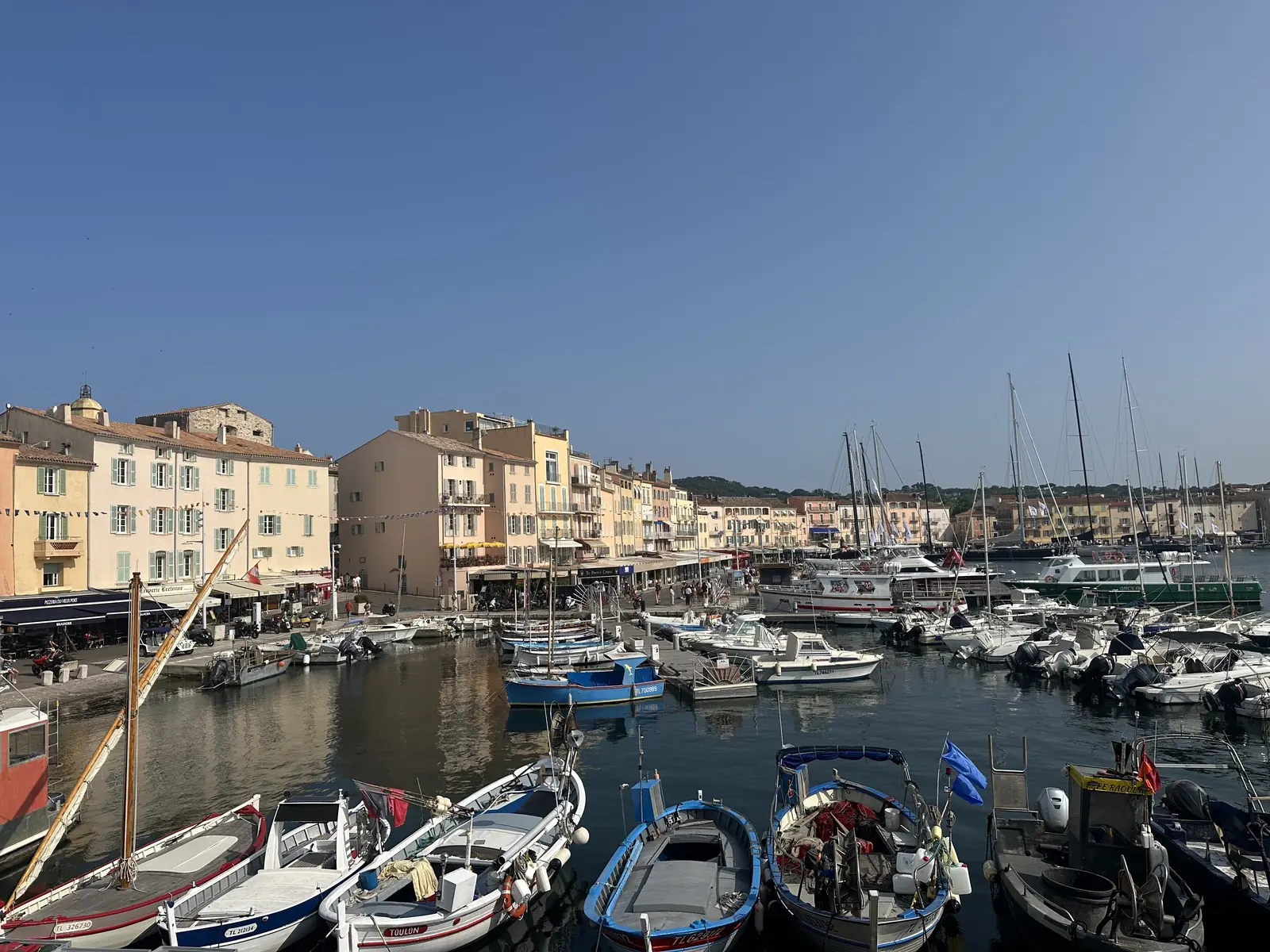
French Riviera Travel Guide
Cannes, Antibes, Nice, Saint-Tropez and the Verdon, from four years living in Cannes.
Frequently Asked Questions About Portugal
How many days do you need in Portugal?
Ten days are enough for Lisbon, Sintra, Coimbra and Porto. Add four or five days for the Algarve or the Alentejo.
Is it better to visit Lisbon or Porto?
Both, if you can: they are 3 hours apart by train. Lisbon is bigger, sunnier and more varied; Porto is more compact and intimate. With only a few days, start with Lisbon.
What is the best time to visit Portugal?
March to May and September to October, when it is warm and sunny without the summer crowds. July and August are best for the beaches, but busy.
Do you need a car in Portugal?
Not for Lisbon, Porto and Coimbra, which are linked by fast trains. A car is the best option for the coast, the Alentejo and the Algarve beaches.
Are there tolls on Portuguese motorways?
Yes, and many are electronic-only. Rental cars usually have a transponder, billed afterwards. Since January 2025, the A22 motorway in the Algarve is free.
Is the sea warm in Portugal?
The Atlantic is cool: around 19°C in August near Lisbon. The eastern Algarve, around Tavira, is the warmest, at about 23°C in summer.
Which is the most beautiful beach in the Algarve?
My favorite is the Praia de Cacela Velha, a strip of sand between the Ria Formosa lagoon and the ocean, reached by boat from Fábrica or on foot at low tide, about 20 minutes from Tavira.
Is Portugal expensive?
It remains one of the most affordable countries in Western Europe, especially for food and transport, although Lisbon hotels have become pricier in recent years.