Planning Your Trip to Vietnam: What I Wish I’d Known
By Blaise Jaeger · Updated October 10, 2026
In April 2024 I crossed Vietnam from south to north in ten days, from Ho Chi Minh City to Ha Long Bay. Most of what made that trip work was decided before I left: the season, the route, which legs to fly, the visa and a few practical details that are easy to overlook.
This guide gathers those decisions in the order I would make them again: when to go, how many days to plan, which itinerary to choose, entry rules, flights, money, phone and packing. Vietnam is one of my favorite countries in Southeast Asia, and a little planning goes a long way here.
When to Visit Vietnam
Vietnam stretches over 1,600 km from north to south, so there is no single best season: in any month it is dry somewhere and wet somewhere else.
- North (Hanoi, Sapa, Ha Long Bay): best from October to April. December to February is cool and often misty, especially in Sapa; May to September is hot, humid and rainy.
- Center (Hue, Da Nang, Hoi An): best from February to August. The rainy season runs from September to December, with a risk of typhoons and floods.
- South (Ho Chi Minh City, Mekong Delta, Phu Quoc): best from November to April. The rainy season, from May to October, usually means short, heavy afternoon showers.
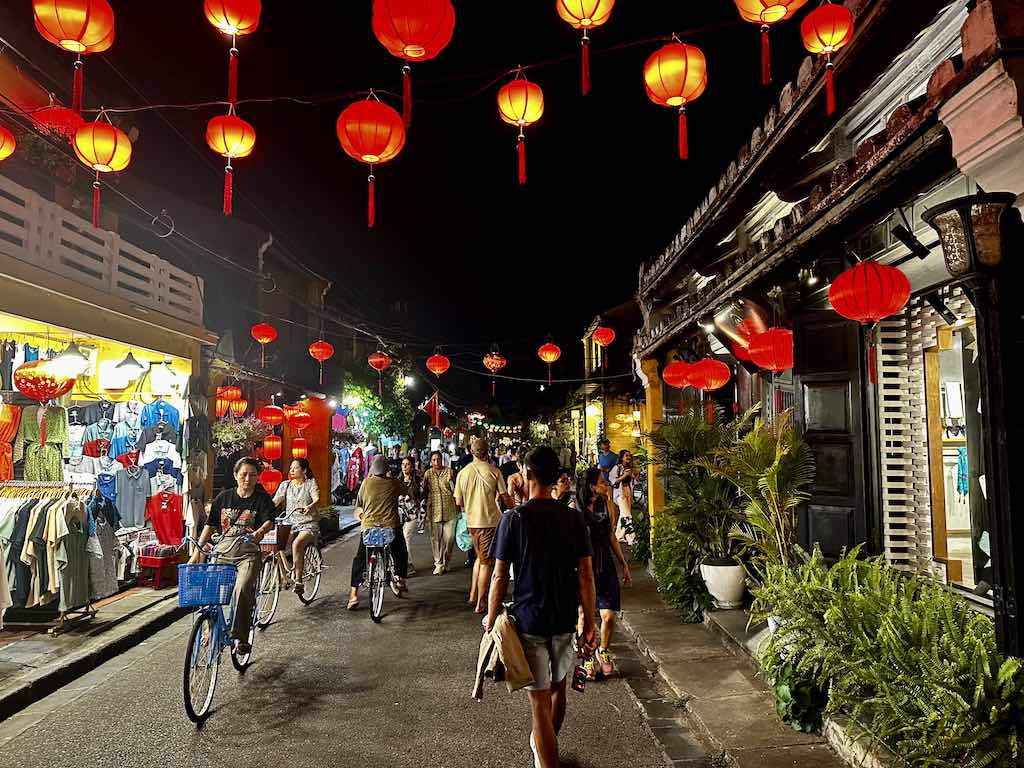
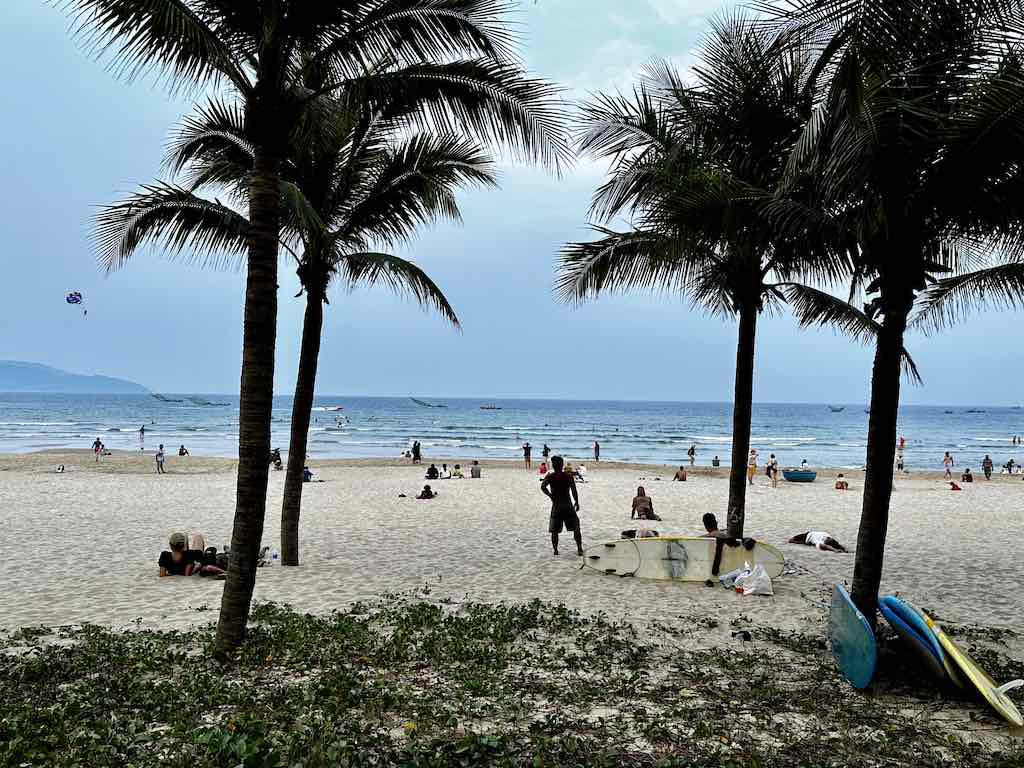
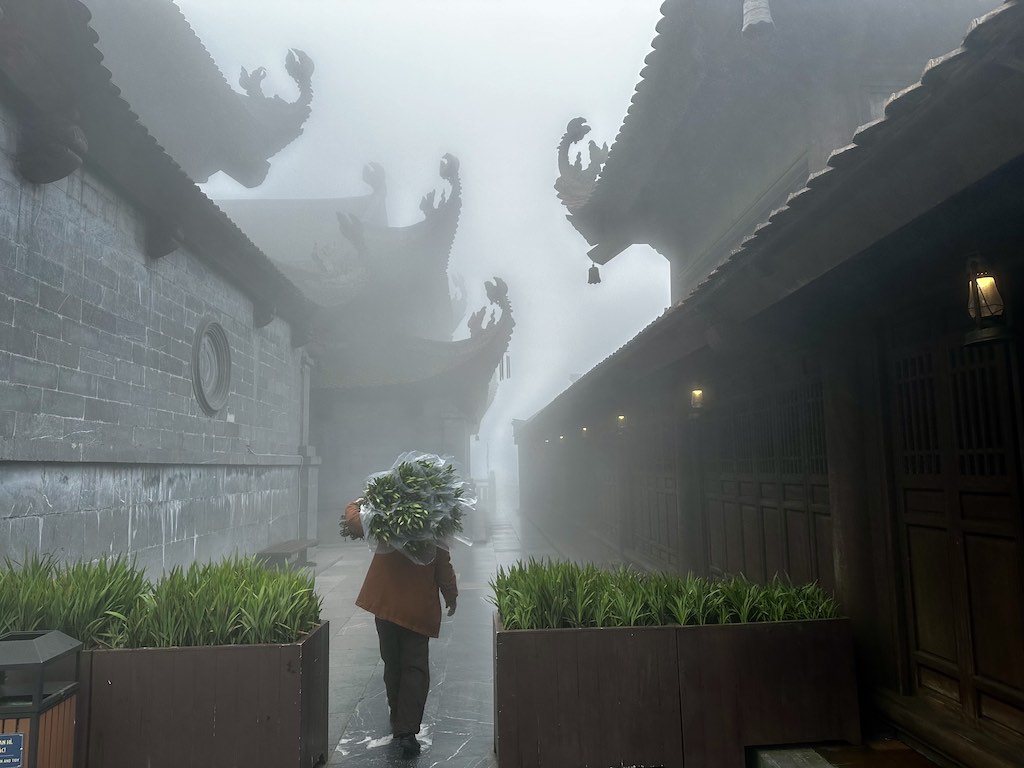
For a trip that covers the whole country, March and April are the best compromise. I went in early April: it was dry and hot in the south, sunny in Da Nang and Hoi An, and only the summit of Fansipan was lost in the clouds. Avoid Tet, the Lunar New Year in late January or February, when transport is fully booked and many places close for several days.
How Many Days Do You Need in Vietnam?
Distances are long, so the number of days decides how many regions you can see. These are the routes I would suggest, all of them flying the long legs.
One Week: Pick One or Two Regions
- North: two days in Hanoi, a night in Ha Long Bay, then two or three days in Sapa.
- Center: Hue for its imperial city, the Hai Van Pass, then Da Nang and Hoi An.
Ten Days to Two Weeks: The Classic South-to-North Route
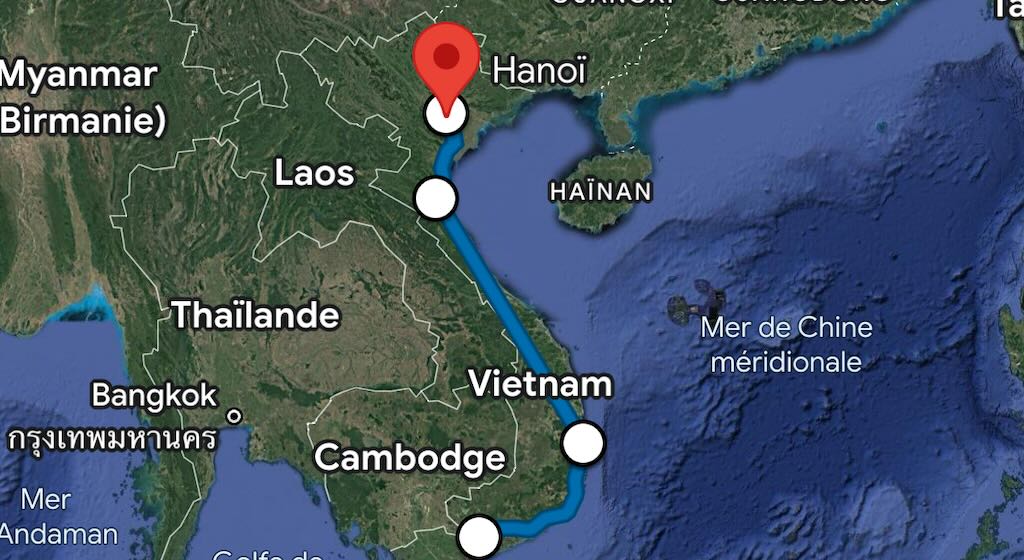
This is the route I followed in ten days:
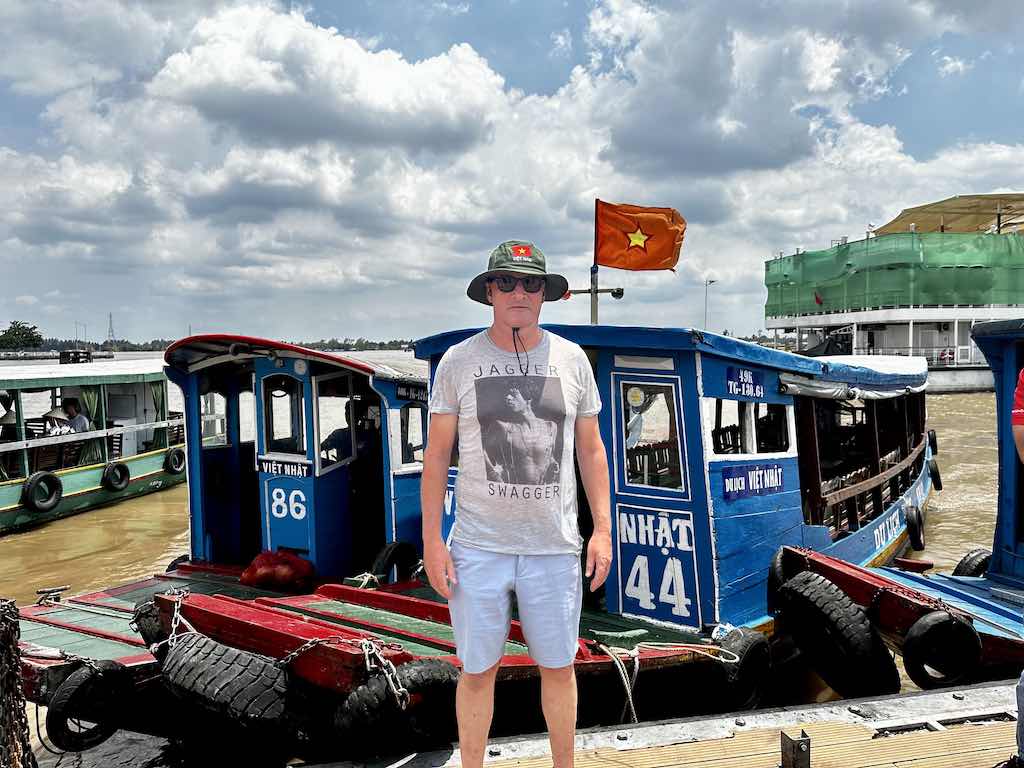
- Days 1–2: Ho Chi Minh City and a day trip to the Mekong Delta.
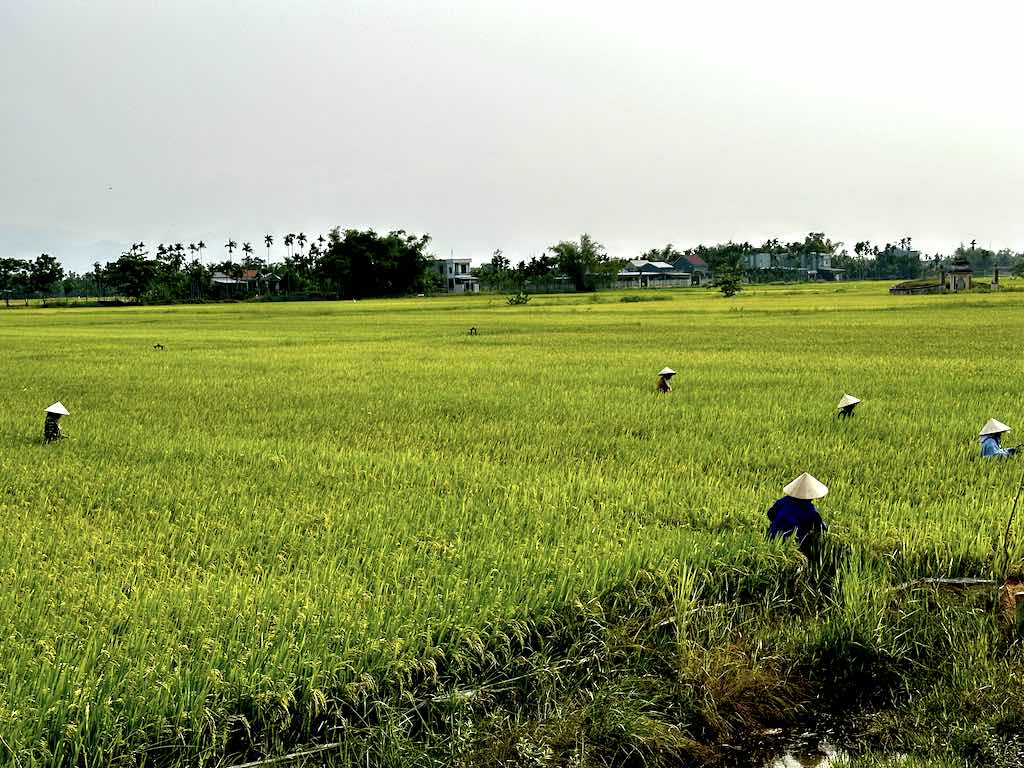
- Days 3–6: flight to Da Nang, then Hoi An, the rice fields and the My Son sanctuary by scooter.
- Days 7–8: flight to Hanoi and the night bus to Sapa for Fansipan.
- Days 9–10: Hanoi’s Old Quarter and a day cruise in Ha Long Bay.
With two weeks, I would add two days in Hue between Hoi An and Hanoi and a night on a boat in Ha Long Bay instead of a day cruise.
Three Weeks: Slower, With Beaches and Mountains
The same route with more time on the ground, plus Ninh Binh or Ha Giang in the north, Dalat or Nha Trang in the south-center, and a few days on the beaches of Phu Quoc or Con Dao to finish.
How each leg connects, by plane, train, bus or scooter, is explained in my guide to getting around Vietnam.
Visa and Entry Requirements
Citizens of 24 countries can visit Vietnam without a visa for up to 45 days, including France, Germany, the United Kingdom, Italy, Spain, the Netherlands, Belgium, Switzerland, Poland, the Nordic countries, Japan and South Korea. Most Southeast Asian nationals get 30 days.
Everyone else, including travelers from the United States, Canada and Australia, applies online for an e-visa on the official e-visa portal. It is valid for up to 90 days, single or multiple entry, and usually takes three to five working days. Use only the official site: many look-alike agencies charge several times the price. If you fly directly to Phu Quoc, you can stay on the island for 30 days without a visa, whatever your nationality.
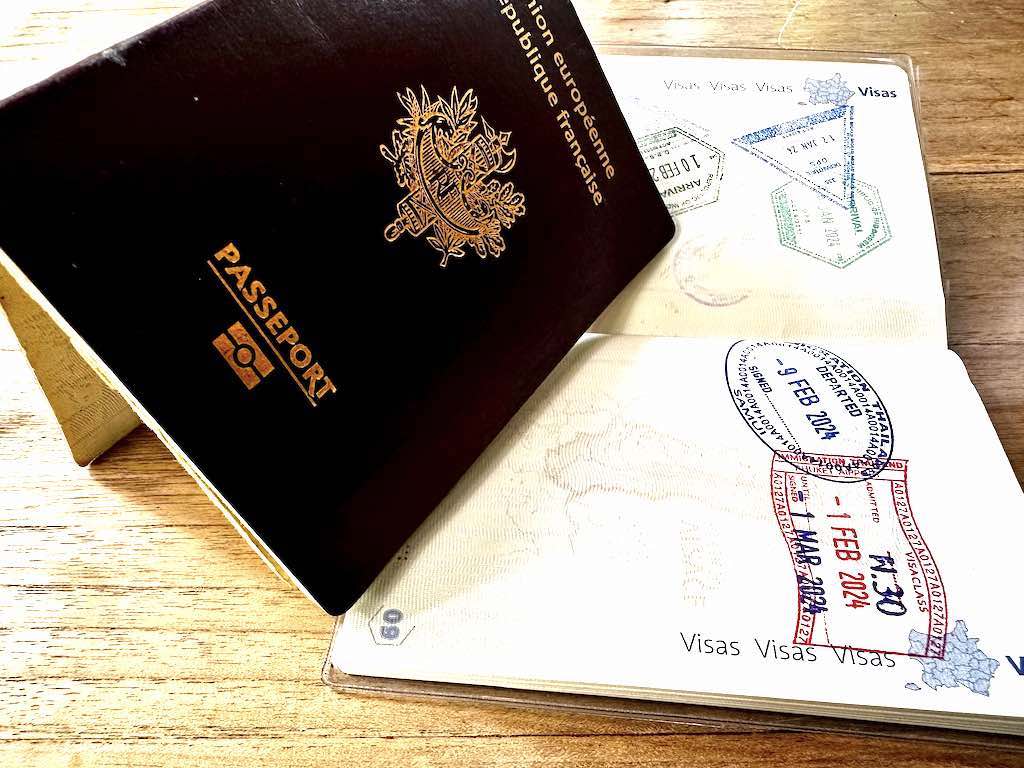
Your passport must be valid for at least six months after your arrival date and have blank pages for the stamps. Rules change regularly, so check them again just before booking.
Health and Travel Insurance
No vaccine is mandatory, except yellow fever if you arrive from a country where it is present. The ones usually recommended are:
- Routine vaccines: diphtheria, tetanus and polio up to date.
- Hepatitis A and B, and typhoid: for food and water hygiene, especially if you eat street food.
- Rabies and Japanese encephalitis: for long stays or time in remote rural areas.
See a travel clinic a few weeks before leaving. Take travel insurance that covers medical evacuation, and check that it covers scooter riding if you plan to rent one: many policies only do so if you hold a motorcycle license.
Flights to Vietnam
Unless you arrive overland from Cambodia, Laos or China, you will fly in. The main international airports are:
- Tan Son Nhat (Ho Chi Minh City): the busiest, with flights from Asia, Europe, the Middle East and Australia. Saigon’s new Long Thanh airport is due to open to commercial flights in December 2026.
- Noi Bai (Hanoi): the second gateway, with direct flights from Europe and the rest of Asia.
- Da Nang: mostly flights from Asia, convenient for Hoi An and Hue.
- Cam Ranh (Nha Trang) and Phu Quoc: for a beach stay, mainly with flights from Asia.
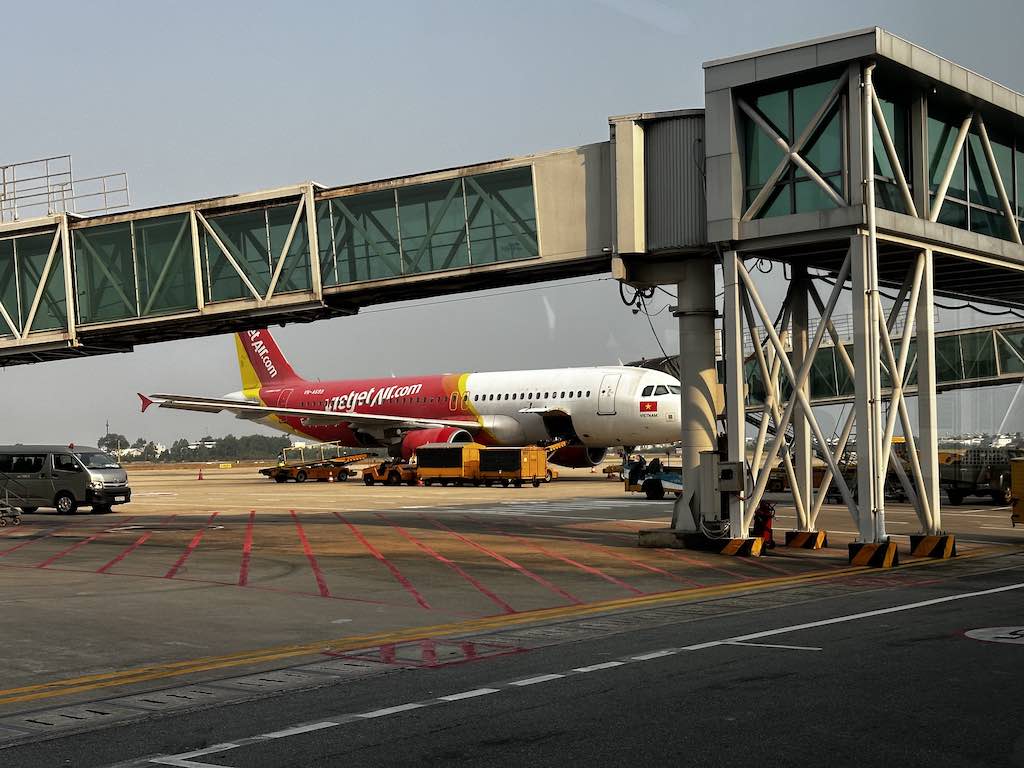
My best tip is to book an open-jaw ticket: arrive in one city and leave from the other, as I did, landing in Ho Chi Minh City and flying home from Hanoi. You save a 2-hour return flight and a day. Compare fares on a flight search engine with flexible dates, and book domestic flights a few weeks ahead around Tet and in July and August. For domestic flights, trains and buses, the 12Go app shows every option side by side.
Money, SIM Card and Apps
- Currency: the Vietnamese dong (VND); 25,000 VND is roughly one US dollar. Cards work in hotels, malls and many city restaurants, but street food, markets and small towns are cash only.
- ATMs: easy to find in towns. Most charge a fee per withdrawal, so take out larger amounts less often.
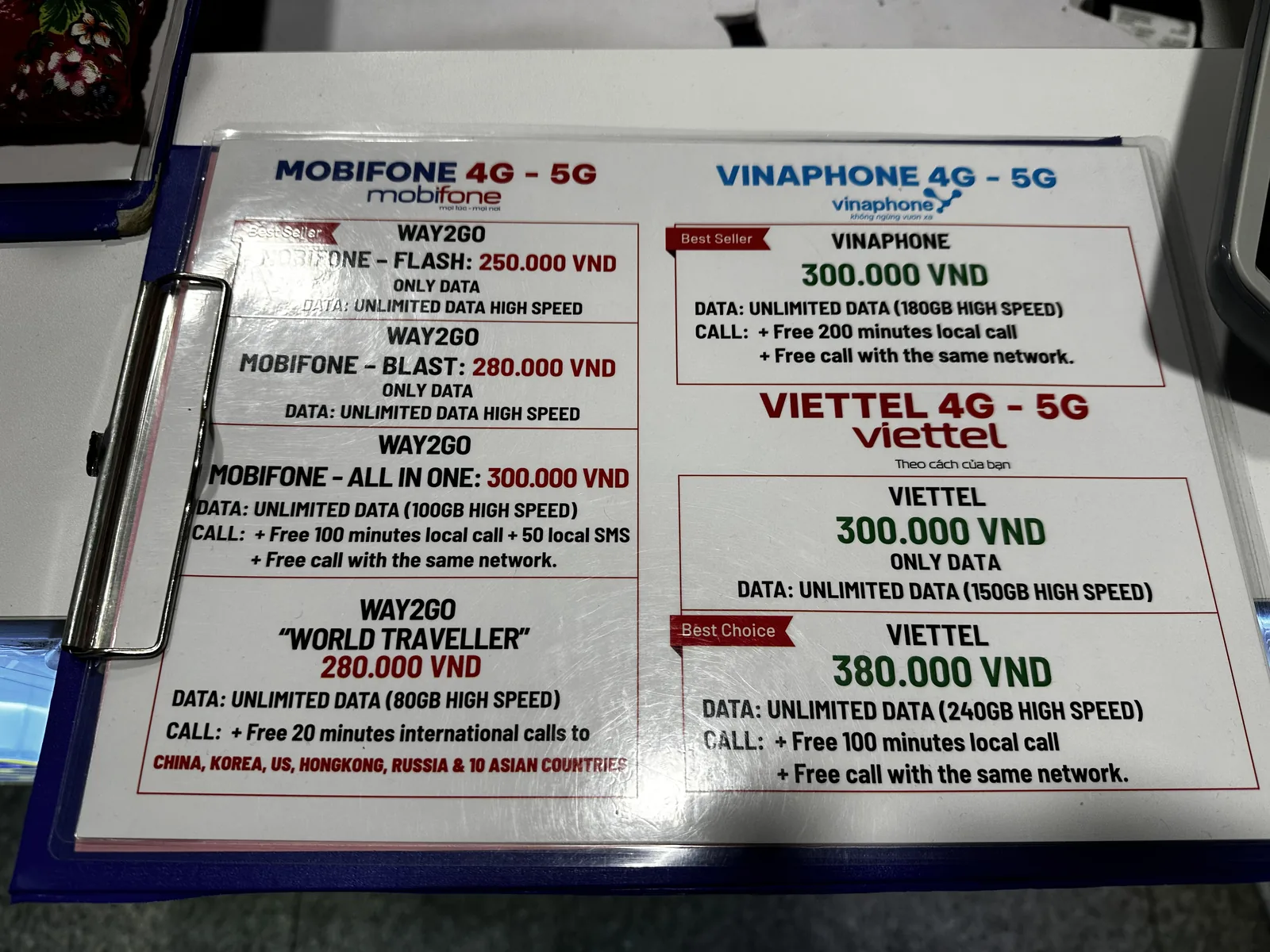
- SIM card: I bought a local SIM with data at the arrivals hall in Ho Chi Minh City, which took ten minutes. An eSIM bought before departure works just as well if your phone supports it.
- Apps: Grab for cars and motorbike taxis at a fixed price in every big city, Google Maps for walking and opening hours, 12Go for transport tickets and a translation app for menus.
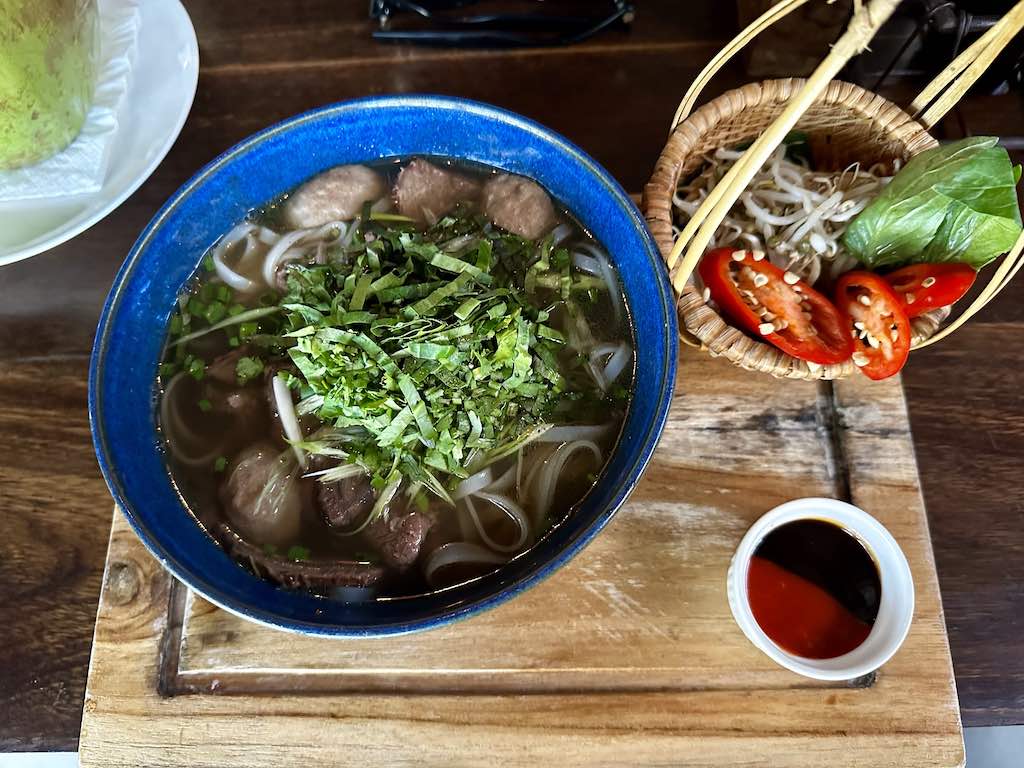
- Budget: Vietnam is still inexpensive. On my trip, a big bowl of noodles cost 65,000 VND in Saigon, and stir-fried noodles 90,000 to 100,000 VND at a street restaurant in Hanoi.
What to order, and where, is in my guide to Vietnamese food.
What to Pack for Vietnam
- Clothing: light, breathable clothes, plus a warm layer for Sapa, night buses and air-conditioned flights. Cover shoulders and knees to visit temples and pagodas.
- Shoes: comfortable walking shoes, and sandals for the beach and the rain.
- Rain gear: a light jacket or poncho; ponchos are also sold everywhere for a few thousand dong.
- Health: your usual medication with its prescription, mosquito repellent and sunscreen. Pharmacies are easy to find in the cities.
- Electricity: 220 V; most sockets take both two-pin round European plugs and flat US-style plugs.
Where to Stay in Vietnam
- Book the key nights early: Tet, weekends in Ha Long Bay and Sapa, and July–August fill up first. I use Booking.com to compare and keep free cancellation.
- Location first: in Hanoi, stay in or near the Old Quarter; in Saigon, District 1; in Hoi An, close to the old town or the rice fields.
- Value: mid-range hotels in Vietnam are very good for the price, and family-run guesthouses often help with tours and transport.
With the season, the route and the paperwork settled, the rest is easy: Vietnam is a country where things fall into place once you are there. For the highlights of each region, start with my Vietnam travel guide.