History of Bali: The Historical Sites Where You Can Still See It
By Blaise Jaeger · Updated October 27, 2026
Bali’s history is not locked away in museums. It is carved into river gorges, painted on the ceilings of a royal court of justice, and still lived every day in temples that are more than a thousand years old. I live in Bali and run dive resorts on Nusa Penida, and the places in this guide are ones I have visited myself: Klungkung and its Kerta Gosa, Besakih, Goa Gajah, Gunung Kawi and Pura Dalem Ped. Here is the island’s history in brief, then where to see each era with your own eyes.
Bali’s History in Brief
- Prehistory: Austronesian farmers settled Bali several thousand years ago and brought rice cultivation. Burial sites at Gilimanuk, in the far west, are around 2,000 years old.
- Bronze Age: the Moon of Pejeng, a huge bronze kettle drum kept in a temple near Ubud, dates from the same period.
- 914 AD: the Belanjong pillar in Sanur records King Sri Kesari Warmadewa, the first Balinese king known by name, and calls the island Vāli-dvīpa.
- 10th–11th centuries: Hindu-Buddhist kingdoms under the Warmadewa dynasty build Tirta Empul, Goa Gajah and the royal tombs of Gunung Kawi.
- 1343: the Javanese Majapahit empire conquers Bali. When Majapahit falls, nobles, priests and artists take refuge on the island, which becomes the last Hindu kingdom of the archipelago.
- 16th–17th centuries: the Gelgel dynasty rules most of Bali; its successor moves the court to Klungkung around 1700, while rival kingdoms such as Mengwi, Badung and Karangasem rise.
- 1846–1849: Dutch military expeditions take control of northern Bali.
- 1906 and 1908: the royal courts of Badung (Denpasar) and Klungkung choose the puputan, a ritual fight to the death, rather than surrender. All of Bali comes under Dutch rule.
- 1920s–1930s: artists and travelers discover Bali; Ubud becomes a center of painting and the first tourists arrive.
- 1942–1949: Japanese occupation, then the war of independence. On November 20, 1946, Lieutenant Colonel I Gusti Ngurah Rai and his men die at Margarana.
- 1963–1966: Mount Agung erupts in 1963, then the political violence of 1965–66 that swept Indonesia is particularly deadly in Bali.
- 1970s to today: mass tourism, the 2002 bombings in Kuta, and the island’s recovery as Indonesia’s leading destination.
Historical Sites in Bali, Era by Era
The sites below are listed roughly in chronological order. Most of them are still active temples: you will see offerings, ceremonies and families at prayer, which is exactly what makes them so different from ruins.
Belanjong Pillar, Sanur (914 AD)
In a small temple in southern Sanur stands the oldest dated inscription in Bali. Carved in 914 AD in Sanskrit and Old Balinese, it records a military campaign by King Sri Kesari Warmadewa. Discovered in 1932, the pillar has never left its original spot, near what was once Sanur’s harbor. It is a quick stop, but it is where Bali’s written history begins.
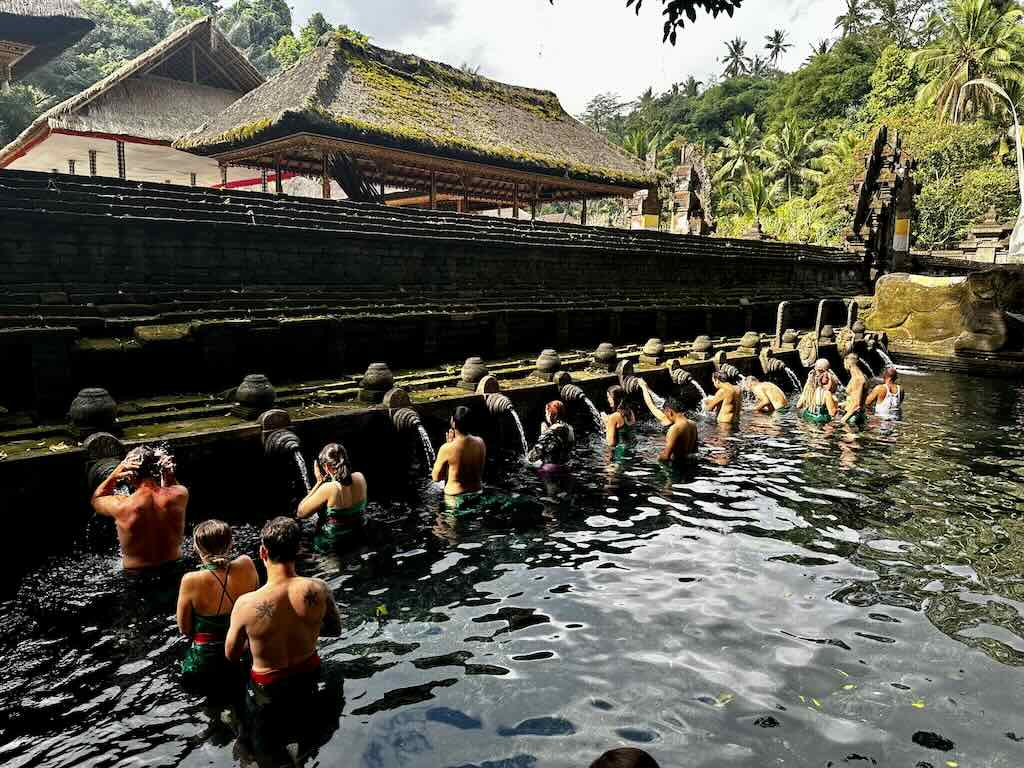
Tirta Empul, Tampaksiring (962 AD)
Tirta Empul was founded around 962 AD around a sacred spring. Balinese Hindus still come here to purify themselves under the bathing spouts, in an order set by tradition. It is busy, so go early in the morning, and follow the rules given at the entrance if you want to take part in the purification.
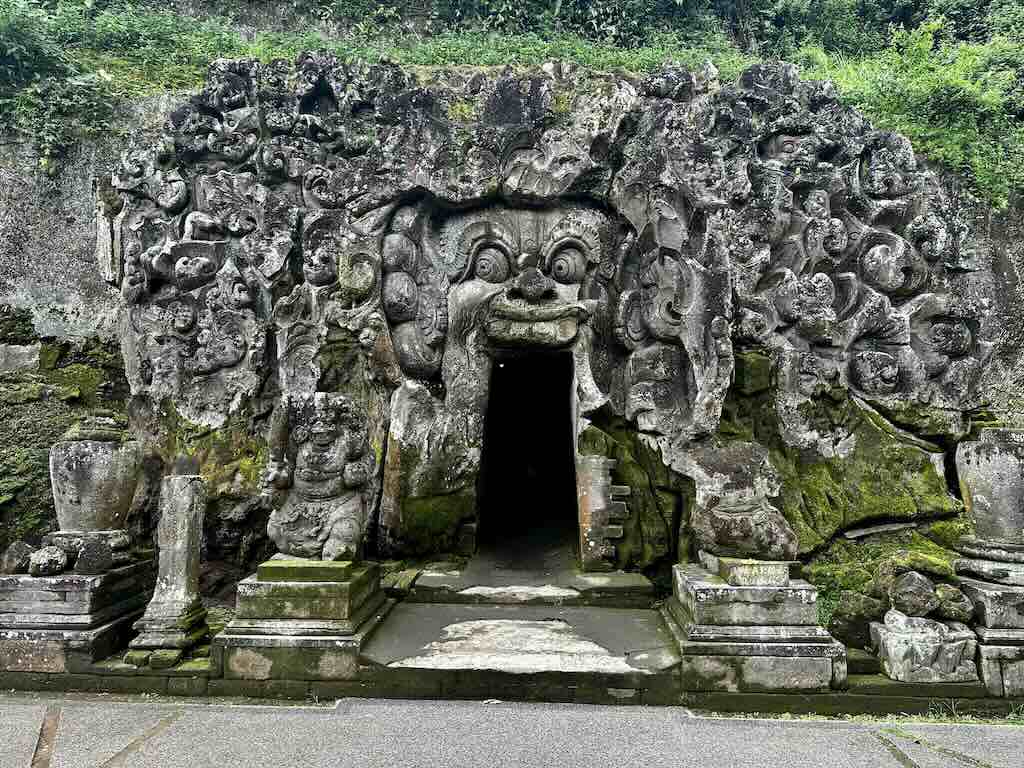
Goa Gajah, the Elephant Cave (11th century)
Just outside Ubud, Goa Gajah is a meditation cave from the 11th century, entered through a demon’s mouth carved into the rock. It mixes Hindu and Buddhist elements: inside the cave stands a statue of Ganesha, and Buddhist relics lie in the ravine below. Dutch archaeologists rediscovered the site in 1923, and the bathing pools in front of the cave were only excavated in 1954.
Gunung Kawi, Tampaksiring (11th century)
For me, Gunung Kawi is the most striking historical site in Bali. Ten shrines, each about 7 meters (23 feet) high, are carved into the cliffs on both sides of the Pakerisan River. They are thought to honor King Anak Wungsu and his queens, in the 11th century. You reach them down a long staircase through rice terraces, and the walk back up is part of the visit.

Goa Lawah, East Bali (11th century)
On the coast road between Klungkung and Padang Bai, Goa Lawah is a temple built in front of a cave full of bats. Tradition dates it to the 11th century, and it is one of the island’s main directional temples. It is a natural stop on the way to Besakih or Nusa Penida.
Besakih, the Mother Temple
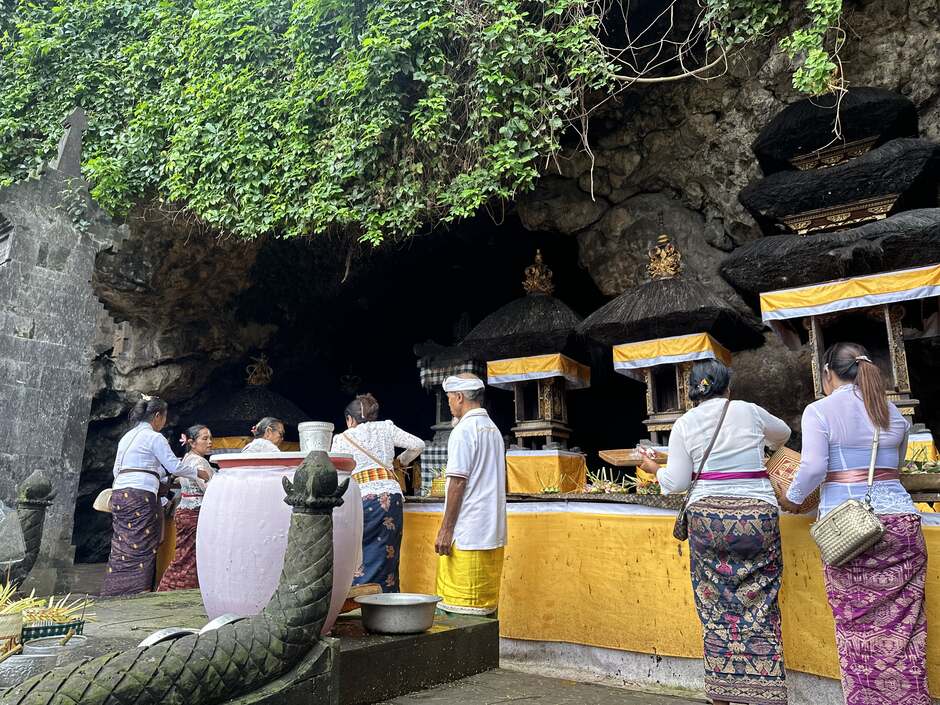
On the slopes of Mount Agung, at nearly 1,000 meters, Besakih is the most important temple complex in Bali: 23 related temples built on terraces that may be older than Hinduism on the island. It has been a Hindu place of worship since at least 1284 and became the state temple of the Gelgel kings in the 15th century. In 1963, lava flows from Mount Agung missed it by a few meters, which many Balinese see as a sign. Expect insistent guides at the entrance: you do not need one to visit, but you must respect the areas reserved for prayer.
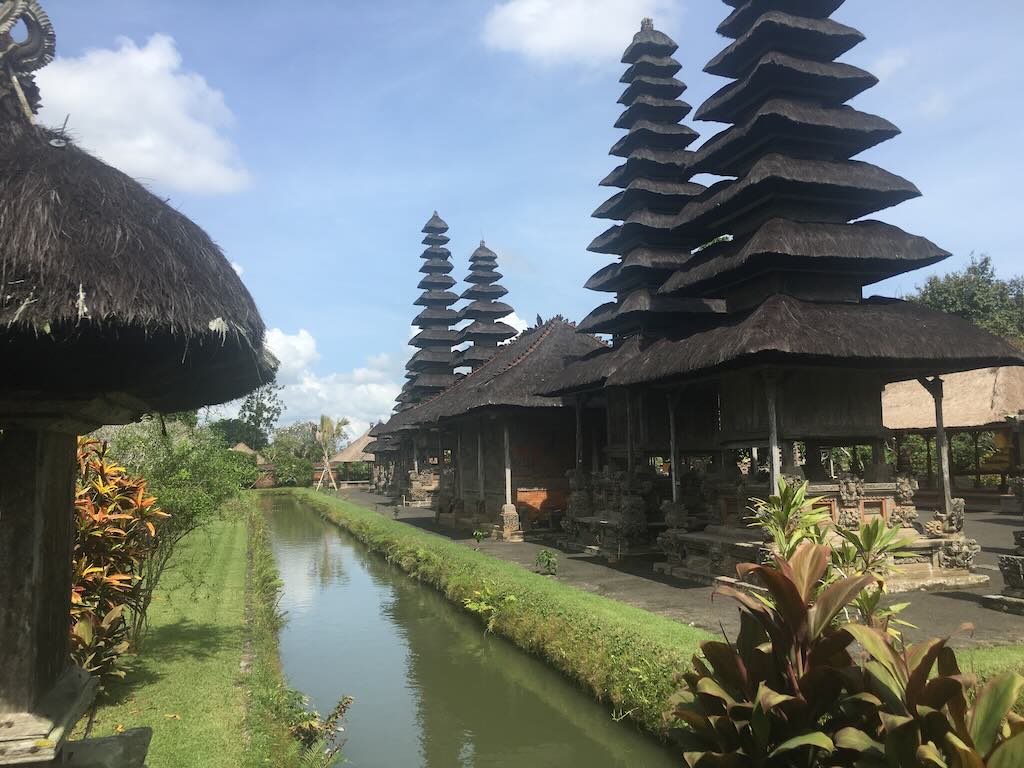
Taman Ayun, Mengwi (1634)
Taman Ayun was built in 1634 as the royal temple of the kingdom of Mengwi. Surrounded by a moat, with tall tiered shrines called meru, it is one of the easiest temples to visit and one of the most photogenic. Since 2012 it has been part of a UNESCO World Heritage Site (see below).
Klungkung: Kerta Gosa and the 1908 Puputan
Klungkung, today called Semarapura, was the seat of Bali’s highest-ranking kings from around 1700. Little remains of the palace, but its Kerta Gosa, the court of justice built in the late 18th century, is the place I recommend most to anyone curious about Balinese history. Its ceilings are covered with paintings in the Kamasan style, a traditional style of painting close to shadow-puppet figures, showing the punishments of the afterlife and the rewards of karma. Next to it, the Bale Kambang floats in the middle of a pond.
Across the road, a monument commemorates April 18, 1908, when the king of Klungkung, his family and his followers walked out to face the Dutch army rather than surrender. This puputan ended the independence of the last Balinese kingdom.
Denpasar: Puputan Square and Bajra Sandhi
In the center of Denpasar, Puputan Badung Square marks the place where, in September 1906, the royal court of Badung chose death over surrender. A few minutes away, the Bajra Sandhi monument houses dioramas that tell the island’s history, from prehistory to independence.
Margarana, Tabanan (1946)
In the hills of Tabanan, the Margarana memorial honors I Gusti Ngurah Rai and the fighters who died with him on November 20, 1946, during the war of independence. If you landed in Bali, you already know his name: the international airport is named after him.
Nusa Penida: Pura Dalem Ped
On Nusa Penida, where I run my dive resorts, Pura Dalem Ped is one of the most important pilgrimage temples for Balinese Hindus. Its history is tied to Ratu Gede Mecaling, a powerful figure of Balinese belief, and to the island’s past as a place of exile under the kings of Klungkung. I tell this history in detail on my guide to the culture and history of Nusa Penida.

Kuta: the Bali Bombing Memorial
On Legian Street in Kuta, a memorial lists the 202 people killed in the bombings of October 12, 2002, most of them visitors from more than twenty countries. It is a short, quiet stop in the busiest part of the island.
Bali’s UNESCO World Heritage Site
Yes, Bali has a UNESCO World Heritage Site. In 2012, UNESCO inscribed the Cultural Landscape of Bali Province, which honors subak, the cooperative irrigation system that has shared water between rice farmers since at least the 9th century, guided by the Tri Hita Karana philosophy of harmony between people, nature and the gods. It covers five components:
- the supreme water temple, Pura Ulun Danu Batur
- Lake Batur
- the subak landscape of the Pakerisan watershed, which includes Gunung Kawi and Tirta Empul
- the subak landscape of Catur Angga Batukaru, which includes the rice terraces of Jatiluwih
- the royal water temple of Taman Ayun
Besakih was nominated as early as 1995, but its nomination was withdrawn in 2015.
How to Visit Bali’s Historical Sites Respectfully
- Wear a sarong and a sash: they are required in all temples and are usually lent or rented at the entrance.
- Stay out of prayer areas: the inner courtyards are often reserved for worshippers. Never stand higher than a priest or step over offerings.
- Check the ceremony calendar: temple festivals are wonderful to see, but some temples close to visitors on those days. See my guide to public holidays in Indonesia, including Nyepi and Galungan.
- Go early: Tirta Empul, Goa Gajah and Besakih are much calmer before 9:00 AM.
- Hire a driver for the day: the sites are spread out and traffic is slow. See how to get around Bali.
Two Days on Bali’s History Trail
Day 1, around Ubud: Goa Gajah early in the morning, then Gunung Kawi and Tirta Empul, all within about 30 minutes of each other in the Pakerisan valley. See my Ubud guide for where to stay and eat.
Day 2, East Bali: Klungkung and the Kerta Gosa, Goa Lawah on the coast, then Besakih in the afternoon, when the light on Mount Agung is best. My Karangasem guide covers the rest of the east, and Nusa Penida is a short boat ride from Sanur.
Read More
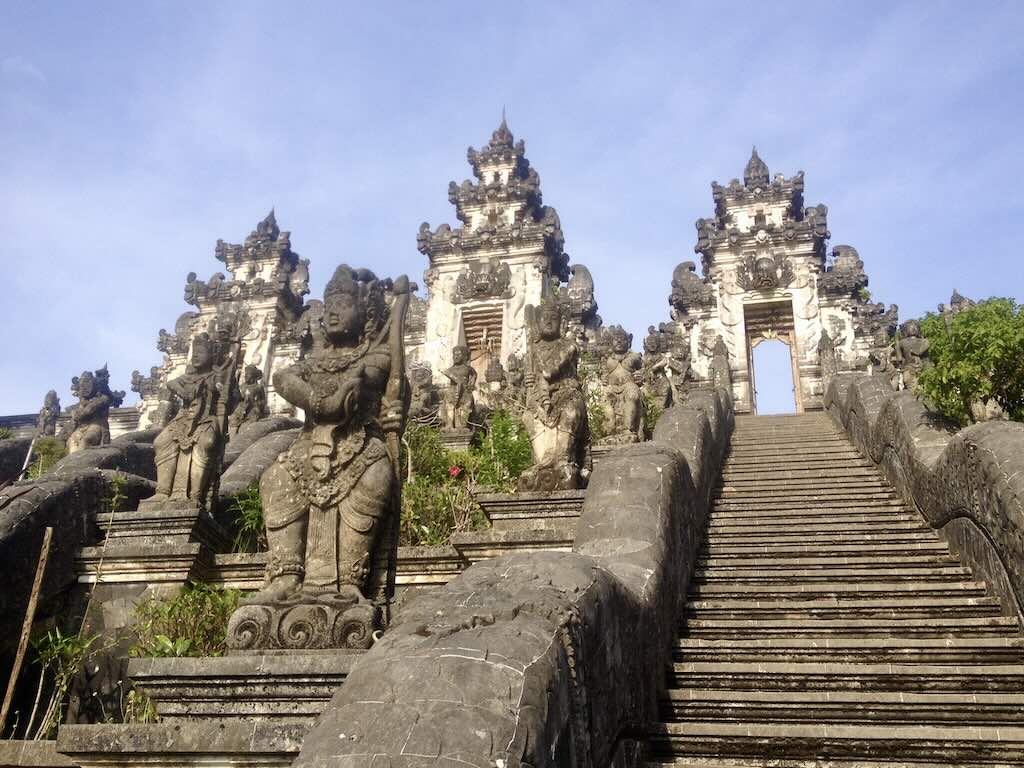
Bali Travel Guide
Where to go in Bali, from Ubud and Uluwatu to the quieter east, with the best things to do.
Ubud Travel Guide
Temples, rice terraces, culture and where to stay in Bali’s artistic heart.
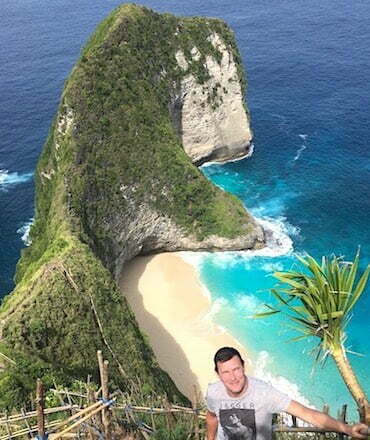
Nusa Penida Travel Guide
Discover where to stay in Nusa Penida, the island’s most beautiful beaches, top viewpoints, manta ray snorkeling, practical travel tips, and detailed itineraries to plan the perfect trip.
Frequently Asked Questions About Bali’s History
What are the most famous historical places in Bali?
The best known are Besakih, the mother temple on Mount Agung; Tirta Empul, Goa Gajah and Gunung Kawi near Ubud; Taman Ayun in Mengwi; and the Kerta Gosa in Klungkung.
What is the oldest historical site in Bali?
The oldest dated record is the Belanjong pillar in Sanur, inscribed in 914 AD. Prehistoric burial sites at Gilimanuk and the bronze Moon of Pejeng are older, around 2,000 years old.
Are there any UNESCO World Heritage Sites in Bali?
Yes. Since 2012, the Cultural Landscape of Bali Province, built around the subak irrigation system, is a World Heritage Site. It includes Taman Ayun, Lake Batur and its temple, Jatiluwih, and the Pakerisan valley with Gunung Kawi and Tirta Empul.
What does puputan mean?
A puputan is a ritual fight to the death chosen instead of surrender. The royal courts of Badung in 1906 and Klungkung in 1908 made this choice when the Dutch army attacked.
Why is Bali Hindu when most of Indonesia is Muslim?
When the Javanese Majapahit empire collapsed, many of its nobles, priests and artists took refuge in Bali, which kept its Hindu traditions while the rest of the archipelago gradually converted to Islam.
When did Bali become part of Indonesia?
Bali came fully under Dutch rule in 1908, was occupied by Japan from 1942, and became part of independent Indonesia after the war of independence, recognized in 1949.
Do I need a guide to visit Bali’s historical sites?
No, but a good driver-guide adds a lot, especially at Besakih and the Kerta Gosa, where the stories behind the paintings and temples are not explained on site.