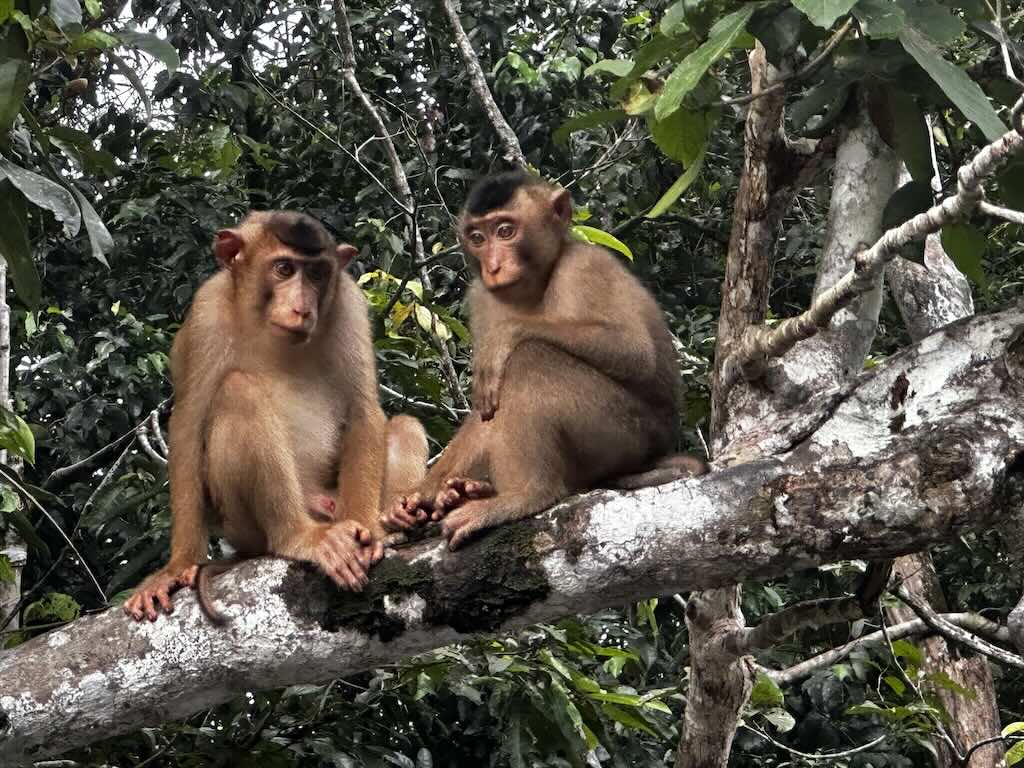
Sepilok: Orangutans, Sun Bears and a Rainforest Canopy Walk
By Blaise Jaeger · Updated August 26, 2026
Sepilok is a strip of forest reserve outside Sandakan, in the Malaysian state of Sabah, and it packs three wildlife centres into a two-kilometre stretch of road. Orangutans at one, sun bears at the next, and a 620-metre canopy walkway at the third. You can see all three in a single day, and most visitors do.
I spent two nights there in September 2024, on the way from Kota Kinabalu to the diving in Semporna. I did the orangutan feeding, the sun bears, the canopy walkway, and a day cruise on the Kinabatangan river. Then, on my last morning, walking to reception to check out, a wild female orangutan with a baby on her back came down the path towards me.
That last part is the honest headline of this page. The three centres are worth your time and I will tell you exactly what each one costs, when to arrive and what to expect. But the moment I still think about was the one nobody scheduled.
Why Visit Sepilok?
Because it is the most efficient wildlife stop in Borneo, and because the animals are genuinely there. Sepilok is not a zoo and it is not a jungle expedition either — it sits in between, and that is exactly why it works for a two-day stop.
The three centres are within walking distance of each other, inside the Kabili-Sepilok Forest Reserve. The orangutan centre is the famous one, but the sun bear centre next door protects a species almost nobody has heard of, and the Rainforest Discovery Centre has the best canopy walkway in Sabah and over 300 bird species in the forest around it.
The second reason is location. Sepilok is 23 km from Sandakan, about 40 minutes by road, and Sandakan is the gateway to the Kinabatangan river — the wildlife corridor where proboscis monkeys, crocodiles and, if you are lucky, pygmy elephants come down to drink. Most people combine the two, and this guide covers both.
And a third, less obvious one: this is one of the few places in Southeast Asia where the conservation story is visible rather than claimed. The orangutan centre explains, on a board at the entrance, that it is rehabilitating animals back into the wild. Whether that works is a fair question. But it is stated plainly, and you can watch it happen.
Sepilok at a Glance
| Where | Kabili-Sepilok Forest Reserve, 23 km from Sandakan, Sabah, Malaysian Borneo |
| Nearest airport | Sandakan (SDK) — about 30 minutes by road |
| Three centres | Orangutan Rehabilitation Centre · Bornean Sun Bear Conservation Centre · Rainforest Discovery Centre |
| Orangutan feeding times | 10 AM and 3 PM daily — arrive 30 minutes early |
| Park charges | RM 30 orangutans + RM 50 sun bears + RM 30 canopy walkway = RM 110 per foreign adult for all three |
| Time needed | One full day for the three centres · two nights if you add the Kinabatangan |
| Canopy walkway | 620 m long, 25 m high, three towers |
| Sleeping there | Four lodges in Sepilok itself — you do not need to stay in Sandakan |
| Wildlife you can count on | Orangutans, sun bears, macaques · on the river: proboscis monkeys, crocodiles |
| Wildlife you cannot | Pygmy elephants and hornbills — advertised everywhere, seen by nobody on my trip |
My Days at Sepilok: What It Was Actually Like
I arrived from Kota Kinabalu on 24 September 2024 and stayed two nights at Sepilok Nature Lodge, in the forest a few minutes from the orangutan centre.
That same afternoon the lodge ran me out to the Kinabatangan for a day cruise — more on that below. The next morning I did the 10 AM orangutan feeding, then the sun bears, then the canopy walkway at the end of the afternoon. Three centres, one day, no rush.
The feeding: staged, and worth it anyway
Let me be straight about the feeding, because it is the thing people are unsure about before they book. Yes, it happens at a fixed hour. Yes, there is a crowd. And the centre is completely open about what it is doing: the point is to re-acclimatise orangutans to the forest, and the food on the platform is deliberately monotonous so that the animals go and find better for themselves. That is a defensible thing to do, and I found it a fine experience even knowing the mechanics.
What I would not tell you is that it felt wild. It did not. It felt like a well-run rehabilitation programme that lets visitors watch, which is a different and perfectly honourable thing.
The morning nobody planned
On 26 September, leaving my room to walk to reception and check out, I came face to face with a female orangutan carrying a baby on her back. She was on the path, a few metres in front of me.
She did not hurry and she did not react. She stepped around me, climbed the wooden stairs to one of the lodge chalets, stopped on the balcony, turned and looked at me for a moment, then went back down into her forest.
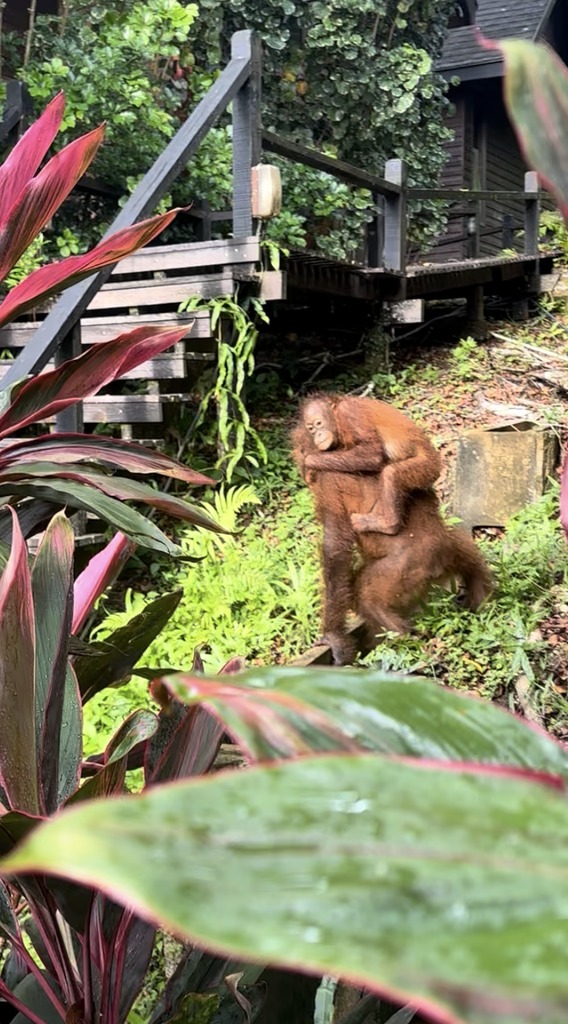
This is the argument for sleeping in Sepilok rather than in Sandakan, and it is a better argument than anything about room quality. The lodges here back onto the same forest reserve as the centres. The animals do not know where the fence is.
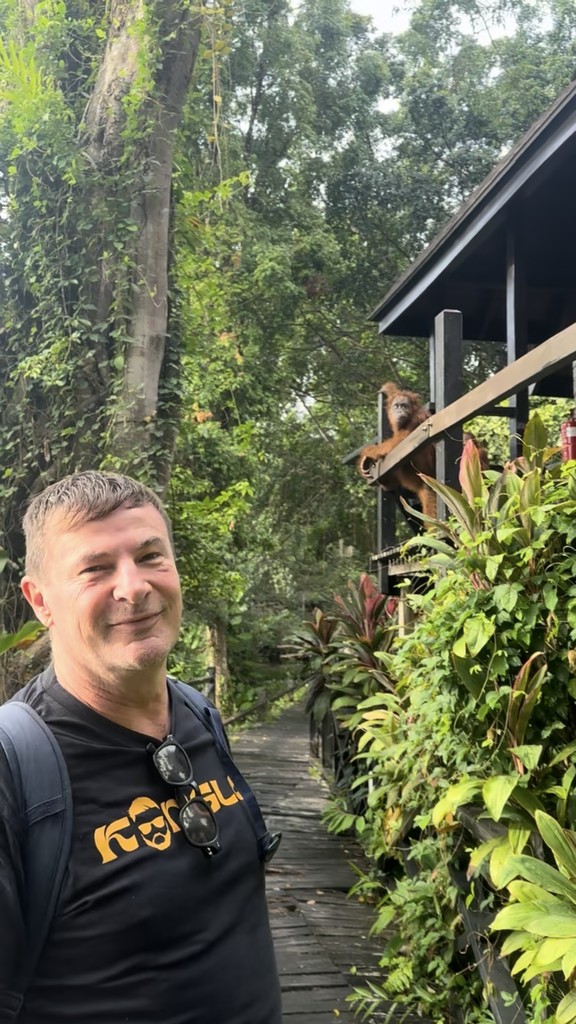
So my honest summary of Sepilok: go for the centres, and give yourself the extra night that makes the unplanned possible. The scheduled part is good. The unscheduled part is why people come back.
Sepilok Orangutan Rehabilitation Centre
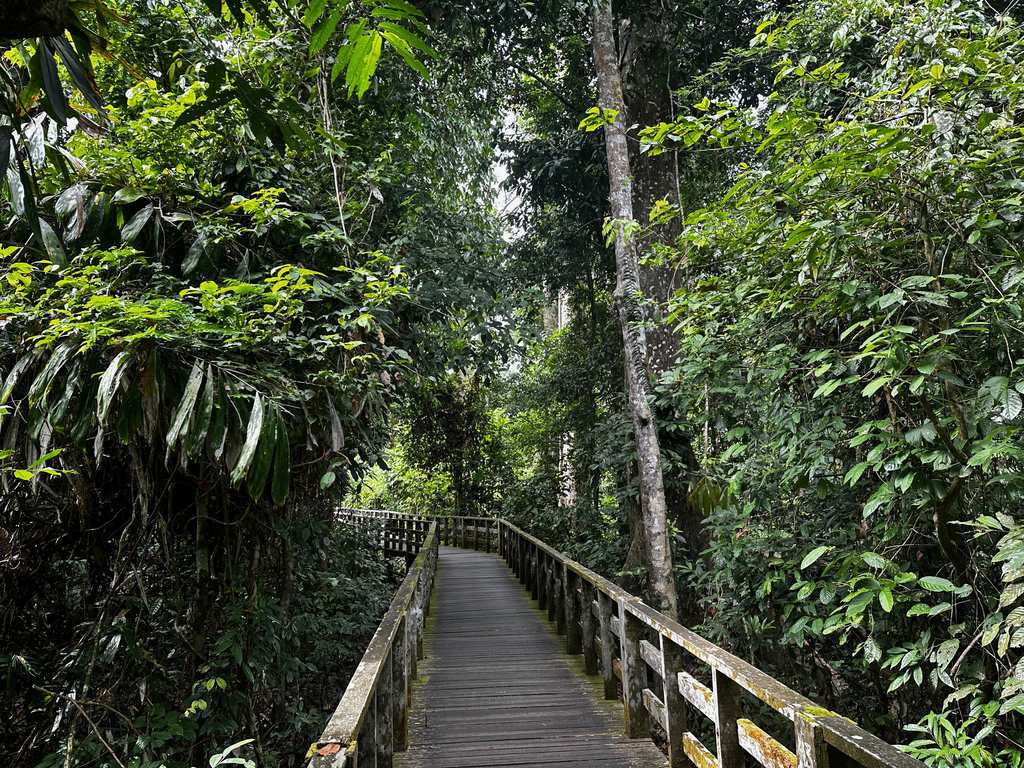
The centre opened in 1964 and is the reason Sepilok is on the map. It takes in orphaned and rescued orangutans, teaches them to climb, forage and nest, and releases them into the surrounding reserve. The feeding platform you visit is the last stage of that process — a safety net for animals that are already living in the forest.
Feeding times, and the 30-minute rule
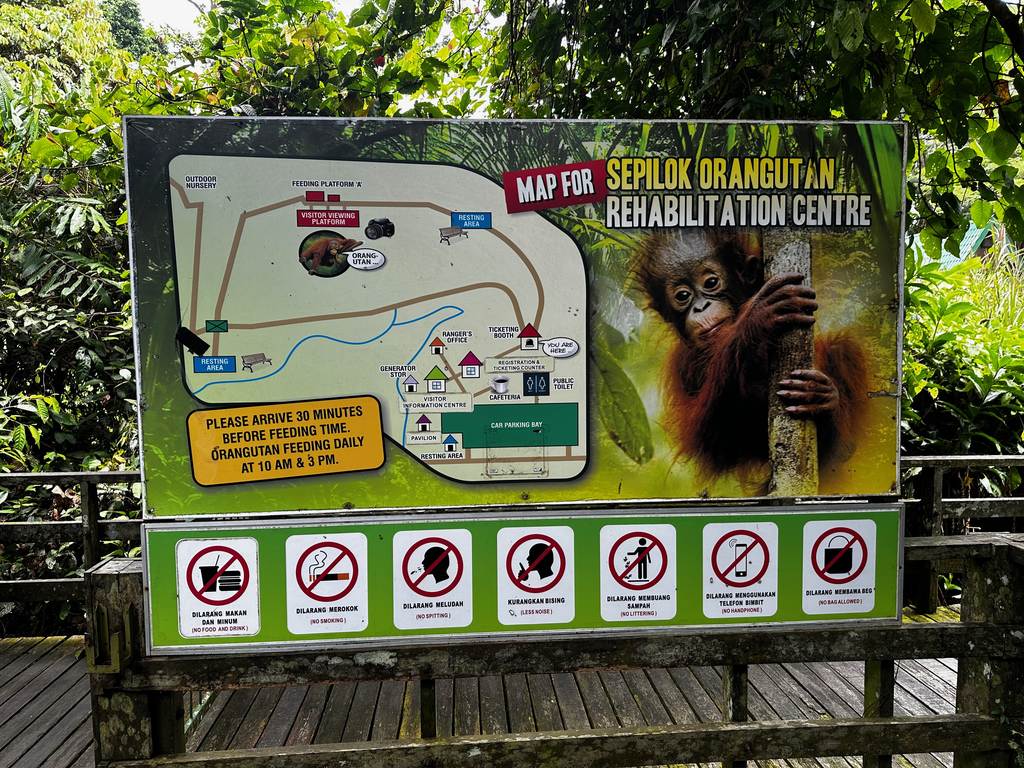
Feedings are at 10 AM and 3 PM, every day. The board at the entrance carries an instruction that almost no guide online repeats:
« Please arrive 30 minutes before feeding time. »
Take it seriously. The boardwalk to the platform takes five minutes, the viewing gallery fills from the front, and the orangutans do not wait for you. Arriving at 9:30 AM for the morning feeding is the difference between a clear view and the back of somebody’s head.
What you will actually see
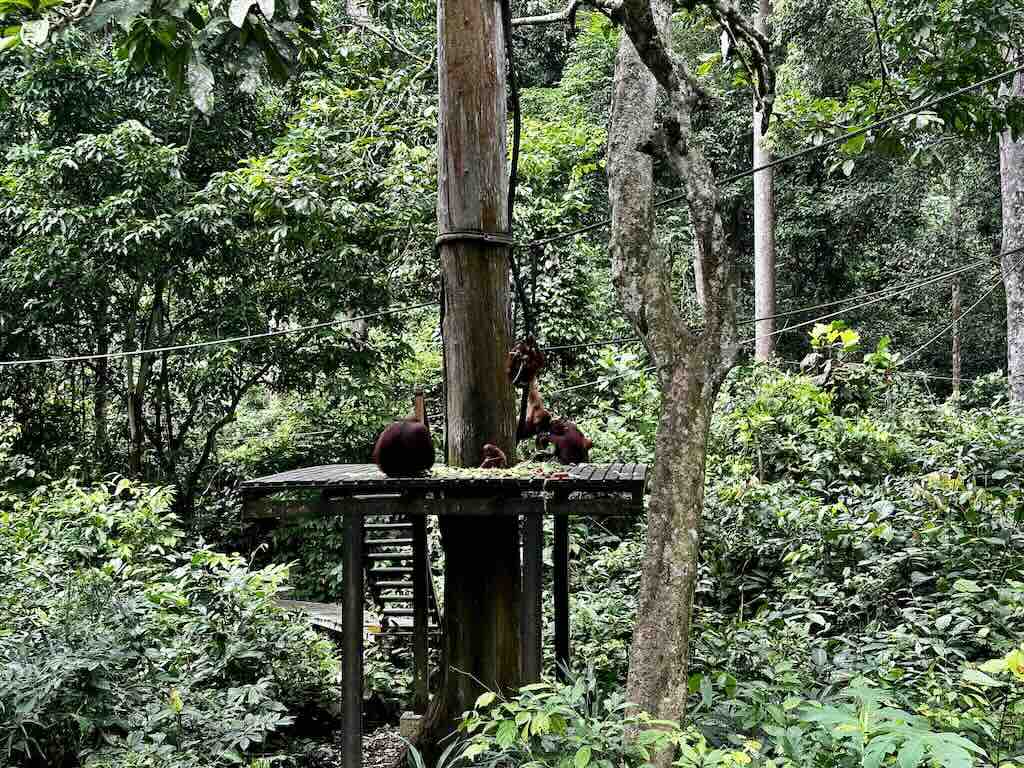
Rangers bring out fruit — bananas, mostly — and spread it on a wooden platform reached by ropes strung between the trees. Orangutans come in along the ropes, sometimes one, sometimes six or seven, sometimes with infants clinging on.
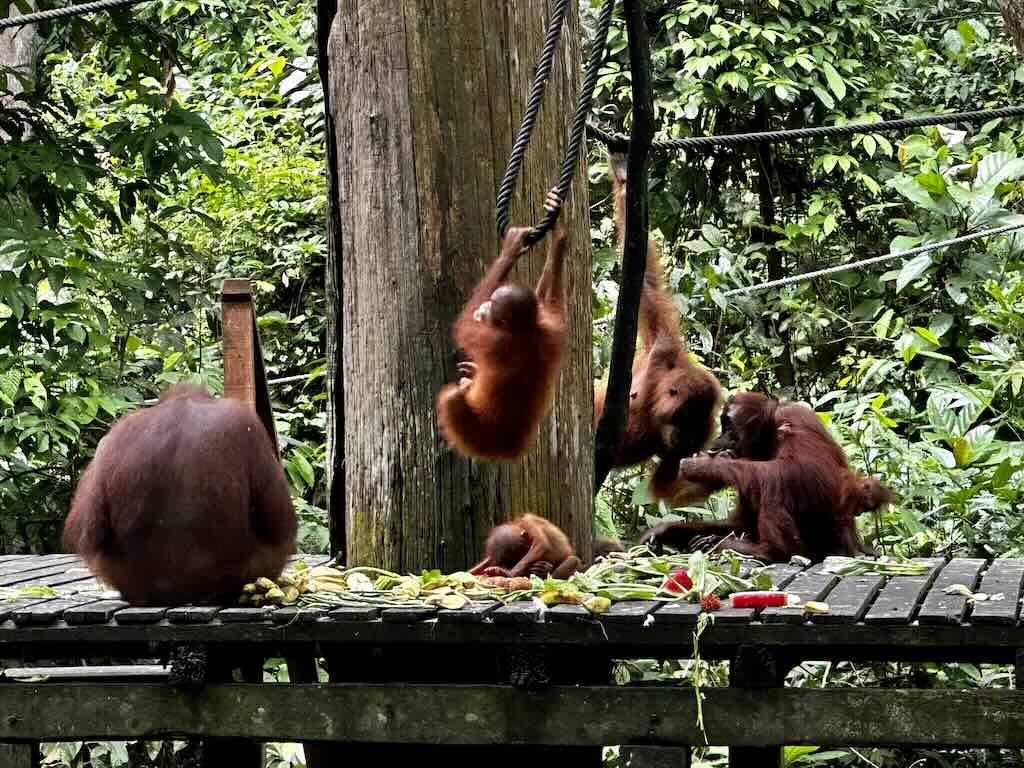
⚠️ Nothing is guaranteed. When the forest is fruiting, the orangutans find better food on their own and simply do not turn up. That is the programme working as designed, and the centre says so — but it means a visit can end with an empty platform. If you have two mornings, use both.
Long-tailed and pig-tailed macaques also raid the platform, and they are far bolder than the orangutans. Keep your bag zipped and do not carry food.
The crowd, honestly
At 10 AM in September the gallery was full: several tour groups, a wall of phones and a few serious lenses. It is a covered walkway, everyone is standing, and the good spots go to whoever arrived first.
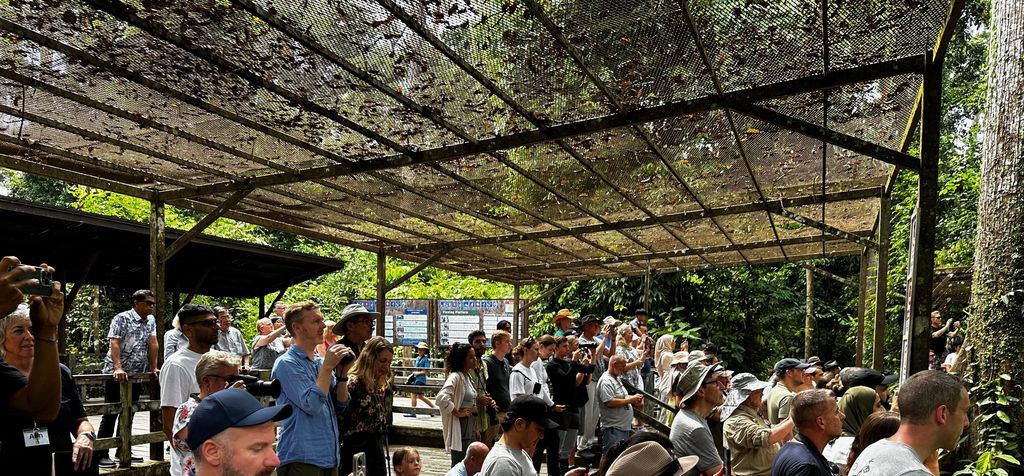
The 3 PM feeding is usually quieter, because the day-trip coaches from Sandakan cluster around the morning session. If your schedule allows it, take the afternoon.
Prices and opening hours
- Entry: RM 30 per foreign adult · RM 15 per foreign child · RM 5 / RM 2 for Malaysians.
- Open: 9 AM–12 PM and 2–4 PM, Monday to Thursday and Saturday to Sunday.
- Friday: 9–11 AM and 2–4 PM — the morning closes an hour early, which catches people out.
- Rule that matters: you may not touch the animals. Orangutans share about 96% of our DNA and are vulnerable to human disease. It is not a formality.
Full official details are on the Sabah Tourism page for the centre.
Bornean Sun Bear Conservation Centre
The sun bear centre shares the same entrance gate as the orangutans, which produces a very common misunderstanding: it is a separate charity and it needs a separate ticket. Plenty of visitors discover this at the counter.
And it is not the cheap add-on you would assume. Entry is RM 50 per foreign adult — more than the orangutans at RM 30.
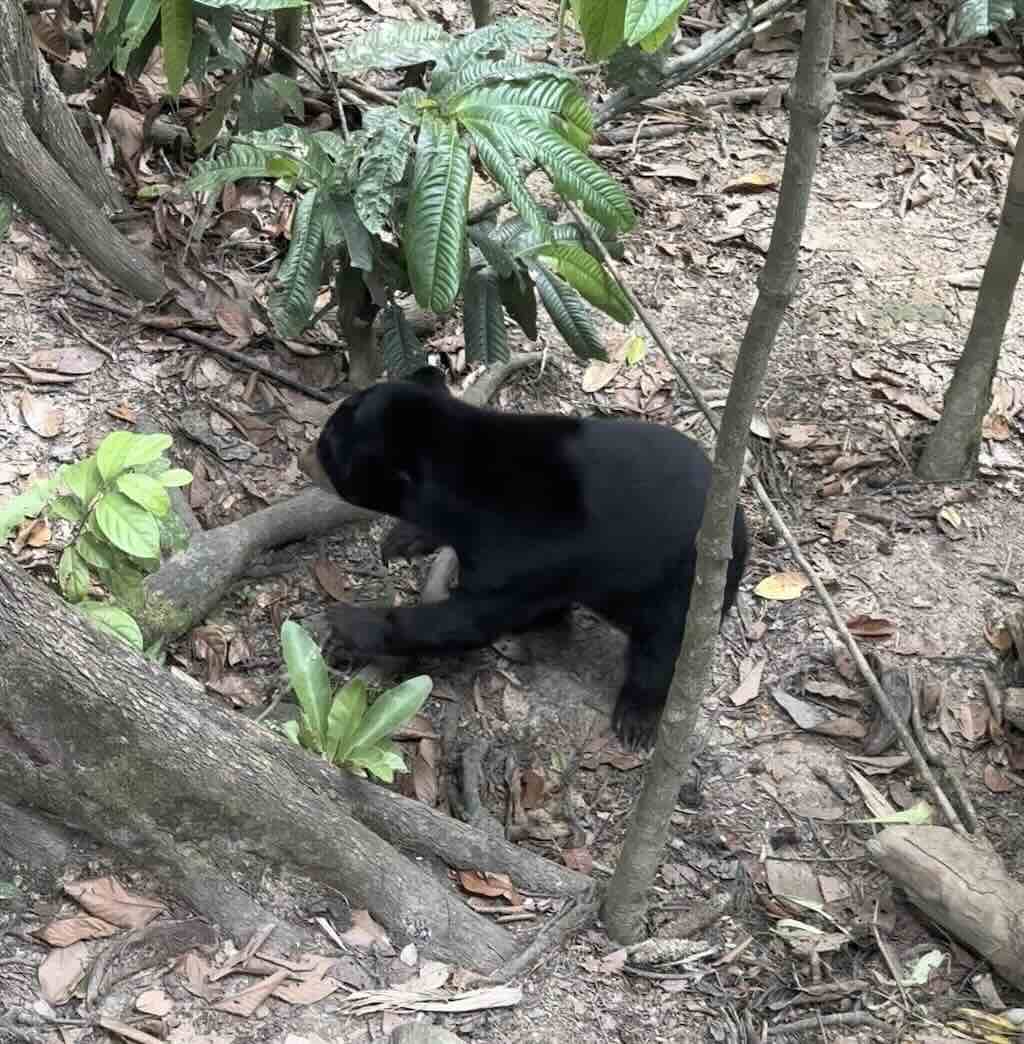
So is it worth it? My honest answer: I went mainly because I was already there, and I am glad I did. It is not the reason to come to Sepilok, and I would not build a day around it. But the sun bear is the smallest bear on earth, it is genuinely threatened, and the centre rehabilitates animals taken from the pet trade. You will look at an animal you had probably never heard of that morning.
Practical notes: open 9 AM–3:30 PM daily, including public holidays. Children 2-17 pay RM 25; under-2s are free. Foreign residents with a work pass or student visa pay RM 30. Closed shoes are recommended, only water is allowed on the observation platforms, and you must not throw anything into the enclosures. The centre’s own visitor information page has the current rules.
👉 If you would rather not organise the two centres yourself, a guided half-day covers both: see the Sepilok orangutan and sun bear half-day tour.
Rainforest Discovery Centre and the Canopy Walkway
Two kilometres up the road from the orangutans, the Rainforest Discovery Centre is the one visitors skip when they are on a day trip from Sandakan — and the one I would fight to keep. It is a working forest education centre with a lake, ground trails and, above all, a steel walkway strung through the canopy.
The walkway
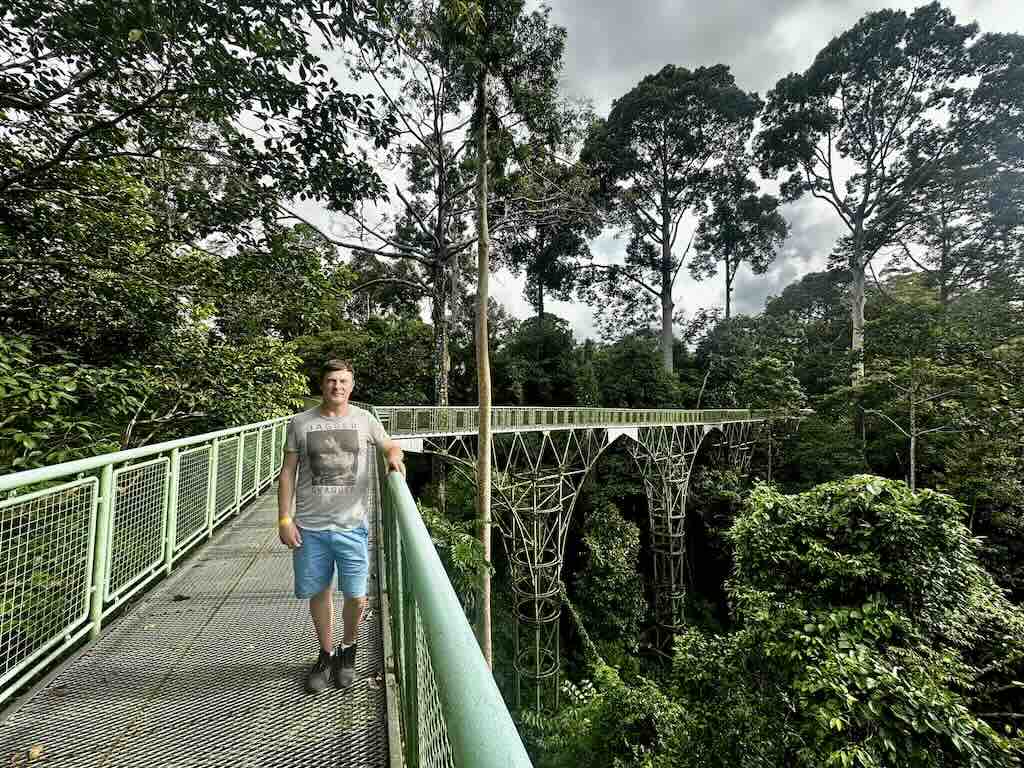
The Rainforest Skywalk runs 620 metres at 25 metres above the ground, with platforms reaching 26.5 m at the highest point. It was extended by 250 m in early 2022, which is why older guides quote a shorter figure.
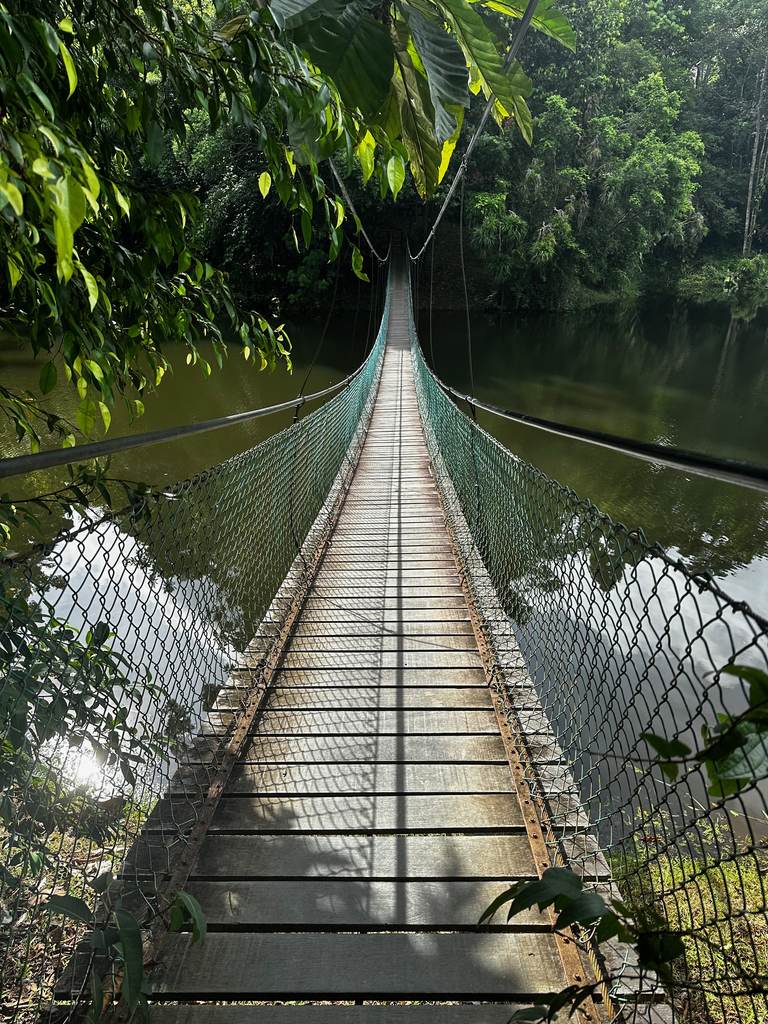
Three towers punctuate the walk, and their names tell you what people come to look for: Bristlehead, Hornbill and Trogon, the tallest, plus a Sunbird shelter. Over 300 bird species live in the surrounding forest, including the Bornean bristlehead — a bird found nowhere else on earth and the reason a certain kind of visitor comes to Sepilok at all.
Go late in the day
I went at the end of the afternoon, and I would do that again. The light is better, the heat has dropped, and the birds are active. The centre closes at 5 PM but the trails and the walkway stay open until 8 PM, which almost nobody uses.
The ground trail and the giant tree
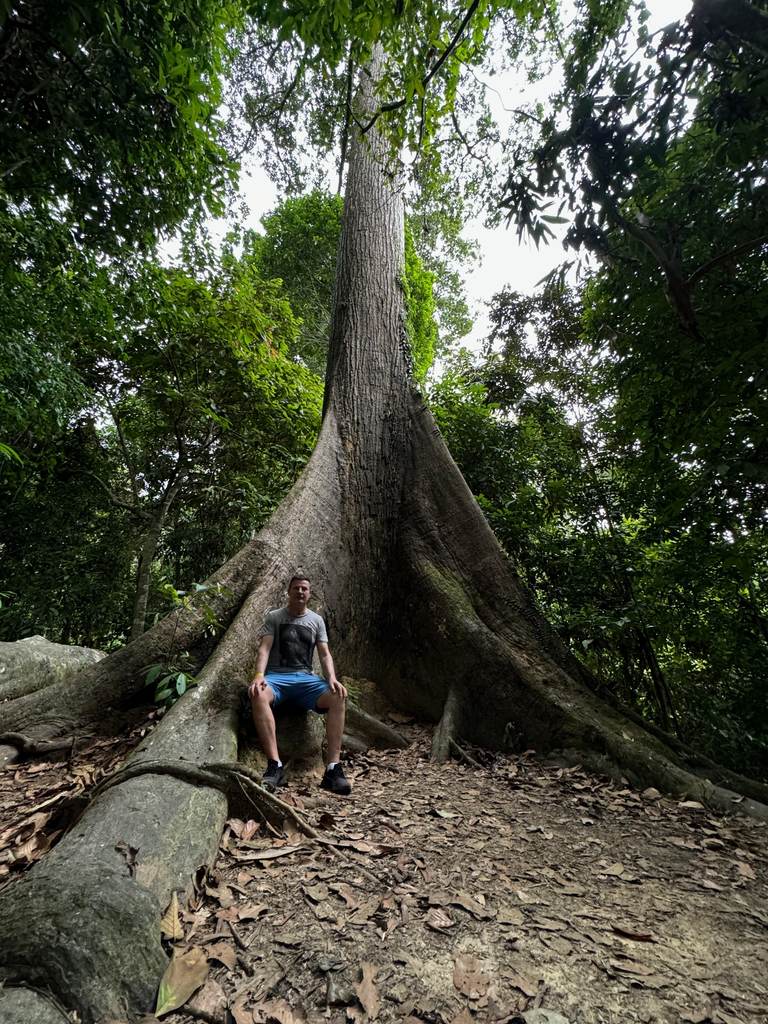
Do not leave after the walkway. The trails at ground level lead to a giant buttress-rooted tree whose fins rise well above head height — the sort of thing that photographs as an abstraction until you put a person at the base.
Prices, hours and the night walk
- Entry: RM 30 per foreign adult · RM 20 for ages 5-17 · free under 5 · RM 7 / RM 3 for Malaysians.
- Open: 8 AM–5 PM daily, including public holidays. Trails and canopy walkway accessible until 8 PM.
- Night walk: 6–8 PM, RM 50 per adult and RM 25 per child for two hours, RM 20 per extra hour. A private group of up to five costs RM 350.
- Distance: about 2 km from the orangutan centre — walkable, but hot. Most lodges will drop you.
The Kinabatangan River: A Day Trip From Sepilok
Almost every guide to the Kinabatangan describes the same thing: a two- or three-day package with a night in a river lodge, an afternoon cruise and a dawn cruise. That is the standard product, and it is a good one.
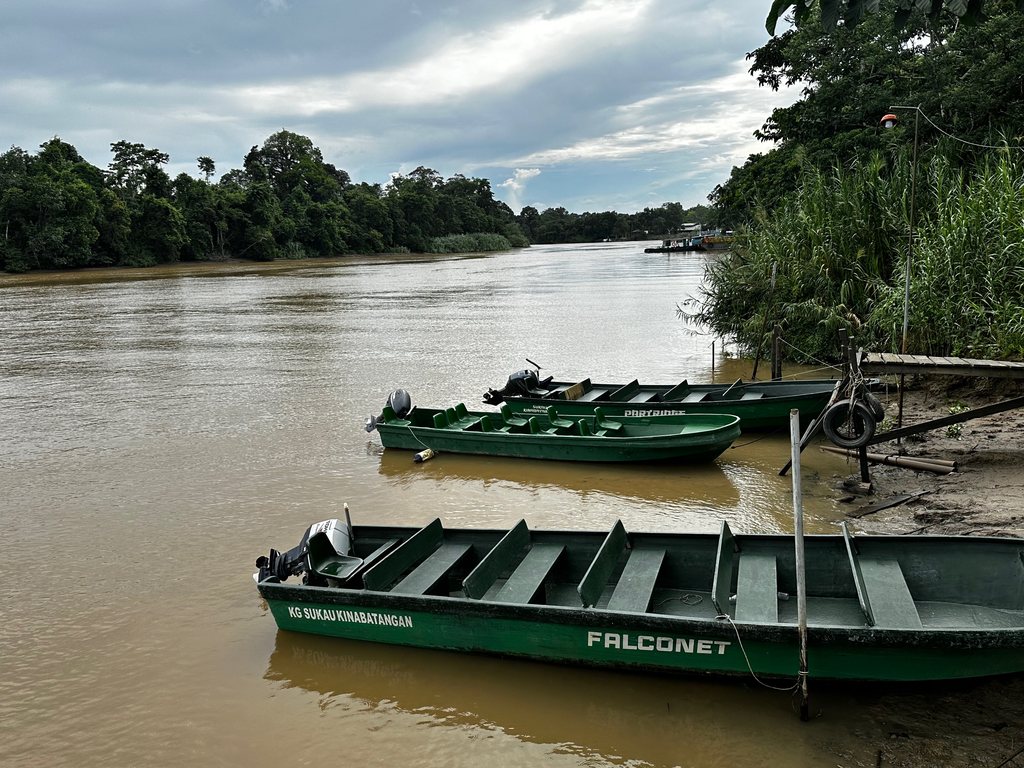
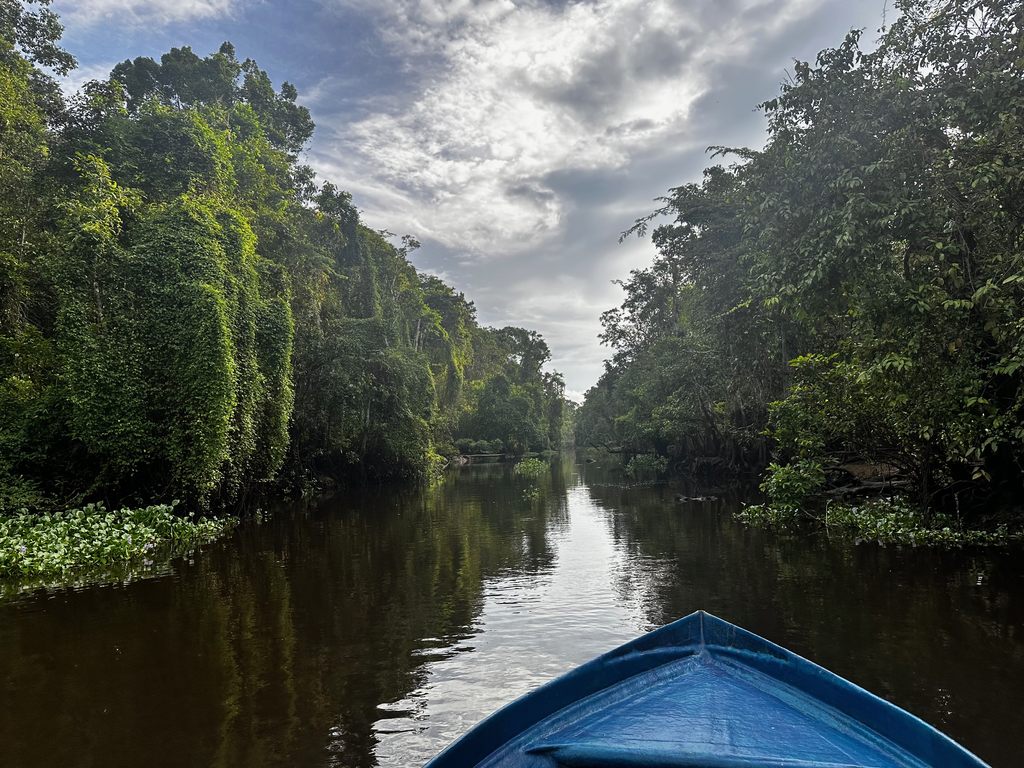
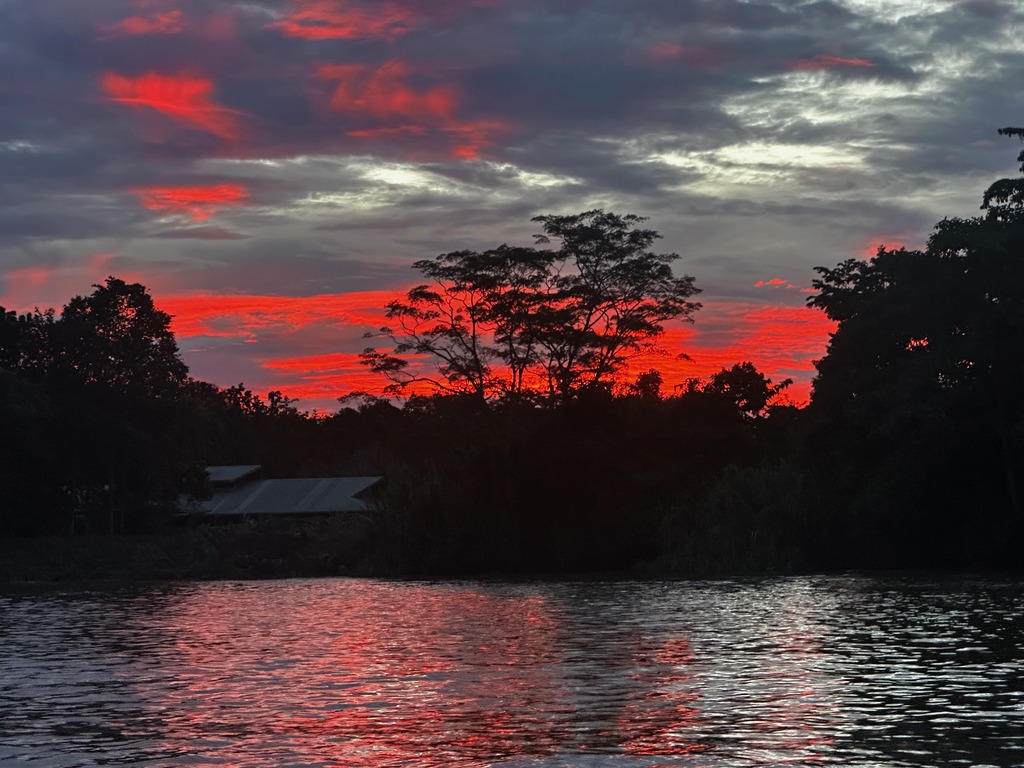
I did something else, and it is worth knowing it exists. My lodge in Sepilok ran a day trip — out in the afternoon, on the water from about 3:30 PM, back after dark. One boat outing, no night on the river.
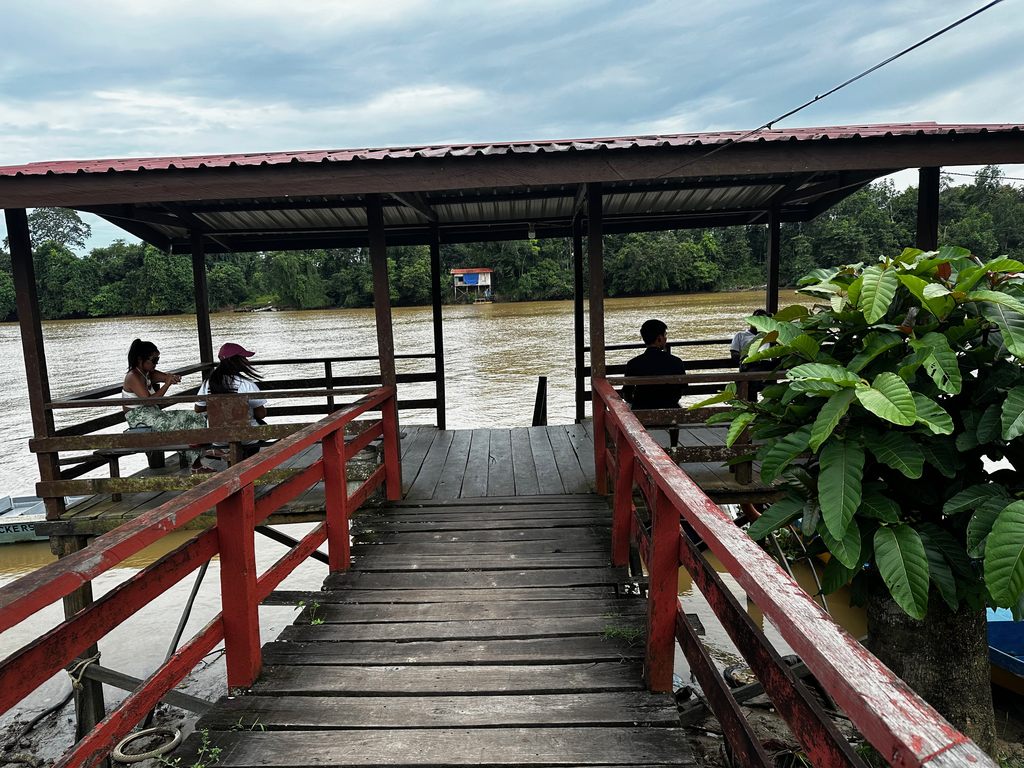
We put in at Kampung Sukau, the village that most river traffic uses — the name is painted on the hulls.
What I saw, and what I did not
This is the part worth reading twice, because the marketing and the reality diverge here more than anywhere else in Sabah.
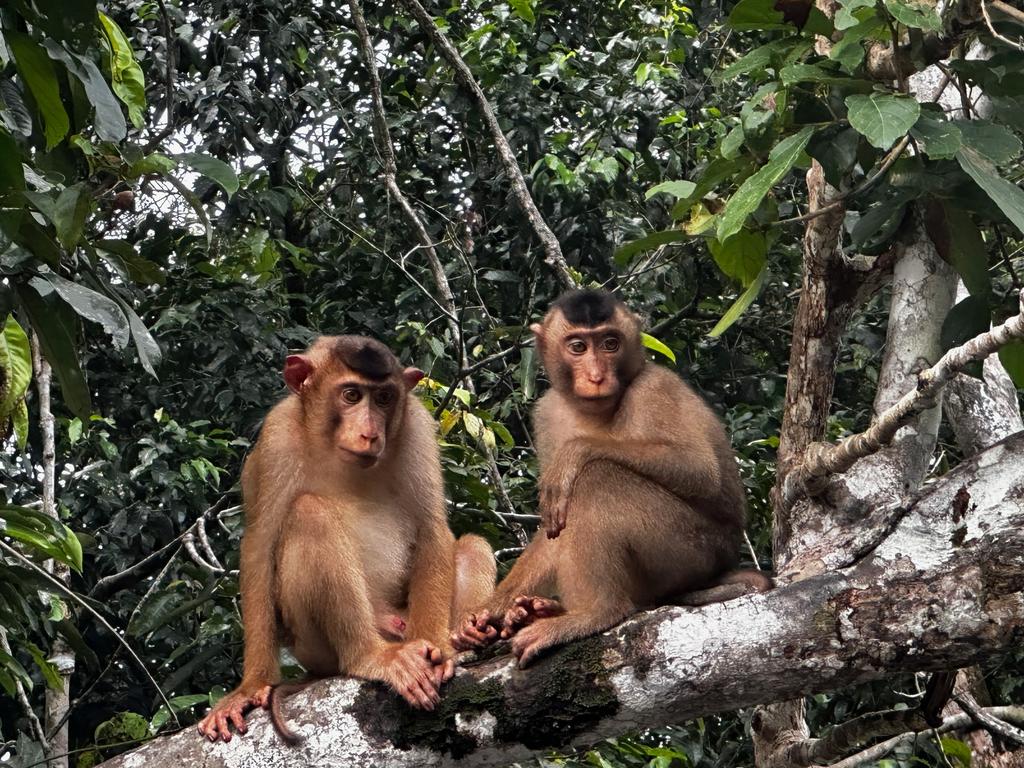
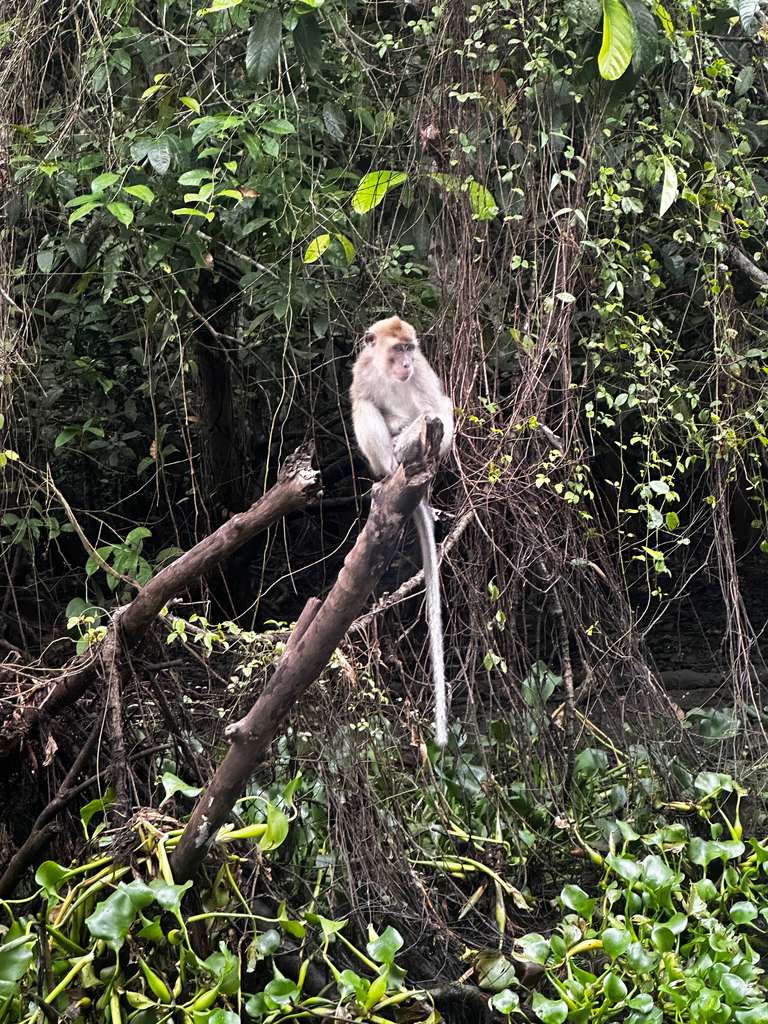
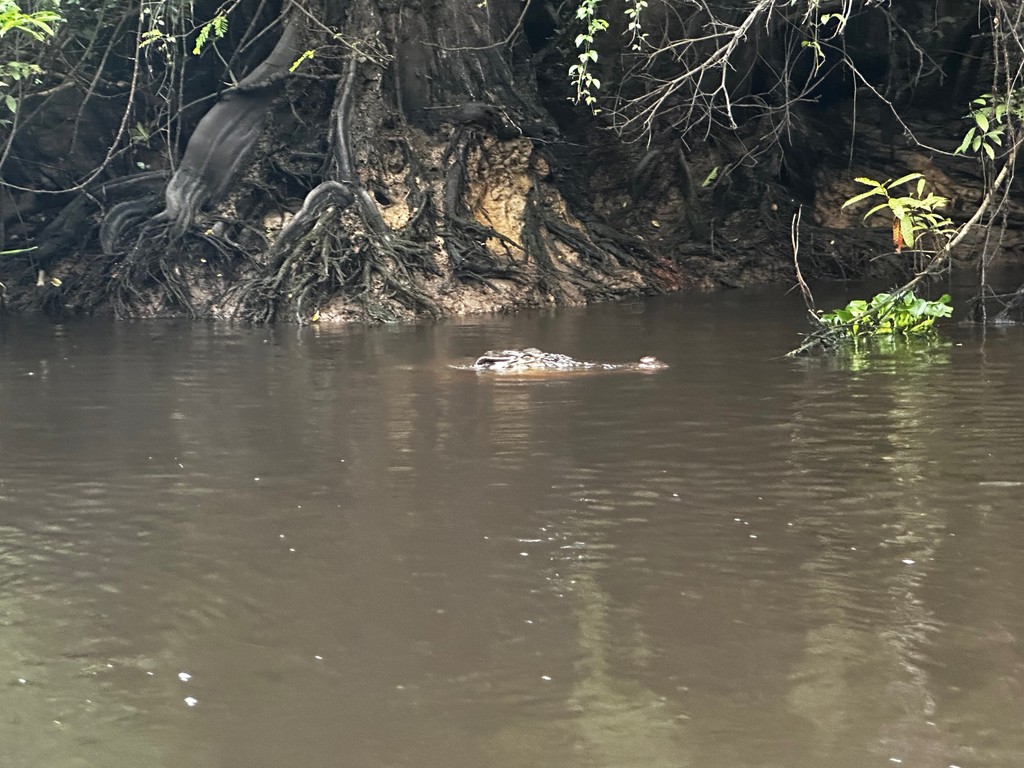
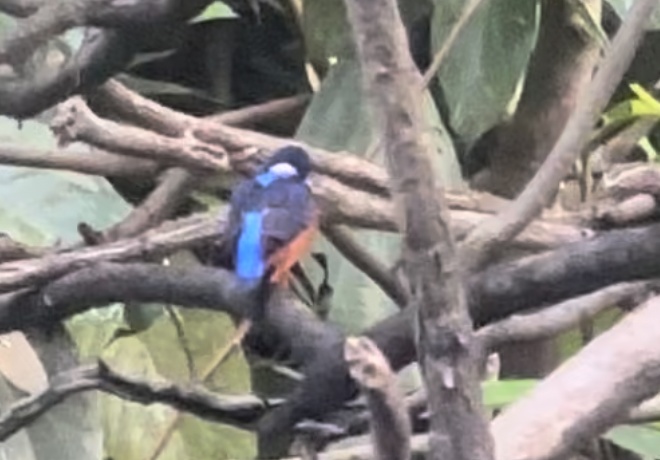
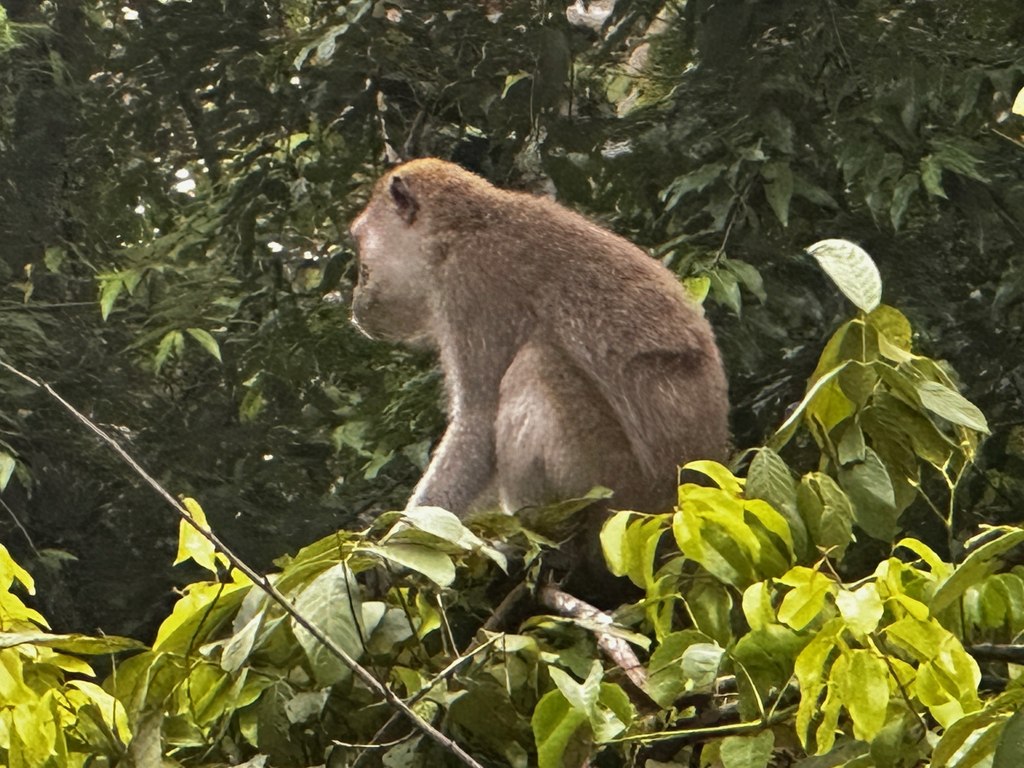
Seen, in one afternoon: proboscis monkeys, long-tailed macaques, pig-tailed macaques, a saltwater crocodile, and a blue-eared kingfisher that our guide picked out of the tangle before any of us saw it.
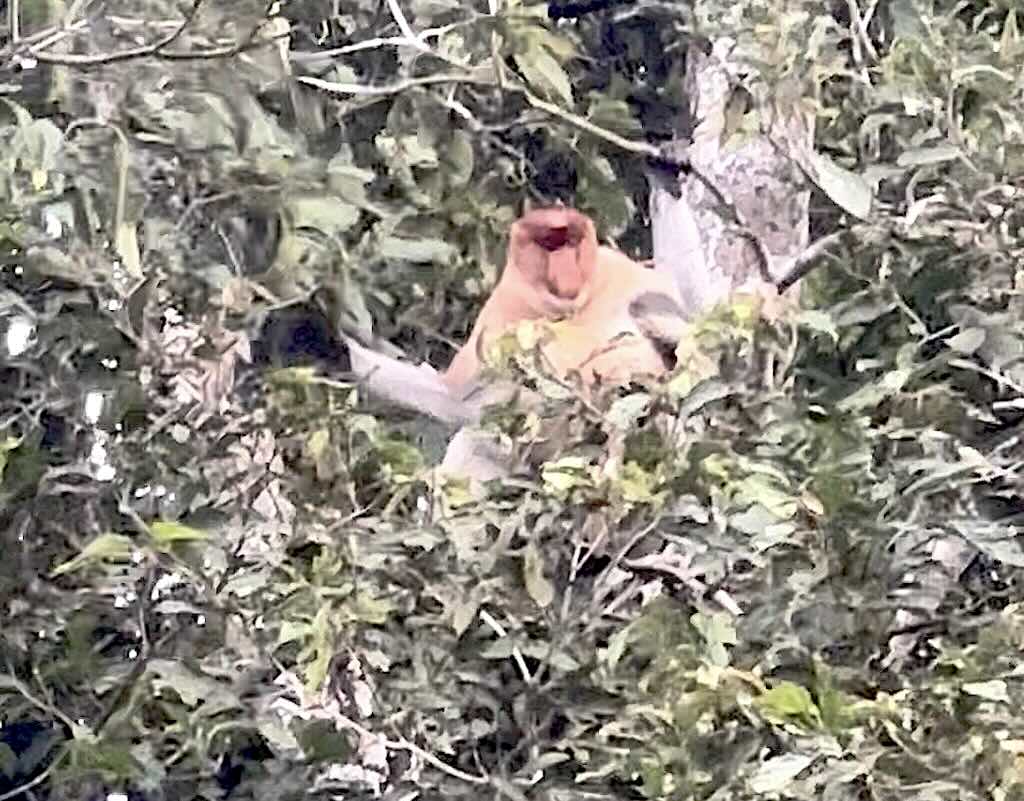
The proboscis monkey is the signature animal of this river and the one you are most likely to get. They feed in the riverside trees in the late afternoon, which is exactly when the boats go out.
Not seen: no hornbills, and no pygmy elephants. Not one, all afternoon.
I want to be precise about why that matters. Operators advertise this trip with « Proboscis Monkeys, Orang Utans, Pygmy Elephants, all 8 species of Hornbills, and Crocodiles », followed by a line stating that sightings are not guaranteed. Both halves are true. But the photographs sell the elephants, and the disclaimer is in small type.
So plan for proboscis monkeys, macaques and crocodiles — those are the reliable ones. Treat the elephants and the hornbills as a bonus, and you will come back happy instead of quietly disappointed.
Day trip or overnight?
The honest trade-off, now that I have done the day version:
- A day trip gets you the afternoon cruise, which is the one where the monkeys come down to the water. You sleep in Sepilok, you keep your room, and you save a night and a transfer.
- An overnight package adds the dawn cruise on day two, plus usually a night walk. That extra outing is when the river is quietest and when elephants and hornbills are most often reported.
- The drive is about 2.5 hours each way from Sandakan or Sepilok, whichever you pick. On a day trip you do it twice in one day.
If wildlife is the whole point of your trip to Borneo, take the overnight. If the Kinabatangan is one stop among several — as it was for me, between Sepilok and the diving at Sipadan — the day trip does the job.
👉 The day-trip format I did, with dinner included: see the Kinabatangan day cruise. A second operator runs a comparable one: compare the Sukau wildlife day cruise.
If you want proboscis monkeys guaranteed
One nearby option I did not use, and mention only because readers ask: the Labuk Bay Proboscis Monkey Sanctuary, north of Sandakan, feeds a habituated population at set times. It is to proboscis monkeys roughly what Sepilok is to orangutans — reliable, scheduled, and not wild. Some day tours combine it with the two Sepilok centres: see the Sepilok and Labuk Bay day tour. I cannot tell you what it is like from experience.
How Many Days Do You Need?
Sepilok is often done as a half-day stop between flights. It works, and it is a waste.
One full day — the three centres
- 9:30 AM — arrive at the orangutan centre for the 10 AM feeding.
- 11 AM — walk next door to the sun bear centre. One to two hours.
- Lunch — at your lodge or one of the cafés by the entrance.
- 4 PM — Rainforest Discovery Centre: canopy walkway, then the ground trail to the giant tree.
- Optional 6 PM — the RDC night walk, if you have the energy.
Two nights — add the river
- Day 1 — arrive from Kota Kinabalu or Sandakan, afternoon cruise on the Kinabatangan, back after dark.
- Day 2 — the three centres, as above.
- Day 3 — the morning is yours before the transfer. This is the morning I met the female orangutan on the path.
That was my schedule and I would not change it, with one caveat: if the orangutans do not show at your one feeding, you have no second chance. A third night removes that risk.
Where to Stay in Sepilok
Stay in Sepilok, not in Sandakan. The town is 23 km away and has nothing you need; the lodges here sit against the same forest reserve as the centres, which is how a wild orangutan ends up on the path to reception.
Sepilok Nature Lodge
Where I stayed. Wooden chalets on stilts in the forest, a short drive from the orangutan centre, and the lodge organises the Kinabatangan day trip — which is what made the river possible without a second booking.
⚠️ The name changed. It is now listed as Sepilok Nature Lodge, « formerly known as Sepilok Nature Resort ». Half the guides online still use the old name, so search for both.
👉 check rates at Sepilok Nature Lodge.
Sepilok Jungle Resort
The largest operation in Sepilok, with a spread of room categories around gardens and ponds, and the shortest walk to the orangutan centre of the four. The middle option in every sense.
Paganakan Dii Tropical Retreat
Timber cabins on a hillside, open to the forest, consistently the best-reviewed address in Sepilok. Book early — it is small and it fills.
👉 see Paganakan Dii Tropical Retreat.
Sepilok Forest Edge Resort
The budget end, with dorm beds as well as private rooms, and still inside the forest rather than on a main road. The obvious pick if you are counting ringgit.
👉 see Sepilok Forest Edge Resort.
One name trap worth knowing
There are two very similarly named properties here, and confusing them is easy:
- Sepilok Nature Lodge — formerly Sepilok Nature Resort. The one described above.
- Tanini Sepilok — formerly Nature Lodge Sepilok. A different address entirely.
« Sepilok Nature Lodge » and « Nature Lodge Sepilok » are not the same place. Check the address on the booking, not the name in your memory.

How to Get to Sepilok
Flying in
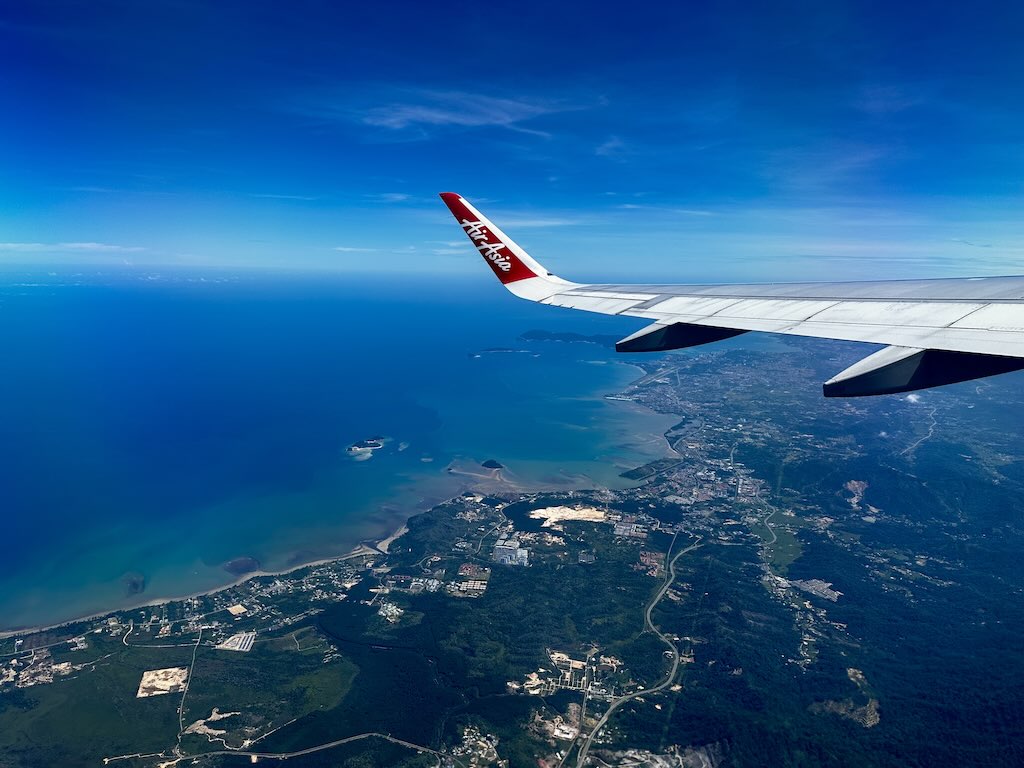
You fly to Sandakan (SDK). It is served several times a day from Kota Kinabalu — under an hour — and directly from Kuala Lumpur in about two hours forty. Kota Kinabalu is the usual international entry point for Sabah, so most itineraries route through KL or Singapore, then KK, then Sandakan.
👉 The Kota Kinabalu to Sandakan leg can also be done overland, and it is worth putting the bus, the flight and the taxi side by side before booking: compare Kota Kinabalu to Sandakan.
Sandakan airport to Sepilok
About 23 km, 30 to 40 minutes. Three ways to do it:
- Lodge transfer — every lodge in Sepilok offers one, and most will meet your flight. The simplest option, and what I would take.
- Grab — works in Sandakan and is the cheapest door-to-door.
- Local bus — the Sepilok bus runs from Sandakan town, not the airport, and drops you on the main road with a walk in. Cheap, slow, and not worth it with luggage.
⚠️ There is no booking platform for the Sandakan–Sepilok leg and you do not need one: it is a taxi ride, not a route. If you search for it on a transport site you will get nothing, which is a source of unnecessary worry.
I have no useful memory of that road, which tells you something in itself — it is short and unremarkable.
Moving on
Sepilok sits naturally between Kota Kinabalu and the south-east corner of Sabah. From Sandakan you can carry on by road to Semporna for the diving, which is what I did.
👉 see the Sandakan to Semporna options, and the Sipadan diving guide covers what happens at the other end.
Best Time to Visit Sepilok
Sepilok can be visited year-round, and none of the three centres closes seasonally. What changes is rain and, more importantly, fruit.
- March to October — the drier half of the year, and the easier one for the river and the ground trails.
- November to February — the wet season. It rains hard and briefly rather than all day; the centres stay open and the forest is at its greenest.
- September and October — the shoulder. This is when I went, and the weather was not a factor.
⚠️ The fruiting season is the real variable. When the forest is producing, the orangutans stop coming to the platform because they have better options. That is the programme succeeding, but it is bad news for a one-morning visit. There is no published calendar for it — ask your lodge when you book, they will know what the forest is doing.
What to Bring
- A bag you can close, and no food in it. The macaques at the orangutan centre are quick and completely unafraid. Lockers are available at the entrance.
- Insect repellent. The boardwalks are in closed forest and the mosquitoes are there all day.
- Closed shoes. Required at the sun bear centre and sensible on the RDC ground trails.
- A long lens if you own one. The orangutans are across a gap and the canopy birds are 25 m up. A phone will document the trip; it will not photograph the wildlife.
- Cash in ringgit. Three separate tickets at three counters, and card acceptance is not guaranteed.
- A rain layer. It is rainforest. The rain is short and heavy, and it does not stop the feeding.
- Binoculars for the canopy walkway. This is the one place where they change the visit entirely.
What you can leave behind: a tripod (there is no room in the gallery), and any expectation of buying supplies in Sepilok itself — there is a café and very little else.
Read More
Sepilok is one stop in a much bigger state. Mountains, rainforest and islands in my Sabah travel guide.
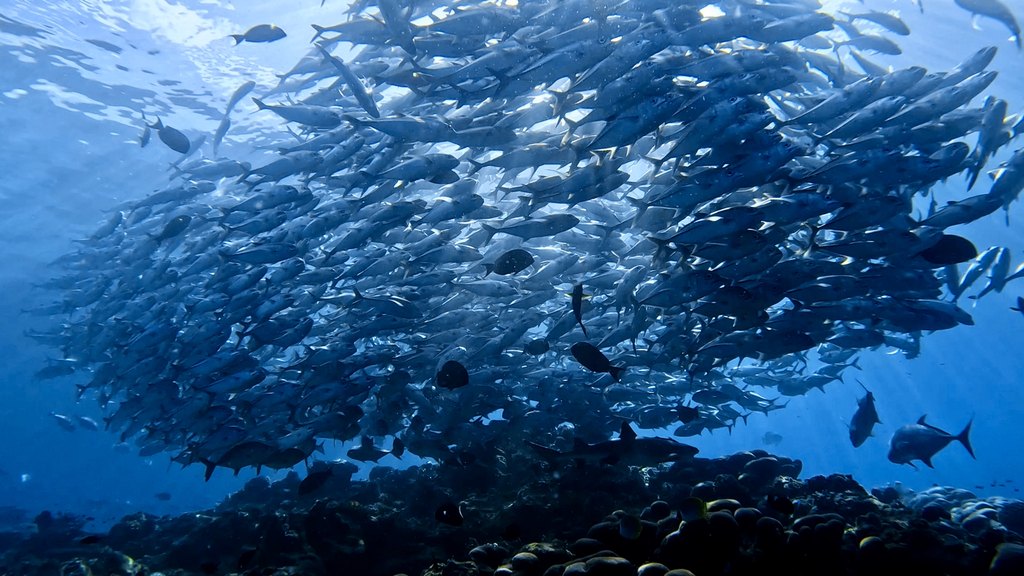
The other half of my Sabah trip: permits, dive sites and an honest verdict in the Sipadan diving guide.
Planning the wider trip? Cities, islands and food across the country in my Malaysia travel guide.
Frequently Asked Questions About Sepilok
What time is the orangutan feeding at Sepilok?
10 AM and 3 PM, every day. The centre asks visitors to arrive 30 minutes beforehand, and that instruction is worth following — the viewing gallery fills from the front and the boardwalk in takes five minutes.
How much does it cost to visit Sepilok?
Three separate tickets: RM 30 for the orangutan centre, RM 50 for the sun bear centre and RM 30 for the Rainforest Discovery Centre, per foreign adult. RM 110 for all three. Malaysians pay RM 5, RM 10 and RM 7 respectively.
Are the orangutans at Sepilok wild?
They are rehabilitated animals living free in the surrounding forest reserve, not caged. The platform feeding is a supplement, deliberately monotonous, designed to push them towards foraging for themselves. So: free-living, but habituated and provisioned — and the centre is open about that.
Will I definitely see orangutans?
No. When the forest is fruiting they find better food and skip the platform entirely. That is the programme working, but it means a single visit can come up empty. If your schedule allows two feedings, take two.
Is the sun bear centre worth the extra RM 50?
It is the most expensive of the three tickets and it is not the reason to come to Sepilok. That said, the sun bear is the smallest bear in the world, it is threatened, and most visitors have never heard of it. I went because I was already there, and I did not regret it.
Do I need a separate ticket for the sun bears?
Yes. The sun bear centre shares the entrance gate with the orangutan centre but is a separate charity with its own admission. Plenty of visitors only discover this at the counter.
How long is the Sepilok canopy walkway?
620 metres, at 25 metres above the ground, with platforms up to 26.5 m. It was extended by 250 m in early 2022, so older guides quote a shorter length. Three towers — Bristlehead, Hornbill and Trogon — punctuate the walk.
Can you do Sepilok as a day trip from Sandakan?
Yes, and most coach groups do. But you will arrive for the busy 10 AM feeding and you will probably skip the Rainforest Discovery Centre. Staying a night in Sepilok itself costs little more and changes the visit completely.
Where should I stay in Sepilok?
In Sepilok rather than Sandakan. Four lodges sit against the forest reserve: Sepilok Nature Lodge (formerly Sepilok Nature Resort), Sepilok Jungle Resort, Paganakan Dii Tropical Retreat and Sepilok Forest Edge Resort. Be careful not to confuse Sepilok Nature Lodge with Tanini Sepilok, formerly Nature Lodge Sepilok — they are different places.
How do I get from Sandakan airport to Sepilok?
About 23 km and 30 to 40 minutes. Take your lodge’s transfer, which most will run to meet your flight, or a Grab. There is no ferry or bus ticket to book for this leg — it is simply a road transfer.
Is the Kinabatangan river worth adding?
Yes, and it is the natural companion to Sepilok. A day trip from Sepilok gets you the late-afternoon cruise, when proboscis monkeys, macaques and crocodiles come down to the water. An overnight package adds the dawn cruise, which is when elephants and hornbills are most often reported.
Will I see pygmy elephants on the Kinabatangan?
Possibly not. Operators advertise pygmy elephants and all eight hornbill species, with a note that sightings are not guaranteed. On my afternoon cruise we saw neither — but we did see proboscis monkeys, two macaque species, a saltwater crocodile and a blue-eared kingfisher. Plan for those.
What is the best time of year to visit Sepilok?
Any month works; nothing closes seasonally. March to October is drier. The variable that actually matters is the fruiting season, when orangutans stop visiting the platform — there is no published calendar, so ask your lodge when you book.