Malaysia Travel Guide: Where to Go, from Kuala Lumpur to Borneo
By Blaise Jaeger · Updated October 23, 2026
Malaysia is two countries in one. The peninsula is Kuala Lumpur, the old trading ports of Malacca and Penang, tea hills and island beaches. Across the South China Sea, Malaysian Borneo is rainforest, orangutans and some of the best diving in the world. Most visitors only ever see one of the two.
I have seen a bit of both, but not evenly, and I would rather say so upfront. Kuala Lumpur and Malacca I know from work trips in 2011 and 2012, and KLIA from layovers since. Sabah, in Malaysian Borneo, I travelled properly: two weeks in September 2024 with my friend Roy. This guide is built that way: first-hand where I have been, plain facts where I have not, and links to my detailed pages where they exist.
Why Visit Malaysia?
Because it is the easiest country in Southeast Asia to travel in, and one of the most varied. English is widely spoken, the roads and domestic flights are good, Grab works in every city, and most Western passports get 90 days on arrival.
Inside that, you get three cultures on one plate — Malay, Chinese and Indian, and you taste it before you see it — two UNESCO-listed colonial port cities, the Petronas Towers, islands on both coasts, and Borneo, where the wildlife you came for is genuinely there.
And it is cheaper than its neighbours suggest. Kuala Lumpur costs a fraction of Singapore, a hawker meal is a few dollars, and an internal flight to Borneo is often less than a night in a city hotel.
Malaysia at a Glance
- Capital: Kuala Lumpur (the government sits in Putrajaya, 25 km south).
- Two halves: Peninsular Malaysia, and Malaysian Borneo — the states of Sabah and Sarawak.
- Main airport: Kuala Lumpur International (KLIA), 28 minutes from the city by the KLIA Ekspres train.
- Currency: the ringgit (RM, MYR).
- Languages: Malay is official; English is widely spoken, plus Chinese dialects and Tamil.
- Entry: visa-free for most Western passports, up to 90 days; a free online arrival card is compulsory.
- Climate: hot and humid all year, with two monsoons that hit the west and east coasts at different times.
- Time to see it properly: ten days for the peninsula, two weeks if you add Borneo.
My Malaysia: Work Trips, Layovers and Two Weeks in Borneo
My first trips to Malaysia were not holidays. In 2011 and 2012 I flew to Kuala Lumpur several times for my work, and one of those trips took me down to Malacca. It was the kind of travel where you see the inside of meeting rooms and hotels more than the city, and I will not pretend I came back with a list of hidden addresses.
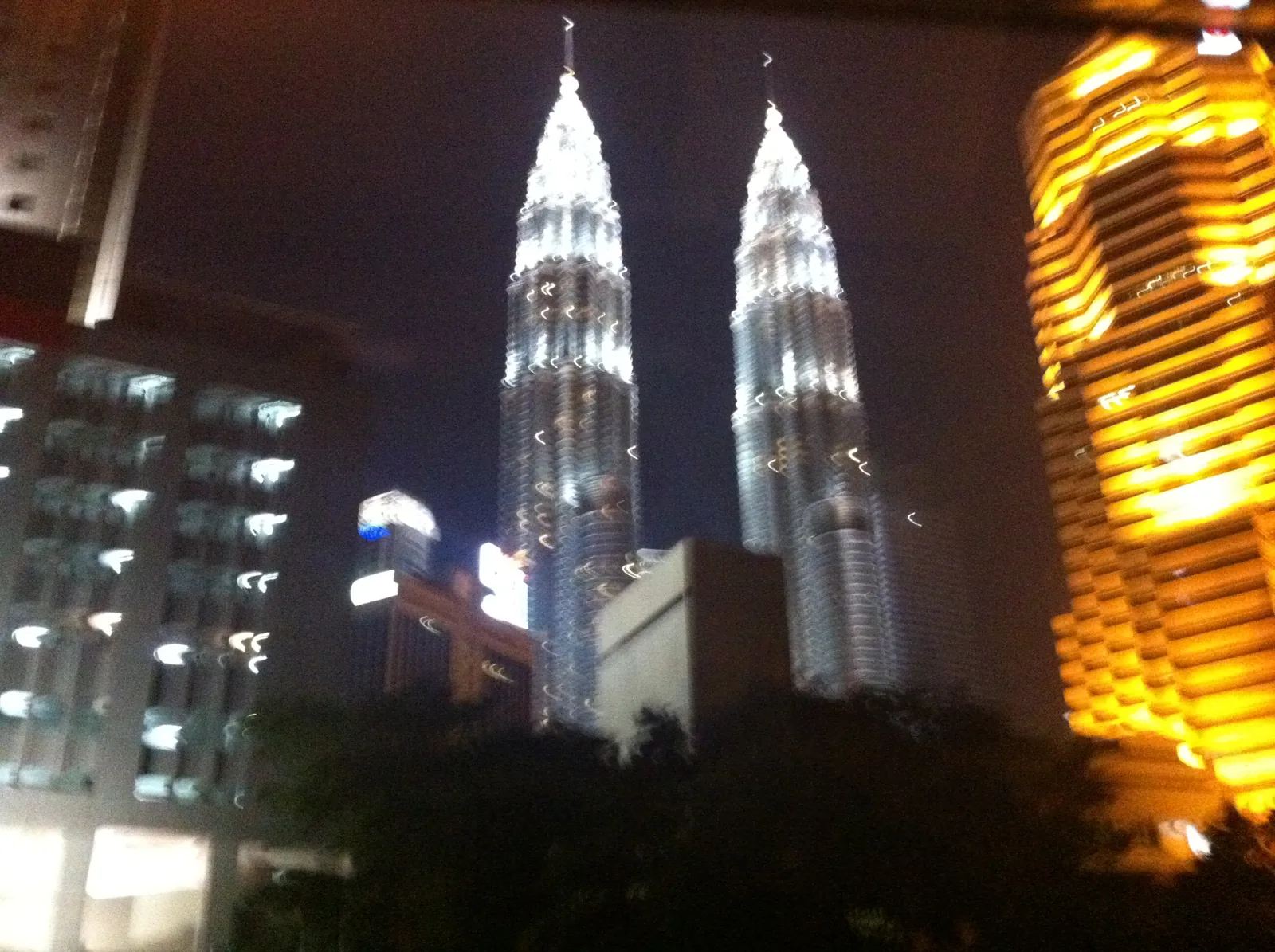
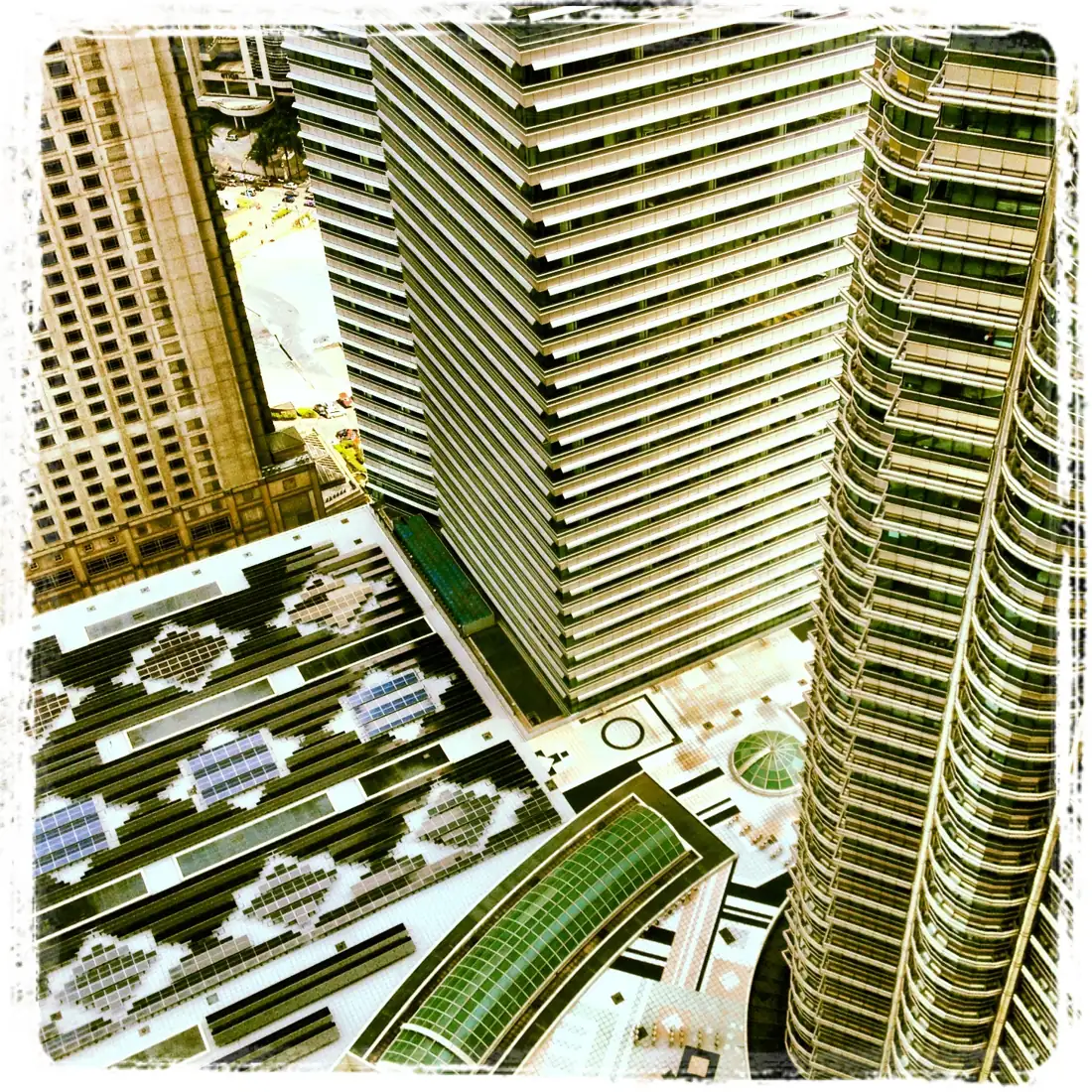
What stays with me from those trips is Kuala Lumpur at night. The Petronas Towers are lit until late, they dominate every view in the KLCC district, and after a day indoors that was the city I walked out into. In July 2012 I photographed the second tower and the roof of the Suria KLCC mall from straight above — it is still the picture that best explains the scale of the place.
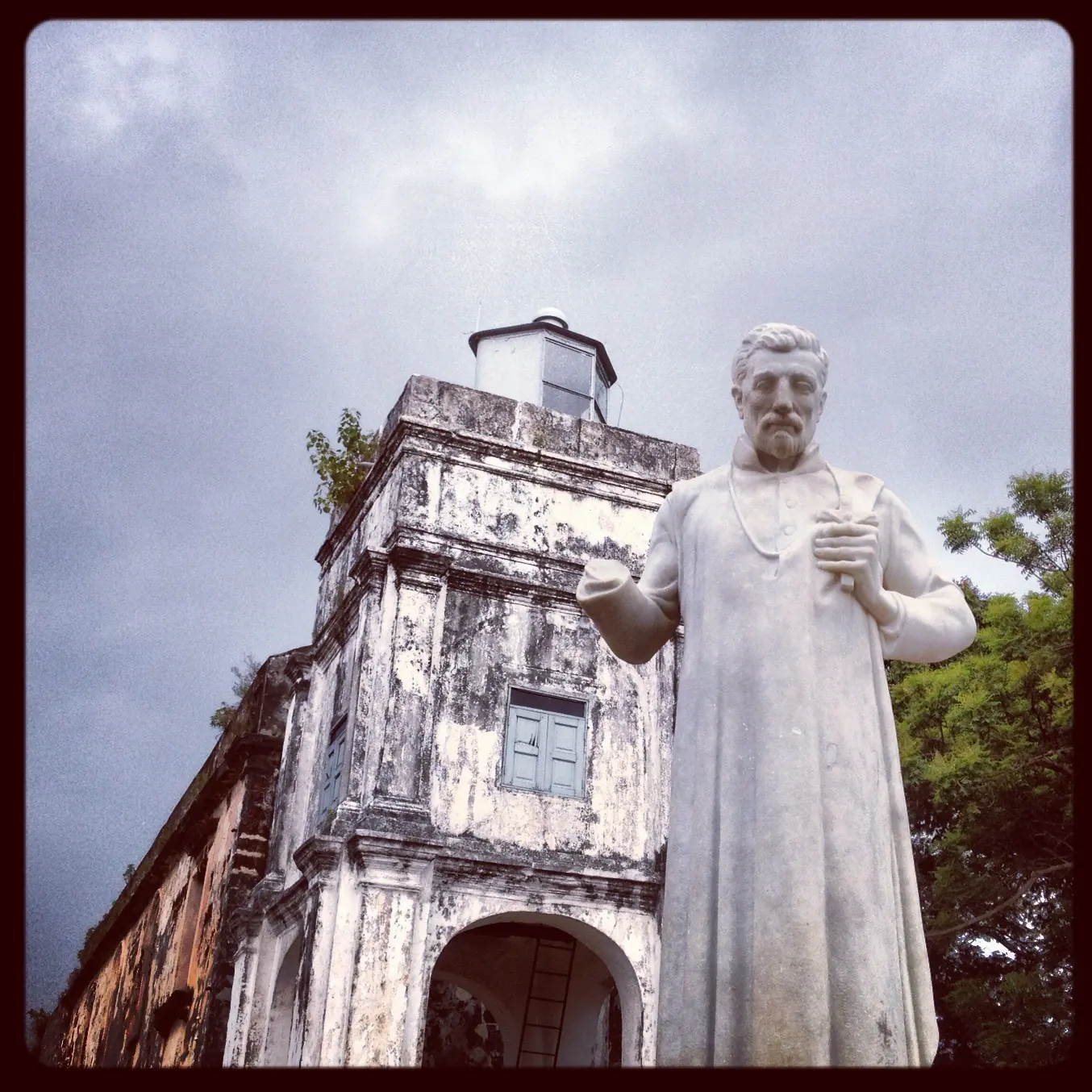
Malacca was a different country in miniature: red Dutch buildings, a hill with a ruined Portuguese church, and the white statue of St Francis Xavier standing in front of it.
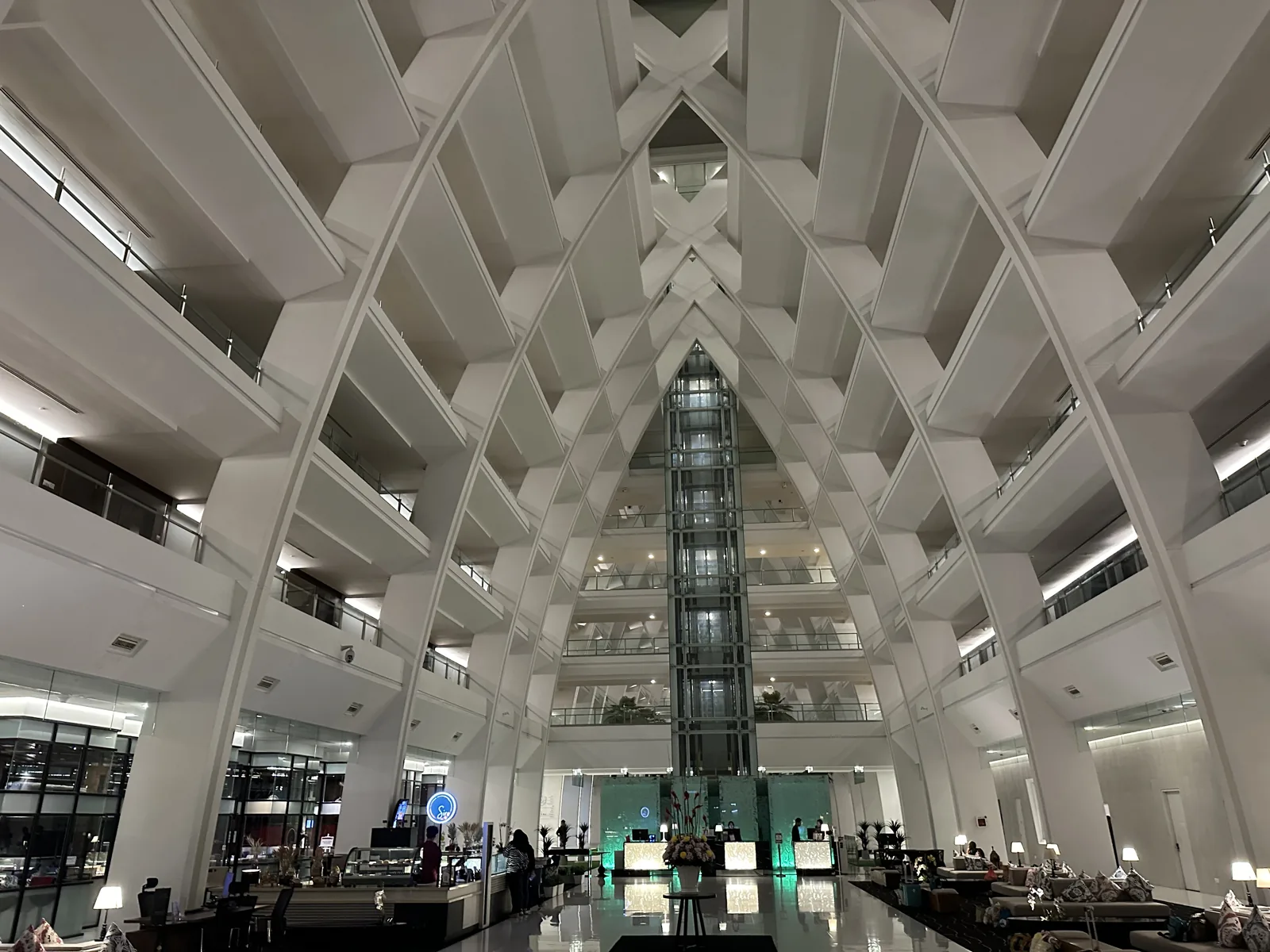
Since then Malaysia has mostly been an airport for me. I passed through KLIA in December 2023, and again in April 2025 on Malaysia Airlines, with one night between flights at the Movenpick Hotel & Convention Centre KLIA. It is not a destination hotel and does not try to be: it is ten minutes from the terminals with a free shuttle, and that is exactly what you want at the end of a long-haul day. Practical is the right word.
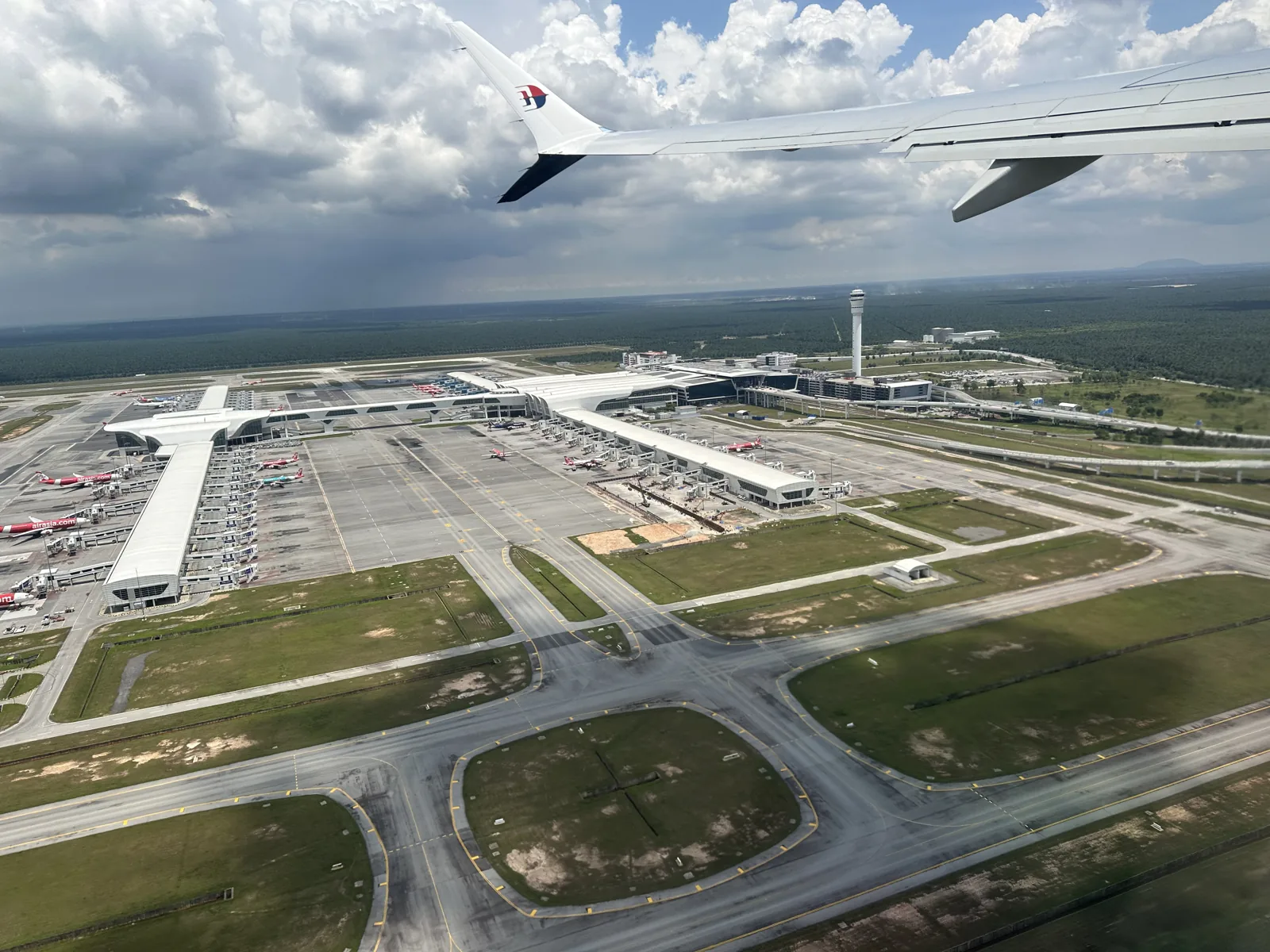
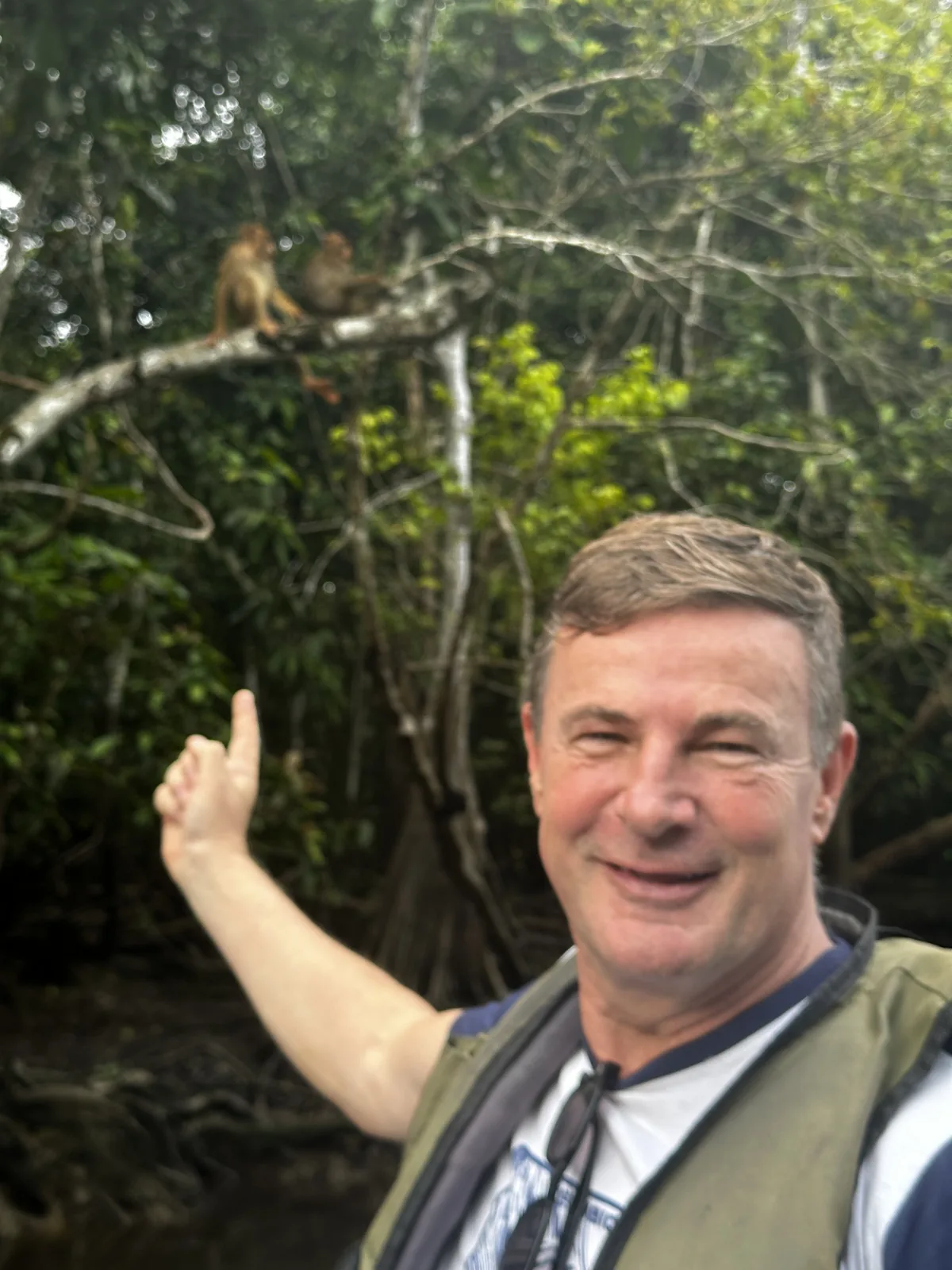
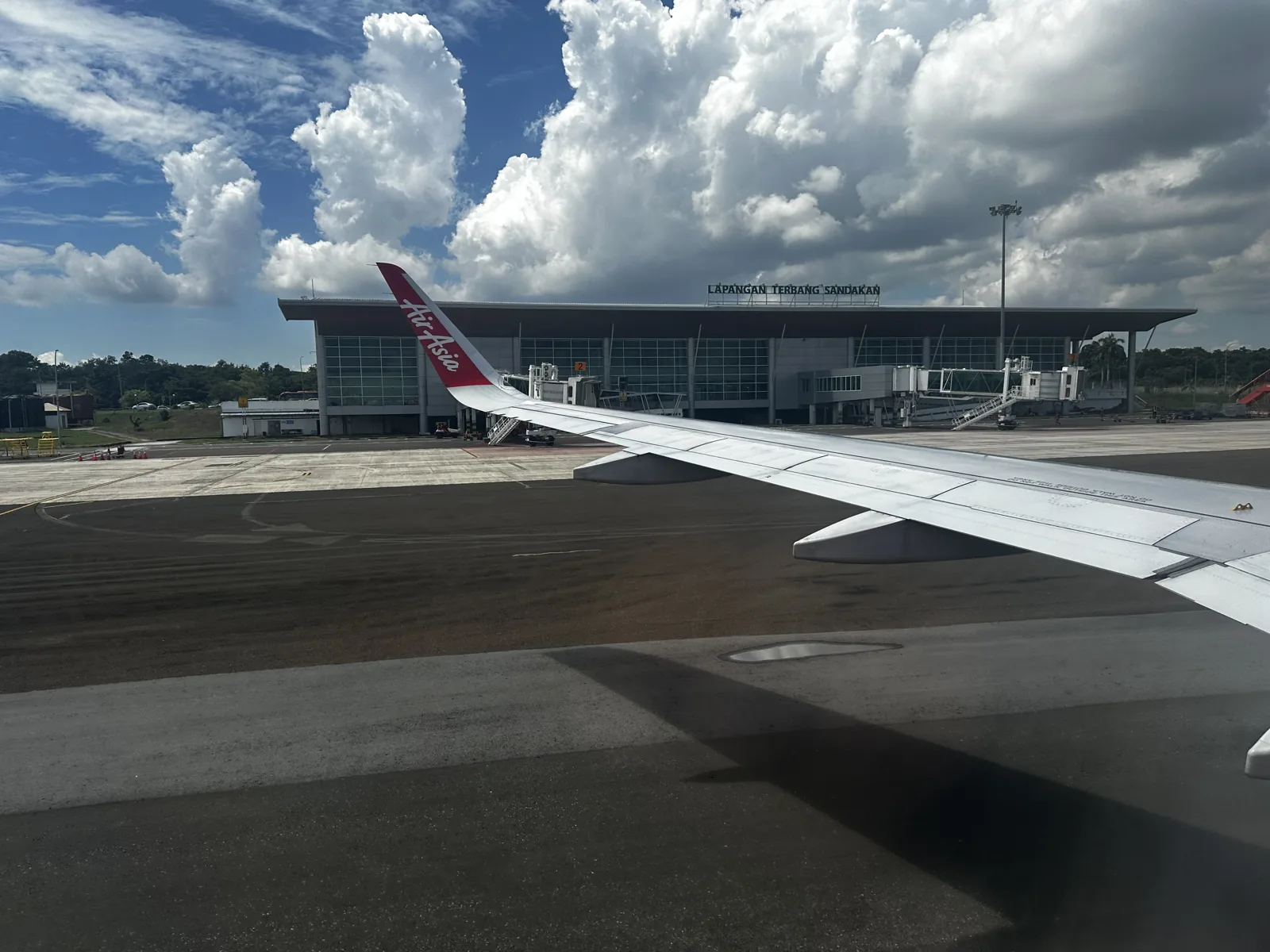
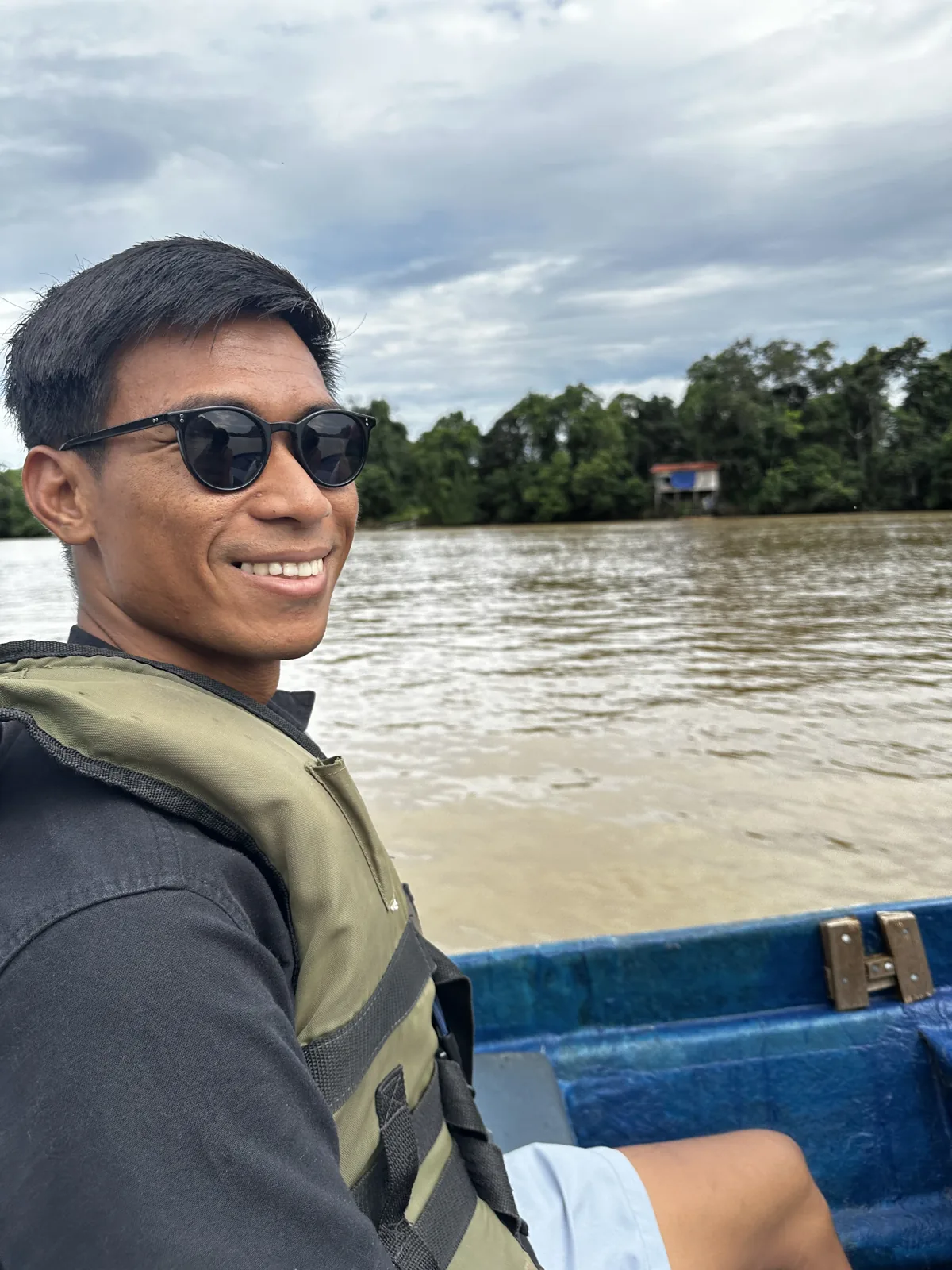
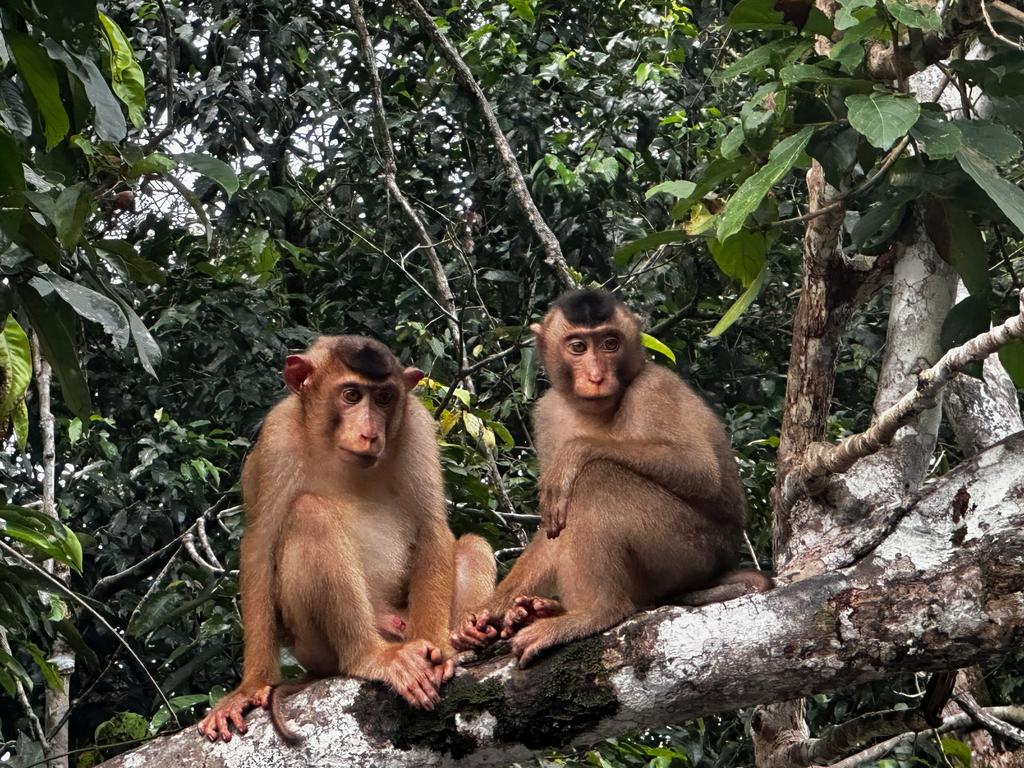
Borneo was the real trip. In September 2024 Roy and I spent two weeks in Sabah, from Kota Kinabalu to the diving at Sipadan. We flew AirAsia into Sandakan in the morning and were on a boat on the Kinabatangan river the same afternoon, watching macaques along the bank. That trip has its own guides — Sabah, Sepilok and Sipadan — and it is the part of Malaysia I can recommend from experience without any reservation.
Where to Go in Malaysia
Pick by what you want, not by what is closest. The peninsula is cities, heritage and beaches; Borneo is nature. Here is how the main places compare, with what I know first-hand flagged as such.
Kuala Lumpur
Where nearly every trip starts. The Petronas Twin Towers are 452 metres and 88 floors, and were the tallest buildings in the world from 1998 to 2004. You can visit the Skybridge between the two towers on levels 41 and 42 and the observation deck on level 86; tickets are timed and sell out, so book ahead on the official site rather than at the door.
Beyond the towers: Batu Caves, a Hindu temple inside a limestone hill reached by 272 painted steps, 13 km north of the centre; Merdeka Square and the Moorish-style colonial buildings around it; Chinatown and Petaling Street; and Bukit Bintang for shopping and food. Two or three days is enough for most people.
Malacca (Melaka)
Two hours south of KL by road, and with George Town a UNESCO World Heritage Site since 2008. Malacca was Portuguese from 1511, Dutch from 1641 and British from 1824, and you can read all three on one walk: the Porta de Santiago gate of the A Famosa fortress, the ruined St Paul’s Church on the hill above it, and the red Stadthuys and Christ Church on Dutch Square below.
The statue in my photo has a story: St Francis Xavier was briefly buried in St Paul’s Church in 1553 before his body was taken to Goa; the statue in front of the church was put up in 1952. Come at the weekend for the Jonker Street night market, and stay for Peranakan (Nyonya) food. A day trip from KL works; one night works better.
Penang and George Town
An island off the north-west coast, linked to the mainland by two bridges. George Town is the other half of the UNESCO listing: shophouses, clan houses, temples and the street murals that made it famous. It is above all the food capital of Malaysia — char kway teow, assam laksa and hawker centres that justify the trip on their own. Add Penang Hill by funicular and the Kek Lok Si temple. I have not been, so this is research, not memory.
Langkawi
An archipelago of 99 islands off the north-west tip, and a duty-free zone. Beaches around Pantai Cenang, mangroves in the north, a cable car up Gunung Mat Cincang and the curved Sky Bridge hanging above the forest. It is the easiest beach on the west coast, and the one to choose between November and April.
The Cameron Highlands
Tea plantations at around 1,500 metres, a four-hour drive north of KL. Cool mornings, the BOH tea estates, the Mossy Forest boardwalk. A two-night break from the heat rather than a highlight in itself.
The east coast islands
Perhentian, Redang and Tioman are the postcard beaches: clear water, reef snorkelling, turtles. Their season is short. From November to February the north-east monsoon shuts most resorts and the boats stop, so they are a March-to-October destination.
Sabah, Malaysian Borneo
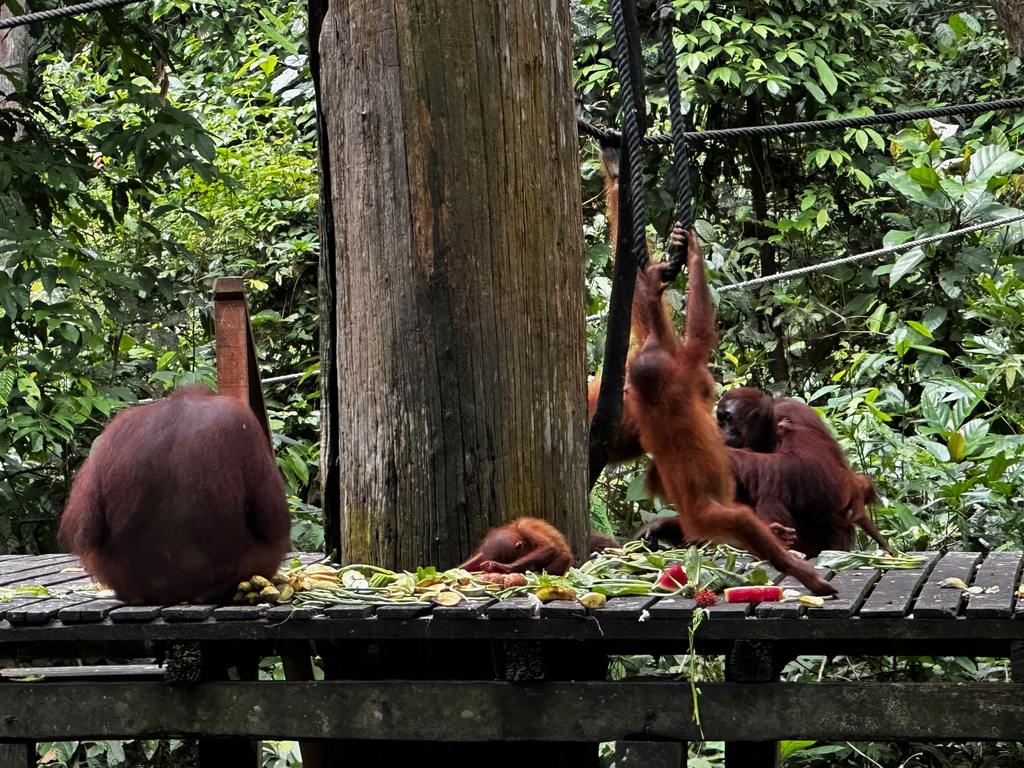
The part I know best. Orangutans at Sepilok, proboscis monkeys on the Kinabatangan, Mount Kinabalu at 4,095 metres, and Sipadan for the diving. Two weeks is the right length. More below and in my Sabah travel guide.
Sarawak
The other Borneo state, with Kuching, the Mulu caves and longhouses up the rivers. I have not been there, and I would rather point you to people who have than fill a paragraph with brochure text.
Sabah: The Malaysia I Know Best
If you have the time for only one part of Malaysia beyond KL, make it Sabah. It packs three trips into one state — a mountain, the wildlife and the diving — linked by short internal flights.
Sepilok and the Kinabatangan river
Twenty-three kilometres from Sandakan airport, Sepilok has the orangutan rehabilitation centre, the sun bear centre and a canopy walkway in the same stretch of road. The Kinabatangan, further east, is the best place in Sabah to see animals from a boat. Feeding times, tickets and where to sleep are in my Sepilok guide.
Sipadan, Mabul and the diving
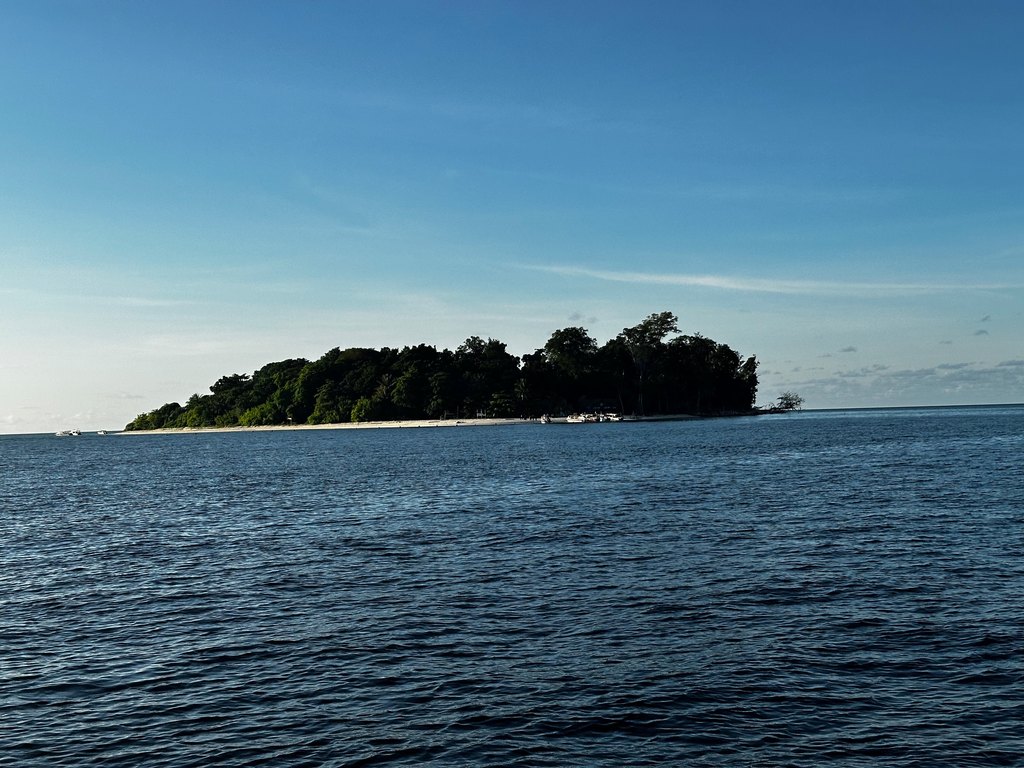
In the far south-east, Sipadan is an oceanic island with a fixed daily quota of dive permits, and it delivers: barracuda tornadoes, turtles everywhere, and walls that drop away a few metres from the beach. You stay on Mabul or in Semporna. Permits, fees and the dive sites one by one: my Sipadan diving guide. It also features in my top 10 dive sites in Southeast Asia.
Best Beaches and Islands in Malaysia
Malaysia has beaches on both coasts, and the rule that matters is the monsoon: the west coast is best from November to April, the east coast from March to October. Choose the coast by the month, not the other way round.
- Langkawi (west): the easy option — international airport, every type of hotel, calm sea from November to April.
- Penang (west): beaches at Batu Ferringhi, but you go to Penang for George Town and the food.
- Perhentian Islands (east): car-free, backpacker-friendly on Kecil, quieter on Besar; boats from Kuala Besut. Closed in practice from November to February.
- Redang (east): the resort version of the Perhentians, white sand and marine park snorkelling.
- Tioman (east): jungle, villages and dive sites, reached by ferry from Mersing.
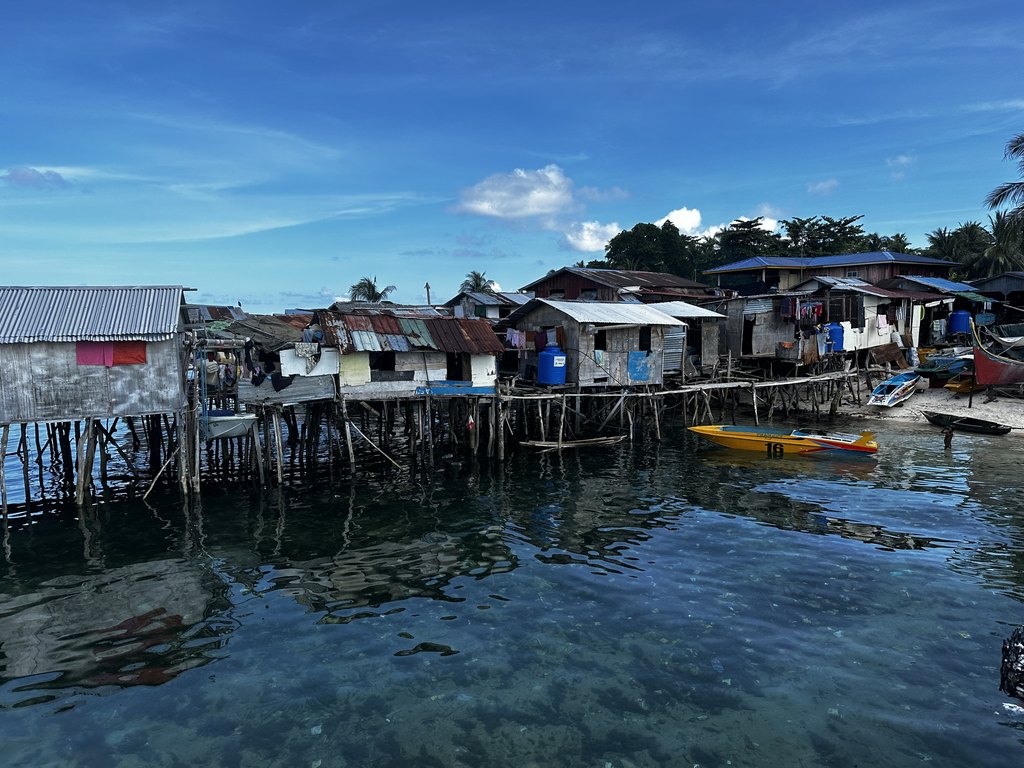
- Mabul and Kapalai (Sabah): not beach holidays — stilt villages and dive resorts, for Sipadan and muck diving.
Malaysia Itinerary: 7, 10 or 14 Days
7 days: the peninsula
- Days 1–3: Kuala Lumpur — the towers, Batu Caves, Chinatown, a night food market.
- Day 4: Malacca, ideally with one night there.
- Days 5–7: fly or take the train to Penang — George Town and its food.
10 days: peninsula and beach
- Days 1–3: Kuala Lumpur and Malacca.
- Days 4–6: Penang, with the Cameron Highlands on the way north if you like hills.
- Days 7–10: Langkawi (November–April) or the Perhentians (March–October).
14 days: peninsula and Borneo
- Days 1–4: Kuala Lumpur and Malacca.
- Days 5–7: fly to Sandakan — Sepilok and the Kinabatangan.
- Days 8–11: Semporna and Mabul, with Sipadan if you dive.
- Days 12–14: Kota Kinabalu and Mount Kinabalu, then fly home. Detailed day plans for Borneo are in my Sabah guide.
What to Eat in Malaysia
Food is the best argument for Malaysia, and it is the one thing everybody agrees on. The three cuisines borrow from each other, and the best of it is cheap, street-side and open late.
- Nasi lemak: coconut rice, sambal, anchovies, peanuts and an egg — the national breakfast.
- Roti canai: flaky Indian-Malay flatbread with curry, at any mamak stall, at any hour.
- Char kway teow: wok-fried flat noodles, best in Penang.
- Laksa: sour and fishy assam laksa in Penang, rich and coconutty curry laksa in KL.
- Satay: grilled skewers with peanut sauce.
- Nyonya cuisine: the Peranakan cooking of Malacca and Penang.
- Teh tarik: sweet milk tea, poured from a height to froth it.
In Sabah, add the seafood: the night market on the Kota Kinabalu waterfront is where you pick a fish and they grill it in front of you.
Getting to Malaysia and Getting Around
Arriving at KLIA
Kuala Lumpur International is the hub for Malaysia Airlines and AirAsia, with two terminals linked by train. The KLIA Ekspres reaches KL Sentral in 28 minutes; the adult one-way fare is RM 55 and rises to RM 65 on 1 January 2027. Grab and official taxis take about an hour, depending on traffic.
If you only have a layover, an airport hotel beats a rushed night in town. That is what I did in April 2025 at the Movenpick, whose free shuttle drops you at both terminals.
Flights, buses and trains
Domestic flights are short and cheap: KL to Penang or Langkawi in about an hour, KL to Kota Kinabalu in about two and a half. On the peninsula, intercity buses and the ETS electric train (to Butterworth, opposite Penang) are the alternative. To compare the options side by side, I use 12Go:

From Singapore, Thailand and Indonesia
From Singapore, buses reach KL in about five to six hours across the Johor causeway. From Thailand, trains run to the border at Padang Besar. From Indonesia, the flights are the practical option: Jakarta, Bali and Medan all connect to KL several times a day.
Sabah has its own immigration
A detail that surprises people: Sabah and Sarawak control their own entry. Even on a domestic flight from KL, you go through passport control again on arrival in Borneo, so keep your passport in your hand luggage.
Where to Stay in Malaysia
I have no hotel to swear by in the peninsula cities — my KL nights were work nights — so here is where to look rather than a list of names I have not slept in. The one address I can vouch for is at the airport.
Near KLIA: Movenpick Hotel & Convention Centre KLIA
For a layover or an early flight. Ten minutes from both terminals, free shuttle, quiet rooms. Practical rather than memorable, and that is the point. 👉 Check prices for the Movenpick KLIA on Booking.com
Kuala Lumpur: KLCC or Bukit Bintang
KLCC puts you at the foot of the Petronas Towers and the park; Bukit Bintang is the livelier choice for food and evenings, two stops away on the monorail. 👉 Hotels in Kuala Lumpur on Booking.com
Malacca, Penang and Langkawi
In Malacca, stay inside the heritage area near Jonker Street so you can walk everywhere at night. In Penang, choose George Town over the beaches. In Langkawi, Pantai Cenang is the practical base. 👉 Malacca · George Town · Langkawi on Booking.com
Sabah
In Borneo the accommodation is often part of the activity — the lodge at Sepilok, the dive resort on Mabul. My picks for Kota Kinabalu are in the Sabah guide, and the rest on the Sepilok and Sipadan pages.
Best Time to Visit Malaysia
Malaysia is warm all year, between 25 and 33°C, and it rains all year too — usually as a heavy afternoon shower rather than a grey day. What changes is which coast gets the monsoon.
- West coast (KL, Malacca, Penang, Langkawi): best from December to April. The south-west monsoon from May to September is moderate; October and November are often the wettest months.
- East coast islands (Perhentian, Redang, Tioman): March to October. From November to February the north-east monsoon closes most of them.
- Sabah: March to October is the drier half. I went in September, and it worked well for the river, the forest and the diving.
- Cities: any time — the rain stops by evening, and the malls and food courts are air-conditioned.
Practical Tips for Malaysia
- Arrival card: every foreign visitor must fill in the free Malaysia Digital Arrival Card (MDAC) in the three days before arrival, on the official Malaysian Immigration website (search for “MDAC”; it is free, so ignore any site that charges a fee). Transit passengers who stay airside are exempt.
- Visa: most Western passports get up to 90 days without a visa. Check your own nationality before booking.
- Money: cards work in KL and the big hotels; carry ringgit for markets, hawker stalls and anything in Borneo.
- Getting around town: Grab is the default in every city and cheaper than taxis.
- Dress: cover shoulders and knees for mosques and temples; robes are lent at the big mosques.
- Alcohol: available but heavily taxed, and limited in the more conservative east-coast states.
- Safety: Malaysia is a safe country for travellers. Watch your bag in crowded markets, and check your government’s advice for the islands of eastern Sabah.
Read More
Malaysian Borneo in two weeks — the regions, the route and how many days you need: my Sabah travel guide.
Orangutans, sun bears and the Kinabatangan river: the Sepilok guide.
Permits, fees and the dive sites one by one: the Sipadan diving guide.
Flying through the region? My guide to a layover in Singapore, and my five favourite places in Southeast Asia.
Frequently Asked Questions About Malaysia
Is Malaysia worth visiting?
Yes. It is one of the easiest countries in Southeast Asia to travel in, with excellent food, two UNESCO-listed heritage cities, beaches on both coasts and, in Borneo, world-class wildlife and diving — usually at lower prices than Singapore or Thailand.
How many days do you need in Malaysia?
Seven days covers Kuala Lumpur, Malacca and Penang. Ten days adds a beach on Langkawi or the Perhentians. Two weeks lets you add Sabah in Borneo, which deserves at least five or six days on its own.
What is the best time to visit Malaysia?
December to April for the west coast and Langkawi, March to October for the east coast islands and Sabah. The cities can be visited all year; rain usually falls as a short afternoon storm.
Do I need a visa for Malaysia?
Most Western passports, including EU, UK, US and Australian, can stay up to 90 days without a visa. All foreign visitors must complete the free Malaysia Digital Arrival Card online in the three days before arrival.
Is Kuala Lumpur or Penang better?
They do different jobs. Kuala Lumpur is the big city, with the Petronas Towers, Batu Caves and the shopping; Penang is smaller, older and the better place to eat. On a first trip, do both.
Is Malacca worth a day trip from Kuala Lumpur?
Yes, it is two hours by road and the heritage centre is compact. One night is better: the river and Jonker Street are at their best in the evening, after the day-trippers leave.
How do I get from KLIA to Kuala Lumpur?
The KLIA Ekspres train reaches KL Sentral in 28 minutes for RM 55 one way (RM 65 from 1 January 2027). Grab and taxis take about an hour.
Where should I stay for a layover at KLIA?
For one night between flights, stay at the airport rather than in the city. I used the Movenpick Hotel & Convention Centre KLIA in April 2025: ten minutes from the terminals with a free shuttle.
Is Sabah worth adding to a Malaysia trip?
If you like nature or diving, yes — it is the highlight of the country. Orangutans at Sepilok, the Kinabatangan river and Sipadan are all in one state, connected by short domestic flights.
When are the Perhentian Islands closed?
Most resorts and boats stop from November to February, during the north-east monsoon. Plan the Perhentians, Redang and Tioman between March and October.
Is Malaysia safe for tourists?
Yes. Petty theft in crowded places is the main risk. Several governments advise caution for the islands of eastern Sabah, so check current advice if you plan to dive there.
Is Malaysia expensive?
No. A hawker meal costs a few dollars, domestic flights are cheap, and mid-range hotels cost much less than in Singapore. Diving, Borneo lodges and park fees are where the budget goes.