Java Indonesia – Complete Travel Guide (2026)
Java is the most diverse island in Indonesia — a land of dramatic volcanoes, ancient temples, vibrant cities, and powerful landscapes. Less touristy than Bali, Java offers a more raw and authentic experience, ideal for adventure travelers and culture lovers. Many travelers consider Java the best island in Indonesia for volcano adventures.
Based in Bali since 2020, I regularly travel to Java — crossing the island by train, hiking its volcanoes, and revisiting Yogyakarta and Bromo multiple times. This guide combines practical logistics with firsthand experience.
From UNESCO-listed temples to active volcanoes and bustling urban life, this Java travel guide covers the best places to visit, volcano hikes, itineraries, where to stay, and practical tips to plan your trip.
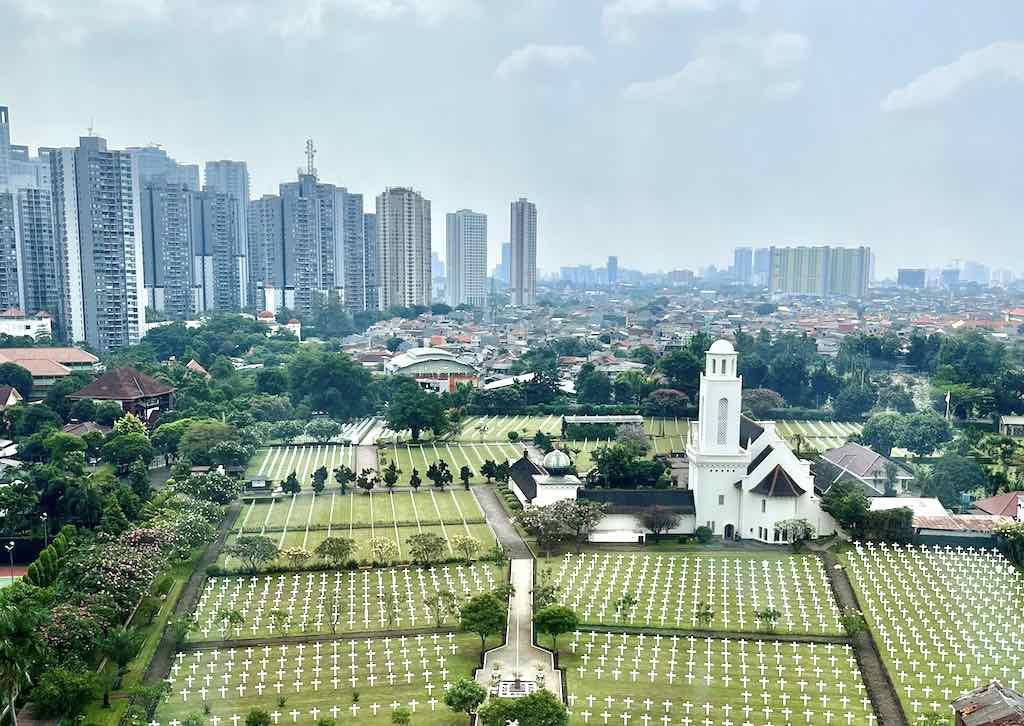
Is Java Worth Visiting?
Yes, Java is absolutely worth visiting if you want to experience Indonesia beyond Bali.
Java is best for:
- Active volcano hikes
- Ancient temples (Borobudur & Prambanan)
- Cultural immersion in Yogyakarta
- Dramatic landscapes and fewer crowds
- Adventurous road or train journeys
Compared to Bali, Java feels:
- Less resort-oriented
- More local and authentic
- More intense and geographically diverse
If you enjoy adventure, culture, and epic scenery, Java is one of Indonesia’s most rewarding islands.
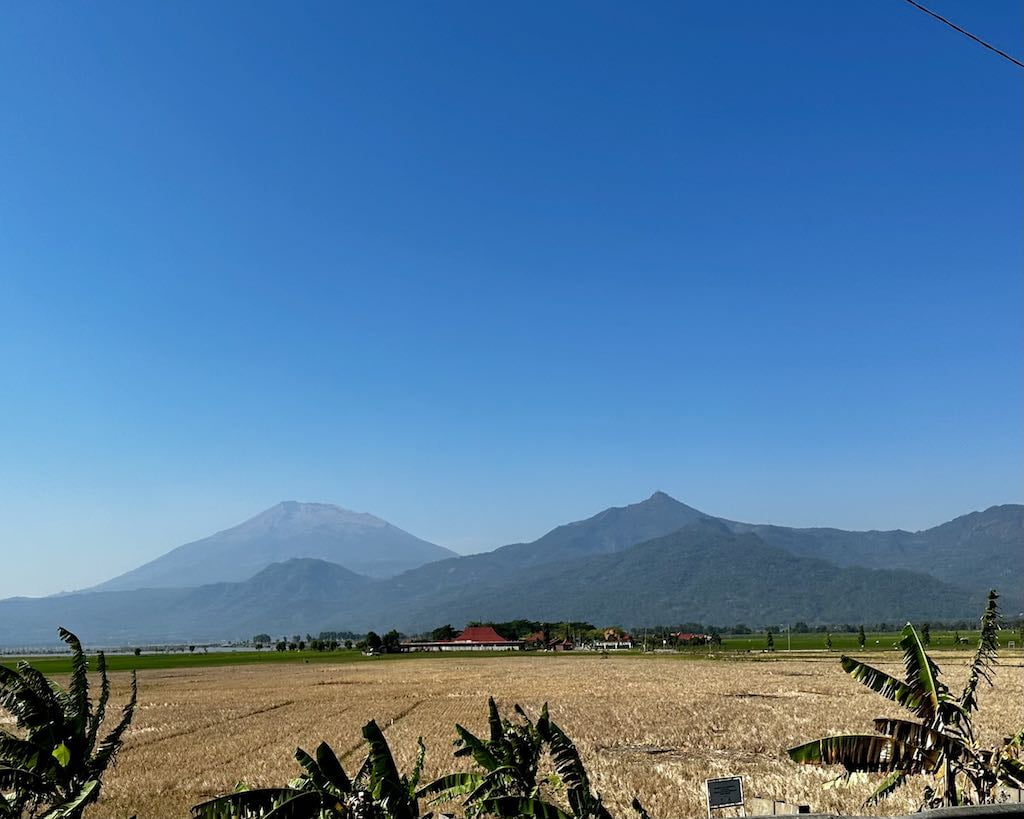
Best Places to Visit in Java
Jakarta: The Capital City
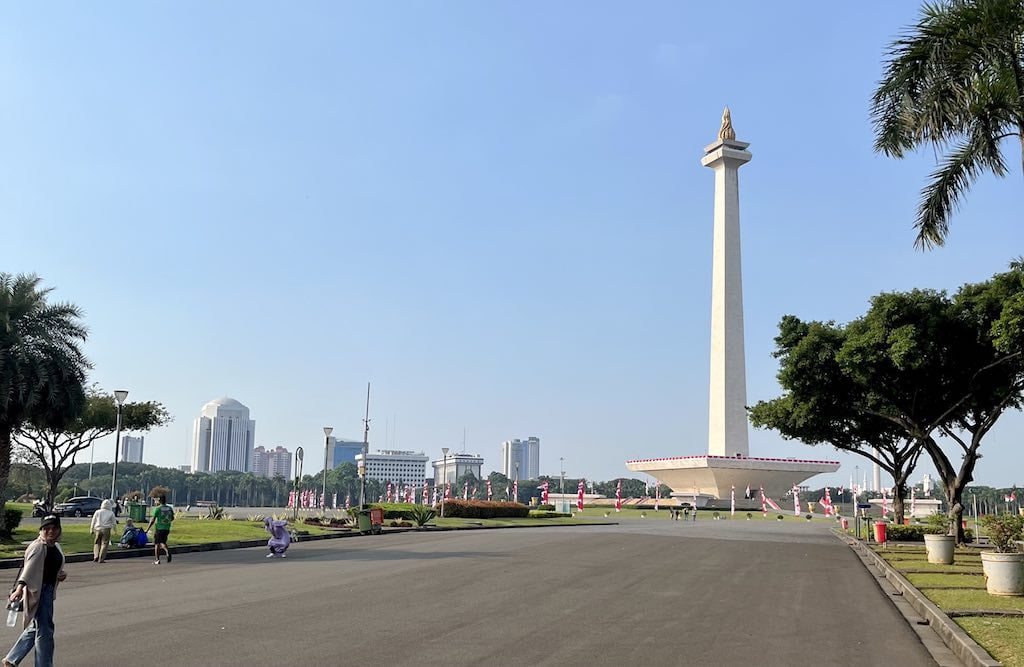
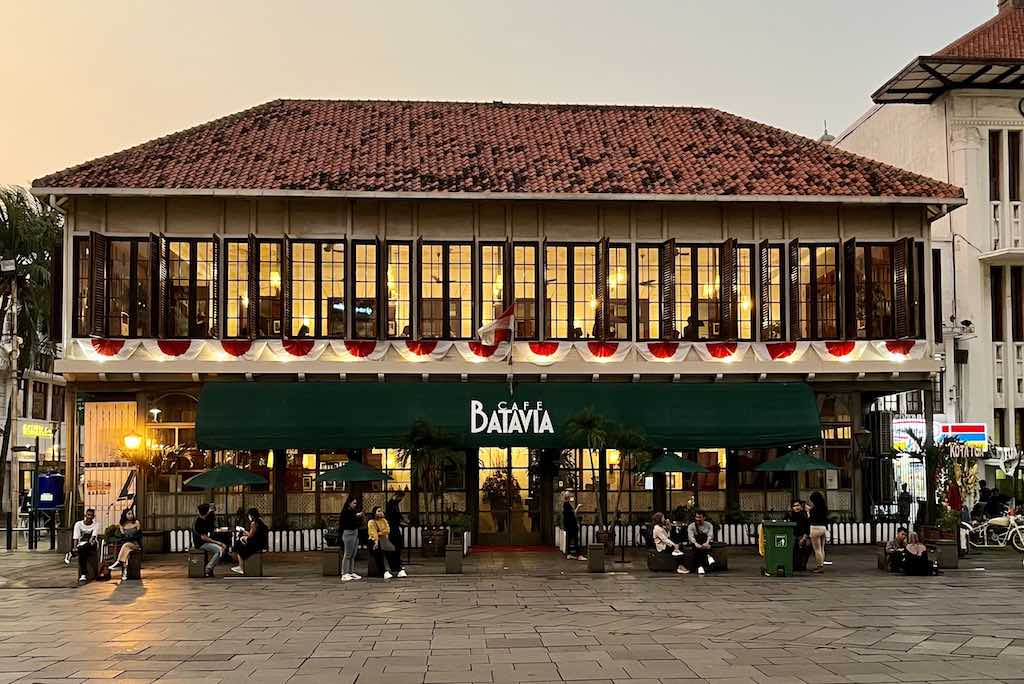
Start your Java journey in Jakarta, the bustling capital of Indonesia. While Jakarta is a bustling metropolis with its fair share of traffic and modern skyscrapers, it offers a wealth of attractions. Notable landmarks include the National Monument (Monas), the Old Town (Kota Tua) with its Dutch colonial buildings, and the Istiqlal Mosque, one of the largest mosques in Southeast Asia. Explore the vibrant markets, savor delicious Indonesian street food, and immerse yourself in the lively urban culture.
Bandung: The Paris of Java
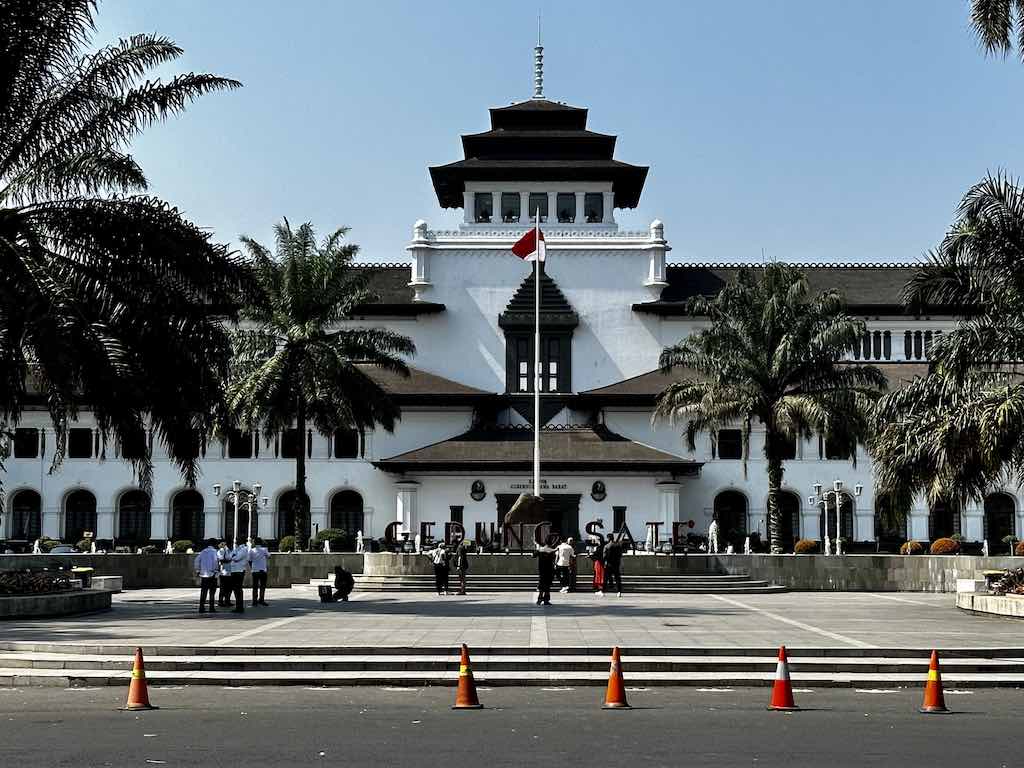
Just a few hours from Jakarta, Bandung is known for its cool climate, lush landscapes, and thriving arts scene. Explore the picturesque tea plantations of Ciwidey, visit the surrealistic artistic House of Angklung, and don’t miss the bustling Jalan Braga, a hub of boutiques and cafes. You can also visit the Gedung Sate. Bandung is also famous for its culinary delights, so indulge in local dishes and shop for traditional Indonesian textiles at Pasar Baru.
Yogyakarta: The Soul of Javanese Culture
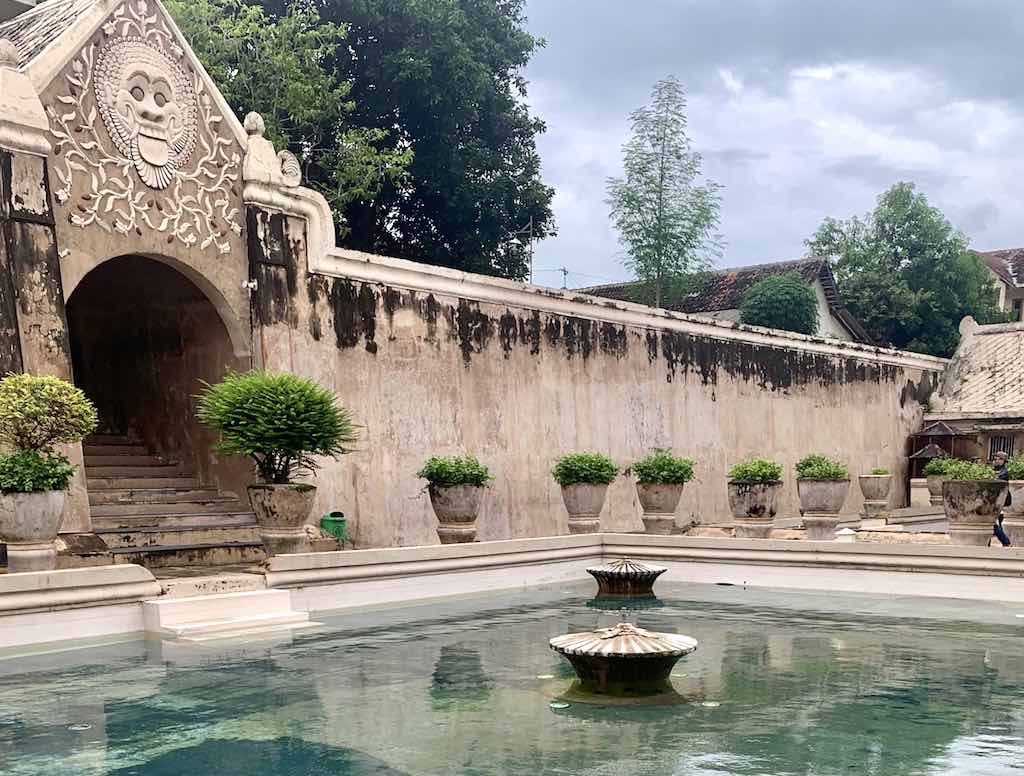
Yogyakarta, often called Jogja, is the heart of Javanese culture and the hub of arts, history, and tradition. Home to the iconic Prambanan and Borobudur temples, this city offers a unique blend of the old and the new. Explore the Sultan’s Palace (Kraton), attend a traditional wayang kulit (shadow puppet) performance, and stroll through the artistic neighborhood of Prawirotaman. You can also witness the daily life of local artisans in the Kota Gede silver district.
Borobudur: A Spiritual Marvel
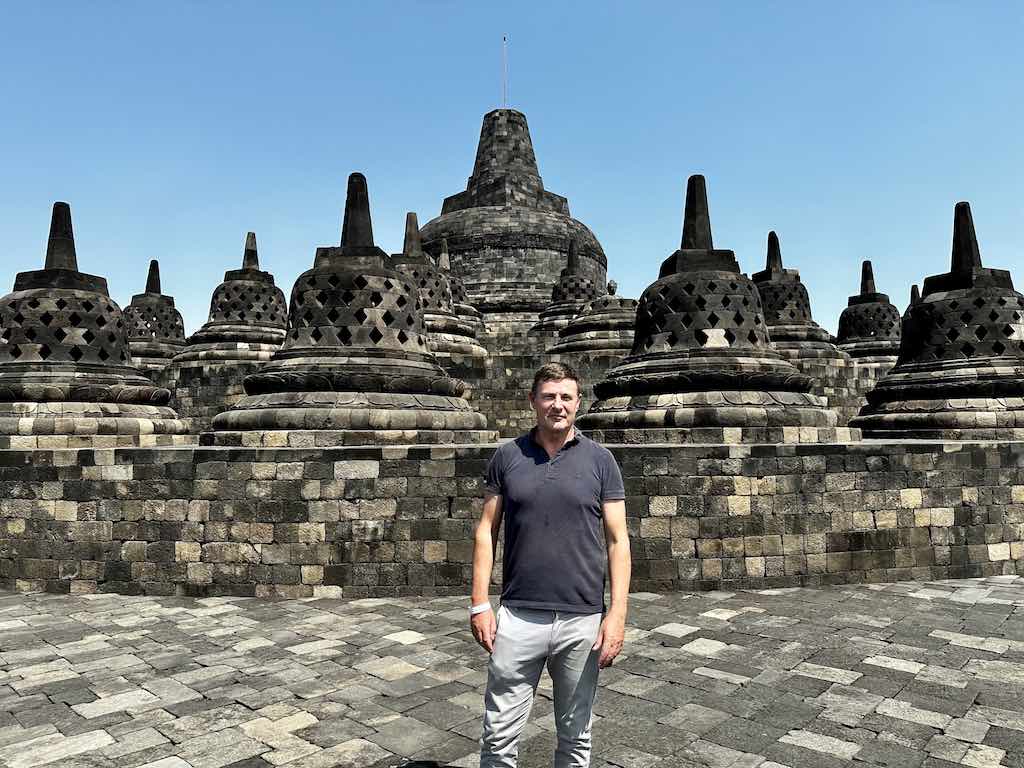
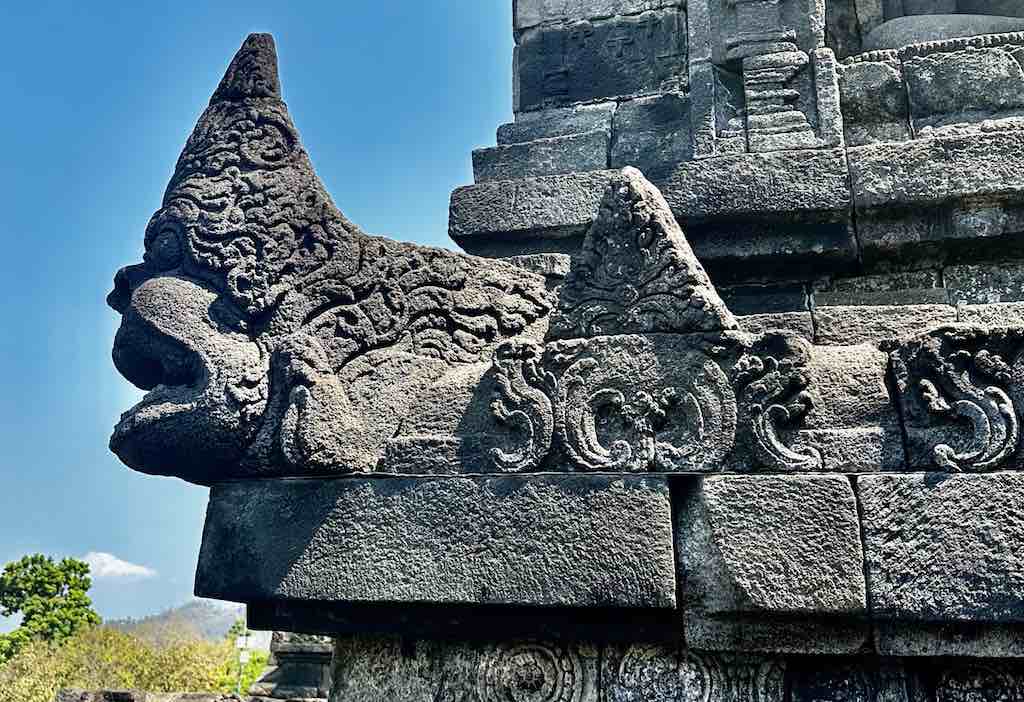
Borobudur, a UNESCO World Heritage Site, is a colossal Buddhist temple complex and one of the most magnificent religious monuments in the world. The intricate carvings and nine stacked platforms house a remarkable collection of statues and stupas. Arrive early to witness the sunrise over this ancient masterpiece and feel the spiritual ambiance that envelopes the site.
Prambanan: A Hindu Marvel
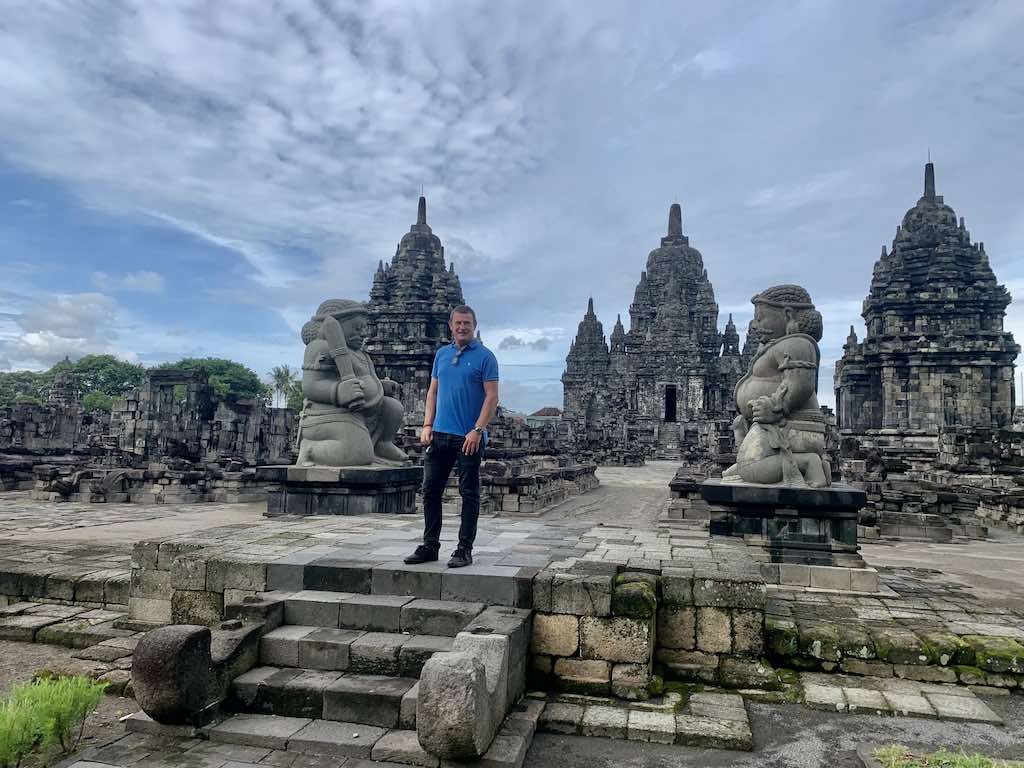
Just a short drive from Borobudur, Prambanan is another UNESCO-listed temple complex. It’s an exquisite example of Hindu architecture in Indonesia, known for its towering spires and intricate stone carvings. Explore the temples dedicated to Shiva, Vishnu, and Brahma, and attend a traditional Ramayana ballet performance under the stars at Prambanan’s open-air theater.
Mount Bromo: A Volcanic Wonderland
Java is a land of volcanoes, and Mount Bromo is one of the most famous. Located in Bromo Tengger Semeru National Park, the sunrise view from the viewpoint is surreal, with the volcano surrounded by a vast expanse of sand called the Sea of Sand. Adventurous travelers can trek to the volcano’s rim or even mount a horse for a unique perspective.

Ijen Crater: Blue Flames and Sulfur Miners
Ijen Crater is another remarkable volcanic destination. Hike to the crater’s rim to witness the stunning blue flames at night and the turquoise acidic lake during the day. You can also observe the fearless sulfur miners at work, a testament to the harsh conditions they endure. The surreal landscape and unique experiences make Ijen Crater a must-visit destination.
Best Volcanoes in Java
Java is home to more than 40 volcanoes, making it one of the most volcanically active regions in the world.
The most famous volcanoes include:
- Mount Bromo
- Ijen Crater
- Mount Merapi (near Yogyakarta)
- Mount Semeru (advanced hike)
Volcano trekking is one of the main reasons travelers visit Java.
How Many Days in Java?
You should plan at least 5 to 7 days in Java, with 8 to 10 days being ideal if you want to explore the island at a more relaxed pace.
With 5–7 days, you can follow a classic west-to-east route and experience Java’s main highlights:
- Explore Yogyakarta and visit Borobudur and Prambanan
- Hike Mount Bromo at sunrise
- See the blue flames of Ijen Crater
- Travel part of the island by scenic train
With 8–10 days, you can move more slowly, spend additional time in Jakarta or Bandung, include extra volcanoes like Mount Merapi, and avoid rushed transfer days.
Java is much larger than most travelers expect. Distances between cities and volcanoes are significant, so thoughtful planning is essential to avoid exhausting back-to-back travel days.
Suggested 7-Day Java Itinerary
This classic 7-day route follows a logical west-to-east progression across Java, combining culture, volcanoes, and dramatic landscapes.
Day 1 – Jakarta Arrival
Arrive in Jakarta and stay in Central Jakarta. Visit Monas (National Monument), explore Kota Tua (Old Town), and enjoy Indonesian street food before heading east the next day.
Day 2 – Bandung
Travel to Bandung by train or private car (around 3 hours). Explore tea plantations in Ciwidey, visit Gedung Sate, and enjoy the cooler highland climate.
Day 3 – Yogyakarta
Take a morning train to Yogyakarta. Visit the Sultan’s Palace (Kraton), stroll along Malioboro Street, and attend a traditional dance performance in the evening.
Day 4 – Borobudur & Prambanan
Wake early for sunrise at Borobudur, the world’s largest Buddhist temple. In the afternoon, visit the majestic Hindu temples of Prambanan. Overnight in Yogyakarta.
Day 5 – Travel to Bromo
Take a train to Probolinggo and transfer to Cemoro Lawang, the village overlooking Mount Bromo. Rest early for the sunrise excursion.
Day 6 – Mount Bromo Sunrise
Depart around 3 am for the iconic sunrise viewpoint. Explore the Sea of Sand and hike to the crater rim. Continue east toward Banyuwangi.
Day 7 – Ijen Crater & Transfer to Bali
Start around midnight for the Ijen hike to witness the blue flames and turquoise crater lake at dawn. After descending, transfer to the ferry and continue to Bali.
This itinerary efficiently covers Java’s major highlights while maintaining a realistic travel rhythm for one week on the island.
How to Get Around Java
Getting around Java requires a bit more planning than in Bali, as distances are longer and travel times can be significant. Fortunately, the island has several reliable transportation options.
Best Options
Train – Most Comfortable & Scenic
The train network is the most comfortable and efficient way to travel across Java. Routes between Jakarta, Bandung, Yogyakarta, and Surabaya offer scenic views of rice fields, volcanoes, and villages. Booking first-class tickets is affordable and highly recommended.
Private Driver – Most Flexible
Hiring a private driver is the easiest option if you want maximum flexibility, especially for visiting temples, volcanoes, or remote areas. It’s more expensive than public transport but saves time and simplifies logistics.
Domestic Flights – Fastest for Long Distances
Flights between major cities such as Jakarta and Yogyakarta can save significant time if you’re short on days. However, for central Java routes, the train is often more enjoyable.
Organized Volcano Tours – Simplest for Bromo & Ijen
For Mount Bromo and Ijen Crater, organized tours are often the most practical solution due to very early departures (1–3 am) and remote access points.
On my first trip across Java, I combined trains, private drivers, and a shared minivan. The train journeys were smooth and comfortable, while the overcrowded minivan transfer was chaotic and exhausting. On my second visit, I chose a private driver for part of the route — more expensive, but far more enjoyable.
Read my page about how to get around Indonesia to know more.

Where to Stay in Java
Choosing where to stay in Java depends on your route, as most travelers move from west to east across the island. Here are the best areas to base yourself for convenience and easy access to major attractions.
Jakarta – Best for First Night or Transit
In Jakarta, it’s best to stay near Central Jakarta or Menteng. These areas offer easier access to Monas, Kota Tua, and major transport hubs. They are also more convenient for airport transfers compared to the sprawling outer districts.
Ideal for:
- 1-night stays
- Arrival or departure stopovers
- Easy access to main landmarks
Yogyakarta – Cultural Hub
Yogyakarta is the most pleasant and strategic base in central Java.
Stay near Malioboro if you want walkable access to markets, the Sultan’s Palace, and train station connections.
Stay in Prawirotaman for a more relaxed atmosphere with cafés, boutique hotels, and cultural vibes.
Ideal for:
- Visiting Borobudur and Prambanan
- Cultural experiences
- 2–3 night stays
Bromo Area – Sunrise Access
For Mount Bromo, stay in Cemoro Lawang, the small village located right at the edge of the caldera. Staying here allows you to reach sunrise viewpoints quickly without a long pre-dawn drive.
Accommodation is simple but practical — the main advantage is proximity.
Ideal for:
- Mount Bromo sunrise
- 1-night stay before early hike
Banyuwangi – Base for Ijen Crater
For Ijen Crater, stay in Banyuwangi, the closest town with proper hotel options. Most Ijen hikes depart around midnight, so choosing accommodation within 30–45 minutes of the trailhead makes logistics easier.
Ideal for:
- Ijen blue flames hike
- 1-night stay before ferry to Bali
Because Java is large and travel times can be significant, choosing accommodation strategically along your west-to-east route will make your trip far more comfortable and efficient.
When Is the Best Time to Visit Java?
The best time to visit Java is during the dry season, from May to October. This period offers clearer skies, lower humidity, and the best conditions for volcano hikes like Mount Bromo, Ijen Crater, and Mount Merapi.
Dry Season (May–October)
- Best weather for hiking and sunrise views
- Clearer visibility at Borobudur and Bromo
- Lower chance of heavy rain disrupting travel
- Ideal for train journeys across the island
This is the most popular time to visit, especially July and August.
Rainy Season (November–April)
- Fewer tourists
- Lush green landscapes
- Afternoon showers are common
- Higher risk of clouds at sunrise viewpoints
Volcano hikes are still possible during the rainy season, but visibility can be unpredictable, and trails may be muddy.
In short:
If volcano sunrises and outdoor exploration are your priority, choose May–October. If you prefer fewer crowds and don’t mind occasional rain, November–April can still work.
Practical Tips for Visiting Java
- Expect longer distances than in Bali. Java is a large island, and travel between cities and volcanoes can take several hours. Plan realistic transfer days and avoid back-to-back long journeys.
- Volcano hikes start very early. Excursions to Mount Bromo and Ijen Crater usually begin between 1 am and 3 am to catch sunrise or the blue flames. Be prepared for short nights and early departures.
- Bring warm clothing for high elevations. Temperatures at Bromo and Ijen can drop below 10°C (50°F) before sunrise. A jacket, long pants, and proper shoes are essential.
- English is less widely spoken than in Bali. In major cities and tourist areas, you’ll be fine, but in smaller towns, basic Bahasa Indonesia phrases can be helpful.
- Book volcano tours in advance during peak season. Especially in July–August and around Indonesian holidays, accommodations near Bromo and Ijen fill up quickly.
A little planning goes a long way in Java, where the rewards are incredible but logistics require more attention than in Bali.

Conclusion – Why Visit Java?
Java offers one of the most complete travel experiences in Indonesia. From ancient temples and powerful volcanoes to vibrant cities and deep-rooted traditions, the island delivers adventure and cultural depth in equal measure.
If Bali shows you Indonesia’s polished side, Java reveals its raw energy.
For a broader itinerary, explore my complete Indonesia Travel Guide or combine Java with Bali for the perfect multi-island adventure.
Java isn’t just a transit island — it’s one of Indonesia’s most compelling destinations.
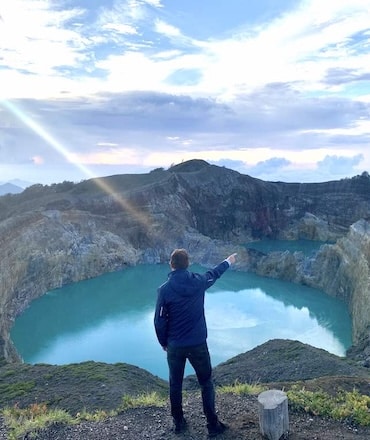
Indonesia Travel Guide
From Bali to Java, Flores, and Raja Ampat, explore the best places to visit in Indonesia and plan a multi-island adventure.
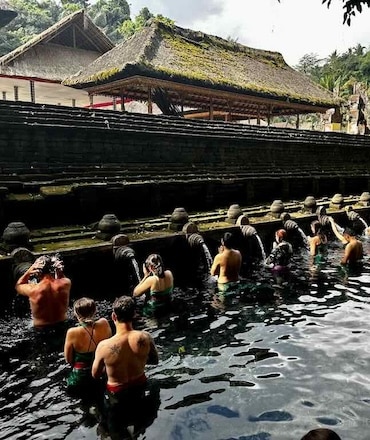
Bali Travel Guide
Discover where to stay in Bali, top experiences, hidden gems, practical tips, and a 10-day itinerary to plan the perfect trip.
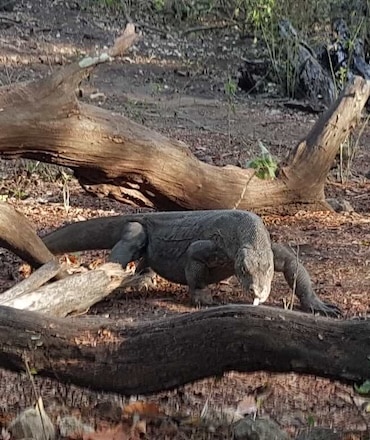
Flores & Komodo
After Java’s volcanoes, explore Komodo National Park, pink beaches, and the famous Komodo dragons.
Frequently Asked Questions About Java
Is Java touristy?
No, Java is much less touristy than Bali. While places like Borobudur and Mount Bromo attract visitors, most of the island remains local and authentic.
Is Java safe for travelers?
Yes, Java is generally very safe for travelers. As in any destination, use common sense in large cities and keep an eye on your belongings.
What is Java famous for?
Java is famous for its active volcanoes, UNESCO temples like Borobudur and Prambanan, and its deep cultural heritage centered around Yogyakarta.
Can you travel to Java without a tour?
Yes. Java has a well-developed train network, and independent travel is entirely possible. However, many travelers book organized tours for Bromo and Ijen due to early departures and logistics.
Is Java better than Bali?
It depends on your travel style. Java is better for volcano adventures and cultural depth, while Bali is better for beaches, nightlife, and easier infrastructure. Many travelers combine both.