Sabah: Borneo’s Rainforest, Wildlife and Diving in One State
By Blaise Jaeger · Updated August 26, 2026
Sabah is the northern tip of Malaysian Borneo, and it is the part of Malaysia that does not feel like Malaysia. Rainforest older than the Amazon, the highest mountain between the Himalayas and New Guinea, orangutans living free in a reserve you can walk into, and — eight hours away at the other end of the state — the single most famous dive site in the country.
I travelled it in September 2024, west coast to south-east corner, and this page is the guide I wanted before I went: how the state is laid out, what each region is actually for, and how many days it takes to do it without spending the trip in transit.
This is the hub. Two places here have their own guides — Sepilok for the wildlife centres and Sipadan for the diving — and I will point you to them rather than repeat them.
Why Visit Sabah?
Because it packs three completely different trips into one state, and you can do all three in two weeks without ever needing a visa run or an international flight.
The west coast gives you a city with an airport, islands twenty minutes offshore, and a 4,095-metre mountain you can climb in two days. The east coast gives you the wildlife: orangutans, sun bears, proboscis monkeys, a river corridor where animals come down to drink. The south-east corner gives you the diving, and it is world-class rather than merely good.

The second reason is that Sabah is easy in a way Borneo has no right to be. Kota Kinabalu is a two-and-a-half-hour flight from Kuala Lumpur and under three from Singapore. Internal flights are short and cheap. English is widely spoken. You are never far from a road, and the wildlife you came for is genuinely there rather than theoretically there.
And the third: it is not crowded by Southeast Asian standards. There is no Sabah equivalent of Bali or Phuket. The busiest thing I saw in two weeks was the 10 AM feeding gallery at Sepilok, and that lasts forty minutes.
Sabah at a Glance
| Where | Northern Malaysian Borneo, bordering Sarawak and Indonesian Kalimantan, with Brunei to the south-west |
| Capital | Kota Kinabalu (KK) — the only international gateway |
| Airports | Kota Kinabalu (BKI) · Sandakan (SDK) · Tawau (TWU) — all connected to KK several times a day |
| Highest point | Mount Kinabalu, 4,095 m — the highest between the Himalayas and New Guinea |
| Three trips in one | West coast (city, islands, mountain) · East coast (wildlife) · South-east (diving) |
| Time needed | 7 days for two regions · 10 days comfortably · 14 days for all three without rushing |
| Currency | Malaysian ringgit (RM). Cards work in KK, cash everywhere else |
| Best months | March to October, drier. Nothing closes seasonally |
| Wildlife you can count on | Orangutans, sun bears, proboscis monkeys, two macaque species, saltwater crocodiles |
| Wildlife you cannot | Pygmy elephants, hornbills, clouded leopards — advertised everywhere, seen by few |
My Two Weeks in Sabah: How the Trip Actually Ran
I flew into Kota Kinabalu, worked my way east, and flew out of the other end. That direction matters more than it sounds: it means you finish on the diving rather than starting with it, and you never backtrack.
The route, in order
- Kota Kinabalu — arrival, one night, the waterfront and the market.
- KK → Sandakan by air, under an hour. The road exists and takes six.
- Sepilok, two nights — the three wildlife centres, and a day on the Kinabatangan river from there.
- Sandakan → Semporna overland, the long leg of the trip.
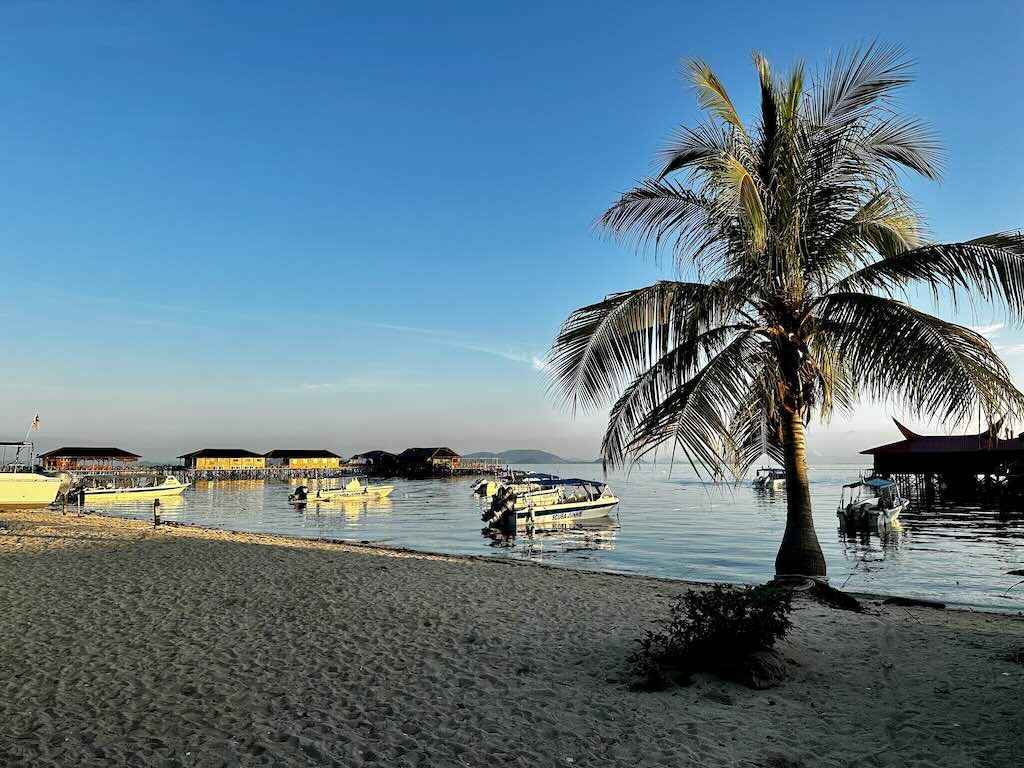
- Mabul, several nights — the base for Sipadan, and a dive site in its own right.
- Sipadan on 28 and 29 September, two days of permits.

What I would change
One thing, and it is the same lesson the Sepilok page ends on: I would give the east coast a third night. The orangutan feeding is not guaranteed — when the forest is fruiting the animals find better food and simply do not come — and with two nights I had exactly one morning of margin.
What I would not change is doing the Kinabatangan from Sepilok as a day trip rather than as an overnight package. It cost me the dawn cruise, and it saved me a night, a transfer and a second booking. Both choices are defensible; that one fitted the trip.
The Four Corners of Sabah, and How to Choose
Sabah is bigger than it looks on a map — about the size of Ireland — and the four regions have almost nothing in common. Pick by what you want to see, not by what is close to what.
The west coast: Kota Kinabalu, the islands, the mountain
Where you land, and where most people underestimate how much there is. The city itself is functional rather than beautiful, but Mount Kinabalu is two hours away by road, and the Tunku Abdul Rahman islands are a twenty-minute boat ride from the city jetty. Two to three days.
The east coast: Sandakan, Sepilok and the Kinabatangan
The wildlife half of the state. Sandakan is the airport and the port; Sepilok, 23 km away, is where the three wildlife centres are; the Kinabatangan river is two and a half hours further and is the single best place in Sabah to see animals from a boat. Two to three days, three if you want a second shot at the orangutan feeding.

The south-east: Semporna, Mabul and Sipadan
The diving corner, and it is a long way from everything else — Semporna is about six hours by road from Sandakan, or a flight into Tawau plus 90 minutes. You come here for one reason, you stay on Mabul or in Semporna, and you dive. Three to five days, permit-dependent.

The interior: Danum Valley, Maliau Basin, Tabin
The serious rainforest, and the part I did not do. Danum Valley is primary lowland dipterocarp forest with no settlement inside it; Maliau Basin is a bowl of forest ringed by cliffs, reachable only with a permit and a guide; Tabin is a wildlife reserve east of Lahad Datu. All three are expensive, all three require booking through a lodge or an operator, and all three are where you go if the wildlife you want is the wildlife the day-trip circuit does not deliver.

Kota Kinabalu: Where Every Trip Starts
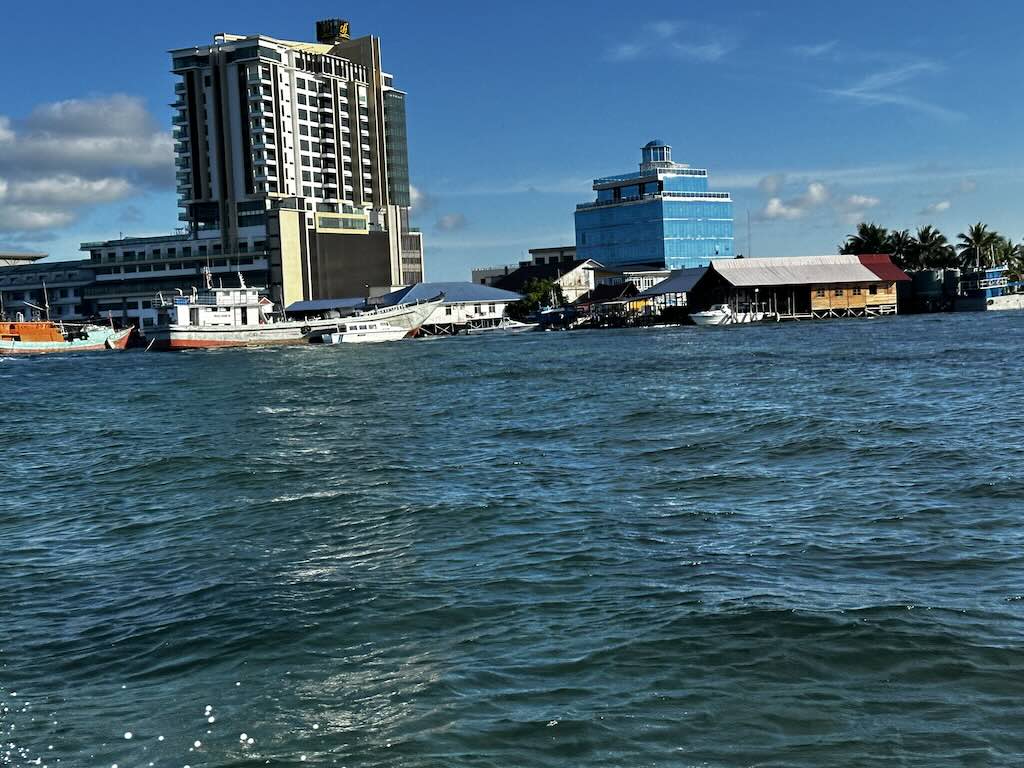
You will pass through KK whether you plan to or not — it has the only international airport and the only real choice of hotels. Give it a night on the way in rather than treating it as a connection.
Mount Kinabalu
The mountain is 4,095 m, it is the highest between the Himalayas and New Guinea, and Kinabalu Park around it has been a UNESCO World Heritage Site since 2000 for its plant diversity — 5,000 to 6,000 vascular species in 754 km².
Climbing it is a two-day, one-night affair with a compulsory mountain guide and a permit that sells out weeks ahead. The official figures, from Sabah Parks: RM 400 climbing permit for a non-Malaysian adult, RM 200 under 17, plus a RM 50 conservation fee (RM 25 under 17). Guide, accommodation on the mountain and transport are on top.
You do not have to climb it to see it. From Kundasang and Ranau, on the road east, the whole massif sits above the road on a clear morning — and clear mornings are the point, because the summit is in cloud most afternoons.
Tunku Abdul Rahman Marine Park
Five islands — Gaya, Sapi, Manukan, Mamutik, Sulug — twenty minutes from the city jetty by speedboat. Snorkelling, day-trip beaches, a couple of resorts. It is not Sipadan and it is not trying to be: this is the half-day you do when you have an afternoon in KK, not a destination you fly for.
The waterfront and the markets
The Filipino Market and the adjacent night market run along the seafront, and the fish section is the reason to go: you pick, they grill, you eat it twenty metres from where it was landed. The Sunday market on Gaya Street is the other one worth timing your arrival around.
Wildlife in Sabah: What You Can Realistically See
This is why most people come, and it is where the gap between the brochure and the forest is widest. Here is the honest split.
Sepilok: orangutans, sun bears and a canopy walkway
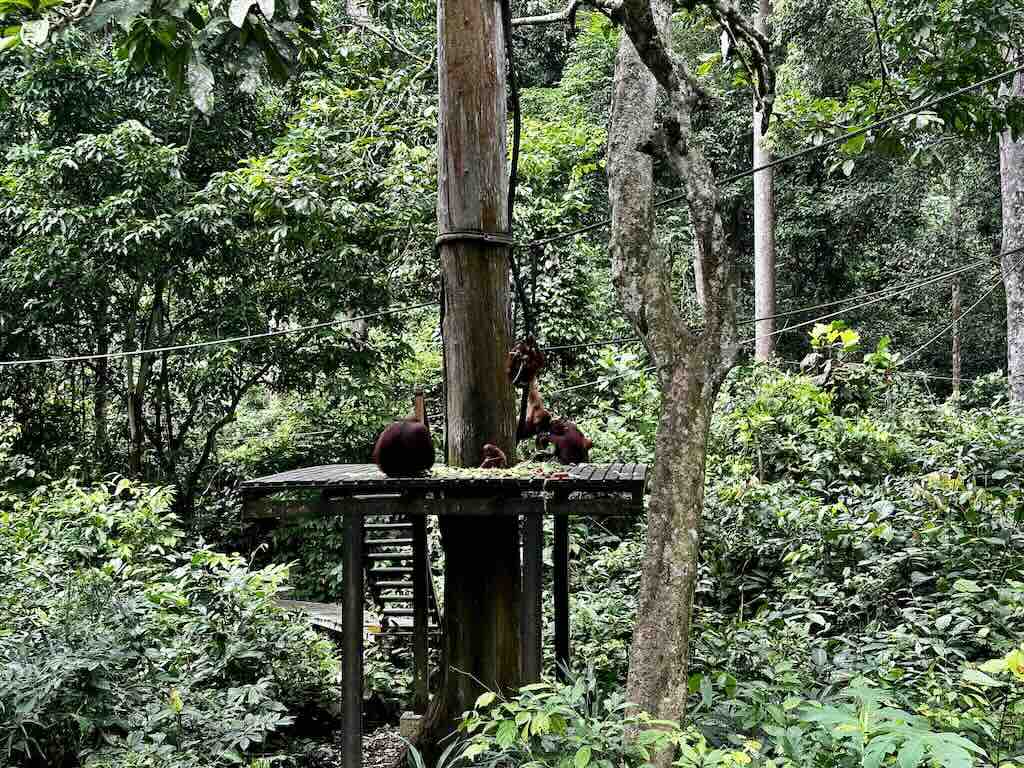
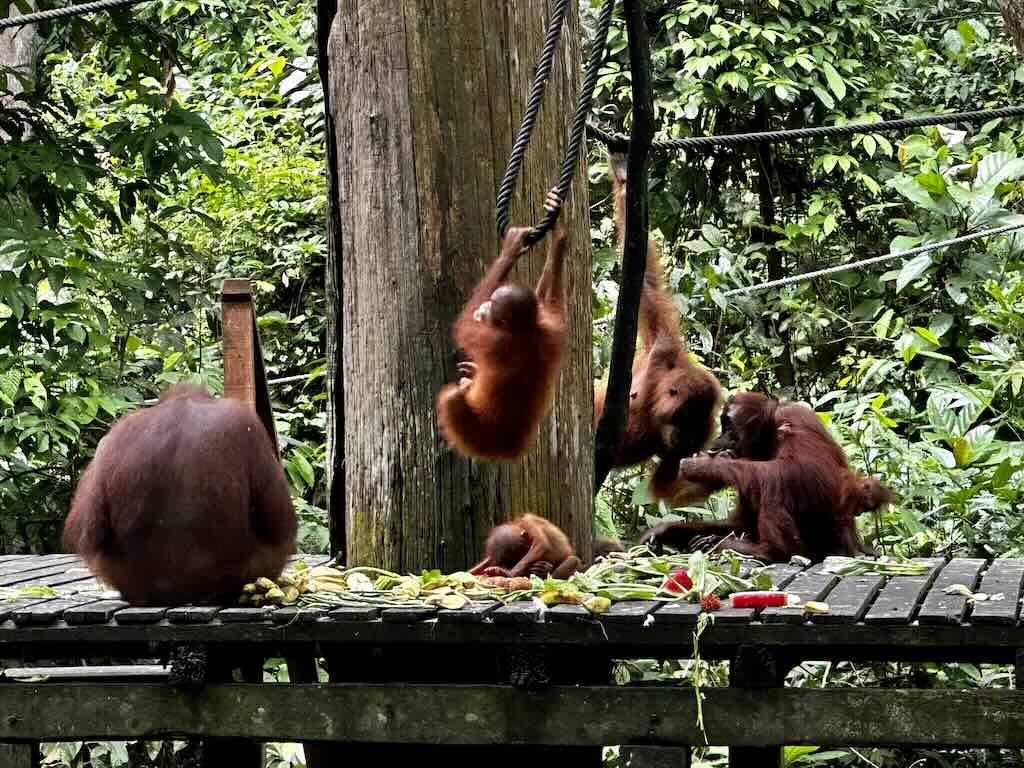
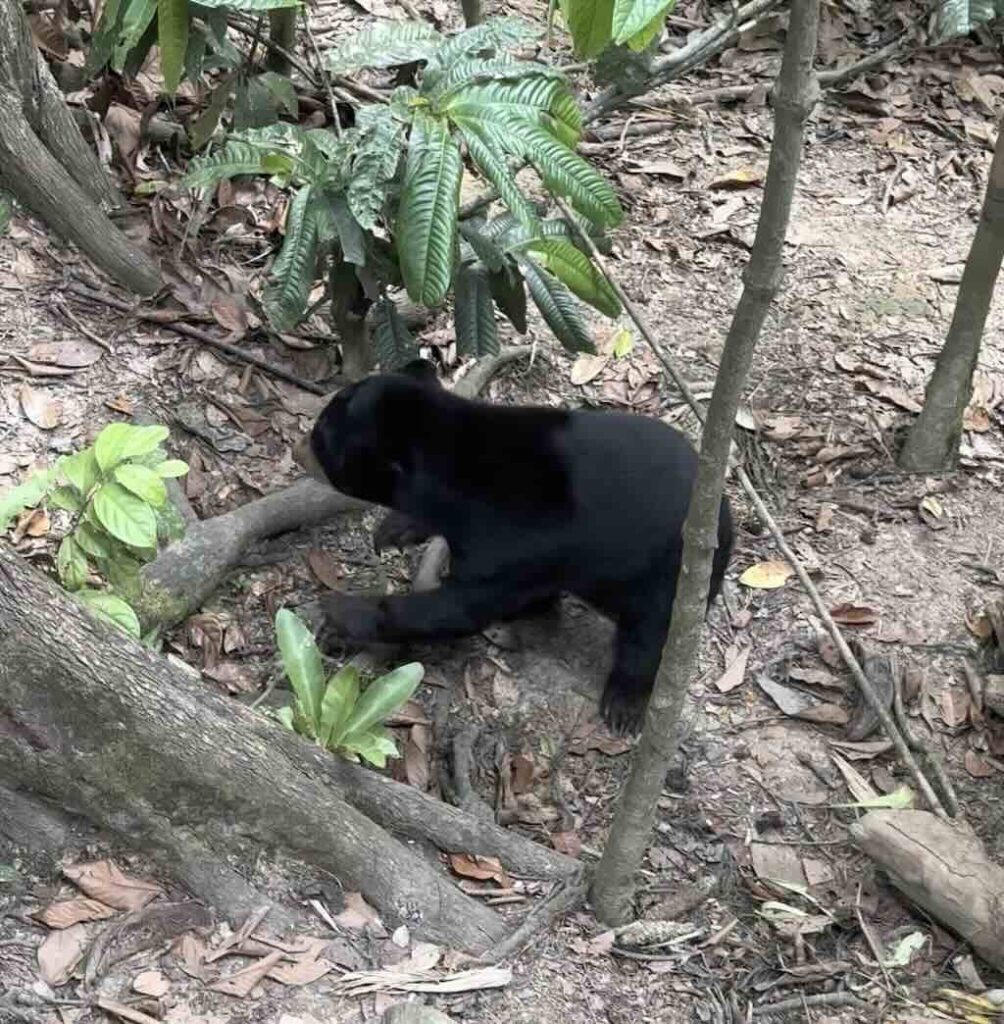
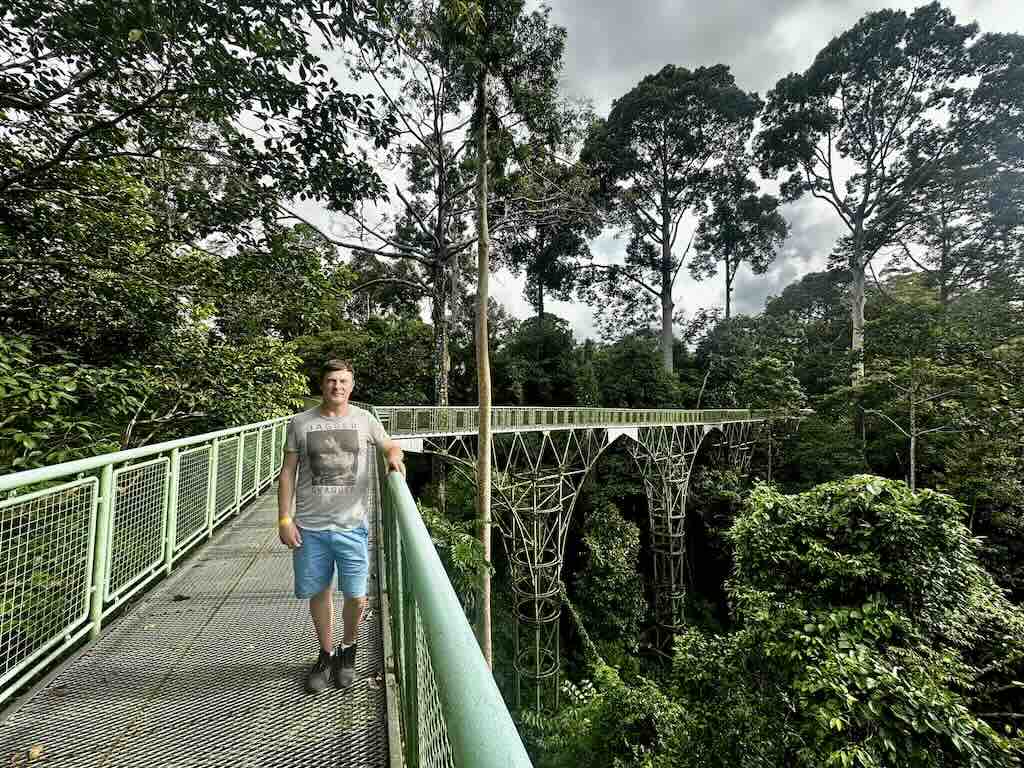
Three centres in a two-kilometre stretch of road outside Sandakan: the Orangutan Rehabilitation Centre, the Bornean Sun Bear Conservation Centre next door, and the Rainforest Discovery Centre with a 620-metre canopy walkway. Feeding is at 10 AM and 3 PM, the three tickets come to RM 110 for a foreign adult, and you can see all three in a day.

Feeding times, what each ticket actually buys, where to sleep and the morning a wild female walked past me on the path: it is all in the Sepilok guide.
The Kinabatangan river
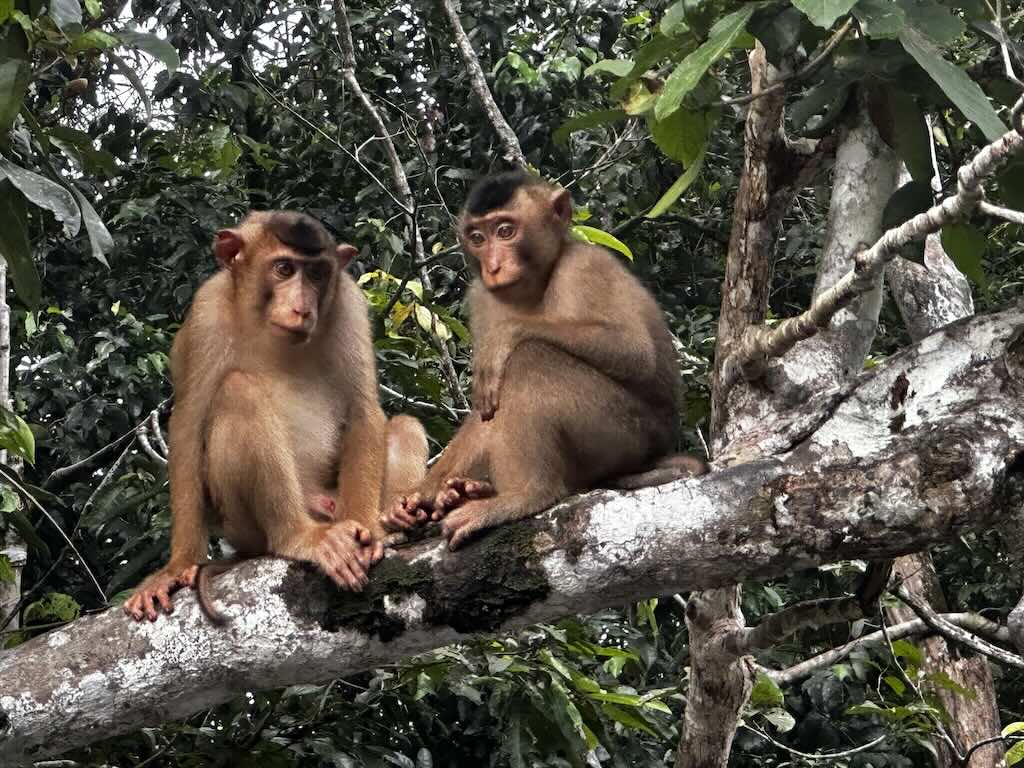
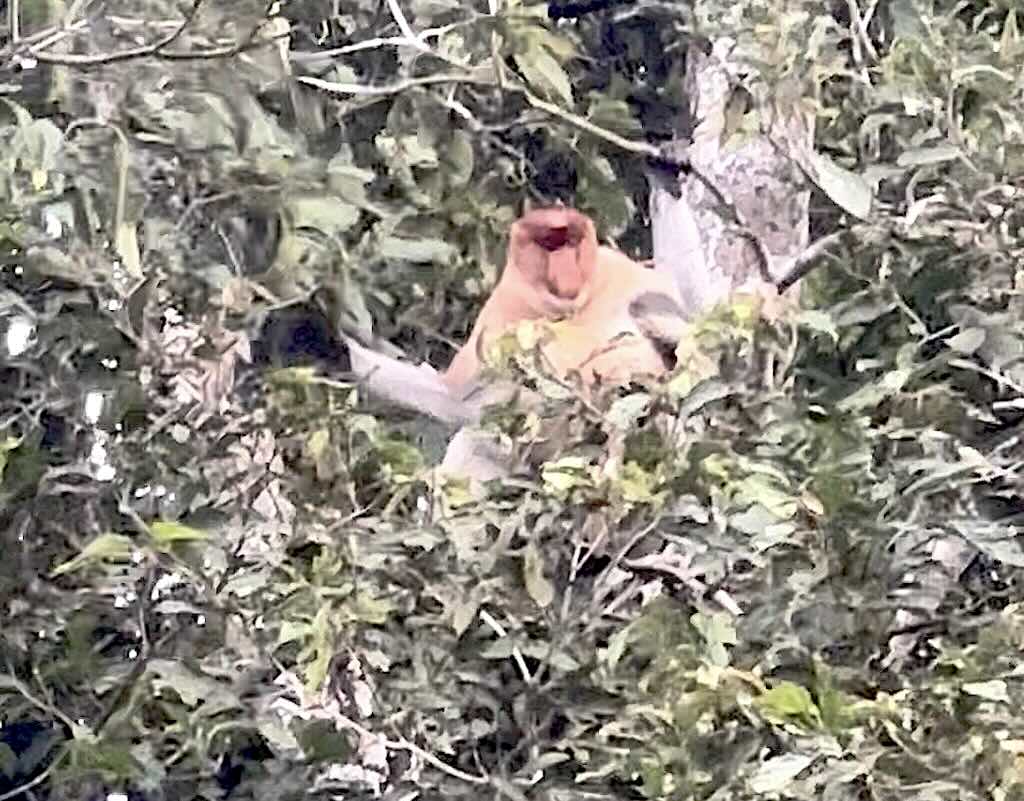
A wildlife corridor east of Sandakan where the forest has been squeezed into a strip along the water — which is bad news ecologically and very good news for seeing animals. Boats go out late afternoon and at dawn. Proboscis monkeys, long-tailed and pig-tailed macaques, and saltwater crocodiles are reliable. You reach it from Sepilok as a day trip, or you sleep in a river lodge at Sukau.

What the brochures promise and the forest does not deliver
⚠️ Operators sell the Kinabatangan with pygmy elephants and all eight hornbill species, followed by a line saying sightings are not guaranteed. Both halves are true, but the photographs sell the elephants and the disclaimer is in small type. On my afternoon cruise we saw neither — and we did see proboscis monkeys, two macaque species, a saltwater crocodile and a blue-eared kingfisher.
Plan for the reliable list. Treat the elephants, the hornbills and the clouded leopard as a bonus, and you will come home happy instead of quietly short-changed.

Diving in Sabah
Sabah has one of the great dive destinations on earth and a supporting cast that would be the main attraction anywhere else. All of it is in the south-east corner, around Semporna.

Sipadan
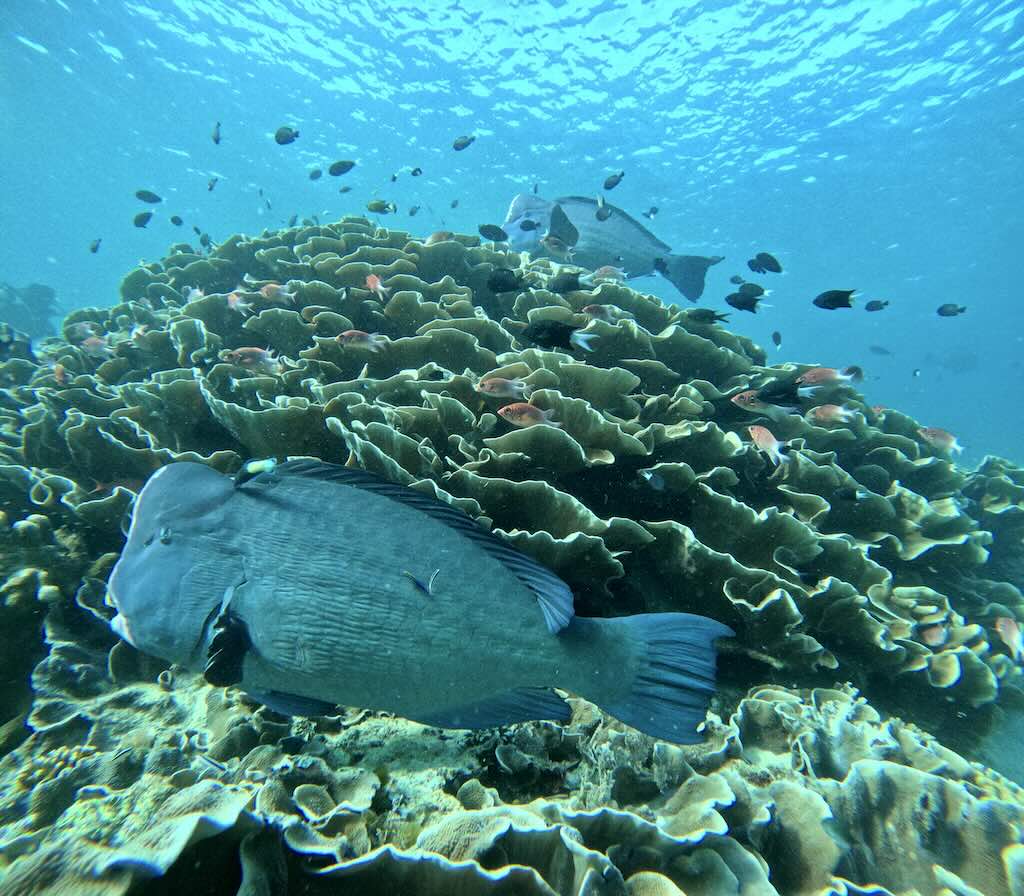
An oceanic island on a 600-metre volcanic cone, the only one in Malaysia, and access is rationed: a fixed daily quota of permits, a maximum of two dives, and a booking made through a resort weeks in advance. Barracuda Point, Turtle City, the wall. It delivers.
Permit numbers, park fees, the dive sites one by one and an honest verdict on whether it is worth the logistics: see the Sipadan diving guide. It also sits in my top 10 dive sites in Southeast Asia.
Mabul, Kapalai and the muck
Mabul is where you sleep, and it is a serious muck-diving site in its own right — frogfish, mandarinfish, blue-ringed octopus, a decommissioned oil rig converted into a dive resort. Kapalai is a sandbank with stilted chalets and shallow, easy reef. The third dive of each day happens here, because Sipadan only allows two.

How Many Days Do You Need?
The honest answer depends on whether you are willing to skip a region. Sabah punishes greed: the distances are real and the internal flights, while short, still eat half a day each.
7 days — two regions
- Days 1-2 — Kota Kinabalu: arrive, the islands or the market, one night.
- Day 3 — fly to Sandakan, transfer to Sepilok, afternoon on the Kinabatangan.
- Days 4-5 — the three Sepilok centres, then a spare morning.
- Days 6-7 — back to KK, or Mount Kinabalu from Ranau on the way.
This version drops the diving entirely. That is the right trade: Sipadan on a seven-day trip means two days of transit for two dives.
10 days — wildlife plus diving
- Days 1-2 — Kota Kinabalu.
- Days 3-5 — Sandakan, Sepilok, Kinabatangan.
- Day 6 — overland or fly to Semporna.
- Days 7-9 — Mabul, with Sipadan permits on two of them.
- Day 10 — Tawau, fly out.
This was essentially my trip, and it works. The one weakness is the single morning of margin at Sepilok.
14 days — all three, plus the interior
Add Danum Valley or Tabin after the east coast, and give Kinabalu Park two days instead of a drive-by. Fourteen days is where Sabah stops feeling like a relay race, and it is the version I would do next time.
Getting to Sabah, and Getting Around
Flying in
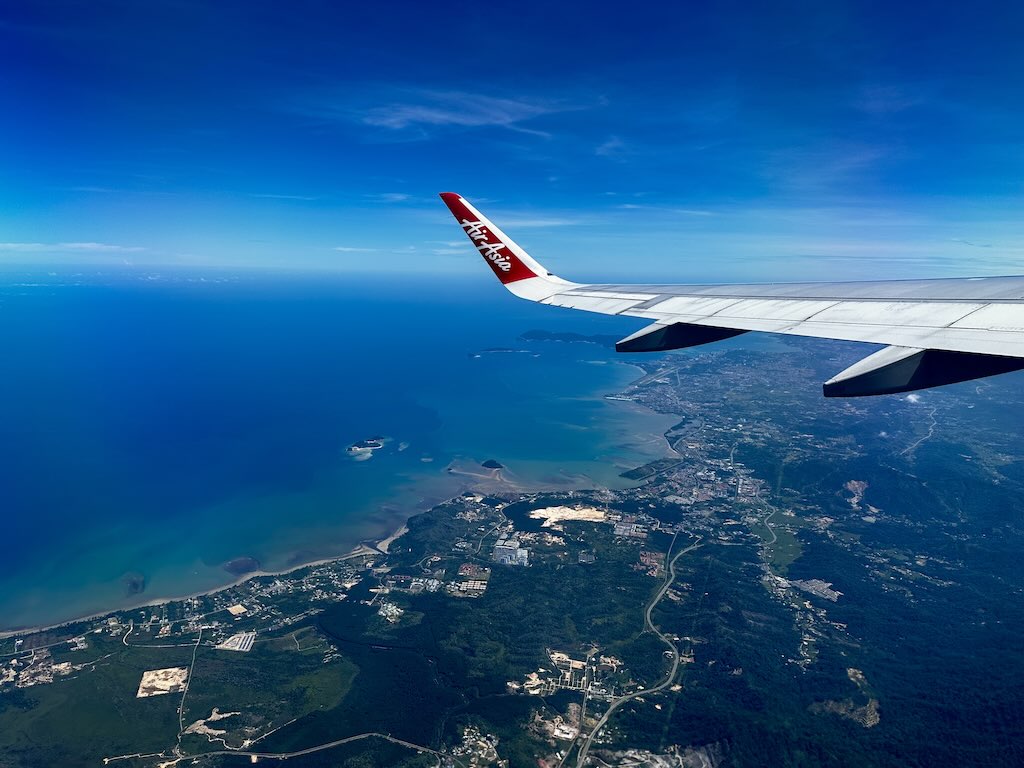
Kota Kinabalu (BKI) is the gateway. Direct from Kuala Lumpur in about 2 h 40, from Singapore in under 3 h, and from several Chinese, Korean and Japanese cities. There is no useful land route into Sabah for a traveller — the border with Kalimantan is remote and the crossing from Sarawak via Brunei is a full day of buses and ferries.
Internal flights: the decision that shapes the trip
Sabah is wide, and the three airports — BKI, Sandakan (SDK), Tawau (TWU) — are connected several times a day by AirAsia and MASwings. KK to Sandakan is under an hour in the air against six on the road. Take the flight. It is usually cheaper than a day of your holiday is worth.
👉 Worth putting the bus, the flight and the taxi side by side before booking: compare Kota Kinabalu to Sandakan.
Roads, buses and the Sandakan-Semporna leg
Roads in Sabah are better than Borneo’s reputation suggests, and long-distance buses connect the main towns. The leg you will actually have to think about is Sandakan to Semporna: about six hours, and there is no flight between them — you either take the road or fly back through KK.
👉 see the Sandakan to Semporna options.
Within a region, the practical choice is a lodge transfer or Grab. Grab works in Kota Kinabalu and Sandakan; outside the towns, it does not, and your accommodation is the transport.
Where to Stay in Kota Kinabalu
This is the one place in Sabah where you actually choose a hotel rather than take the only lodge in the area. Elsewhere — Sepilok, Mabul, the river — the accommodation is part of the activity and I cover it on the pages for those places.
The Magellan Sutera Resort
The resort end: marina, gardens, its own stretch of seafront in the Sutera Harbour complex, twenty minutes from the airport. If you want one comfortable night to reset before the forest, this is it.
👉 check rates at The Magellan Sutera Resort.
Le Meridien Kota Kinabalu
In the centre, opposite the waterfront and a five-minute walk from the Filipino Market and the jetty for the islands. The practical choice if you are here for one night and want to be able to walk to dinner.
👉 see Le Meridien Kota Kinabalu.
Hyatt Centric Kota Kinabalu
Also central, also on the waterfront, and generally the better value of the two big city names. Rooftop pool, and the island boats leave from the jetty behind it.
👉 see Hyatt Centric Kota Kinabalu.
The LUMA Hotel
The mid-range option, in the city rather than on the seafront, and the one to take if you would rather spend the money on a Sipadan permit.

Best Time to Visit Sabah
Sabah is equatorial: it is warm all year, it rains all year, and nothing closes seasonally. What changes is how much rain, and how rough the sea is.
- March to October — the drier half. Easier for the river, the mountain and the boats. September and October are the shoulder, and that is when I went.
- November to February — the north-east monsoon. It rains hard and briefly rather than all day, but the sea off Semporna gets rougher and dive days can be cancelled.
- Diving specifically — Sipadan is dived year-round; April to December is the usual window quoted for the best visibility.
⚠️ The variable nobody mentions is the fruiting season in the forest. When the trees produce, the orangutans at Sepilok stop coming to the feeding platform because they have better options. There is no published calendar — ask your lodge when you book.
What to Bring
- Cash in ringgit. Cards work in KK and almost nowhere else. Park fees, boat fees and lodges outside the city are cash.
- Insect repellent, and more of it than you think. The river at dusk is the worst of it.
- A long lens if you own one. Orangutans across a gap, canopy birds at 25 m, proboscis monkeys on the far bank. A phone documents the trip; it does not photograph the wildlife.
- A dry bag. Every boat in Sabah takes spray, and the rain arrives without notice.
- Closed shoes. Required at the sun bear centre, sensible on every forest trail.
- Your dive certification and logbook if Sipadan is on the plan — resorts check, and some sites want proof of recent dives.
- A rain layer rather than an umbrella. It is rainforest, the rain is short and heavy, and it does not stop anything.
The official state resource, for what is open and what has changed: Sabah Tourism Board.
Read More

Feeding times, what the three tickets really cost, the Kinabatangan day trip and a wild encounter nobody scheduled: the Sepilok guide.

Permits, park fees, the dive sites one by one and an honest verdict: the Sipadan diving guide.

Planning the wider trip? Cities, islands and food across the country in my Malaysia travel guide.
Frequently Asked Questions About Sabah
How many days do you need in Sabah?
Seven days covers two regions comfortably — usually Kota Kinabalu and the east coast wildlife. Ten days adds the diving in the south-east. Fourteen lets you add the interior rainforest at Danum Valley or Tabin without rushing any of it.
Is Sabah worth visiting?
Yes, and for a specific reason: it puts free-living orangutans, a 4,095-metre mountain and a world-class dive site inside one Malaysian state, with short internal flights between them and no visa complications. Few places compress that much variety into that little distance.
What is the best time of year to visit Sabah?
March to October is the drier half and the easier one for boats, the river and the mountain. November to February brings the north-east monsoon: it rains hard and briefly rather than all day, but the sea off Semporna gets rougher and dive days can be lost. Nothing closes seasonally.
Do you need a visa for Sabah?
Sabah is part of Malaysia, so Malaysian entry rules apply — visa-free for most Western passports for 90 days. Note that Sabah operates its own immigration control: you clear immigration again on arrival from Peninsular Malaysia, and you need your passport for a domestic flight.
How do you get from Kota Kinabalu to Sepilok?
Fly to Sandakan — under an hour, several times a day — then take a lodge transfer or a Grab for the last 23 km. The road from Kota Kinabalu takes about six hours and buys you nothing.
Can you see orangutans in the wild in Sabah?
Yes, though “wild” needs defining. At Sepilok the orangutans are rehabilitated animals living free in the surrounding forest reserve, provisioned twice a day. Genuinely wild ones exist along the Kinabatangan and in Danum Valley, and sightings there are a matter of luck.
Is Sipadan worth the logistics?
If you dive, yes. If you do not, the permit system, the advance booking and the six hours from Sandakan make it a poor use of a short trip. The rest of Sabah rewards you without any of that friction.
Do you need to climb Mount Kinabalu to see it?
No. From Kundasang and Ranau, on the road east, the massif stands above the road on a clear morning. The climb is a two-day, one-night commitment with a compulsory guide and a permit that sells out weeks ahead — RM 400 for a non-Malaysian adult, plus a RM 50 conservation fee.
Will I see pygmy elephants in Sabah?
Possibly not. Operators advertise them on the Kinabatangan alongside all eight hornbill species, with a note that sightings are not guaranteed. Plan for proboscis monkeys, macaques and crocodiles, which are reliable, and treat the elephants as a bonus.
Is Sabah expensive?
Less than Peninsular Malaysia for food and transport, more for the headline experiences. Park fees, dive packages and rainforest lodges are where the money goes: RM 110 for the three Sepilok centres, RM 400 for a Kinabalu climbing permit, and several hundred dollars a day for a Danum Valley lodge.
Is Sabah safe?
Yes for normal travel. The one caveat is the east coast around the Sulu Sea: several Western governments still advise against travel to the islands and coastal areas of eastern Sabah between Sandakan and Tawau, and there is a security presence around Semporna. Dive resorts operate normally, and Sipadan itself is patrolled.
Which airport should I fly out of?
Tawau if you finish on the diving, Sandakan if you finish on the wildlife, Kota Kinabalu if you loop back. Flying into KK and out of Tawau removes the entire backtrack and is usually the same price.