Kansai Itinerary: 9 Days of Temples, Art Islands and Kobe Beef
In April 2017, I spent nine days in Kansai, the region around Osaka, Kyoto, Nara and Kobe. Galerie Jeanne Bucher Jaeger in Paris organized the trip. Most of the places below are open to everyone, and the art stops sit naturally between the classics: Kyoto’s temples, Nara’s Great Buddha, Osaka’s neon, and a Kobe beef lunch. If I had to pick one highlight, it would be Kyoto, which deserves every day you can give it.
My 9-day Kansai itinerary at a glance
- Day 1 – Osaka: Dotonbori and Osaka Castle
- Day 2 – Osaka: Osaka Bay and a night in Dotonbori
- Day 3 – Sanda: Susumu Shingu’s Wind Museum, then on to Kyoto
- Day 4 – Day trip to Naoshima, the art island
- Day 5 – Murō-ji, the Murou Art Forest and Nara’s Tōdai-ji
- Day 6 – Kyoto: Nijō Castle, Ryōan-ji, Sanjūsangen-dō and Pontocho
- Day 7 – Kyoto: Kinkaku-ji and Fushimi Inari, then Kobe
- Day 8 – Kobe: Hyogo Prefectural Museum of Art and Kobe beef
- Day 9 – Departure from Kansai Airport
We traveled by private coach as a group, but every stop is reachable by train, and I provide the public-transport option for each day.
Day 1: Osaka – Dotonbori and Osaka Castle
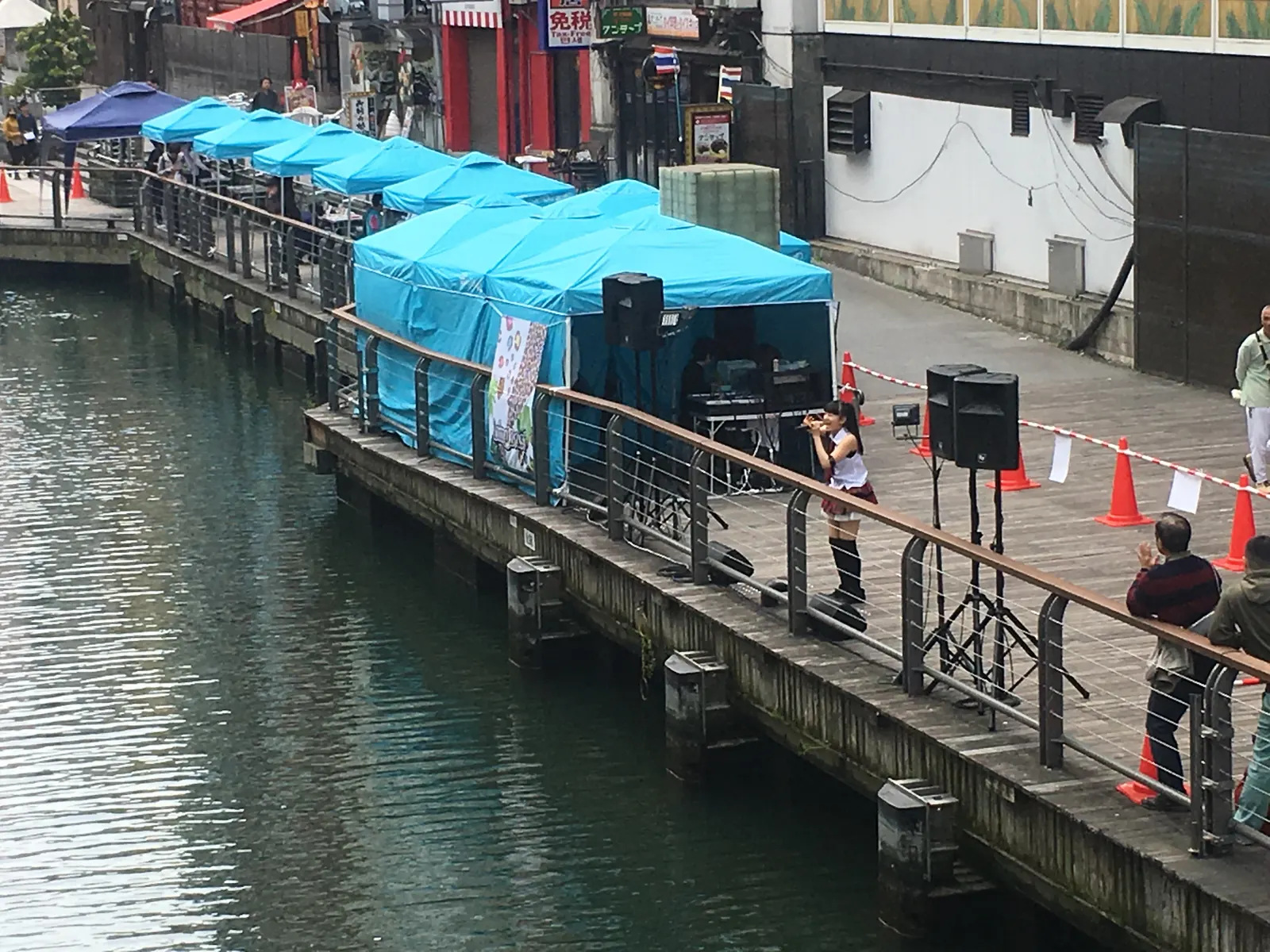
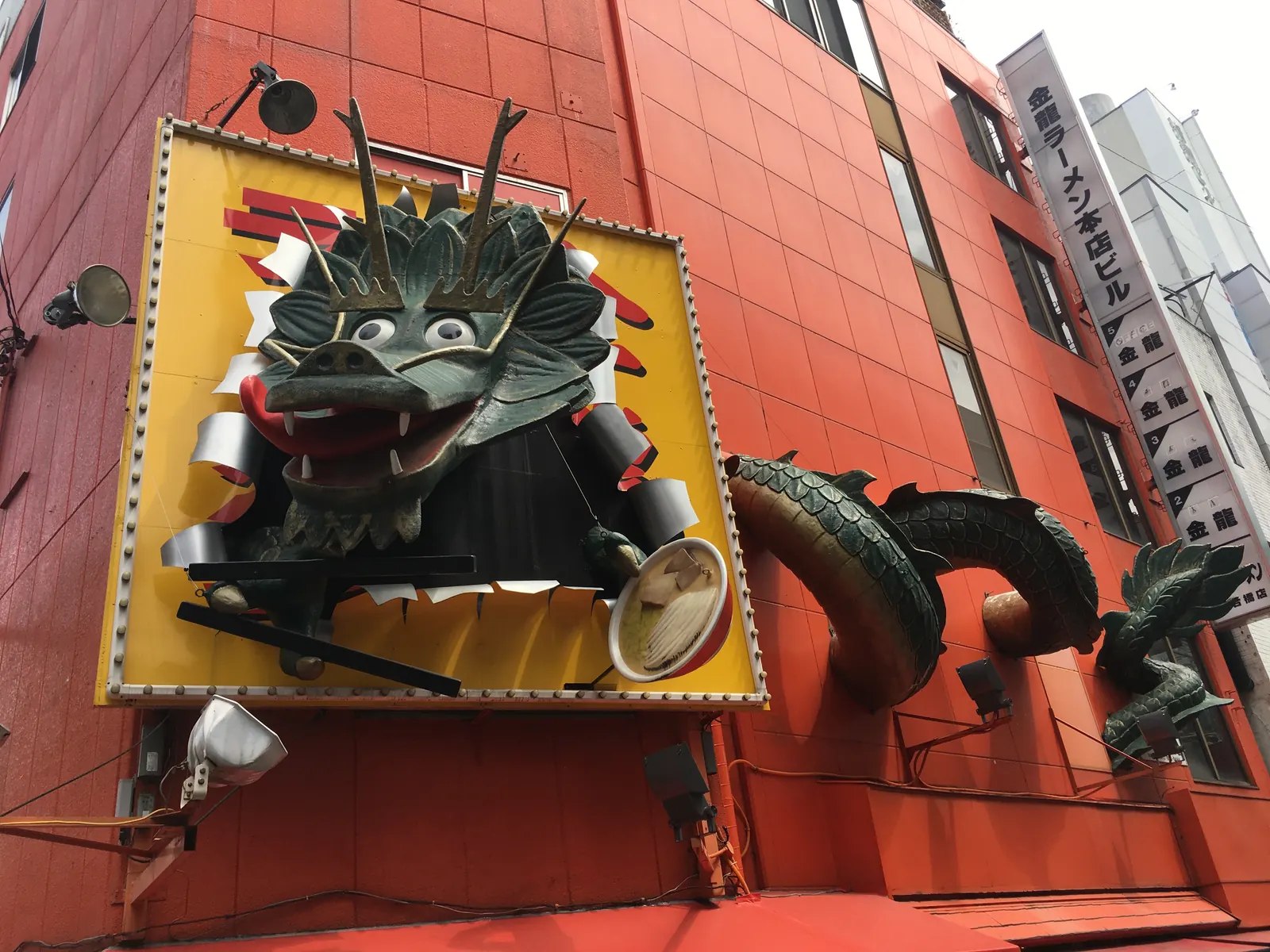
I flew into Kansai Airport a day ahead of the group, landed early in the morning, and went straight to Dotonbori. Even before noon, the canal is lined with giant crab, octopus and dragon signs, and the street-food counters are already frying takoyaki. It is loud, colorful and the perfect jet-lag cure.
Osaka has a nickname that says it all: kuidaore, “eat until you drop.” Dotonbori is the place to try the city’s two classics, takoyaki (octopus balls) and okonomiyaki (a savory pancake grilled in front of you), standing at a counter or sitting elbow to elbow with locals.
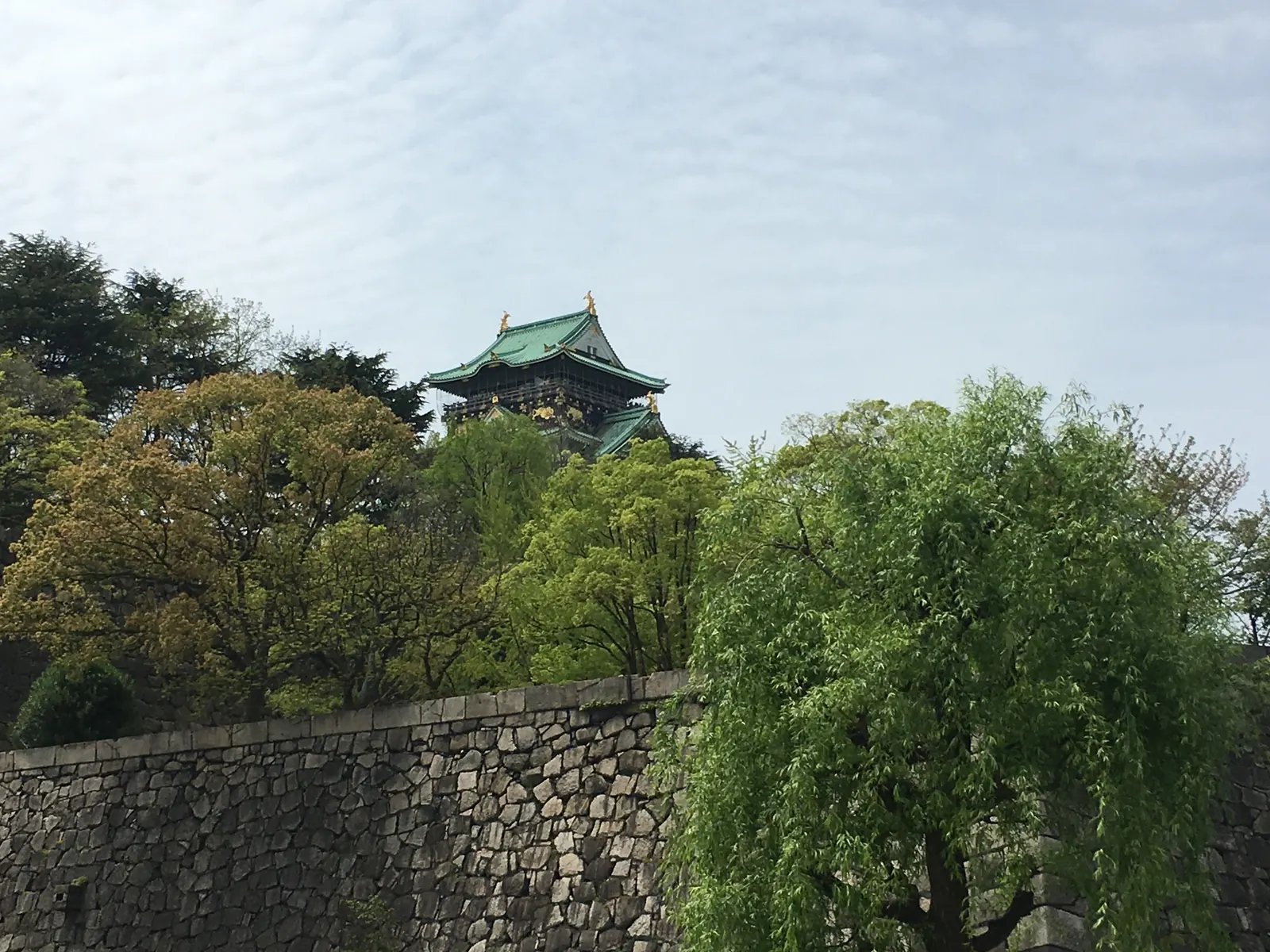
From there, I took the metro to Osaka Castle. The keep is a modern reconstruction, but the huge stone walls, moats, and surrounding park are worth the walk on their own.
Where to stay in Osaka: I stayed at the Hotel Monterey Grasmere Osaka, right above JR Namba Station and a short walk from Dotonbori.
Day 2: Osaka Bay and Dotonbori by night
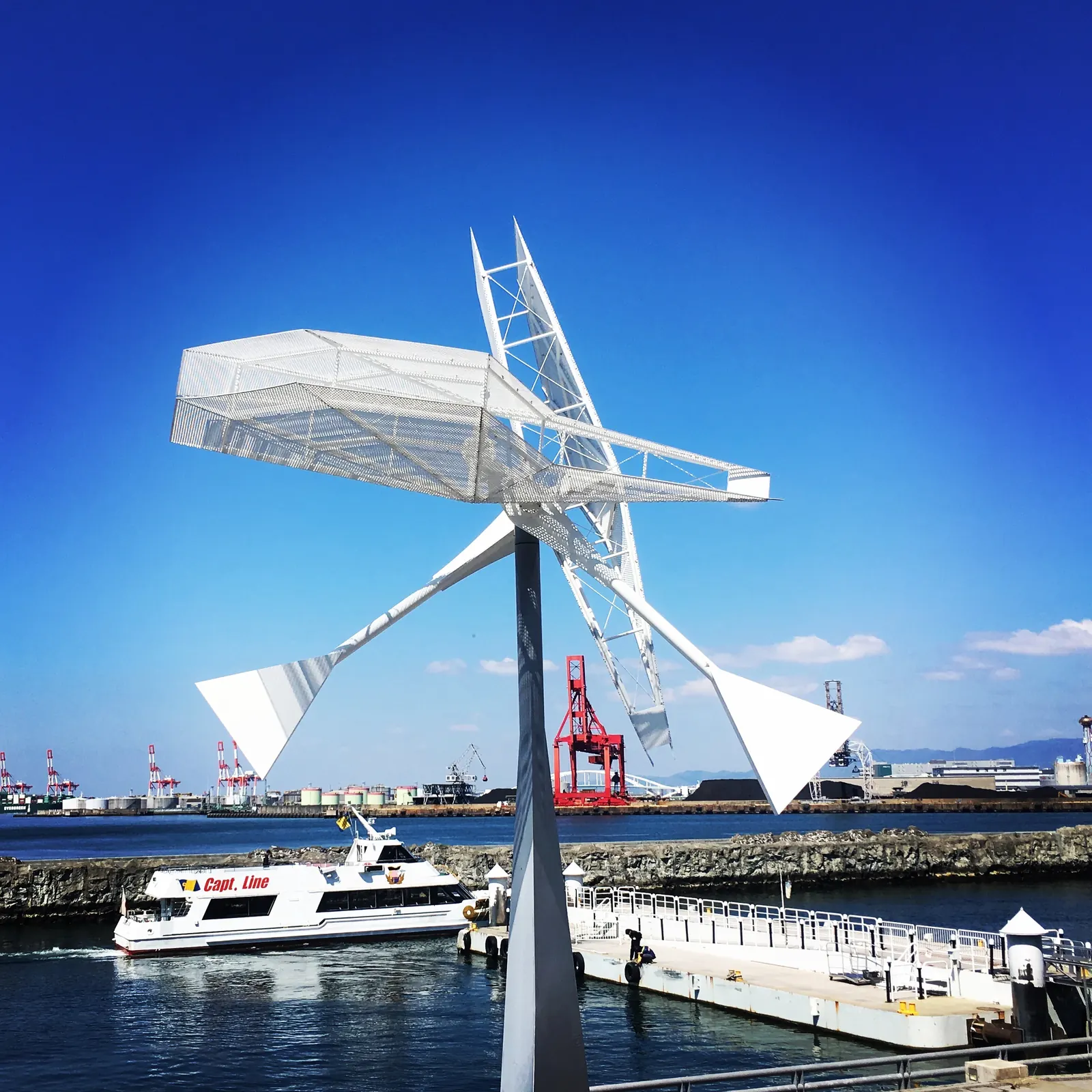
On day 2, the group arrived, and our first art stop was down by the water. Near Tempozan, next to the Kaiyukan aquarium, Susumu Shingu’s Memory of the Waves turns slowly in the sea breeze above the harbor. It is a good introduction to his work: white sails, steel and no motor at all, only wind.
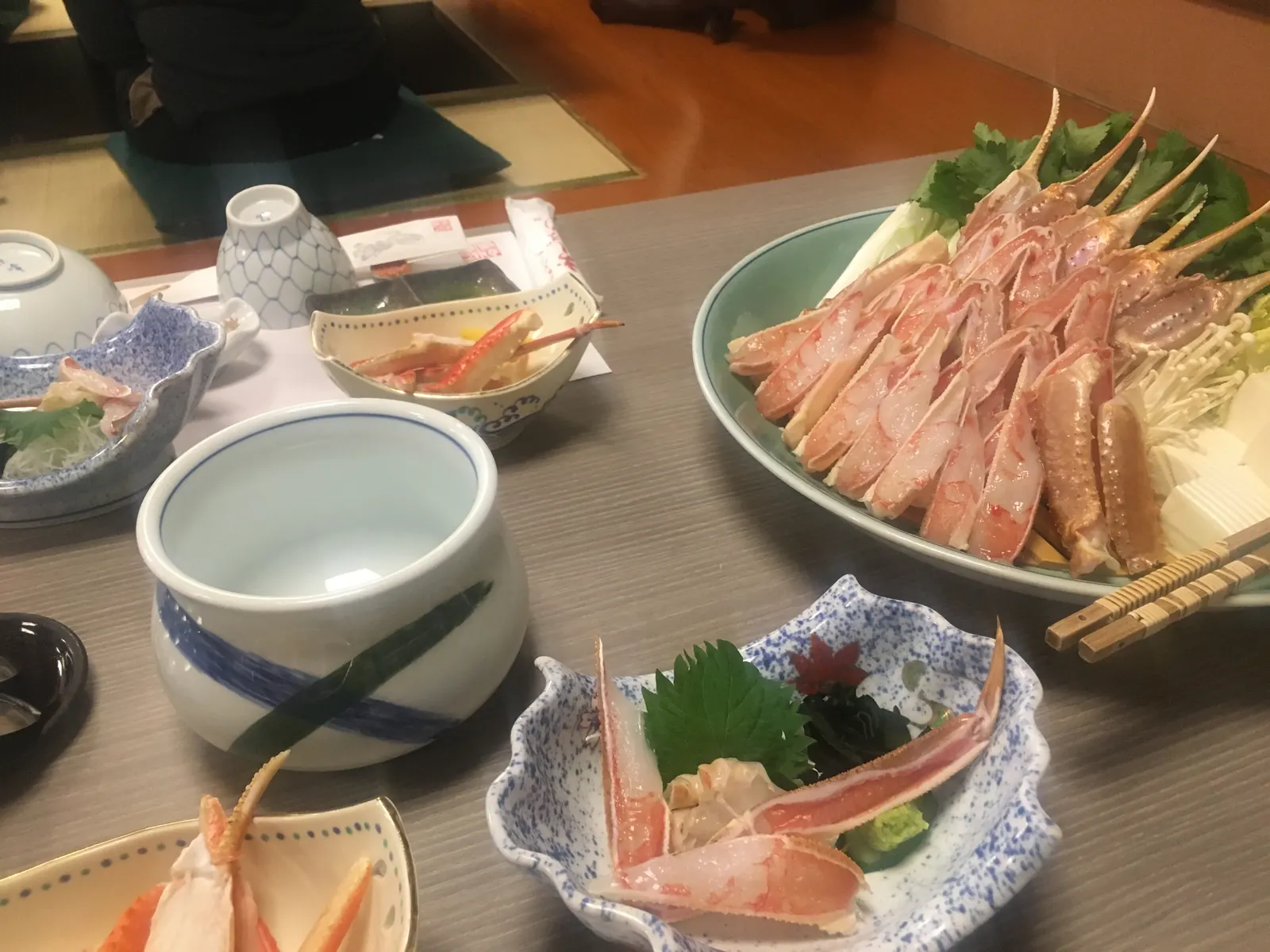
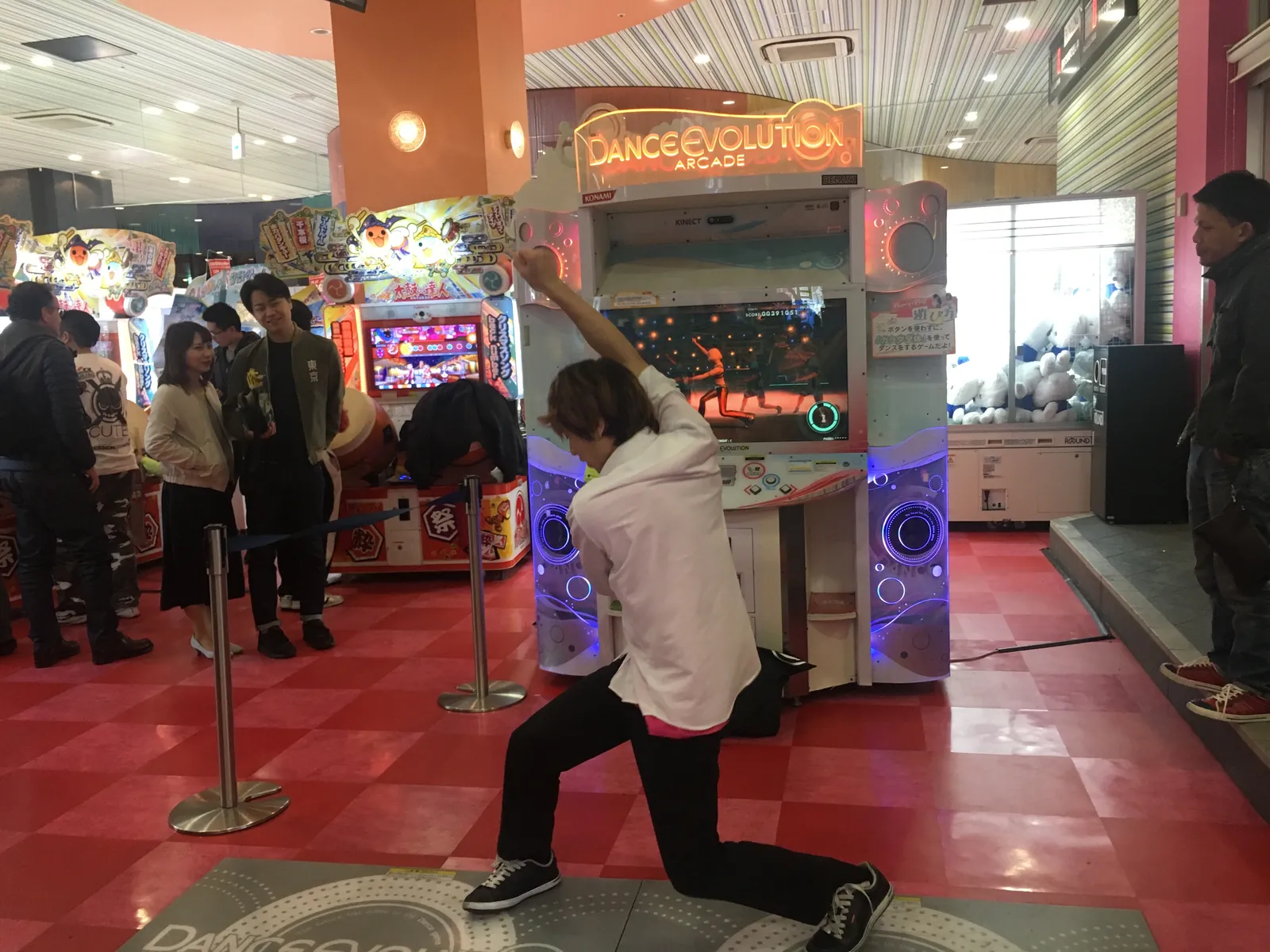
In the evening, we went back to Dotonbori for dinner. The neighborhood is at its best after dark, when the neon reflects in the canal, and the game arcades fill up with young dancers showing off on the rhythm machines.
Day 3: Sanda – Susumu Shingu’s Wind Museum
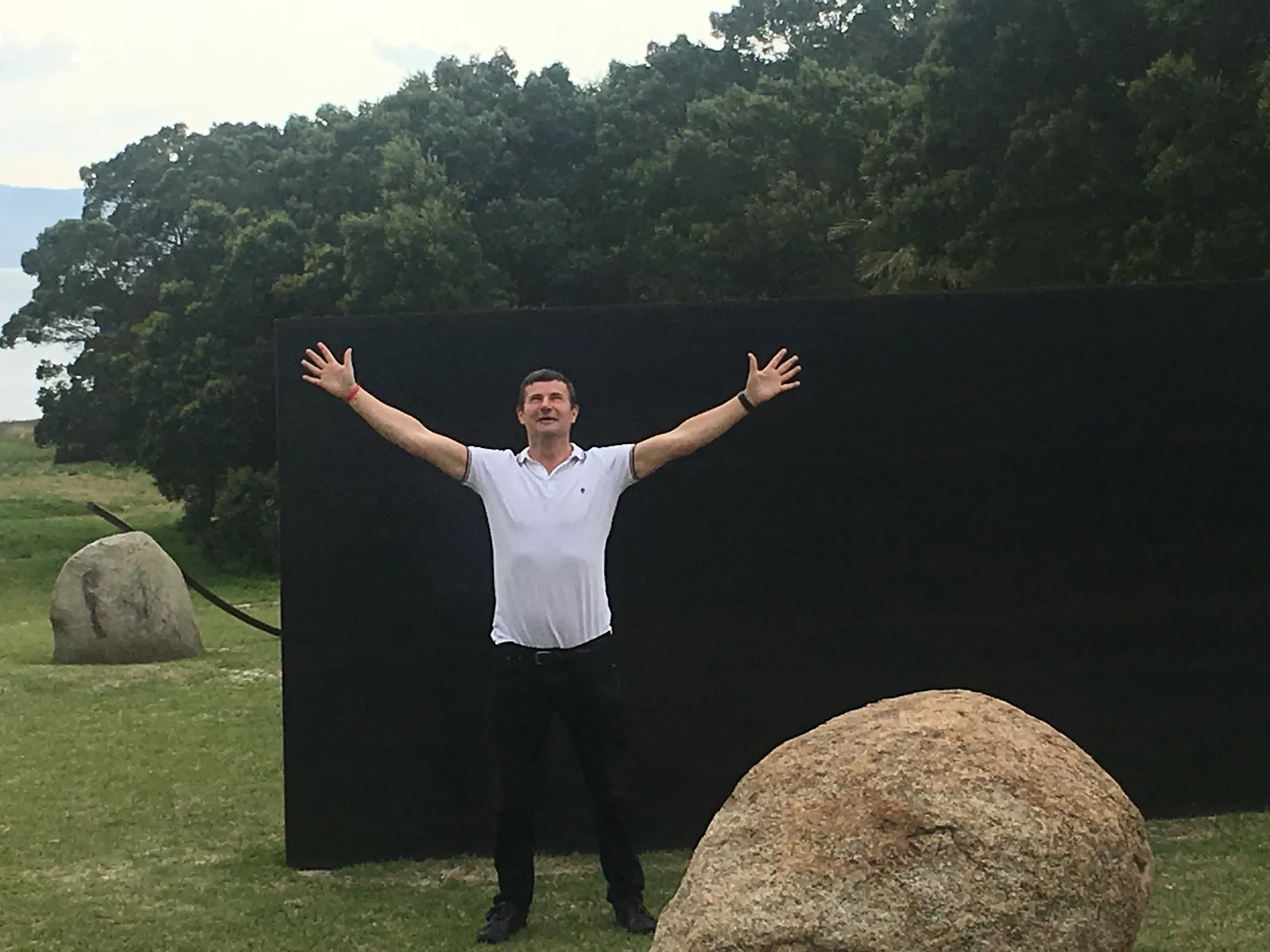
Sanda is a quiet town about an hour north of Kobe, and almost nobody goes there. That is a pity, because Arimafuji Park hides one of the most poetic places I saw in Japan: the Wind Museum, an open-air museum where twelve of Susumu Shingu’s sculptures move with the wind on the shores of Senjōji Lake. It opened in 2014.
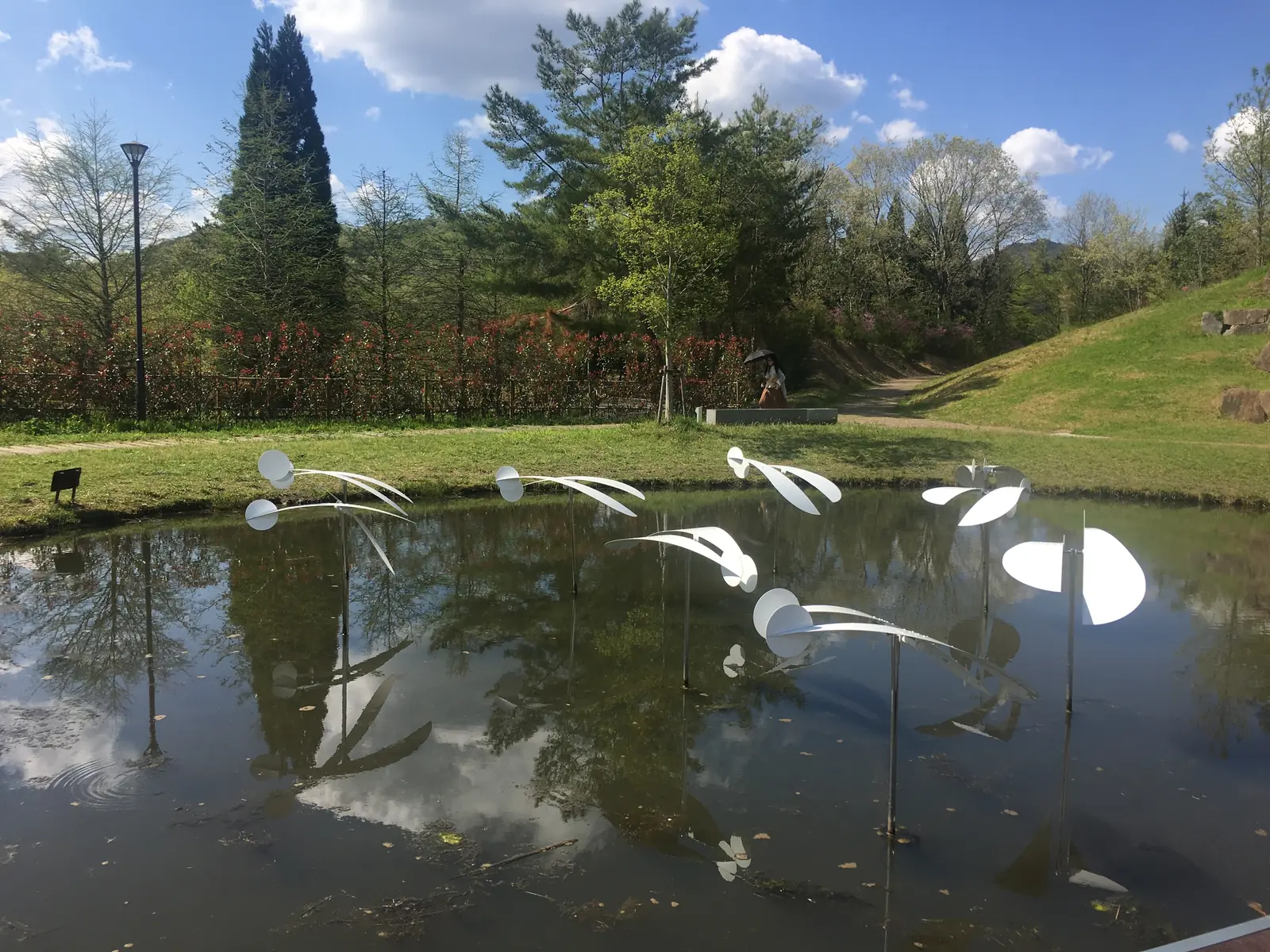
There are no walls, just a lawn, a lake and sculptures that never look the same twice. Shingu lives and works nearby, and we were lucky to visit his studio, full of mobiles and models.
Shingu studied painting in Tokyo and then in Rome before turning to sculpture. For more than forty years, he has built works moved only by wind and water, from Osaka Bay to the far ends of the world: in 2000, his Wind Caravan project took 21 of his sculptures to six remote places, from the Sahara to Lapland.
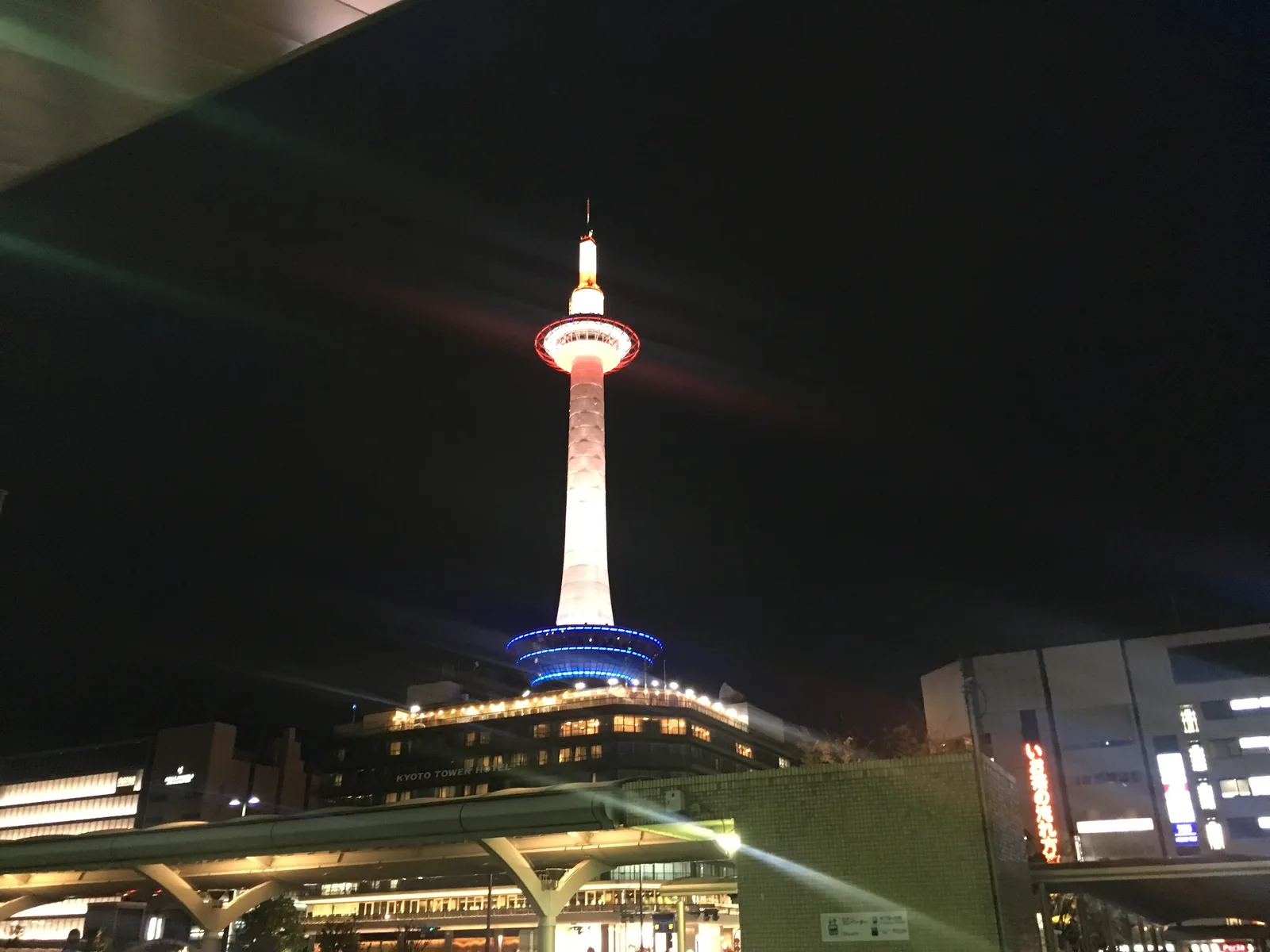
We had lunch in Sanda and reached Kyoto in the evening, with the Kyoto Tower lit up above the station.
Getting there: JR Takarazuka Line to Shin-Sanda Station, then a 30-minute walk or a Shinki bus to Arimafuji Park. By car, it is about 15 minutes from the Kobe-Sanda interchange, with free parking.
Day 4: Day trip to Naoshima, the art island
Naoshima is a small island in the Seto Inland Sea that has become an open-air art museum. We went as a day trip from Kyoto: Shinkansen to Okayama, a local train to Uno, then a 20-minute ferry across a sea dotted with green islands.
In Honmura, the old village, the Art House Project turned traditional houses into artworks. In one of them, Tatsuo Miyajima installed LED counters that glow under the water of a dark wooden house.
Then came the Chichu Art Museum, designed by Tadao Ando and buried in the hill so that it lights its rooms only with daylight. Inside are Claude Monet’s Water Lilies, a sky opening by James Turrell and Walter De Maria’s huge granite sphere on a staircase. I won’t describe more: it is the kind of place you have to walk through yourself. Outside, the Chichu Garden recreates the flowers Monet planted at Giverny.
Practical tips: Chichu only takes timed tickets booked online in advance, and like most art sites on Naoshima it closes on Mondays. Carry cash for the small boats and the island bus. A day trip covers the main sites only; if you love contemporary art, sleep on the island.
Day 5: Murō-ji, the Murou Art Forest and Nara
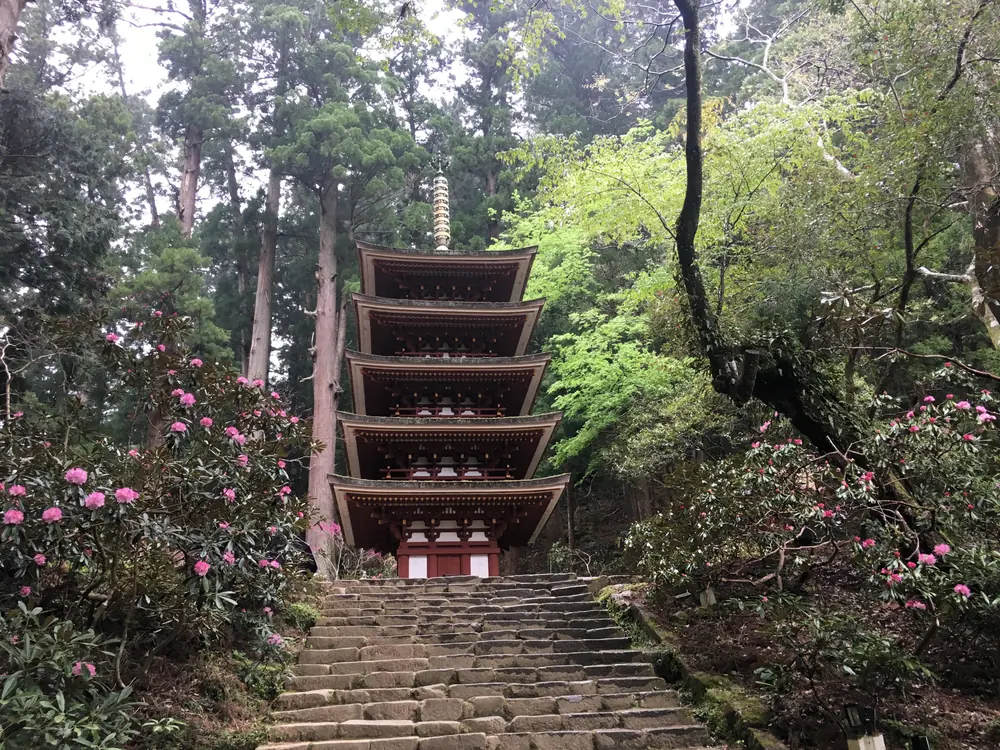
This was a rainy day, and rain suits the cedar forests of the Nara mountains perfectly. Murō-ji is an ancient temple climbing a steep hillside of moss and stone stairs. It was nicknamed “Nyonin Kōya,” the Kōya for women, because it welcomed women when Mount Kōya did not. Its five-story pagoda, only 16 meters high, is the smallest outdoor pagoda in Japan and a National Treasure.
We were there in late April, when the rhododendrons that Murō-ji is famous for were starting to bloom in pink along the stairs. The temple is far from the big cities, and the climb to the pagoda through giant cedars is far quieter than Kyoto’s famous temples.
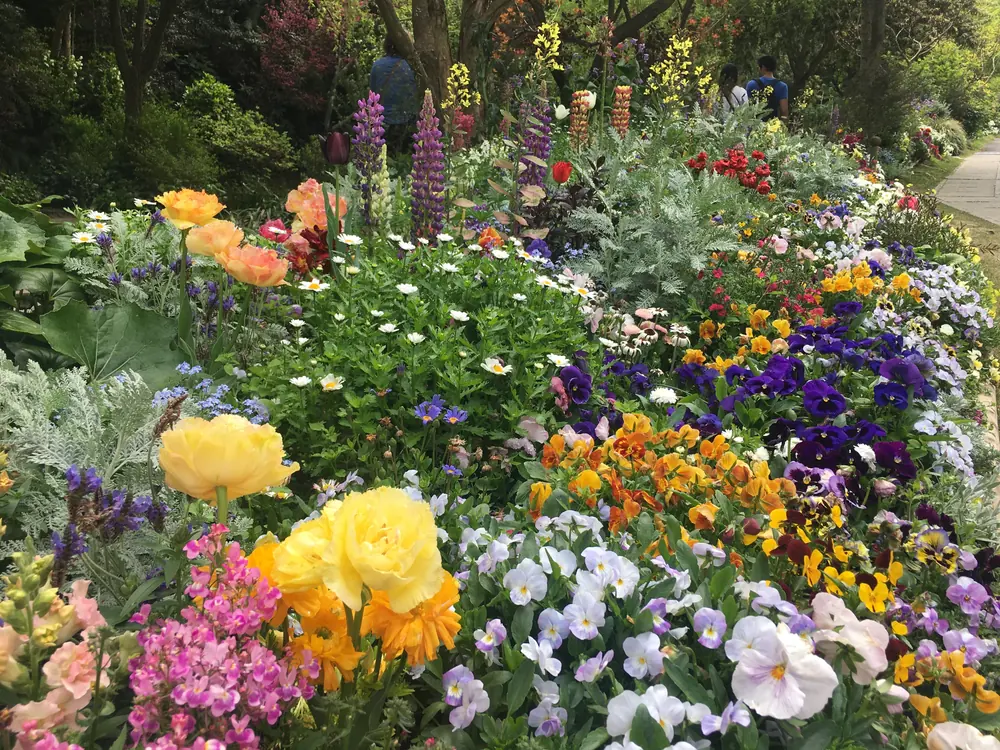
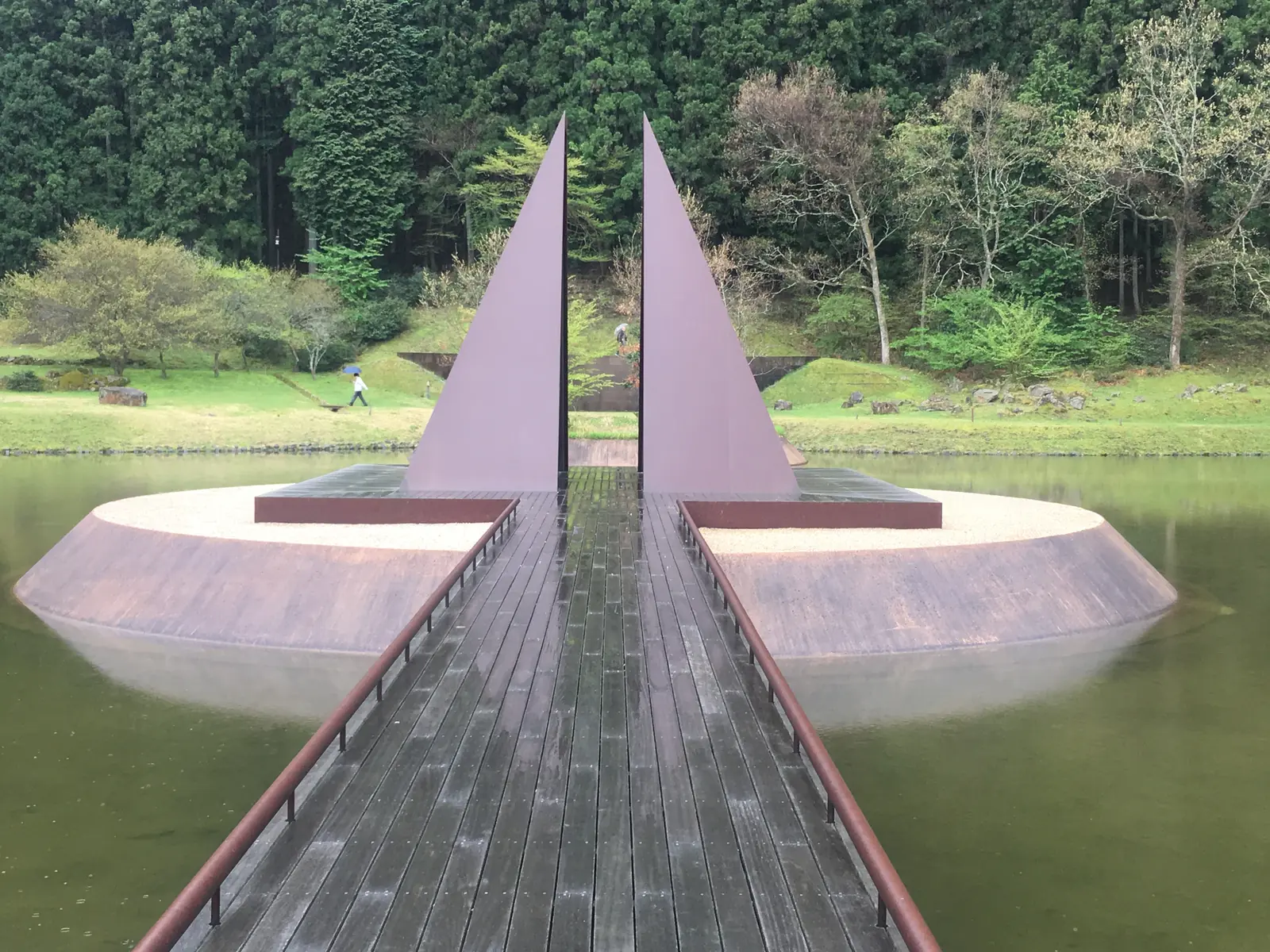
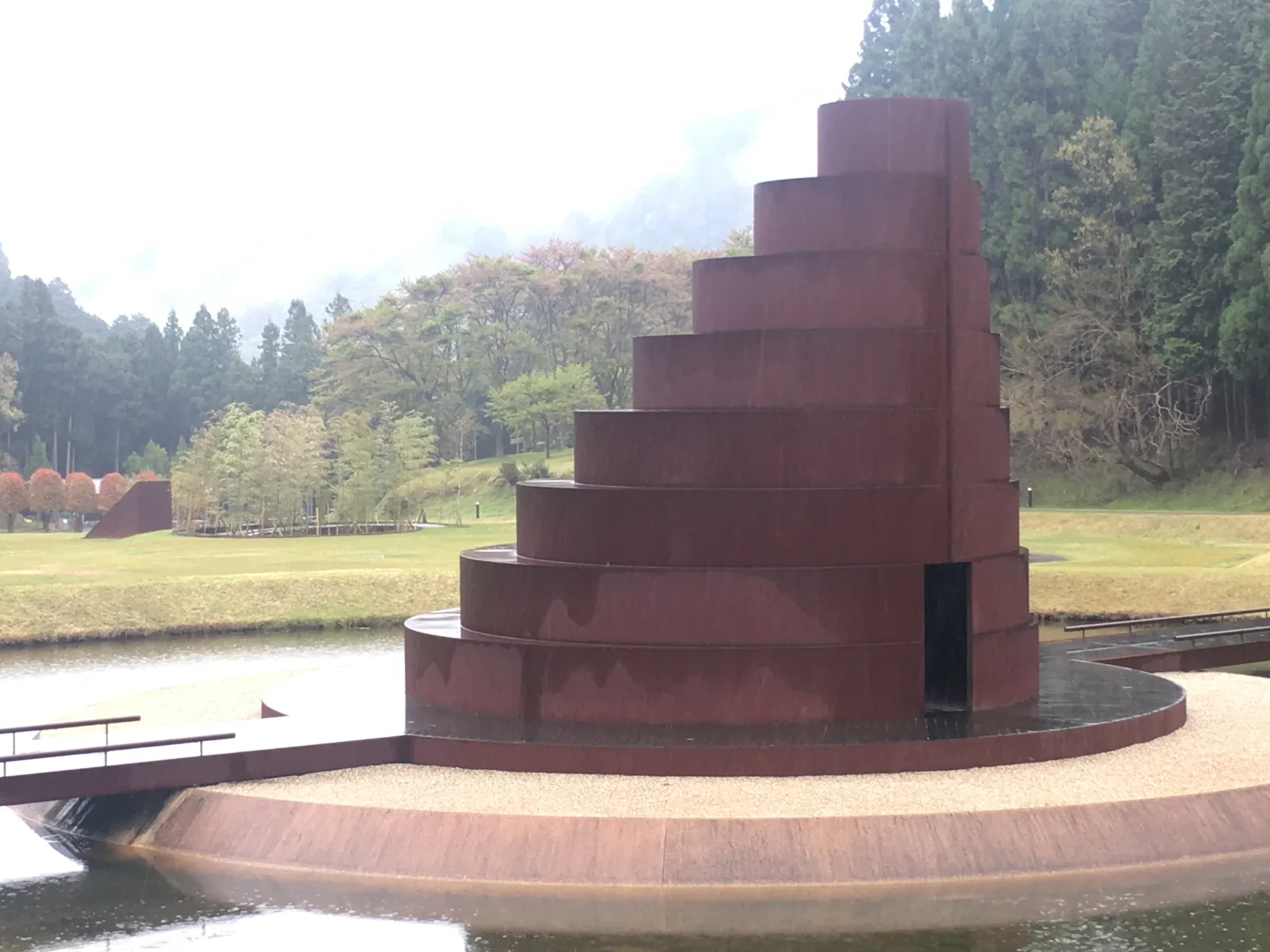
A 15-minute walk away, the Murou Art Forest is a landscape park designed with Dani Karavan and completed in 2006. Rusted steel pyramids, a stone spiral and a staircase rise out of ponds surrounded by forest.
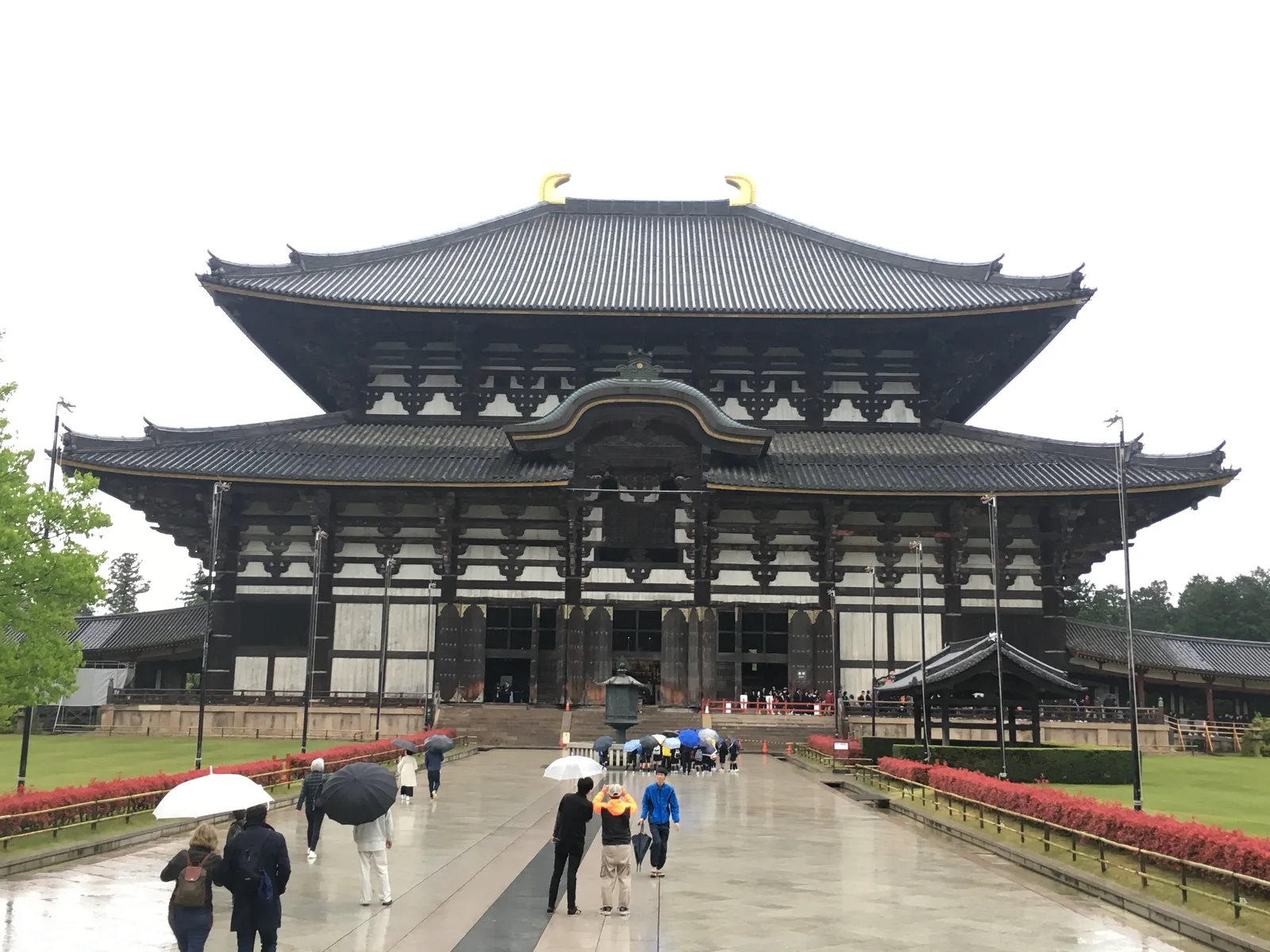
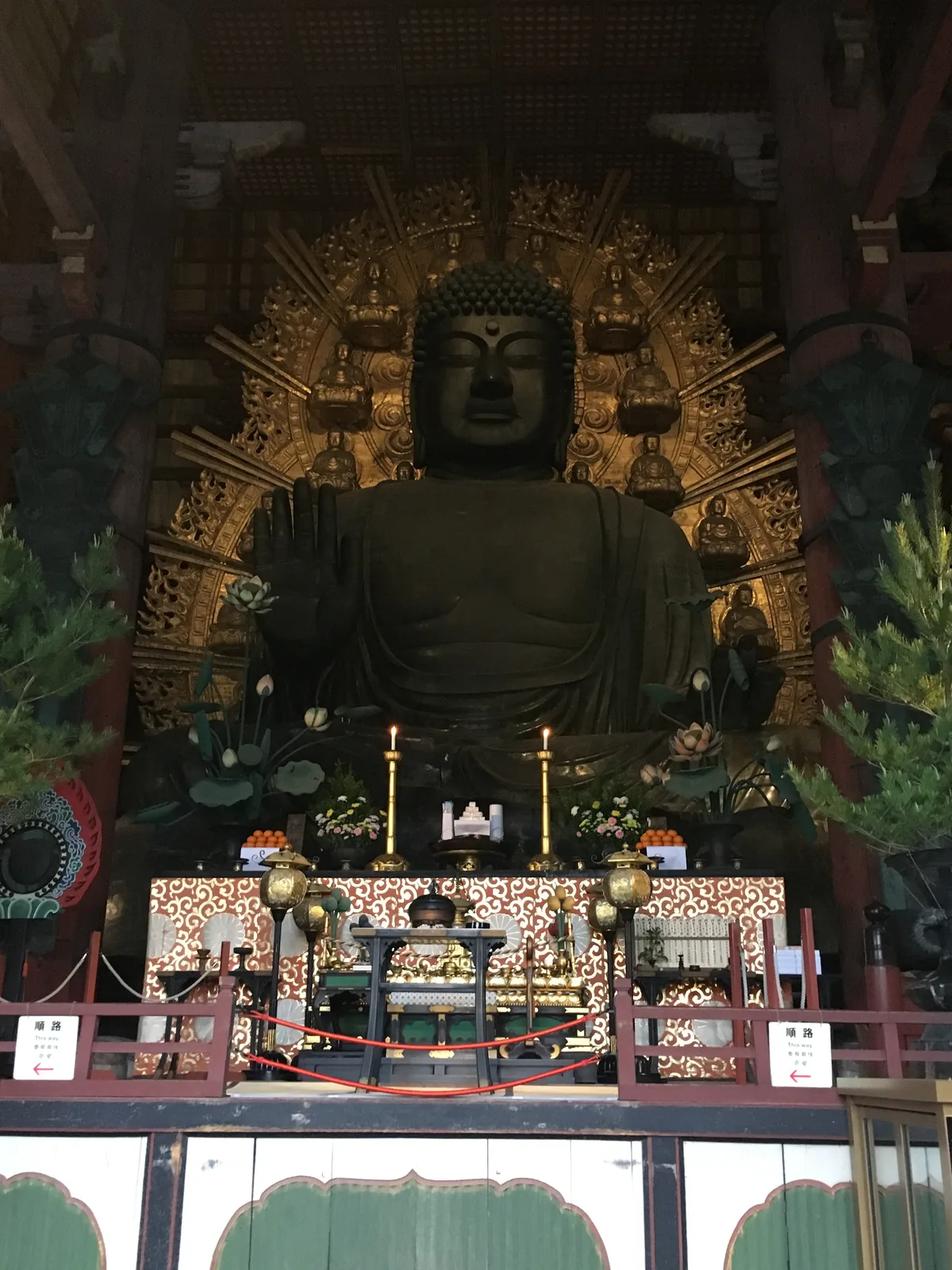
We ended the day in Nara, at Tōdai-ji. The Great Buddha Hall is one of the largest wooden buildings in the world, and the bronze Buddha inside, about 15 meters tall, is overwhelming even when you have seen a hundred photos of it.
The Great Buddha was cast in the 8th century, when Nara was the capital of Japan. Around the temple, Nara Park is home to hundreds of free-roaming deer, considered messengers of the gods. They bow to visitors in exchange for the special crackers sold on site, but they can also be pushy, so keep your map and tickets out of reach.
Getting there: Murō-ji is about 14 minutes by Nara Kotsu bus from Muroguchi-Ōno Station on the Kintetsu Osaka Line. Murō-ji opens daily (¥600); the Art Forest is closed on Tuesdays and from late December to the end of February (¥410).
Day 6: Kyoto – kimono, castle and zen gardens
Kyoto was my favorite part of the trip. On our first full day there, we began in the workshop of Kunihiko Moriguchi, a master of yūzen, the centuries-old technique of hand-painted kimono silk, and a Living National Treasure since 2007. As a student in Paris, he had wanted to become a graphic designer; it was the painter Balthus who convinced him to go back to his father’s workshop. You can see both worlds in his kimonos, with their geometric patterns that look almost like op art.
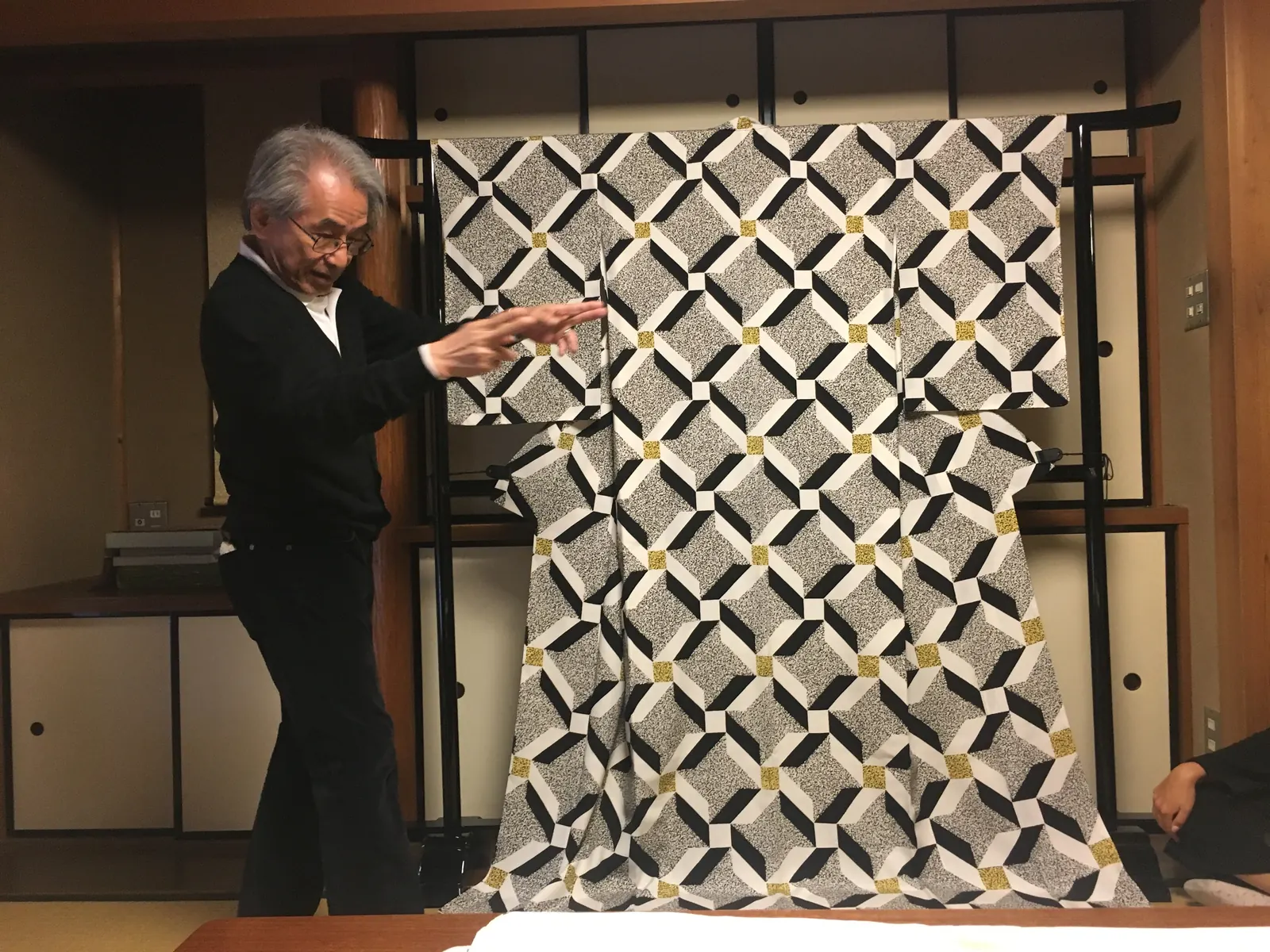
Yūzen is a dyeing technique developed in Kyoto in the 17th century. The outlines of the pattern are drawn on the silk with a thin line of rice paste, which keeps the colors from bleeding, and each area is then painted by hand. A single kimono can take many weeks of work.
His workshop is private, but you can see yūzen kimonos in Kyoto’s museums and craft shops. Next, we walked to Nijō Castle, the Kyoto residence of the shoguns, with its gilded Karamon gate and its garden of ponds and rocks.
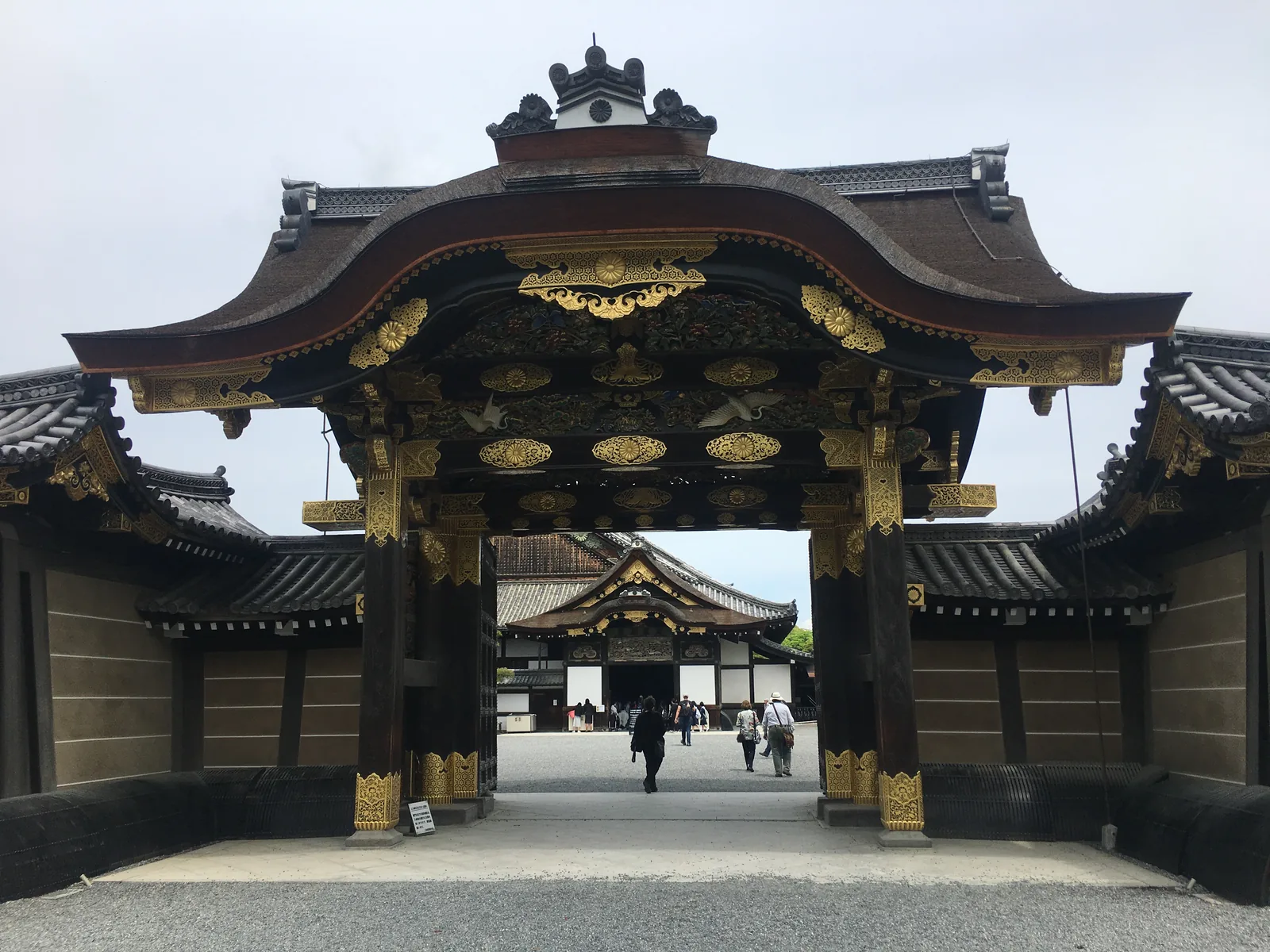
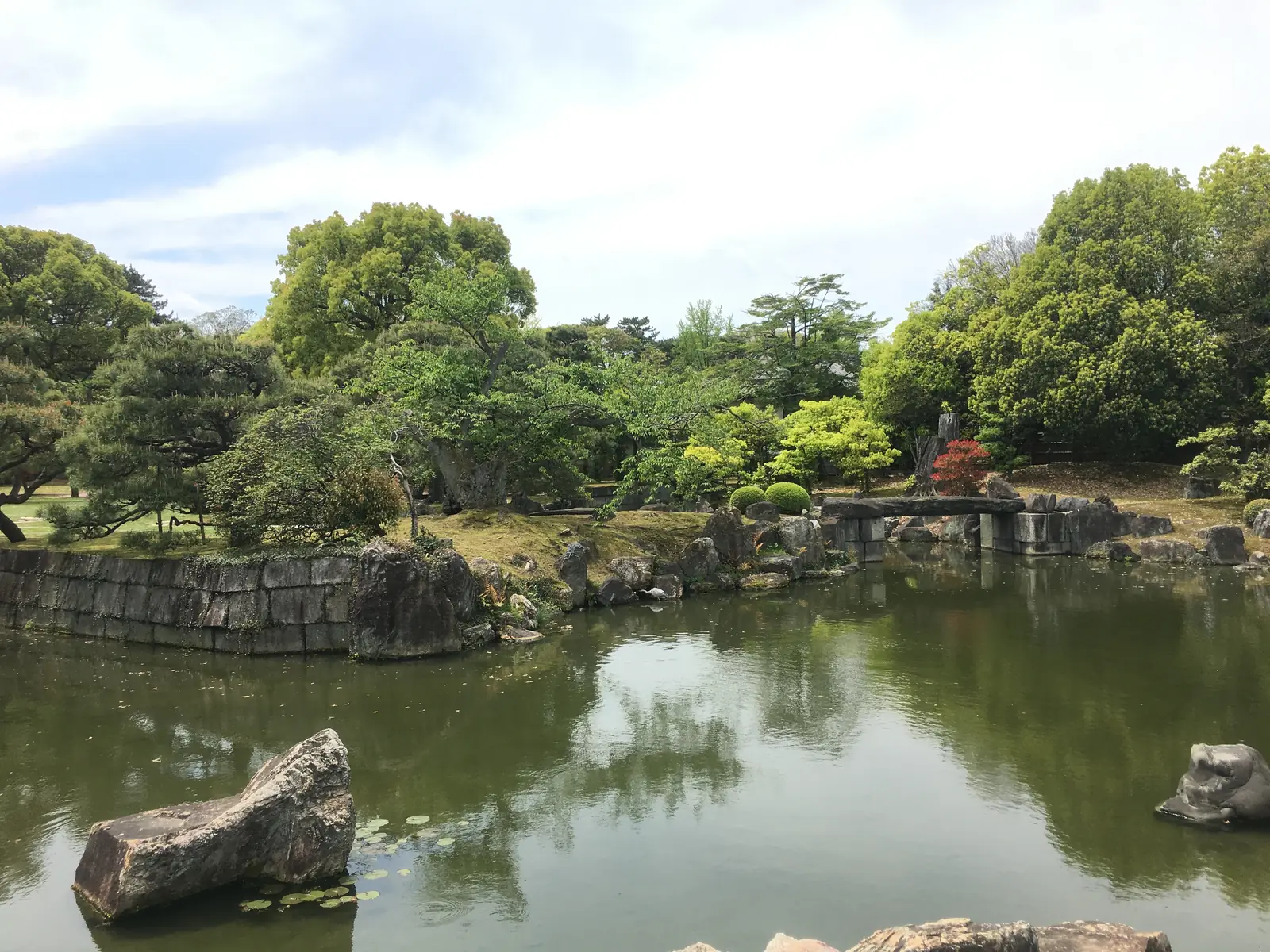
Nijō Castle was built in 1603 by Tokugawa Ieyasu, the first shogun of the Edo period, and is a UNESCO World Heritage Site. Inside the Ninomaru Palace, the wooden corridors squeak at every step: these “nightingale floors” were designed to warn the guards of intruders. Admission is ¥800, plus ¥500 for the palace.
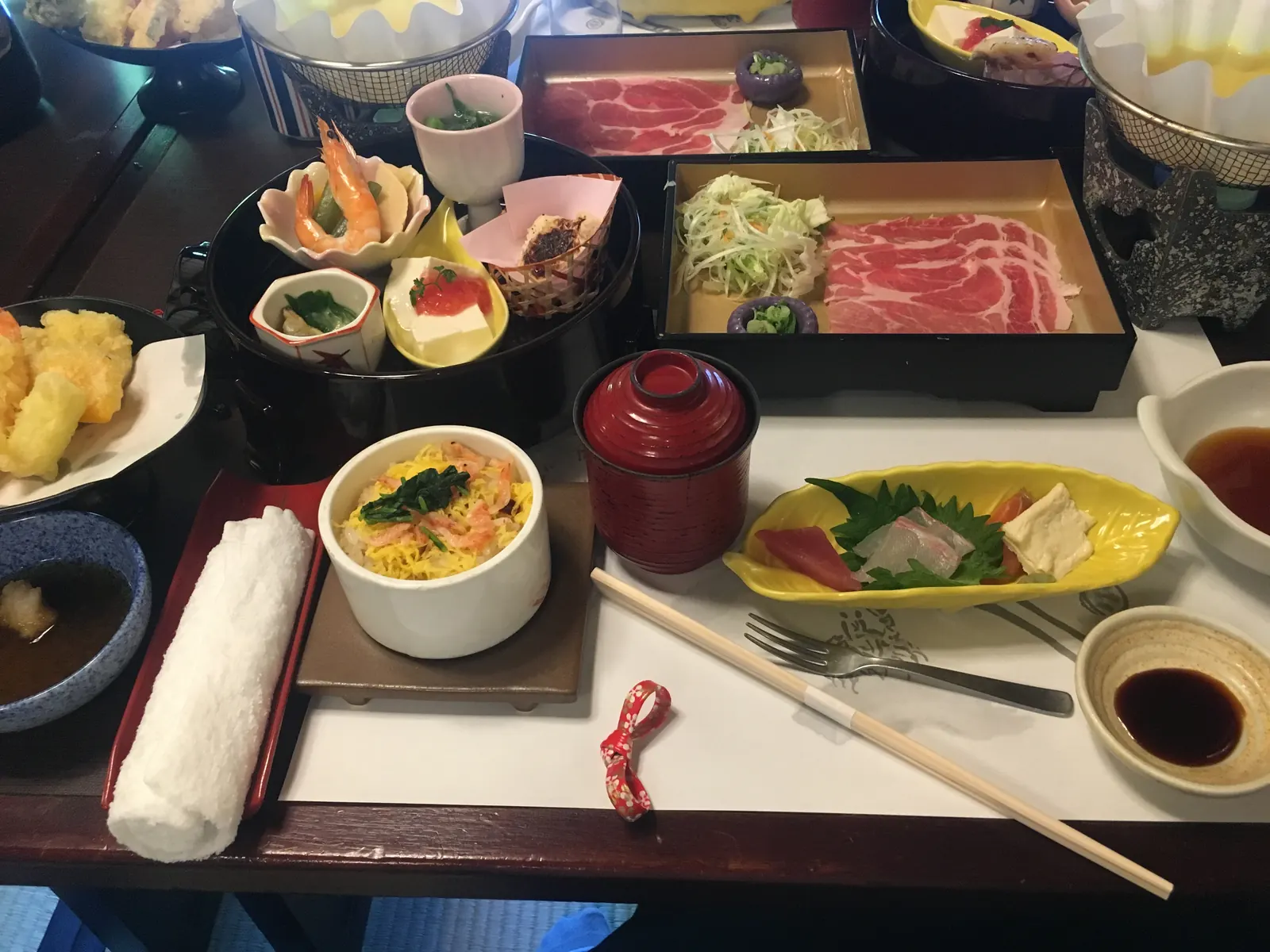
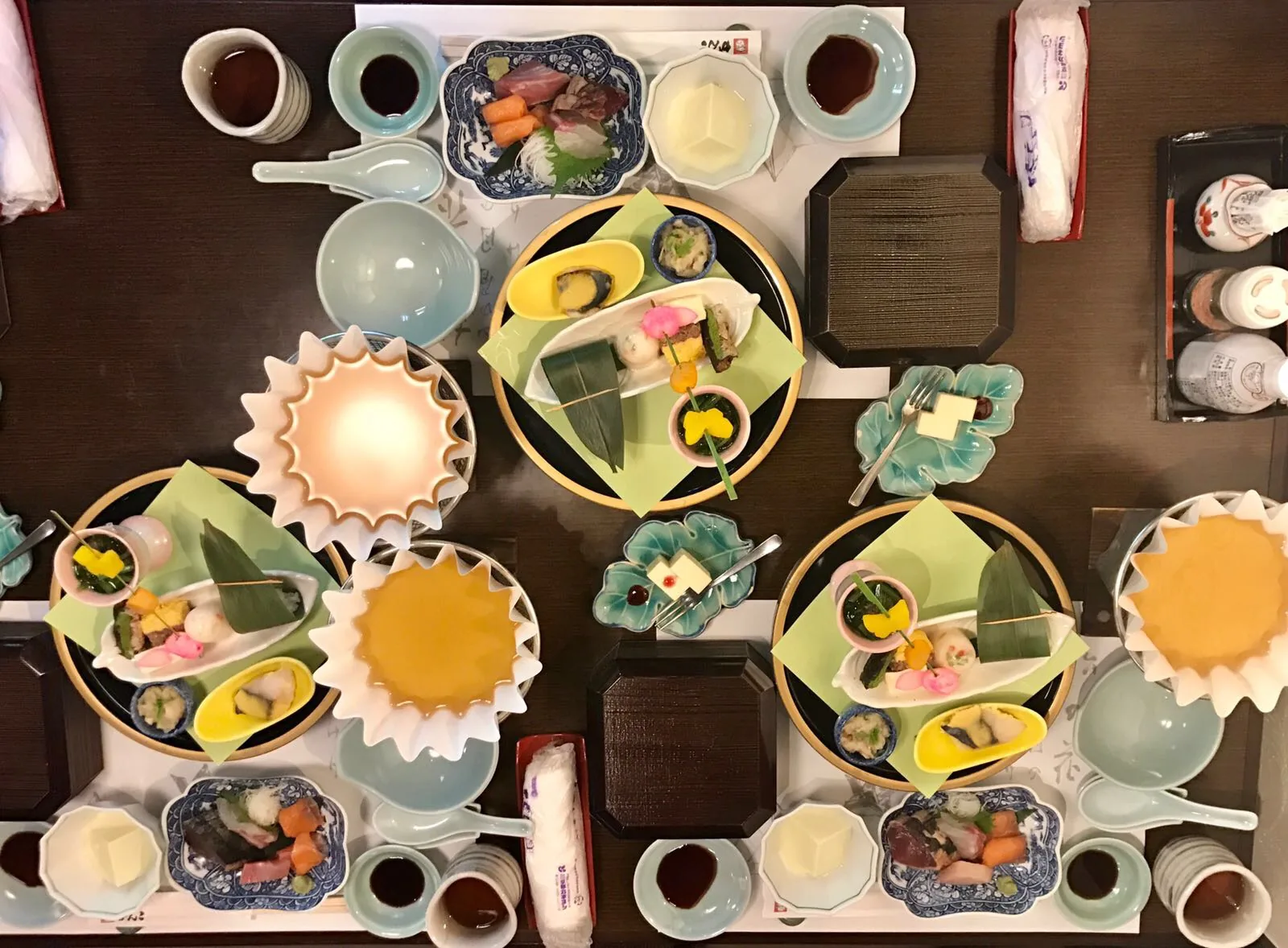
Lunch was a kaiseki meal, Kyoto’s seasonal tasting menu served in a dozen small dishes.
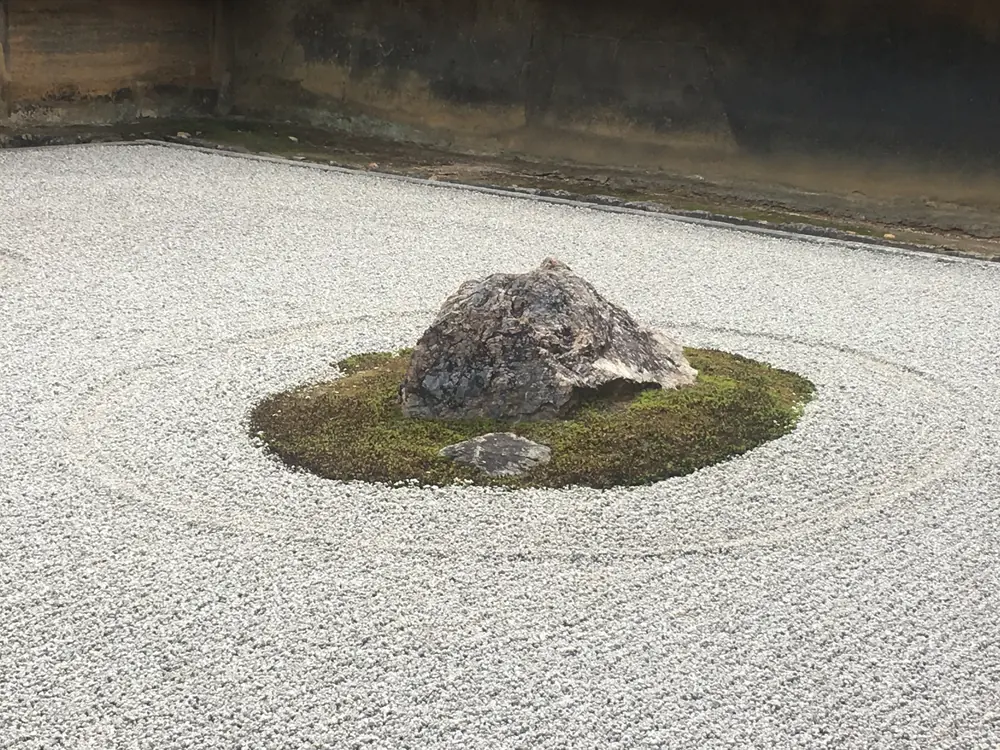
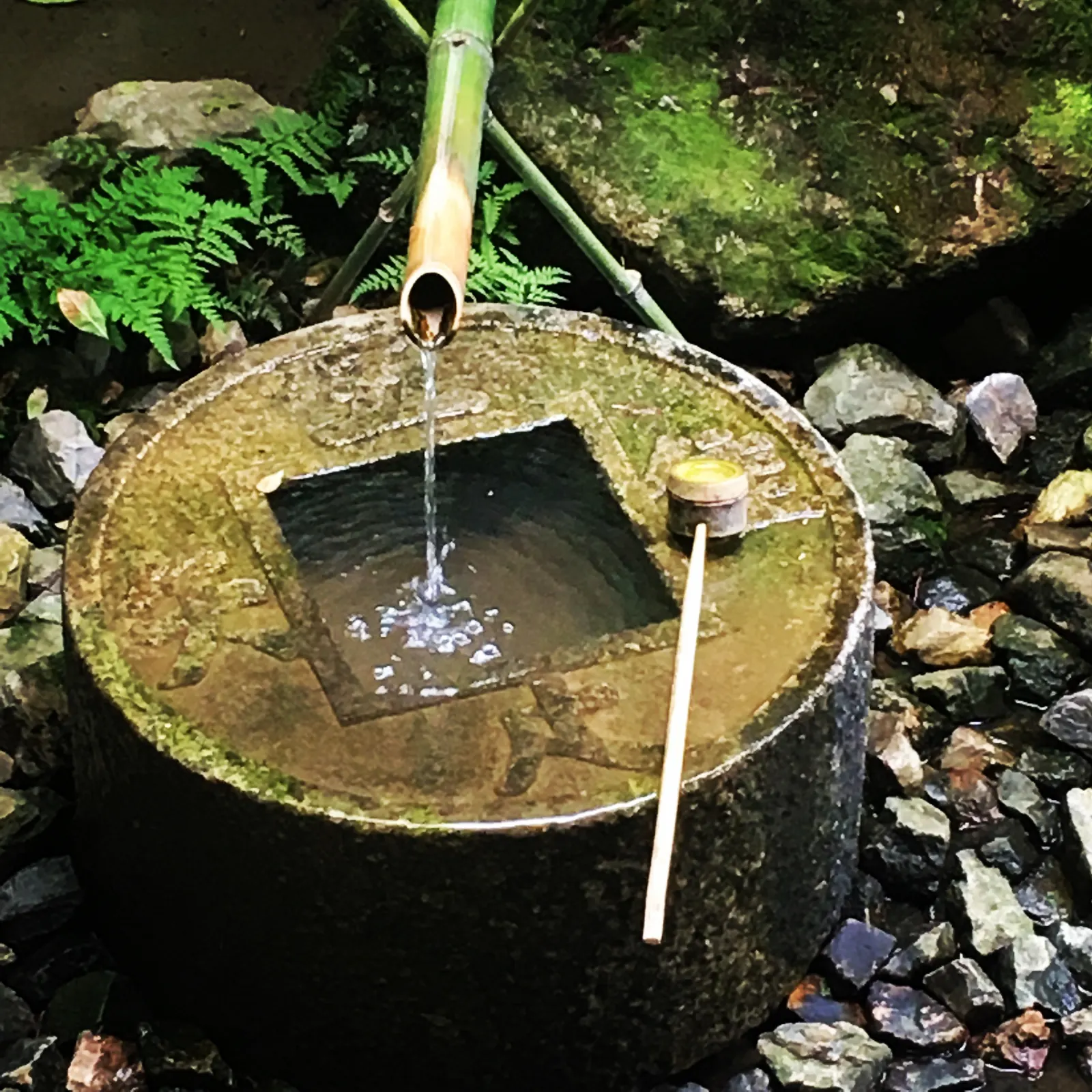
In the afternoon, we went to Ryōan-ji, home of Japan’s most famous rock garden: 15 stones on raked gravel, placed so that you can never see all of them at once. Near the back of the temple, a stone water basin carries four characters that read “I only know contentment.”
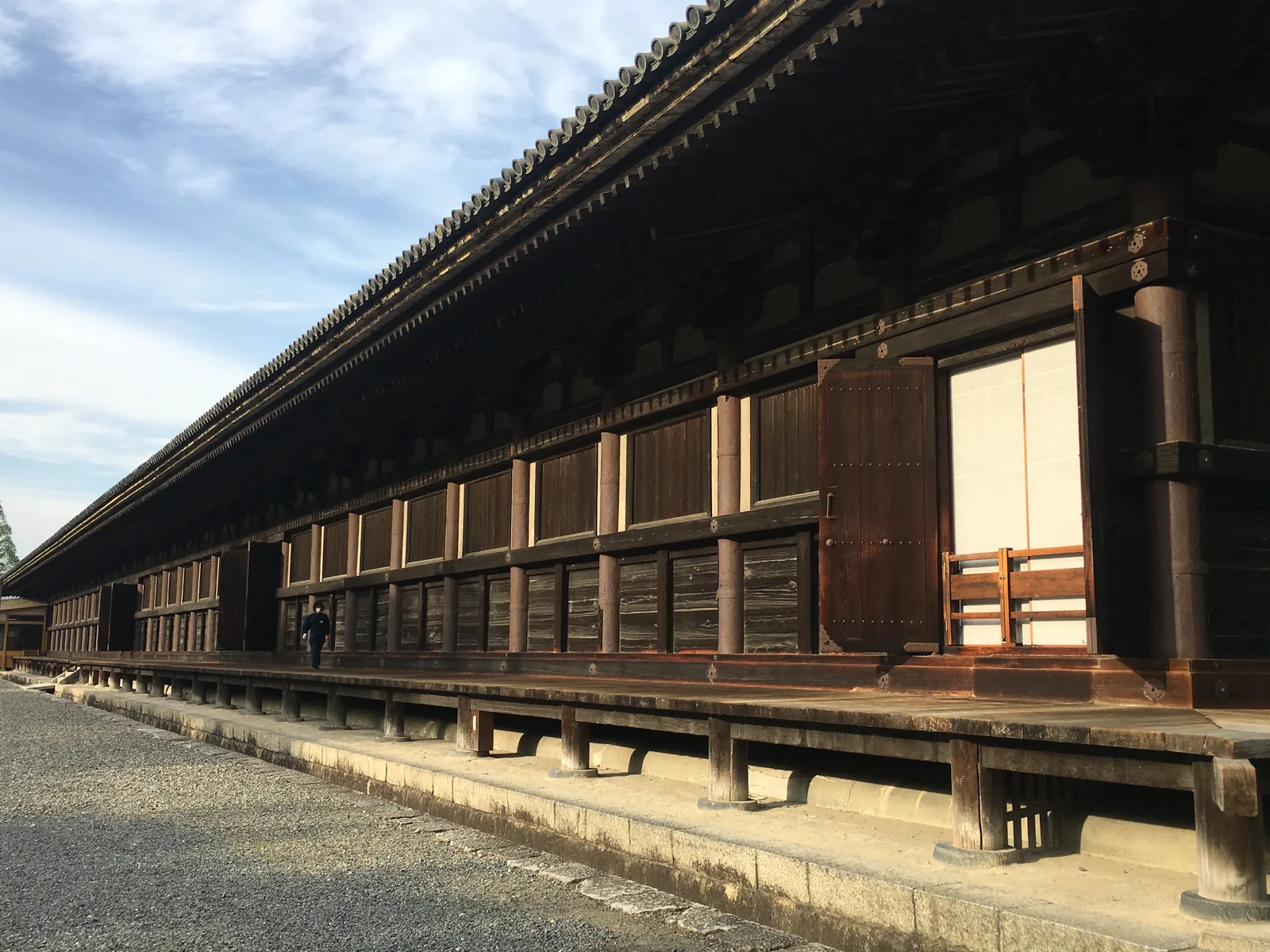
Before closing time, we reached Sanjūsangen-dō, a 120-meter-long wooden hall sheltering 1,001 golden statues of Kannon. Photos are not allowed inside, and that is fine: the silence of a thousand identical faces stays with you anyway.
Its name means “hall with 33 spaces between columns.” The current building dates from 1266, after a fire destroyed the original.
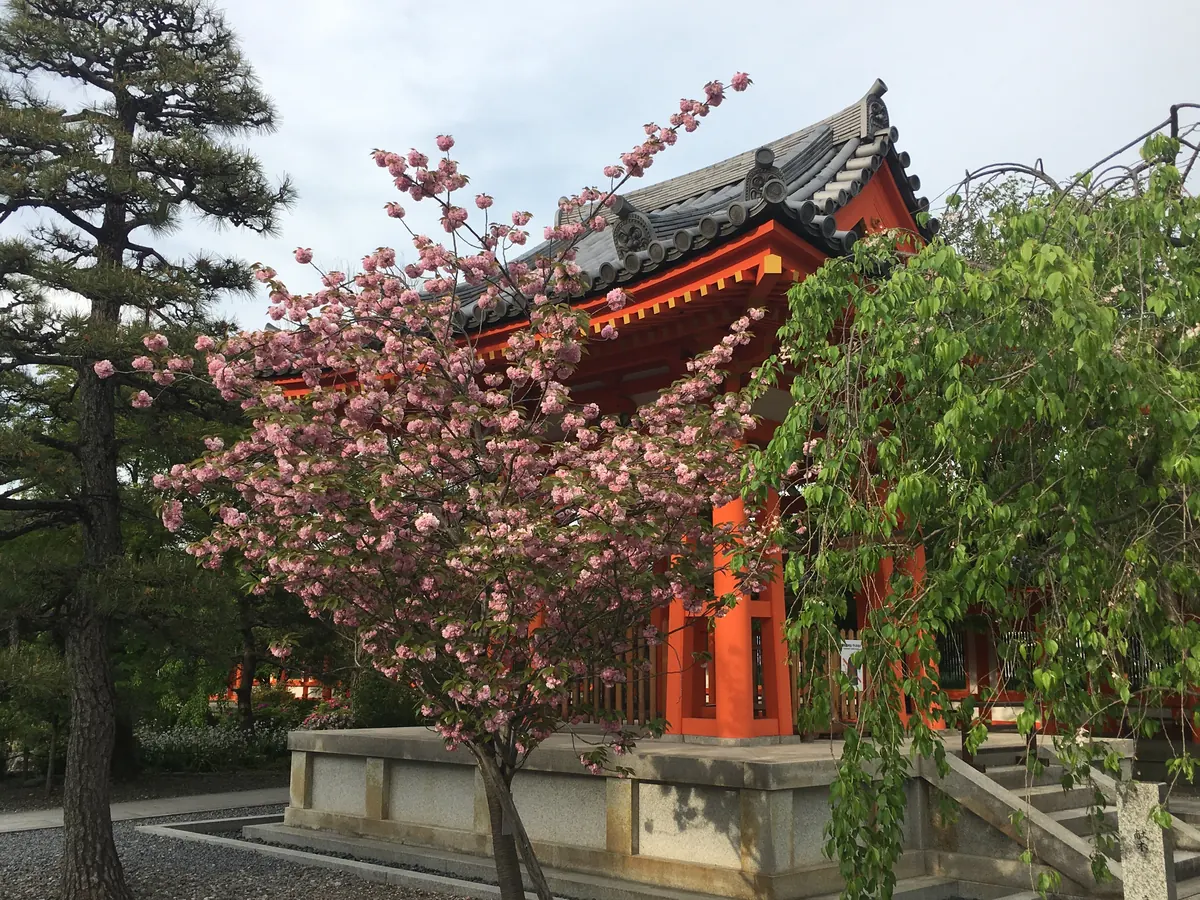
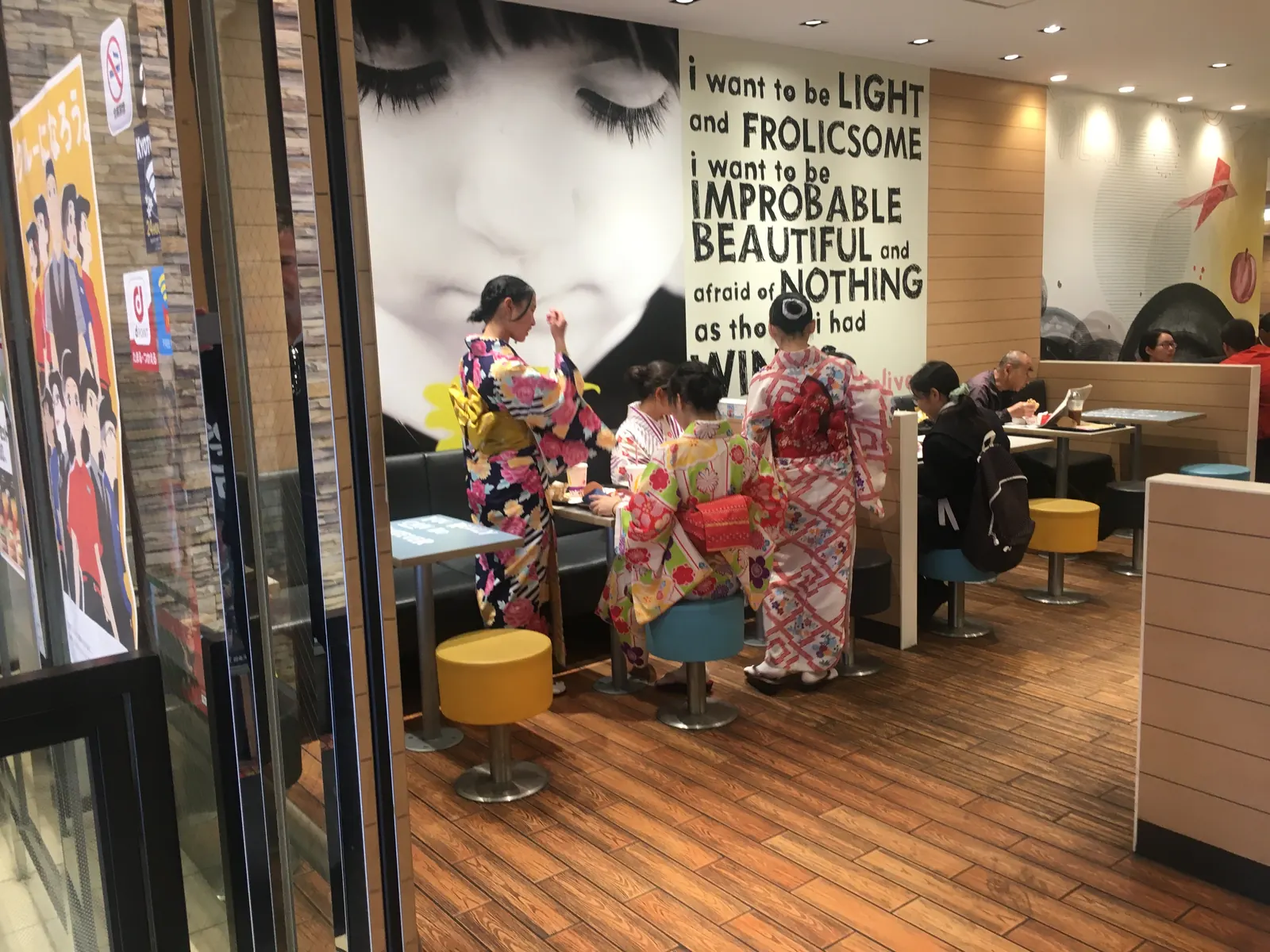
In the evening, we strolled down Pontocho, the narrow lantern-lit alley along the Kamo River, and crossed into Gion. That is where we came across a maiko, a geisha apprentice, which felt like the perfect end to the day.
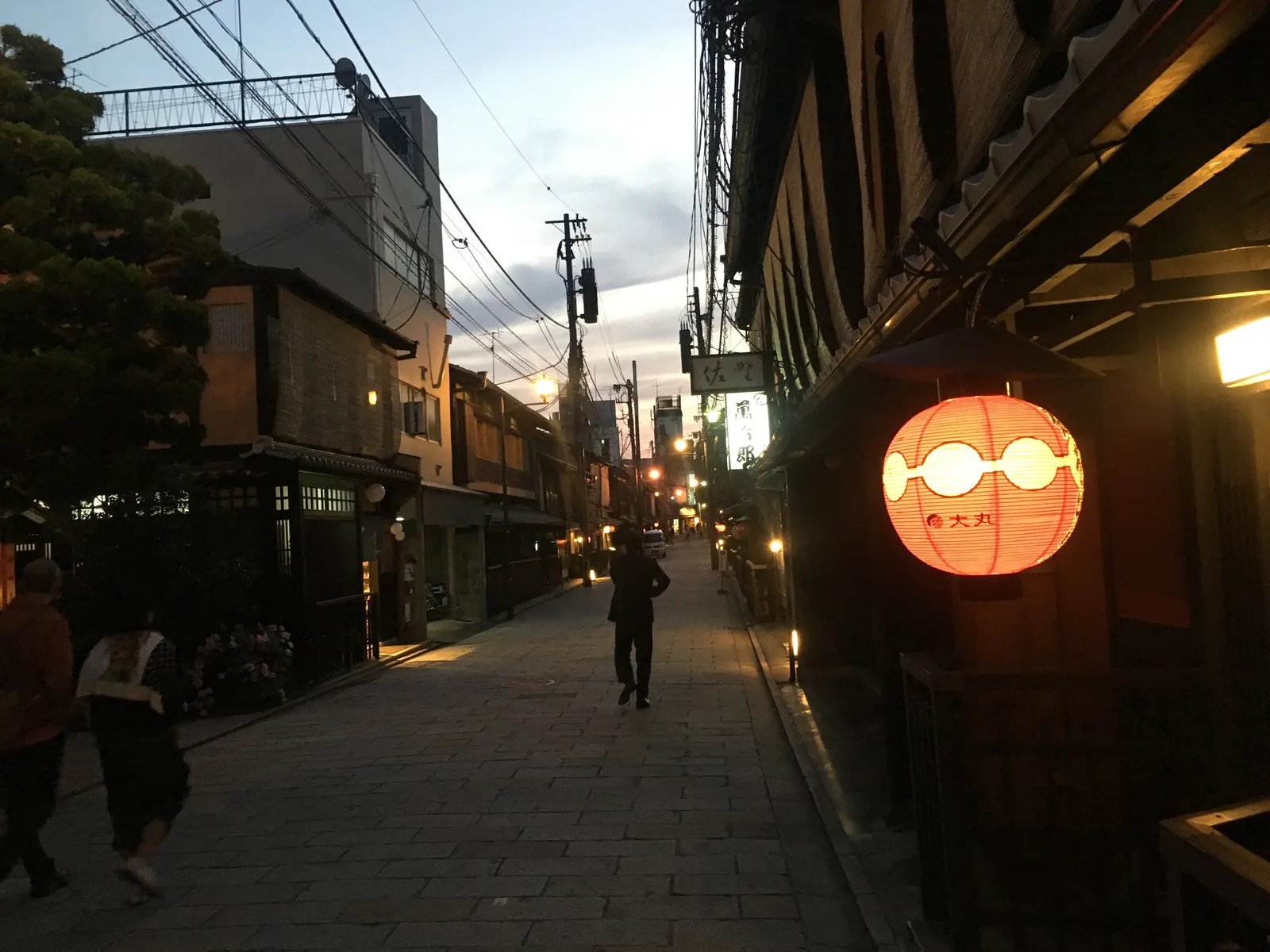
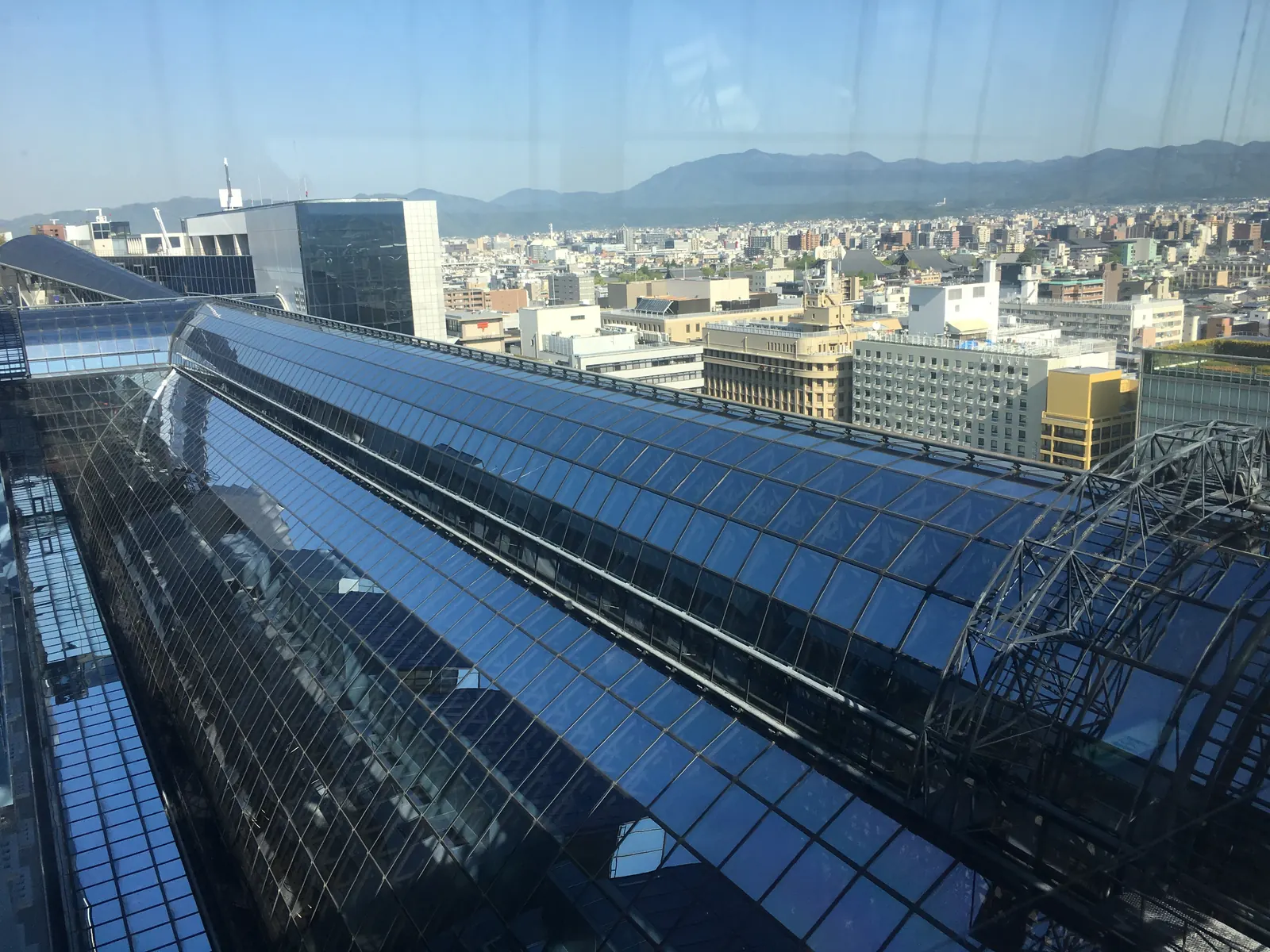
Where to stay in Kyoto: we spent four nights at the Hotel Granvia Kyoto, inside Kyoto Station. For a trip with day excursions to Naoshima, Nara and Sanda, I can’t think of a better base.
Day 7: Kinkaku-ji and Fushimi Inari, then Kobe
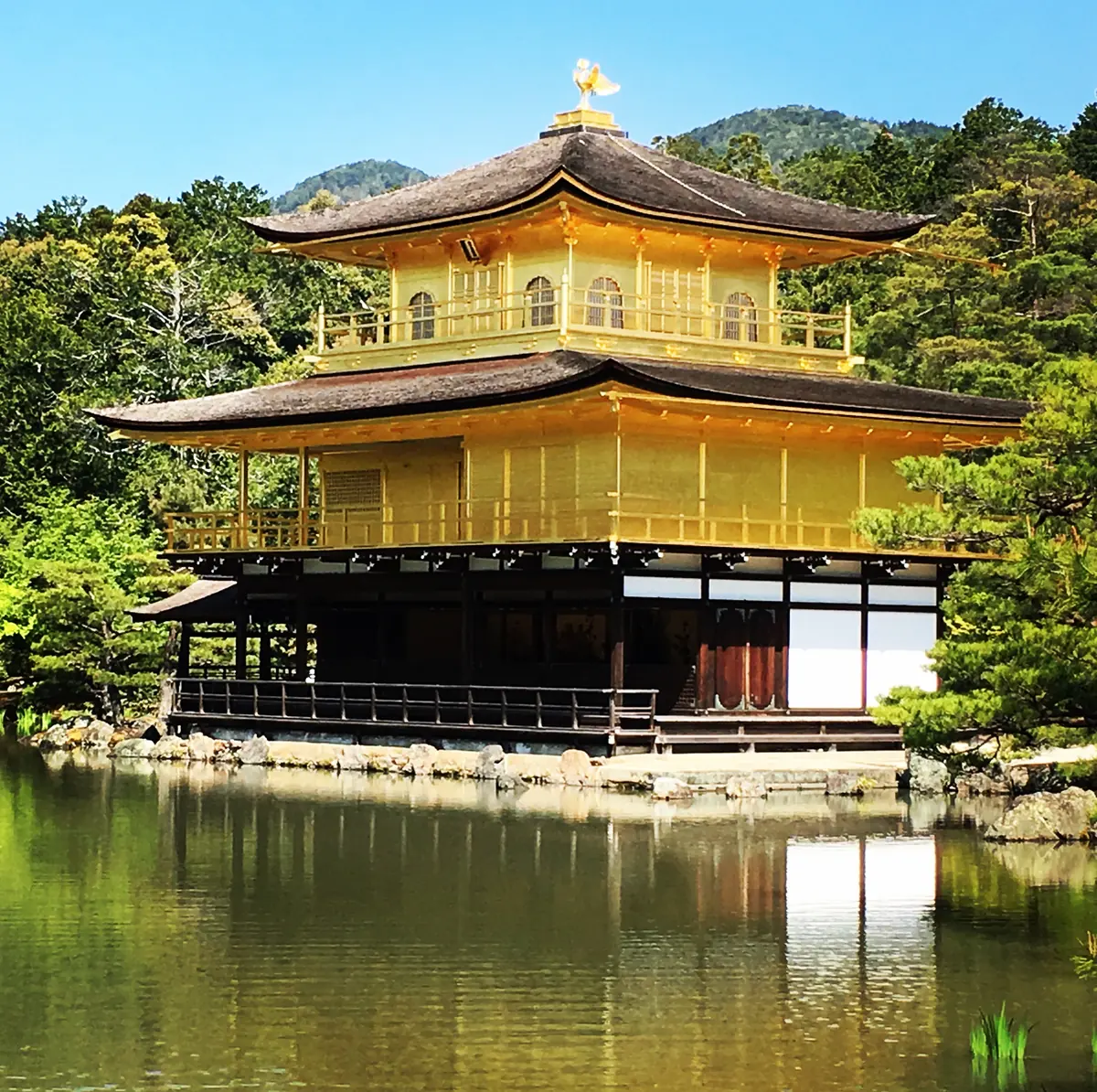
We had the morning free, so I went to Kinkaku-ji, the Golden Pavilion, mirrored in its pond. It was already the start of Golden Week, Japan’s big spring holiday, and the paths were full of school groups in matching red caps. Go at opening time.
The pavilion was built as the retirement villa of the shogun Ashikaga Yoshimitsu at the end of the 14th century. What you see today is a reconstruction: a young monk burned the original in 1950, and it was rebuilt in 1955, covered in gold leaf.
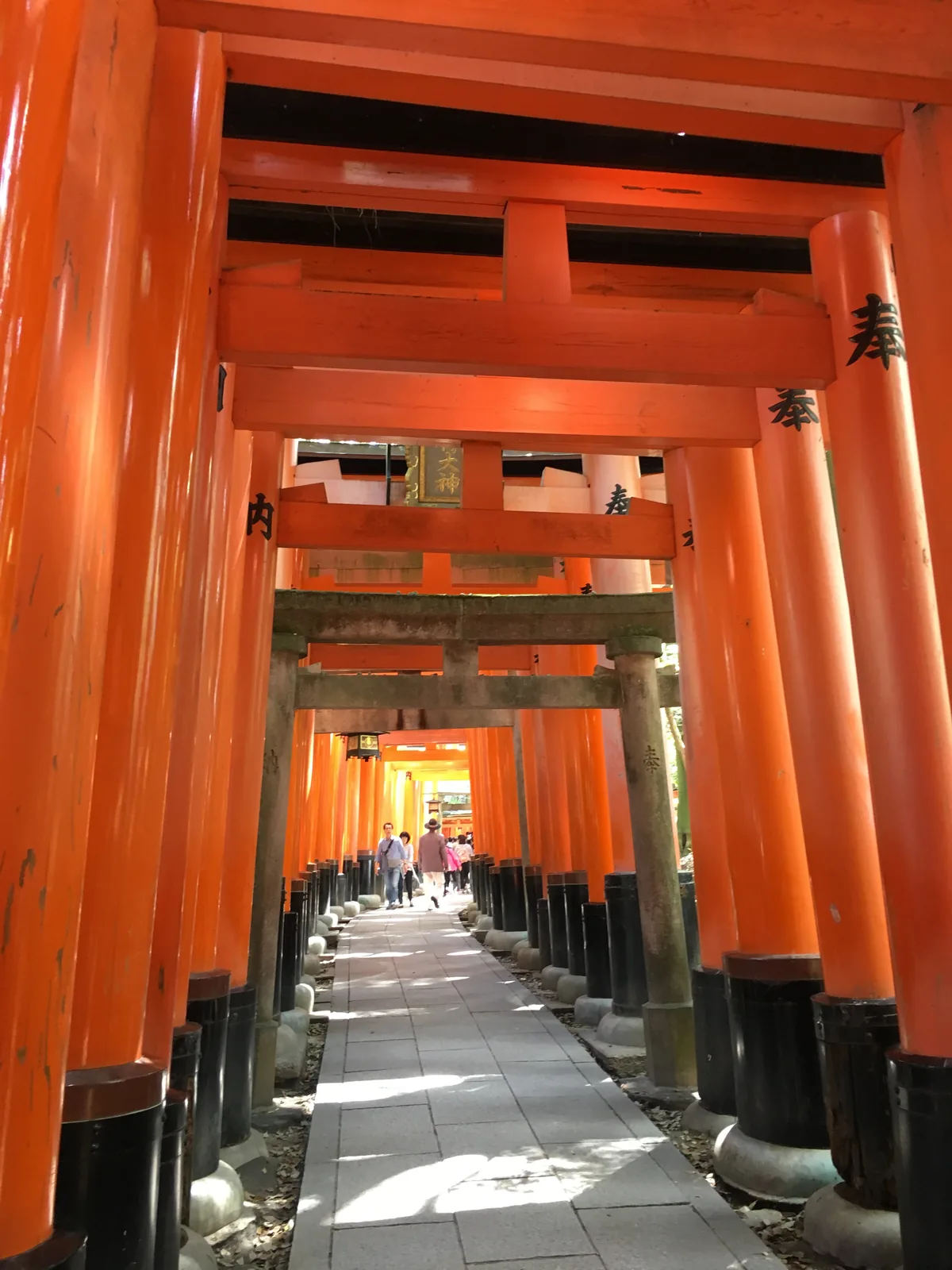
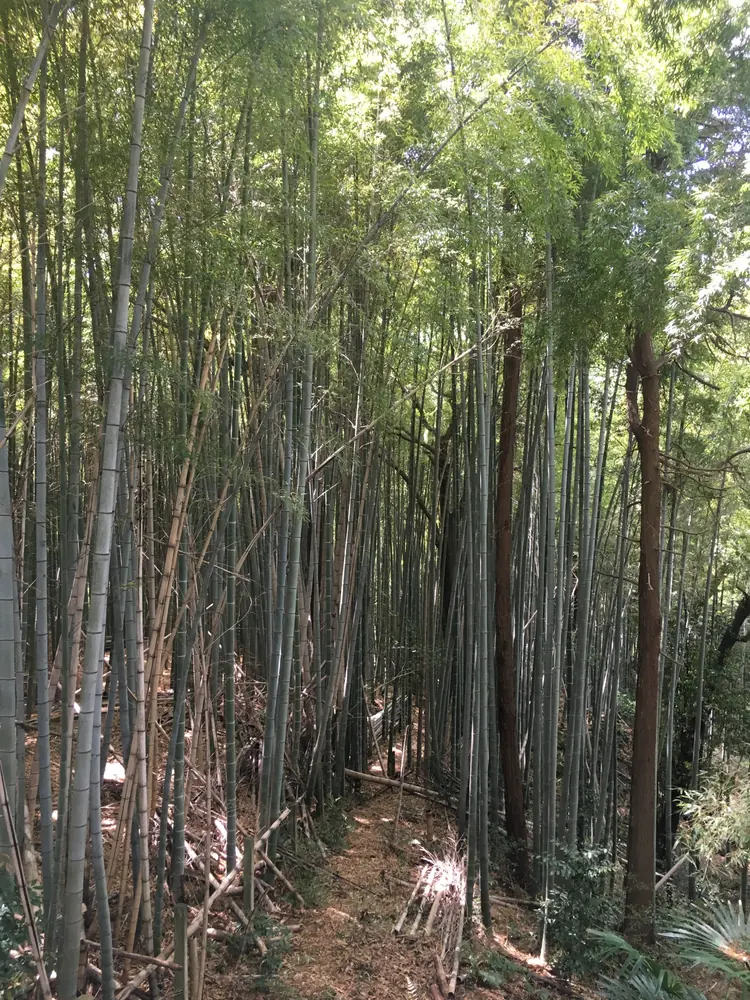
Then I went to Fushimi Inari, the shrine with thousands of red torii gates climbing the mountain. The first tunnels are packed, but the crowds thin out quickly as you climb, and the path passes through a quiet bamboo grove.
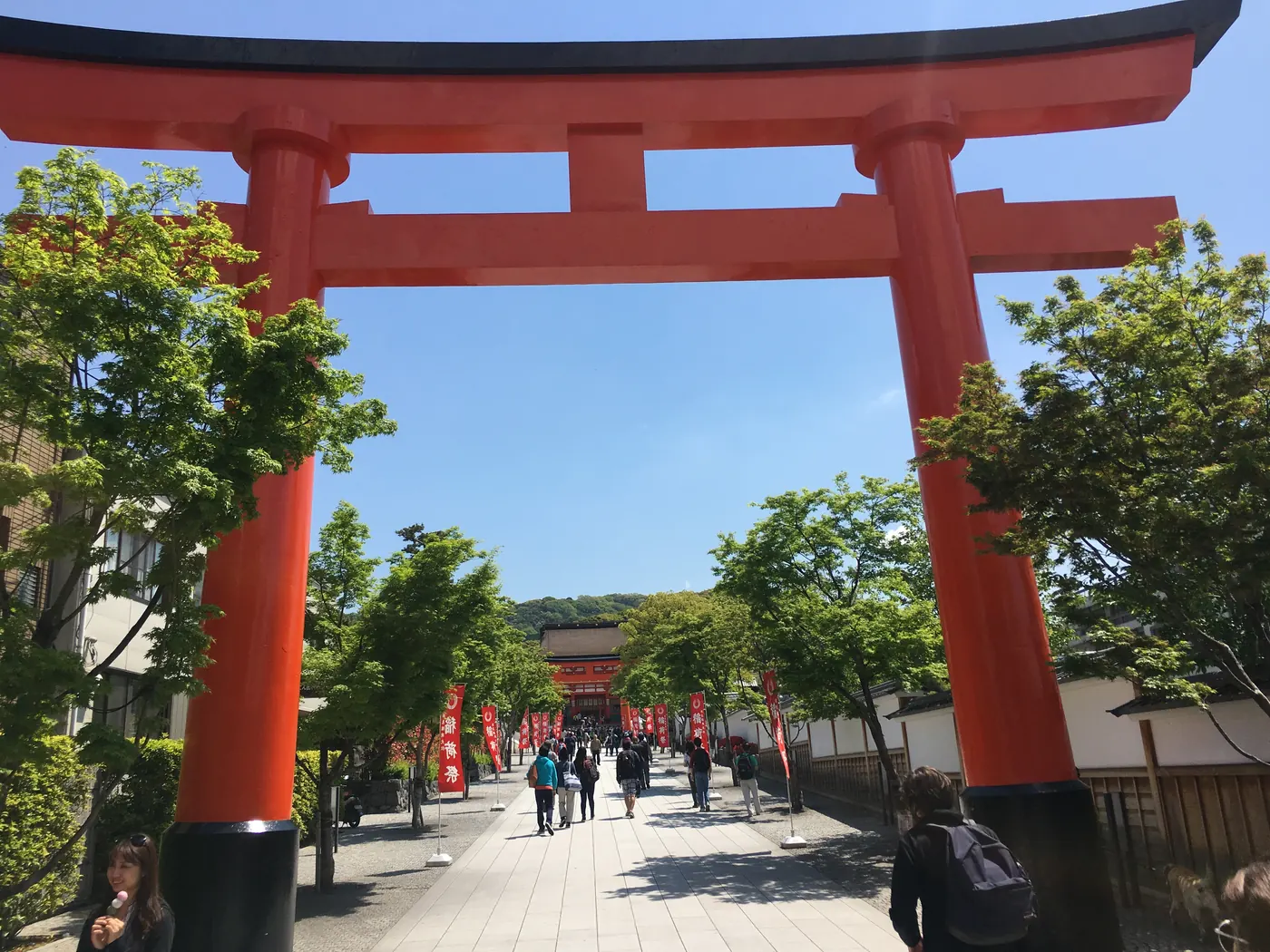
Fushimi Inari is free and open at all hours. The full loop to the summit of Mount Inari, 233 meters high, takes about three hours. Most visitors turn back after the first tunnels, so if you want photos without crowds, keep climbing or go very early in the morning.
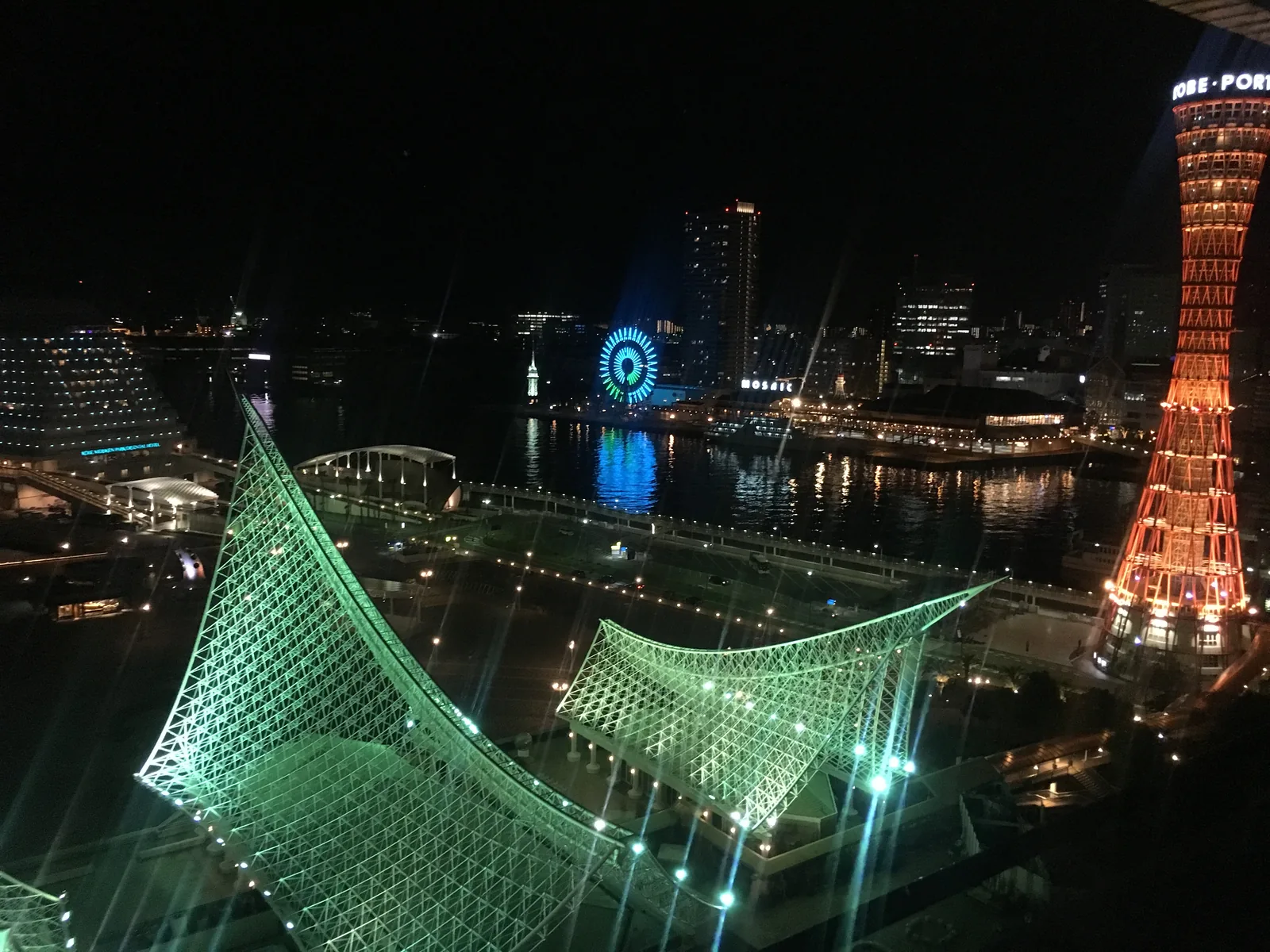
In the evening, we moved to Kobe, where the port lights up at night.
Day 8: Kobe – Shingu at the museum and Kobe beef
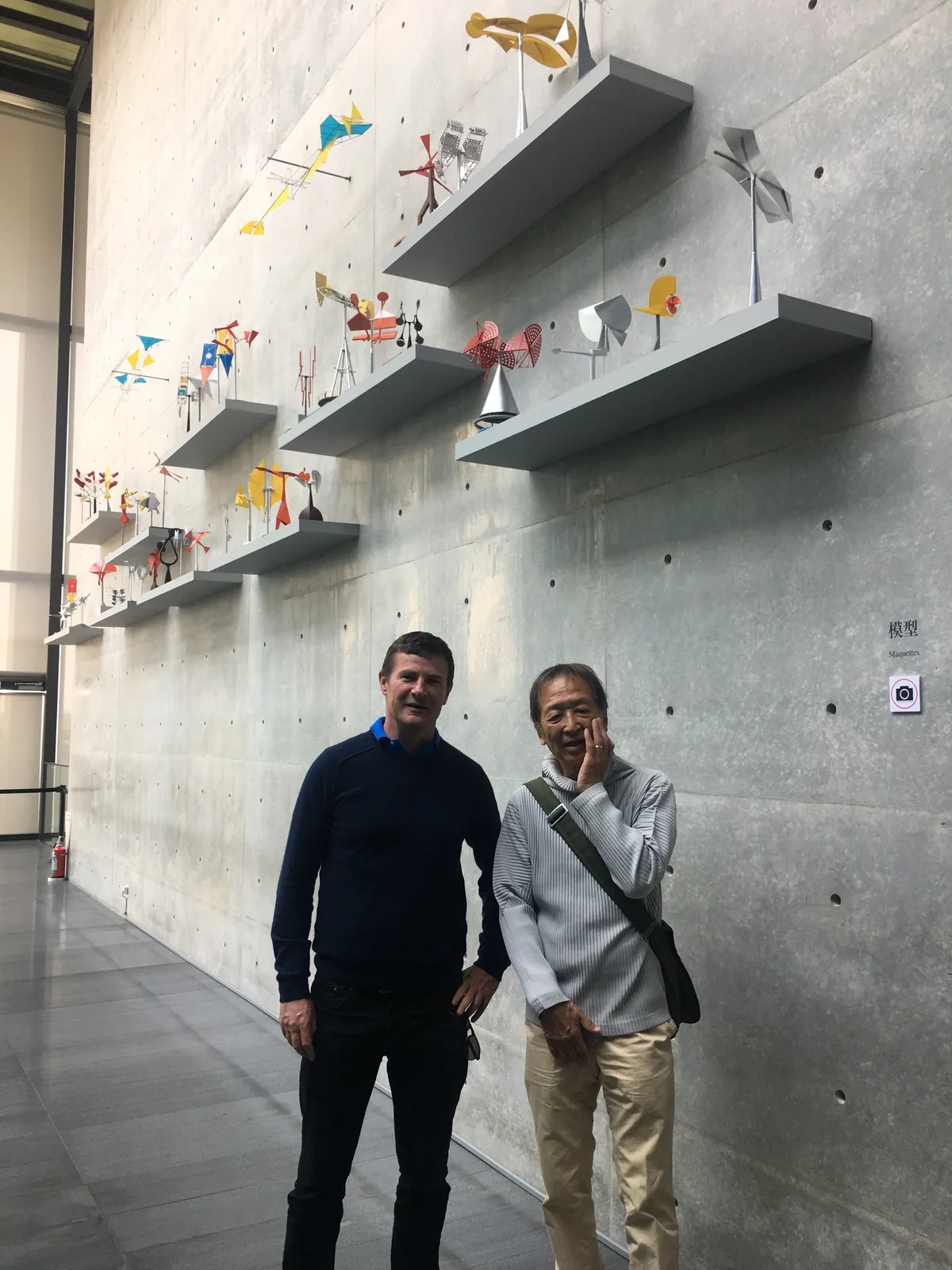
We spent the morning at the Hyogo Prefectural Museum of Art, another Tadao Ando building facing the sea, which is worth the visit for its architecture alone. Shingu was exhibiting there at the time and came to welcome us.
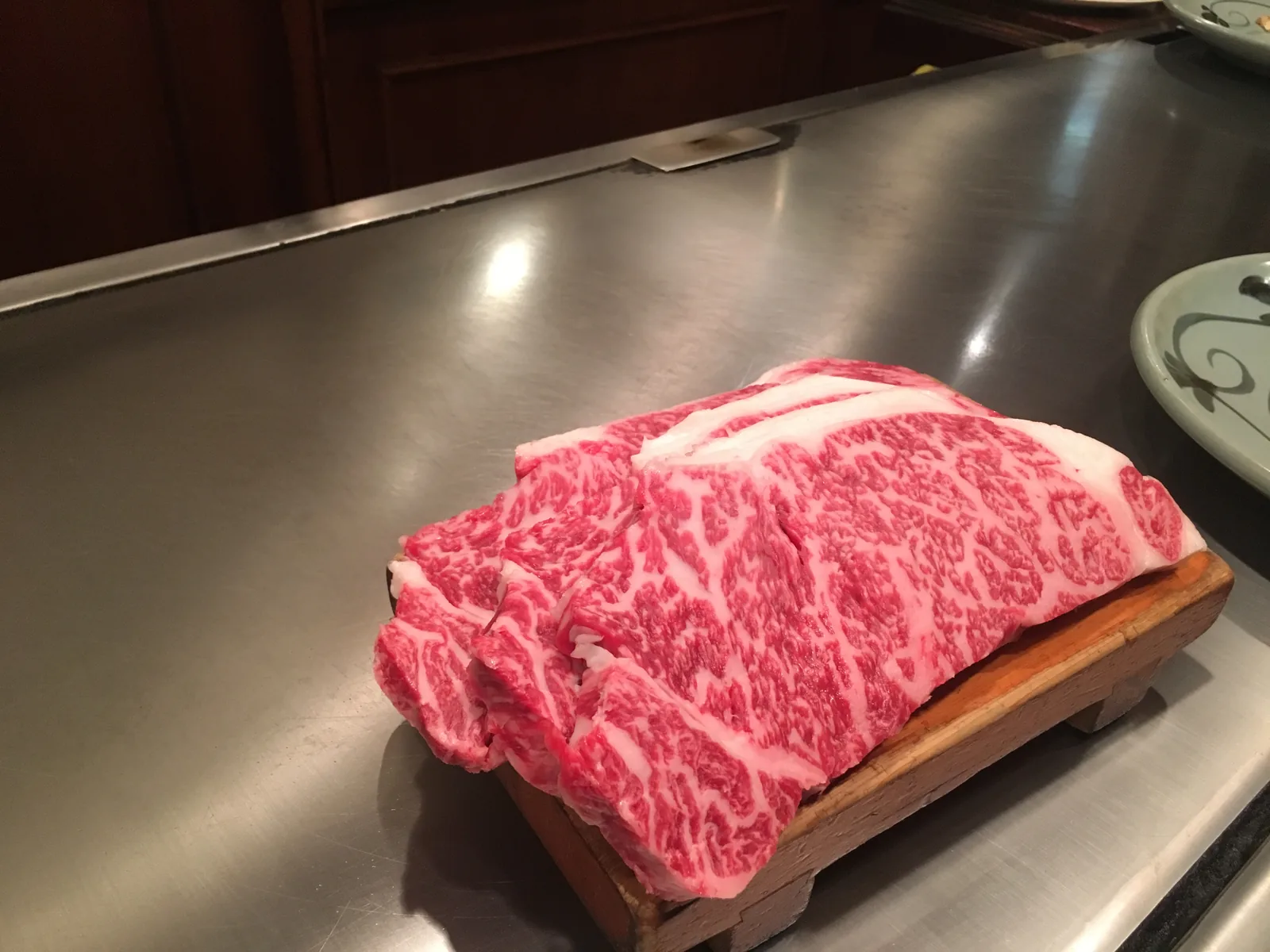
For lunch, we went up to Kitano, the old foreigners’ district on the hillside above Sannomiya, to Kondo-tei, where they cooked Kobe beef on the grill in front of us. The marbling looks almost unreal. It is expensive, but worth trying once.
Where to stay in Kobe: I stayed at the Hotel Okura Kobe, on the waterfront next to Meriken Park and the Port Tower.
Day 9: Departure from Kansai Airport
On the last morning, the group took the coach back to Kansai Airport. While they flew home to Paris, I caught my flight to Bali.
What to eat in Kansai
- Osaka: takoyaki, okonomiyaki and kushikatsu (fried skewers), the street food of Dotonbori.
- Kyoto: kaiseki, the seasonal tasting menu of a dozen small dishes, and tofu dishes from the temple tradition.
- Kobe: Kobe beef, grilled teppanyaki-style. It is expensive, so a set lunch is the best way to try it.
- Nara: kakinoha-zushi, sushi wrapped in persimmon leaves, easy to take on the road.
Osaka or Kyoto: where to stay?
I stayed in both. Osaka, near Namba Station, is livelier at night and better for food. Kyoto Station is the more practical base for temples and day trips, with trains to Nara, Osaka and the Shinkansen right below the hotel.
Shorter versions of this itinerary
- 5 days: one day in Osaka, three in Kyoto, and a day trip to Nara.
- 7 days: add Naoshima as a day trip and a half-day in Kobe.
- 9 days: the full itinerary above, with Sanda and Murō-ji for a quieter side of Kansai.
Getting around Kansai
- Trains: Osaka, Kyoto, Nara and Kobe are all under an hour apart by train. An ICOCA card covers local trains, metros and buses. Do the math before buying a Japan Rail Pass; a regional Kansai pass is often enough, unless you go to Naoshima by Shinkansen.
- Naoshima: Shinkansen to Okayama, local train to Uno, then ferry to Miyanoura. Count about two and a half hours from Osaka.
- Murō-ji and Sanda: both are reachable by train and bus, but a car or a private driver saves a lot of time.
FAQ
Is 9 days enough for Kansai?
Nine days is enough for Osaka, Kyoto, Nara and Kobe, plus one or two less obvious day trips such as Naoshima or Murō-ji. If you have less time, drop Kobe and Sanda, but keep at least three full days for Kyoto.
Can you visit Naoshima as a day trip from Kyoto or Osaka?
Yes, we did it from Kyoto. Leave early, book Chichu Art Museum in advance and avoid Mondays, when most sites are closed.
Is late April a good time to visit Kansai?
The weather is mild and the gardens are fresh and green, but Golden Week starts at the end of April. Expect crowds and higher hotel prices from about April 29 to May 5.
Is the Wind Museum in Sanda worth the detour?
If you like art, gardens or simply quiet places away from the crowds, yes. Few foreign visitors make it there.