Switzerland Travel Guide: Geneva, Lausanne, Chillon and Basel
By Blaise Jaeger · Updated October 23, 2026
Switzerland packs an astonishing variety into a small country: Lake Geneva and its French-speaking cities, medieval castles on the water, German-speaking Basel on the Rhine, and the Alps everywhere on the horizon. Distances are short, trains and roads are excellent, and you can see a lot in a few days.
I know Switzerland from two very different trips. In June 2012, I came for work, to visit the construction site of the Gotthard Base Tunnel, and stayed on the shores of Lake Lucerne. In January 2025, I drove through the French-speaking part of the country and up to Basel with my friend Roy, in a rental car from Paris, after a few days in Saint-Gervais and the Mont Blanc valley. This guide follows those trips: Geneva, Lausanne, Chillon Castle, Basel and the Gotthard.
Switzerland at a Glance
- Currency: the Swiss franc (CHF). Switzerland is not in the European Union, but it is in the Schengen area; cards are accepted almost everywhere.
- Languages: French around Lake Geneva, German in Basel, Zurich and central Switzerland, Italian in Ticino.
- Airports: Geneva, Zurich and Basel (the EuroAirport, shared with France).
- Driving: a motorway vignette is compulsory to use Swiss motorways; rental cars from Switzerland already have one.
- Budget: Switzerland is expensive, for hotels as much as for restaurants.
My 3-Day Road Trip in Switzerland
Day 1: Geneva and Lausanne
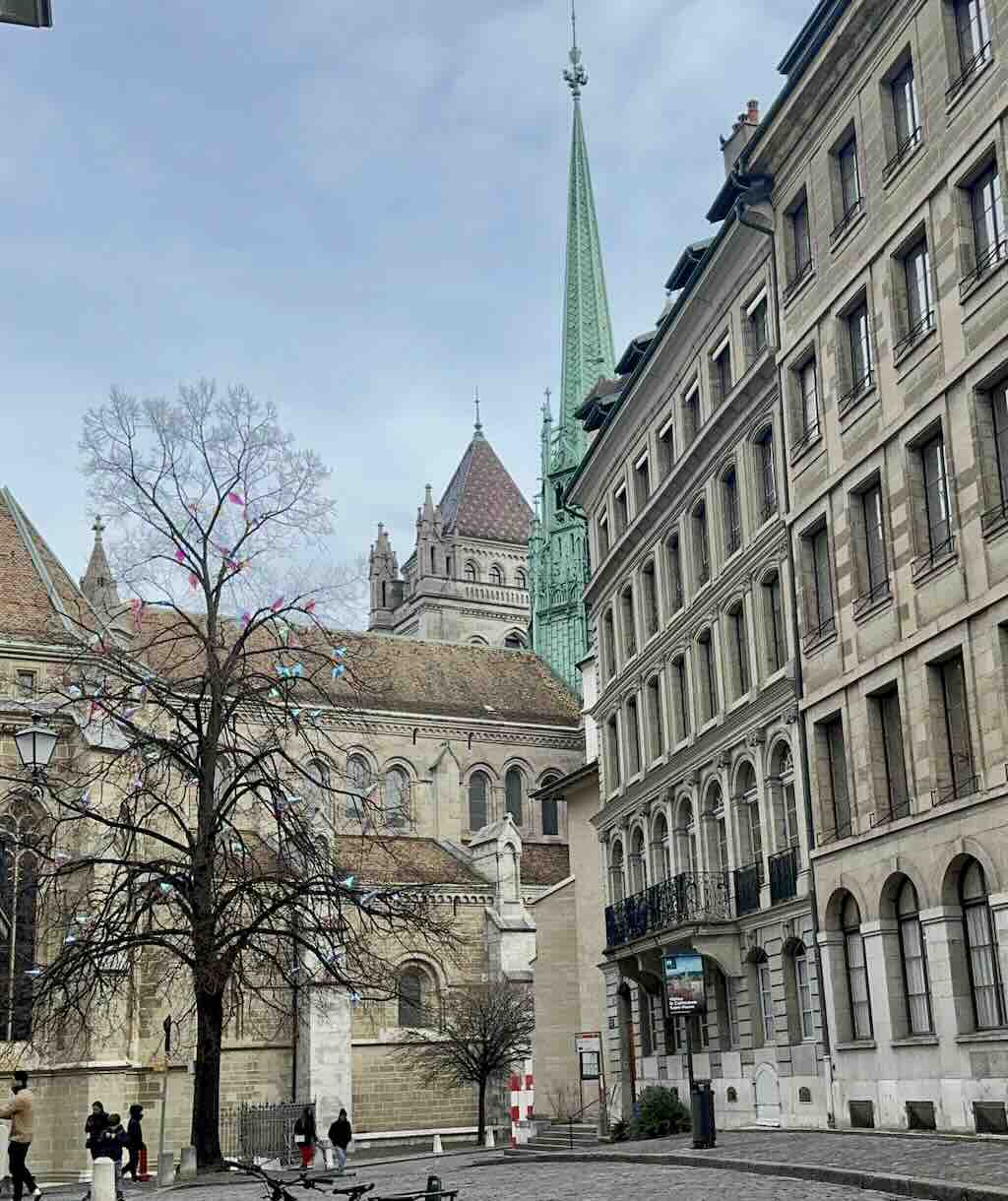
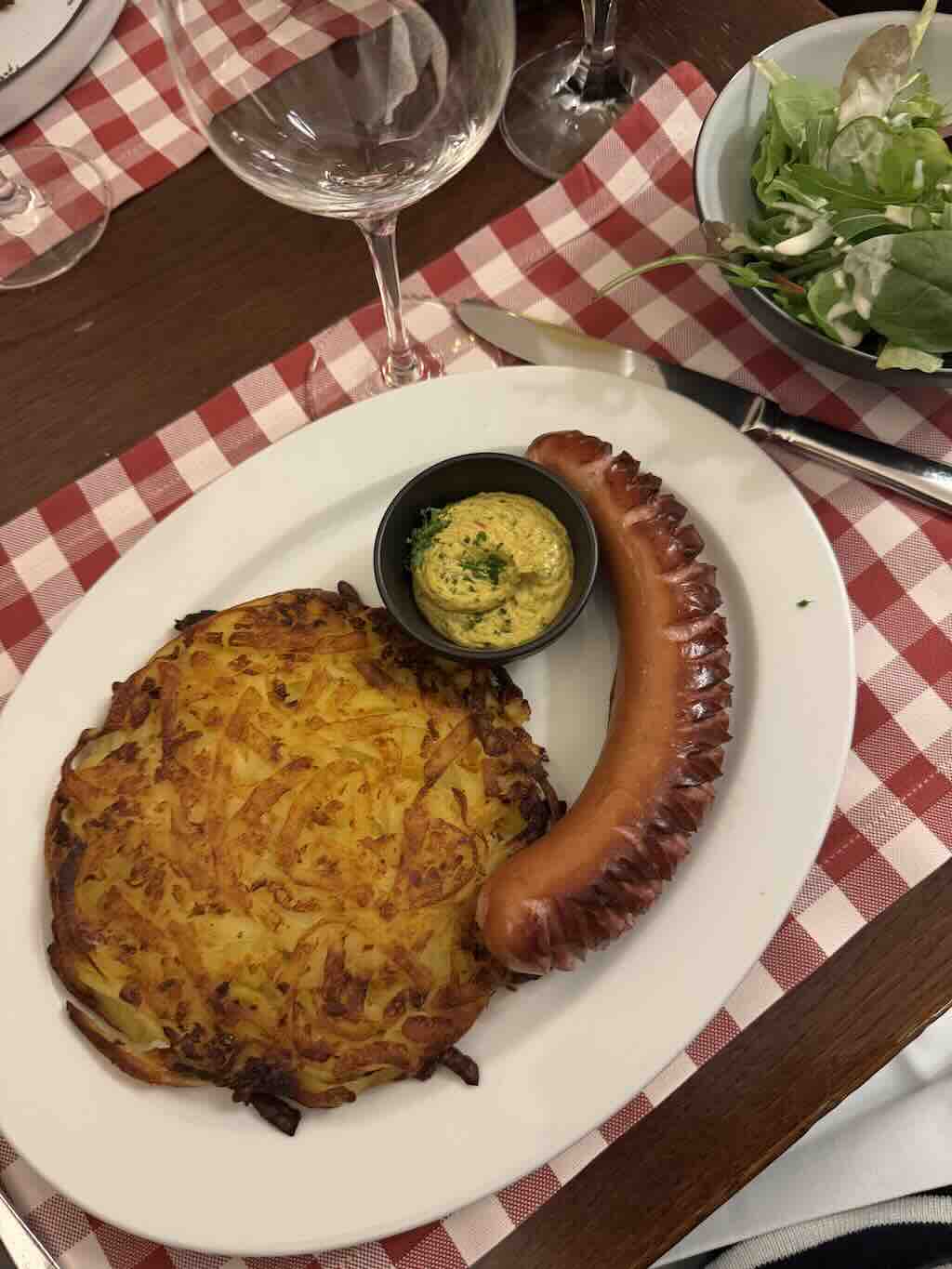
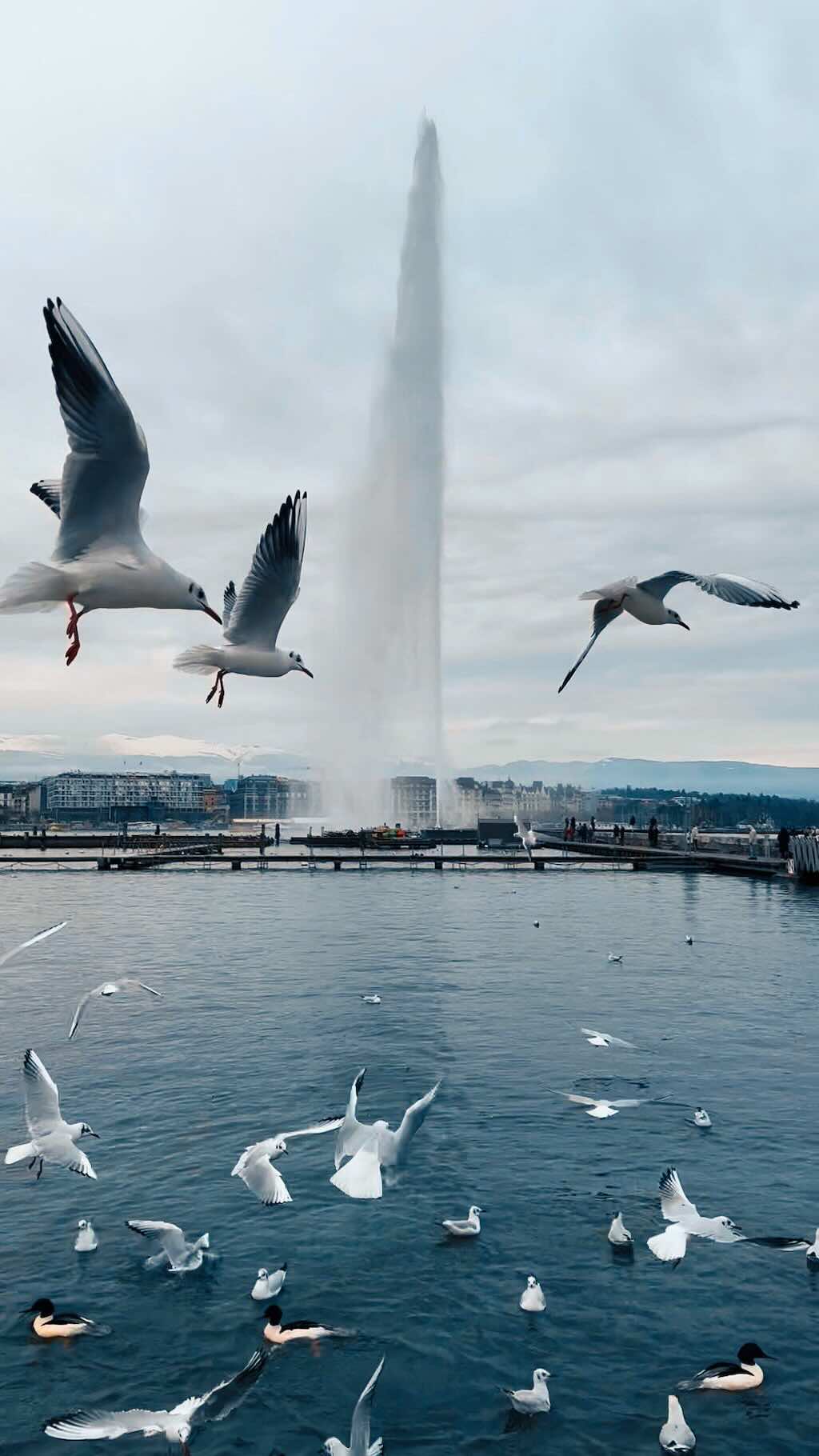
On January 4, 2025, we started in Geneva: a walk through the old town to St Pierre Cathedral, then lunch at Les Armures, just next to it, with a crispy rösti and a sausage. Before leaving, we went down to the lake to see the Jet d’Eau, surrounded by seagulls. In the afternoon, we drove along the lake to Lausanne, about an hour away.
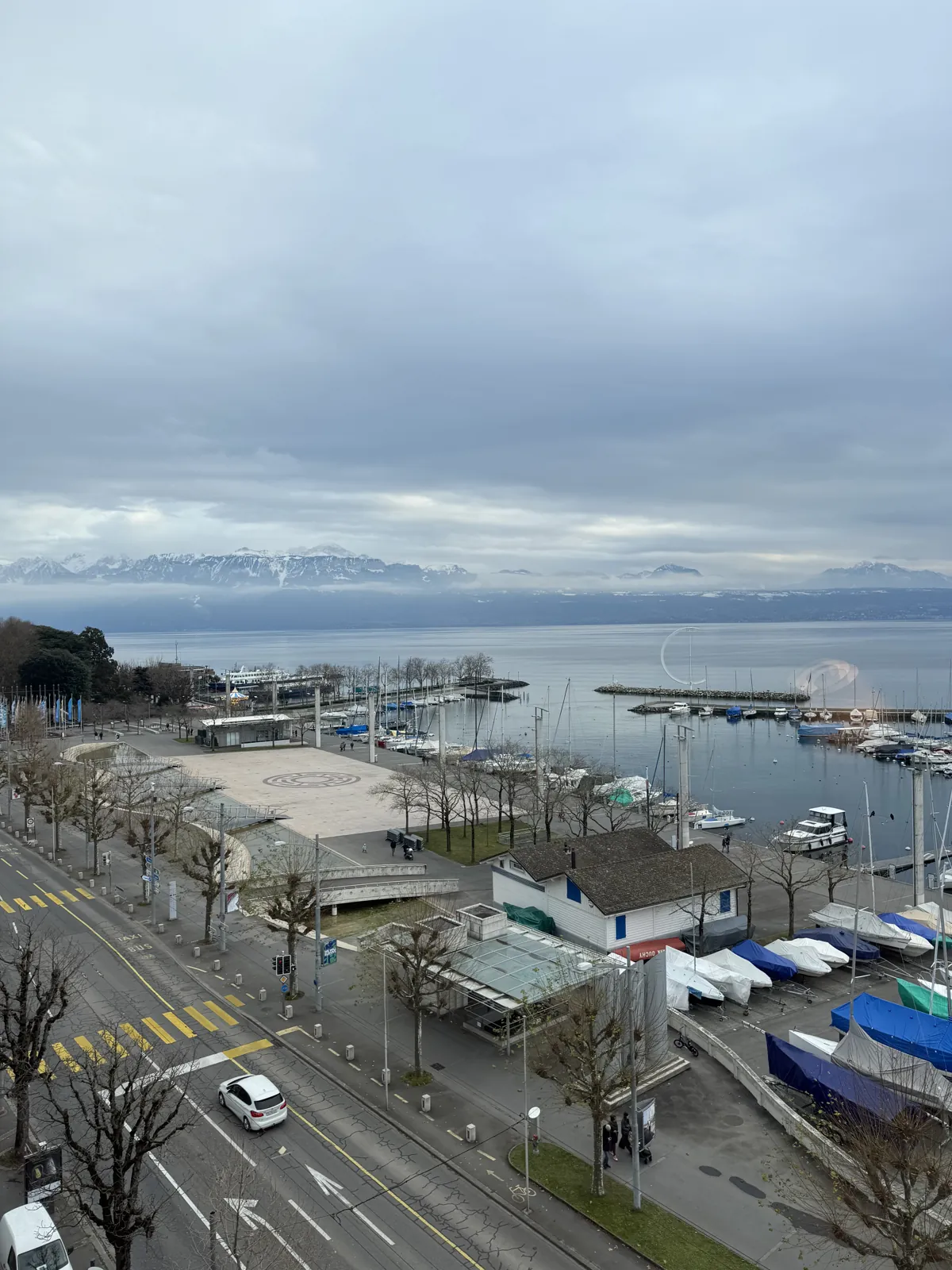
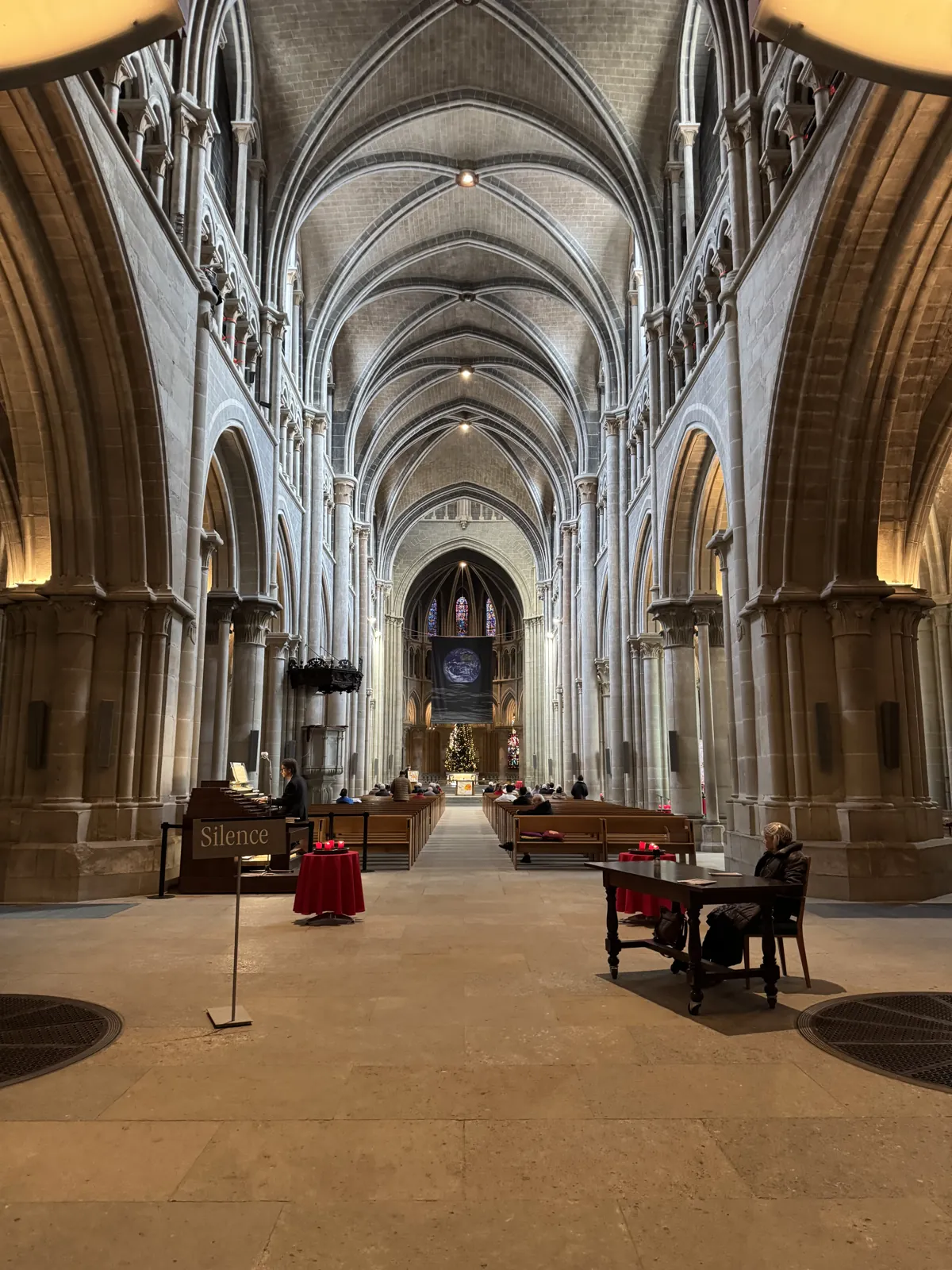
In Lausanne, we stayed at the Mövenpick, in the Ouchy district, right on the lake: from our room, the view over the port and the Alps was superb. In the evening, we walked up to the cathedral, lit up in blue that night, one of the most impressive Gothic buildings in Switzerland.

Day 2: Lausanne Cathedral, Chillon Castle and Basel
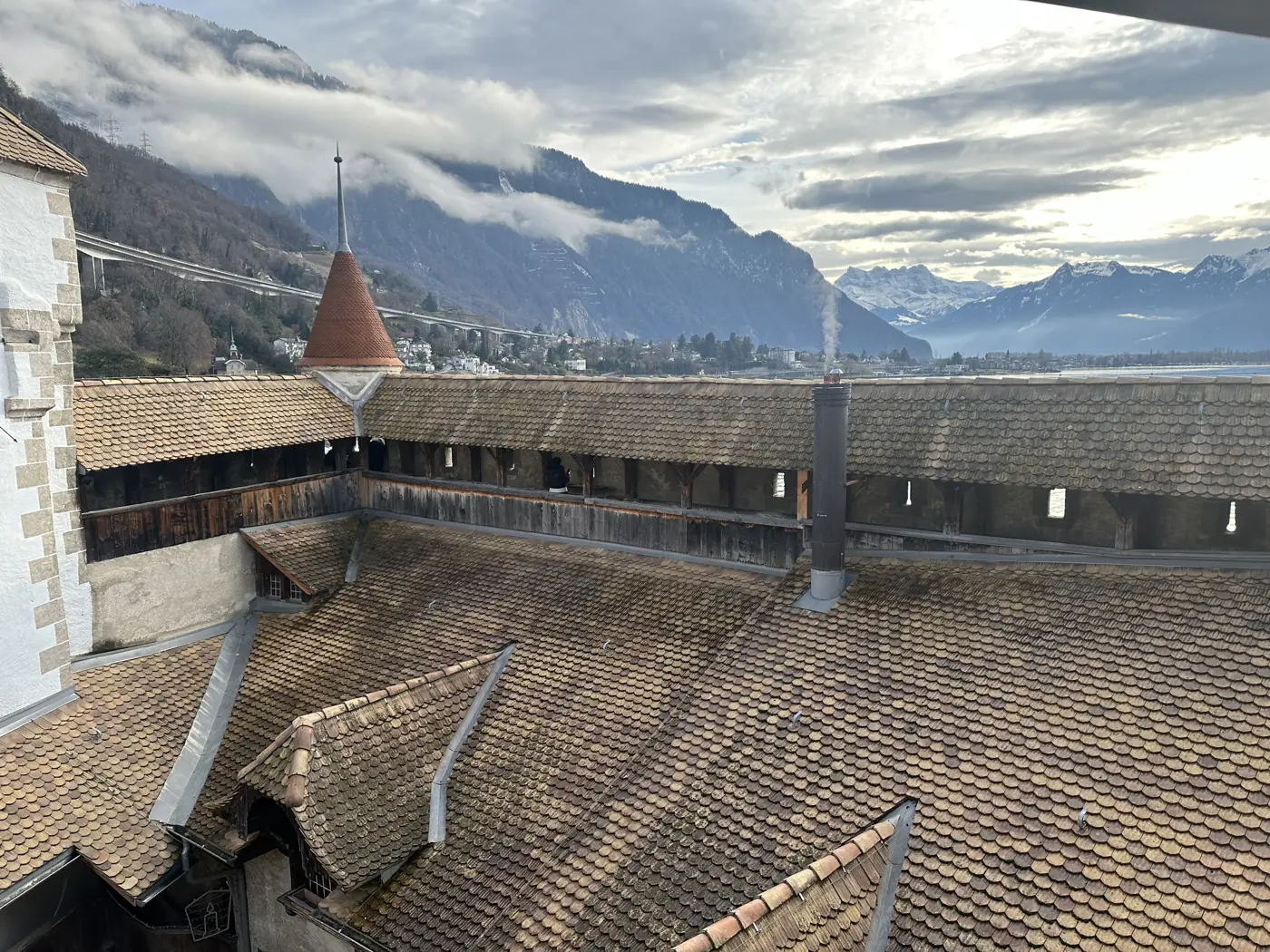
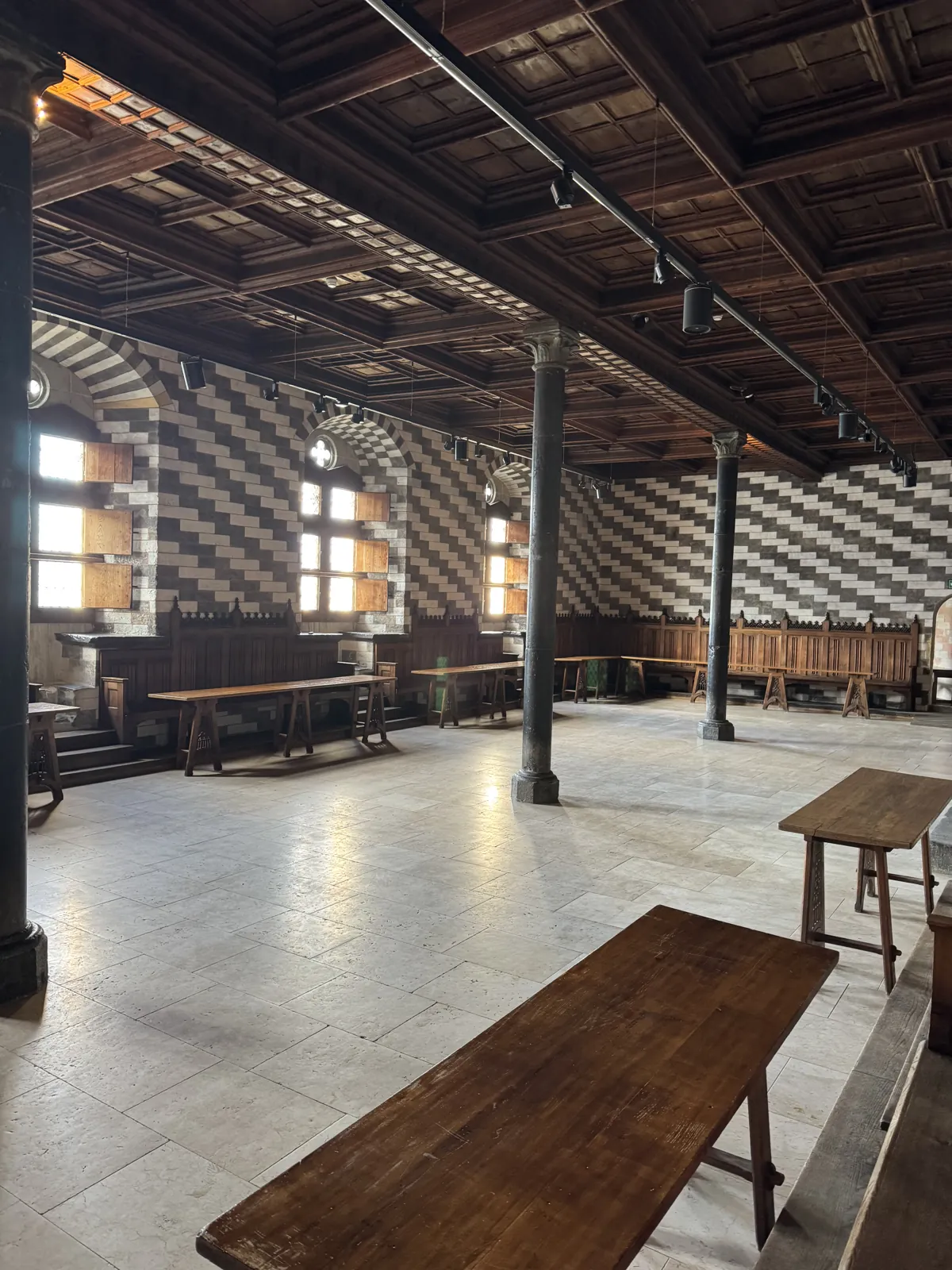
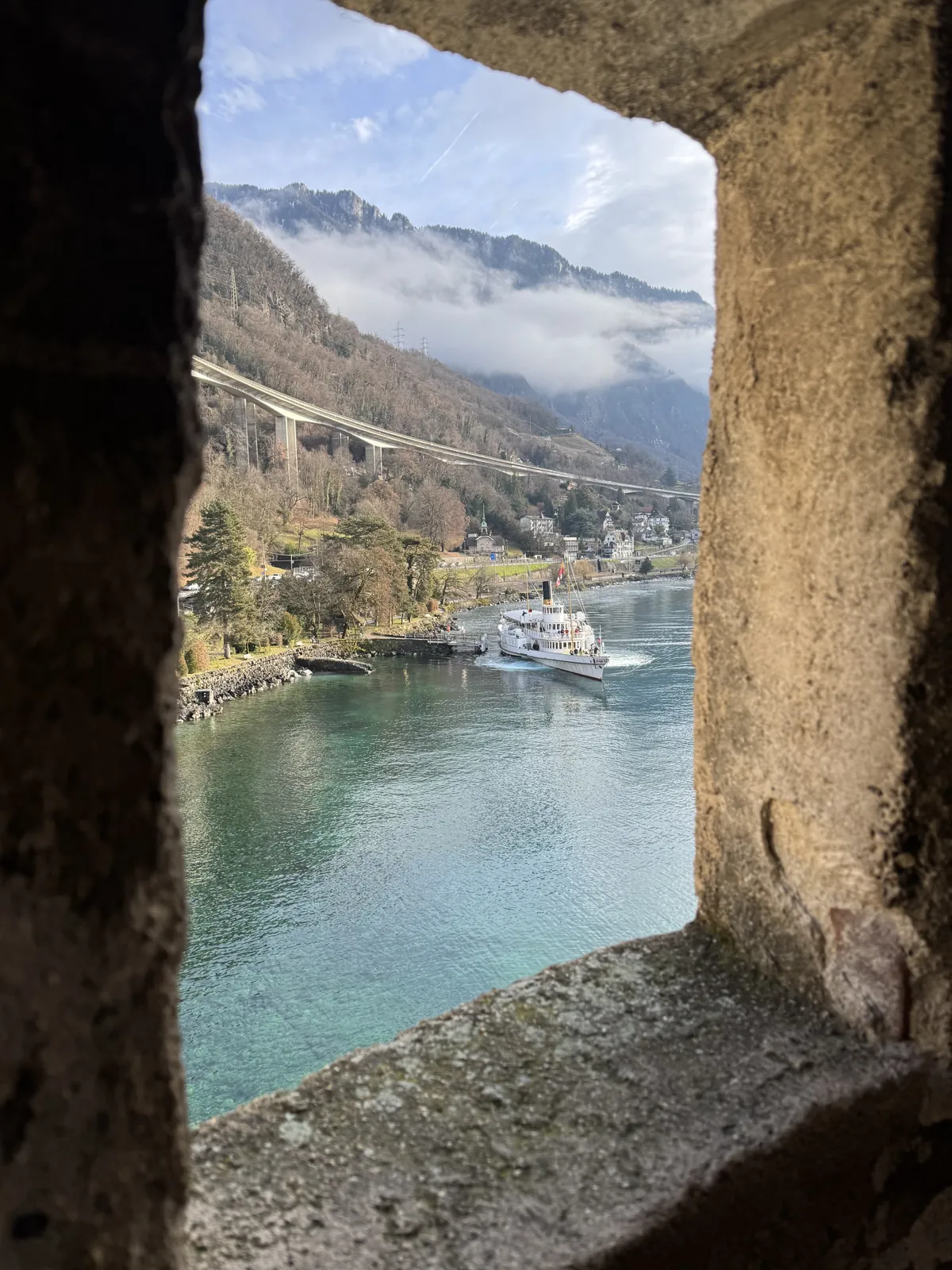
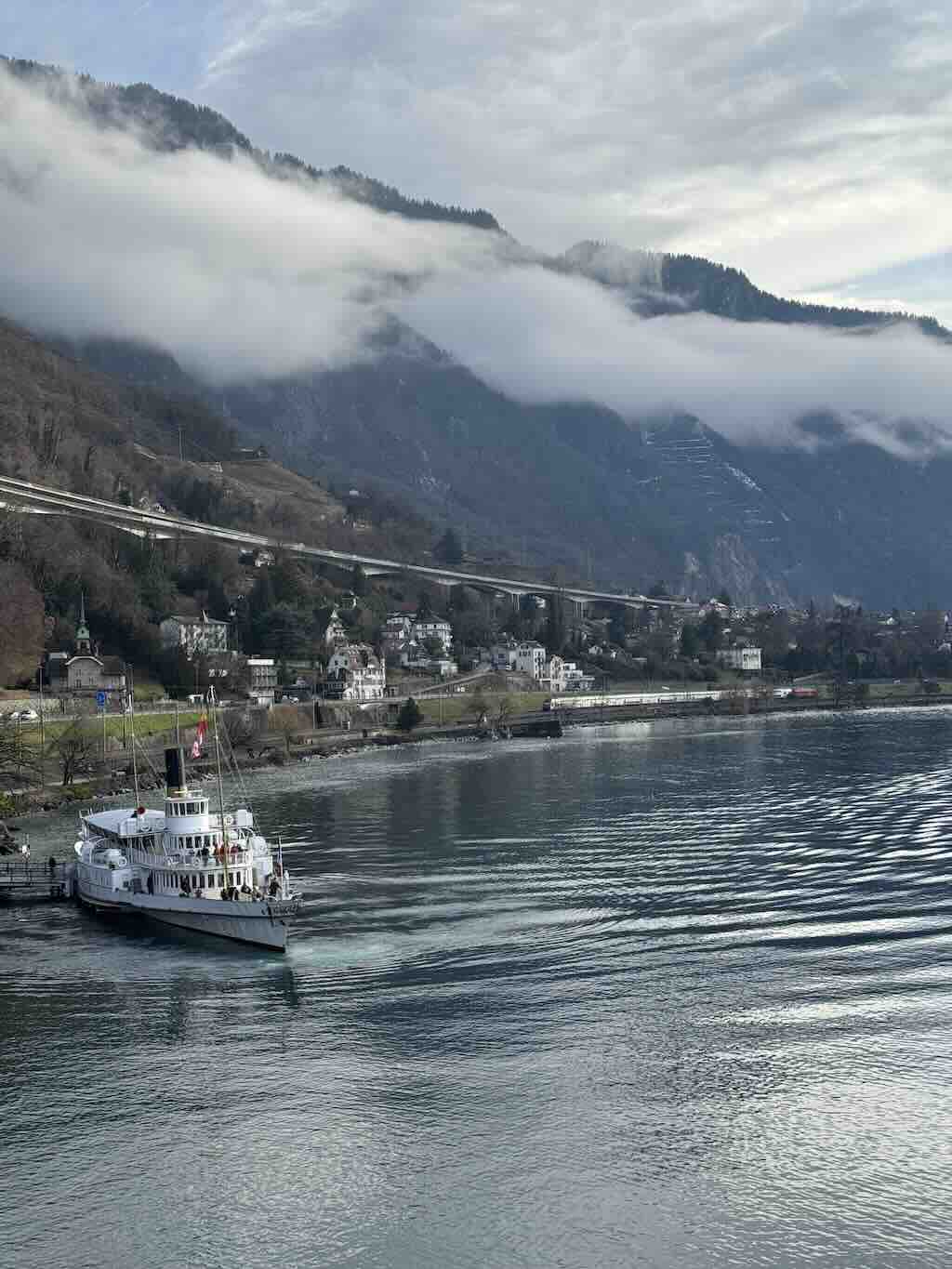
The next morning, we went back to the cathedral to see the nave by daylight, then followed the lake east, past Vevey and Montreux, to Chillon Castle. Built on a rock in the water, it is the most famous castle in Switzerland, and the visit takes you through great halls, chapels, the dungeon where Lord Byron set his Prisoner of Chillon, and up the towers, with views over the lake and the mountains.
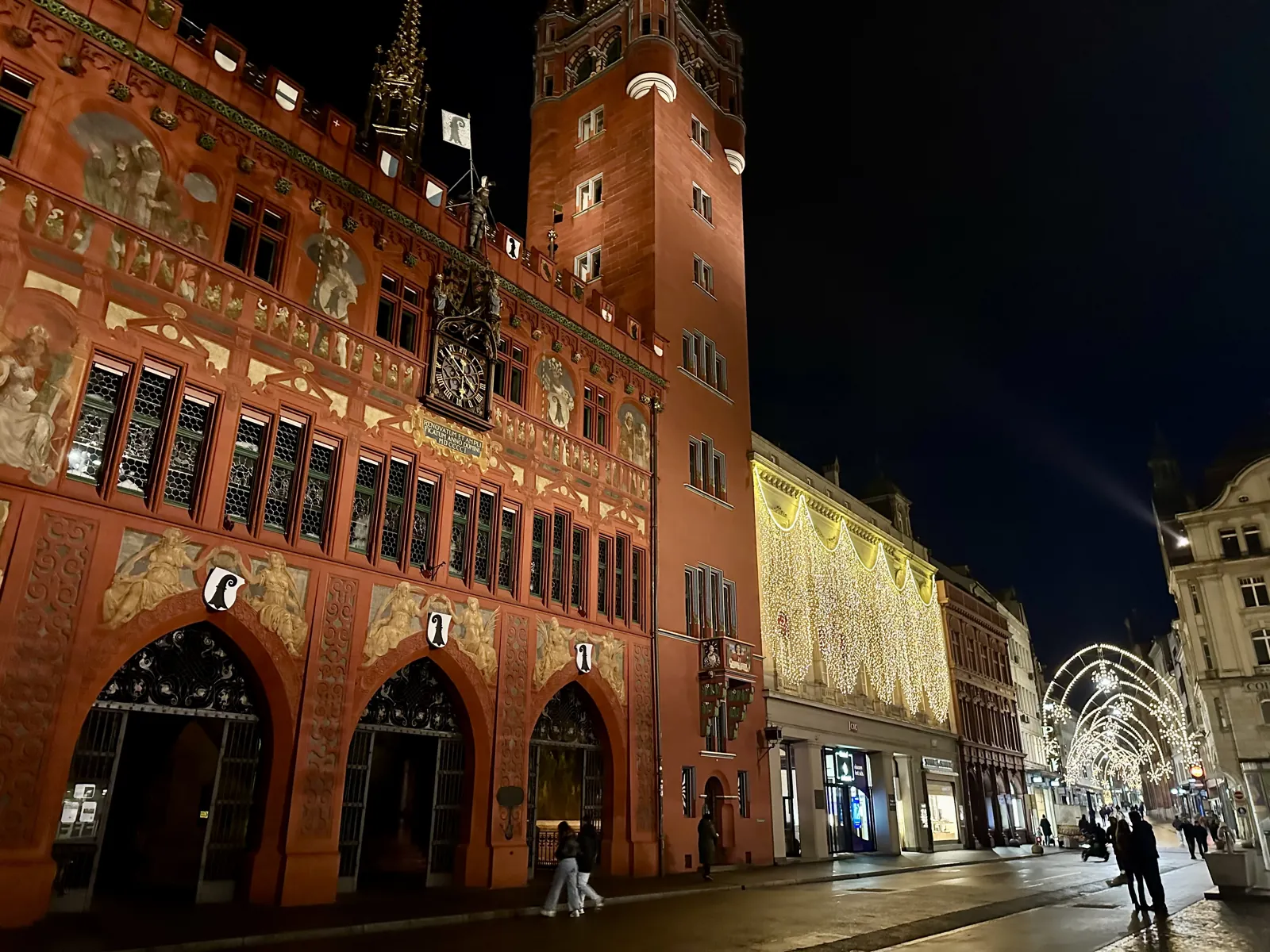
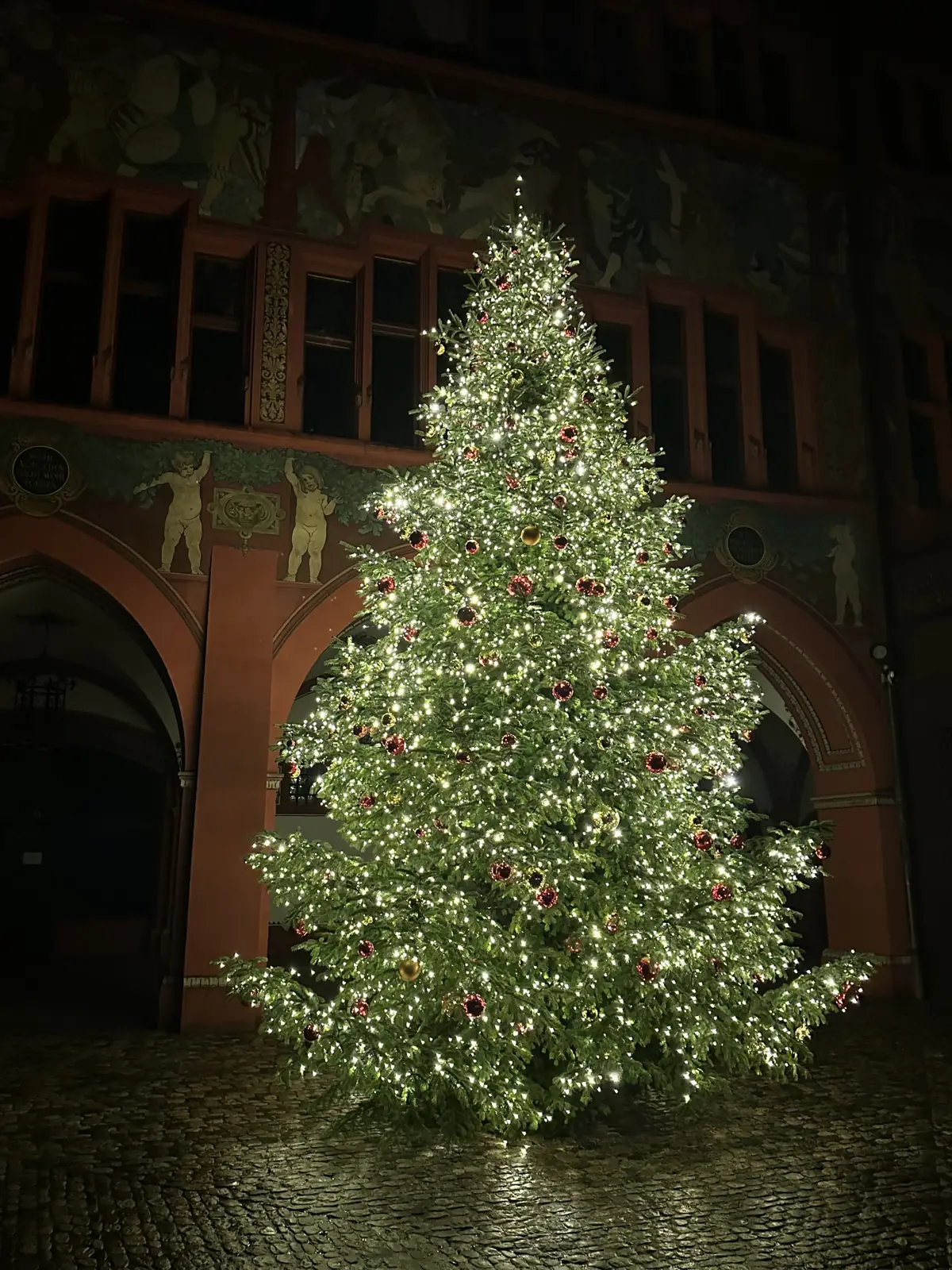
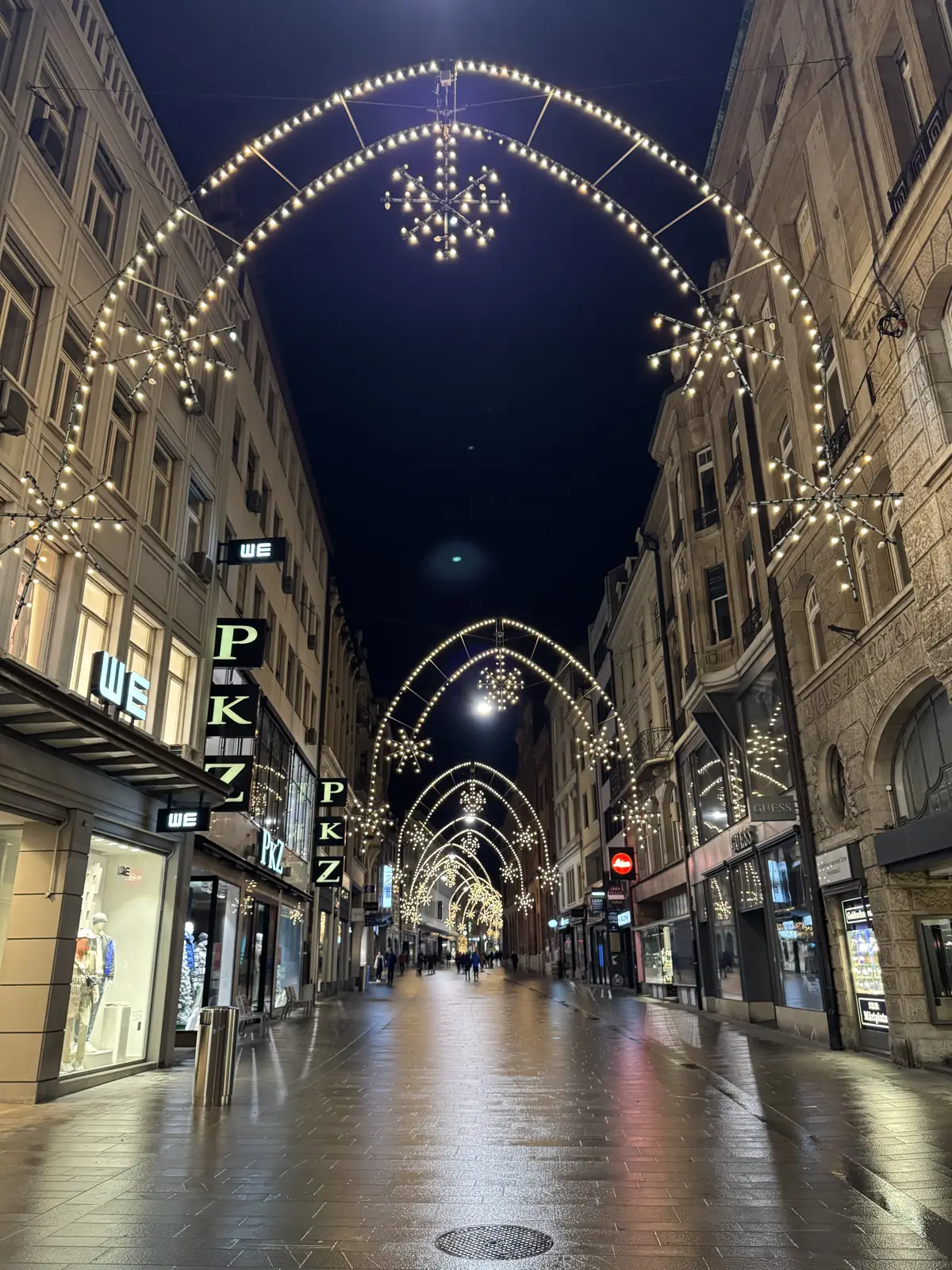
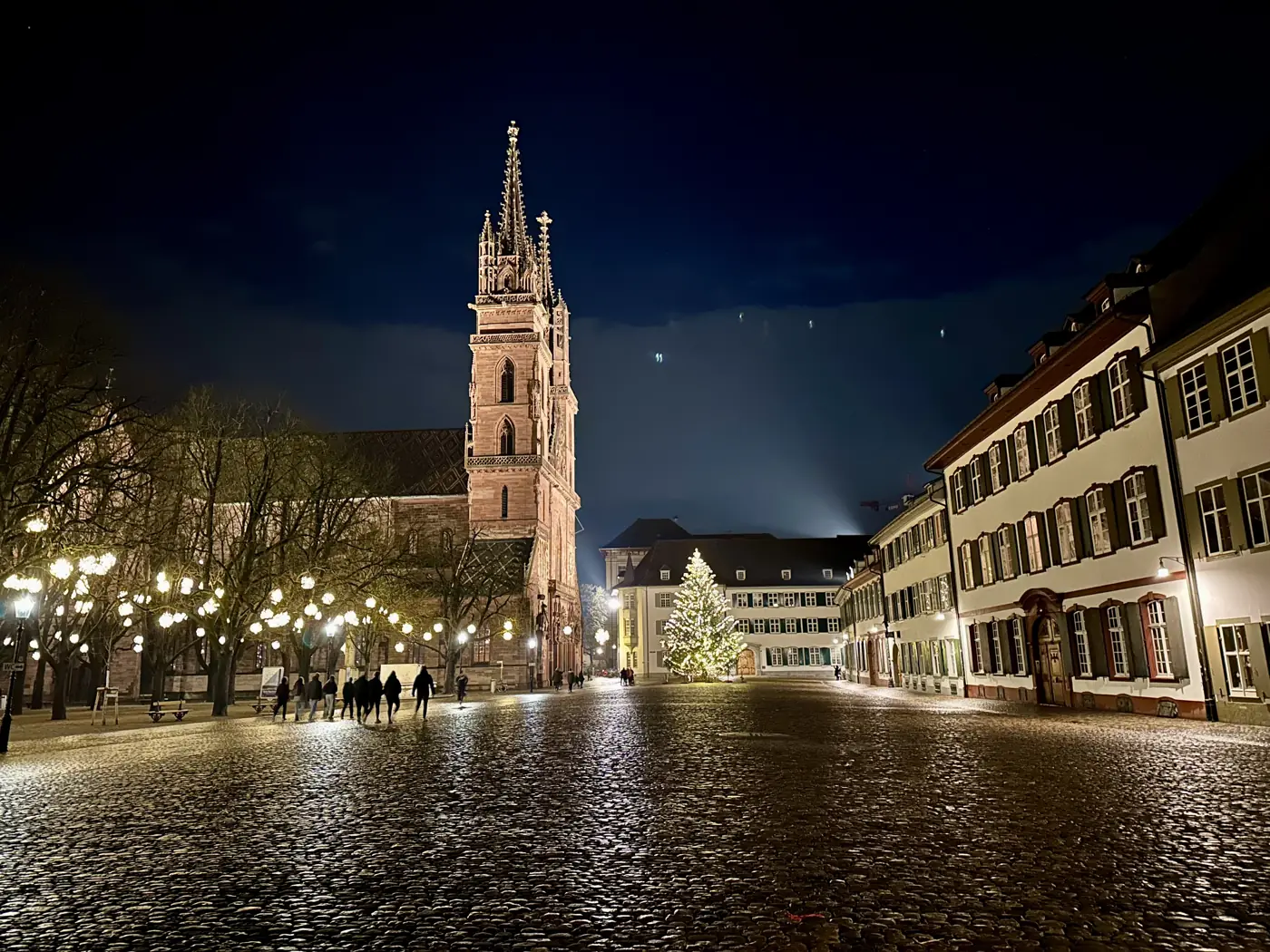
In the afternoon, we drove to Basel, at the other end of the country, and arrived at nightfall. The old town was still decorated for Christmas: the red town hall on the Marktplatz with its huge Christmas tree, the lights of Freie Strasse, and the cathedral on Münsterplatz. We stayed at the Basel Marriott Hotel, which I recommend.
Day 3: Basel and the Three Countries Point
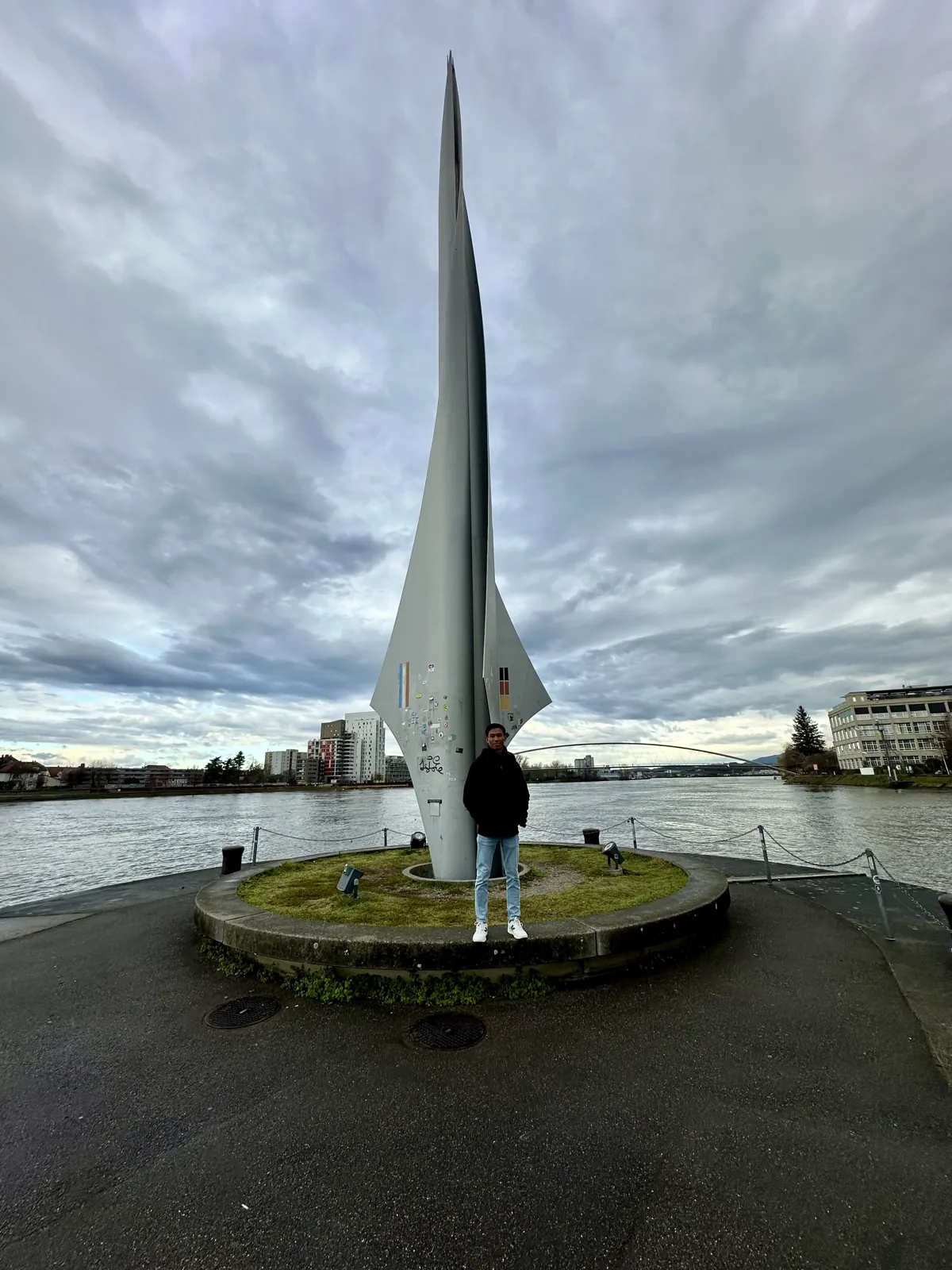
Before heading back to France, we went to the Dreiländereck, the monument on the Rhine where Switzerland, France and Germany meet. A fitting end to a trip that had started in France.
Best Places to Visit in Switzerland
Geneva
Geneva is the most international city in Switzerland, home to the United Nations in Europe and many organisations. Its symbol is the Jet d’Eau, a fountain that shoots water 140 metres above the lake. The old town, around St Pierre Cathedral, is the most pleasant area to walk; you can also visit the Palais des Nations, the Musée d’Art et d’Histoire or the Barbier-Mueller Museum, and take a boat on the lake.
Lausanne
Lausanne climbs steeply from the lake to its cathedral. Ouchy, on the waterfront, is the place to stay and stroll; the Olympic Museum is there too, since the International Olympic Committee is based in Lausanne. Higher up, the old town and the cathedral offer views over the roofs, the lake and the Alps. East of the city, the Lavaux vineyards, listed by UNESCO, run down to the lake in terraces.
Montreux and Chillon Castle
Montreux, on the Swiss Riviera, is known for its jazz festival in July, its lakeside promenade and its Christmas market in winter. Chillon Castle is a few minutes away: if you only have time for one castle in Switzerland, choose this one, and allow about two hours for the visit.

Basel
Basel sits on the Rhine, on the border with France and Germany. The old town is compact: the Marktplatz and its red Rathaus with painted facades, the red sandstone Minster above the river, and pedestrian streets full of shops. Basel is also a city of museums, with the Kunstmuseum and the Fondation Beyeler, and in winter its Christmas market is one of the most beautiful in Europe.
Lake Lucerne and the Gotthard Base Tunnel
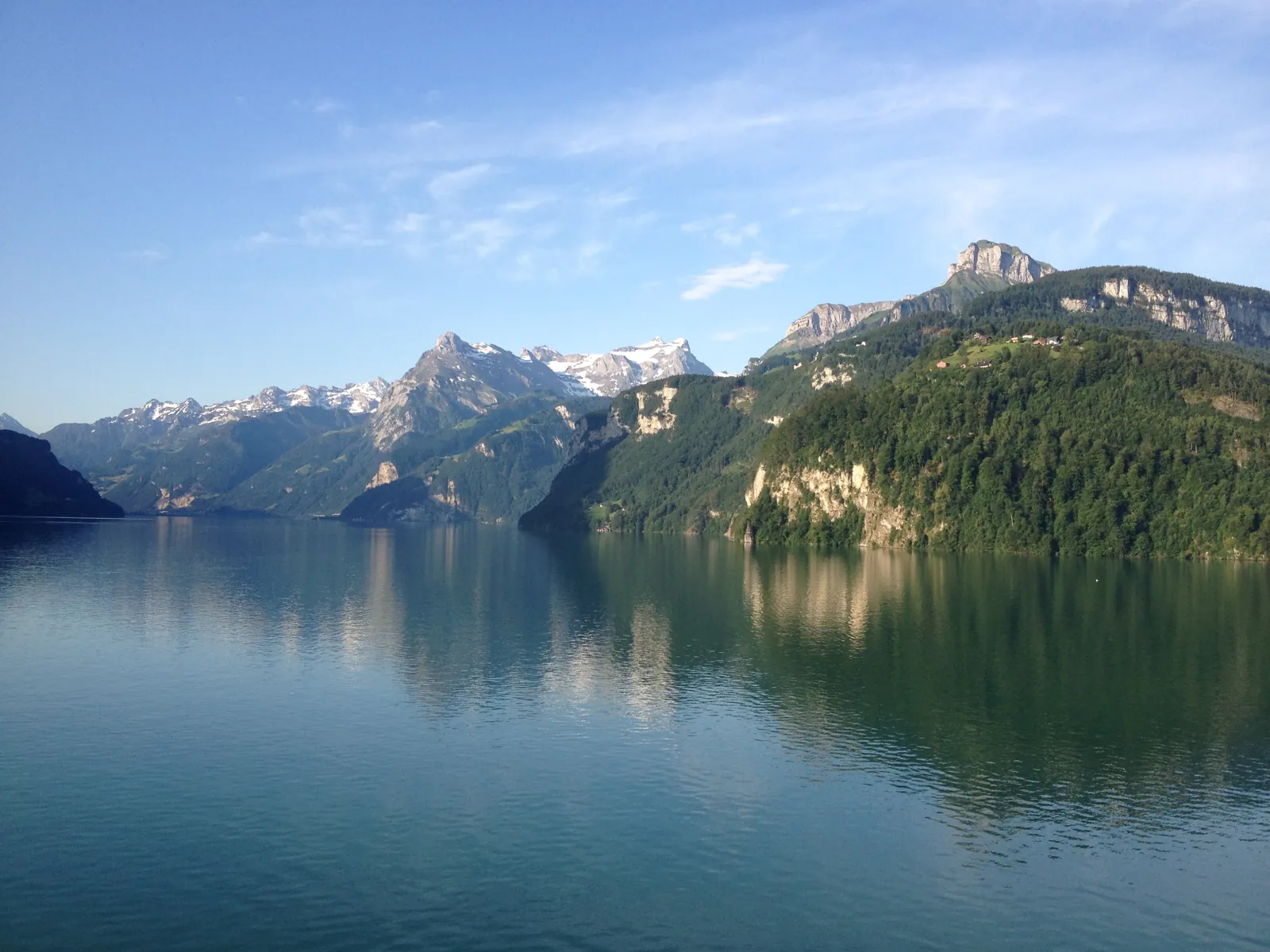
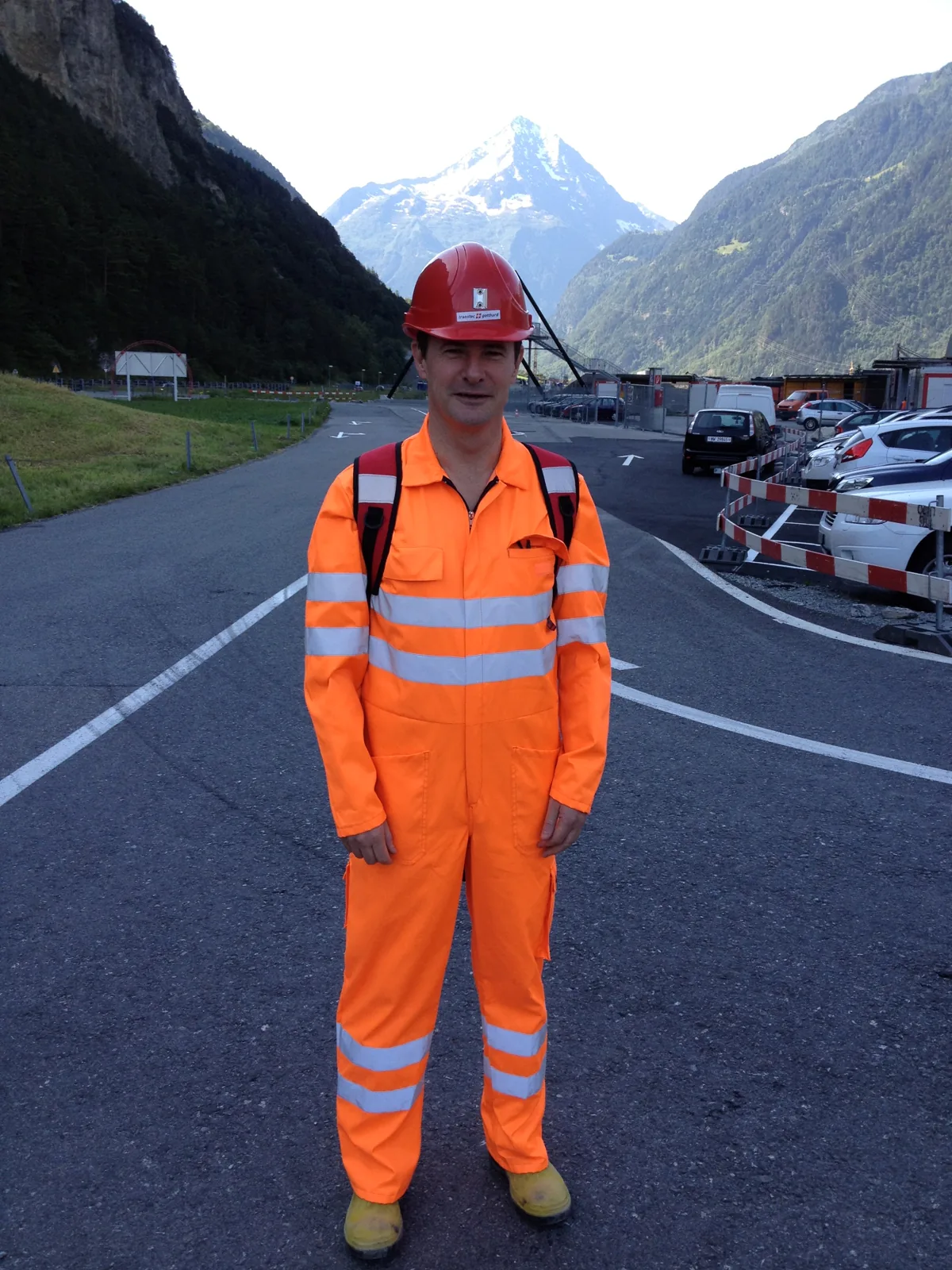
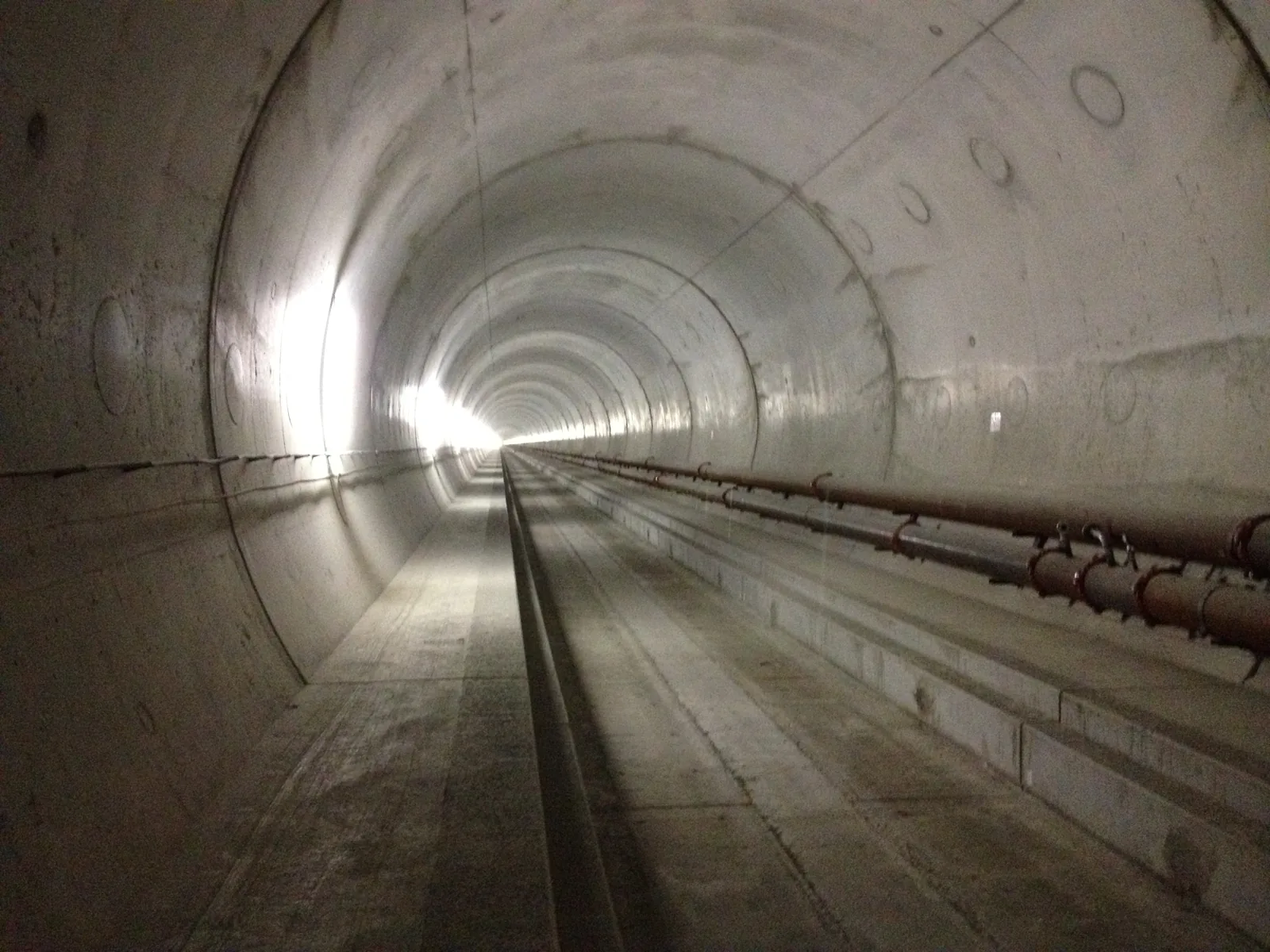
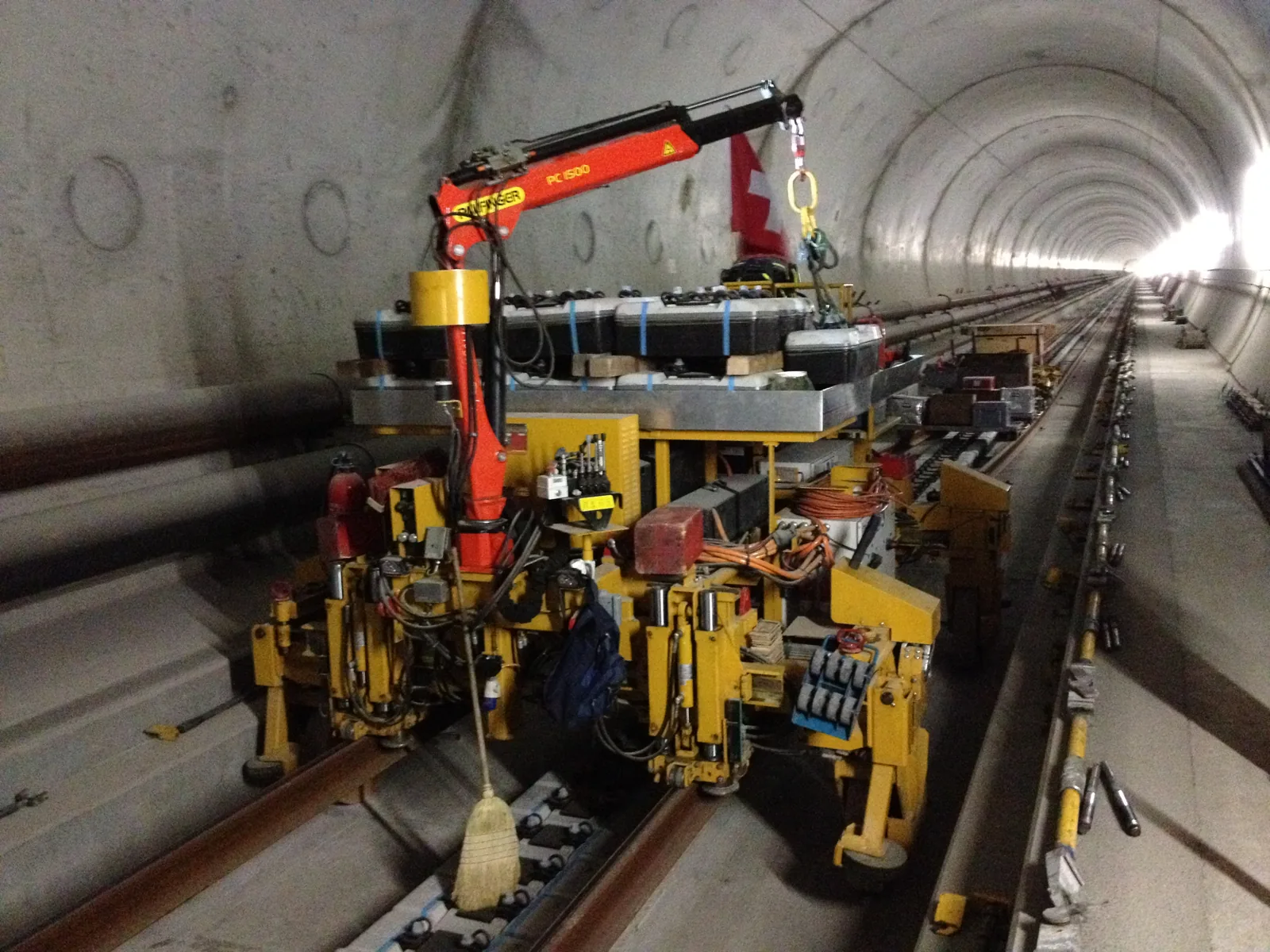
In June 2012, I spent a few days in central Switzerland, on the shores of Lake Lucerne, between steep mountains that drop straight into the water. I was there for work, to visit the construction site of the Gotthard Base Tunnel, at a time when the rails were being laid deep under the Alps, in hard hat and high-visibility overalls. The tunnel, 57 km long, opened in 2016 and is the longest railway tunnel in the world: today, trains between Zurich and Ticino go straight through the mountain.
Zurich
Zurich, the largest city in the country, is a good starting point for central and eastern Switzerland, with its old town on the Limmat, its lake and the Kunsthaus. I have not visited it yet, so I will not recommend specific addresses.
Getting Around Switzerland
- By car: the easiest way to combine Lake Geneva, Chillon and Basel in a few days, as we did. Remember the motorway vignette, and expect expensive parking in the cities.
- By train: Swiss trains are punctual and frequent, and the Swiss Travel Pass gives unlimited travel on trains, buses and boats.
- By boat: paddle steamers link the towns of Lake Geneva and Lake Lucerne in summer.
- From France: Geneva is about an hour from Saint-Gervais and the Chamonix valley; Basel is on the border with Alsace.
Best Time to Visit Switzerland
- December and January: Christmas markets, city lights and snow in the mountains. We had cold but mostly dry weather in early January.
- Spring and summer: the best season for the lakes, hiking and boat trips.
- Autumn: grape harvest in Lavaux and fewer visitors.
Where to Stay in Switzerland
- Lausanne: the Mövenpick Hotel Lausanne, in Ouchy, on the lake, where I stayed and which I recommend for its view. Check prices on Booking.com.
- Basel: the Basel Marriott Hotel, a comfortable base to explore the old town on foot. Check prices on Booking.com.
- Elsewhere: compare hotels in Switzerland on Booking.com.
Switzerland Travel Tips
- Budget: a simple lunch easily costs CHF 25 to 35 per person; plan accordingly.
- Payment: cards are accepted almost everywhere, and euros are often accepted at a less favourable rate.
- Language: French in Geneva and Lausanne, German in Basel; English is widely spoken.
- Opening hours: many shops close early on Saturdays and on Sundays.
FAQ: Visiting Switzerland
How many days do you need in Switzerland?
Three days are enough for Geneva, Lausanne, Chillon and Basel by car, as we did. Allow a week or more to add the Alps, Lake Lucerne or Zurich.
Is Chillon Castle worth visiting?
Yes. It is the most beautiful castle in Switzerland, on a rock in Lake Geneva, and the visit is varied: great halls, chapels, dungeon and towers. Allow about two hours.
Do you need a vignette to drive in Switzerland?
Yes, a motorway vignette is compulsory on Swiss motorways. Cars rented in Switzerland have one; with a car rented in France, buy it at the border or online.
Can you visit the Gotthard Base Tunnel?
Since its opening in 2016, you cross it by train between Zurich and Ticino. I visited it in 2012, during construction, for professional reasons.
Conclusion
From the Jet d’Eau of Geneva to the Christmas lights of Basel, via Lausanne and Chillon, Switzerland is easy to explore in a few days, and perfect to combine with the French Alps. Discover my guide to France and all my destinations in Europe.