Loire Valley Castles: My 4-Day Road Trip From Paris
By Blaise Jaeger · Updated October 29, 2026
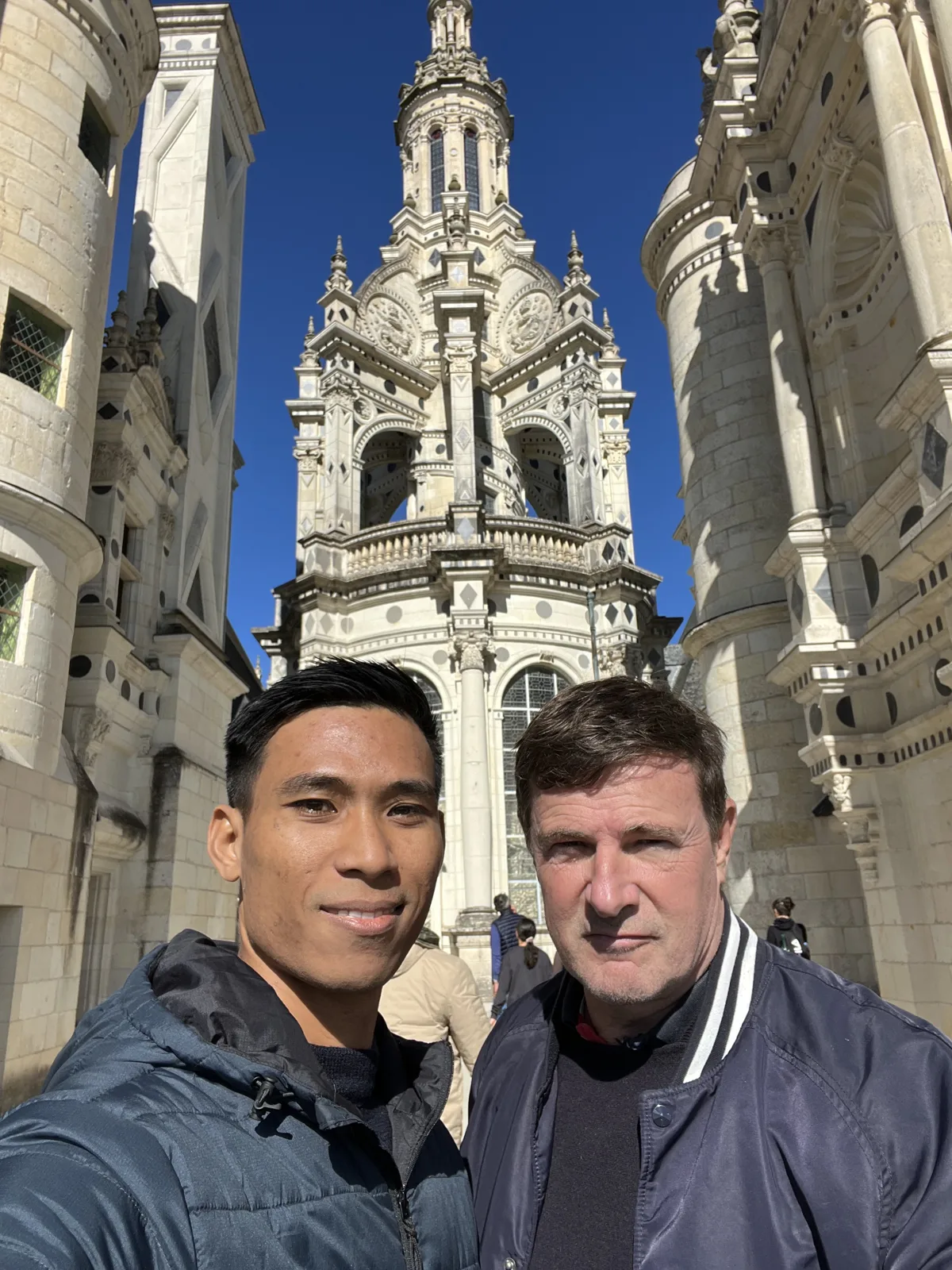
The Loire Valley is the easiest great escape from Paris: two hours down the A10 and you are in the land of the Renaissance kings. I have been there many times. In October 2019 I spent a weekend at Chambord for the opening of an exhibition by the Japanese sculptor Susumu Shingu, and in September 2022 I drove a four-day loop with my friend Roy, from a ruined medieval fortress to Leonardo da Vinci’s last home. This guide follows that road trip: the castles I recommend, in the order we visited them, where we slept, and what I would do differently.
Loire Valley Castles at a Glance
- My favorite: Chambord, the most extravagant château of the Renaissance.
- The most elegant: Chenonceau, built across the river Cher.
- The best evening: the sound and light show in the courtyard of the Château de Blois.
- For gardens and contemporary art: Chaumont-sur-Loire.
- For Leonardo da Vinci: Amboise, where he is buried, and the Clos Lucé, where he lived his last three years.
- How long: four days by car is ideal; one day from Paris is possible, but you will only see one or two castles.
- When: from April to October, when the gardens are in bloom and the sound and light show runs every evening.
My 4-Day Loire Valley Itinerary by Car
We rented a car in Paris and drove a loop of about 600 km. The castles are 20 to 40 minutes apart, so you can easily see two big ones a day without rushing.
- Day 1: Paris to Yèvre-le-Châtel, a medieval fortress in ruins, about 1 h 30 from Paris. Night in the village.
- Day 2: Chambord in the morning, the Château de Blois in the afternoon, and the sound and light show in the evening. Night at the Château de la Rozelle, near Blois.
- Day 3: Chaumont-sur-Loire in the morning, Chenonceau in the afternoon, a wine tasting in a cave on the way to Amboise. Night at the Château de Nazelles, above Amboise.
- Day 4: the Château d’Amboise and the Clos Lucé, then back to Paris, about 2 h 30 by the A10.
Day 1: Yèvre-le-Châtel, a Medieval Fortress on the Way
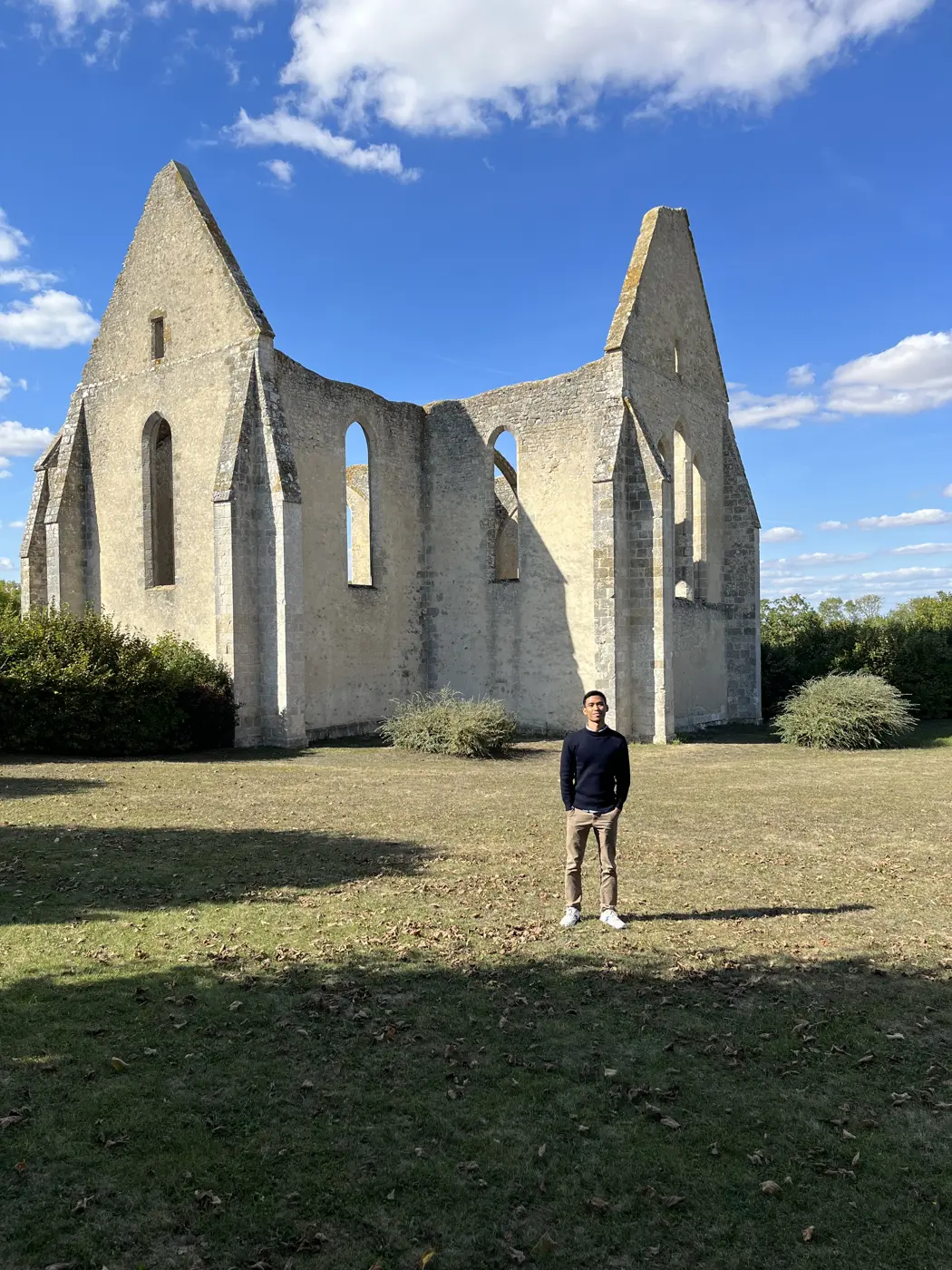
We started with a castle that is not on most lists. Yèvre-le-Châtel, in the Loiret, is the only village of the department classified among the “Most Beautiful Villages of France.” Its 13th-century fortress is in ruins, but you can walk along the ramparts, with views over the plains of the Beauce, and go down a narrow underground staircase. Just outside the walls stand the roofless Gothic walls of the Saint-Lubin church. This village also matters to me for another reason: the painters Vieira da Silva and Arpad Szenes, whom I visited with my father as a child, are buried in its cemetery.
Day 2: Chambord, My Favorite Loire Castle
Chambord is my favorite, and the one castle I would not skip. François I started building it in 1519 as a hunting lodge, and it became the most extravagant château of the French Renaissance: 426 rooms, 282 fireplaces, 77 staircases and a forest of chimneys and turrets on the roof. The estate around it, 5,440 hectares enclosed by 32 km of walls, is the largest enclosed park in Europe.
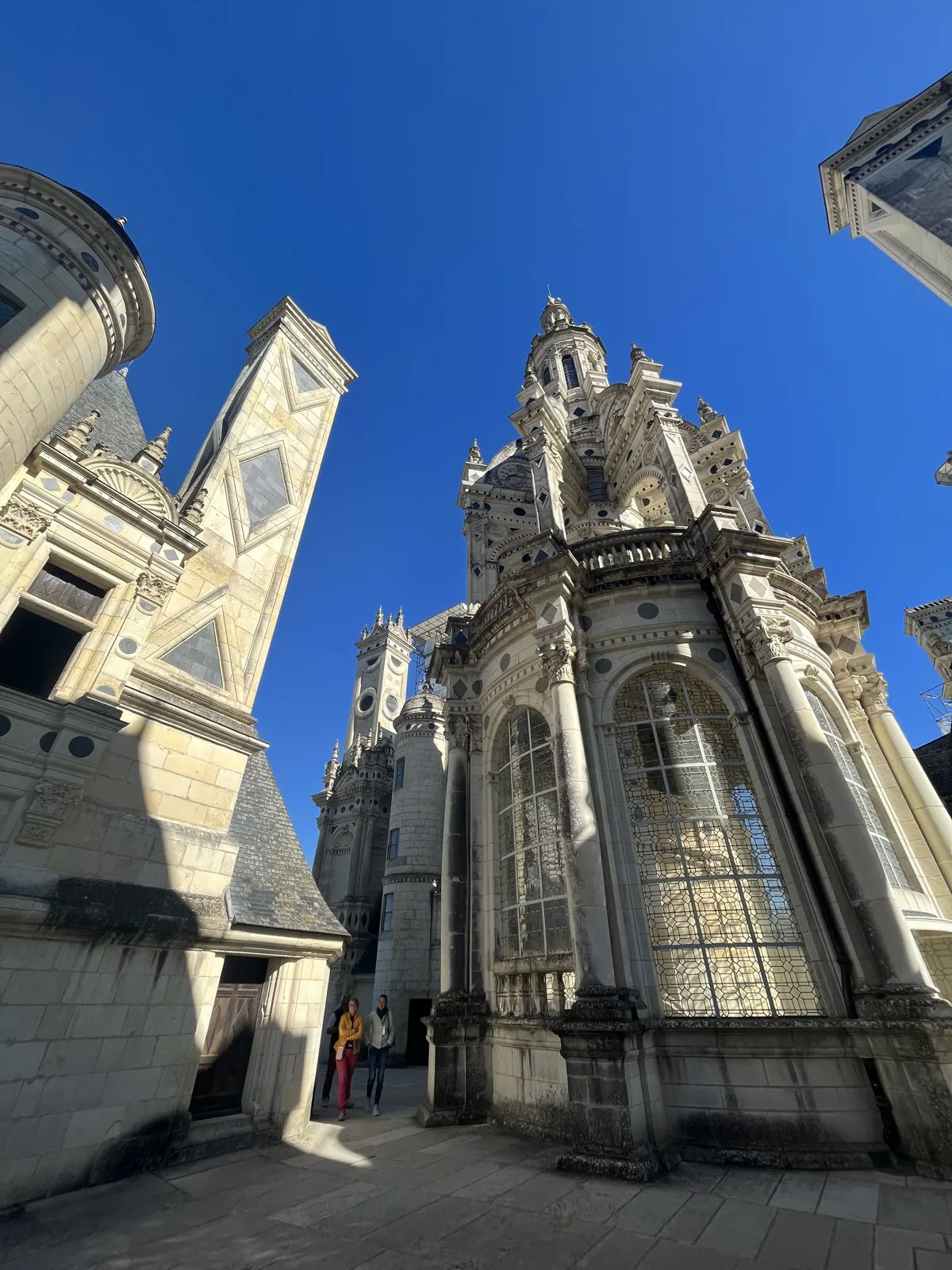
At the center is the famous double-helix staircase: two spiral ramps wind around each other, so two people can go up and down at the same time and see each other without ever meeting. It is said to be inspired by Leonardo da Vinci’s sketches; Leonardo died in May 1519, a few months before work began. Do not miss the roof terraces: walking among the chimneys is the best moment of the visit.
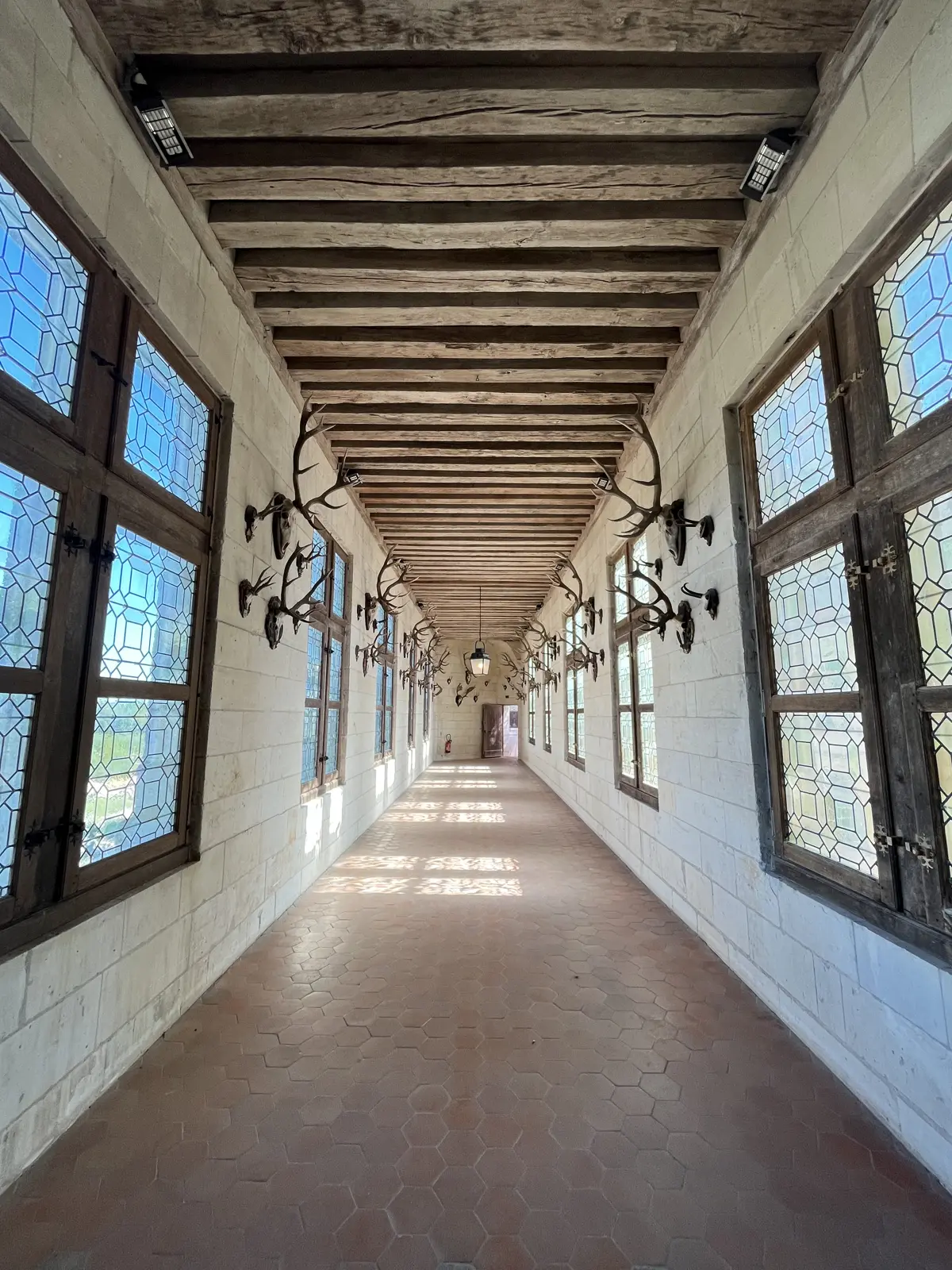
Chambord in 2019: Susumu Shingu’s Wind Sculptures
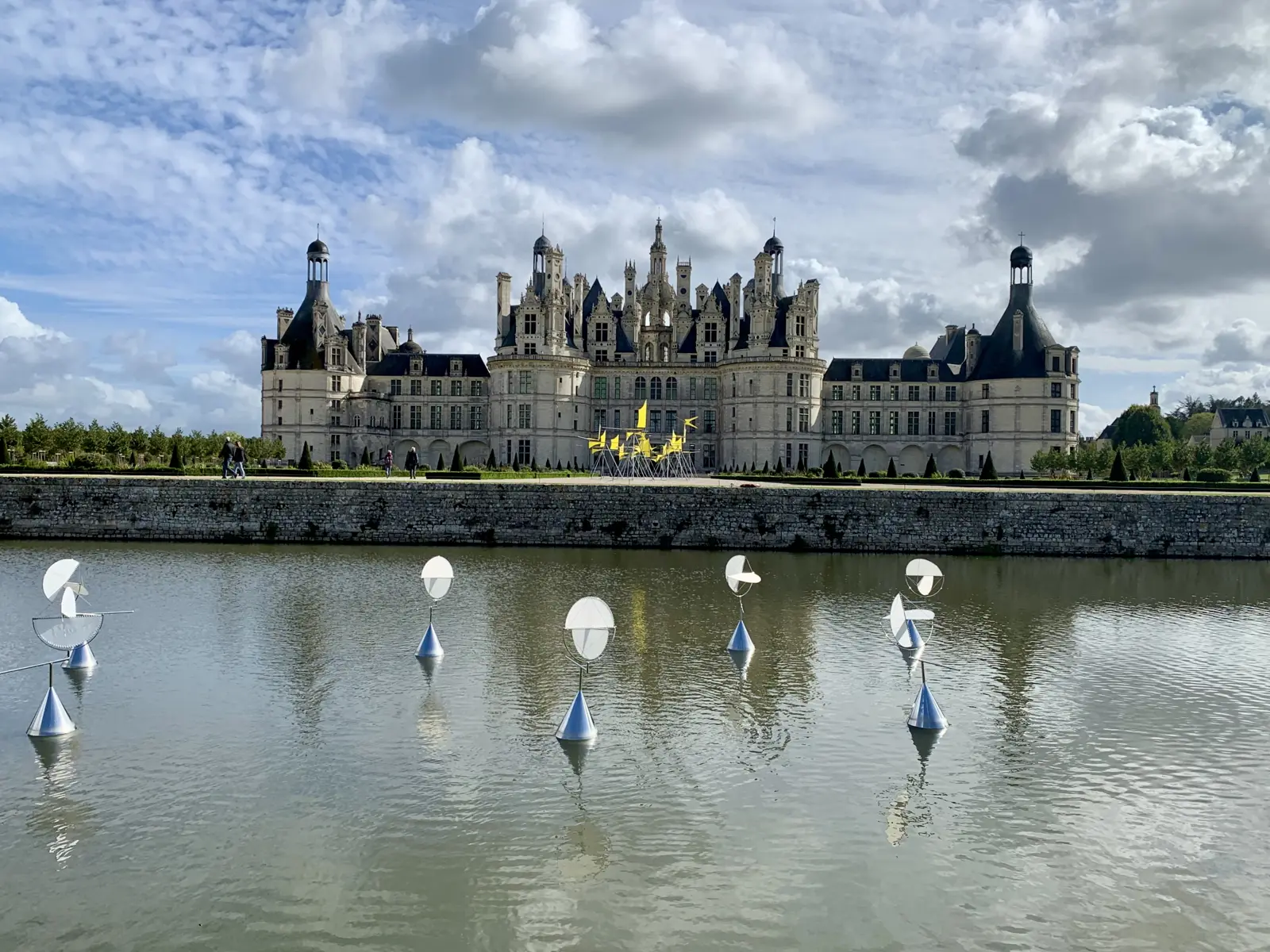
In October 2019, for the 500th anniversary of Chambord, the Japanese artist Susumu Shingu exhibited his wind sculptures there, with the support of Galerie Jeanne Bucher Jaeger, my family’s gallery (I tell its story in my guide to my favorite museums in Paris). His white sails turned on the canal and his yellow sculptures danced in the courtyard. I spent the opening weekend there, with a Japanese bunraku puppet show and a dinner in the château, and I met the artist and his wife.

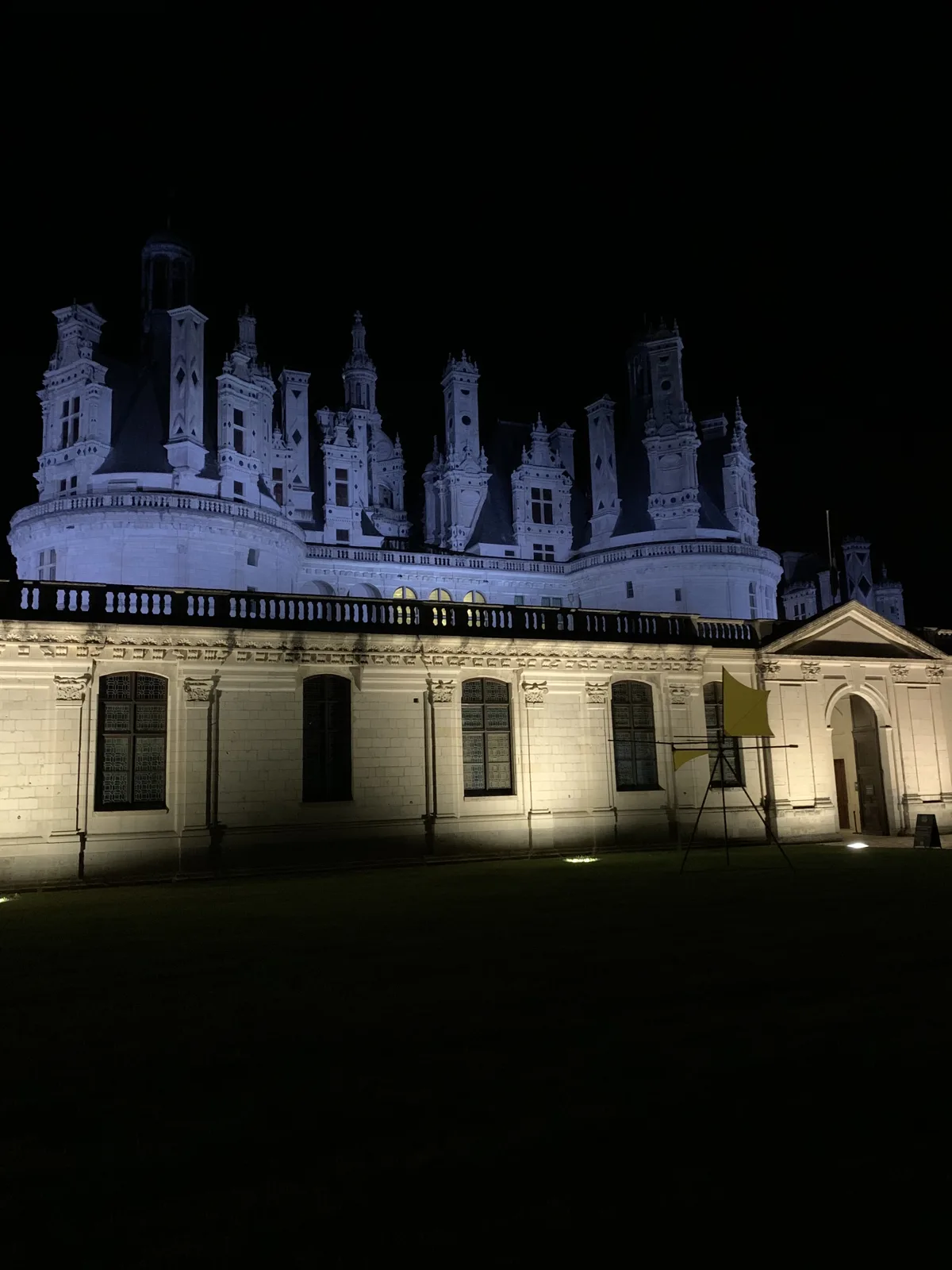
Good to know: since 2026, Chambord charges €21 for visitors from the European Economic Area and €31 for everyone else; it is free for under-18s. Parking costs €8 a day. It is open every day, from 9 a.m. to 6 p.m. in high season.
Day 2: The Château de Blois and Its Sound and Light Show
Blois, 20 minutes from Chambord, is a history lesson in one courtyard: four wings in four styles, from the medieval fortress to the classical wing of Gaston d’Orléans, by way of the Gothic wing of Louis XII and the Renaissance wing of François I, with its famous open spiral staircase. Seven kings and ten queens lived here, and the Duke of Guise was assassinated here in 1588 on the orders of Henri III.
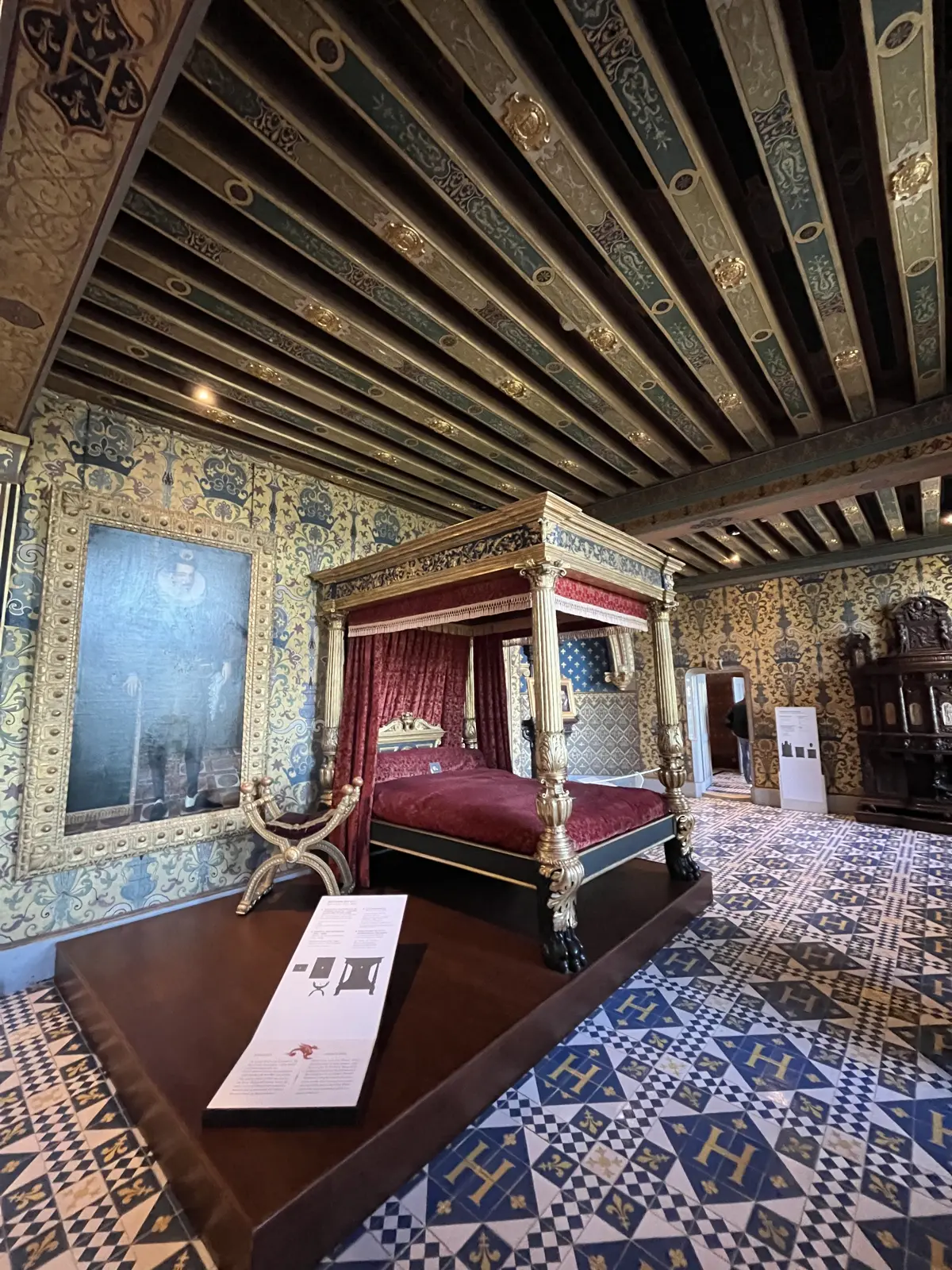
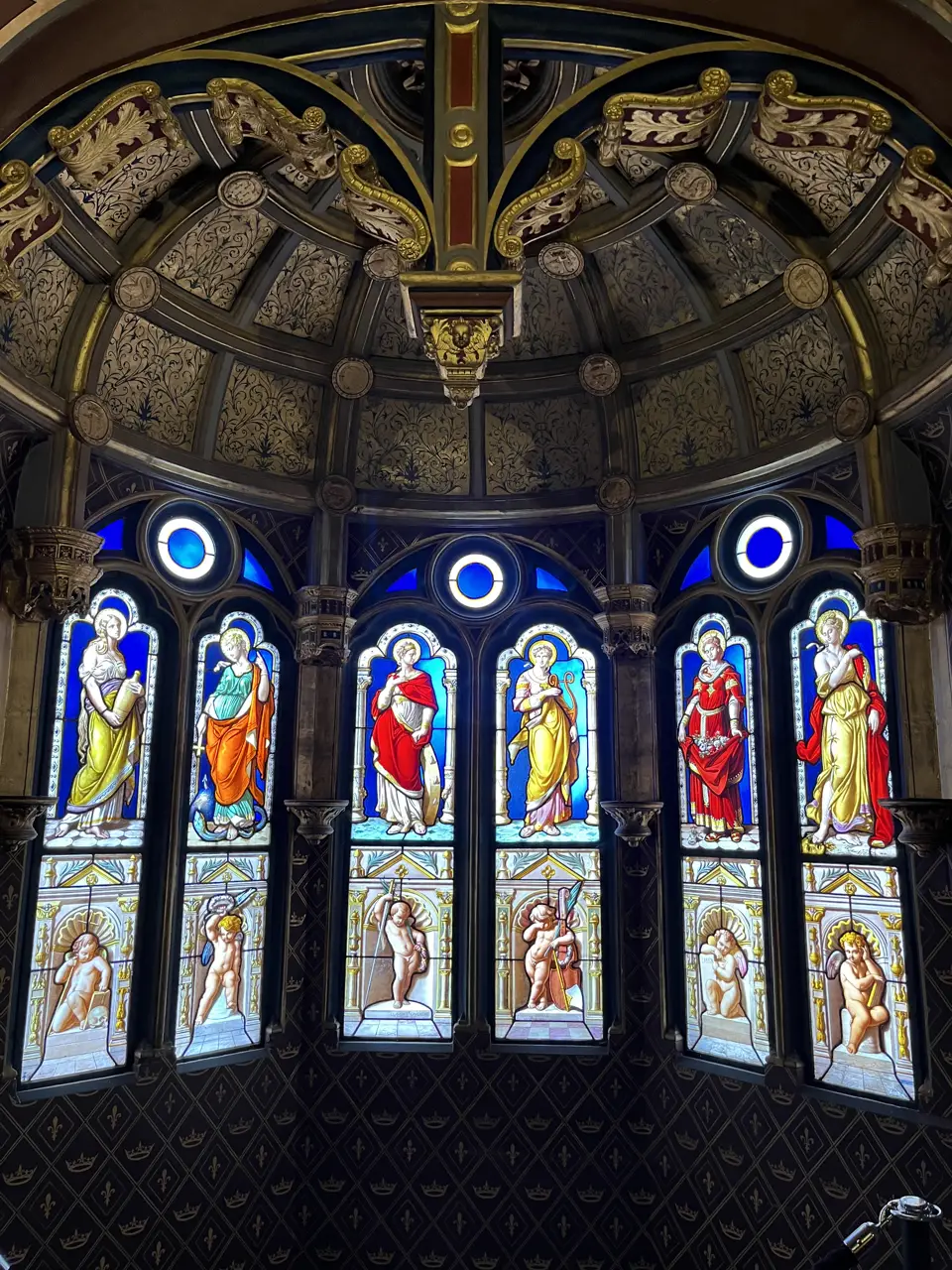
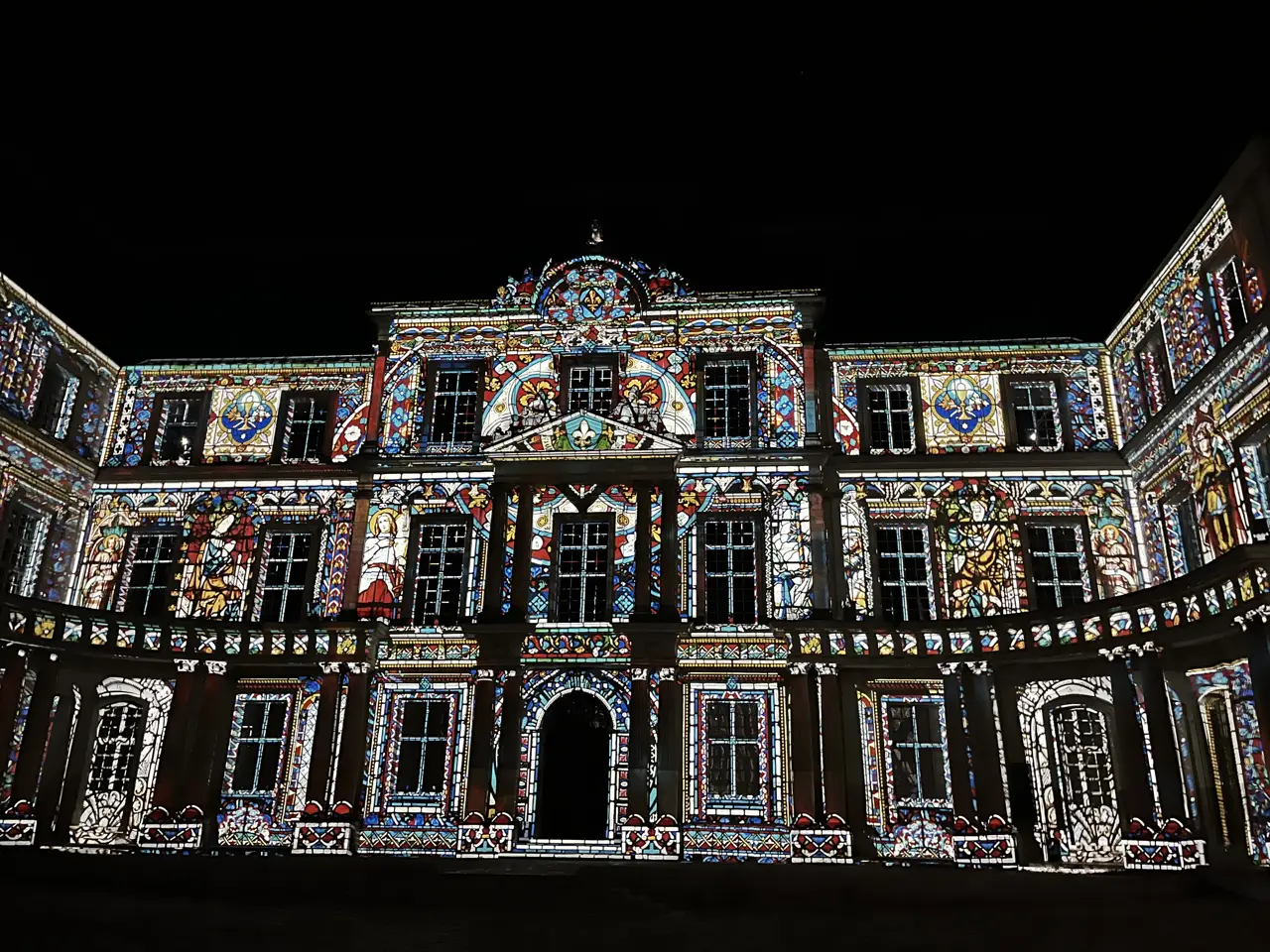
Stay for the evening. The sound and light show, “Ainsi Blois vous est conté,” projects the history of the castle onto the four façades of the courtyard for 45 minutes, and it is really well done. It runs every evening from April to late September, and again during the All Saints holidays in late October. It starts at 10 or 10:30 p.m. in summer, so plan dinner in Blois before. The château costs €16, the show €13, and both €24.
Where we slept: the Château de la Rozelle, a 4-star château hotel of 24 rooms in Cellettes, about 20 minutes from Chambord, Blois, Cheverny and Chaumont, with a beautiful park. Check prices for the Château de la Rozelle on Booking.com.
Day 3: Chaumont-sur-Loire, Gardens and Contemporary Art
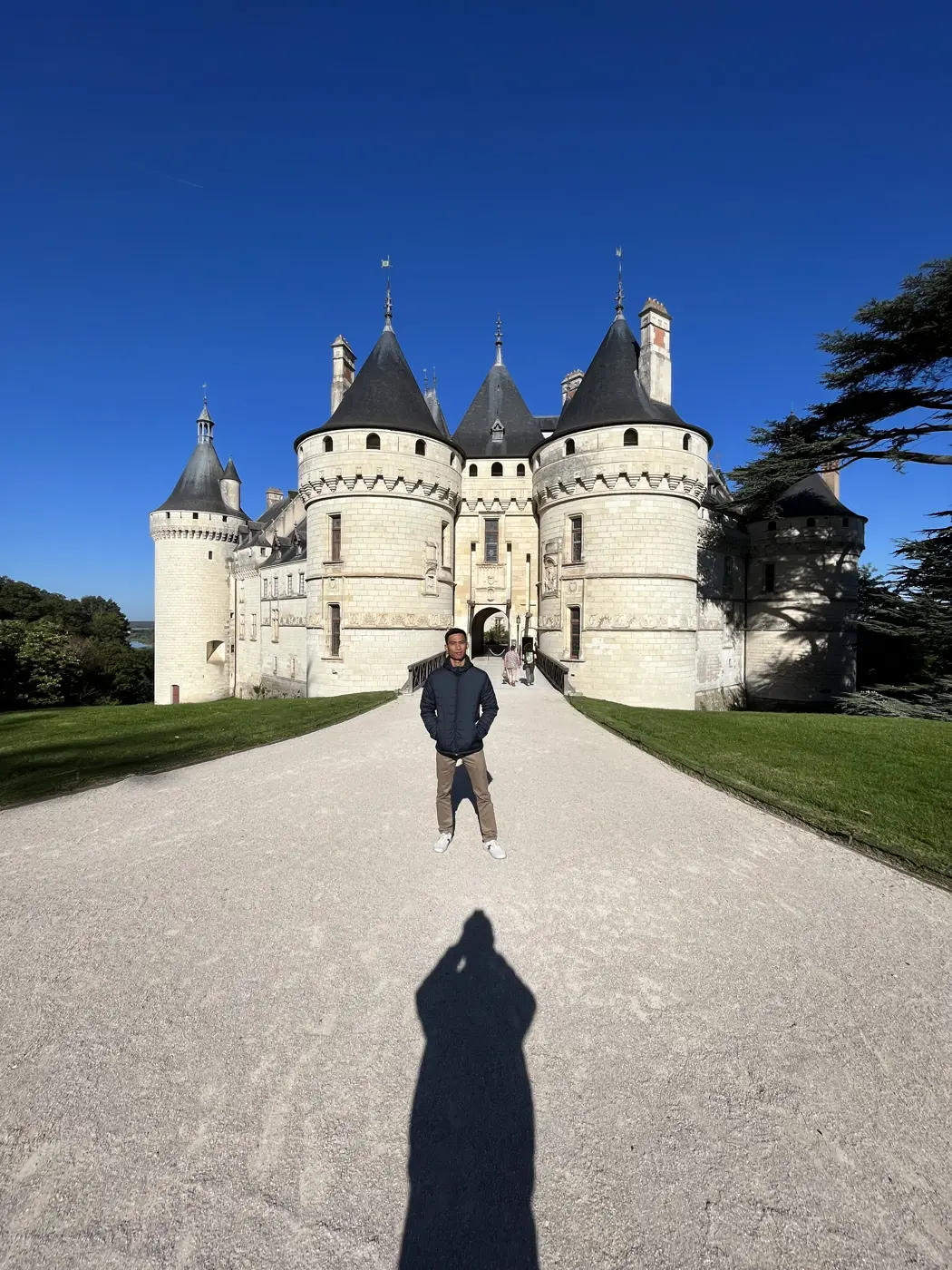
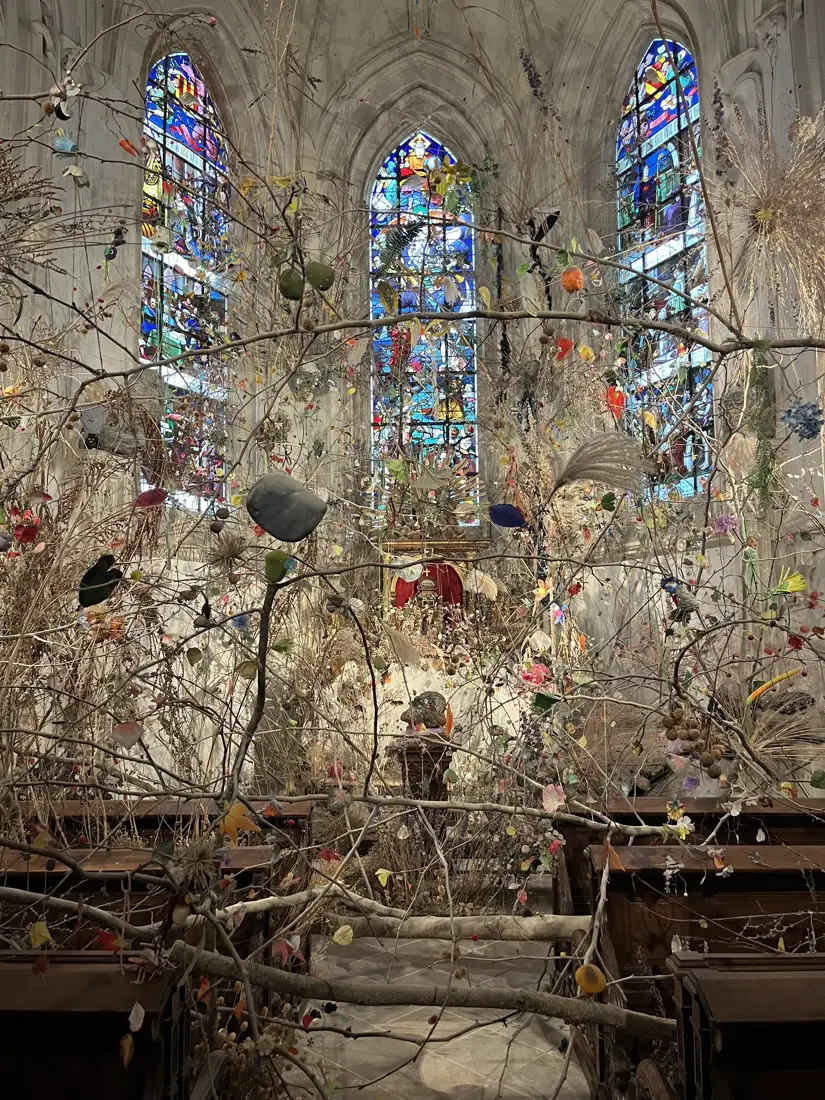
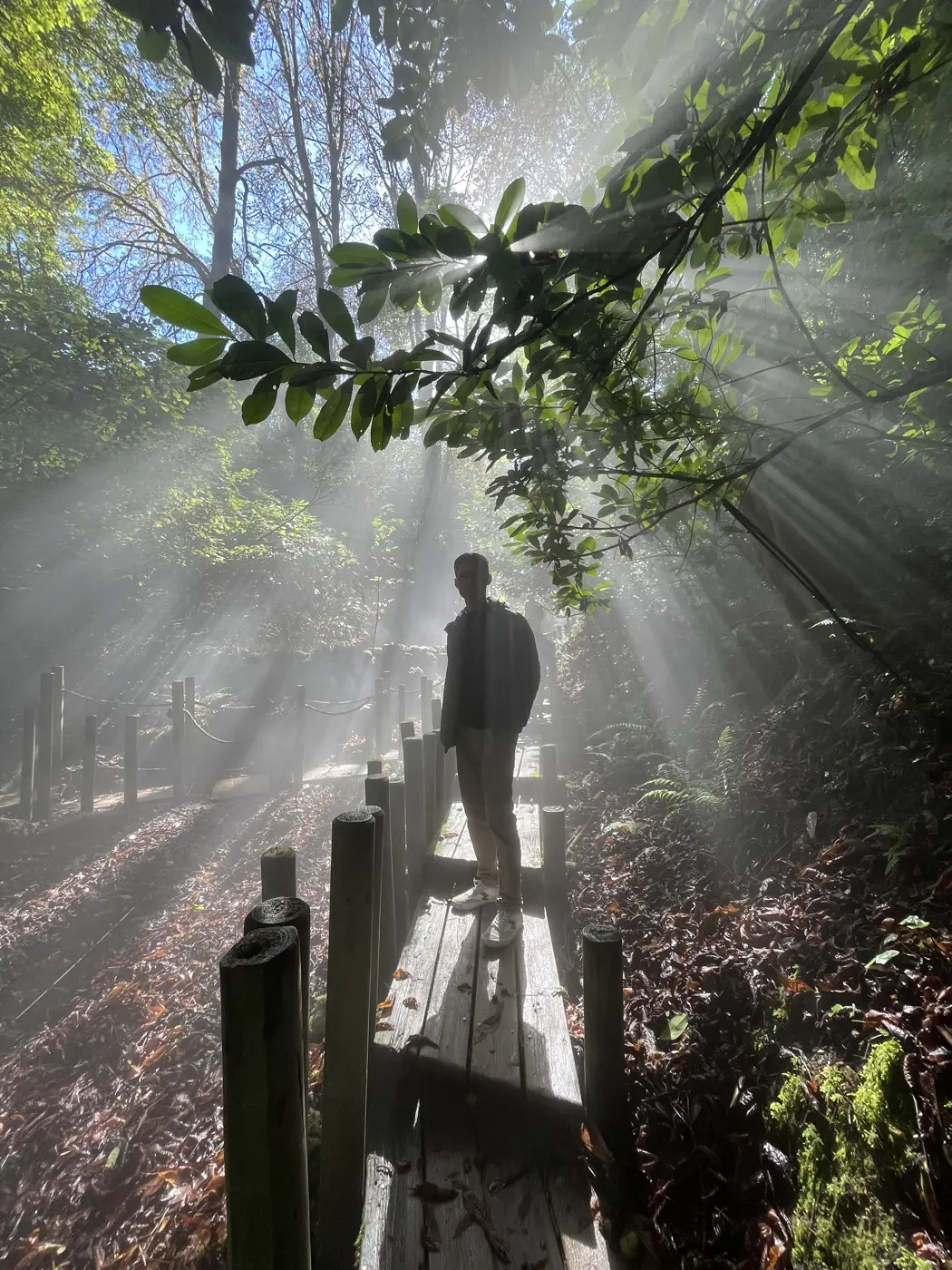
Chaumont is the castle I recommend to people who have already seen the classics. The fortress stands on a cliff above the Loire, with one of the best views of the river. Catherine de’ Medici gave it to Diane de Poitiers in 1559 in exchange for Chenonceau. Today it is also an art center: contemporary artists exhibit in the castle, the stables and the park, and the International Garden Festival fills the grounds with new gardens every year, from late April to early November.
Good to know: €21 in high season, €16 in low season. Go in the morning, when the light in the park is at its best.
Day 3: Chenonceau, the Castle on the River
Chenonceau is the most elegant of the Loire castles, and the most photographed. It stands across the river Cher, on a bridge built by Diane de Poitiers, Henri II’s favorite; Catherine de’ Medici then added the 60-meter gallery on top. It is called the “Ladies’ Château” because women built, saved and shaped it for four centuries. Walk the length of the gallery and look at the river from its windows: it is unforgettable.
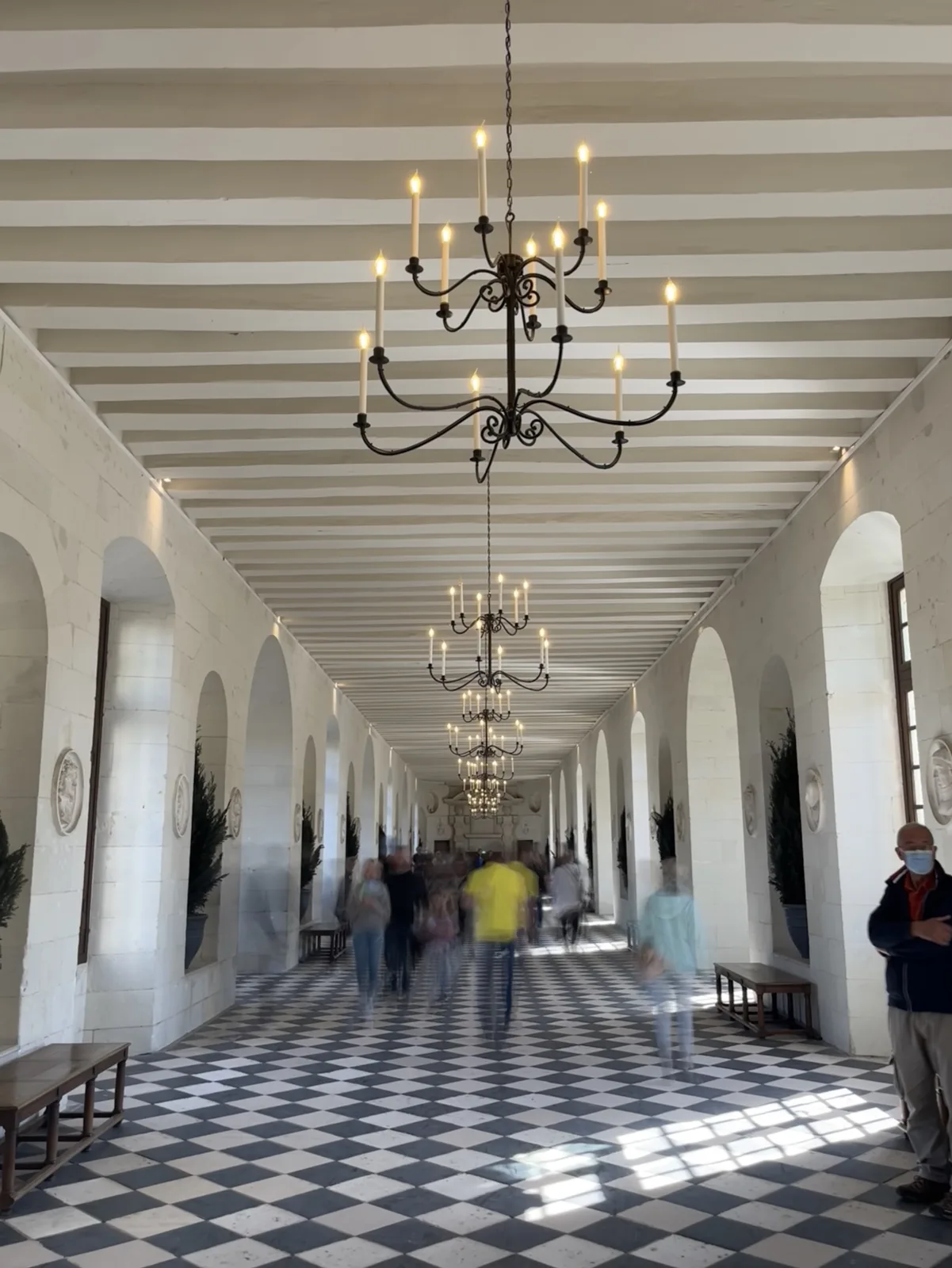
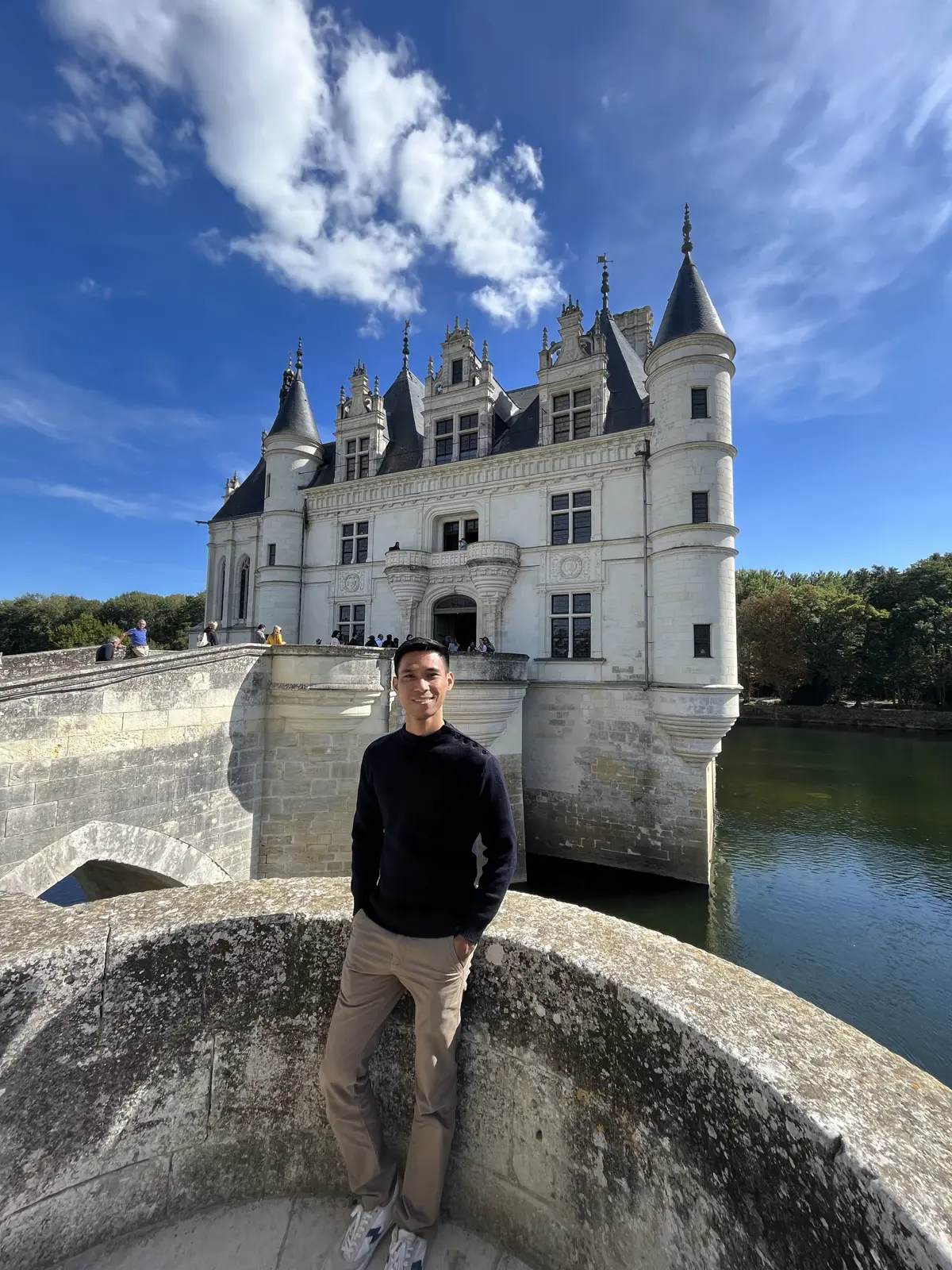
Good to know: open every day of the year; €19, or €24 with the audio guide. Come early or late in the day: Chenonceau is the most visited castle in the valley.
A Wine Tasting in a Cave
Between Chenonceau and Amboise, we stopped at the Caves du Père Auguste, in Civray-de-Touraine, two kilometers from Chenonceau. The tasting takes place in a cellar dug into the soft local limestone, like many cellars in the Loire. It is a nice break between two castles, as long as the driver only tastes.
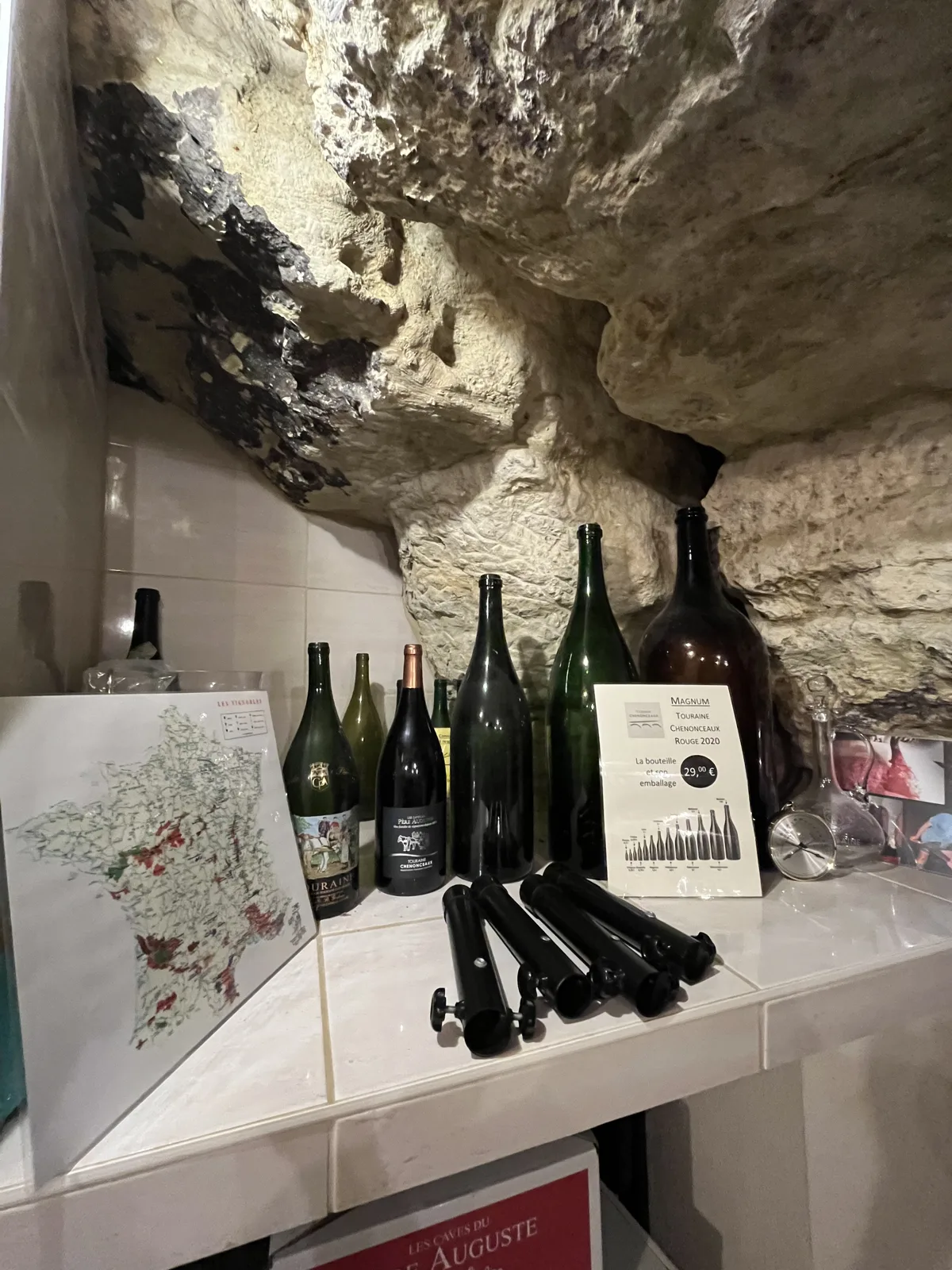
Where we slept: the Château de Nazelles, a charming guesthouse in a 16th-century château just above Amboise, with only a few rooms and a troglodyte suite carved into the rock. Check prices for the Château de Nazelles on Booking.com.
Day 4: Amboise and the Clos Lucé, in the Footsteps of Leonardo da Vinci
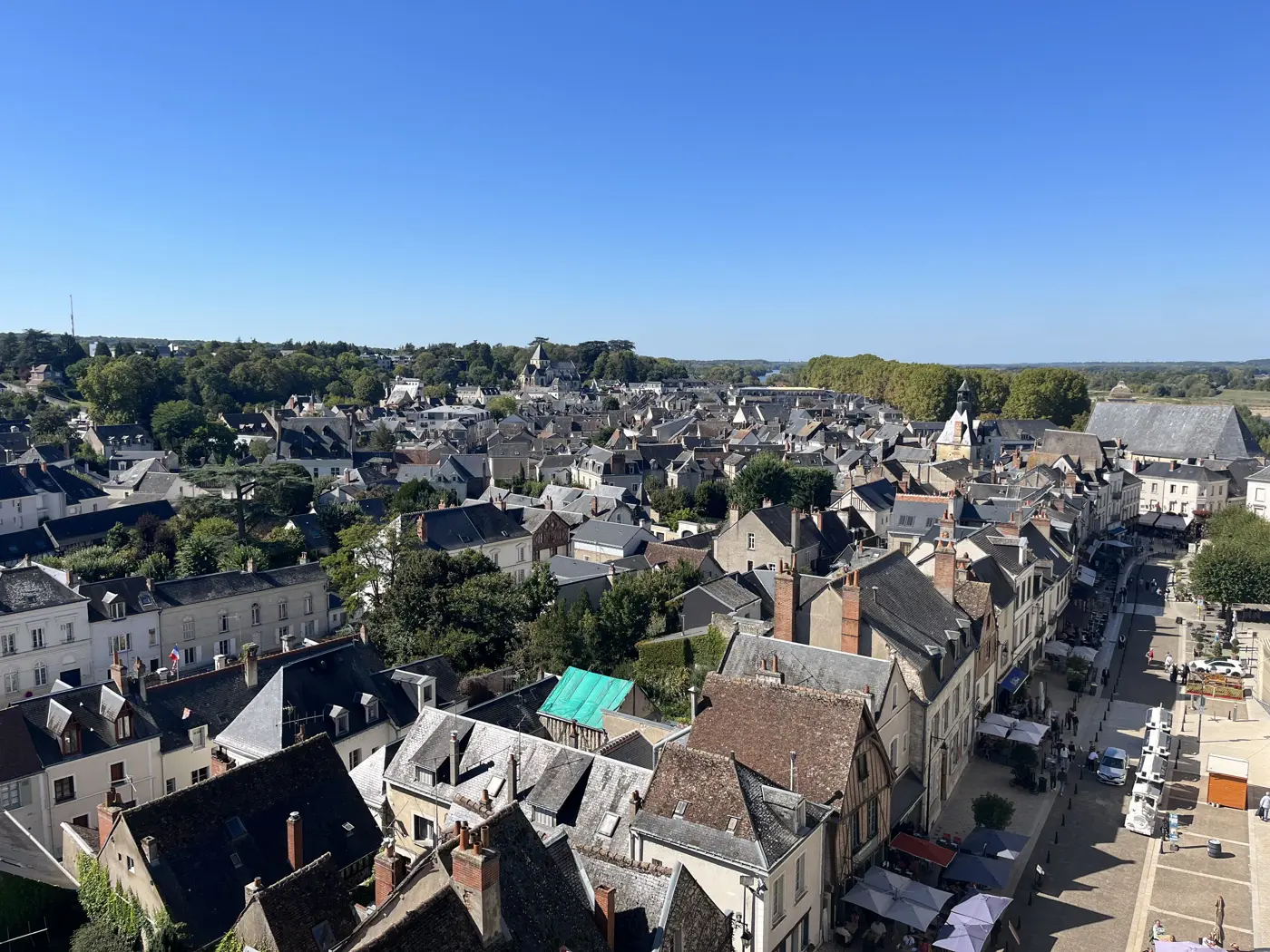
The royal Château d’Amboise dominates the Loire and the old town. The view from its terraces is one of the finest in the valley. In its small Gothic chapel of Saint-Hubert lies Leonardo da Vinci, who spent the last three years of his life in Amboise, at the invitation of François I.
A few minutes away, the Clos Lucé is the brick and stone manor where Leonardo lived from 1516 until his death on May 2, 1519. You see his bedroom, his workshop and about 40 models of his machines, built from his drawings, and the park has full-size models you can touch. It is a great visit with children.
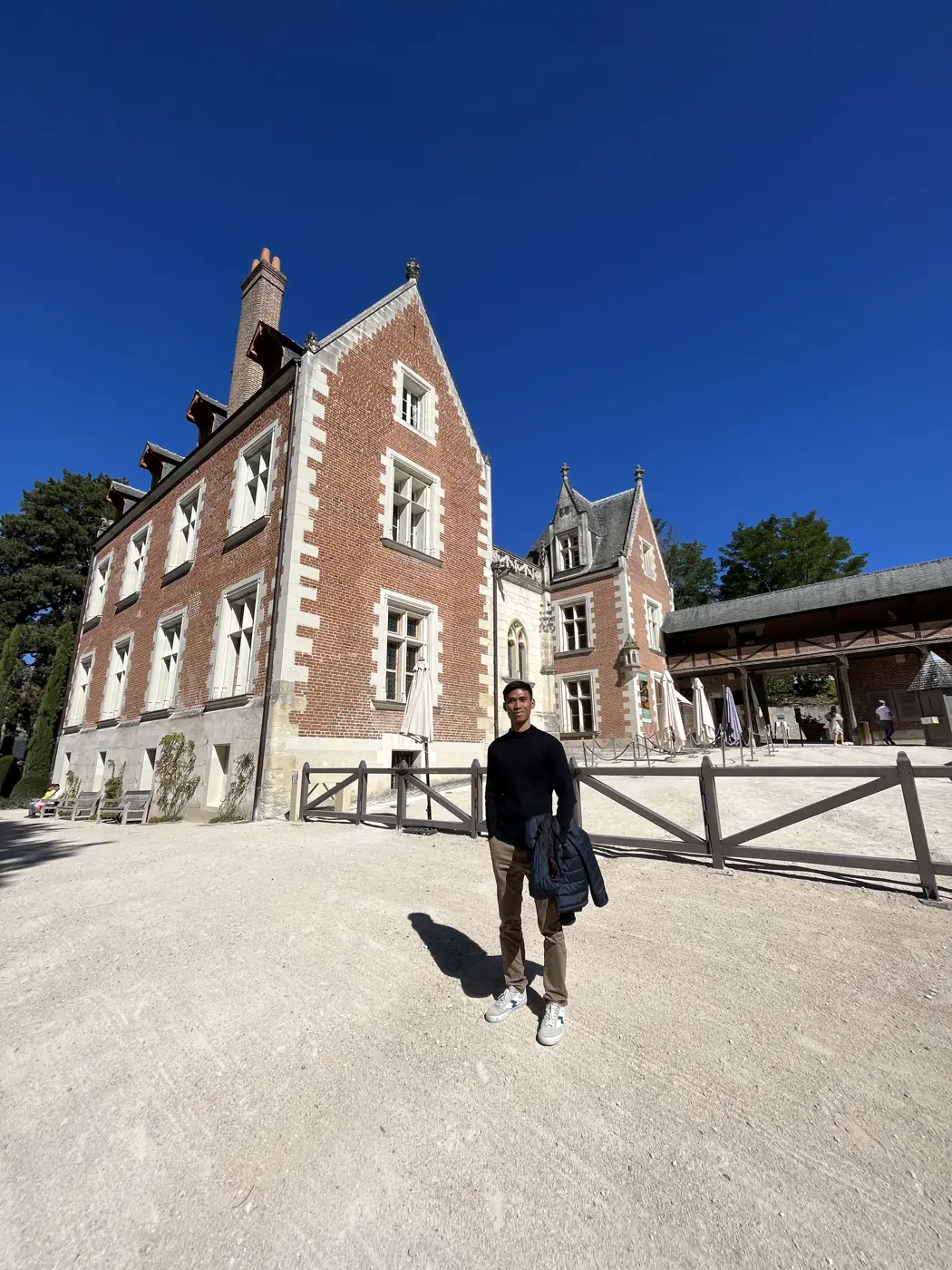
Good to know: Amboise costs €17.30 and the Clos Lucé €20. Leave the car at the château and walk to the Clos Lucé.
Where to Stay in the Loire Valley
Sleeping in a château is part of the experience, and it often costs less than a good hotel in Paris. These are the three where I have stayed.
- Le Relais de Chambord: a 4-star hotel facing the Château de Chambord, the only one inside the estate. I stayed there for the Shingu opening in 2019; waking up in front of Chambord is unique. Check prices for Le Relais de Chambord on Booking.com.
- Château de la Rozelle (Cellettes): a 4-star château hotel with a park, well placed between Blois, Chambord and Cheverny. See the Château de la Rozelle on Booking.com.
- Château de Nazelles (Amboise): a small guesthouse in a 16th-century château, perfect for Amboise and Chenonceau. See the Château de Nazelles on Booking.com.
Getting to the Loire Valley From Paris
- By car: the best way to see several castles. Take the A10 from Paris: about 2 h 15 to Chambord or Blois, and 2 h 30 back from Amboise. The castles all have parking.
- By train: direct trains from Paris-Austerlitz reach Blois in about 1 h 25 and Amboise in about 1 h 30; TGVs from Montparnasse reach Tours in a little over an hour. From there, you need a taxi, a bike or a local shuttle to reach the castles.
- With a tour: if you do not want to drive, day tours from Paris usually combine two or three castles, often Chambord and Chenonceau.
When to Visit the Loire Valley
From late April to September, everything is open: the gardens are in bloom, the Chaumont garden festival is on and the Blois sound and light show runs every evening. We went in late September, and it was perfect: sunny days, fewer visitors than in summer and lovely light. In winter, the castles stay open but close earlier, and the gardens and shows are over.
Read More
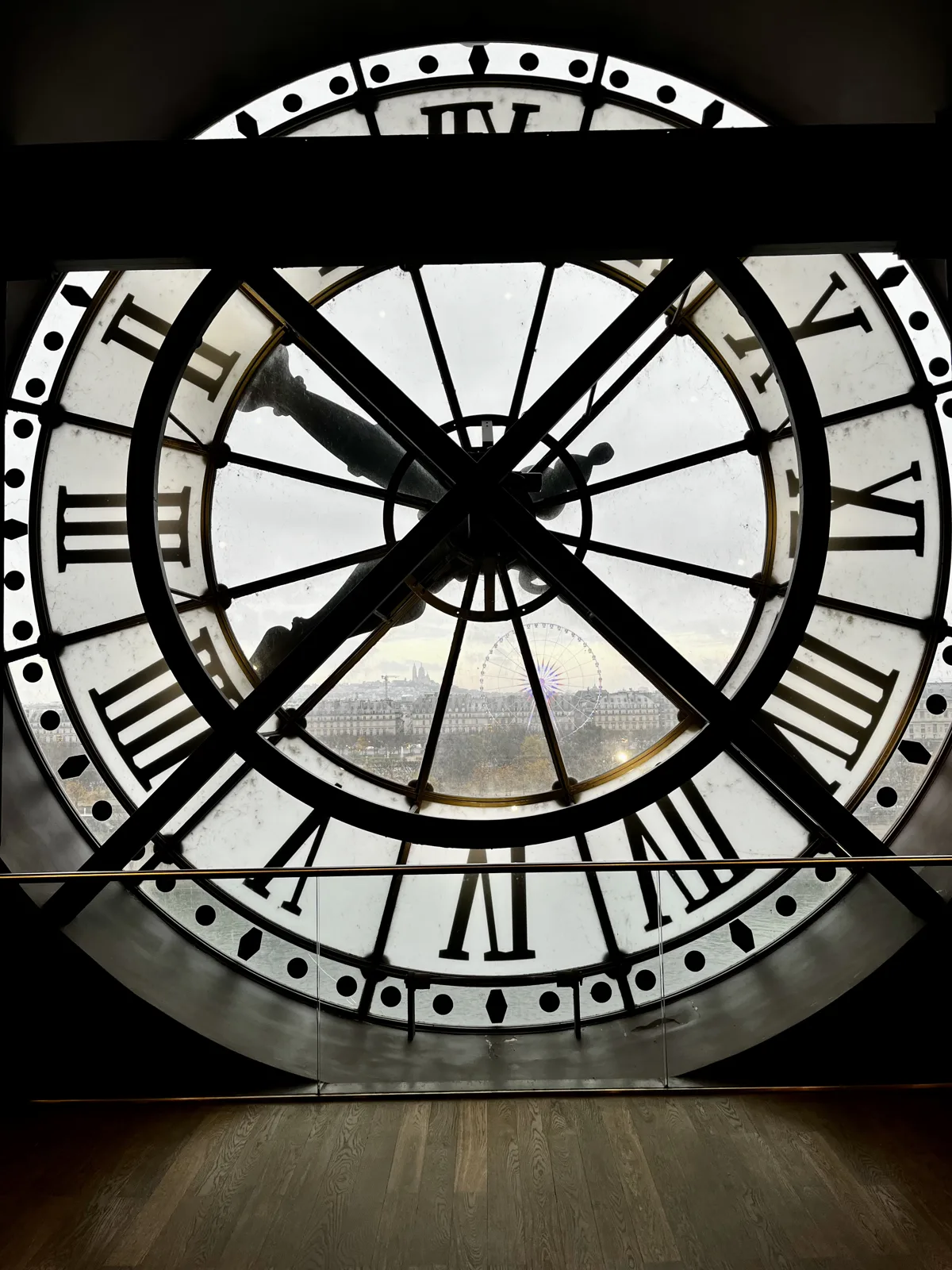
My Favorite Museums in Paris
The great collections, the foundations, the galleries and the art fairs, by a Parisian.
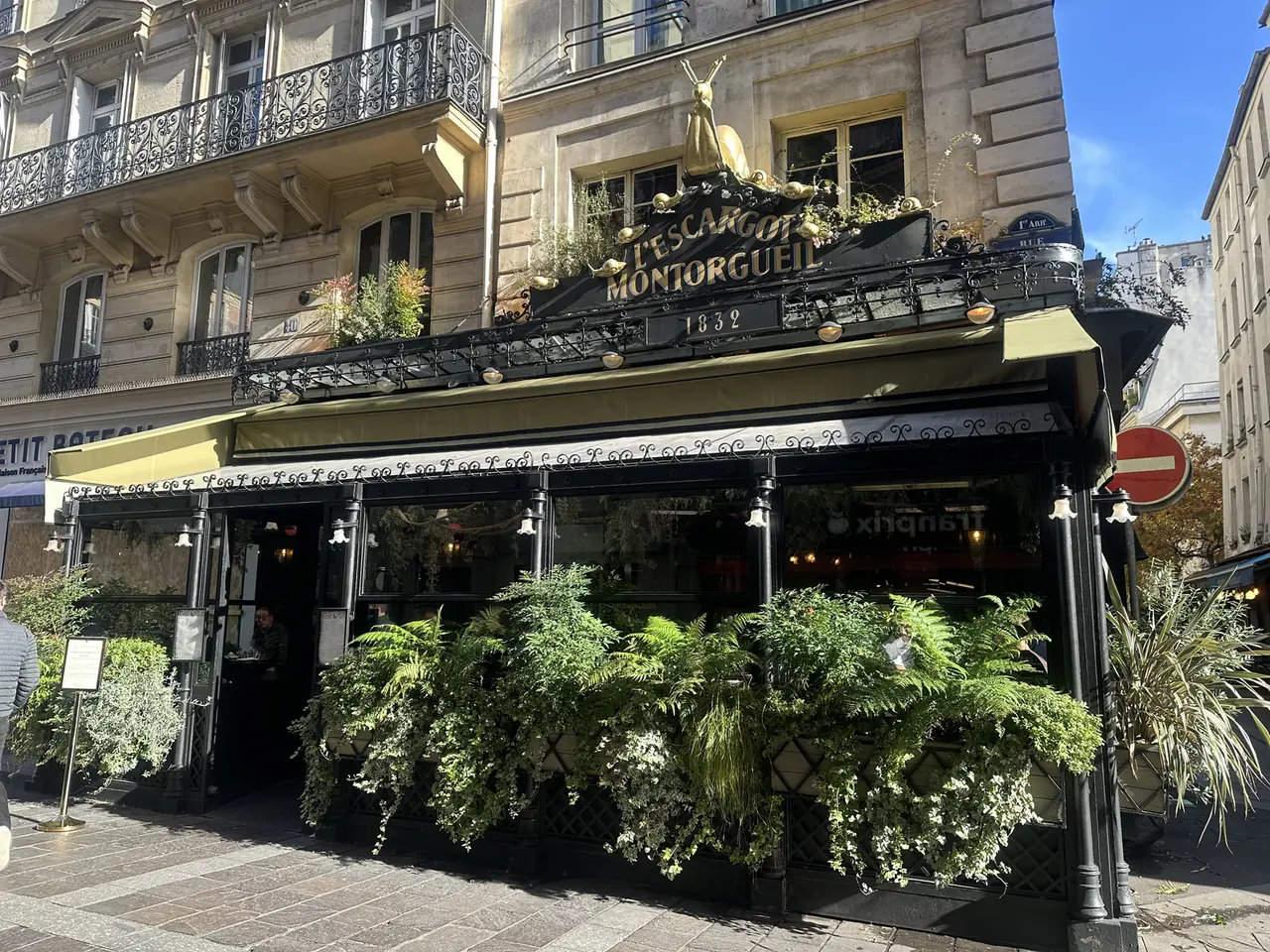
Where to Stay in Paris
The best areas by a Parisian, those to avoid at night and the two hotels I know.

Paris Travel Guide
The must-see places, the best neighborhoods and my tips as a born-and-raised Parisian.
Frequently Asked Questions About the Loire Valley Castles
What are the most beautiful castles in the Loire Valley?
My top five are Chambord, Chenonceau, Blois, Chaumont-sur-Loire and Amboise, with the Clos Lucé. If you only see one, choose Chambord; if you see two, add Chenonceau.
How many days do you need for the Loire Valley castles?
Three to four days by car is ideal, with two castles a day. A day trip from Paris is possible, but you will only see one or two castles.
Can you visit the Loire Valley castles from Paris in a day?
Yes, by car or with a day tour: Chambord is about 2 h 15 from Paris. It is a long day, and you will have time for two castles at most.
Do you need a car to visit the Loire Valley castles?
It is much easier with a car, because the castles are spread out. Without one, take the train to Blois or Amboise and visit the castles in town, or join a tour.
Which Loire castle is best for children?
The Clos Lucé, with its life-size models of Leonardo da Vinci’s machines in the park, and Chambord, with its double staircase and roof terraces.
Is the Blois sound and light show worth it?
Yes. It is really well done: 45 minutes of projections on the four façades of the courtyard. It runs every evening from April to September and during the All Saints holidays.