Raja Ampat Travel Guide (2026) – The World’s Richest Reefs
Raja Ampat is often described as the most beautiful and biodiverse marine region on Earth. Located in West Papua, Indonesia, this remote archipelago is home to dramatic limestone karst islands, turquoise lagoons, pristine reefs, and the highest recorded marine biodiversity in the world.
Based in Indonesia since 2020, I’ve explored eastern Indonesia extensively and dived multiple times in Raja Ampat, experiencing everything from manta aggregations in Dampier Strait to the untouched reefs of Misool.
This complete Raja Ampat travel guide covers the best time to visit, diving, itinerary ideas, costs, where to stay, and practical tips for planning your trip in 2026.
Is Raja Ampat Worth Visiting?
Yes — if you’re looking for raw nature, world-class diving, and landscapes that feel untouched by mass tourism.
Raja Ampat is best for:
- Elite-level scuba diving
- Remote island scenery
- Manta rays and reef sharks
- Kayaking between limestone karsts
- Off-the-grid eco experiences
It is not for:
- Nightlife
- Luxury shopping
- Easy logistics
Raja Ampat is remote, expensive, and unforgettable.
Where Is Raja Ampat?
Raja Ampat is located off the northwest tip of West Papua in eastern Indonesia. The archipelago consists of more than 1,500 small islands surrounding four main islands:
- Waigeo
- Batanta
- Salawati
- Misool
The main entry point is Sorong, a city in West Papua.
Best Time to Visit Raja Ampat
The best time to visit Raja Ampat depends on which part of the region you plan to explore.
October to April (North / Dampier Strait Season)
- Best diving conditions in central and northern Raja Ampat
- Calm seas
- Excellent visibility
- Peak manta activity
This is considered the overall best season for most travelers.
May to September (South / Misool Season)
- Best conditions in Misool
- Drier weather in the south
- Slightly rougher seas in the north
Raja Ampat is diveable year-round, but weather patterns shift regionally.
Diving in Raja Ampat
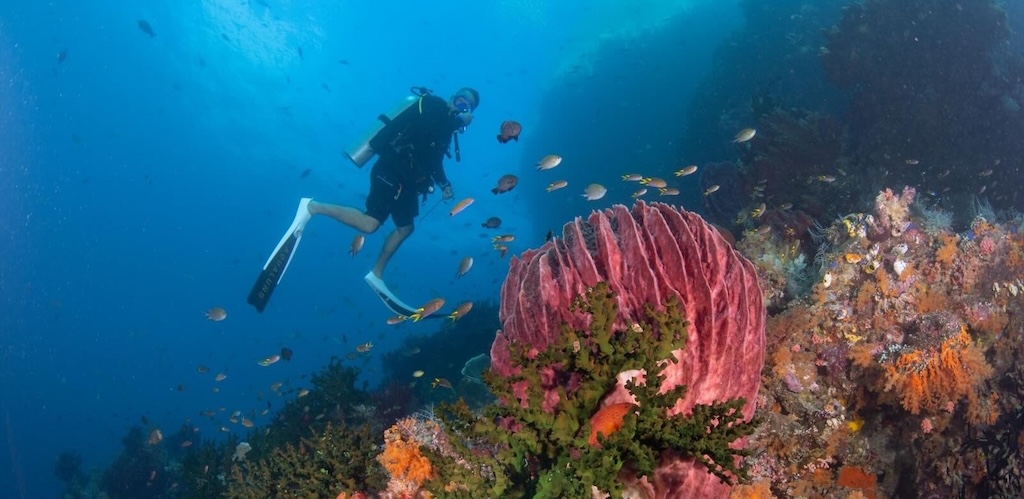
Raja Ampat is widely considered the most biodiverse diving destination on Earth and is featured as a top highlight in my complete guide to the best diving in Indonesia, alongside Komodo and other world-class regions.
The numbers speak for themselves:
- Over 600 coral species
- More than 1,500 reef fish species
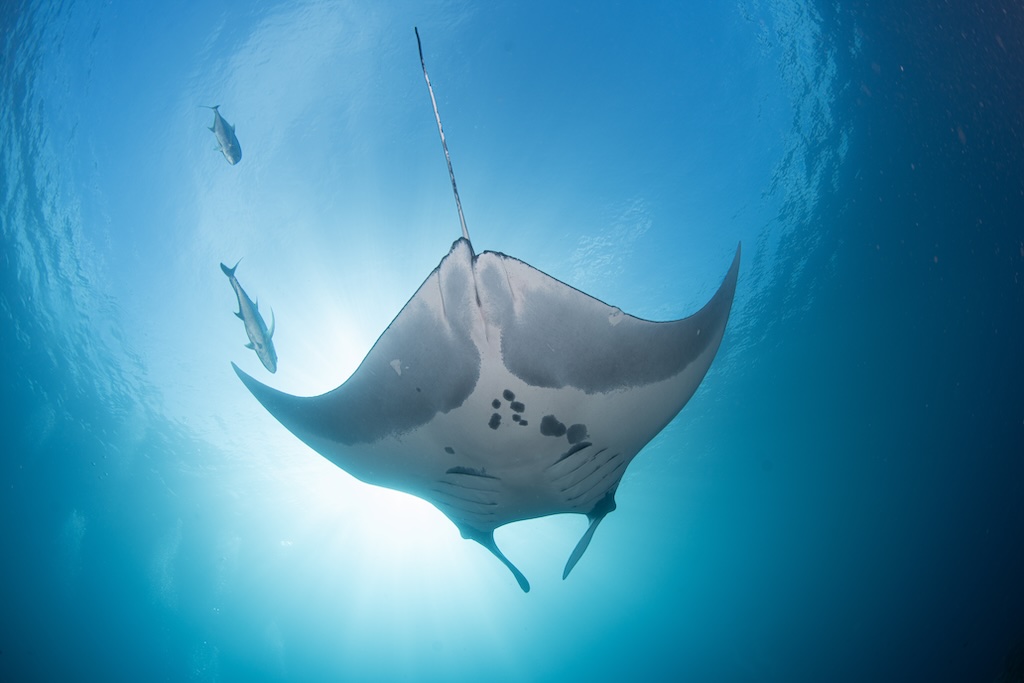
- Manta rays and oceanic mantas
- Wobbegong sharks and reef sharks
- Rare macro life, including pygmy seahorses
Why Is It So Biodiverse?
Raja Ampat lies at the heart of the Coral Triangle, where nutrient-rich currents converge to create an extraordinary concentration of marine life. This unique environment supports both large pelagic species and some of the richest coral reefs on the planet.
Best Dive Areas
The region offers a wide range of dive environments, each with its own character:
- Dampier Strait — The most accessible area, known for manta cleaning stations, strong currents, and dense fish schools
- Misool — Remote and pristine, with spectacular soft corals and dramatic underwater topography
- Wayag Region — Less explored, offering a more adventurous diving experience and stunning scenery above and below water
👉 Discover the best dive sites in Raja Ampat for a detailed breakdown of each location.
Liveaboard vs Land-Based Diving
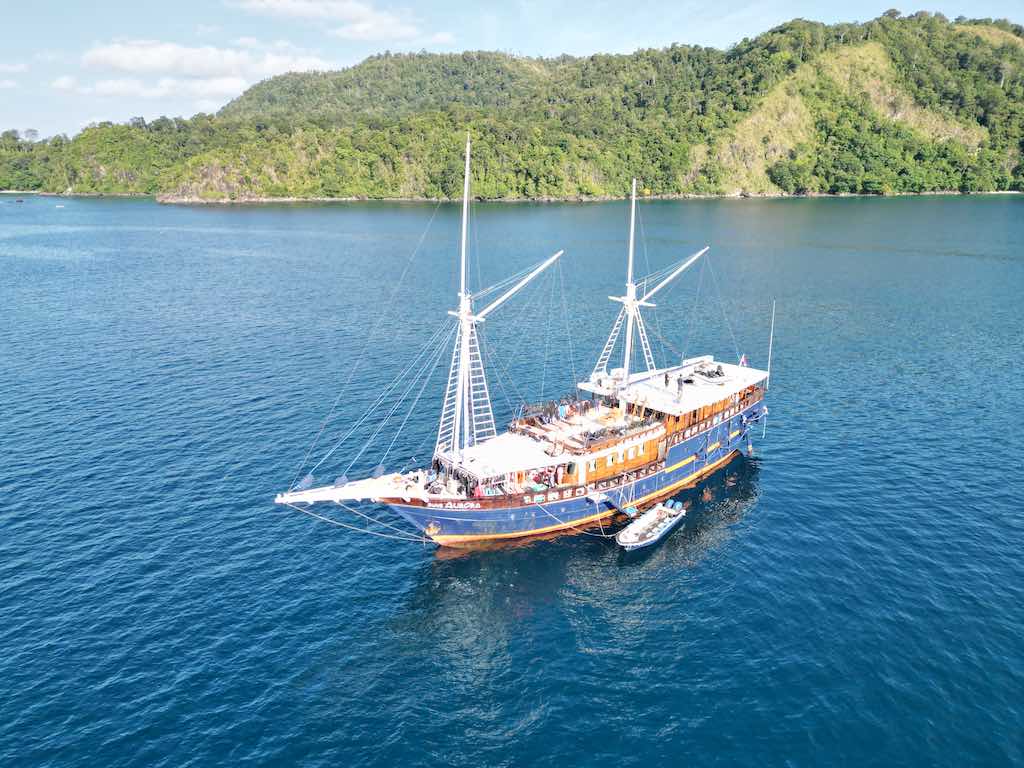
Liveaboards are the best way to access remote reefs and dive according to tides and currents, especially in areas like Misool and Wayag.
Land-based eco-resorts, mainly around Dampier Strait, offer a more comfortable and flexible option while still providing access to exceptional dive sites.
For most experienced divers, a liveaboard remains the ultimate way to explore Raja Ampat.
Best Places to Visit in Raja Ampat
Wayag Lagoon
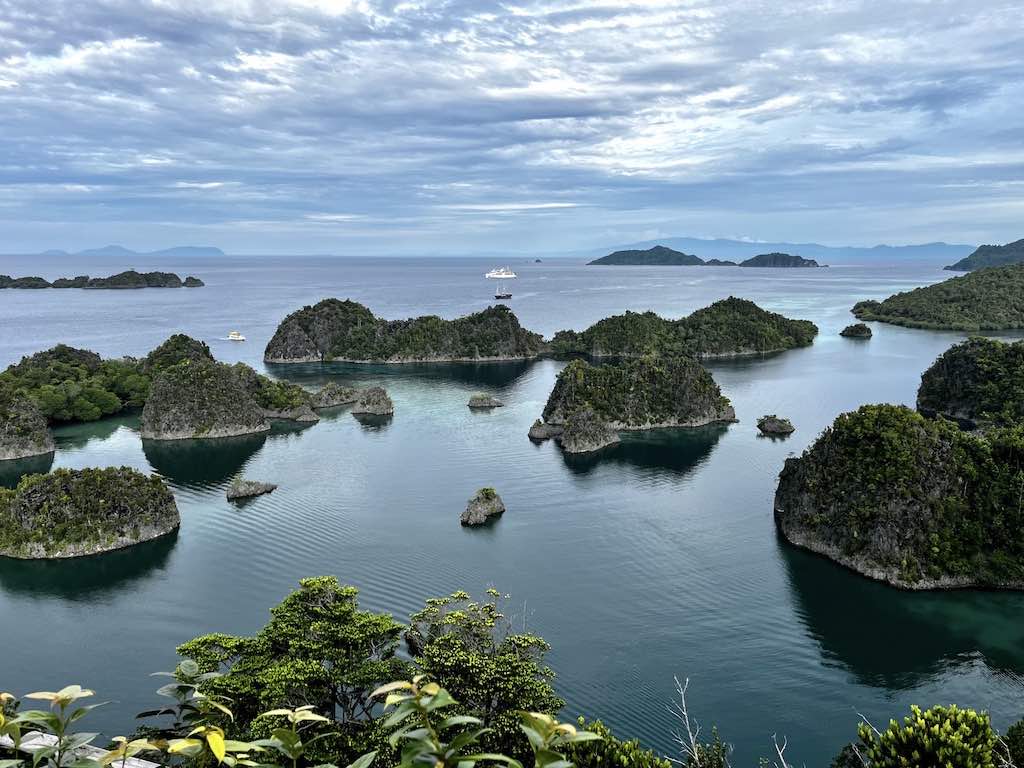
The most iconic viewpoint in Raja Ampat. Limestone peaks rise from turquoise lagoons — one of Indonesia’s most photographed landscapes.
Pianemo Viewpoint
Easier access than Wayag but equally dramatic. A short staircase leads to panoramic island views.
Misool
Southern Raja Ampat’s wild frontier. Pink beaches, hidden lagoons, and pristine reefs.
Dampier Strait
Marine life density and manta ray encounters.
Arborek Village
Small local village known for jetty snorkeling and homestay experiences.
Suggested 7-Day Raja Ampat Itinerary
Day 1 – Arrival in Sorong, transfer to island
Day 2 – Diving or island exploration
Day 3 – Pianemo viewpoint & snorkeling
Day 4 – Manta dive or reef exploration
Day 5 – Kayaking & village visit
Day 6 – Additional dives or beach relaxation
Day 7 – Return to Sorong
Divers often stay 7–10 days.
How to Get to Raja Ampat
Step 1: Fly to Sorong (SOQ)
Direct domestic flights from:
- Jakarta
- Bali (Denpasar)
- Makassar
Step 2: Boat transfer
From Sorong, take a public ferry (2–3 hours) or private speedboat to your resort.
Travel is part of the adventure.

Where to Stay in Raja Ampat
Homestays
- Budget-friendly
- Basic facilities
- Authentic local experience
Eco-Resorts
- Comfortable bungalows
- Diving packages included
- Sustainable tourism focus
Liveaboards
- Access to remote dive sites
- Expedition-style diving
- Higher cost, maximum immersion
How Expensive Is Raja Ampat?
Raja Ampat is one of Indonesia’s most expensive destinations.
Typical costs:
- Homestay: moderate
- Eco-resort: premium
- Liveaboard: high-end
Additional costs:
- Marine park fee
- Boat transfers
- Domestic flights
It’s not cheap — but the experience is unique globally.
Practical Tips for Visiting Raja Ampat
- Bring enough cash (limited ATMs outside Sorong)
- Expect limited internet connectivity
- Respect marine conservation rules
- Travel insurance is recommended
- Plan transfers carefully due to flight schedules
Diving in Raja Ampat vs Komodo – Which Is Better?
Raja Ampat
- Highest biodiversity
- More remote
- Warmer waters
- Less crowded
Komodo
- Stronger currents
- Bigger pelagics
- Easier access
- Dramatic dry landscapes
If you want biodiversity → Raja Ampat
If you want adrenaline drift diving → Komodo
Many divers visit both.
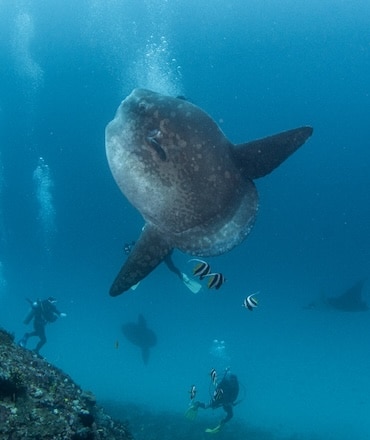
🌊 Best Diving in Indonesia
From Raja Ampat to Komodo and the Banda Sea, explore Indonesia’s most spectacular dive destinations and compare biodiversity, seasons, and experience levels.
👉 Read: Best Diving in Indonesia – Top Dive Destinations (2026 Guide)
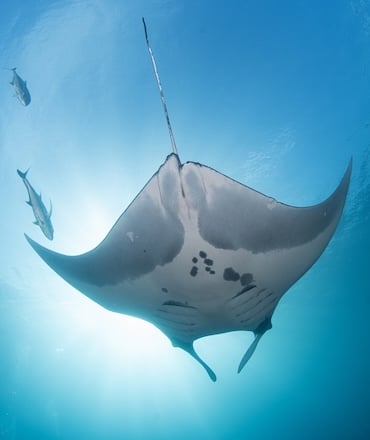
🌊 Diving in Raja Ampat
Discover the best dive sites in Dampier Strait, Misool, and Wayag, from manta cleaning stations to coral-covered pinnacles.
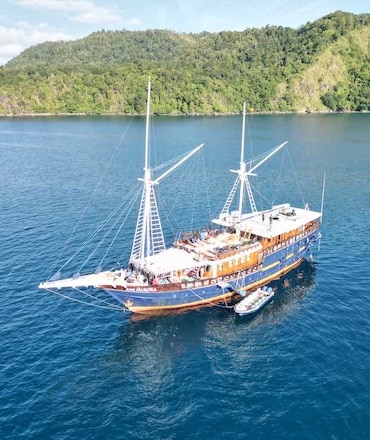
🚢 Indonesia Liveaboard Guide
Access remote reefs, perfect tide timing, and untouched sites with a multi-day diving cruise across Raja Ampat, Banda Sea, and beyond.
Frequently Asked Questions
Is Raja Ampat safe?
Yes. It is remote but very safe for travelers.
Do you need a liveaboard?
Not necessarily, but liveaboards allow access to more remote sites.
Is Raja Ampat good for beginners?
Some areas are beginner-friendly, but many dives involve currents.
How many days in Raja Ampat?
Minimum 5–6 days. Ideal 7–10 days.
Is Raja Ampat better than Maldives?
For biodiversity and reef density, many divers consider Raja Ampat superior.
Why Raja Ampat Is One of the Most Extraordinary Places on Earth
Few destinations combine:
- Record-breaking marine biodiversity
- Iconic limestone island landscapes
- Remote eco-tourism
- Manta ray encounters
- Pristine coral reefs
Raja Ampat is not just a dive trip — it is one of the last true frontiers of tropical marine exploration.
If you’re planning a broader Indonesia itinerary, combine Raja Ampat with Komodo or Bali for a multi-region diving adventure.