Indonesian Food: 8 Must-Try Dishes You Shouldn’t Miss (2026 Guide)
Indonesia, with its more than 17,000 islands, boasts an incredibly diverse culinary heritage. Each region has its own specialties and cooking techniques, reflecting a mosaic of cultures and influences. From Sumatra to Java, Bali to the Moluccas, Indonesian food is a celebration of bold flavors, aromatic spices, and deep-rooted traditions.
After living in Bali for several years, I’ve had the chance to try Indonesian food everywhere—from street food stalls to local warungs and restaurants.
Here’s a look at some of the country’s most iconic dishes and essential ingredients that make Indonesian food so unique and delicious.
Iconic Dishes
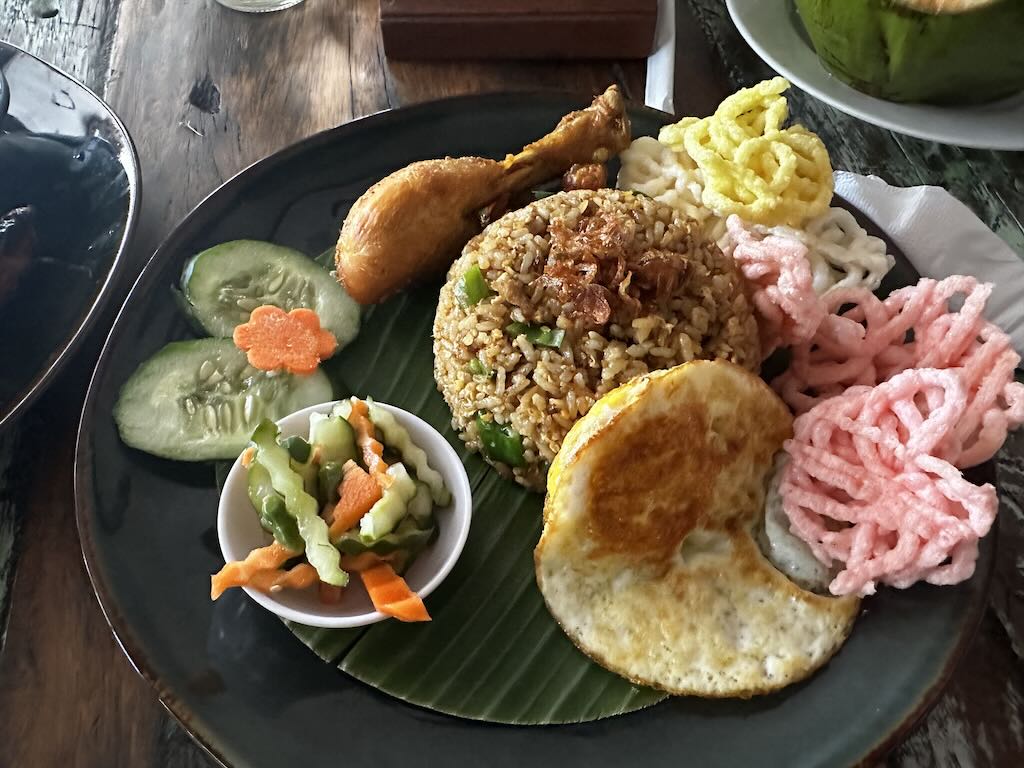
Nasi Goreng
Nasi goreng, or Indonesian fried rice, is arguably the country’s most famous dish. Made with stir-fried rice, sweet soy sauce (kecap manis), garlic, shallots, and chili, it is often topped with a fried egg. It can be accompanied by chicken, shrimp, or vegetables. Each region adds its own twist, giving this classic recipe local variations.
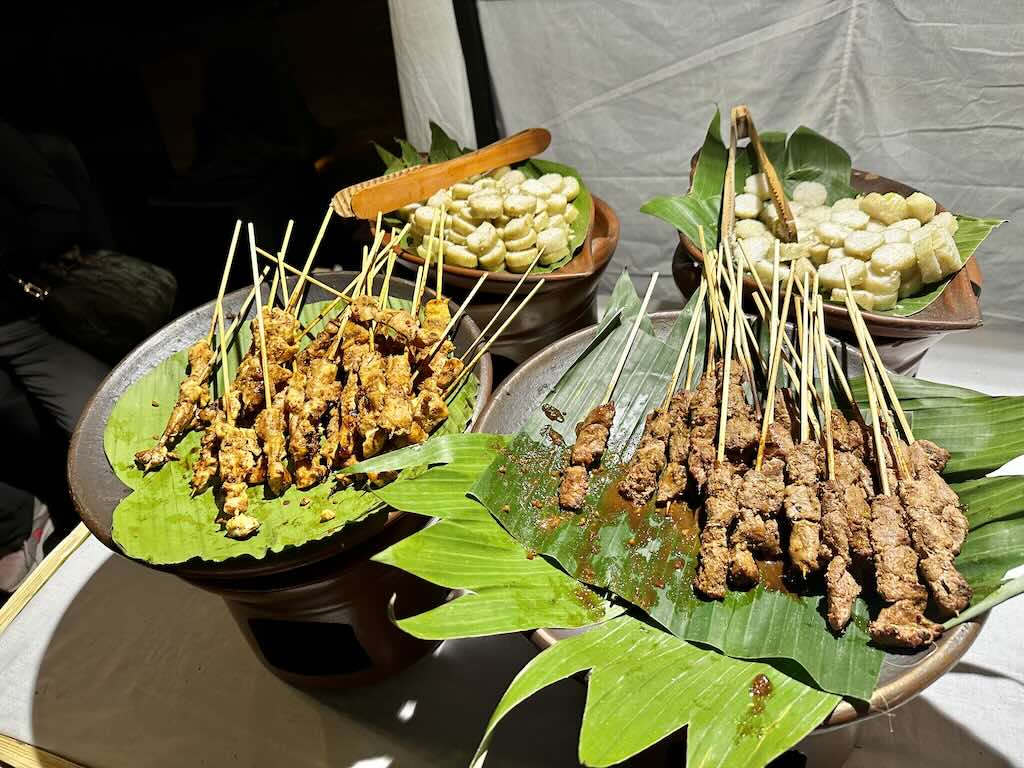
Satay (Sate)
Satay consists of skewered and grilled marinated meat, usually chicken, beef, or lamb, served with a rich and spicy peanut sauce. Originally from Java, satay has become a national favorite, with many variations, including Bali’s sate lilit, made with minced fish or pork.
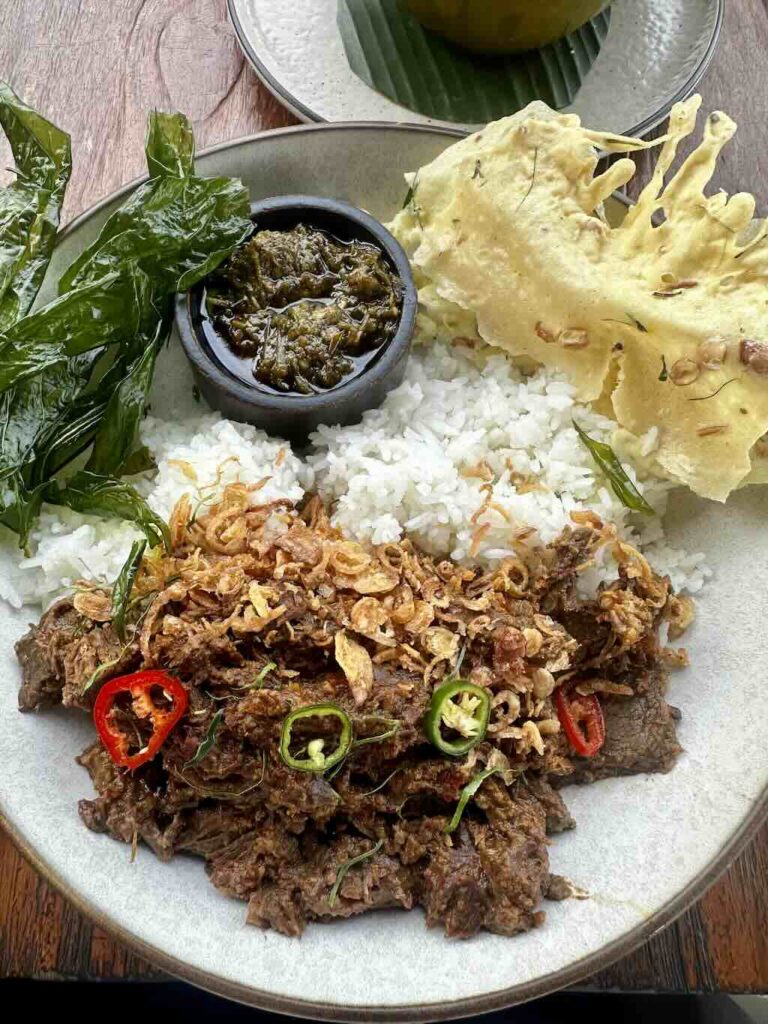
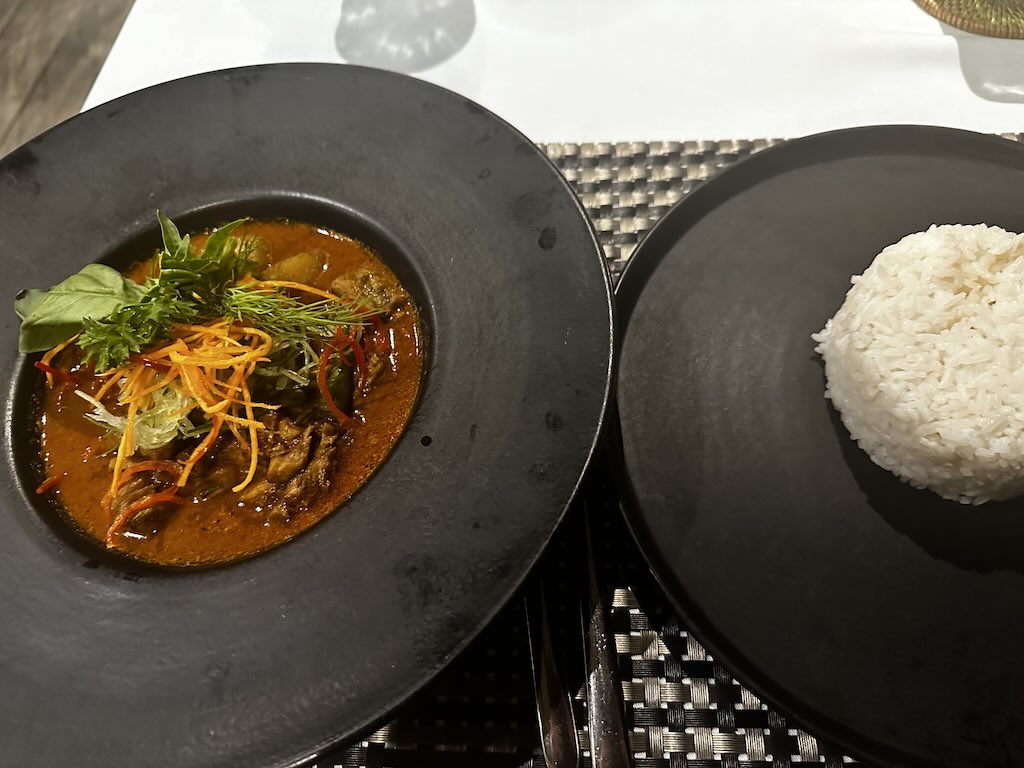
Rendang
Rendang, a slow-cooked beef dish from Sumatra’s Minangkabau region, is a flavorful and aromatic delicacy. The beef is simmered for hours in coconut milk and a blend of spices until tender and infused with rich flavors. Traditionally served during special occasions, rendang is both a festive and beloved everyday dish.
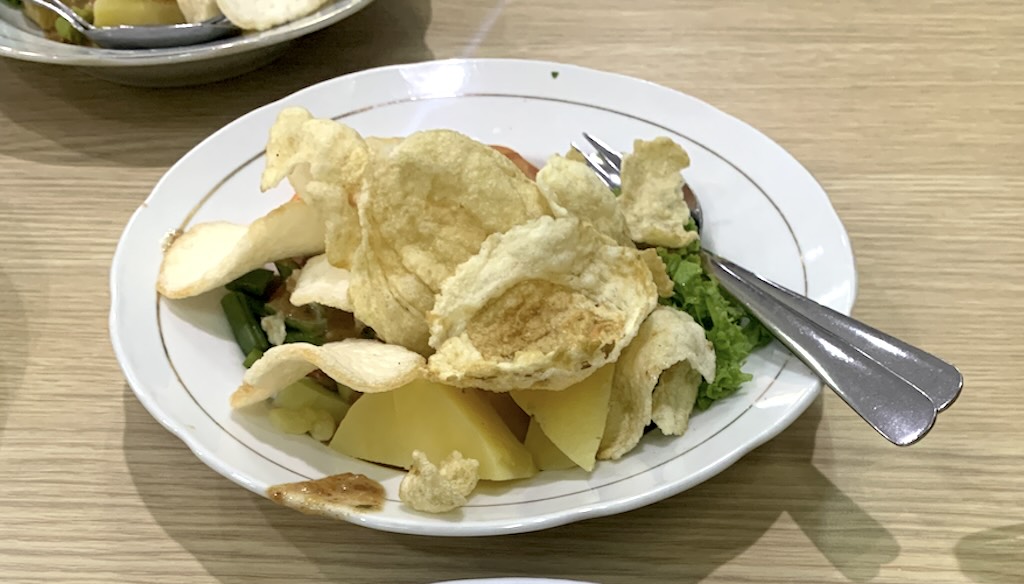
Gado-Gado
Gado-gado is a vibrant vegetable salad featuring ingredients like green beans, potatoes, spinach, cabbage, and tofu, all drizzled with a thick peanut sauce. It is not only delicious but also highly nutritious, making it a popular vegetarian option in Indonesia.
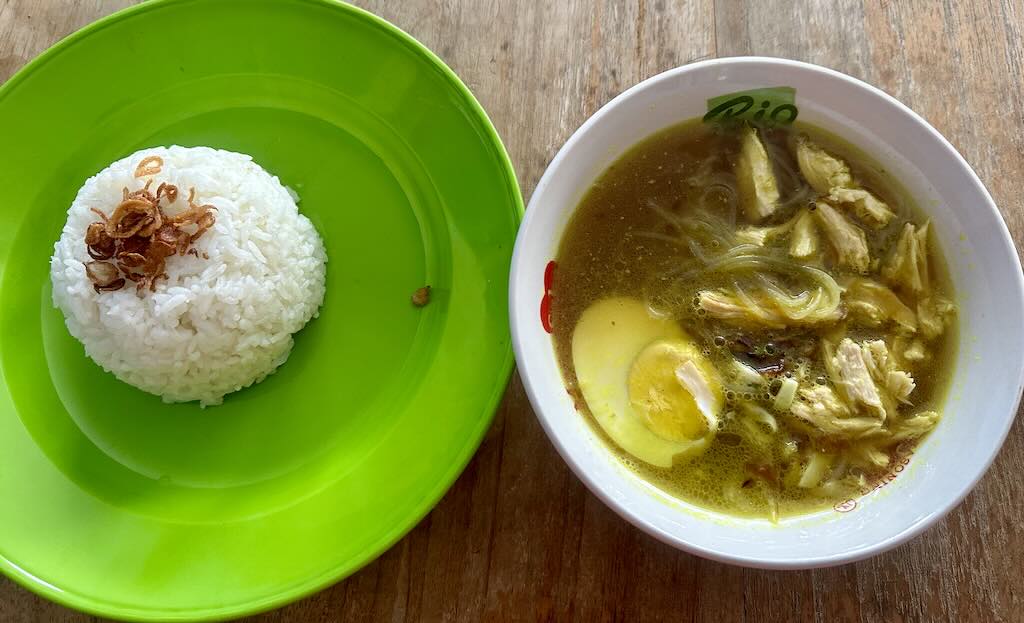
Soto Ayam
Soto Ayam is one of Indonesia’s most iconic soups. This golden, aromatic broth is made with shredded chicken, turmeric, lemongrass, and kaffir lime leaves, creating a burst of flavors in every spoonful. Served with rice vermicelli, hard-boiled eggs, bean sprouts, and sometimes potatoes, it is topped with koya, a savory blend of shrimp powder and fried garlic, for added depth. Traditionally enjoyed with white rice and a squeeze of lime, Soto Ayam is a comforting dish served at any time of the day.
Essential Ingredients in Indonesian Food
Spices and Herbs
Indonesian cuisine uses a lot of spices and herbs. Turmeric, lemongrass, galangal, ginger, kaffir lime leaves, and chili are common ingredients that add depth and complexity to the dishes. The spice blends, called bumbu, form the foundation of many Indonesian recipes.
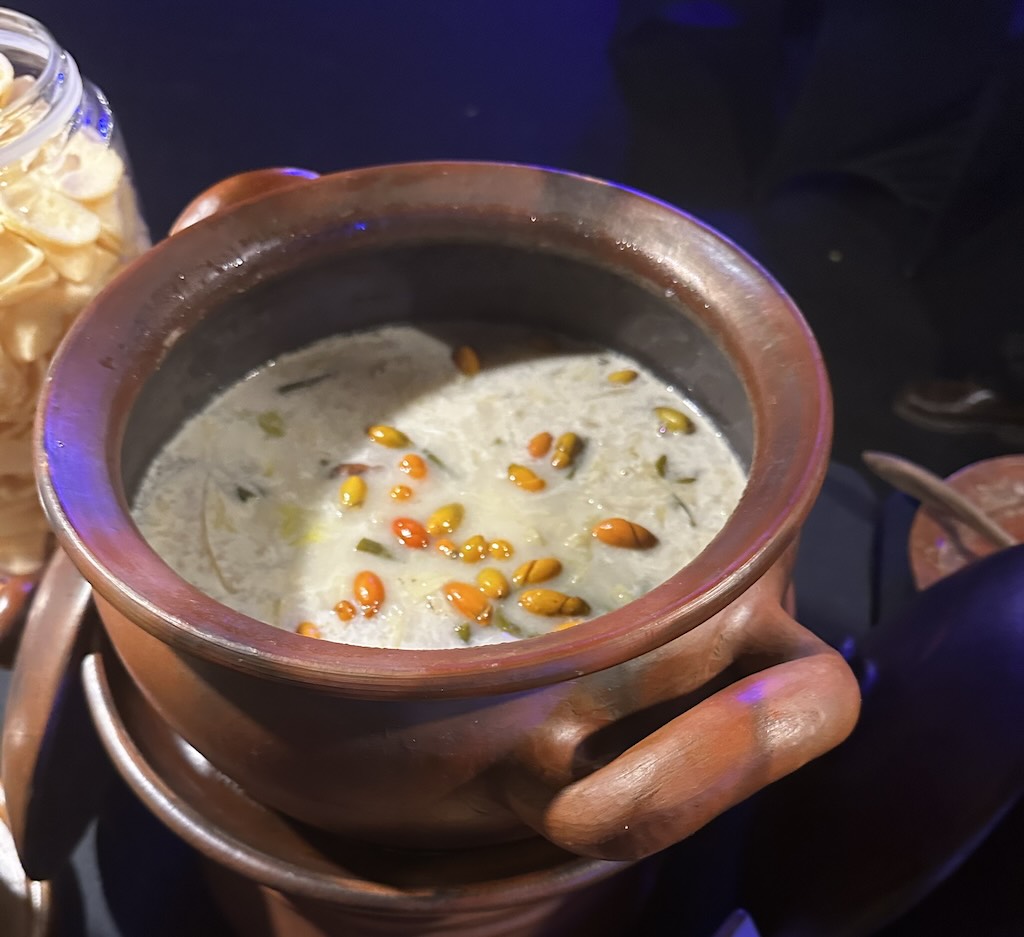
Coconut
Indonesian cuisine uses a lot coconut, in various forms. Coconut milk adds richness to curries, soups, and sauces, while grated coconut is commonly used in desserts and snacks. For example in Sayur Lodeh, a traditional Indonesian vegetable curry cooked in rich coconut milk.
Kecap Manis
Kecap manis, a thick and sweet soy sauce, is a key ingredient in many Indonesian dishes. Its caramelized sweetness balances savory and spicy flavors, adding a unique depth to the cuisine.
Indonesian Desserts and Snacks
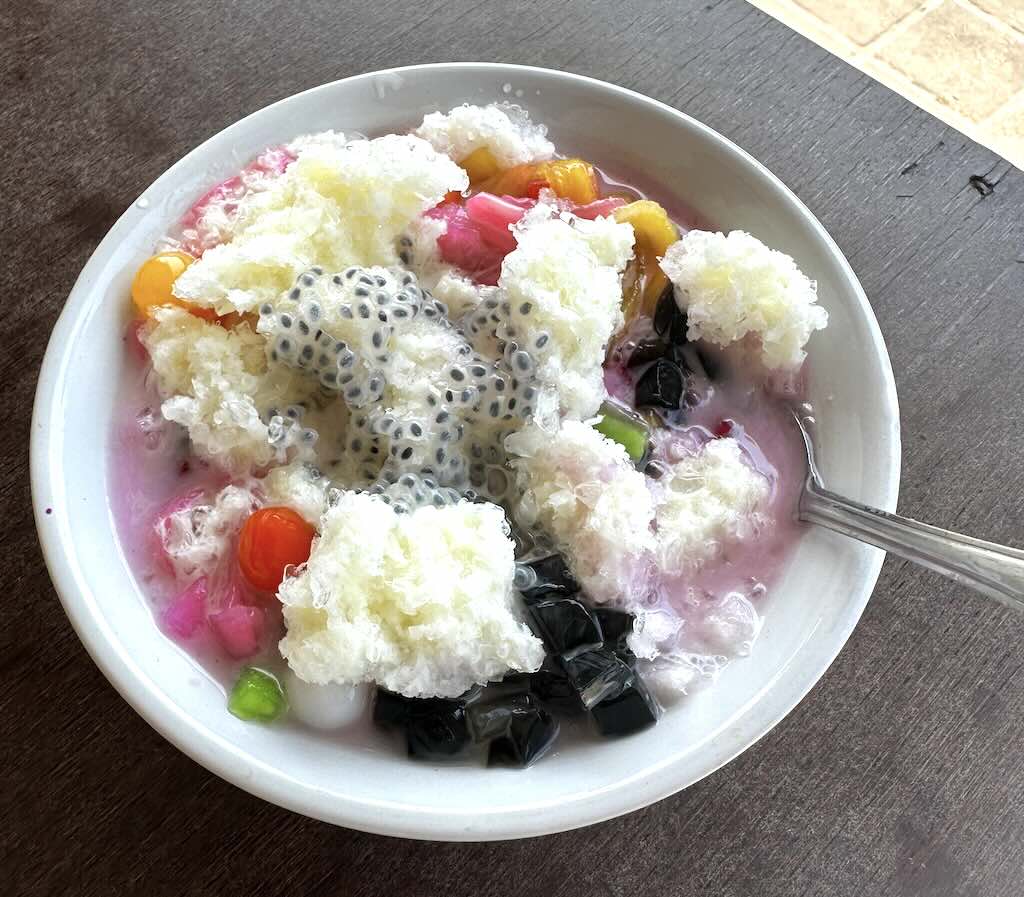
Es Campur
My favorite indonesian dessert is Es Campur> It is a refreshing dessert made with shaved ice, tropical fruits, red beans, jellies, coconut milk, and sweet syrup. Perfect for cooling off on a hot Indonesian day.
Klepon
Klepon are green, pandan-flavored glutinous rice balls filled with liquid palm sugar and coated in grated coconut. With their soft texture and burst of sweetness, they offer a delightful contrast of flavors in every bite.
Where to Try Indonesian Food in Bali
One of the best things about discovering Indonesian food in Bali is that you can experience it at every level—from simple street food stalls to beachfront restaurants with ocean views. Each setting offers a different atmosphere, but all share the same rich flavors and authenticity.
Warungs (Local Restaurants)
Warungs are small, family-run eateries and the heart of Indonesian cuisine. This is where locals eat daily, and where you’ll find some of the most authentic flavors at very affordable prices.
Expect dishes like nasi goreng, mie goreng, gado-gado, and soto ayam served quickly and generously. Many warungs display their dishes in glass cabinets, allowing you to point and choose what you want.
👉 If you want a true local experience, this is where you should start.
Local Markets (Street Food Experience)
For a more immersive and lively experience, head to local markets, especially in the evening. Night markets in Bali are packed with street food vendors grilling satay, frying rice, and preparing fresh snacks on the spot.
This is the best place to try a variety of dishes in one visit, often for just a few dollars. The atmosphere is vibrant, sometimes chaotic, but always authentic.
👉 Don’t miss freshly grilled satay or a plate of nasi campur with a mix of different local specialties.
Beach Restaurants (Dining with a View)
If you’re looking to combine great food with a stunning setting, Bali’s beach restaurants are hard to beat. Places like Jimbaran are famous for their fresh seafood barbecues right on the sand, while many coastal restaurants serve Indonesian classics with a modern twist.
You can enjoy dishes like grilled fish, satay, or nasi goreng while watching the sunset over the ocean—an experience that perfectly captures the magic of Bali.
👉 It’s more expensive than warungs, but ideal for a memorable dinner.
Final Tip
To fully experience Indonesian food in Bali, try all three:
- Start with a warung for authenticity
- Explore a night market for variety
- End with a beach restaurant for the atmosphere
Each offers a different perspective on the same rich and diverse cuisine.

Conclusion
Indonesian food is a feast for the senses, blending bold flavors, diverse textures, and intoxicating aromas. Each dish tells a story and reflects the rich traditions of the archipelago’s many regions. Whether you love spicy food or prefer milder flavors, your trip to Indonesia can become an unforgettable culinary journey!