Bali Travel Guide 2026 – Where to Stay, What to Do & Local Tips
Bali: Between Fantasy and Reality
Bali is one of Indonesia’s most famous destinations — and one that many dream of visiting. But there is often a gap between expectation and reality. When I first arrived in 2009, the traffic and rapid development surprised me, far from the wild island I had imagined.
In 2015, I returned and discovered a different side of Bali through Nusa Penida — raw, dramatic, and closer to what I had been searching for. I eventually moved to Bali in 2020 and now live in Seminyak after spending months on Nusa Penida.
Over the years, I’ve come to understand that Bali reveals its magic when explored thoughtfully. Here are my recommendations to help you combine iconic highlights with more authentic, off-the-beaten-path experiences.
This Bali travel guide is designed to help you plan a balanced and authentic trip.
Why Bali Is the World’s #1 Destination
In 2026, Bali was named No. 1 Top Destination in the World by TripAdvisor, confirming its status as one of the most complete travel experiences on the planet.
What makes Bali stand out is its extraordinary diversity within a relatively small island. You can hike at sunrise on Mount Batur, explore lush rice terraces and ancient temples in Ubud, relax on white-sand beaches in the south, and snorkel alongside manta rays near Nusa Penida — all within a few days.
Beyond its landscapes, Bali offers a unique blend of spirituality, art, cuisine, and hospitality. This combination of nature, culture, and adventure is what keeps travelers returning year after year — and why Bali continues to rank at the very top of global travel lists.
Best Areas to Stay in Bali
Seminyak – Lifestyle & Sunset Energy
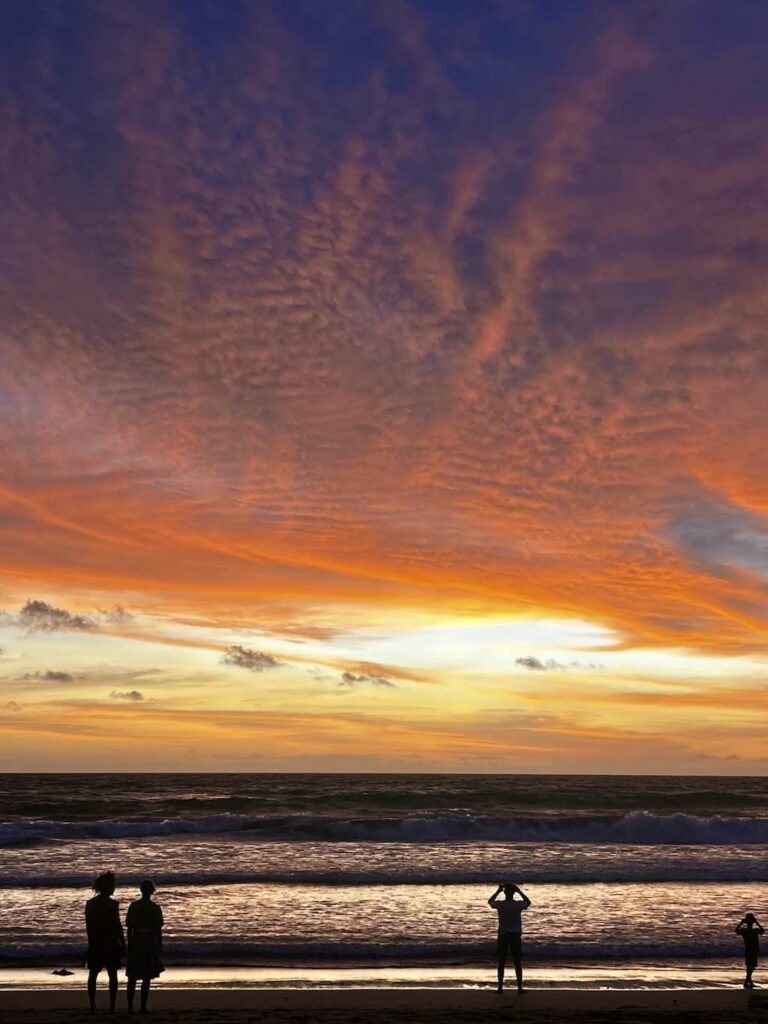
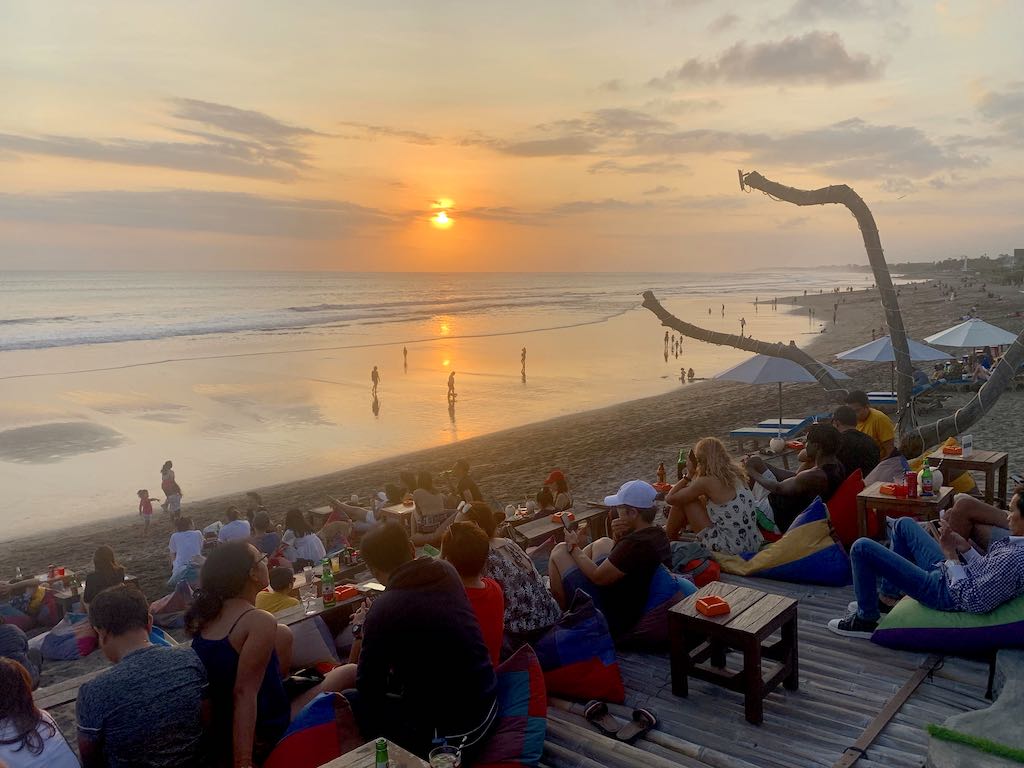
I’ll start with Seminyak because that’s where I live now. I find it a good balance between nature and beach on one side and entertainment on the other. Seminyak is indeed famous for its restaurants, bars, fashion boutiques, and beach clubs. But Seminyak Beach is also one of the most popular on the island, offering spectacular sunsets and water sports activities, including surfing.
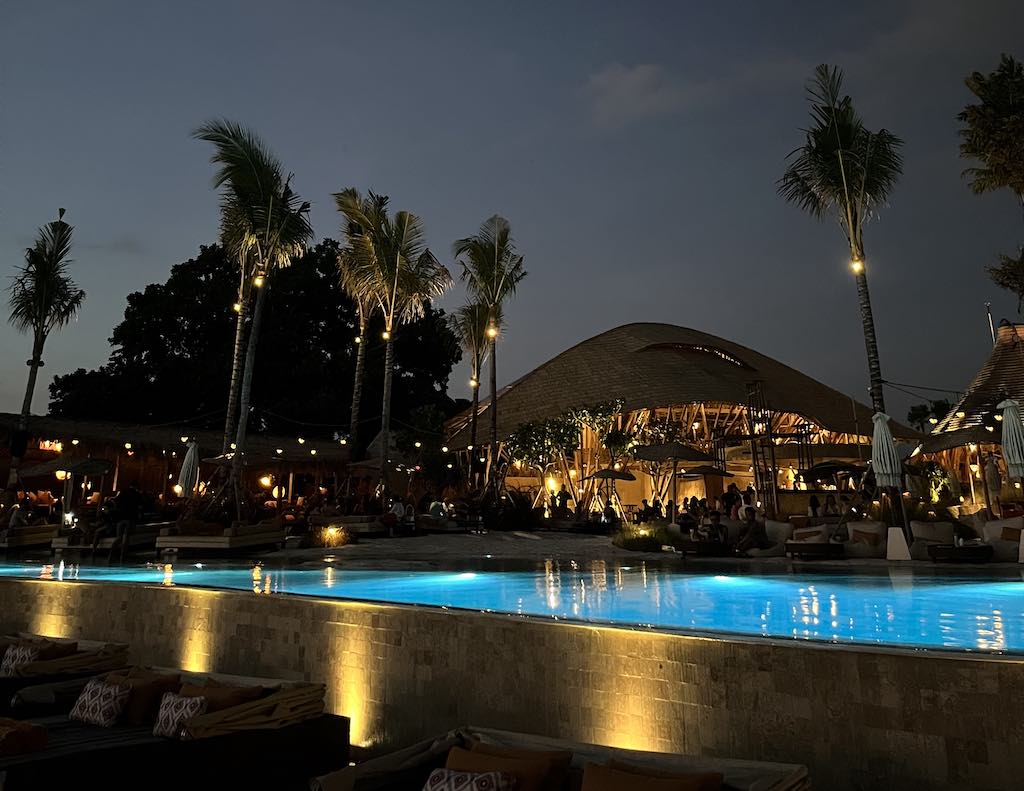
Seminyak is also known for its lively nightlife. The beach bars and clubs in Seminyak are the most popular places to enjoy Bali’s festive atmosphere. Ku De Ta, Potato Head, and Finns are the oldest, but new beach clubs have recently opened such as Café del Mar, Mari, and Atlas.
Numerous accommodation options are also available in Seminyak, ranging from luxury hotels to private villas. Luxury hotels offer world-class amenities, including extraordinary swimming pools. Private villas, on the other hand, provide total privacy and a unique stay experience.
Personally, I much prefer Seminyak to Kuta in the south, which has been a victim of mass tourism for the past few decades. And even to Canggu in the north, which has become impractical due to the traffic jams created by the thousands of influencers who flocked there during and after Covid.
Ubud – Culture, Temples & Rice Fields
Ubud is a village located in the central mountains of Bali. It is renowned for its Balinese culture, temples, and terraced rice paddies. It is also a popular retreat for tourists seeking relaxation and rejuvenation. The Ubud Palace, located in the city center, is a popular tourist attraction where visitors can learn about Balinese royalty and the city’s history.
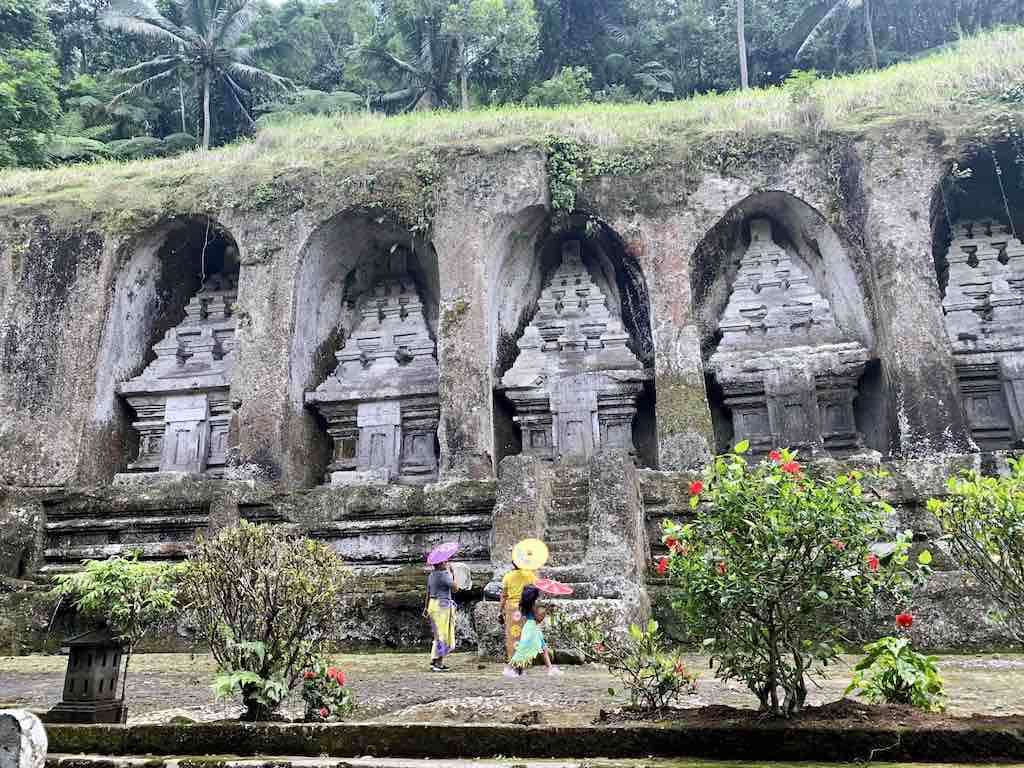
Ubud is also known for its temples, including the famous Gunung Kawi, Tirta Empul, Goa Gajah, and Pura Taman Saraswati temples. For those seeking relaxation and spiritual rejuvenation, Ubud is home to numerous yoga, meditation, and wellness centers. Luxurious hotels with internationally renowned spas offer traditional healing treatments and massages.
In addition, tourists can choose Ubud as their base camp to explore the rice terraces of Jatiluwih and Tegallalang, or to venture to numerous spectacular waterfalls. Many also choose to stay in Ubud before embarking on Mount Batur.
Overall, Ubud is a cultural and artistic destination that attracts travelers seeking relaxation, spirituality, and a deeper understanding of Balinese culture. Check the date of Hinduist ceremonies in Bali, maybe you will have the chance to attend to one of them in Ubud!
Uluwatu – Cliffs & Surf
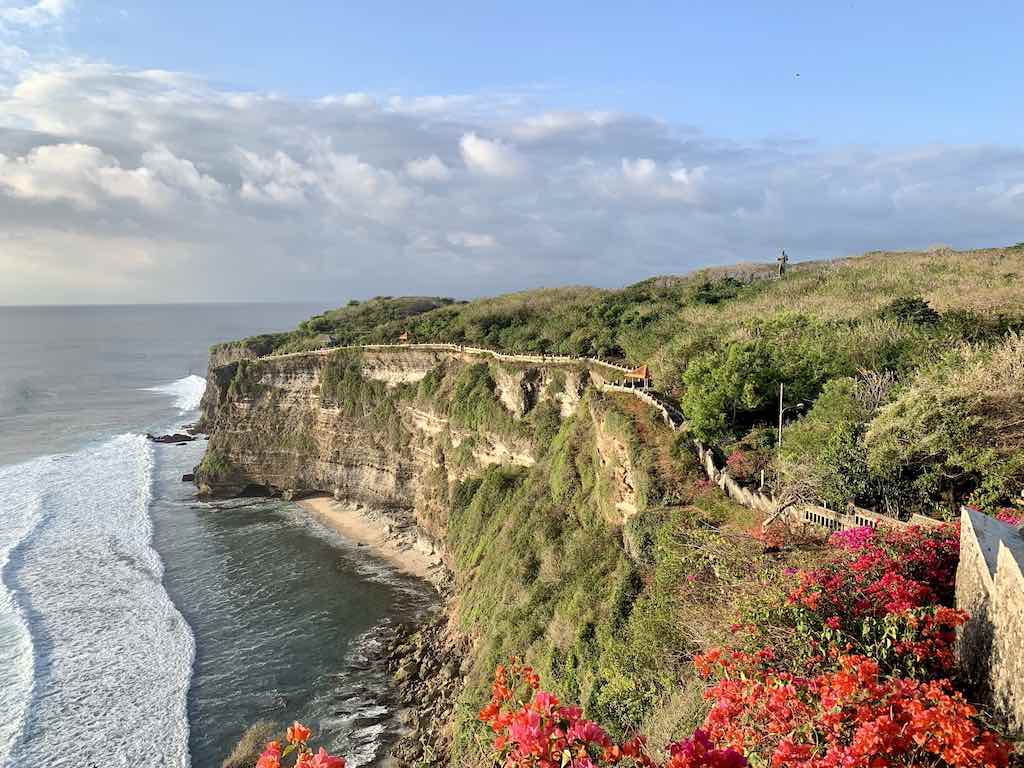
Uluwatu is located on the Bukit Peninsula in southern Bali. The Uluwatu Temple is one of the main tourist attractions in the area. Perched on a cliff overlooking the Indian Ocean, the temple offers stunning views of the surrounding landscape. Visitors can also witness traditional Balinese dance performances in the temple during sunset.
Uluwatu is also known for its surf beaches, such as Padang Padang and Bingin. The waves are powerful and best suited for experienced surfers.
Numerous beach bars and clubs, such as Single Fin and Omnia, offer live music and DJ parties. There are also many high-end hotels in Nusa Dua, such as the Kempinski, which hosted the G20 leaders in November 2022.
Sidemen – The Authentic Bali
Sidemen is a perfect destination for travelers seeking authenticity and tranquility. Located in the eastern mountains of Bali, this region offers breathtaking landscapes of terraced rice fields and lush mountains. The traditional villages of Sidemen are also fascinating to explore, with their wooden houses adorned with Balinese sculptures and paintings. The locals in Sidemen are very welcoming and happy to share their culture and way of life with visitors.
Popular activities in Sidemen include hiking, cycling, temple visits, and discovering Balinese culture. Travelers can also learn how to cultivate rice, weave bamboo baskets, or prepare offerings for local temples.
Sidemen is also an ideal retreat for those looking to recharge and reconnect with nature. Accommodations often consist of traditional wooden bungalows or luxurious villas with views of the mountains and rice fields.
Amed – Diving & East Bali
Amed is a small seaside town located on the east coast of Bali. Known for its peaceful and relaxing atmosphere, Amed is a popular destination for travelers seeking tranquility. This region is also famous for its scuba diving, with many world-class diving sites, including the USAT Liberty shipwreck.
Amed is also an excellent starting point for exploring the surrounding areas, including traditional fishing villages, terraced rice paddies, and Balinese temples. The black sand beach of Amed is also a favorite spot for swimmers and water sports enthusiasts.
Amed is an ideal destination for travelers seeking a quiet and authentic setting in Bali.
Lovina – Dolphins & North Bali
Lovina is a region on Bali’s north coast, renowned for its tranquil beaches and wild dolphins. Unlike livelier beach locations such as Seminyak and Kuta, Lovina offers a more laid-back, peaceful atmosphere. Lovina’s black-sand beaches offer stunning views of the surrounding mountains and spectacular sunsets. The wild dolphins of Lovina are one of the region’s main attractions. It is possible to take an early-morning boat ride to observe these marine creatures at play in their natural habitat.
In addition, Lovina offers a variety of activities, including fishing, yoga, spa treatments, and trekking excursions. Visitors can also enjoy the many beachside restaurants. Lovina is an ideal destination for travelers seeking to recharge and reconnect with nature in a peaceful and relaxing setting.

Sanur – Relaxed & Convenient
Sanur is a seaside village on Bali’s east coast. It offers a calm and relaxed atmosphere, unlike other bustling beach towns in Bali. It is the perfect place to unwind, relax, and enjoy the beach without the crowds and noise.
Sanur is also known for its water sports, including kite surfing, kayaking, and windsurfing. Visitors can rent equipment and take lessons to improve their skills.
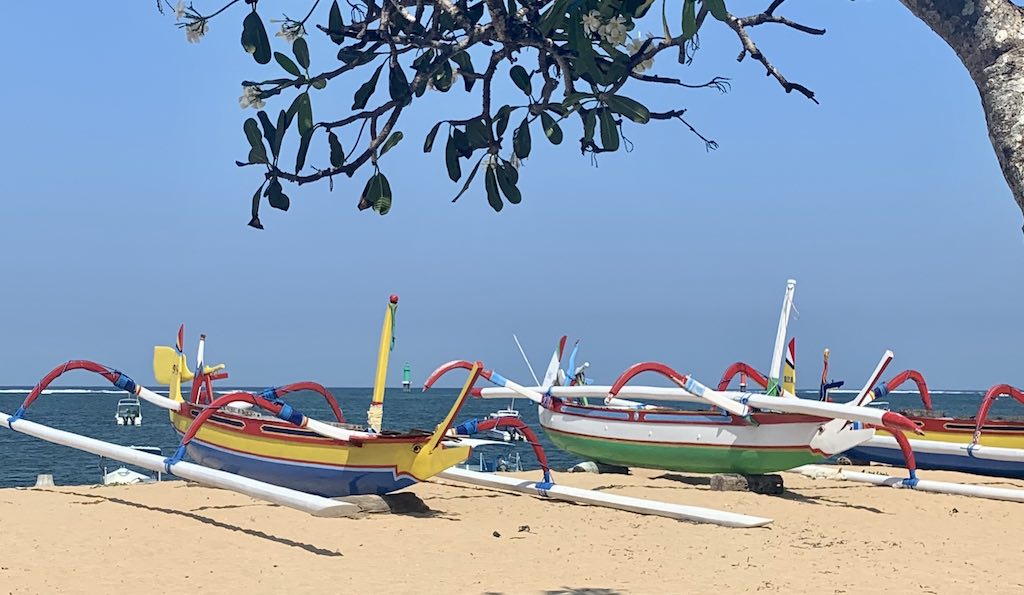
In addition to the beach, Sanur offers a variety of restaurants, bars, and shops, as well as temples and local markets. Travelers looking to explore the region further can also take a boat to the neighboring island of Nusa Penida for a day or more of adventure.
Nusa Penida – Bali’s Wild Sister Island
Just one hour by boat from Bali, Nusa Penida feels like stepping into a different era of the island.
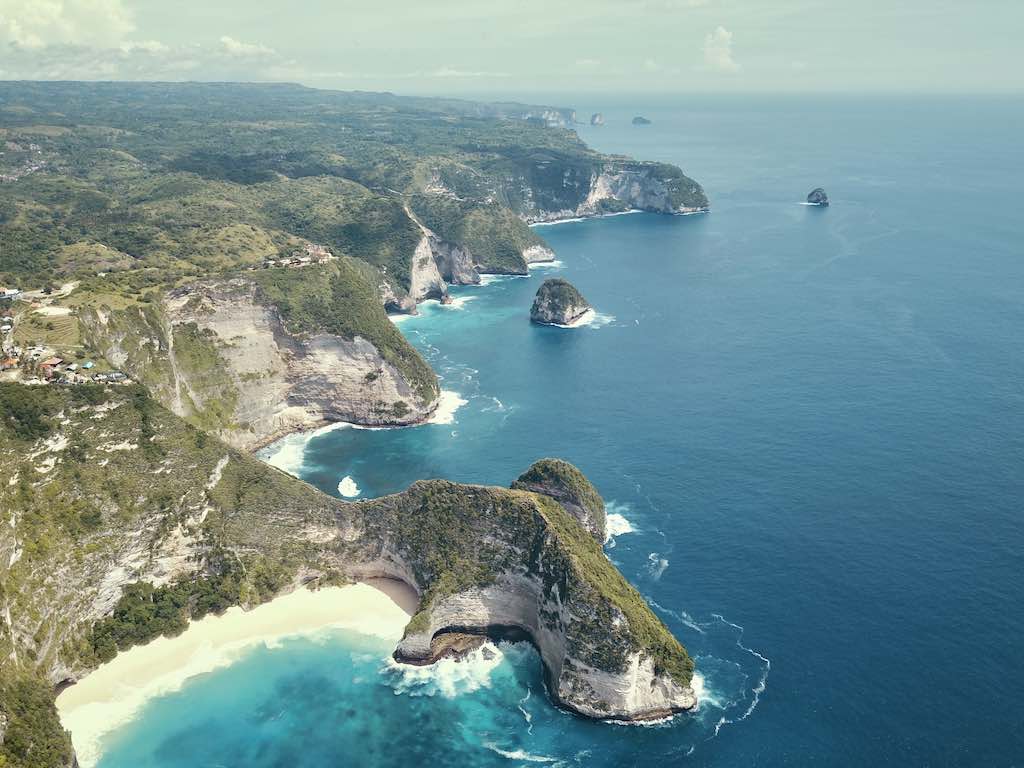
I first discovered Nusa Penida when I returned to Bali in 2015, searching for the authenticity I had imagined years earlier. What I found there was the raw, dramatic landscape I had been looking for: towering limestone cliffs plunging into deep blue water, empty roads winding through dry hills, and a powerful ocean that shapes the island’s identity.
Today, although the island has grown in popularity, it still offers a wilder and more untouched atmosphere than most parts of southern Bali.
Iconic Cliffs & Breathtaking Viewpoints
Nusa Penida is home to some of Indonesia’s most spectacular coastal scenery.
Kelingking Beach, often nicknamed “T-Rex Beach” for its dinosaur-shaped cliff formation, remains the island’s most famous viewpoint. Standing on the edge of the cliff, watching the waves crash far below, is one of those moments that defines a trip to Bali.
Further along the coast, Broken Beach (Pasih Uug) forms a natural rock arch open to the ocean, while nearby Angel’s Billabong reveals a natural tidal pool carved into volcanic stone. On the eastern side of the island, Diamond Beach has become iconic for its dramatic staircase descending toward a pristine stretch of white sand.
These places are best enjoyed slowly — ideally by spending at least one night on the island rather than rushing through on a day trip.
One of the Best Diving Areas in Indonesia
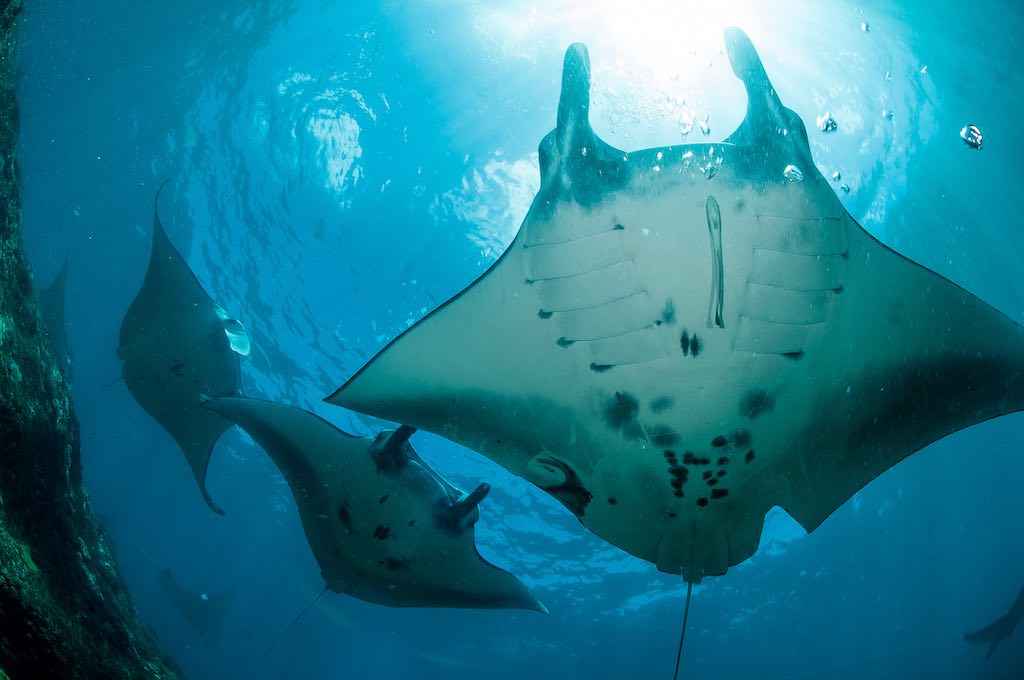
Beyond its cliffs, Nusa Penida is internationally recognized for its marine biodiversity. The surrounding waters form part of a protected marine area known for year-round manta ray encounters.
During the dry season, divers may also encounter the elusive mola mola (ocean sunfish), drawn to the cooler currents flowing along the island’s deep underwater walls.
The conditions can be powerful, with strong currents and sudden temperature changes — which is precisely why the marine life is so rich. For experienced divers, it is one of the most rewarding areas in Indonesia. For snorkelers, calmer bays still offer excellent visibility and coral life.
Who Should Visit Nusa Penida?
Nusa Penida is ideal for:
- Travelers seeking dramatic landscapes
- Photographers chasing iconic viewpoints
- Divers and marine-life enthusiasts
- Visitors looking for a more rugged alternative to mainland Bali
If you are planning to visit and want detailed information about transportation, accommodations, dive sites, and hidden viewpoints, I’ve compiled a comprehensive local guide of Nusa Penida.
Best Things to Do in Bali
Bali offers an incredible diversity of experiences within a relatively small island. From volcano hikes to temple ceremonies and world-class diving, here are the essential experiences that make a trip to Bali unforgettable.
🌋 Watch the Sunrise from Mount Batur
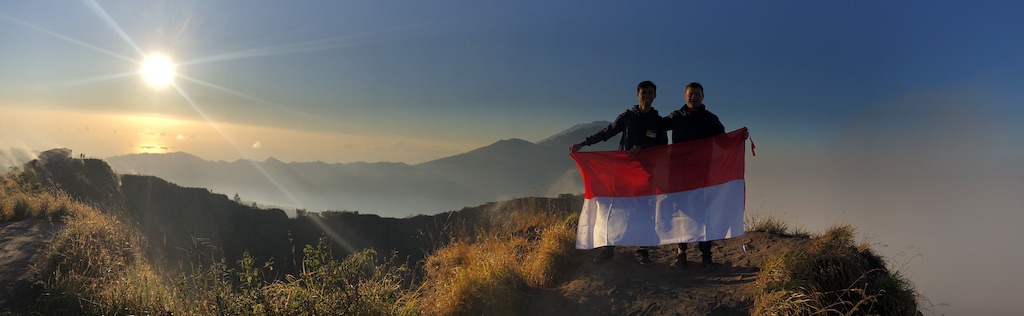
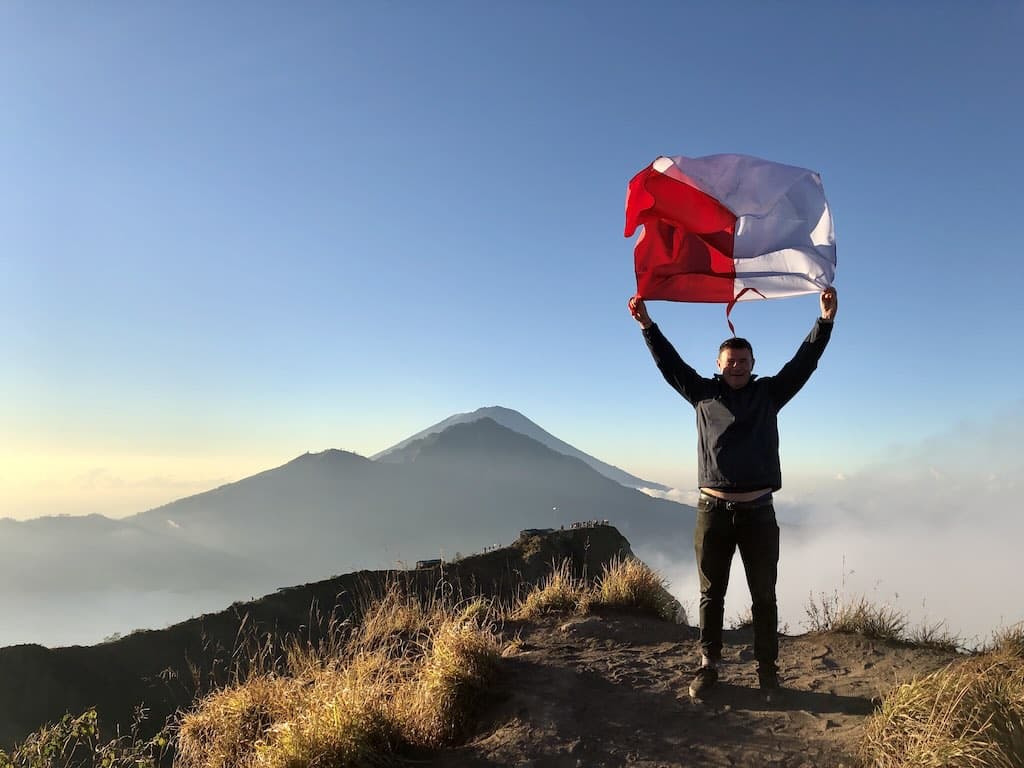
Climbing Mount Batur at dawn is one of the most iconic experiences in Bali. The early-morning trek is accessible to most travelers and rewards you with panoramic views over Lake Batur and the surrounding volcanic landscape. On clear days, you can even see Mount Agung rising in the distance.
🛕 Explore Bali’s Temples
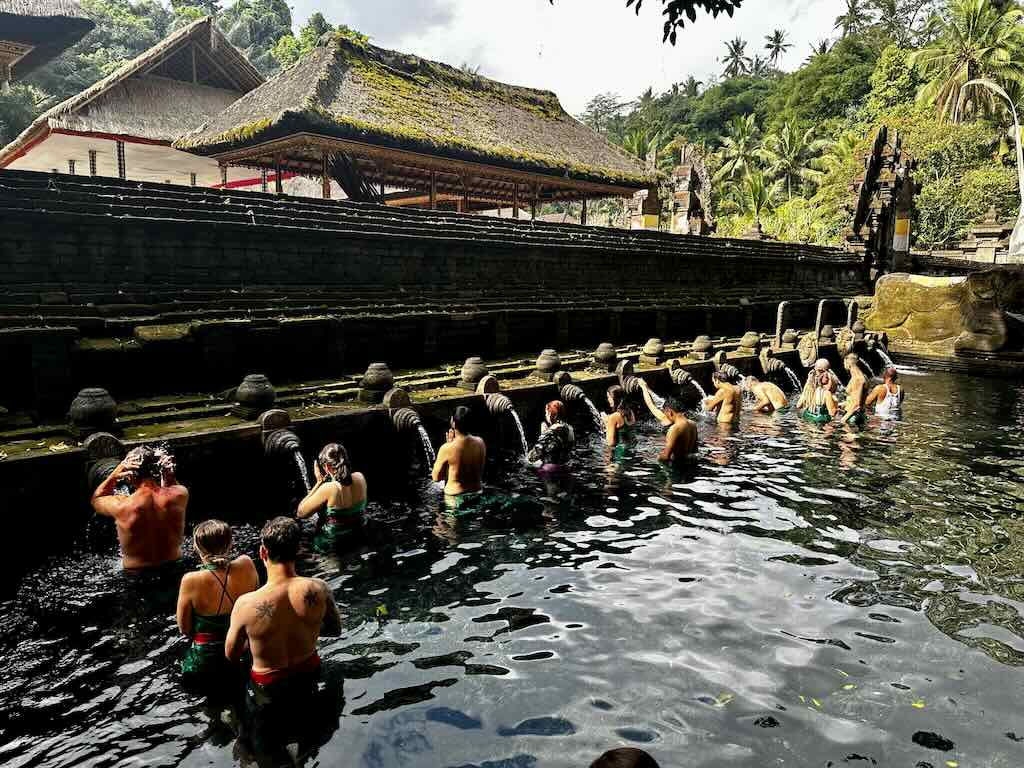
Bali is often called the “Island of the Gods” for a reason. The island is home to thousands of Hindu temples, each with its own history and atmosphere.
Some of the most remarkable include:
- Uluwatu Temple, perched dramatically on a cliff above the Indian Ocean
- Tirta Empul, famous for its sacred purification pools
- Gunung Kawi, carved directly into rock cliffs
Attending a traditional ceremony is one of the most meaningful ways to understand Balinese culture.
🌾 Walk Through the Rice Terraces
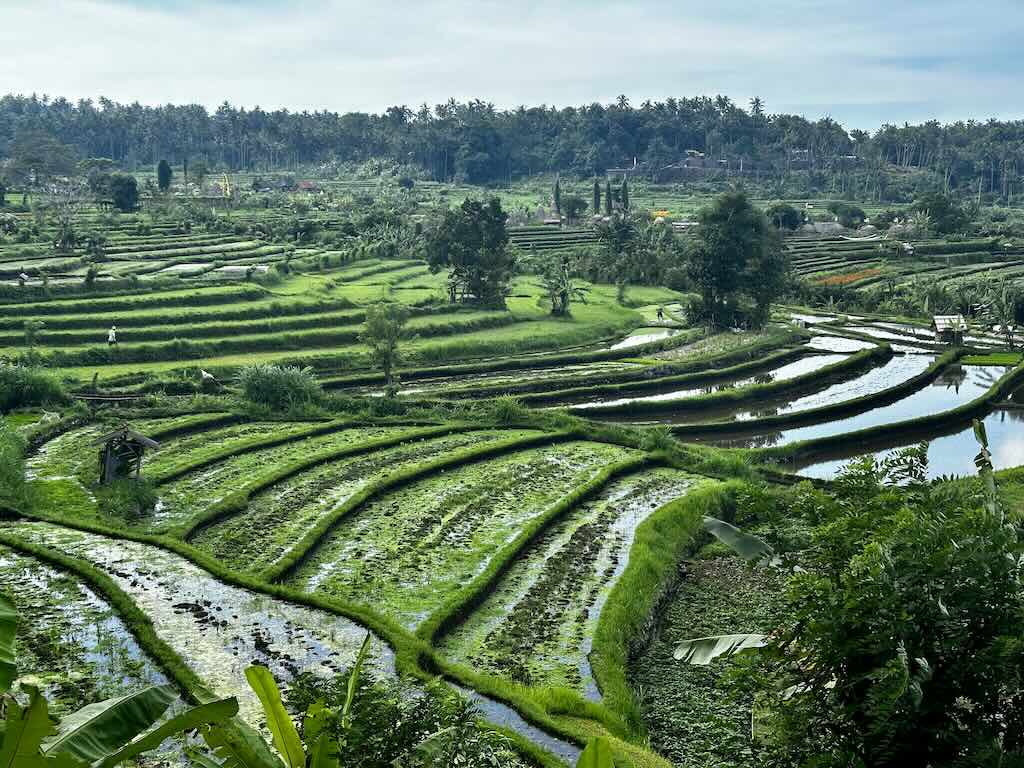
The terraced rice fields around Ubud, Jatiluwih, and Sidemen showcase Bali’s traditional irrigation system, known as subak. While Ubud and Jatiluwih are the most visited, the Sidemen region offers a more authentic and tranquil atmosphere, with sweeping valley views and fewer crowds. A morning walk through these lush green landscapes provides a peaceful contrast to Bali’s coastal areas and reveals the agricultural heart of the island.
🌊 Dive or Snorkel in Crystal-Clear Waters
Bali is one of the best diving destinations in Southeast Asia. Around Nusa Penida, you may encounter manta rays year-round and even mola mola during the dry season.
On the east coast, Amed and Tulamben offer accessible shore dives, including the famous USAT Liberty shipwreck. Even non-divers can enjoy excellent snorkeling in calmer bays.
🏄 Surf Bali’s Legendary Waves
From beginner-friendly beaches in Canggu to powerful reef breaks in Uluwatu, Bali is a global surf destination. The Bukit Peninsula is particularly known for consistent swells and dramatic cliffside surf spots.
💧 Chase Waterfalls in the Jungle
Northern and central Bali hide spectacular waterfalls surrounded by lush vegetation. Visiting early in the morning allows you to experience these natural pools before the crowds arrive.
🌅 Enjoy Bali’s Sunset Scene
Few places do sunsets like Bali. Whether you’re watching the sky turn orange on Seminyak Beach or from a cliff in Uluwatu, sunset is a daily ritual on the island. Beach bars and oceanfront restaurants offer the perfect setting to end the day.
🧘 Experience Bali’s Wellness & Spiritual Side
Yoga classes, meditation retreats, traditional massages, and holistic wellness centers are deeply rooted in Bali’s culture — particularly around Ubud. Even a short stay can offer a chance to slow down and reconnect.
Bali’s true magic lies in combining these experiences: volcanoes, temples, rice fields, ocean adventures, and cultural immersion — often all within the same week.
How to Get to Bali (Flights & Visas)
Flying to Bali is straightforward, with numerous international connections to Ngurah Rai International Airport (DPS) in Denpasar. Most travelers can obtain a Visa on Arrival, valid for 30 days and extendable once for an additional 30 days. The visa can be arranged at the airport or online before departure, depending on your nationality.
Several major airlines operate regular flights to Bali, including Singapore Airlines, Emirates, Air France, and Qatar Airways. Prices vary significantly depending on the season, route, and booking period. With some flexibility on travel dates, round-trip fares from Europe can sometimes be found for under €700, particularly with Asian carriers offering competitive connections.
To secure the best fare, it is advisable to compare flights using a reliable flight comparison website. Being flexible with departure dates and considering nearby airports can significantly reduce costs.
Another option is to fly into Jakarta and travel overland through Java before reaching Bali. This route allows you to visit iconic sites such as Borobudur, Mount Bromo, and Ijen volcano, turning your journey into an adventure.
If you are already in Indonesia, Bali is accessible by domestic flights, long-distance buses, private drivers, or ferries from neighboring islands such as Java and Lombok. For detailed transportation options across the country, refer to my guide to getting around Indonesia.

Practical Tips Before Visiting Bali
Before traveling to Bali, it helps to understand a few local realities. These practical tips will help you avoid common mistakes and make your stay smoother and more enjoyable.
🚗 Traffic Reality
Traffic in southern Bali (Seminyak, Canggu, Kuta, Uluwatu) can be heavy, especially during peak hours (8–10 AM and 4–7 PM). Distances may look short on the map, but travel times can be unpredictable.
If you plan multiple activities in one day, try to group them geographically. Staying in one area for several nights instead of changing hotels frequently will save time and stress.
☀️ Best Time to Visit Bali
Bali is a year-round destination, but the experience varies by season.
- Dry season (April to October): Sunny days, lower humidity, ideal for hiking, diving, and outdoor exploration. July and August are peak months.
- Rainy season (November to March): Short but intense tropical showers, usually in the afternoon or evening. Landscapes are greener, prices are often lower, and there are fewer crowds.
For diving around Nusa Penida, the dry season also brings cooler currents and the possibility of encountering mola mola.
🌧️ Dry vs Rainy Season
The rainy season does not mean constant rain. Most showers are tropical bursts that clear quickly. However, humidity is higher, and the ocean can be rougher at times.
If your priority is photography, volcano trekking, or beach days, the dry season is generally more reliable. If you prefer fewer tourists and don’t mind occasional rain, the wet season can still be very enjoyable.
🛕 Respect Local Culture
Bali is predominantly Hindu, and religion plays a central role in daily life. You will frequently see offerings (small woven baskets with flowers and incense) placed on sidewalks and temple entrances. Avoid stepping on them.
During religious ceremonies, roads may be temporarily closed, and traffic can slow down significantly. Being patient and respectful goes a long way.
👗 Temple Dress Code
When visiting temples, modest dress is required:
- Shoulders covered
- Long pants or a sarong
- A sash tied around the waist
Many temples provide sarongs at the entrance, but bringing your own is useful if you plan multiple visits in one day.
📅 Ceremony Dates
Balinese Hindu ceremonies follow a 210-day calendar cycle, meaning celebrations occur frequently throughout the year. Major festivals such as Galungan and Nyepi (Day of Silence) can significantly affect travel plans.
On Nyepi, the entire island shuts down for 24 hours — no flights, no traffic, no outdoor activity. It is a unique cultural experience, but important to plan for.
📱 SIM Cards & Internet
Buying a local SIM card at the airport or in town is inexpensive and highly recommended. Mobile data coverage is generally good across most of the island, though it may be weaker in remote areas such as parts of Nusa Penida or northern Bali.
Having mobile data makes navigation, ride-hailing apps, and communication much easier.
💰 Currency & Payments
The local currency is the Indonesian Rupiah (IDR).
Credit cards are widely accepted in hotels, restaurants, and larger shops in tourist areas, but smaller businesses and rural regions often require cash. ATMs are easy to find in the south, though they are less common in remote areas.
It’s advisable to withdraw money from reputable bank ATMs and avoid unofficial money changers offering unusually attractive rates.
Understanding these practical aspects will help you experience Bali with fewer surprises — and allow you to focus on what truly matters: the landscapes, the culture, and the unique atmosphere of the Island of the Gods.
10-Day Bali Itinerary Example
If you have around ten days in Bali, you can experience a balanced mix of culture, nature, beaches, and adventure without feeling rushed. Here is a suggested itinerary that combines iconic highlights with more authentic regions.
Days 1–3: Ubud – Culture & Nature
Start your journey in Ubud, the cultural heart of Bali.
Spend your days exploring rice terraces, visiting temples such as Tirta Empul or Gunung Kawi, and discovering waterfalls hidden in the jungle. Ubud is also an excellent base for a sunrise hike on Mount Batur.
Take time to enjoy the slower rhythm of the island: morning walks through the rice fields, traditional dance performances in the evening, and perhaps a yoga or wellness session.
Days 4–5: Sidemen – Authentic & Peaceful Bali
Head east to Sidemen for a quieter, more traditional atmosphere.
This region offers sweeping valley views, terraced rice fields, and a glimpse into rural Balinese life. It’s the perfect place to slow down, hike through the countryside, or simply relax in a small guesthouse overlooking Mount Agung.
Sidemen provides a beautiful contrast to the busier areas of the island.
Days 6–7: Uluwatu – Cliffs & Ocean Views
Move south to the Bukit Peninsula and base yourself in Uluwatu.
Visit the iconic cliffside temple, explore beaches like Padang Padang and Bingin, and enjoy dramatic sunsets over the Indian Ocean. If you surf, this is one of the best regions in Bali. Even if you don’t, the scenery alone is worth the stay.
Evenings are ideal for oceanfront dinners or watching a traditional Kecak dance performance at sunset.
Days 8–9: Nusa Penida – Wild Landscapes & Marine Life
Take a boat from Sanur to Nusa Penida and spend at least two nights on the island.
Explore spectacular viewpoints such as Kelingking Beach, Diamond Beach, and Broken Beach. If you dive or snorkel, this is one of the best places in Indonesia to encounter manta rays.
Staying overnight allows you to experience the island early in the morning or late in the afternoon, when day-trip crowds have left.
Day 10: Seminyak – Sunset & Lifestyle
End your trip in Seminyak for a more relaxed and comfortable finale.
Enjoy the beach, explore boutiques and cafés, and watch your final Bali sunset from the sand or a beachfront restaurant. It’s an easy area to arrange airport transfers and makes for a smooth departure.
This itinerary offers a complete introduction to Bali: culture in Ubud, authenticity in Sidemen, dramatic coastlines in Uluwatu, raw beauty in Nusa Penida, and a final touch of lifestyle in Seminyak.
How to Experience the Real Bali
Bali can disappoint if poorly planned. Many travelers arrive with postcard expectations and end up stuck in traffic, moving too quickly from one crowded hotspot to another. If you only skim the surface, you may miss what truly makes the island special.
But when approached thoughtfully, Bali can be magical.
The real Bali reveals itself when you combine the must-sees — Mount Batur at sunrise, the temples of Ubud, the cliffs of Uluwatu — with quieter moments in places like Sidemen or Nusa Penida. It is in early morning rice field walks, temple ceremonies at sunset, conversations with locals, and days structured around regions rather than rushing across the island.
Bali is not just a destination to “tick off.” It is an island to experience slowly.
If you want to explore further, you can continue with my complete Indonesia Travel Guide, discover detailed information in my Nusa Penida Guide or dive deeper into Bali’s underwater world with my list of 20 best dive sites in Bali.
With the right balance between iconic highlights and hidden gems, Bali remains — beyond the clichés — one of the most rewarding islands in the world.
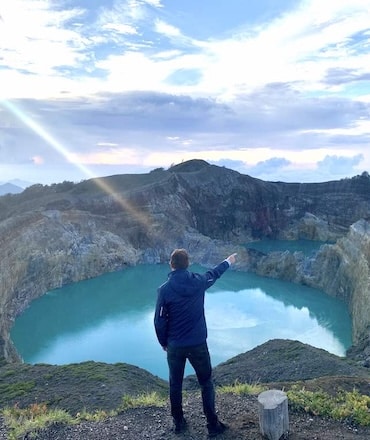
Indonesia Travel Guide
From Bali to Java, Flores and Raja Ampat, explore the diversity of Indonesia’s 17,000 islands. Discover volcanoes, temples, jungles, and world-class diving destinations beyond the usual tourist routes.
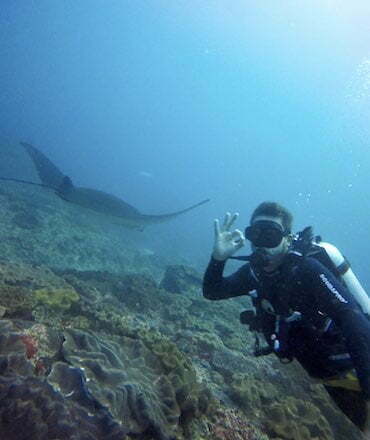
Best dive sites in Bali
20 best dive sites in Bali around Nusa Penida, Padang Bai and North Bali : discover manta rays, oceanic sunfish, sharks, drift dives and vibrant coral reefs.
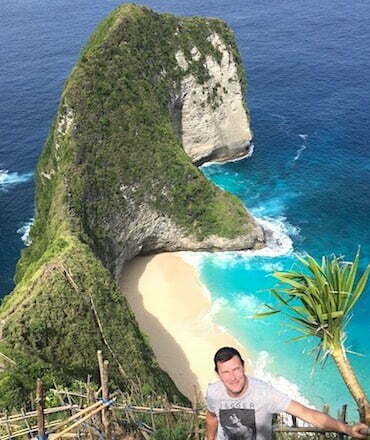
Nusa Penida travel guide
Complete Nusa Penida Travel Guide : how to get there, where to stay, best beaches, temples, viewpoints and practical tips to plan your island adventure.
Frequently Asked Questions About Bali
Is 10 days enough for Bali?
Yes, 10 days is enough to see the main highlights of Bali at a comfortable pace. In ten days, you can explore Ubud, visit temples, hike Mount Batur, relax in Uluwatu, and spend at least two nights in Nusa Penida.
This duration allows you to combine culture, nature, beaches, and adventure without rushing between regions. For a first trip, 10 days is considered ideal.
When is the best time to visit Bali?
The best time to visit Bali is during the dry season, from April to October. This period offers sunny weather, lower humidity, and better conditions for hiking, diving, and beach activities.
July and August are peak months with more tourists. The rainy season (November to March) brings short tropical showers but fewer crowds and greener landscapes. Bali is a year-round destination, but the dry season provides the most reliable weather.
Is Bali expensive for tourists?
No, Bali is generally affordable compared to Europe, Australia, or North America. Budget travelers can find inexpensive accommodation, local food, and transportation.
However, luxury resorts, private villas, and upscale beach clubs can be expensive. Overall, Bali offers options for every budget, from backpackers to high-end travelers.