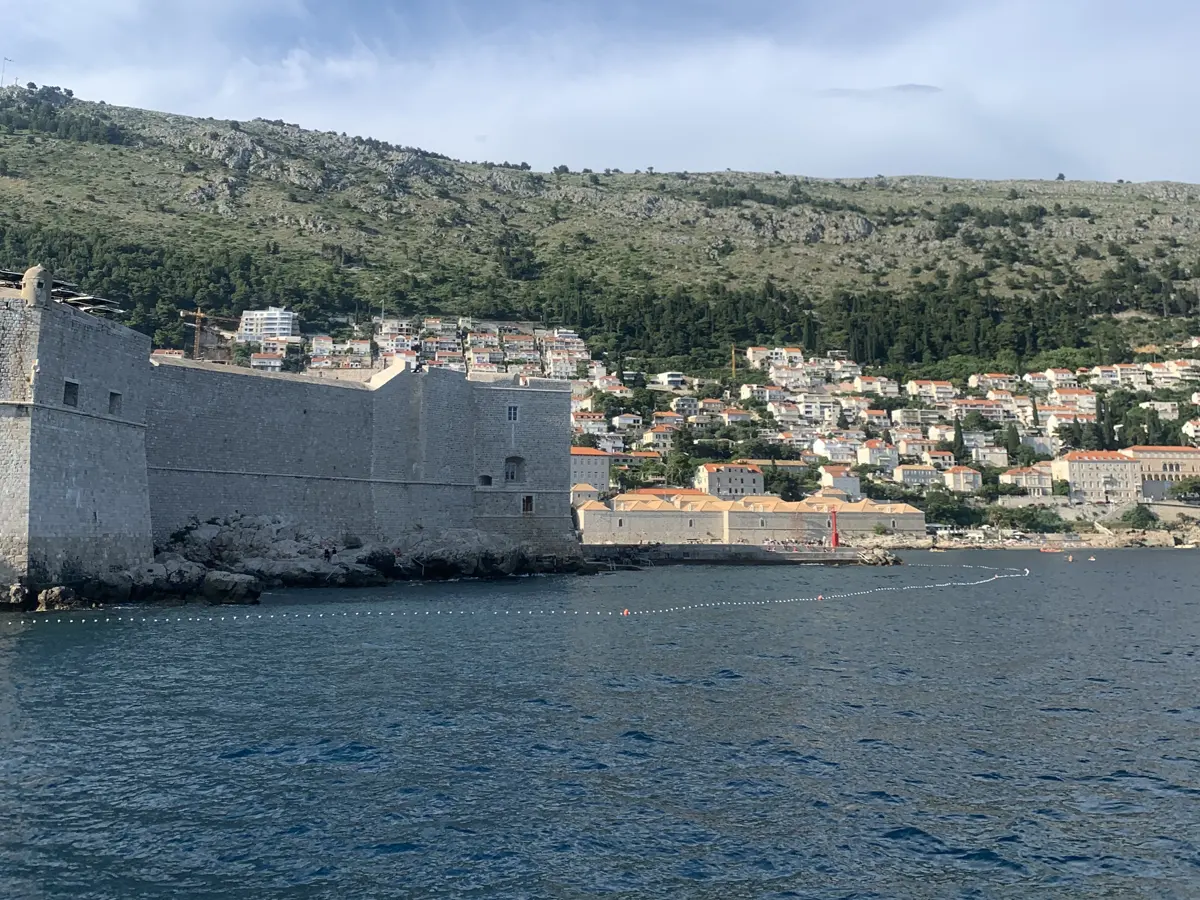
Croatia Travel Guide: Dubrovnik and the Adriatic Coast
By Blaise Jaeger · Updated November 1, 2026
Croatia has more than a thousand islands, Venetian and Roman towns and some of the clearest water in the Mediterranean. I discovered it through Dubrovnik, where I spent three days with my friend Roy at the end of May 2023, before flying on to Greece. This page gathers what I know first-hand and the essentials to plan a trip; my detailed itinerary is in my guide to 3 days in Dubrovnik.
Croatia at a Glance
- Capital: Zagreb.
- Currency: the euro, since January 2023. Croatia has also been in the Schengen area since then.
- Main airports for the coast: Dubrovnik, Split and Zadar, with many seasonal flights from Europe.
- Best time: May, June and September; July and August are hot and crowded on the coast.
- Getting around: buses along the coast, ferries and catamarans to the islands, or a rental car.
Dubrovnik: My Trip
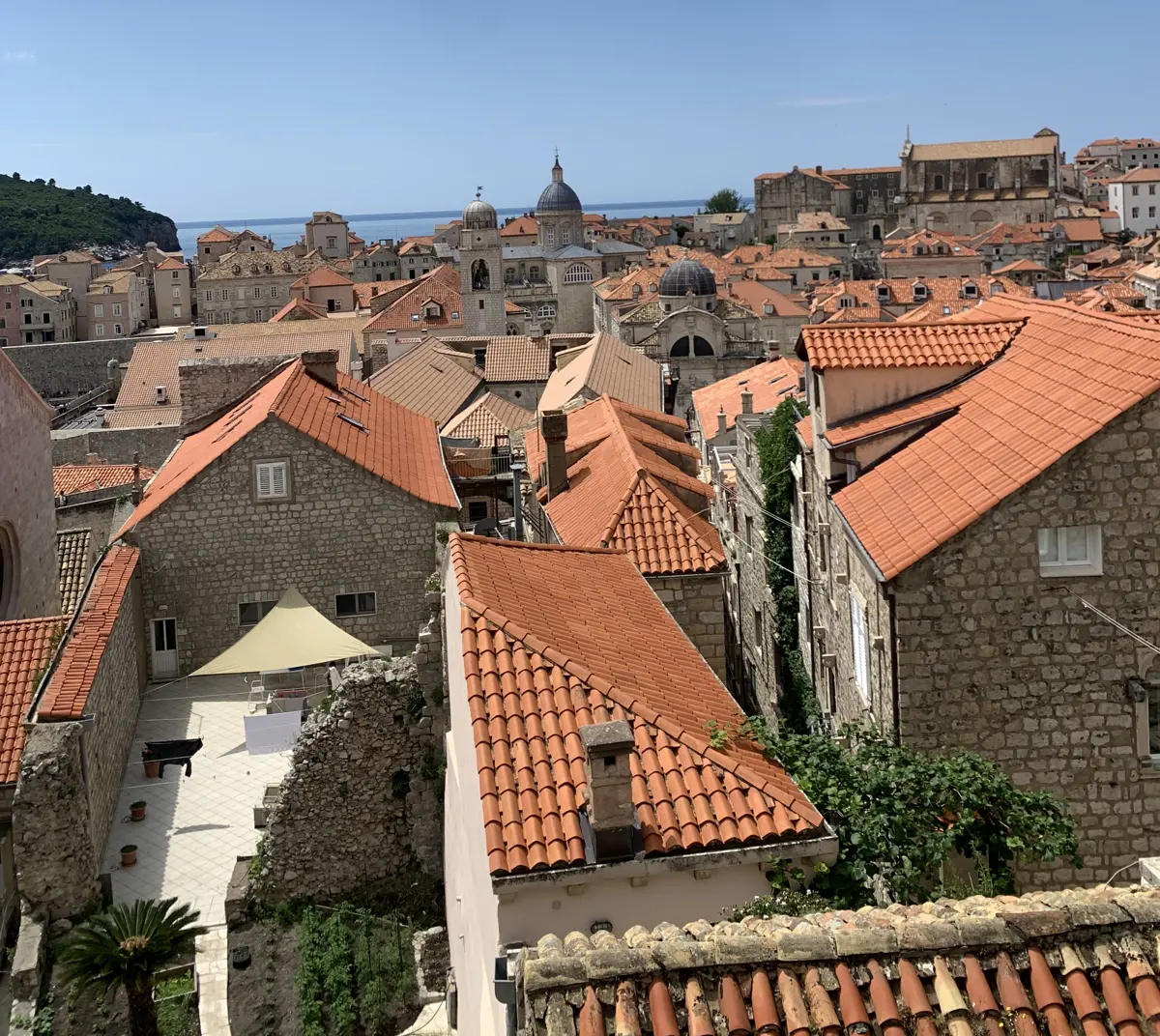
Dubrovnik is touristy, but it is worth the trip: its walled Old Town, listed by UNESCO since 1979, is remarkably well preserved and plunges you into a very different atmosphere. The walk around the city walls is the highlight, with views of the sea and the red roofs. We also took a boat trip to the Elaphiti islands, Koločep and Lopud. Everything is in my Dubrovnik itinerary, with prices and where we stayed.
Other Places to Visit in Croatia
I have not been to the rest of Croatia yet, so here are only the places most travelers combine with Dubrovnik:
- Split: the city grew inside Diocletian’s Palace, a Roman emperor’s palace listed by UNESCO, and it is the main ferry hub for the islands.
- Hvar: the island of lavender, with the lively Hvar Town and the Pakleni islands just offshore.
- Plitvice Lakes: Croatia’s oldest national park, with 16 terraced lakes and waterfalls crossed by wooden boardwalks.
- Krka: a national park near Šibenik with travertine waterfalls; swimming there has been banned since 2021.
- Zadar: a Roman forum and the Sea Organ on the waterfront, famous for its sunsets.
- Istria: hill towns, truffles and olive oil in the north, with the pastel old town of Rovinj and the Roman arena of Pula.
Getting Around the Croatian Coast
Dubrovnik and Split are about 230 kilometers apart: about four hours by bus, or four and a half to six hours by catamaran in summer. Since the Pelješac Bridge opened in July 2022, you can drive between them without crossing the short stretch of Bosnia and Herzegovina at Neum, but keep your ID with you, because some buses still take the old road.
Read More
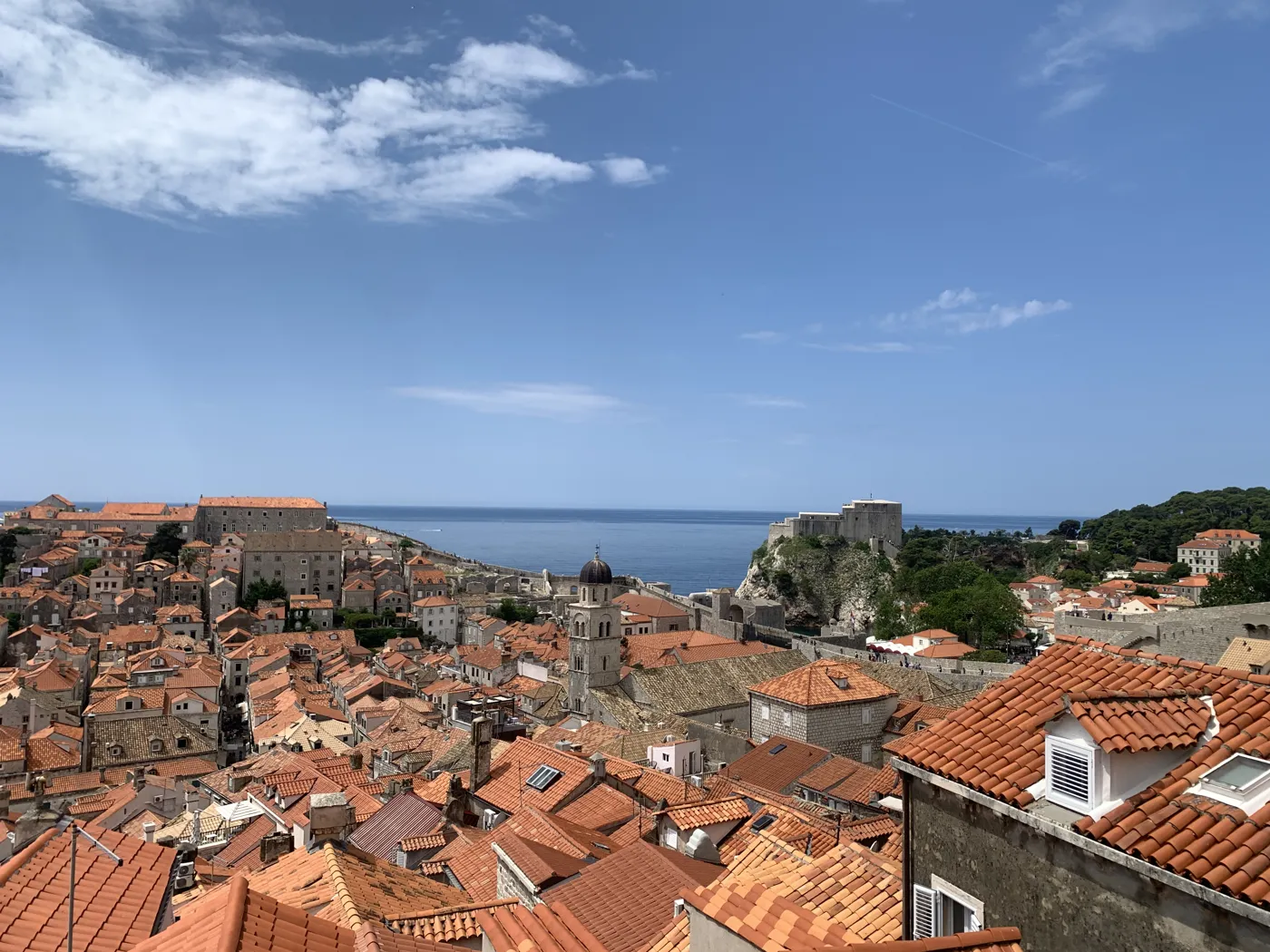
3 Days in Dubrovnik
My itinerary: the walls, the Old Town, the Elaphiti islands and where we stayed.

Frequently Asked Questions About Croatia
Which currency is used in Croatia?
The euro, since January 1, 2023.
Is Croatia in the Schengen area?
Yes, since January 1, 2023, so there are no more border checks with the other Schengen countries.
When is the best time to visit Croatia?
May, June and September: warm sea, long days and fewer people than in July and August.
How many days do you need in Dubrovnik?
Three days is a good length: one for the Old Town and the walls, one for the islands and one to relax at the beach.