Chiang Rai Travel Guide: Temples, Golden Triangle & Best Things to Do
Located in the far north of Thailand, Chiang Rai is one of the most fascinating destinations in Northern Thailand. Known for its extraordinary temples like the White Temple (Wat Rong Khun) and the Blue Temple, the city also offers lush mountains, tea plantations and access to the legendary Golden Triangle.
I spent four days exploring Chiang Rai, discovering its temples, hill tribe culture and breathtaking landscapes. Here are the best things to see and do in Chiang Rai.
Best Temples in Chiang Rai (White Temple, Blue Temple & More)
Chiang Rai is best known for its impressive temples, each with a unique meaning and aesthetic:
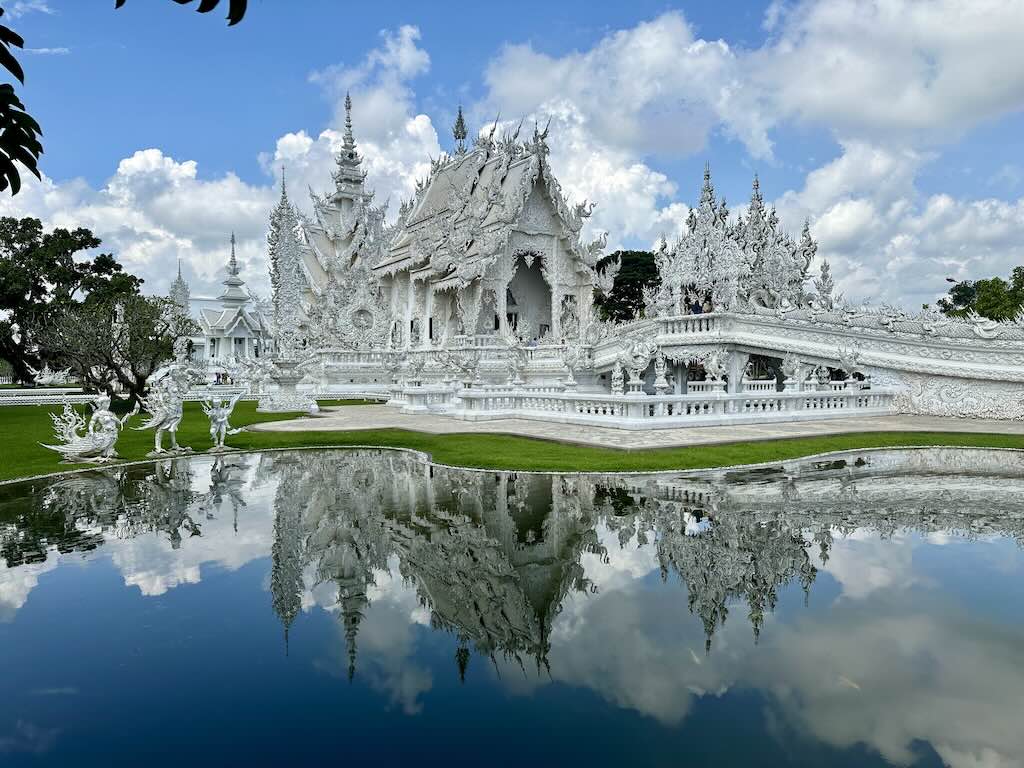
Wat Rong Khun (White Temple)
A masterpiece of contemporary art, the White Temple is a must-see attraction. Designed by local artist Chalermchai Kositpipat, this temple is distinguished by its immaculate structure and meticulous sculptures. Each detail symbolizes the path to spiritual purification. Inside, surprising frescoes mix Buddhist iconography and pop culture.
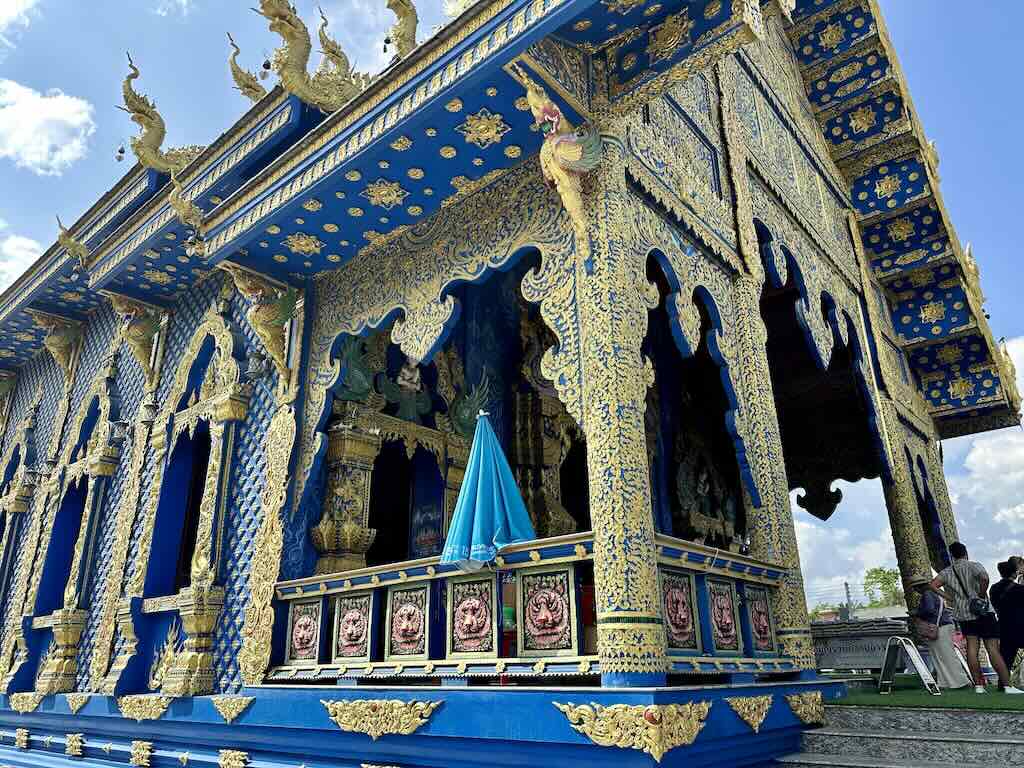
Wat Rong Suea Ten (Blue Temple)
Deep shades of blue and golden ornaments characterize this temple. The atmosphere is soothing, and its giant statue of the seated Buddha impresses with its size and elegance. Less crowded than the White Temple, it also allows for a more serene visit.
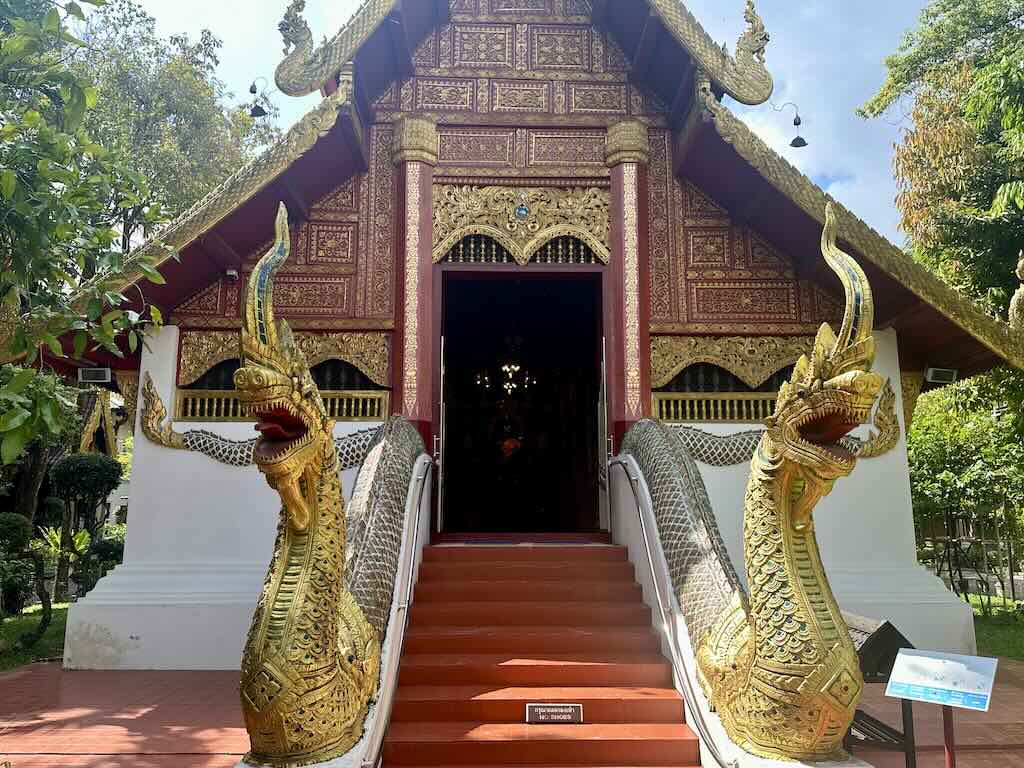
Wat Phra Kaew
This temple is a place full of history, because it is here that the famous Emerald Buddha was discovered, now exhibited in Bangkok. Today, a replica of the statue is preserved in the main sanctuary.
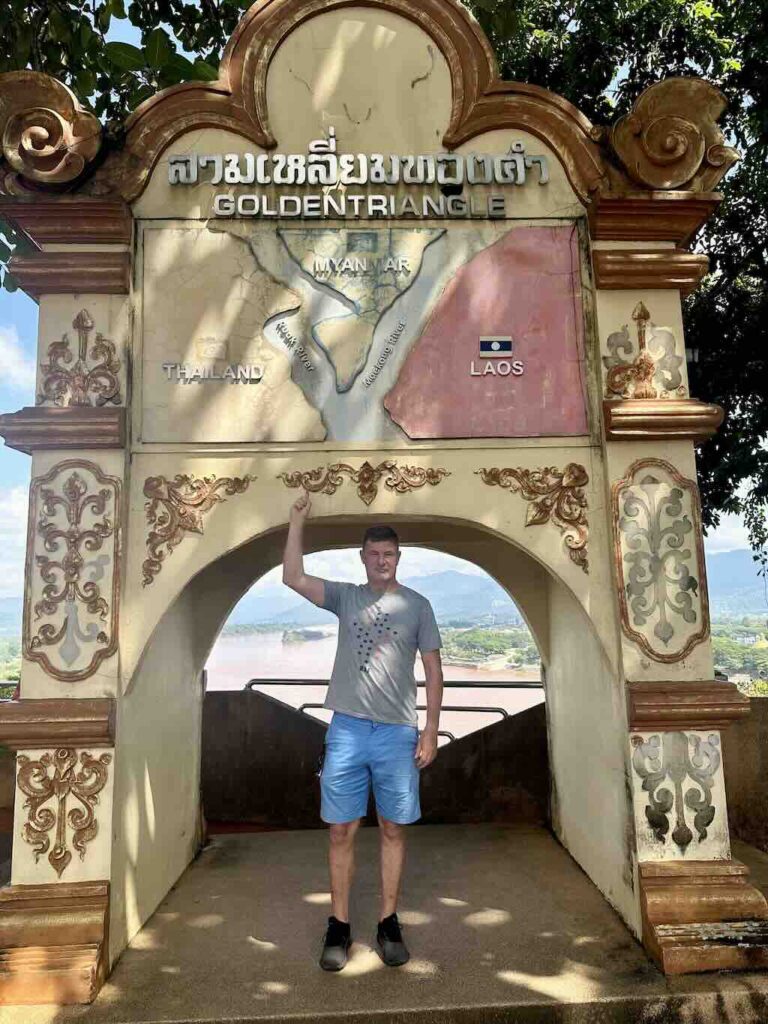
Golden Triangle & Mekong Region
A one-hour drive from Chiang Rai, the Golden Triangle marks the meeting of three countries: Thailand, Laos and Myanmar, at the confluence of the Mekong. Once famous for the opium trade, this region is now a fascinating tourist attraction. You can visit the Opium Museum in particular to better understand the complex history of this region.
If you have time, take a boat trip on the Mekong. You will be able to admire the magnificent surrounding landscapes. And for the more curious, it is possible to cross briefly to Laos from the nearby port.
Wat Phra That Pha Ngao
Wat Phra That Pha Ngao is a magnificent Buddhist complex near the Mekong, in Chiang Saen. Known for its peaceful atmosphere, it is perched on a hilltop with panoramic views of the river and surrounding mountains. The temple is home to an ancient stupa and a sacred Buddha statue, reputed to have been discovered inside a rock. Visitors also enjoy the beauty of its gardens and the serenity it exudes, making it an ideal place to meditate or rejuvenate spiritually.
History of Wat Phra That Pha Ngao
This temple, formerly known as Wat Sobkhame, was initially located on the banks of the Mekong River. However, flooding and changes in the river’s course damaged the temple, prompting the monks to move it further inland. While searching for a new location, they discovered a cave called Tham Pha Ngao, ancient ruins, and Buddha statues. They notably found a half-statue of Buddha, as well as a magnificent statue hidden behind a brick wall, revealed after one of the monks had a dream. According to archaeologists, this statue is 700 to 1300 years old.
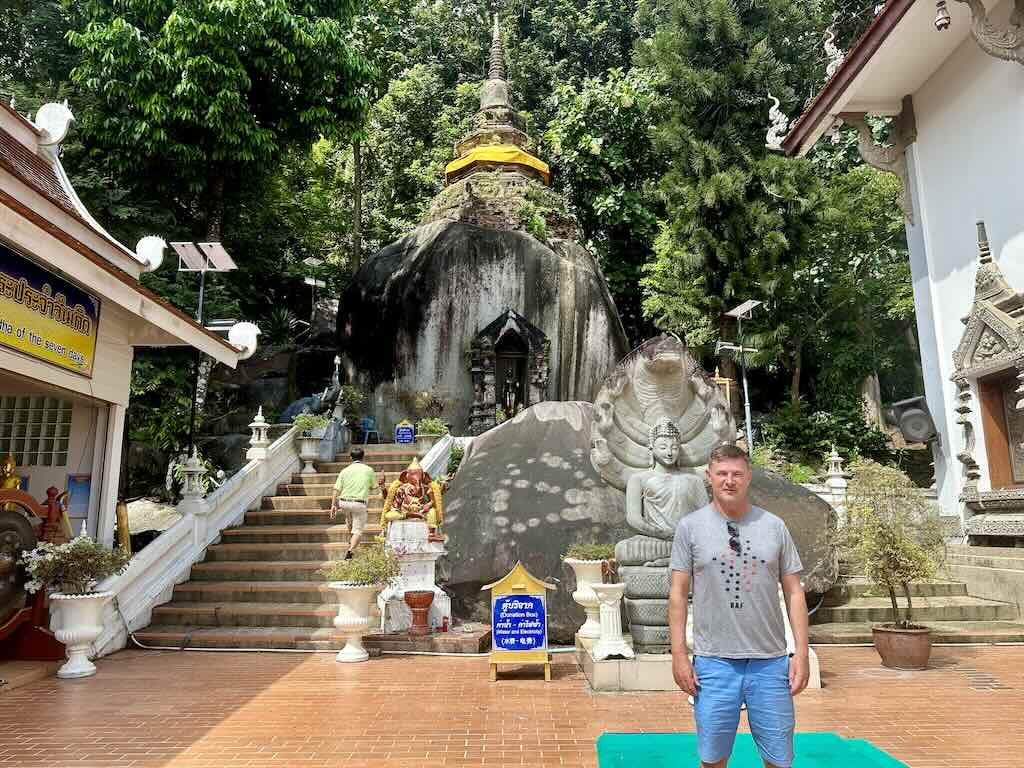
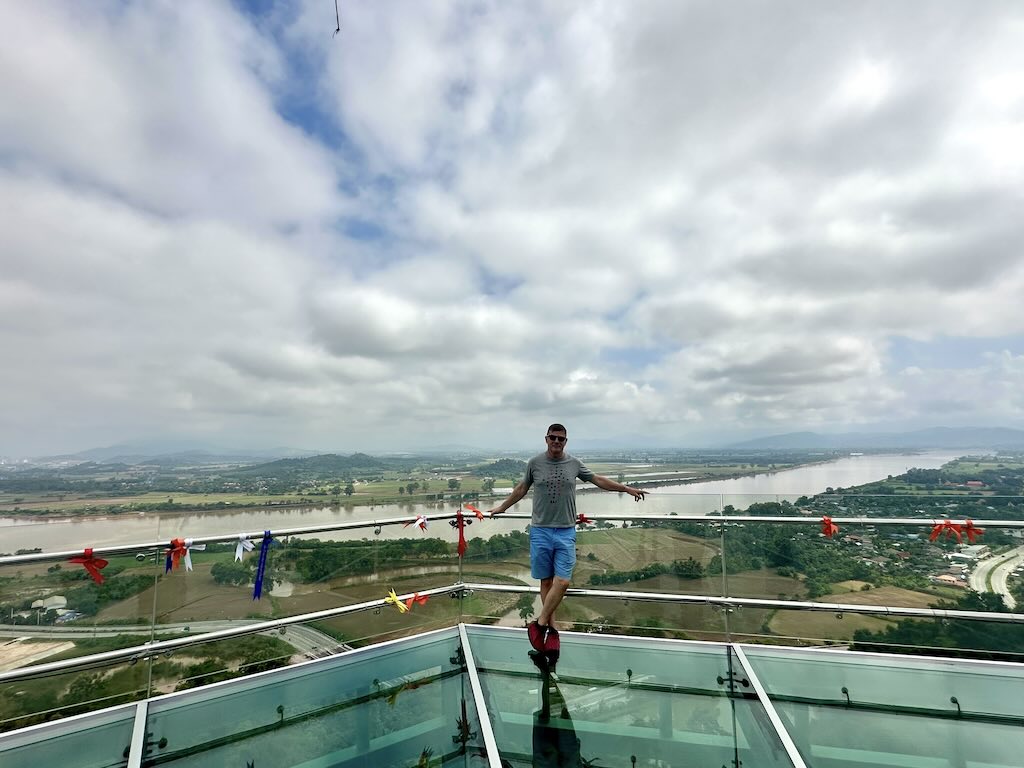
Higher up the hill you can enjoy an exceptional panoramic view of the Mekong, Laos and Chiang Saen. And also a few thrills if you choose to walk on the glass walkway suspended several dozen meters high. If you are brave enough you can instead climb to the top of the hill by taking a stone staircase decorated with a Naga.
Wat Tham Pla
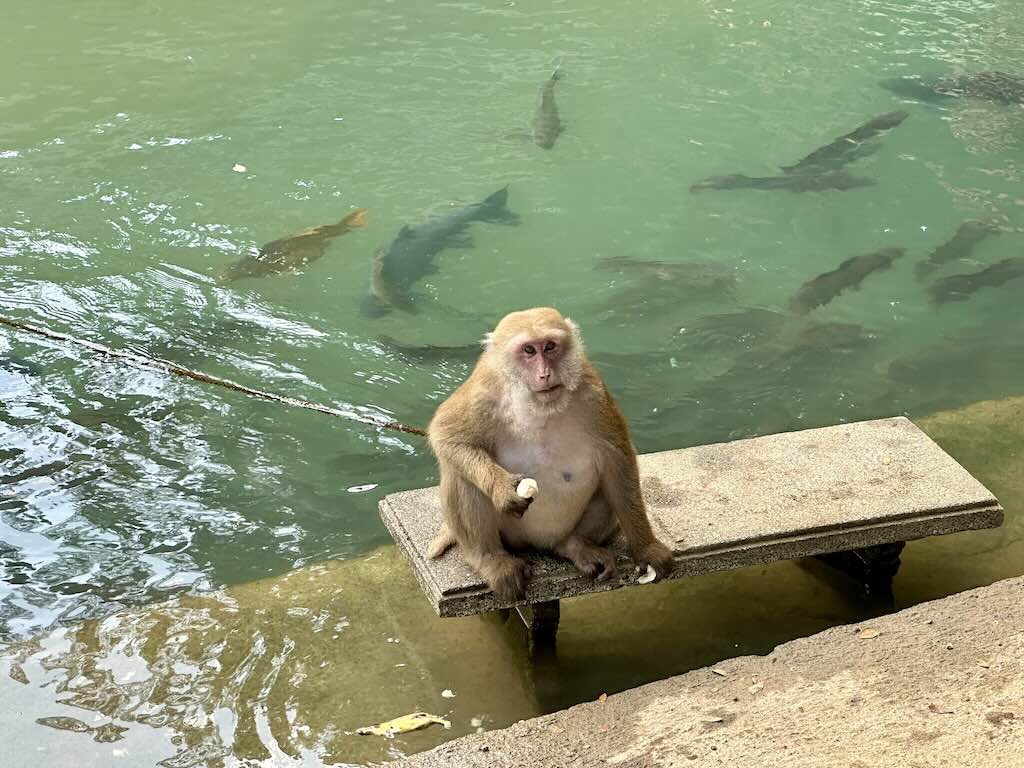
Wat Tham Pla, also known as the Monkey Temple, comes from the main cave (Tham Pla), surrounded by lush gardens and populated by free-roaming macaques. Visitors can explore the cave which houses a statue of Buddha and admire the sacred fish swimming in the nearby pools. The peaceful atmosphere and the presence of the monkeys create an experience that is both spiritual and fun. Located near Mae Sai, Wat Tham Pla is a popular stopover for travelers looking for nature and culture.
Tea plantation
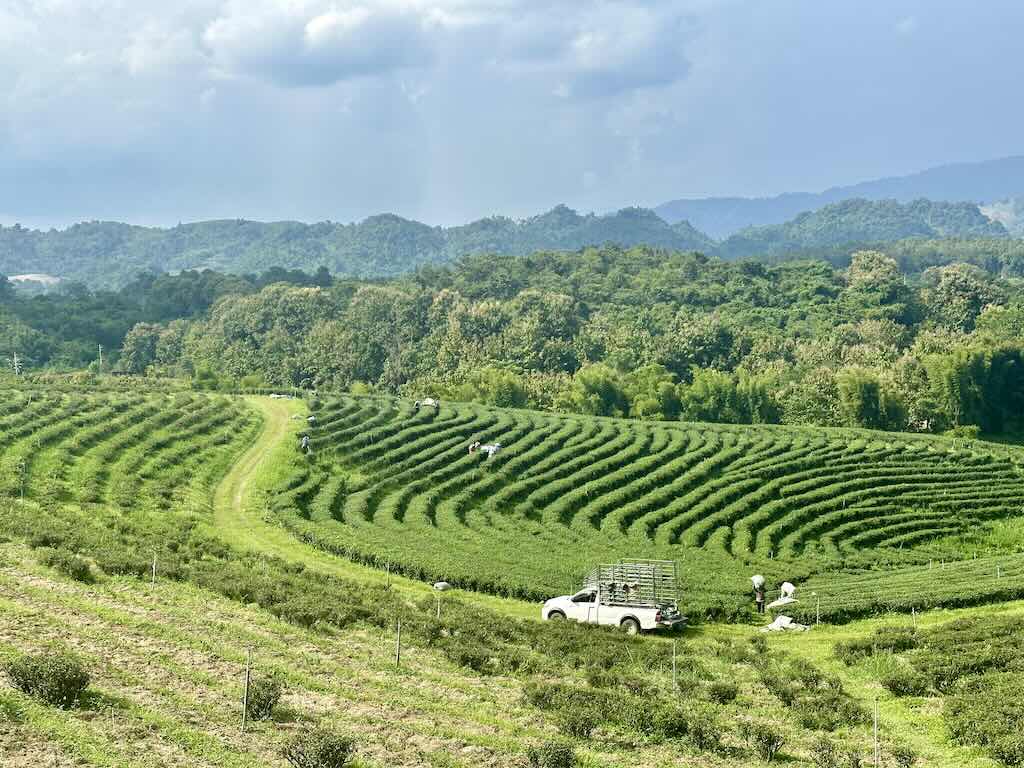
Choui Fong Tea Plantation is a peaceful stop for tea and nature lovers. Nestled in the lush green hills, this plantation has produced some of Thailand’s finest teas, including green tea, oolong tea, and black tea, since 1977. You can stroll through the neat rows of tea bushes, sample fresh teas at the on-site café, and enjoy panoramic views of the surrounding hills.
House of Opium Museum
To better understand the complex history of the region, a visit to the House of Opium Museum is highly recommended. Located near the Golden Triangle viewpoint, the museum traces the history of opium cultivation, trade routes and the transformation of the region.
Through exhibits, artifacts and historical photographs, visitors can learn how the Golden Triangle evolved from one of the world’s most important opium-producing areas into a modern tourism destination.
Golden Triangle Viewpoint
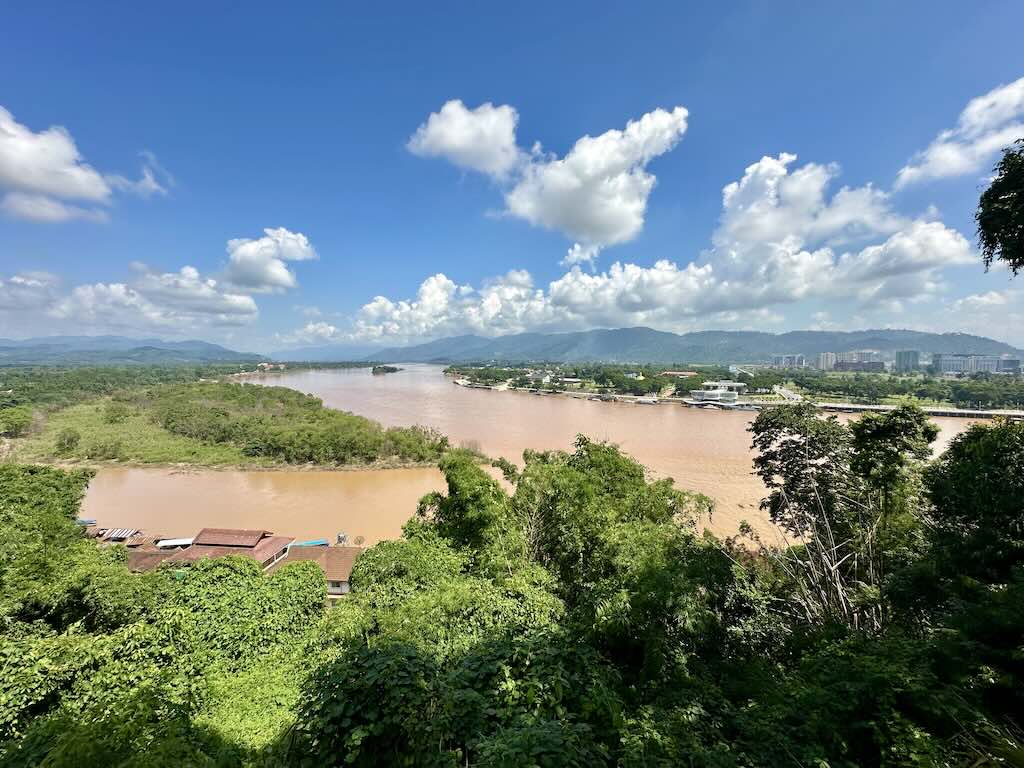
The Golden Triangle viewpoint offers one of the most iconic panoramas in northern Thailand. From here, you can clearly see the Mekong River forming the border between Thailand, Laos and Myanmar.
A large golden Buddha statue and monuments commemorating the history of the region overlook the river. It’s a great place to take photos and appreciate the geography of this unique meeting point of three countries.
Boat Trip on the Mekong River
One of the best ways to experience the Golden Triangle is by taking a boat trip on the Mekong River. Short excursions allow visitors to cruise along the river and admire the landscapes separating the three countries.
Some tours also stop briefly on the Laos side, giving travelers the chance to step into another country for a few minutes. While simple, the boat ride offers a memorable perspective on the region and its history.
Natural Attractions Near Chiang Rai
The mountains and hills surrounding Chiang Rai offer plenty of outdoor activities. Here are some must-see places to explore:
Doi Tung National Park
This park is famous for the Mae Fah Luang Botanical Garden, a vast flower garden located atop the hills. The Doi Tung Royal Villa, former residence of the Princess Mother, is also open to visitors and offers a glimpse into the royal commitment to reforestation.
Phu Chi Fa Viewpoint
Located about a 2-hour drive from Chiang Rai, this spectacular viewpoint overlooks a sea of clouds at sunrise. It is a popular spot for trekkers and photographers, with stunning views of the Laos valley.
Khun Korn Falls
Located 30 km from Chiang Rai, these waterfalls are the highest in the region, with a 70-meter drop. A short hike of about 1.5 km through the jungle leads to this refreshing site.
Hill Tribe Culture in Chiang Rai
The mountains surrounding Chiang Rai are home to several hill tribes, making the region one of the best places in Thailand to discover the traditions and cultures of these unique communities. Among the most well-known groups are the Akha, Lahu and Karen tribes, each with their own language, clothing, and customs.
Visitors can explore hill tribe villages near Chiang Rai to learn more about their traditional lifestyle, handicrafts and agricultural practices. However, it is important to choose ethical hill tribe tours, which respect local communities and contribute to sustainable development rather than exploitative tourism.
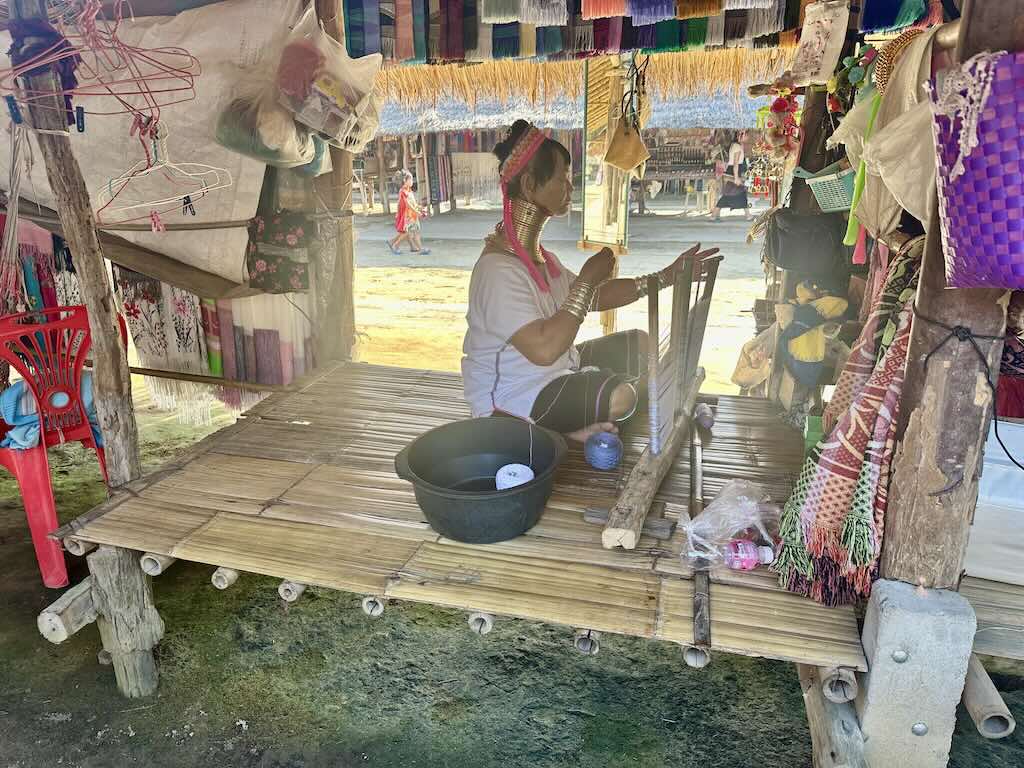
One of the most famous cultural experiences is visiting villages of the Karen long neck tribe, known for the brass rings worn around the neck by some women. When visiting these communities, responsible tourism practices help preserve their cultural heritage.
Doi Mae Salong and the Tea Plantations
Another fascinating cultural destination near Chiang Rai is Doi Mae Salong, a mountainous area with a unique history linked to Chinese Kuomintang settlers who arrived in northern Thailand decades ago.
Today, the region is famous for its beautiful tea plantations, producing some of Thailand’s best oolong tea. Visitors can walk through the terraced hills, visit local tea houses and taste freshly brewed tea while enjoying spectacular views of the surrounding mountains.
Doi Mae Salong offers a perfect combination of hill tribe culture, history and stunning landscapes, making it one of the most interesting day trips from Chiang Rai.
Chiang Rai Itinerary: How Many Days Do You Need?
Many travelers wonder how many days to spend in Chiang Rai. While the city itself is relatively small, the surrounding region offers temples, mountains, tea plantations and cultural sites that are worth exploring.
Ideally, plan 2 to 3 days in Chiang Rai to experience its highlights at a relaxed pace.
Chiang Rai Itinerary – 2 Days
Day 1: Chiang Rai Temples and City Highlights
Start your first day exploring the most famous temples in Chiang Rai.
Wat Rong Khun (White Temple) should be your first stop early in the morning before the crowds arrive. This unique contemporary temple is one of the most iconic landmarks in Thailand.
Day 2: Golden Triangle and Tea Plantations
On the second day, explore the landscapes and culture around Chiang Rai.
Start with a drive to the Golden Triangle, where Thailand, Laos and Myanmar meet along the Mekong River. Visit the House of Opium Museum, admire the view from the Golden Triangle viewpoint, and take a short boat trip on the Mekong River.
Continue to Wat Phra That Pha Ngao, a peaceful temple overlooking the Mekong with beautiful gardens and a scenic skywalk.
In the afternoon, head to the hills of Doi Mae Salong, famous for its tea plantations and Chinese-influenced culture. Enjoy panoramic views and taste some of Thailand’s best oolong tea.
Day 3 (option) : Nature and Scenic Landscapes
Start your third day early with sunrise at Phu Chi Fa Viewpoint, about two hours from Chiang Rai. This spectacular viewpoint is famous for its stunning sea of clouds and panoramic views over the mountains of Laos.
On the way back, stop at Doi Tung, known for the Mae Fah Luang Botanical Garden and the former Doi Tung Royal Villa, surrounded by beautiful mountain scenery.
Continue to Khun Korn Waterfall, the highest waterfall in Chiang Rai province. A short 1.5 km hike through the jungle leads to this impressive 70-meter waterfall.
End the day at Singha Park, a large scenic park with tea plantations, viewpoints and cycling paths, perfect for relaxing and enjoying the landscapes of northern Thailand.
Food in Chiang Rai
Chiang Rai cuisine reflects the flavors of northern Thailand, with Burmese and Chinese influences. Here are some dishes you absolutely must try:
Khao Soi: A coconut milk noodle curry, often served with chicken or beef.
Sai Ua: A spicy sausage with aromatic herbs, typical of the north.
Nam Prik Ong: A sauce made with tomatoes and minced meat, served with fresh vegetables.
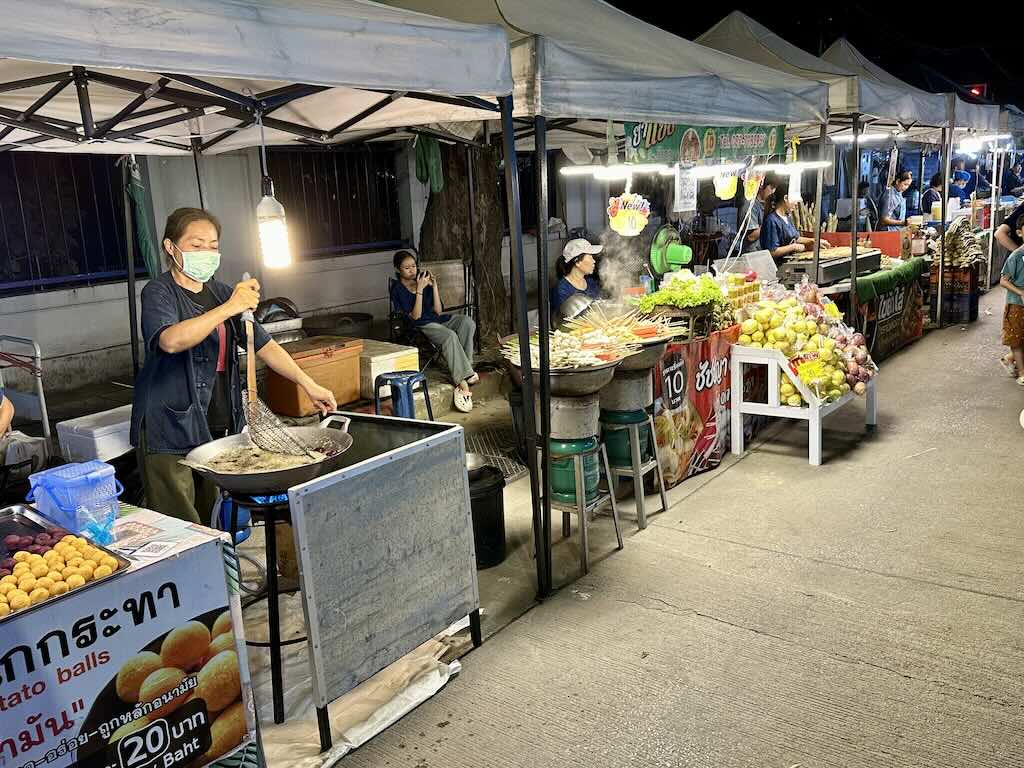
Also, don’t miss the Chiang Rai Night Market, where you can taste many street foods and buy handicraft souvenirs.
How to get to Chiang Rai?
Chiang Rai is accessible by plane from Bangkok, with several daily flights. You can also take a bus from Chiang Mai (about 3 to 4 hours drive).
Best Time to Visit Chiang Rai
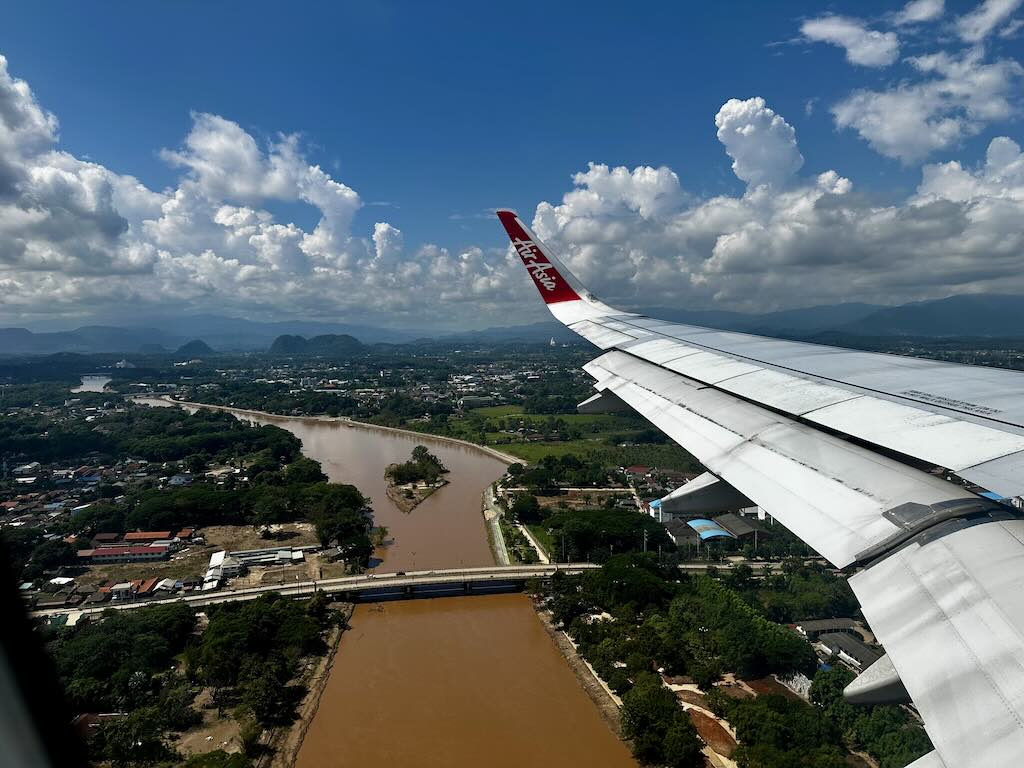
The best time to visit is between November and February, when the climate is cool and dry. During the rainy season (May to October), the landscapes are green, but some activities may be limited. For example, there were very large floods in September 2024 with a spectacular rise in the waters of the Kok River.
Chiang Rai vs Chiang Mai: which one is better?
Both cities are worth visiting, but they offer different experiences.
Chiang Mai is a larger and more developed city with many temples, markets, restaurants and nightlife. It is often considered the cultural capital of northern Thailand.
Chiang Rai, on the other hand, is smaller, quieter and more relaxed. It is famous for its modern artistic temples, the Golden Triangle, and the surrounding mountains.
In short:
- Chiang Mai → vibrant city with many activities
- Chiang Rai → peaceful destination with unique temples and nature
Many travelers choose to visit both cities on the same trip.
Where to Stay in Chiang Rai
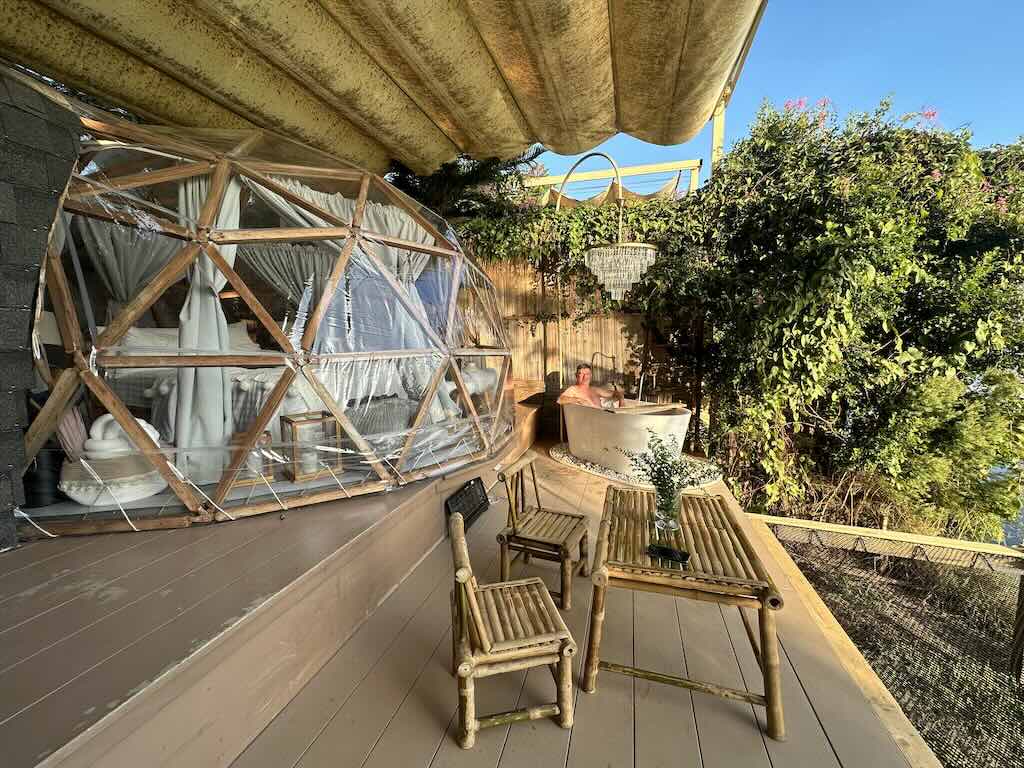
1000 stars
If you are a fan of glamping, I highly recommend sleeping at 1000 stars. It is a very quiet place on the edge of a lake. It was first a café with a very neat and even a little kitsch decoration! The owner then built 4 bubbles on the edge of the lake. The place is very quiet and very comfortable. For example, you can relax in a bathtub on the edge of the lake!
Le Méridien
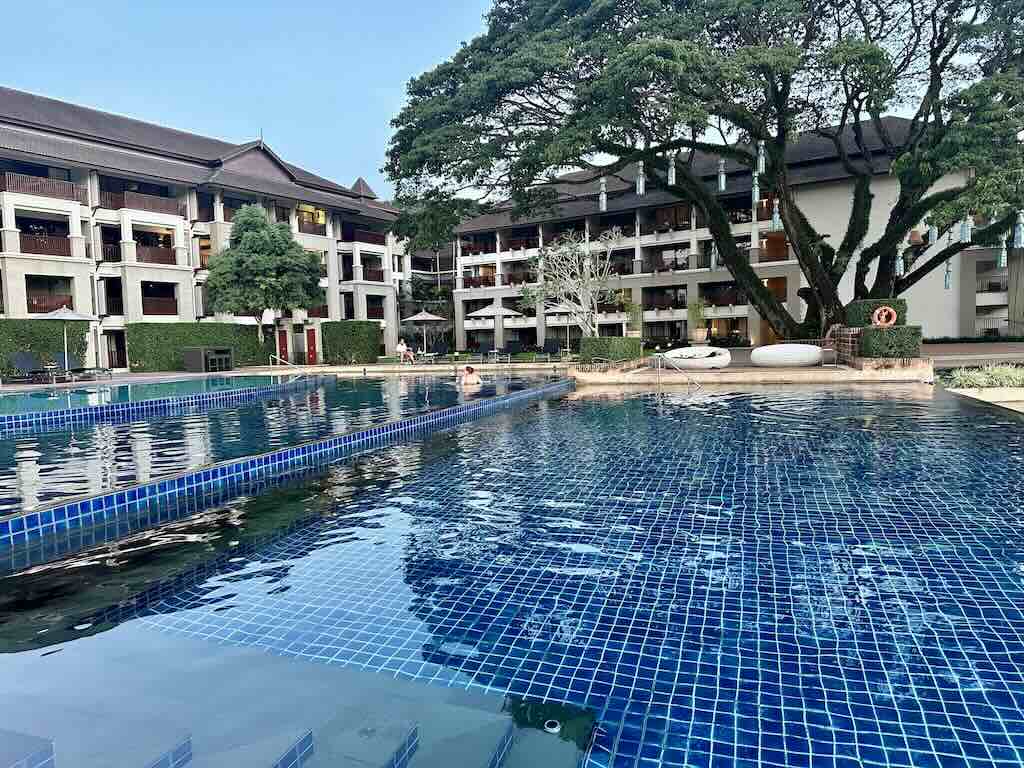
More luxurious, Le Méridien is one of the 3 best hotels to stay in Chiang Rai. For a rather affordable price compared to the price of equivalent hotels in Bangkok or even more so in European capitals. Very comfortable rooms, a swimming pool on 3 levels and very large majestic trees on the banks of the Kok River. Very pleasant
Where to eat in Chiang Rai?
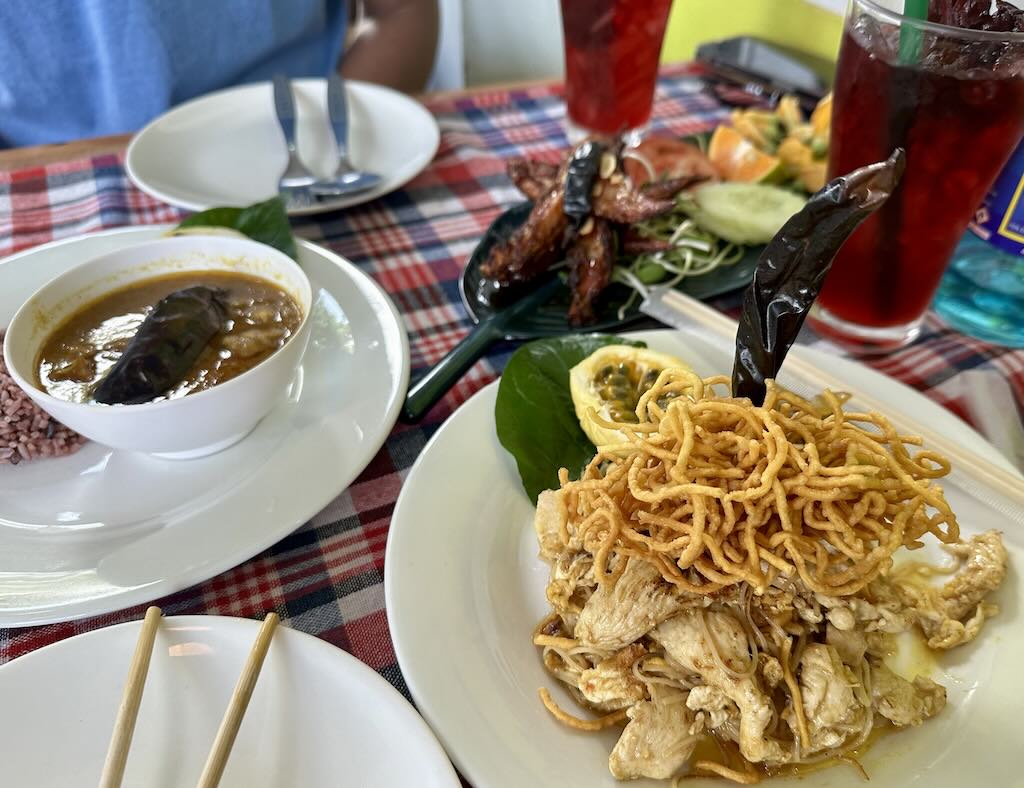
For lunch or dinner in Chiang Rai, don’t miss the Barrab restaurant. The owner speaks very good English and will explain in detail all the small dishes she serves in her restaurant. Most are specialties from northern Thailand. Some dishes can be served in smaller portions (to be able to taste more). And some in a less spicy version. A delight!
Conclusion: Why Chiang Rai Should Be on Your Thailand Itinerary
With its extraordinary temples, mountain landscapes and rich cultural heritage, Chiang Rai is one of the most fascinating destinations in northern Thailand. From the dazzling White Temple and the peaceful Blue Temple to the historic Golden Triangle and the tea plantations of Doi Mae Salong, the region offers a unique combination of art, nature and tradition.
What makes Chiang Rai truly special is its authentic and relaxed atmosphere, far from the crowds of larger cities. Whether you come to explore its temples, discover hill tribe cultures, hike in the surrounding mountains or simply enjoy northern Thai cuisine, the city offers memorable experiences for every traveler.
If you are planning a trip through the country, Chiang Rai is a perfect stop on a northern Thailand itinerary, often combined with Chiang Mai and the mountains of the region.
👉 For more destinations, travel tips and itinerary ideas, read my complete Thailand Travel Guide and discover the most beautiful places to visit across the country.
FAQ – Chiang Rai Travel Guide
Is Chiang Rai worth visiting?
Yes, Chiang Rai is definitely worth visiting. The city is famous for its unique temples such as the White Temple (Wat Rong Khun) and the Blue Temple, as well as its proximity to the Golden Triangle, tea plantations and hill tribe villages. Compared to other destinations in northern Thailand, Chiang Rai offers a more peaceful and authentic atmosphere.
How many days should you spend in Chiang Rai?
Most travelers spend 2 to 3 days in Chiang Rai. This allows enough time to visit the main temples, explore the Golden Triangle, discover tea plantations like Doi Mae Salong, and enjoy the local markets and restaurants.
What is Chiang Rai famous for?
Chiang Rai is best known for its extraordinary temples and mountain landscapes. The most famous attractions include:
- Wat Rong Khun (White Temple)
- Wat Rong Suea Ten (Blue Temple)
- Wat Huay Pla Kang
- the Golden Triangle
- the tea plantations of Doi Mae Salong
These sites make Chiang Rai one of the most interesting destinations in northern Thailand.
What is the best time to visit Chiang Rai?
The best time to visit Chiang Rai is between November and February, when the weather is cooler and dry. Temperatures are pleasant and ideal for exploring temples, mountains and tea plantations.
During the rainy season (May to October) the landscapes are very green, but occasional heavy rains can affect outdoor activities.
How do you get to Chiang Rai?
The easiest way to reach Chiang Rai is by plane from Bangkok, with several daily flights to Chiang Rai International Airport.
You can also travel by bus from Chiang Mai, which takes about 3 to 4 hours through scenic mountain landscapes.