インドネシア ダイビング完全ガイド2026|ベスト海域・時期・費用
Blaise Jaeger著 · 2026年6月14日更新
インドネシアが世界一のダイビング大国である理由
インドネシアは、地球上で最も生物多様性に富む海域であるコーラル・トライアングルのちょうど中心に位置しており、ダイビングの多様性では他のどの国にも負けません。この海域には世界で知られるサンゴ種のおよそ4分の3と、2,000種を超えるサンゴ礁の魚が生息しており、インドネシアにはその中でも最も豊かな海域が広がっています。17,000を超える島々からなる一つの群島のなかで、コモドではマンタの群れと一緒に流れに乗り、ラジャ・アンパットでは記録史上最も豊かなサンゴ礁の上を漂い、レンベでは黒い砂の上でヒラタフサカサゴ(ヘアリーフロッグフィッシュ)を撮影し、バンダ海では火山性の海山をパトロールするシュモクザメの群れを観察する——そのすべてを国外に出ることなく体験できるのです。
このガイドは、インドネシアのおすすめダイビングスポットについての私の総合ガイドです——主要なすべての地域、ベストシーズン、地域の選び方、各海洋公園の料金、宿泊先、そして通常のレクリエーショナルダイビングが今やどのように本物のサメ研究に役立っているか。また、より広範な東南アジアのベストダイビングガイドの拠点でもあります。インドネシアがタイ、マレーシア、フィリピンとどう比較されるかを知りたいなら、そちらから始めてください。すでにインドネシアに決めていて旅そのものを計画したいなら、このページから始めてください。
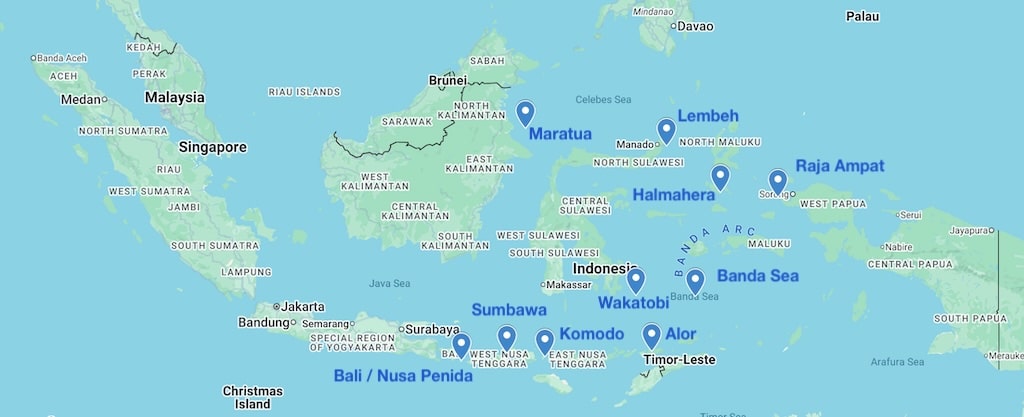
インドネシアのダイビング早わかり
インドネシアは一つの行き先ではなく、十数か所のダイビングエリアであり、それぞれに独自の海洋生物、シーズン、ダイビングのスタイルがあります。この表は、友人に行き先を相談されたとき、まず見せる早見表です。続くセクションで詳細に踏み込みます。
| 地域 | おすすめポイント | レベル | ベストシーズン | アクセス |
|---|---|---|---|---|
| ラジャ・アンパット | 生物多様性、サンゴ礁、マンタ | 全レベル / 上級 | 10月〜4月 | ダイブクルーズまたはリゾート |
| コモド | マンタ、潮流、大型回遊魚 | 中級 / 上級 | 4月〜11月 | 日帰りボートまたはダイブクルーズ |
| バリ & ヌサ・ペニダ | マンタ、Mola Mola(マンボウ)、アクセスの良さ | 全レベル | 4月〜11月(Mola は7月〜10月) | リゾート / 日帰りボート |
| スンバワ | ジンベエザメ、サレ湾、混雑のないダイビング | 全レベル | 5月〜11月 | リゾート / 日帰りボート |
| マラトゥア & デラワン | バラクーダ・トルネード、サメ | 中級 | 3月〜10月 | リゾート |
| バンダ海 | シュモクザメ、ウォール | 上級 | 9月〜11月 | ダイブクルーズのみ |
| 北スラウェシ(レンベ / ブナケン) | マックダイビング+ ウォール | 全レベル | 3月〜10月 | リゾート |
| ワカトビ | 手つかずのサンゴ、マクロ | 全レベル | 3月〜12月 | リゾート / ダイブクルーズ |
| アロール & アンボン | 珍しい小さな海洋生物、リノピアス、マック | 全レベル | 9月〜12月 | リゾート / ダイブクルーズ |
| ハルマヘラ | 遠隔地、探検的 | 中級 | 10月〜4月 | ダイブクルーズ |
インドネシアで潜り続けて学んだこと

私はインドネシアに何年も住んでおり、バリのすぐ沖にある ヌサ・ペニダ を拠点にダイビング業界で働いています。そのおかげで、ほとんどのガイドが持っていない二つのものを手にしています——あらゆるシーズンを通じてインドネシアの海で重ねた何百本ものダイビングと、1週間だけ訪れる旅行者ではなく、ここに住む人間の視点です。この10年で、私は Dune Aurora や Uber Diving の複数回のダイブクルーズで ラジャ・アンパット、レンベ、ハルマヘラ を、ラブアンバジョ から コモド を、マラトゥア から デラワン の環礁を、そしてもちろん ヌサ・ペニダ をほぼ毎日潜ってきました。
これを書いている今、私はインドネシア領ボルネオの マラトゥア にいて、この一週間はヒョウザメ、マダラトビエイ、そして——つい先日のある朝には——カカバン 沖の水深36メートルで12匹のアカシュモクザメを記録しました。昨日は、どのカタログにも載っていないと判明したヒョウザメを撮影しました——まったく新しい個体です。私はその日付、時刻、ダイビングスポット、水深、映像を、これらの動物を追跡している研究者たちに送り、その目撃記録には今や私の名前が付いています。こうした経験は、同じ海に何度も潜り続けて初めて得られるものです。行きたい場所をただ消化していくのではなく、私がインドネシアで潜り続ける理由はそこにあります。
私はこの9月、シュモクザメのシーズンに合わせてバンダ海横断のクルーズを予約しています——インドネシアでまだ自分の目で確かめられていない唯一の主要ダイビング地域です。ですから、ラジャ・アンパット は航空運賃に見合う価値があると、コモド の潮流は敬意を要すると、マラトゥア のバラクーダ・トルネードは私が水中で目撃したなかで最も映画的なものだと私が言うとき、それはプレスツアーではなく記録に残したダイビングから来ているのです。
インドネシアでおすすめのダイビングスポット
ここに、旅を計画する価値のあるインドネシアのすべての地域を挙げます——それぞれを特別にしているもの、看板となるダイビング、適したレベル、そして実際の行き方とともに。有名な定番エリアから、より探検色の強いエリアへと、おおまかに並べています。
ラジャ・アンパット — 地球上で最も生物多様性に富むサンゴ礁
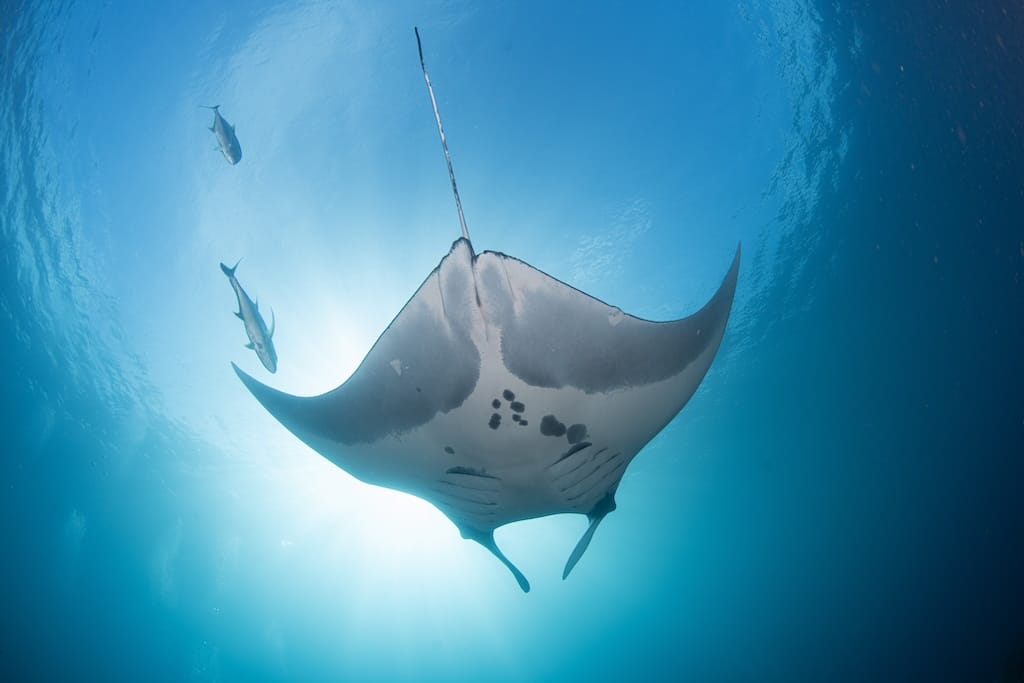
パプアの北西端沖にある ラジャ・アンパット は、記録史上最も高い海洋生物多様性を有しています——ここでの調査では、地球上のどこよりも多くの魚種とサンゴ種が一つのサンゴ礁で数えられました。ケープ・クリ は1回のダイビングで374種を記録したことで有名です。ダイビングは二つの拠点に分かれます——北部の ダンピア海峡(ケープ・クリ、サーディン・リーフ、ブルー・マジック、マンタ・サンディ)と、南部の ミソール で、ソフトコーラルのウォールと ブー・ウィンドウ のスイムスルーがあります。サンゴ礁は魚で密集しており水が暗くなるほどで、オーシャニックマンタとリーフマンタが10月から4月にかけてクリーニングステーションを巡回します。ソロン(ジャカルタまたはマカッサル経由)に飛び、そこからダイブクルーズまたはリゾートへのボート移動で移動します。穏やかなサイトでは「全レベル」の行き先として無理なく潜れますが、海峡の潮流は流れのある水中に慣れたダイバーに報いてくれます。詳細は専用のラジャ・アンパット ダイビングガイドで。
コモド — マンタ、潮流、大型外洋魚

UNESCO世界遺産である コモド 国立公園は、Flores 島の ラブアンバジョ からアクセスできるコンパクトなエリアに、並外れて幅広いダイビングを詰め込んでいます。北部は暖かく穏やかでサンゴが豊か、南部はより冷たくプランクトンに恵まれてより荒々しく、Manta Alley と Karang Makassar にマンタが集まります。Castle Rock と Crystal Rock は、ギンガメアジ、サメ、イソマグロが潮流のなかで狩りをする迫力ある根(ピナクル)で——ここでリーフフックが持っていてよかったと実感する装備です。コモド は ラブアンバジョ からの日帰りボートで、あるいは遠隔の南部・東部サイトにも到達できるダイブクルーズで潜ることができます。2026年4月から、公園は1日あたり1,000人の訪問者枠を設け、公式の SiOra システムによる事前予約を導入するため、許可証は前もって計画してください。詳しくは私のラブアンバジョ と コモド ガイドで。
バリ & ヌサ・ペニダ — 空港から45分のマンタと Mola Mola(マンボウ)

ここは私のホームの海なので、その魅力と限界の両方について正直に語ります。バリ は本当に幅広い選択肢を提供します——Tulamben の USAT Liberty 沈船、Seraya と Amed のマック、そして北西部の Menjangan のサンゴ礁。しかし最大の魅力は、バリ からスピードボートで45分の ヌサ・ペニダ で、ここではマンタ・ポイント で年間を通じてリーフマンタが採餌し、希少なMola Mola(マンボウ)が7月から10月にかけて深海から浮上してきます。クリスタル・ベイ の水温は マンボウの時期には20°Cを下回ることがあるので、5mmのウェットスーツがあると安心です。ここの潮流は強く、時に下降流(ダウンウェリング)になります——評判の良いオペレーターと潜ってください。インドネシアで最もアクセスしやすい世界有数のダイビングであり、最も始めやすい場所です。バリ と ヌサ・ペニダ のベストダイビングスポット20選の私の完全な紹介、または、より広範なバリ 旅行ガイドをご覧ください。
マラトゥア & デラワン 諸島 — バラクーダ・トルネード
東 Kalimantan(インドネシア領ボルネオ)沖の デラワン 群島は、私がこれを書いている場所であり、インドネシアで最も過小評価されている地域の一つであり続けています。マラトゥア の看板ダイブは ザ・チャンネル で、満ち潮のときには何千匹ものオオメカマス(ビッグアイ・バラクーダ)がゆっくりとしたトルネードを描いて渦を巻き、その下に1本のダイビング全体その下で1本まるごと過ごせることもあります。近くの カカバン には刺さないクラゲの湖があり、寒い時期にはアカシュモクザメがパトロールするウォールがあります。一方、サンガラキ はウミガメとマンタの育成地です。ベラウ(カリマラウ)に飛び、そこから島々への陸路とボートの移動でたどり着きます——リゾートが独自のダイビング運営を行い、自前の予備機材を持ち込むほど遠隔地です。潮流に慣れた中級ダイバーが ザ・チャンネル を最も満喫できるでしょう。

バンダ海 — シュモクザメの群れと環太平洋火山帯(リング・オブ・ファイア)
バンダ海は、インドネシア東部の火山地帯の中心を抜けるダイブクルーズ専用の横断航路で、通常 アンボン と Maumere、または Saumlaki の間で運航されます。その二つの魅力はまったく異なります——10月と11月には、Nil Desperandum や Manuk(ウミヘビに包まれた「ヘビ島」)のようなサイトのウォールにアカシュモクザメの群れが集まり、それ以外の時期は、手つかずのウォール、ヒョウモンダコ、そして蒸気を上げる活火山のそばで潜るという超現実的な光景が主役となります。これは上級者向けの外洋での上級ダイビングです——深く、潮流が強く、遠隔地で、すぐに抜け出すことができません。これが私がこの9月に予約している横断航路であり、このガイドのなかで近いうちに実体験をもとに更新する唯一の地域です。
北 スラウェシ — レンベ のマックと ブナケン のウォール

北 スラウェシ は、マナド から数時間以内に正反対の二つの世界を見せてくれます。レンベ 海峡は紛れもない世界のマックダイビングの首都です——黒い火山性の砂が、ハナイカ、ヒラタフサカサゴ(ヘアリーフロッグフィッシュ)、ミミックオクトパス、Bobbit ワーム、そして写真家が地球を横断してまで会いに来る珍しい小さな海洋生物の数々を隠しています。そして反対側では、ブナケン 国立公園が、ウミガメとサンゴ礁の魚で生き生きとした透明な水のなかに切り立ったサンゴのウォールを落とし込んでいます。この組み合わせ——レンベ で1週間のマクロ、ブナケン で数日のウォール——は、この国で最もコストパフォーマンスが良く、全レベル向けのダイビング旅行の一つであり、そのほとんどが快適なリゾートからビーチエントリーまたは短時間のボート移動でアクセスできます。より広範なスラウェシ ガイドをご覧ください。
ワカトビ — 手つかずのサンゴと楽なマクロ
南東 スラウェシ の ワカトビ は、潮流のストレスなしに世界有数のサンゴ礁の健全さを求めるダイバー向けです。ここのサンゴ礁は、長年運営されている民間主導の海洋保護区のおかげでインドネシアで最も手つかずなものの一つで、健全なハードコーラルとソフトコーラル、大きな海綿、そしてあらゆるレベルに適した穏やかなドリフトダイブがあります。ハウスリーフは格別です——桟橋からそのまま素晴らしいマクロとワイドアングルを楽しめます。飛行機でアクセスする目的地で(チャーター便がメインリゾートに就航)、より穏やかで写真志向の客層を引き寄せる傾向があります。ベストシーズンは3月から12月です。
アロール & アンボン — 珍しい小さな海洋生物の首都
アロール と アンボン は、通向けのマックの目的地です。アンボン 湾は、他のどこにも見られないサイケデリックフロッグフィッシュに加え、リノピアス、ハーレクインシュリンプ、そして個性的な生き物に満ちたナイトダイブで有名です。アロール は、珍しい小さな海洋生物の豊かな湾と、驚くほど力強いサンゴ礁および回遊魚の迫力あるシーンを組み合わせており、その遠隔性が混雑を遠ざけています。どちらもマクロ志向のダイバーと水中写真家に報いてくれ、9月から12月の時期がベストで、通常は一つの東インドネシアのダイブクルーズまたはリゾート旅行にまとめられます。
ハルマヘラ — 探検的な最前線
北 マルク の ハルマヘラ は、インドネシアのダイビングがいまだに探検のように感じられる場所です。私は Dune Aurora から潜り、年にほんの一握りのダイバーしか訪れないサイト——手つかずのサンゴ礁、第二次世界大戦の遺物、そして近くの ティフォレ のバラクーダ・トルネード——から浮上してきました。ダイブクルーズでアクセスし、しばしばより広範な マルク の行程の一部として組み込まれ、整った設備よりも、ほとんど地図に載っていないサンゴ礁のスリルを求める中級ダイバーに適しています。ベストシーズンは10月から4月です。
スンバワ — ジンベエザメとインドネシアの次のダイビング・フロンティア
ロンボク の東にある スンバワ は、上り調子の新星です。サレ湾 では、漁業用の筏(bagan)の周りに集まるジンベエザメとのほぼ確実な遭遇が体験でき——穏やかで浅く、シュノーケラーにも適しています——一方で島のサンゴ礁は至福なほど混雑していないままです。コモド の旅に簡単に追加でき、大規模観光地の喧騒なしに世界最大の魚と泳げる数少ない場所の一つです。スンバワ 旅行ガイドと、専用のサレ湾 のジンベエザメガイドをお読みください。

科学のためのダイビング:ダイバーがインドネシアのサメとエイのカタログ作成をどう助けているか
純粋な行きたい場所リスト旅行とインドネシアのダイビングを分ける一つのことは、今やレクリエーショナルダイバーがどれほど直接的に海洋科学に貢献しているかです。サメとエイ——板鰓類(エラスモブランキ)——は固有の自然のマーキングを持っています:ヒョウザメの斑点模様、マンタの腹部の模様、ヒレの形。同じ個体を2回撮影すれば、研究者はそれが既知の個体か、まったく新しい個体かを判別でき、保全政策に直接つながる個体群マップを構築できます。
それは今週 マラトゥア で、私にとって抽象的なものではなくなりました。Elasmobranch Institute Indonesia は、デラワン 地域のヒョウザメ、オナガザメ、シュモクザメのカタログを作成する種探査プログラムを運営しており、私は彼らの研究者と連絡を取り合っていました。データベースのどの個体とも一致しないヒョウザメを撮影したとき、私は完全な記録——日付、時刻、ダイビングスポット、水深——を残し、その新しい個体は今や私の名前のもとに彼らのカタログに収まっています。それはささやかな貢献ですが、それを何千人ものダイバーに掛け合わせれば、海洋で最も強力で最も低コストなモニタリングネットワークの一つが得られるのです。
インドネシアで潜るなら、あなたも同じことができます:サメ、エイ、ウミガメの鮮明で十分に照らされたID写真を撮影し、場所と水深を記録し、そのエリアで活動している研究グループに送るのです。あなたはより注意深く潜るようになり、あなたの休暇の写真はデータになります。

インドネシアの海洋公園料金と保全
インドネシアのベストなサンゴ礁は保護されており、その保護は主にダイバーの料金で賄われています。前もって予算に入れておきましょう——そこへ行く費用に対しては控えめなもので、これらの場所を潜る価値があるものに保つレンジャーとパトロールの費用を賄っています。
- ラジャ・アンパット:海洋公園入域許可証(「PIN」、外国人訪問者でおよそ IDR 1,000,000 / 約60ユーロ)に加え、別途の入域チケット(約 IDR 300,000)。許可証は暦年で有効で、地元当局が毎年価格を調整します——渡航前に現在の料金を確認してください。
- コモド:ダイバー1人あたり IDR 300,000〜400,000 程度の1日あたりの公園・ダイバー料金。2026年4月から、公園は公式の SiOra 予約システムによる必須の事前予約とともに、1日あたり1,000人の訪問者枠を施行します。
- ブナケン & ワカトビ:どちらも国立公園の入域タグを課しています。ブナケン のものは少額の1日/年間料金で、ワカトビ の保護区料金は通常リゾートパッケージに含まれています。
コモド 国立公園はUNESCO世界遺産であり、より広範な地域はコーラル・トライアングルの保全優先地域の一部を成しています。ノータッチ、ノーグローブのサンゴ礁エチケットについて説明し、地元のパトロールを支援するオペレーターを選ぶことは、料金を払うことと同じくらい重要です。
インドネシアでダイビングするベストな時期
インドネシアは赤道と二つのモンスーンにまたがっているため、単一の「ベスト」シーズンというものはなく——あるのはあなたの地域にとってのベストシーズンだけです。一般的な原則として、東部および中央インドネシア(コモド、バリ、スラウェシ、マラトゥア)は4月から11月の乾季に最もよく潜れ、一方 ラジャ・アンパット と ハルマヘラ は10月から4月の穏やかな水の時期に切り替わります。水はほぼどこでも暖かく(27〜30°C)、冷たい水温躍層(サーモクライン)は例外です:ヌサ・ペニダ の クリスタル・ベイ と南 コモド は、特に Mola Mola(マンボウ)のシーズンに20°C以下まで下がることがあります。
- ラジャ・アンパット:10月〜4月(最も穏やかな海、マンタのシーズン)。
- コモド:4月〜11月。南部はマンタが集まる7月〜9月がベスト。
- ヌサ・ペニダ / バリ:年間を通じて。ただし Mola Mola(マンボウ)のピークは7月〜10月。
- バンダ海のシュモクザメ:10月〜11月の短い時期。
- レンベ / ブナケン & マラトゥア:3月〜10月。
- アロール & アンボン:珍しい小さな海洋生物のピークシーズンは9月〜12月。
インドネシアでのダイブクルーズ vs 陸上ベースのダイビング
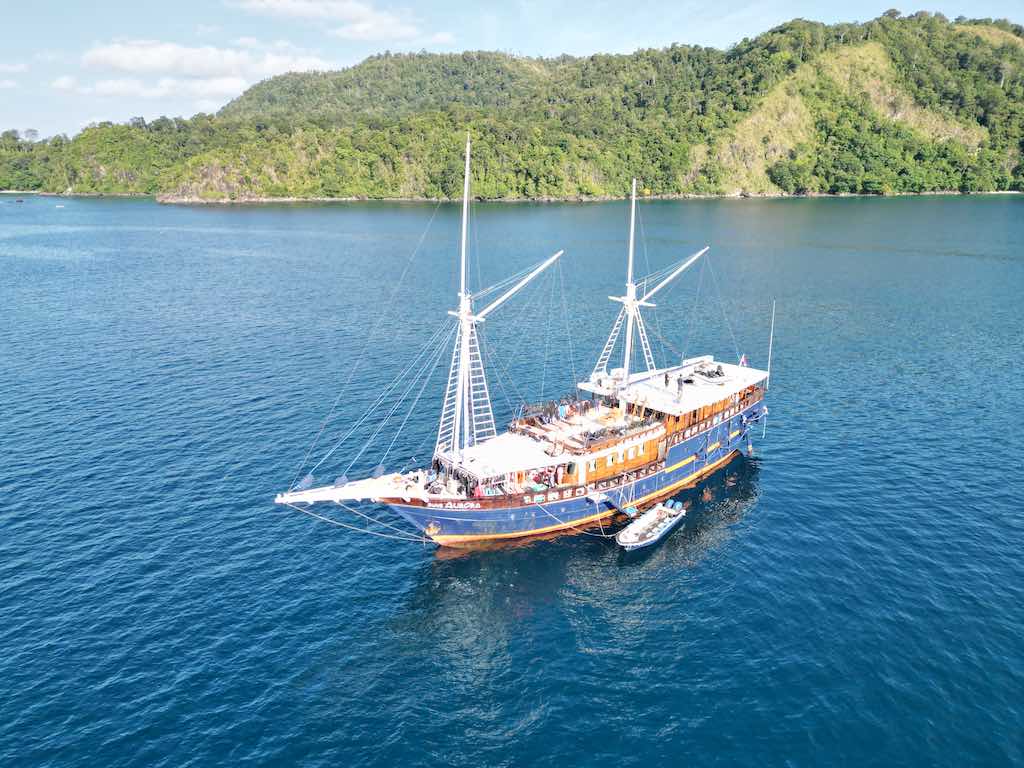
インドネシアの一部の地域はダイブクルーズからしか潜れません。他の地域はリゾートからのほうが良く、安上がりです。どちらがどちらかを知っておくと、お金と落胆を節約できます。
ダイブクルーズが唯一の現実的な選択肢である場合
バンダ海、ハルマヘラ、そして ラジャ・アンパット と コモド の遠隔の南部・東部一帯には、陸上インフラがほとんどまたはまったくありません——ボートがあなたの唯一のアクセスです。ダイブクルーズはまた、コンディションを追いかけ、1日に3〜4回潜り、日帰りボートが決して見ないサイトに到達することを可能にします。代表的なインドネシアのルートには、7〜10泊の ラジャ・アンパット ループ(ダンピア海峡 から ミソール まで)、ラブアンバジョ 発の コモド 周遊、そして私がこの9月に予約している アンボン と Maumere の間の壮大なバンダ海横断があります。1泊あたり300〜450ユーロのオールインクルーシブを見込んでください。
リゾートのほうが理にかなっている場合
レンベ、ブナケン、ワカトビ、アンボン、ヌサ・ペニダ、そして ラジャ・アンパット のリゾートが整った一角については、陸上ベースのダイビングのほうがよりリラックスでき、はるかに安く、無制限のハウスリーフとマクロの時間を与えてくれます。新人ダイバー、家族連れ、そして陸の上で眠りたい人にとっても正しい選択です。私の正直な見解は:最初のインドネシア旅行はリゾートから行い、ダイビングが大好きだと分かったらダイブクルーズにステップアップすることです。専用のインドネシア・ダイブクルーズガイドをご覧ください。
経験レベル別のインドネシアのダイビング
初心者
バリ と ヌサ・ペニダ の穏やかなサイト、北 スラウェシ(ブナケン のウォールと レンベ の穏やかなマック)、または ワカトビ から始めましょう。暖かい水、楽なロジスティクス、そして多くのダイブセンターが、これらをオープンウォーターコースや初めてのトロピカルダイビングに理想的なものにしています。潮流の強いサイトは、自信をつけるまで取っておきましょう。
中級者
コモド、マラトゥア、そして ラジャ・アンパット のメインサイトは、潮流に慣れて30〜50本の記録ダイブを持つようになると 潜れるようになります。リーフフックと SMB(シグナルフロート) の使い方を学べば、Castle Rock、ザ・チャンネル、ダンピア海峡 をこなせます。これがインドネシアのベストダイビングがアクセスしやすくなるスイートスポットです。
上級者
バンダ海、カカバン 沖の深いシュモクザメダイブ、そして コモド と ラジャ・アンパット のより荒々しい根(ピナクル)は、確かな中性浮力、良好なエア消費、そしてブルーウォーターと下降流での経験を要求します。ナイトロックスの認定とある程度の自己完結能力は、ここではおおいに役立ちます。
宿泊先:私が利用したダイブリゾートとダイブクルーズ
以下のすべての場所は、私が個人的に眠り、食事し、そこから潜った場所です——予約エンジンから寄せ集めたリストではありません。価格はダブルルーム1室あたり、またはダイブクルーズ1泊あたりの目安です。
- マラトゥア & デラワン — Noah マラトゥア Resort:ラグーンの上の高床式ウォーターバンガロー、ザ・チャンネル から5分の本格的なダイビング運営、そして上記のバラクーダ・トルネードの写真の背後にいるチーム(ダイビング込みで1泊あたり約150〜250ユーロ)。
- ヌサ・ペニダ — Adiwana Warnakali:Toyapakeh 海峡の上のプールと併設の PADI センターを備えた、島で最も快適なダイブリゾート(1泊あたり約120〜200ユーロ)。
- コモド — Blue Parrot、ラブアンバジョ:公園へのデイトリップのために港から徒歩圏内の、リラックスしたダイバーフレンドリーな拠点(1泊あたり約40〜80ユーロ)。
- ラジャ・アンパット、バンダ海、ハルマヘラ & レンベ — Dune Aurora ダイブクルーズ:私が何度も繰り返し戻ってくる木造のフィニシ船(phinisi)、加えて Uber Diving との繰り返しのクルーズ(1泊あたり300〜400ユーロ、全ダイビング込み)。
その他すべての場所——バリ、ワカトビ、ブナケン、アンボン——については、Booking.com でダイブリゾートとホテルを比較してください:

実用的なヒント:行き方、ビザ、費用、安全
行き方と移動
ほとんどのダイバーは バリ(Denpasar)またはジャカルタ経由で到着し、そこから国内線に乗り継ぎます——ラジャ・アンパット へは ソロン、コモド へは ラブアンバジョ、北 スラウェシ へは マナド、マラトゥア へは ベラウ、バンダ海へは アンボン。国内区間は短いものの頻繁にあるので、余裕時間を組み込み、セーブ・ア・ダイブ用の予備パーツ(予備機材セット)を持参してください。遠隔地には販売用の機材がほとんどまたはまったくありません。
ビザと入国
ほとんどの国籍の人は到着ビザ(Visa on Arrival)または e-VOA を利用できます:30日間、約 IDR 500,000(≈35ユーロ)、もう30日間(合計60日間)1回延長可能で、延長は現在入国管理事務所で対面で処理されます。より長いダイビング旅行には、C1訪問ビザ(旧 B211)が60日間を許可し、最長6か月まで延長可能です。常に公式のインドネシア入国管理サイトで現在の規則を確認し、パスポートの有効期限が少なくとも6か月残っていることを確かめてください。
費用
ほとんどのリゾートでファンダイブ1本あたりおよそ35〜60ユーロ、マラトゥア のような遠隔地では公園料金込みで1日あたり80〜120ユーロ、ダイブクルーズはオールインクルーシブで1泊あたり250〜450ユーロを見込んでください。海洋公園料金は ラジャ・アンパット、コモド、ブナケン、ワカトビ で適用されます——それらを計算に入れてください(上記の料金セクションを参照)。
安全
コモド、ヌサ・ペニダ、ラジャ・アンパット の潮流は深刻なことがあります——評判の良い地元オペレーターと潜り、ブリーフィングに耳を傾け、SMB(シグナルフロート) とリーフフックを携行してください。再圧チャンバーは バリ、ジャカルタ、いくつかの拠点に集中しているため、遠隔地では保守的なプロファイルで潜り、飛行機に乗る前に十分な水面休息時間を取り、シュモクザメを追いかけるためだけに自分の認定を超えて潜ることは決してしないでください。DAN(Divers Alert Network)のダイビング保険は、ここでは十分に価値があります。
ダイビング旅行の計画を続けましょう
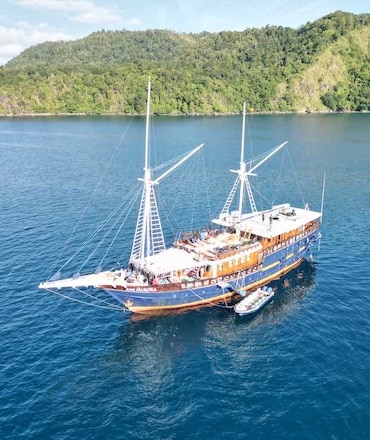
インドネシアのダイブクルーズ
Dune Aurora に乗って、ラジャ・アンパット から北 Moluccas を抜けて レンベ 海峡まで、12日間のクルーズに同行しましょう——ダイビング、野生生物、そして船上での生活。

ヌサ・ペニダ ダイビングガイド
バリ からわずか40分の ヌサ・ペニダ は、年間を通じてマンタを、シーズンには Mola Mola(マンボウ) を届けてくれます。2017年から運営しているダイブセンターから書いた私の一次ガイドで、ベストダイビングスポットを発見してください。
インドネシアでのダイビングに関するよくある質問
インドネシアでベストなダイビングはどこですか?
純粋な生物多様性という点では、記録史上最も高い魚種・サンゴ種の数を誇る ラジャ・アンパット が、インドネシアでベストなダイビングと広く考えられています。コモド は潮流のなかの大型生物にベスト、レンベ はマックとマクロに、ヌサ・ペニダ は最もアクセスしやすい世界有数のダイビングにベストです。「ベスト」は、あなたが何を見たいかと、あなたの経験レベルによって決まります。
インドネシアでダイビングするベストな時期はいつですか?
それは地域によります。コモド、バリ、スラウェシ、マラトゥア は4月から11月の乾季に最もよく潜れ、一方 ラジャ・アンパット と ハルマヘラ は10月から4月が最も穏やかです。バンダ海のシュモクザメのシーズンは10月〜11月の短い時期で、ヌサ・ペニダ の Mola Mola(マンボウ)のピークは7月から10月です。
インドネシアは初心者ダイバーに向いていますか?
はい。バリ、ヌサ・ペニダ の穏やかなサイト、ブナケン のウォール、レンベ の穏やかなマック、そして ワカトビ はすべて、暖かい水と多くのダイブセンターを備え、新人ダイバーに最適です。コモド の根(ピナクル)やバンダ海のような潮流の強い目的地は、もっと記録ダイブを重ねるまで取っておきましょう。
インドネシアでのダイビングはいくらかかりますか?
ほとんどのリゾートでファンダイブ1本あたりおよそ35〜60ユーロ、遠隔地では1日あたり80〜120ユーロ、オールインクルーシブのダイブクルーズは1泊あたり250〜450ユーロを予算に入れてください。ラジャ・アンパット、コモド、ブナケン、ワカトビ の海洋公園料金がそれに加わり、遠隔拠点へのフライトが最大の変動費です。
インドネシアではダイブクルーズと陸上ベースのダイビング、どちらがいいですか?
陸上インフラのない地域——バンダ海、ハルマヘラ、遠隔の ラジャ・アンパット や コモド——のため、または1日あたりのダイビング数を最大化するためには、ダイブクルーズを選びましょう。レンベ、ブナケン、ワカトビ、アンボン、ヌサ・ペニダ のためには、より安く、よりリラックスでき、新人ダイバーに適したリゾートを選びましょう。多くのダイバーは陸上ベースから始め、ダイブクルーズにステップアップします。
インドネシアでマンタと潜れる場所はどこですか?
トップのマンタスポットは、ヌサ・ペニダ の マンタ・ポイント(リーフマンタが年間を通じて)、コモド の Manta Alley と Karang Makassar、そして ラジャ・アンパット の マンタ・サンディ と ブルー・マジック で、ここでは10月から4月にかけてリーフマンタとオーシャニックマンタの両方がクリーニングステーションに集まります。デラワン 諸島の サンガラキ もマンタの育成地です。
インドネシアでシュモクザメを見られる場所はどこですか?
バンダ海が、10月と11月のダイブクルーズ旅行でアカシュモクザメの群れを見る定番の目的地です。マラトゥア 近くの カカバン 沖の深い水でも、寒い時期に遭遇できます。どちらもアクションが深く潮流が強いため、上級の経験が必要です。
インドネシアでベストなマクロとマックダイビングはどこですか?
北 スラウェシ の レンベ 海峡は世界のマックダイビングの首都で、黒い火山性の砂の上にハナイカ、ヒラタフサカサゴ(ヘアリーフロッグフィッシュ)、ミミックオクトパス、Bobbit ワームがいます。アンボン と アロール が、サイケデリックフロッグフィッシュと リノピアス で有名な、もう二つの素晴らしい珍しい小さな海洋生物の目的地です。
ラジャ・アンパット にはダイブクルーズが必要ですか?
いいえ。ラジャ・アンパット には ダンピア海峡 と ミソール の両エリアに優れた陸上ベースのリゾートがあり、トップサイトの多くは日帰りボートで到達できます。ダイブクルーズはより広範囲をカバーし、遠隔の南部サイトに到達することを可能にしますが、リゾート滞在のほうが安く、初訪問には申し分ありません。
インドネシアでのダイビングは安全ですか?
はい、賢明な予防策を取れば安全です。評判の良いオペレーターを利用し、潮流のブリーフィングを尊重し、潮流の強いサイトには SMB(シグナルフロート) とリーフフックを携行してください。再圧チャンバーは バリ、ジャカルタ、いくつかの拠点に集中しているため、遠隔地では保守的に潜り、飛行機に乗る前に長い水面休息時間を取り、DAN のようなダイビング保険に加入しておきましょう。
インドネシアを潜るには何日必要ですか?
遠隔拠点への移動を考慮に入れると、一つの地域につき少なくとも7〜10日を計画しましょう。定番の ラジャ・アンパット または コモド のダイブクルーズは7〜11泊で、一方 レンベ と ブナケン のリゾート旅行は10日間で組みやすいです。2週間あれば、二つの地域を余裕をもって組み合わせられます。
インドネシアでダイビングするときの水温は?
水は概してこの国のほとんどで暖かい27〜30°Cなので、多くのエリアでは3mmのウェットスーツで十分です。例外は、ヌサ・ペニダ の クリスタル・ベイ と南 コモド の冷たい水温躍層(サーモクライン)で、特に Mola Mola(マンボウ)のシーズンには水温が20°C以下まで下がることがあります——マンボウを追いかけるなら5mmを持参してください。