Kelimutu, Flores: Three-Colored Lakes Sunrise Guide (2026)
By Blaise Jaeger · Updated June 12, 2026
Why Visit Kelimutu?
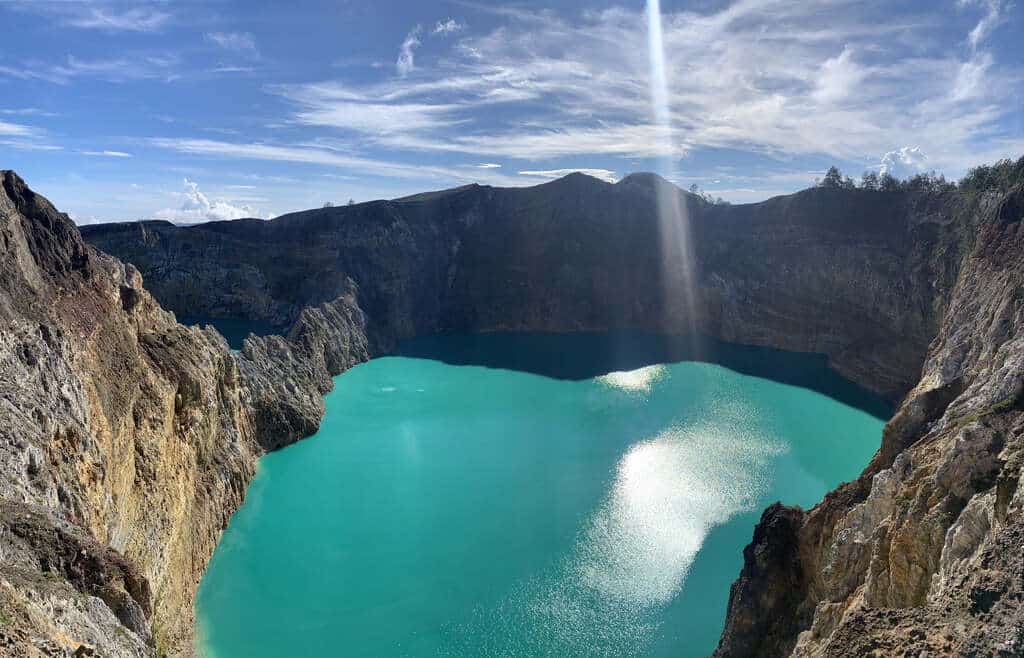
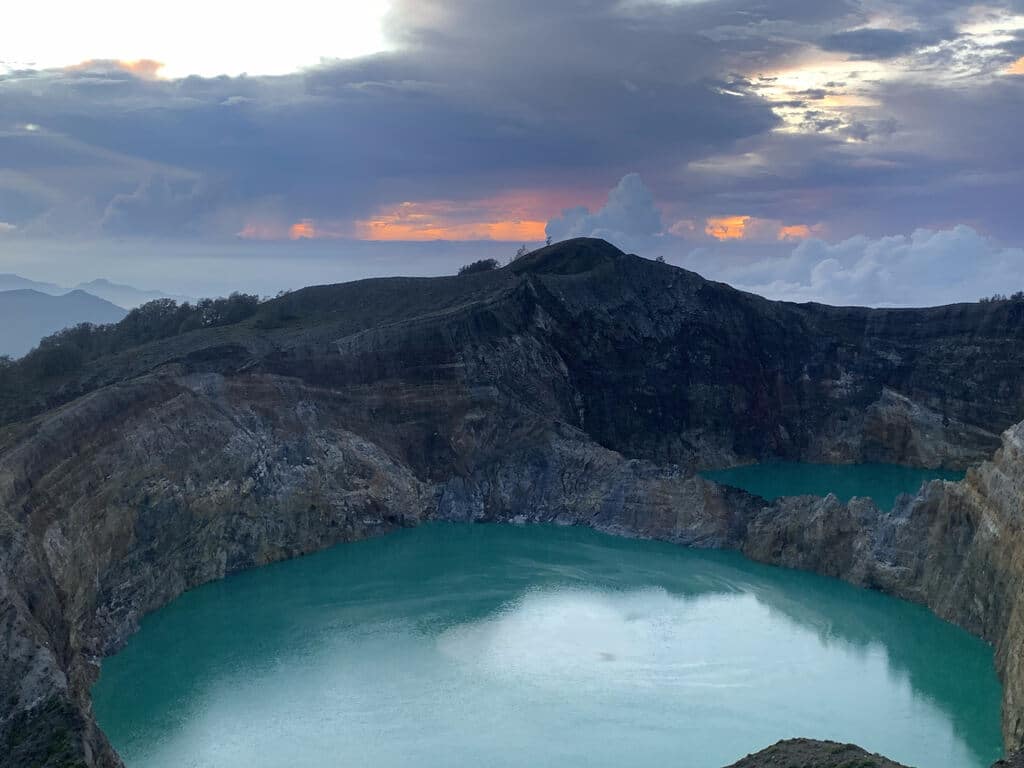
There are sunrises, and then there is Kelimutu. At 1,639 meters on the spine of Flores, this modest-looking volcano hides something found nowhere else on Earth in quite this form: three crater lakes, sitting almost shoulder to shoulder, each a different color — and each capable of changing color, from turquoise to jade to rust-red to near-black, sometimes within months. The Lio people who live on its slopes will tell you why: the lakes are where the souls of the dead reside, and their moods show in the water.
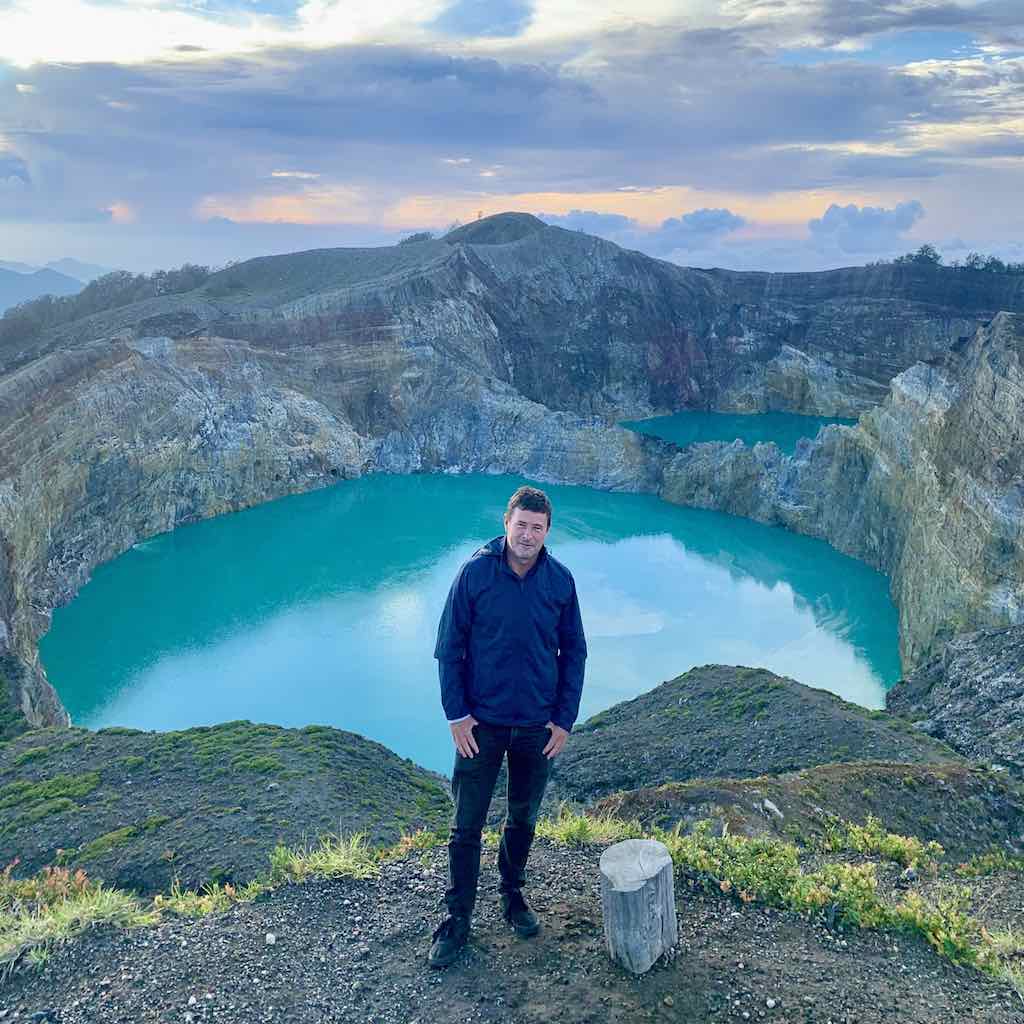
Kelimutu is the single most famous sight on Flores and the anchor of every Trans-Flores itinerary — yet it has kept an intimacy that places of this caliber rarely keep. There is no cable car, no glass skywalk, no queue management: just a village called Moni in the rice terraces below, a 4:00 AM ojek ride, a short walk up through the cloud forest, and a concrete viewpoint where strangers share coffee while the sky decides what kind of show it will put on. I have stood up there twice, in March and June 2021, and this guide is built on those two mornings — plus the current prices, rules and logistics you need in 2026.
Kelimutu at a Glance
- What it is: an active volcano with three crater lakes of different, changing colors — the centerpiece of Kelimutu National Park (one of Indonesia’s smallest national parks, about 5,356 hectares)
- Location: central Flores, Ende Regency, East Nusa Tenggara — about 52 km east of Ende and 95 km west of Maumere
- Summit altitude: 1,639 m; viewpoint reached by an easy 20–30 minute walk from the parking area
- Base village: Moni, 30–40 minutes below the park gate, with family guesthouses, warungs, waterfalls and hot springs
- Entrance fee (2025 tariffs): IDR 150,000 on weekdays, IDR 250,000 on Sundays and public holidays for foreign visitors; small parking fees (IDR 5,000–10,000)
- Gates open: 4:00 AM — leave Moni between 4:00 and 4:30 AM for sunrise
- Last eruption: 1968 (minor); the lakes still vent volcanic gases, which is why colors change
- Best time: April to October (dry season); mornings before 9:00 AM for the sharpest colors
- Nearest airports: Ende (H. Hasan Aroeboesman) and Maumere (Frans Seda), both with daily connections via Bali or Kupang
My Two Sunrises on Kelimutu
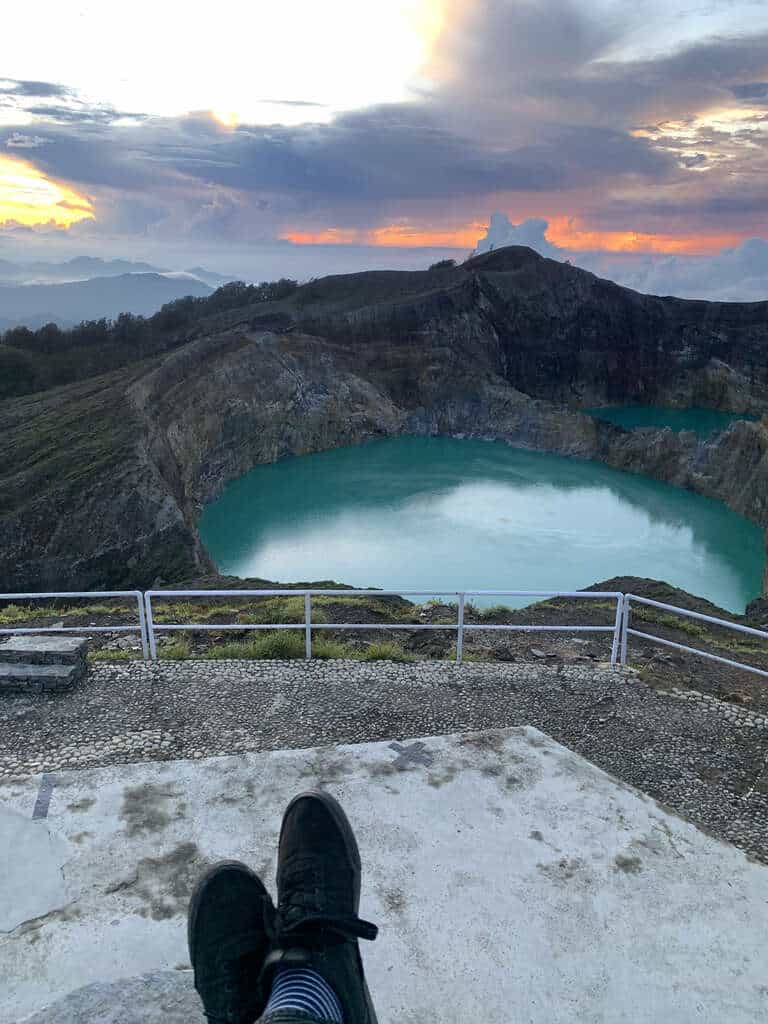
I climbed Kelimutu for sunrise twice in 2021 — first in March, crossing Flores from Maumere to Labuan Bajo by car with a driver, and again in June, doing the same crossing alone on a motorbike. Both times the routine was the same, and it is the routine every traveler inherits: sleep in a simple guesthouse in Moni — mine was moni mahalika, on the village’s main road — set an alarm that feels like a mistake, and roll out into the cold dark at 4:00 AM. Moni sits high enough that the pre-dawn air genuinely bites — I rode up to the gate in June with every layer I owned on my back.
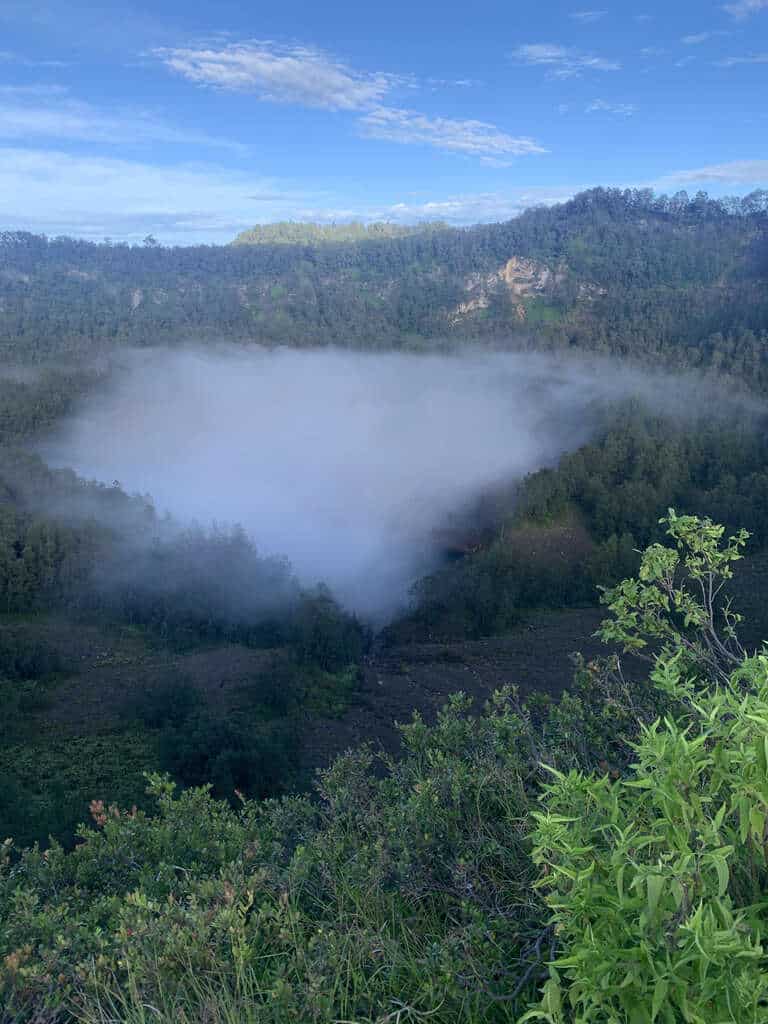
What made those two mornings unrepeatable was the silence. In 2021, Indonesia was almost empty of foreign travelers, and both times I shared the summit with a handful of people at most — the coffee sellers setting up their thermoses in the dark, a family of macaques patrolling the railings for unattended snacks, and the mist deciding, minute by minute, whether to reveal the lakes or swallow them. That is the real lesson of Kelimutu: the mountain doesn’t perform on schedule. You wait, you drink your sweet black kopi, the cloud tears open for thirty seconds, the lakes blaze below you, and it closes again. Both mornings, the wait was the point.
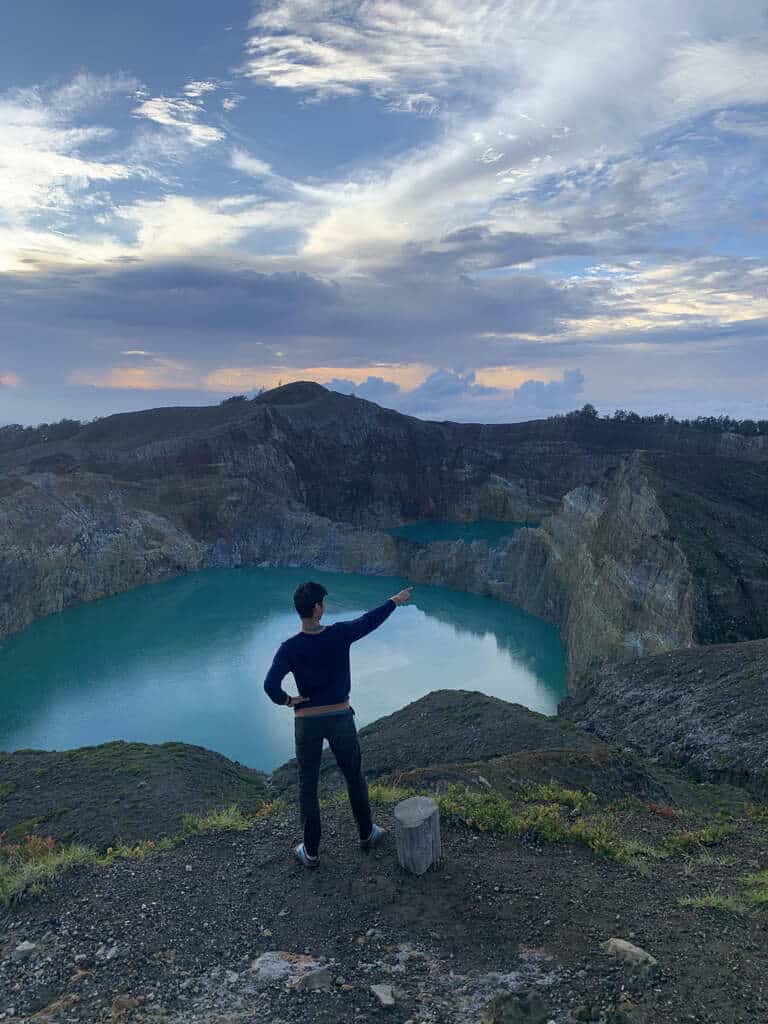
Everything in this guide comes from those two visits, checked and updated with 2025–2026 fees and logistics. Kelimutu is busier now than it was in those strange, empty months — but get up there on a weekday at 4:30 AM and you will still find the mountain I remember.
The Three Lakes and the Legend of the Lio
Three lakes, three destinations for the soul
The summit holds three crater lakes, and for the Lio people each one has a precise spiritual address. Tiwu Ata Mbupu, the Lake of Old People, sits slightly apart to the west and receives the souls of those who died old and wise. Tiwu Ko’o Fai Nuwa Muri, the Lake of Young Men and Maidens, and Tiwu Ata Polo, the Bewitched or Enchanted Lake, share a single crater wall: the first welcomes the souls of the young, the second those who did evil in life. Only a thin ridge of rock separates the virtuous young from the wicked — a piece of moral geography you can stand on. Listen to a Moni guide tell it at dawn, with the mist moving over the water, and the legend stops feeling like folklore: the Lio still greet the lakes as family, and older visitors from the surrounding villages sometimes speak to the water quietly before they leave.
Why the colors change
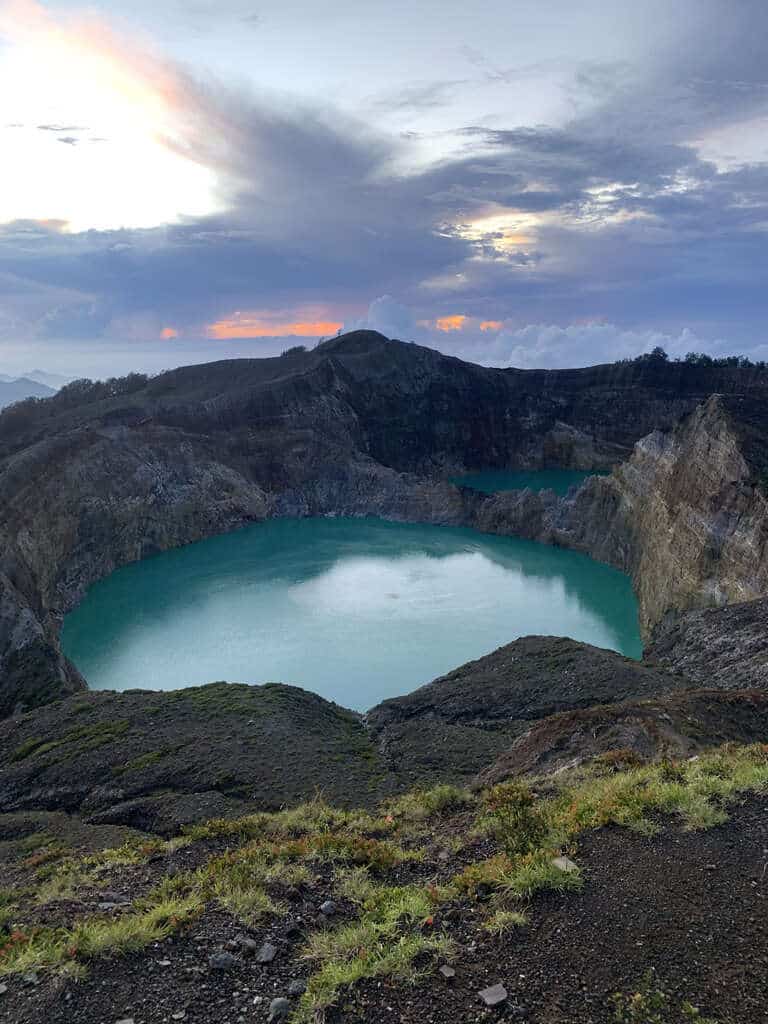
The science is almost as good as the legend. Kelimutu is an active volcano — its last eruption was in 1968 — and fumaroles keep feeding volcanic gases into the lake water. Shifts in gas chemistry, oxidation states of dissolved iron and other minerals, and rainfall change each lake’s color independently: over the years the lakes have been recorded as turquoise, green, chocolate brown, oxide red and near-black, per the Smithsonian’s Global Volcanism Program. No two visits show the same palette — which is the best argument for coming back.
Pati Ka: feeding the ancestors
Every August 14, Lio communities climb the mountain for the Pati Ka ceremony — offerings of rice, pork and betel placed on stone altars between the lakes, with traditional dance and song, to feed the ancestors who live in the water. If your dates line up, it is one of the most powerful cultural events on Flores. Year-round, remember the summit is a sacred site, not just a viewpoint: stay on the paths and behind the railings (the crater walls are genuinely unstable), keep your drone grounded unless you have a permit, and treat the altars with the respect you would give any shrine.
The Kelimutu Sunrise, Step by Step
The night before, in Moni
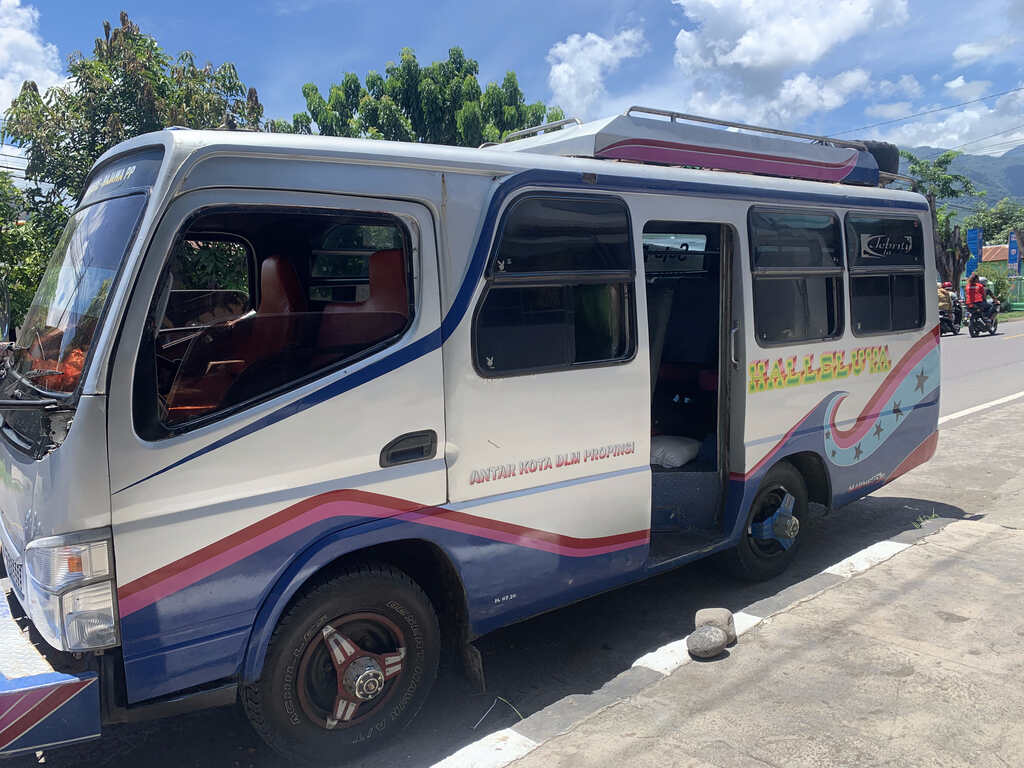
Everything starts in Moni, the strip of guesthouses in the rice terraces 30–40 minutes below the park gate. Arrive before dark, eat early, and arrange your transport for the morning with your guesthouse — every place in Moni does this daily. The standard options: an ojek (motorbike taxi) for about IDR 40,000–60,000 return, a shared car, or a chartered bemo for around IDR 150,000 if you are a group of four or five. If you have your own car or motorbike, you just need the alarm. Moni sits high and the night is cold by Flores standards — pack a real layer, not just a windbreaker.
4:00 AM: the ride up
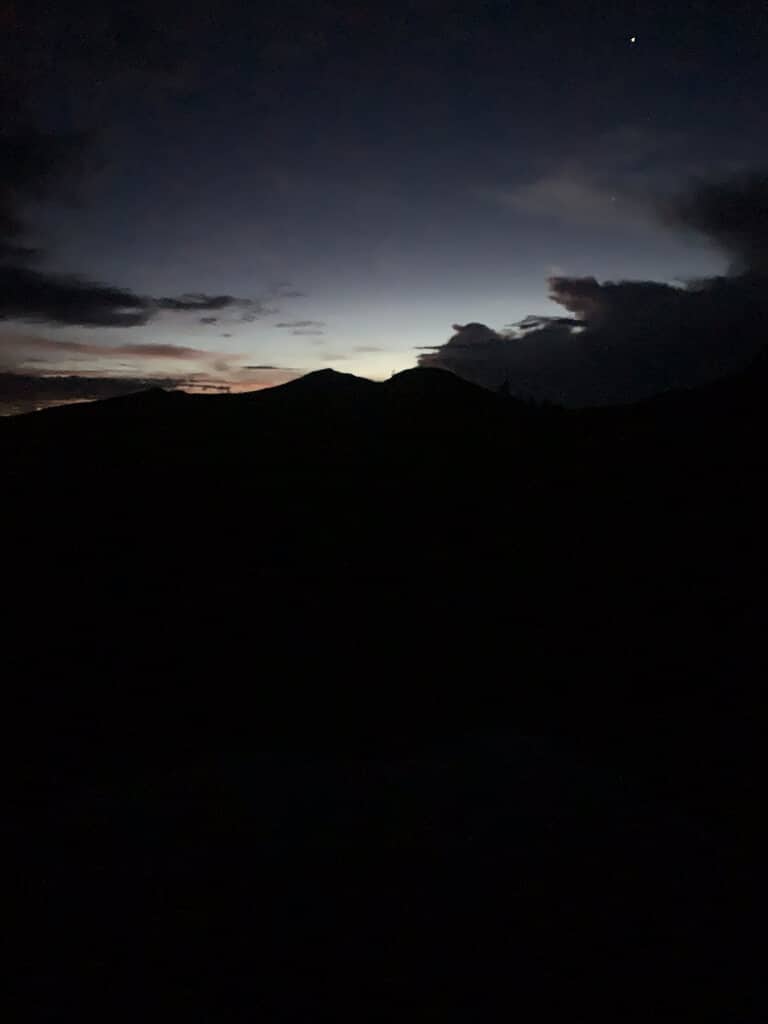
The park gates open at 4:00 AM, and leaving Moni between 4:00 and 4:30 AM puts you at the viewpoint comfortably before first light. The road climbs through dark forest for 13 km to the ticket office — entrance is IDR 150,000 on weekdays and IDR 250,000 on Sundays and public holidays for foreigners (2025 tariffs; Indonesian nationals pay far less), plus IDR 5,000–10,000 parking. Buy your ticket, keep it handy, and carry small notes. The ride itself is part of the experience: headlights sweeping through cloud forest, the temperature dropping with every switchback, and — if you are on a motorbike — the strange joy of climbing a sacred volcano in the dark with the whole road to yourself.
The walk to the viewpoint
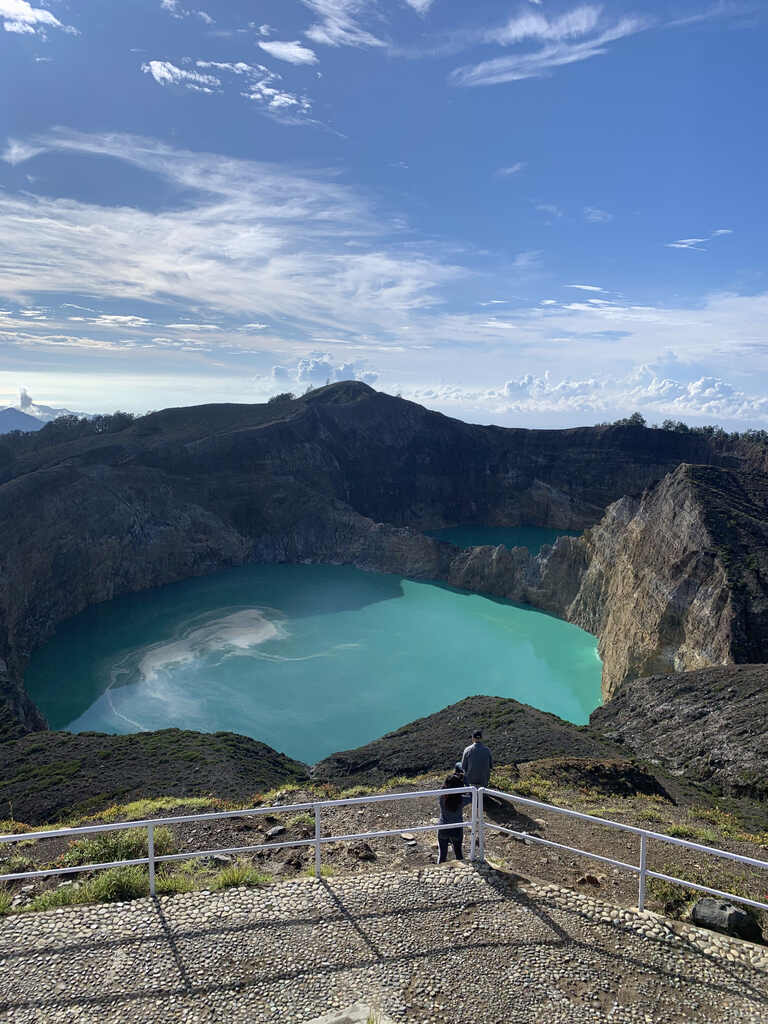
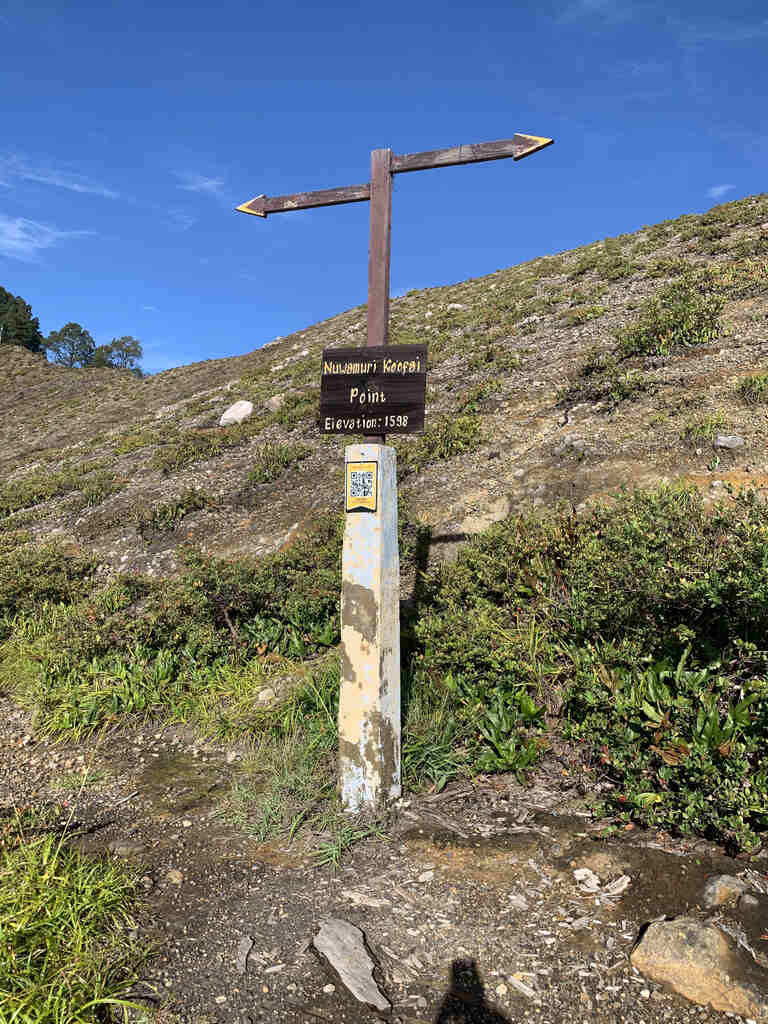
From the parking area, a paved path and a final staircase lead to the summit viewpoint — locals call it Inspiration Point — in an easy 20–30 minutes. You pass the rim between Tiwu Ko’o Fai Nuwa Muri and Tiwu Ata Polo on the way; in the dark you will only sense the void, which makes the railings worth respecting. Bring a headlamp or use your phone, and don’t rush: the altitude is mild, but the steps add up.
At the top: mist, monkeys and patience
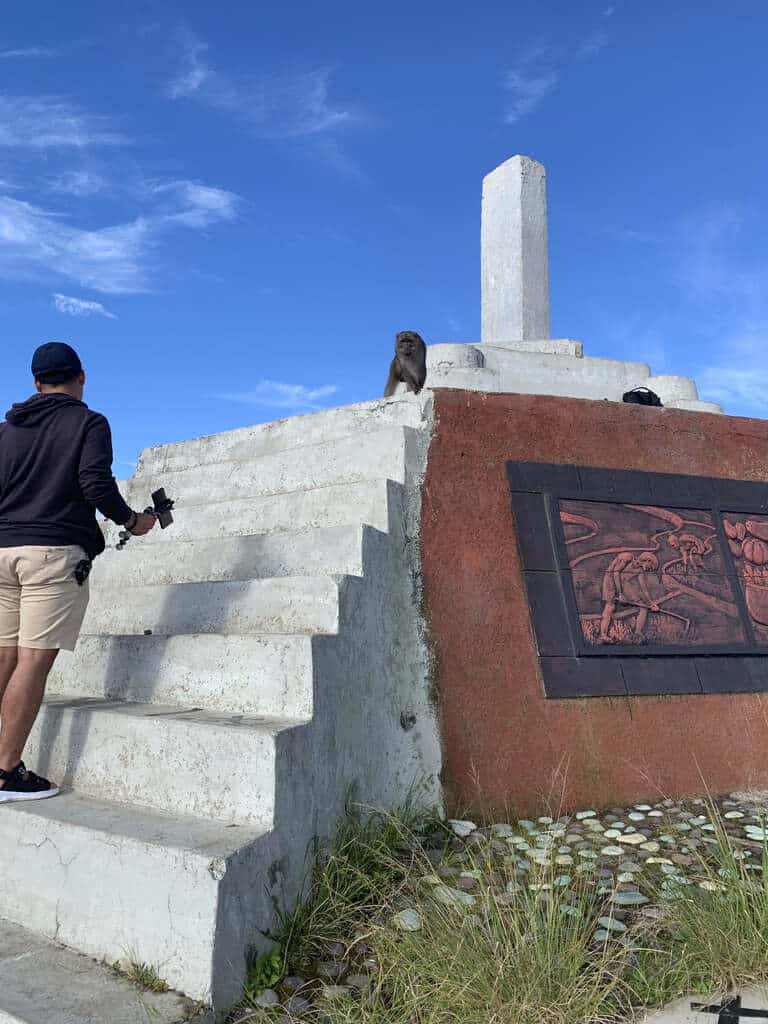
Here is what nobody tells you: sunrise on Kelimutu is a negotiation. Cloud pours over the rim, opens, closes, opens again — on both of my visits the lakes appeared and vanished several times before settling into full view. Buy a sweet black coffee or a hot ginger tea from the vendors at the top (a few thousand rupiah, and they carry it all up there — tip accordingly), find your spot, and wait it out. Watch your bags: the resident macaques are professional thieves with a documented taste for banana pancakes. By 8:00–9:00 AM the light flattens and the colors fade — the show belongs to the early.
And if the mist simply refuses to lift? It happens, even in the dry season. Don’t write the morning off: walk the rim paths anyway — the cloud forest in fog is beautiful in its own right — then come back up mid-morning the same day on the same ticket, or budget a second night in Moni. Of all the travelers I have met who were disappointed by Kelimutu, nearly all had given the mountain exactly one forty-five-minute chance.
Beyond the Sunrise: Moni and Around
Moni village life
Most travelers treat Moni as a one-night alarm clock, which is a mistake. Spend the post-sunrise day here and the village pays you back: rice terraces in every shade of green, ikat weavers working on porches, kids commuting to school by horse, and a slow warung lunch with a volcano view. The Monday market brings farmers from the surrounding hills, and the whole valley smells of clove and coffee laid out to dry. Give Moni a full extra night if your itinerary allows: the difference between “the place you slept before the volcano” and “the village you actually met” is exactly one unhurried afternoon.
Murundao and Dhaekale waterfalls
Five minutes‘ walk from Moni’s main road, Murundao waterfall is the perfect post-sunrise rinse — a single ribbon of cold water into a shallow pool. The smaller Dhaekale falls make a nice add-on if you want a longer stroll through the gardens and paddies. Both are free; a few thousand rupiah to a local kid who shows you the path is money well spent.
Hot springs on the park road
On the road between Moni and the park gate, the small hot springs of Liasembe and Kolorongo steam quietly beside the fields — village bathing spots more than tourist facilities, which is exactly their charm. Coming down from a cold sunrise, sliding your feet into volcanically heated water while the valley wakes up is the right way to close the morning. Ask your guesthouse to point them out on the way down — both are unsigned, free, and easy to sail straight past at ojek speed.
Skipping the crowd: the lakes after 9:00 AM
An honest alternative for non-morning people: visit mid-morning instead. You trade the sunrise drama for warmer air, no crowd at all, and colors that are still excellent until the light goes overhead — and on misty mornings, late visitors sometimes get clearer views than the 5:00 AM crowd did, because the rising sun burns the cloud off the craters. The park stays open through the afternoon; just avoid arriving after about 3:00 PM, when cloud usually claims the summit for good.
A Short History of Kelimutu
A young, restless volcano
Kelimutu belongs to the volcanic arc that built the whole island of Flores. Its recorded eruptions are modest — the most recent, in June 1968, was a series of minor phreatic explosions — but the mountain is far from asleep: the fumaroles under the lakes are the engine of the color changes, and scientists monitor the lake chemistry as a window into the volcano’s mood. In other words: the colors you photograph at dawn are live volcanic data, repainted by the mountain itself.
From colonial curiosity to national park
Word of the colored lakes reached the outside world through Dutch colonial officers in the early 20th century, and Kelimutu quickly became the most photographed place in eastern Indonesia — it even appeared on the old 5,000-rupiah banknote. In 1992 the mountain and the cloud forest around it were protected as Kelimutu National Park, one of Indonesia’s smallest, in Ende Regency — a pocket-sized park around a world-class centerpiece.
The mountain and the people
For the Lio, none of this is scenery. The lakes have been the destination of souls for as long as oral tradition reaches back, and the Pati Ka offerings predate both the park and the photographers. That double identity — geological wonder and ancestral home — is what makes Kelimutu feel different from other famous viewpoints: you are a guest at someone’s family shrine, with a very good view.
Where to Eat Around Kelimutu
Warungs and guesthouse kitchens in Moni
Moni’s food scene is a string of family warungs along the main road — nasi goreng, mie goreng, grilled chicken, fresh vegetables from the terraces — plus the kitchens of the guesthouses themselves, which often cook the best meal in town if you order before your sunrise nap. Portions are honest, prices are village prices, and the post-sunrise banana pancake is a Moni institution. Dinner works on village time — kitchens wind down early, so eat by 7:30 PM, which conveniently is exactly when someone with a 3:45 AM alarm should be heading to bed anyway.
Coffee at 1,639 meters
The summit coffee vendors are part of the Kelimutu experience: sweet black Flores kopi, hot ginger tea, instant noodles if you need them, all carried up the mountain in the dark. Flores grows serious coffee — the highlands around Bajawa are famous for it — and drinking a cup of it above three colored lakes at dawn is as good as coffee gets.
Stock up in Ende or Maumere
Moni has no ATM and only basic shops. Get cash and any supplies you care about in Ende or Maumere before you arrive, and carry small notes for tickets, ojeks, coffee and waterfalls. For the wider logistics of eating and moving around the island, see my guide to getting around Indonesia.
Kelimutu on the Trans-Flores Road Trip
East: Koka Beach, the perfect pairing (1h30)
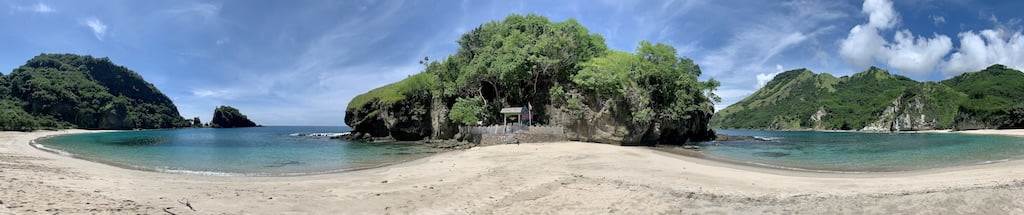
The classic Kelimutu day actually starts the afternoon before, on the sand: Koka Beach, the twin white-sand bays halfway between Maumere and Moni, is the perfect lunch-and-swim stop before driving up to the village for the night. Sea level at noon, three colored lakes at dawn — few places on Earth give you that 24 hours. I did exactly this on both of my crossings, and it remains my favorite single day on Flores.
West: Ende and the coast
An hour and a half west, Ende is central Flores’s main town — a working port between two volcanoes, with the region’s most reliable ATMs, an airport with daily Kupang connections, and a place in Indonesian history: Sukarno spent his political exile here in the 1930s, and his house is now a small museum. Most travelers pass through; with a spare half-day, the black-sand seafront and the exile house are worth a stop.
Further along the highway
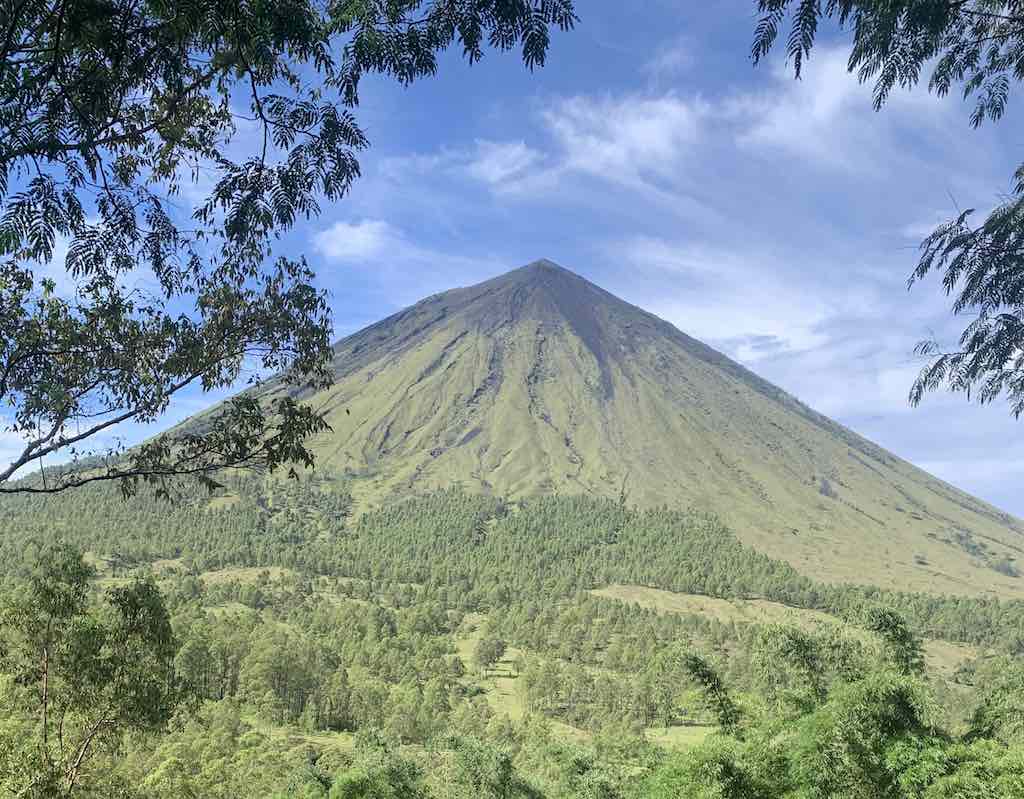
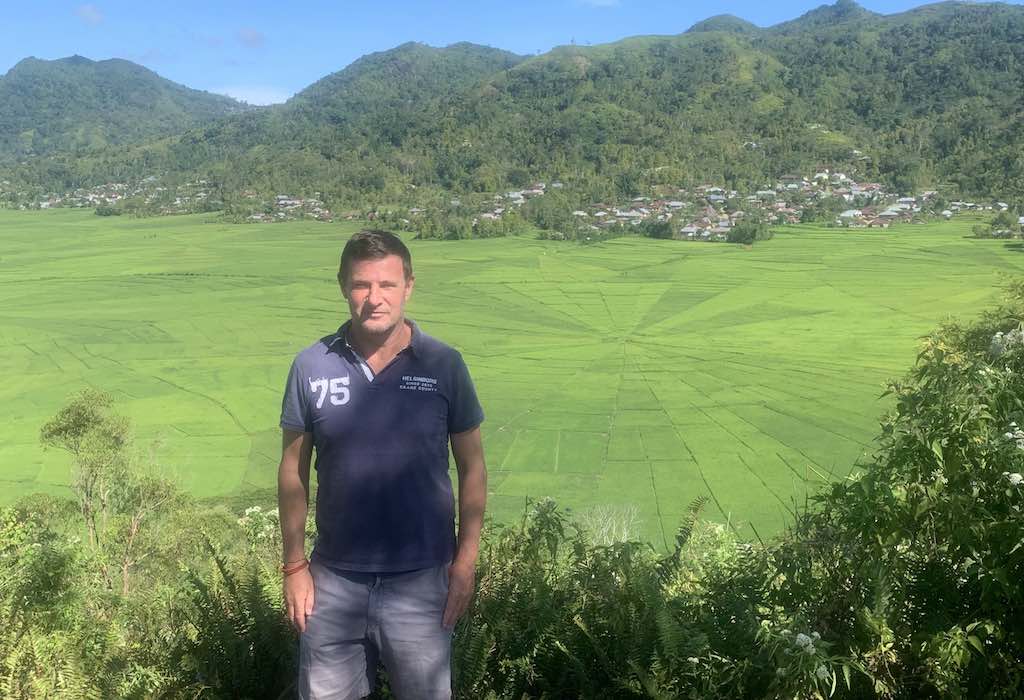
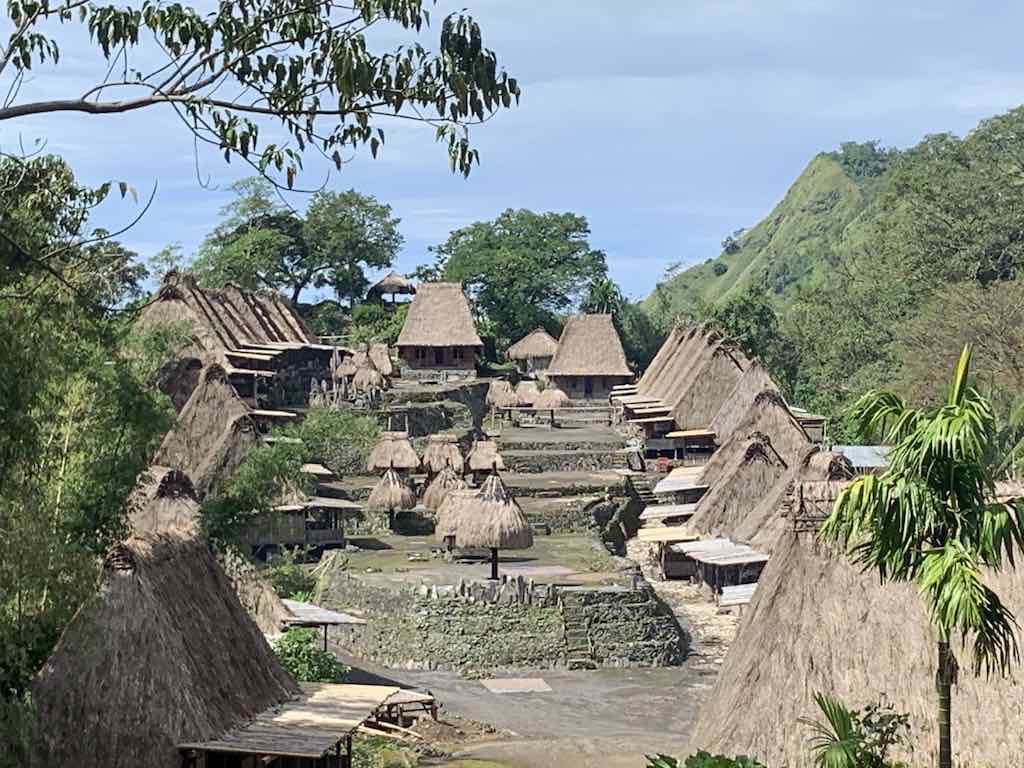
Westward, the Trans-Flores Highway keeps delivering: the Ngada traditional villages around Bajawa under the perfect cone of Inerie, the spider-web rice fields of Ruteng, and finally Labuan Bajo and Komodo National Park. Eastward, Maumere’s bay offers some of the island’s best diving — covered in my guide to the best diving in Indonesia. Kelimutu sits exactly where a crossing wants its dramatic centerpiece: plan five to seven days for the full island.
Where to Stay for Kelimutu

In Moni, at the foot of the mountain
Moni is where you want to wake up. The village is a string of family guesthouses among the rice terraces, most charging $15–45 with breakfast — and every single one can organize your 4:00 AM ride. My own base was Moni Mahalika, a simple, friendly place right on the main road with a garden and a little restaurant — nothing fancy, exactly what a 4:00 AM basecamp should be (guests rate it 8.1). Other reliable picks: Kelimutu Lodge Moni, the well-loved Family Guest House Moni, and Chenty Lodge Moni. For something greener, the Kelimutu Crater Lakes Ecolodge sits in riverside gardens just outside the village, with sunrise tours leaving daily at 4:30 AM.
In Maumere, before or after the crossing (3h)
If you fly in or out through Maumere, my pick is Capa Resort Maumere, where I slept right in front of the sea — air-conditioned rooms, a pool and a rooftop bar over the bay; the most polished address in town. The beach resorts of the Waiara coast, like Coconut Garden Beach Resort (from ~$64), make a comfortable first or last night on the island.
In Ende, the practical stop
Ende has the area’s biggest choice of simple city hotels and the most reliable ATMs — practical if you arrive late through Ende airport, but with Moni only 1h30–2h30 away (bus or car), most travelers push on and save their night for the mountain. If you do stay, pick a hotel near the seafront and treat yourself to grilled fish on the black sand. Ende is also where the Trans-Flores logistics knot together: buses east to Moni and Maumere, buses west to Bajawa, and flights out when the road has given you everything you came for.
Which base to choose?
For the sunrise, there is no debate: sleep in Moni. Book ahead for July–August — the village has few rooms and the Trans-Flores fills up — and set expectations accordingly: hot water is a perk, not a standard, and the cold night is part of the experience. Maumere and Ende are logistics stops; Moni is the point.
Practical Tips: Getting There, Fees, Best Time
Getting to Kelimutu
Fly to Ende (closest, daily via Kupang) or Maumere (daily via Bali in about two hours — compare fares on 12Go). From Maumere, Moni is about 3 hours by car or 3.5 hours by local bus; from Ende, 1.5–2.5 hours via the Roworeke terminal, from around IDR 30,000. Most travelers arrive with a car and driver as part of a Trans-Flores crossing — every driver on the island knows the Moni routine — and motorbikers will find the road up among the most scenic on Flores. More options in my guide to getting to Indonesia.
Fees, hours and money
Foreign visitors pay IDR 150,000 on weekdays and IDR 250,000 on Sundays and public holidays (2025 tariffs), plus IDR 5,000–10,000 parking; gates open at 4:00 AM. There is no ATM in Moni — bring all the cash you need from Ende or Maumere, in small notes. A guide is not required: the path is paved, signed and impossible to lose. Hire one anyway if you want the Lio stories told properly — your guesthouse can arrange it.
Best time to visit
April to October, in the dry season, gives you the best odds of a clear summit — but Kelimutu makes its own weather, and mist can win on any morning of the year; build a spare day into your plan if the sunrise matters to you. November to March brings rain and a higher chance of a white-out, though the lakes between showers can be spectacularly moody. Weekdays beat Sundays twice over: lower fees and fewer people. And whatever the season, by 9:00 AM the magic light is gone — Kelimutu is a morning mountain. For photographers, the playbook is simple: arrive in the dark, frame the two eastern lakes from the main viewpoint for first light, then walk the rim paths once the sun is up — the separate western lake, Tiwu Ata Mbupu, often photographs best mid-morning when the light reaches into its crater.
What to pack
A warm layer and a windproof shell (pre-dawn at 1,639 m is genuinely cold), a headlamp, cash in small notes, water, and sunscreen for the walk down. Sturdy sandals are enough for the paved path. Leave the drone unless you have arranged a permit, and zip your bag against the macaques. Official tourism information is on Wonderful Indonesia.
Is Kelimutu Worth It?
Without hesitation. Plenty of famous sunrises are victims of their own logistics; Kelimutu still feels like a secret ritual — the cold ride up, the coffee in the dark, the mist lifting off three lakes that genuinely change color from one visit to the next, above a village that still feeds its ancestors there every August. It asks one early alarm and gives back the single best morning on Flores. Pair it with Koka Beach the afternoon before and you have, in my experience, one of the great 24 hours of travel in Indonesia. If your Flores time is short, build the whole trip around this axis — fly into Maumere, swim at Koka, sleep in Moni, watch the lakes at dawn, and decide over summit coffee whether to keep driving west. Most people do.
Read More About Flores and Indonesia
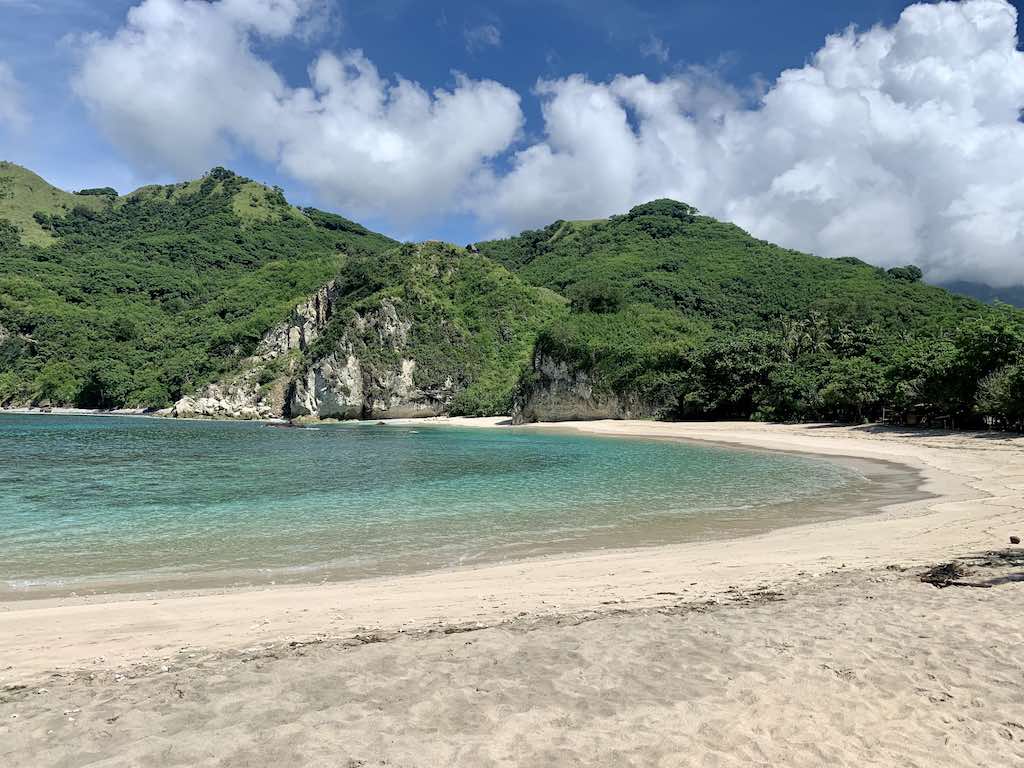
The perfect stop before your sunrise: Koka Beach, twin bays and grilled fish 1h30 east of Moni.
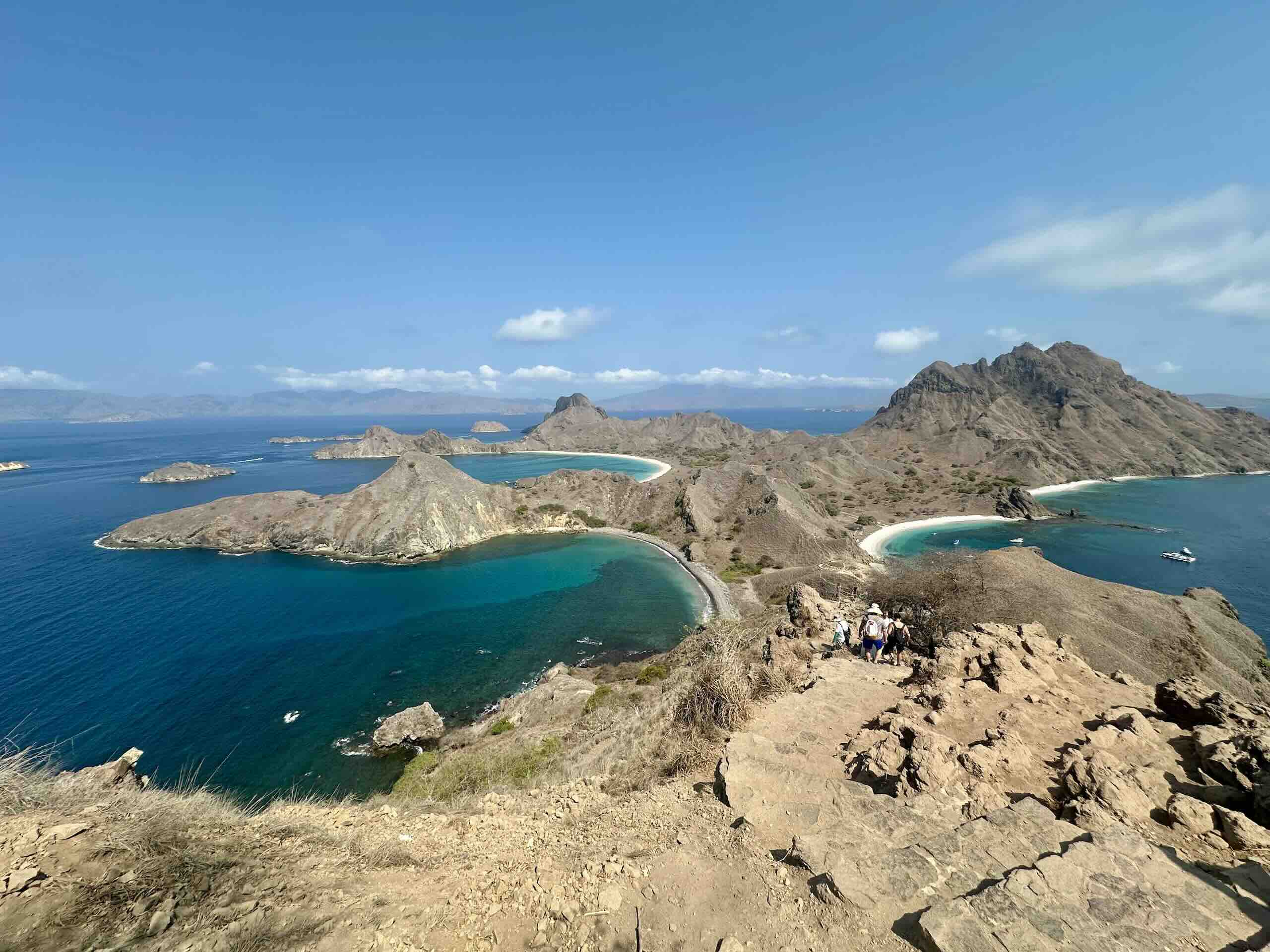
At the west end of the highway: Labuan Bajo and Komodo National Park — dragons, Padar and world-class snorkeling.
Plan the whole crossing with my Flores island guide — volcanoes, villages, beaches and the Trans-Flores route.
Frequently Asked Questions About Kelimutu
Where is Kelimutu?
Kelimutu is an active volcano in central Flores, Indonesia, in Ende Regency, East Nusa Tenggara — about 52 km east of Ende and 95 km west of Maumere. The base village for visits is Moni, 13 km below the park gate.
Why do the Kelimutu lakes change color?
Volcanic gases vent into the lakes and shift their chemistry — changing oxidation states of dissolved minerals, especially iron — so each lake changes color independently, from turquoise to green, brown, red or near-black. Local Lio tradition attributes the changes to the moods of ancestral spirits living in the water.
How much does Kelimutu cost to visit?
For foreign visitors, entrance is IDR 150,000 on weekdays and IDR 250,000 on Sundays and public holidays (2025 tariffs), plus IDR 5,000–10,000 for parking. An ojek from Moni costs about IDR 40,000–60,000 return.
What time should I leave Moni for the sunrise?
Between 4:00 and 4:30 AM. The park gates open at 4:00 AM, the drive up takes 30–40 minutes, and the walk from the parking area to the viewpoint another 20–30 minutes — putting you at the top just before first light.
Is the Kelimutu hike difficult?
No. From the parking area it is an easy 20–30 minute walk on a paved path with a final staircase. Anyone with basic mobility can do it; bring a headlamp for the dark and a warm layer for the summit.
Do I need a guide for Kelimutu?
No — the path is paved and signed, and the visit is easy to do independently. A local guide is worthwhile if you want the Lio legends and village context explained properly; any Moni guesthouse can arrange one.
When is the best time to visit Kelimutu?
April to October, in the dry season, on a weekday morning. Mist is possible year-round, so build in a spare day if the sunrise matters. Colors are sharpest before 9:00 AM.
Can you swim in the Kelimutu lakes?
No. The lakes are acidic, vent volcanic gases, sit below unstable crater walls — and they are sacred to the Lio people. Viewing is from the marked rim paths and viewpoints only.
What is the Pati Ka ceremony?
Every August 14, Lio communities make offerings of rice, pork and betel at stone altars between the lakes, with traditional dance and song, to feed the ancestors believed to dwell in the water. Visitors can attend respectfully.
How do I combine Kelimutu with Koka Beach?
Easily — they are 1h30 apart on the Trans-Flores Highway. The classic plan: lunch and a swim at Koka Beach, drive to Moni for the night, then catch the Kelimutu sunrise the next morning before continuing your crossing.