6th Arrondissement Paris: Saint-Germain Guide 2026
By Blaise Jaeger · Updated June 2, 2026
Why Visit the 6th Arrondissement?
The 6th arrondissement of Paris is the most refined district on the Left Bank — Saint-Germain-des-Prés, Saint-Sulpice, Odéon, the edges of the Jardin du Luxembourg. This is where French intellectual life crystallized in the 20th century, where Sartre and Beauvoir held court at Café de Flore, where Hemingway drank at Les Deux Magots, where Picasso lived above what is now the Picasso gallery on rue des Grands-Augustins. It’s also one of the most expensive and elegant residential neighborhoods in Paris — quiet streets, designer boutiques, the best bookshops in France, and Sunday brunches that last until 5 PM.
What makes the 6th unique isn’t just the cafés or the boutiques — it’s the way the neighborhood preserves a certain idea of Paris. Wide boulevards alternate with narrow medieval streets. The Seine is two minutes away from the Luxembourg Gardens. Saint-Sulpice church towers over a square with Visconti’s fountain. Every door seems to lead into a hidden courtyard or an old hôtel particulier. If you want to feel both the literary and the aristocratic side of Paris in a single morning, the 6th is your neighborhood.
Growing Up in the 6th Arrondissement
Beyond its famous cafés, elegant streets, and historic monuments, the 6th arrondissement holds a special place in my personal history. My entire education revolved around the Jardin du Luxembourg. I attended primary school first on rue de Vaugirard and later on rue Madame, before spending four years at Lycée Montaigne on the western side of the park. I then crossed into the neighboring Latin Quarter to study at Lycée Louis-le-Grand, where I completed high school and later attended the prestigious preparatory classes for France’s Grandes Écoles.
For more than a decade, the Jardin du Luxembourg was part of my daily routine. Crossing the park on foot, watching the seasons change, meeting friends after class, or simply sitting by the central pond became an integral part of growing up in Paris. Few places have shaped my understanding of the city as deeply as this corner of the Left Bank.
This guide reflects what the 6th actually feels like to someone who’s lived in it — not the tourist version, but the one you’d see if you grew up here.
The 6th Arrondissement at a Glance
- Location: Left Bank, between the Seine (north), boulevard du Montparnasse (south), boulevard Saint-Michel (east) and rue des Saints-Pères (west)
- Famous for: Saint-Germain-des-Prés, literary cafés, Saint-Sulpice, Jardin du Luxembourg (shared with the 5th), boutiques and bookshops
- Walking distance from Notre-Dame: 10 minutes
- Best time to visit: late April to mid-June and September to mid-October — mild weather, terraces in full swing
- Liveliest day: Saturday (shopping + brunches + galleries)
- Quietest moment: Sunday morning around 9 AM on Place Saint-Sulpice
- Closest metro: Saint-Germain-des-Prés (line 4), Saint-Sulpice (line 4), Mabillon (line 10), Odéon (lines 4 and 10), RER B Luxembourg
- Avg meal price: €20-35 for lunch, €50-100 for a Saint-Germain dinner
- Hotel prices: €180-500 per night — one of the most expensive Paris arrondissements
- Languages: French primary, English widely spoken in cafés, restaurants and shops
The History of the 6th Arrondissement
The 6th arrondissement has been at the center of French intellectual and cultural life for nearly 1,500 years. From Merovingian abbey to royal residence, from publishing district to existentialist headquarters — every century has left its mark on these streets.
The Abbey of Saint-Germain-des-Prés
The story begins with the Abbey of Saint-Germain-des-Prés, founded in 543 by King Childebert I to house relics from the Holy Land. For nearly 1,000 years, the abbey was the wealthiest and most powerful in Paris, owning most of what is now the 6th arrondissement. The surviving church (the oldest in Paris) is what remains today — the rest was largely destroyed during the French Revolution.
The Publishing District
From the 16th century onward, the 6th became the center of French publishing. Gallimard, Le Seuil, Flammarion, Grasset — most major French publishing houses still have their headquarters within a few streets of Saint-Germain-des-Prés. Bookshops and literary cafés multiplied, creating the ecosystem that would later host Sartre, Beauvoir, Camus, and the existentialist generation.
The Existentialist Decades (1945–1965)
After World War II, Saint-Germain-des-Prés became the capital of European intellectual life. Jean-Paul Sartre and Simone de Beauvoir famously held court at Café de Flore and Les Deux Magots. Boris Vian played trumpet in basement jazz clubs on rue Saint-Benoît. Juliette Gréco sang chansons in the Tabou. Pablo Picasso lived and painted just off rue des Grands-Augustins. The neighborhood concentrated more creative energy per square meter than perhaps any other in 20th-century Europe.
What to See in the 6th Arrondissement
The 6th is dense with monuments, churches and squares — most within a 15-minute walk of each other. Here are the seven sights I’d put at the top of any first-time visit.
Saint-Sulpice Church
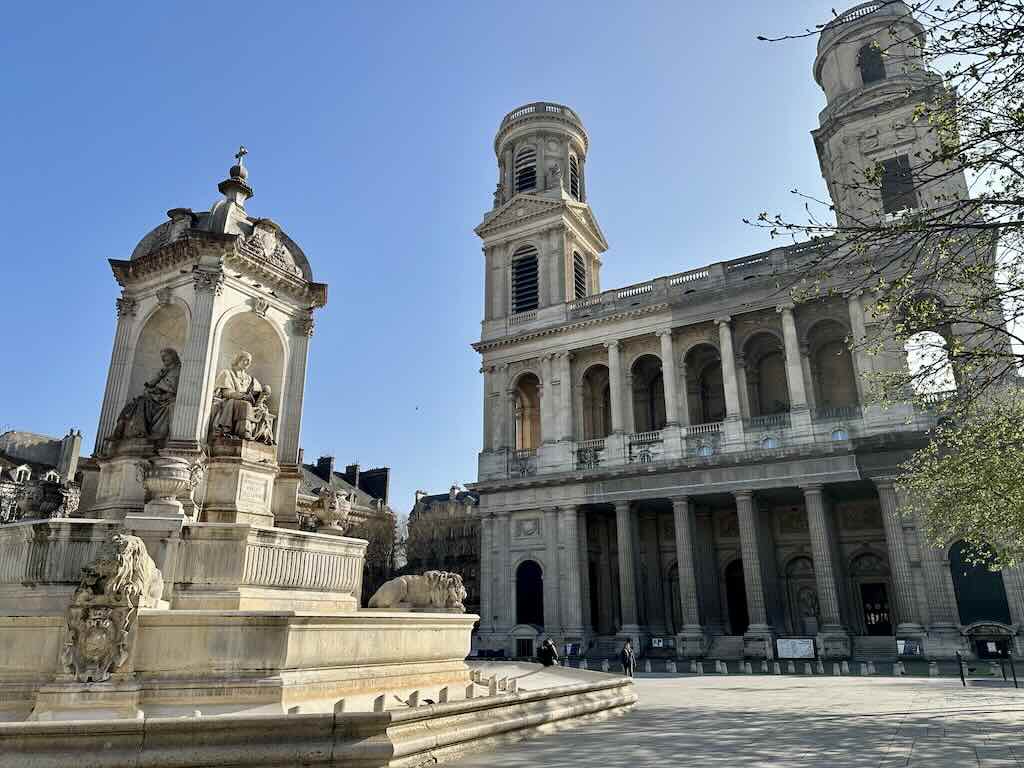
Saint-Sulpice is the second-largest church in Paris after Notre-Dame, and the centerpiece of the 6th arrondissement. Construction began in 1646 and dragged on for 134 years — which is why the two front towers don’t quite match. Inside: Delacroix frescoes in the first chapel on the right, a gnomon (astronomical instrument) used in Dan Brown’s Da Vinci Code, and one of the largest church organs in the world. The square outside, with Visconti’s 1844 fountain, is one of the most photographed spots in the neighborhood.
Saint-Germain-des-Prés Church
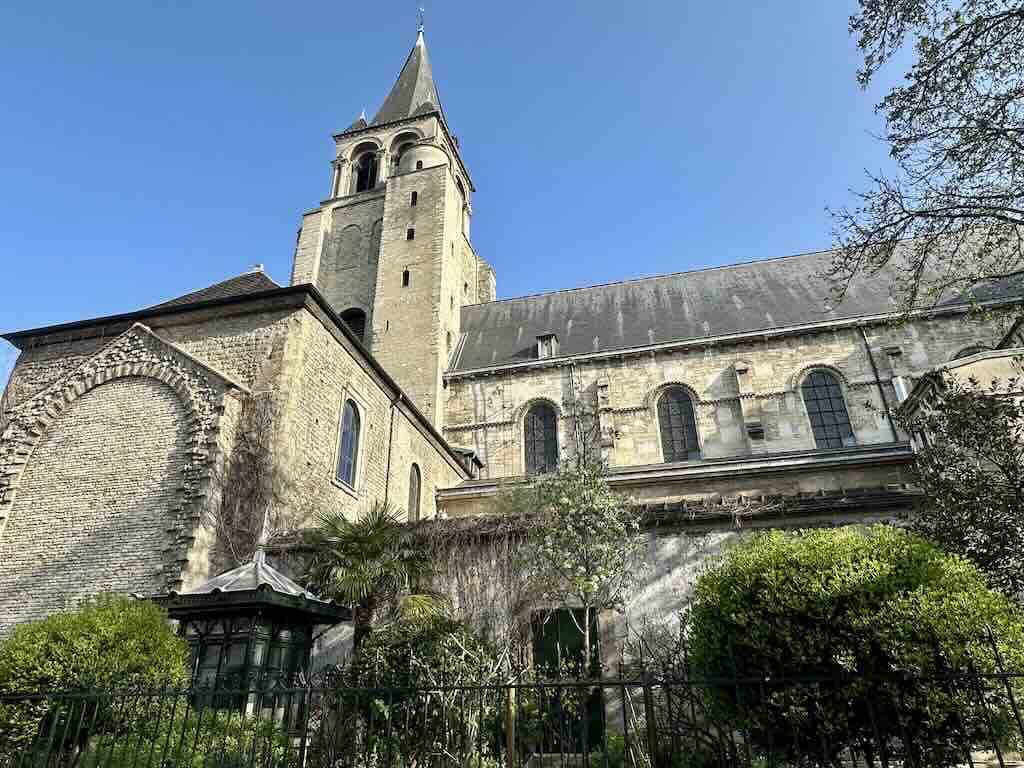
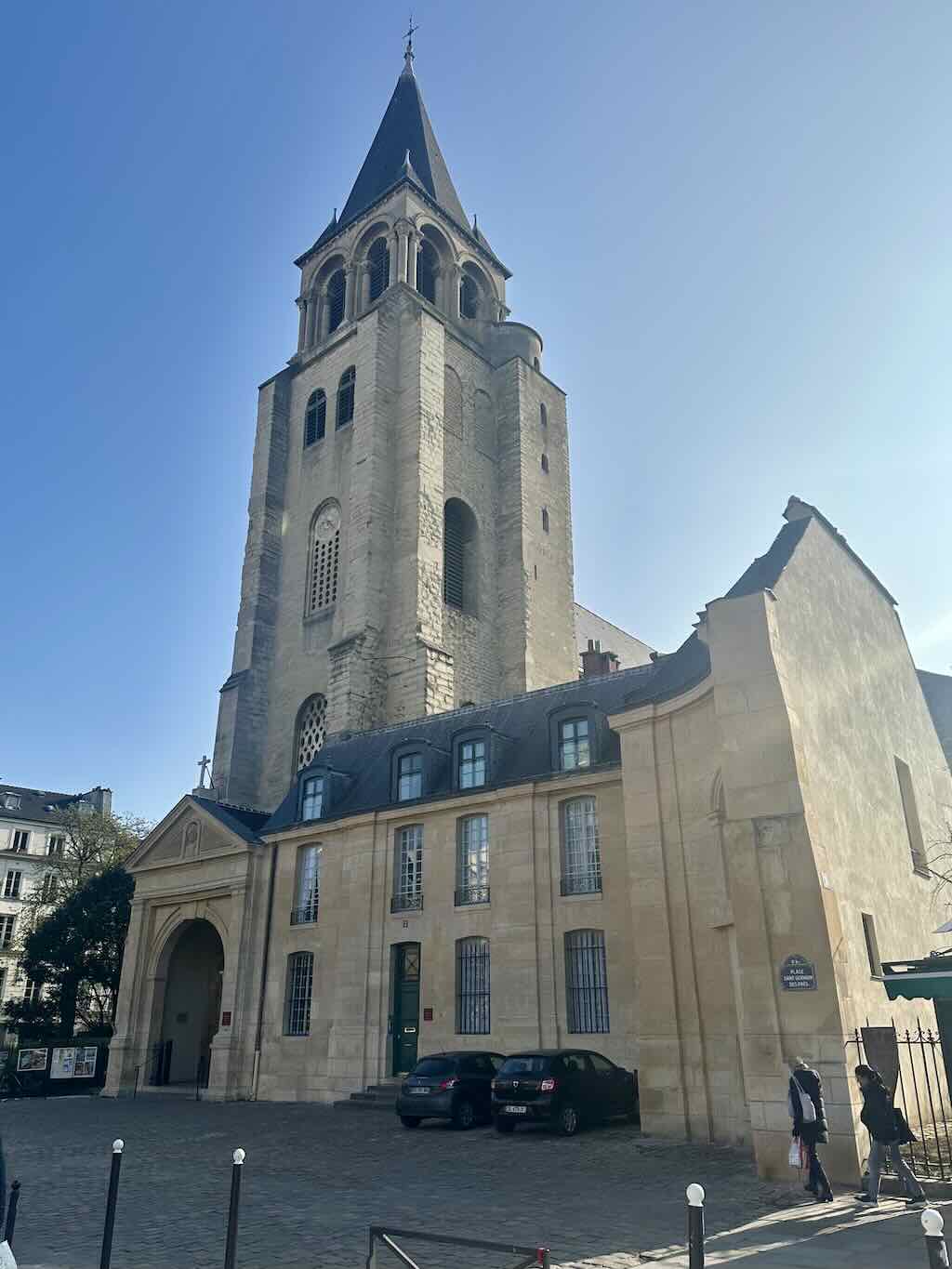
The oldest church in Paris — parts of the current structure date from the 11th century, built on top of the original 6th-century Merovingian abbey. The interior was restored from 2015 to 2020, revealing extraordinary medieval polychromy that had been hidden under centuries of paint. René Descartes is buried here. Free entry, open daily.
Place Furstenberg
The most romantic square in Paris, hidden between rue Jacob and rue de l’Abbaye. Four paulownia trees, a single lantern in the center, and the discreet Musée Eugène Delacroix in the artist’s old apartment-studio. Almost no tourists know it exists. Come at dusk in May when the trees bloom — it’s pure cinema.
Pont des Arts and the Institut de France
The Pont des Arts is the pedestrian bridge that connects the 6th arrondissement to the Louvre — wooden planks, iron arches, panoramic views of the Île de la Cité. On the Left Bank side stands the Institut de France, home of the Académie française since 1795. You can visit during European Heritage Days in September; otherwise admire the dome from the bridge at sunset.
Jardin du Luxembourg
The Luxembourg Gardens technically straddle the 5th and 6th arrondissements, but the Palais du Luxembourg, the central pond, and the most photogenic alleys are all on the 6th side. Read our complete Luxembourg Gardens guide for the full tour. Don’t leave the 6th without crossing the gardens at least once — preferably with a coffee from a nearby boulangerie.
École des Beaux-Arts
The historic French art school on rue Bonaparte, where every major French artist from Delacroix to Matisse studied (or refused to study). The courtyards are open to visitors during the school year, and the annual student exhibitions are free and surprisingly accessible. Just walking past the entrance gives you a sense of why this neighborhood produced so many artists.
Rue de Buci Market
Not a monument but an essential 6th arrondissement experience: rue de Buci is a short pedestrian-friendly street that hosts a small daily market and concentrates some of the best food shops in the area. Picnic provisions, oysters opened on the spot in winter, the best macarons at the Pierre Hermé branch. Two minutes from Saint-Germain-des-Prés metro.
Saint-Germain-des-Prés Literary Heritage
Saint-Germain-des-Prés is one of the rare neighborhoods in the world where you can sit in the exact café where 20th-century European literature was rewritten. Here are the three historic cafés you absolutely shouldn’t miss.
Café de Flore
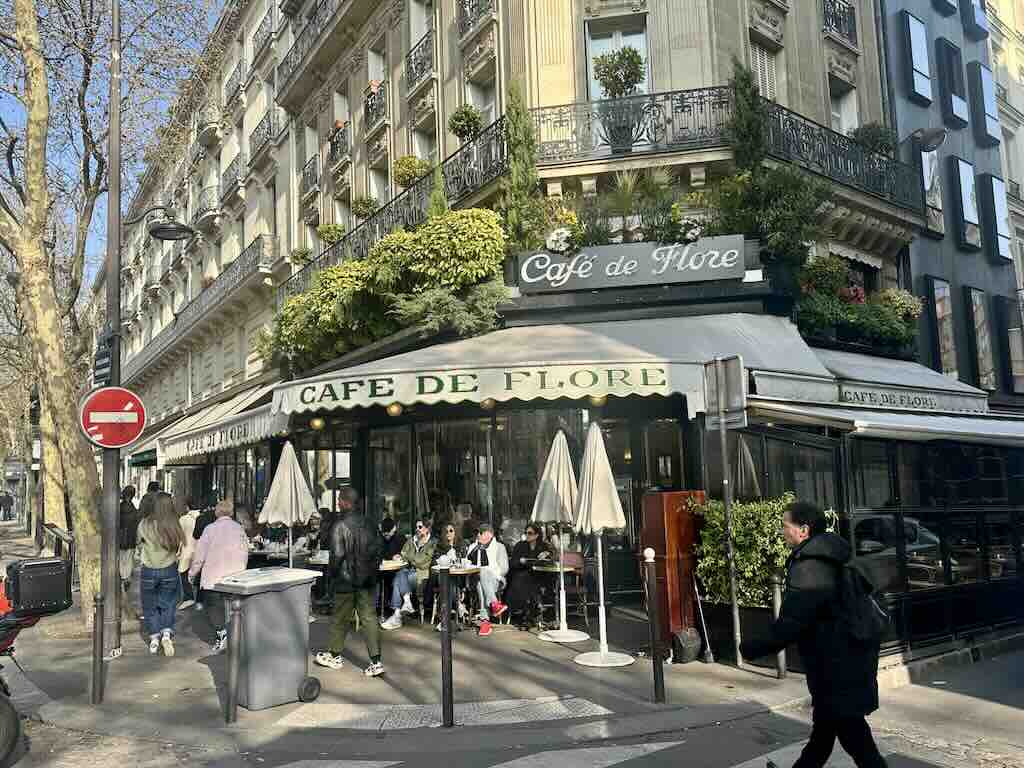
Founded in 1887, Café de Flore on boulevard Saint-Germain was Jean-Paul Sartre’s and Simone de Beauvoir’s daily writing room from 1939 until the 1960s. They had a regular table on the first floor, where Sartre wrote much of Being and Nothingness. The interior — red leather banquettes, mahogany, mirrors — has barely changed. A coffee at the bar costs around €5; a croissant and café on the terrace will run €10-15. Worth it for the atmosphere. Best time: 10 AM on a weekday, when the morning crowd is local.
Les Deux Magots
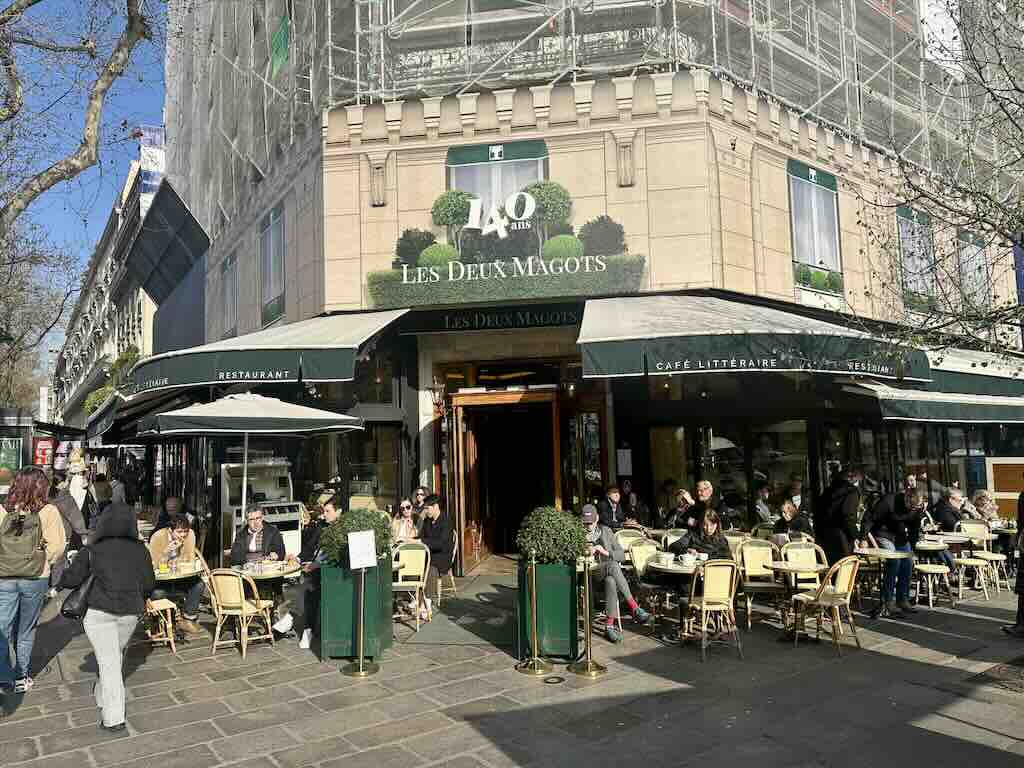
Right next door, Les Deux Magots was the rival café — frequented by Hemingway, Picasso, James Joyce, and André Breton. The two “magots” (Chinese figurines) inside the café have been watching customers since 1885. The Deux Magots literary prize, awarded every year since 1933, is the most prestigious independent literary award in France. The terrace faces the Saint-Germain-des-Prés church — postcard views, tourist prices, but iconic.
Le Procope — The Oldest Restaurant in Paris
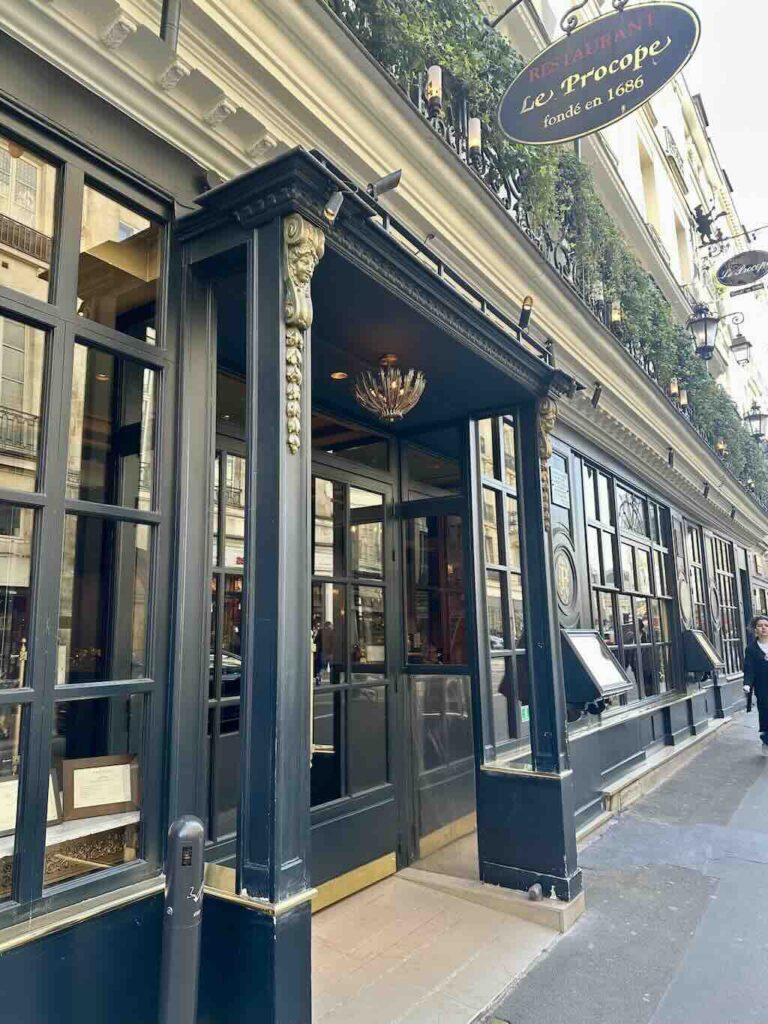
Founded in 1686 on rue de l’Ancienne-Comédie, Le Procope is the oldest continuously operating café-restaurant in Paris. Voltaire drank 40 cups of coffee a day at his regular table here. Diderot and d’Alembert wrote portions of the Encyclopédie at these tables. Benjamin Franklin negotiated French support for the American Revolution from this room. The interior preserves the 18th-century chandeliers and Napoleon’s hat in a glass case (yes, really). Lunch menus around €35.
Bookshops and Art Galleries
The 6th has the highest concentration of independent bookshops in Paris. Don’t miss: Librairie Galignani (oldest English-language bookshop in Continental Europe, actually in the 1st but worth crossing the Seine for), La Hune on rue de l’Abbaye, Compagnie on rue des Écoles, and Taschen on rue de Buci for art books. For galleries, the streets between rue de Seine, rue Bonaparte and rue Mazarine concentrate dozens of small contemporary art galleries — most have free vernissages every few weeks.
Where to Eat in the 6th Arrondissement
The 6th has some of the most refined dining in Paris — and some of the highest prices. Here’s how I’d structure your meals as someone who’s eaten in this neighborhood for 20+ years.
Traditional Bistros
For classic French dining: Brasserie Lipp on boulevard Saint-Germain (historic, expensive, theatrical), Le Comptoir du Relais on Carrefour de l’Odéon (chef Yves Camdeborde, expect a wait), or La Méditerranée on Place de l’Odéon (Cocteau used to eat here). For a more accessible bistro lunch, Le Petit Saint-Benoît on rue Saint-Benoît has barely changed since 1901 — paper tablecloths, €15-20 mains, the kind of place locals still go.
Modern Saint-Germain Dining
For a more contemporary experience: Semilla on rue de Seine (modern French, natural wine list), Allard (Alain Ducasse’s classic bistro on rue Saint-André-des-Arts), or KGB (Kitchen Galerie Bis) on rue des Grands-Augustins for inventive small plates. Expect €60-100 per person for dinner with wine.
Bakeries and Picnic Provisions
For picnic in the Luxembourg Gardens: Poilâne on rue du Cherche-Midi for the best sourdough in Paris, Pierre Hermé on rue Bonaparte for legendary macarons, Maison Mulot on rue de Seine for sandwiches and pastries. A baguette tradition, a slice of brie, a bottle of rosé from a caviste on rue de Buci — Parisian afternoon for €15.
The 6th Arrondissement in One Day: Walking Itinerary
The 6th is compact and best explored on foot. Here’s the itinerary I’d suggest for a full day — combining the must-sees with the hidden corners locals love.
Morning — Luxembourg Gardens and Saint-Sulpice
Start at 9:00 AM at the Luxembourg Gardens — the gardens are quietest before 10 AM. Walk the central alleys, see the Médicis Fountain, then exit on rue de Vaugirard heading west. Walk up rue Bonaparte to Place Saint-Sulpice. Visit the church, see Delacroix’s frescoes in the first chapel, then have a coffee on the square watching the morning crowd. Wander south on rue Madame for the residential streets, then east toward Odéon.
Lunch — Around Odéon and Buci
Around 12:30 PM, walk to rue de Buci and the surrounding streets. The market is winding down, the bistros are filling up. Grab takeaway from Maison Mulot and eat on Place Saint-Sulpice, or sit down at one of the small bistros on rue de l’Ancienne-Comédie. Le Procope is worth doing once for the history; otherwise opt for a smaller spot for better food at half the price.
Afternoon — Saint-Germain-des-Prés and the Galleries
Visit the Saint-Germain-des-Prés church (the oldest in Paris, restored 2020), then have a coffee at Café de Flore or Les Deux Magots on the corner. From there, wander the streets between rue de Seine, rue Bonaparte and rue Mazarine — this is the gallery district. Pop into 5-10 small galleries, browse the bookshops on rue de l’Abbaye, find Place Furstenberg (you’ll know it when you arrive). End the afternoon at the Musée Eugène Delacroix in his old apartment.
Evening — Pont des Arts and the Seine
Around 6:30 PM, walk north to the Seine via rue Bonaparte. Cross the Pont des Arts at golden hour — the view of the Île de la Cité from this bridge is one of the great Paris moments. Walk along the quais, browse the bouquinistes (open-air booksellers), then choose between dinner in a 6th arrondissement bistro or crossing into the Marais for a different atmosphere. Don’t miss the view from Pont au Change just before sunset.
How to Get to the 6th Arrondissement and Transportation Tips
The 6th arrondissement is in central Paris and very well served by transit. For the full Paris metro map, see the official RATP website.
Closest Metro Stations
For Saint-Germain-des-Prés: Saint-Germain-des-Prés (line 4) drops you right at the church. To go to Saint-Sulpice: Saint-Sulpice (line 4) or Mabillon (line 10). For Odéon: Odéon (lines 4 and 10). For the Luxembourg Gardens: RER B Luxembourg. Most points in the 6th are within 5-10 minutes walk of at least two stations.
Walking from Other Paris Neighborhoods
From the Marais, cross the Île de la Cité — 15 minutes on foot. If you are in the Latin Quarter, walk west through the Luxembourg Gardens — 10 minutes. From Montparnasse, walk north up rue de Rennes — 15 minutes.
Transportation Tips
Buy a Navigo Easy pass or a Paris Visite multi-day pass. The 6th is also one of the best Vélib zones in Paris — bike stations every few blocks, flat terrain, beautiful streets. Metro runs from 5:30 AM to 1:00 AM (2:00 AM on Fridays and Saturdays). The Batobus river shuttle has a stop at the Pont des Arts in season — a fun way to see Paris from the Seine.
Where to Stay in the 6th Arrondissement
The 6th is one of the most expensive Paris arrondissements for hotels — but also one of the most rewarding to stay in. Here are four micro-zones to choose from based on your priorities.
Saint-Germain-des-Prés — Most Iconic
Hotels on boulevard Saint-Germain, rue Bonaparte or rue Jacob put you in the heart of the literary 6th. Walk to Café de Flore in 2 minutes. Expect €250-500 per night for the best boutique hotels and historic addresses. Ideal for first-time visitors and travelers who want maximum Paris atmosphere.
Saint-Sulpice — Quieter and Local
Around Place Saint-Sulpice and rue Madame, you get a calmer atmosphere with the same walkability. Hotels here are typically €180-350 per night. Mornings start with coffee on the church square — quieter than Saint-Germain-des-Prés but with the same character.
Odéon and Cherche-Midi — Best Walkability
Halfway between Saint-Germain and the Luxembourg Gardens, the Odéon and rue du Cherche-Midi areas put you 5 minutes from everything. Hotels here are €200-400 per night, often in beautifully restored hôtels particuliers. My favorite zone for repeat visitors who want a quieter base.
Edge with Montparnasse — Best Value
The southern edge of the 6th, around boulevard Raspail and the Vavin metro, offers larger and more modern hotels at better rates (€140-220 per night). The Luxembourg Gardens are 10 minutes walk north. Ideal for travelers who want 6th arrondissement quality without 6th arrondissement prices.
Some links in this section are affiliate links. If you book through them, MBPV receives a small commission at no extra cost to you. We only recommend hotels we’ve personally stayed in or carefully vetted.
Final Tips for Visiting the 6th Arrondissement
Best Time to Visit
The 6th is at its most photogenic from late April to mid-June (chestnut trees in bloom along the Luxembourg, terraces full) and from September to mid-October (golden light, gallery vernissages). July and August are quieter (locals leave, but most cafés remain open). The neighborhood is especially magical during the European Heritage Days in mid-September, when the Institut de France and other normally closed buildings open their doors.
Cultural Etiquette — How to Blend In
Three things: 1) Say “Bonjour” entering any shop, gallery or café — non-negotiable. 2) Dress slightly more elegantly than in other Paris arrondissements — the 6th has a refined dress code even in casual cafés. 3) Don’t take photos inside galleries or boutiques without asking — it’s considered rude.
Safety and Practical Info
The 6th is one of the safest Paris arrondissements, including at night. Standard pickpocket precautions in the metro and around Saint-Germain are sufficient. ATMs are abundant. Credit cards accepted everywhere except a few small market stalls on rue de Buci. Public toilets are limited — use café WCs (buy a coffee first).
Explore More of Paris’ Left Bank
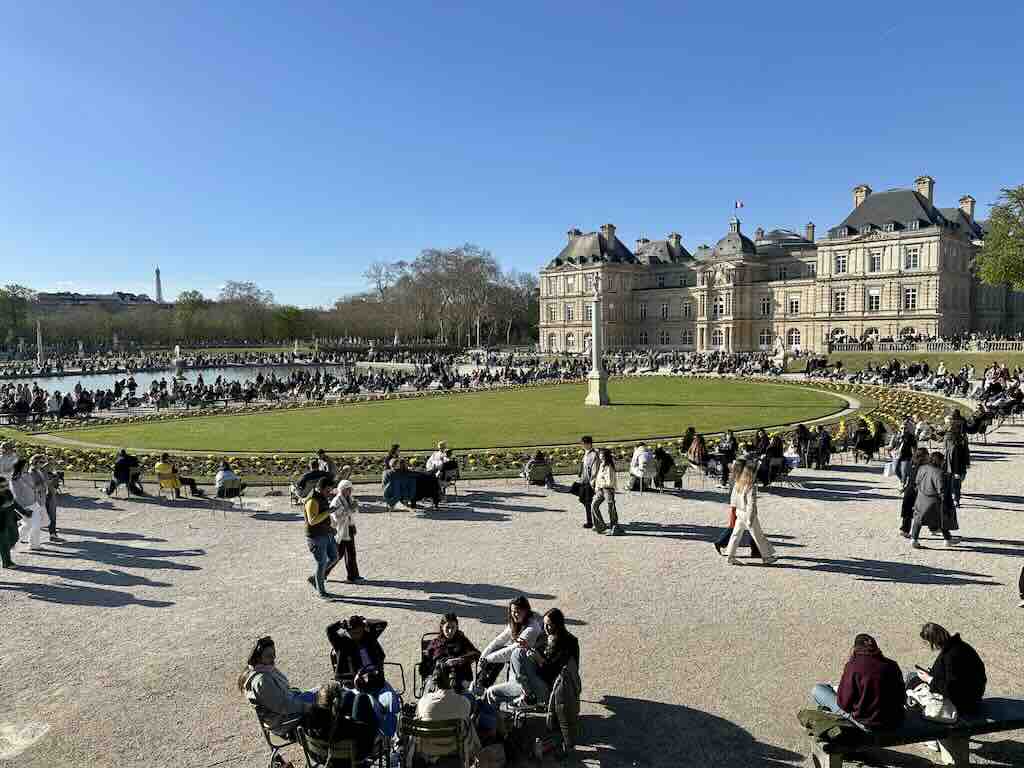
Step into the Luxembourg Gardens — Paris’ most beloved park, sharing its border with the 6th arrondissement and home to the Palais du Luxembourg.
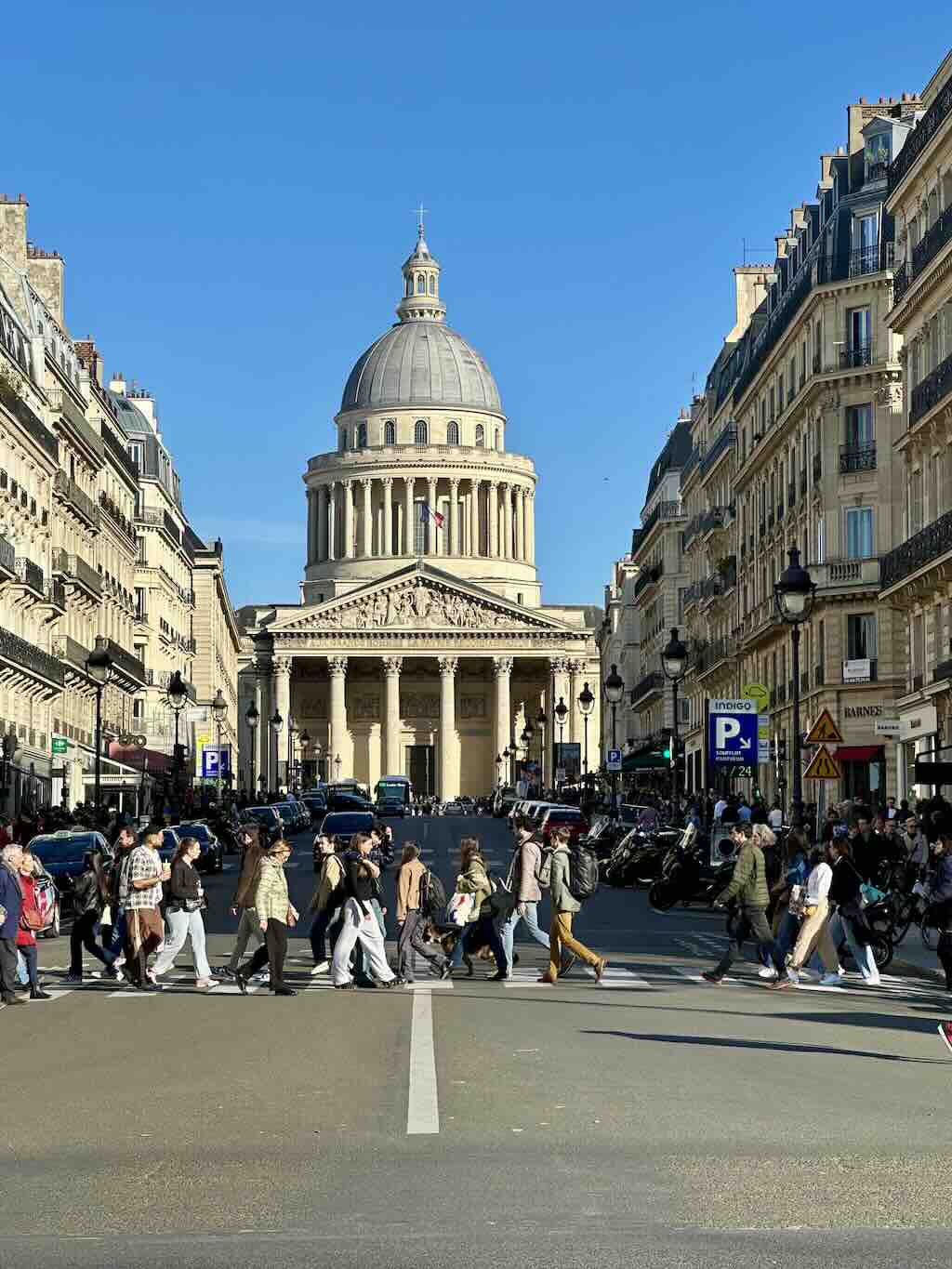
Cross into the Latin Quarter in the 5th arrondissement — Sorbonne, Panthéon, rue Mouffetard, and 800 years of student life on the Left Bank.
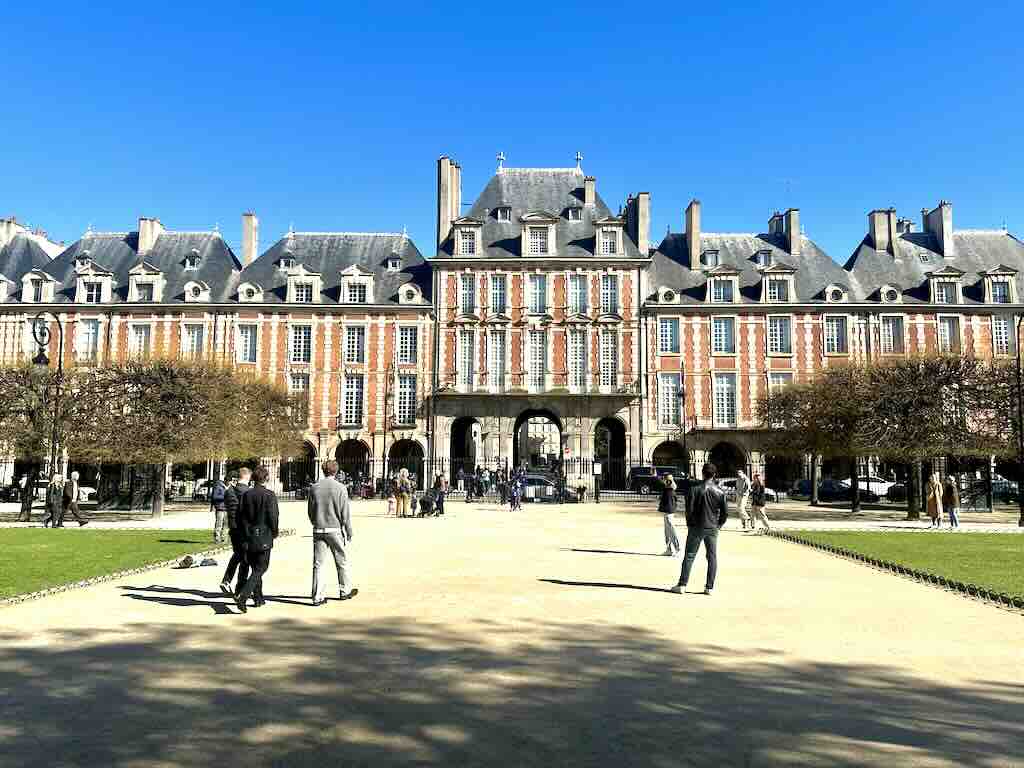
Cross the Seine to the Marais — Paris’ most charming district, with the Place des Vosges, hôtels particuliers and the most vibrant Right Bank atmosphere.
Frequently Asked Questions about the 6th Arrondissement
The 6th arrondissement is on the Left Bank, between the Seine (north), boulevard du Montparnasse (south), boulevard Saint-Michel (east) and rue des Saints-Pères (west). It includes Saint-Germain-des-Prés, Saint-Sulpice, Odéon, and the western half of the Jardin du Luxembourg. It’s 10 minutes walk from Notre-Dame.
Absolutely — it’s one of the most refined and culturally rich neighborhoods in Paris. You can sit at Café de Flore where Sartre wrote, visit the oldest church in Paris (Saint-Germain-des-Prés, founded in 543), browse some of the best bookshops in France, eat at the oldest restaurant in Paris (Le Procope, 1686), and walk to the Luxembourg Gardens in 5 minutes. It’s also one of the safest and most walkable Paris arrondissements.
The 6th is famous for four things: (1) Saint-Germain-des-Prés and the existentialist café culture of Sartre, Beauvoir, and Hemingway, (2) Saint-Sulpice church and Place Saint-Sulpice, (3) being the publishing district of France (Gallimard, Le Seuil, Flammarion), and (4) the highest concentration of independent bookshops, art galleries and refined boutiques in Paris.
A full day is enough to cover the major sights at a relaxed pace — Saint-Sulpice, Saint-Germain-des-Prés church, Café de Flore, Place Furstenberg, the Luxembourg Gardens edges. If you want to slow down for gallery visits, bookshop browsing, and proper café sit-downs, plan two days. The 6th rewards slowness — it’s not a neighborhood for rushing.
For Saint-Germain-des-Prés: Saint-Germain-des-Prés (line 4) drops you right at the church. For Saint-Sulpice: Saint-Sulpice (line 4) or Mabillon (line 10). For Odéon and bookshops: Odéon (lines 4 and 10). For the Luxembourg Gardens entrance: RER B Luxembourg. Most points in the 6th are within 5-10 minutes walk of at least two stations.
For tradition and theater: Brasserie Lipp or Le Procope (the oldest restaurant in Paris, 1686). For modern French dining: Semilla, Allard or KGB. For casual lunch: Le Petit Saint-Benoît (paper tablecloths, €15-20 mains). For picnic provisions: Poilâne, Pierre Hermé, Maison Mulot. Café de Flore and Les Deux Magots are best for coffee and atmosphere rather than full meals.
Yes, but adjust expectations — Café de Flore is now mostly visited for atmosphere and history, not for the food (which is fine but overpriced). A coffee at the bar costs around €5; a terrace coffee with a croissant runs €10-15. The best time to visit is 10 AM on a weekday when the morning crowd is still local. The interior — red leather banquettes and mahogany — has barely changed since Sartre’s day.
Yes — the 6th is one of the safest Paris arrondissements, day and night. The neighborhood is residential, well-lit, and stays animated until 1-2 AM around Saint-Germain-des-Prés and Odéon. Standard pickpocket precautions in the metro and around major tourist spots are enough. There’s no part of the 6th where I’d hesitate to walk after dark.
Saint-Germain-des-Prés for maximum atmosphere (€250-500/night), Saint-Sulpice for a quieter local vibe (€180-350/night), Odéon and rue du Cherche-Midi for best walkability (€200-400/night), or the southern edge near boulevard Raspail for best value (€140-220/night). The 6th is one of the most expensive arrondissements — book 2-3 months ahead for the best rates.
The 5th (Latin Quarter) is the student and academic neighborhood — Sorbonne, Panthéon, rue Mouffetard, energetic and slightly bohemian. The 6th (Saint-Germain-des-Prés) is more refined and residential — literary cafés, boutiques, galleries, the most expensive Left Bank addresses. They share the Luxembourg Gardens in the middle. Visit both: the 5th for intellectual energy, the 6th for refinement.