Latin Quarter Paris: Insider Guide to the 5th in 2026
By Blaise Jaeger · Updated June 2, 2026
Why Visit the Latin Quarter?
The Latin Quarter — Quartier Latin in French — is the historic intellectual heart of Paris and one of the most atmospheric corners of the Left Bank. Centered on the 5th arrondissement and dating back to the 12th century when scholars at the Sorbonne taught and debated in Latin (hence the name), this is the neighborhood that gave the world Pascal, Descartes, Madame Curie and the modern French university system. Today it remains a living student quarter — but also a place where you can walk in the footsteps of a thousand years of European thought, from a Roman amphitheater to the Panthéon’s marble tombs.
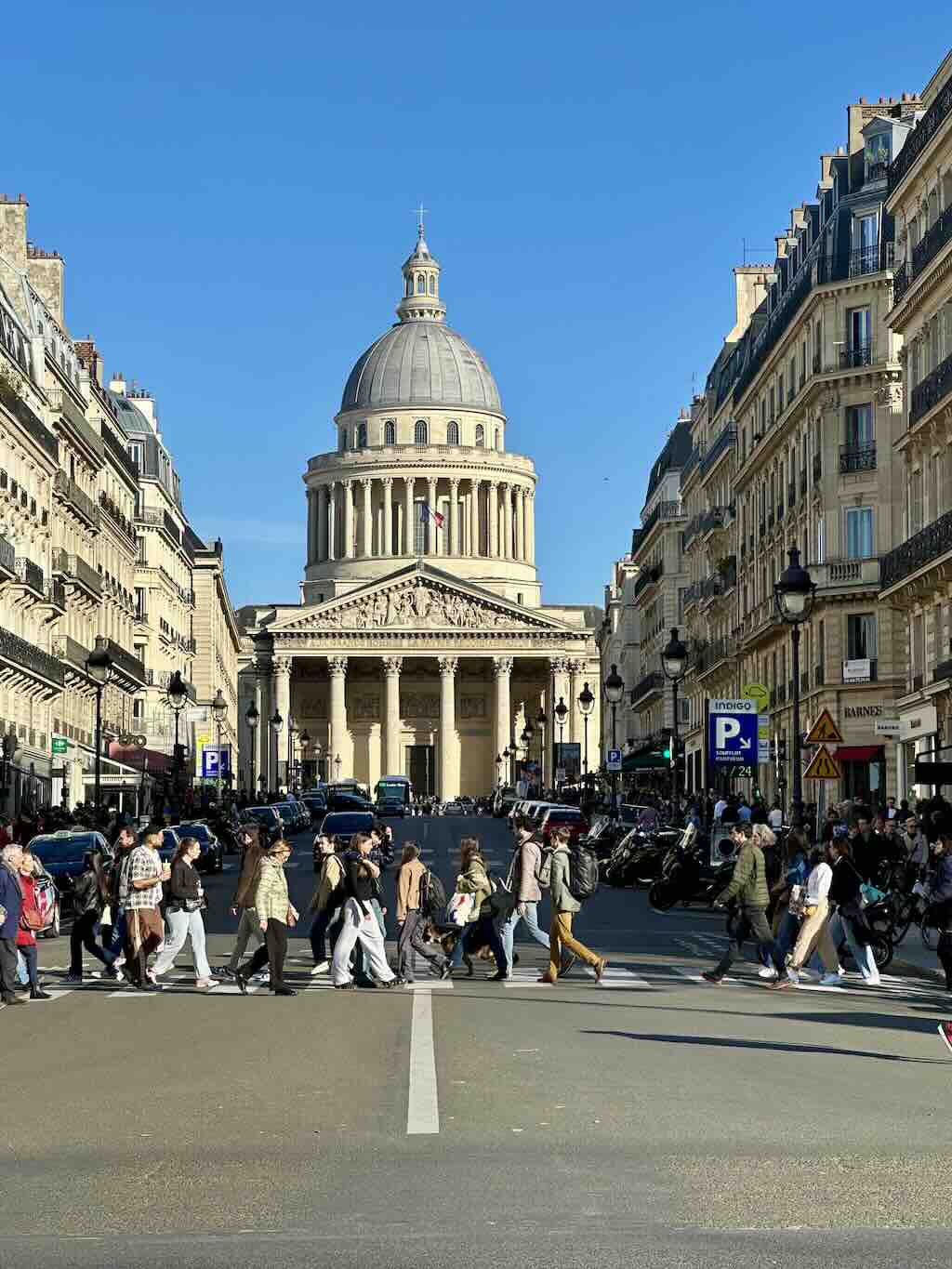
What makes the Latin Quarter unique isn’t just the monuments — Panthéon, Sorbonne, Cluny, Jardin des Plantes, Mosquée de Paris. It’s the way student energy mixes with deep history in every street. You can grab a €4 falafel on rue Mouffetard, then walk five minutes to a building where Marie Curie isolated radium. You can sit in a café where Hemingway wrote, or duck into a 17th-century church where Pascal is buried. If you want one neighborhood that captures the intellectual soul of Paris, this is it.
My Five Years in the Latin Quarter
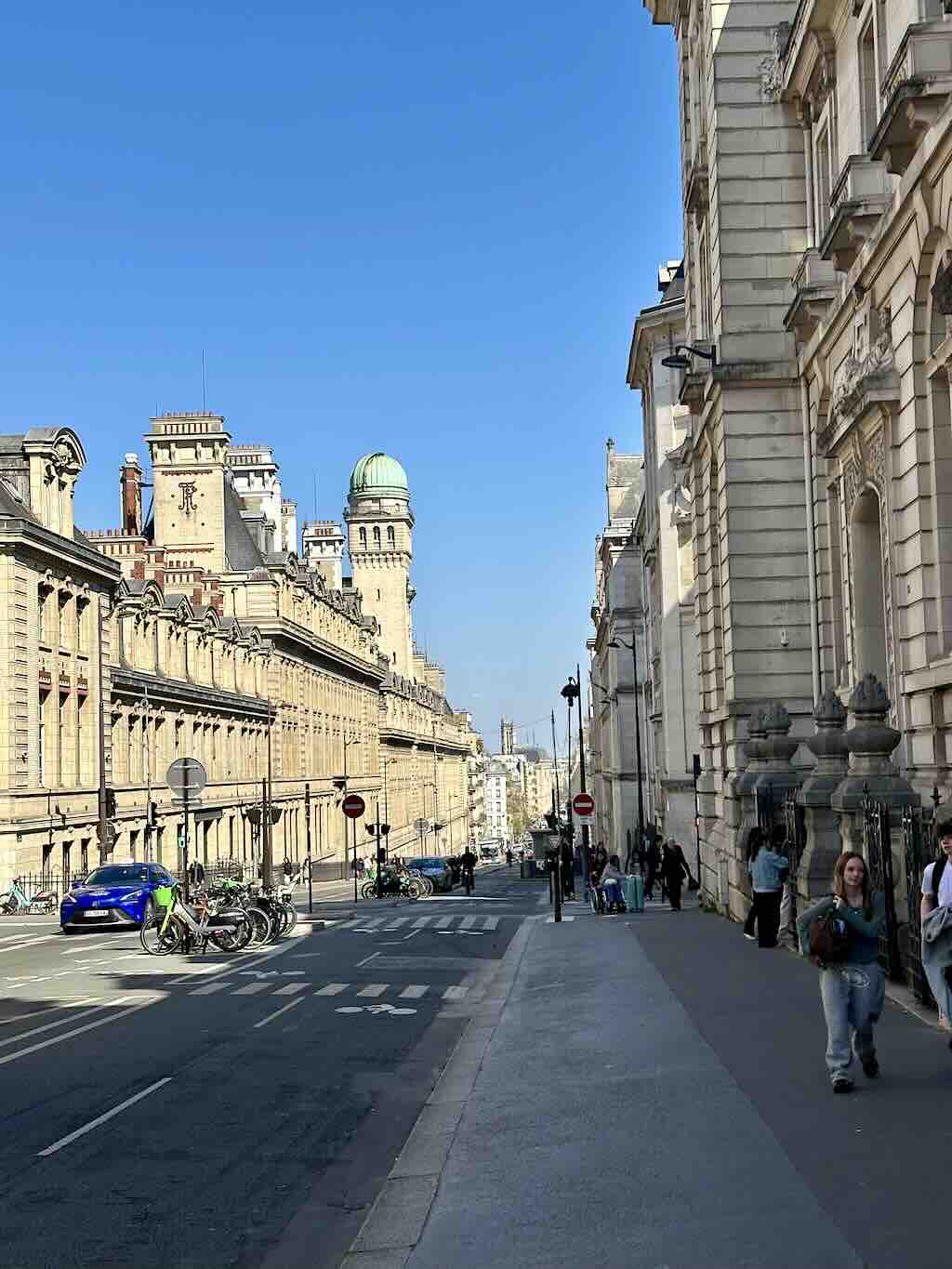
If there’s one Paris neighborhood I know intimately, it’s the Latin Quarter. I spent five years studying at the prestigious Lycée Louis-le-Grand on rue Saint-Jacques — one of the oldest and most rigorous high schools in France, where every Parisian intellectual since Molière seems to have passed through. Those five years shaped my daily geography around the 5th arrondissement.
My daily ritual: crossing the Jardin du Luxembourg from home in the 6th arrondissement, climbing rue Soufflot toward the Panthéon, then turning onto rue Saint-Jacques to reach Louis-le-Grand. Five years of mornings shaped by the same Latin Quarter rhythm — students rushing to class, professors carrying stacks of papers, the smell of fresh croissants from the boulangeries on rue des Écoles. The neighborhood has barely changed in the years since.
For exams, my refuge was the Bibliothèque Sainte-Geneviève — the magnificent 19th-century reading room facing the Panthéon, with its iron arches and emerald reading lamps. I spent countless hours there hunched over books, surrounded by students from the Sorbonne and Sciences Po. There’s something special about studying in a library where Sartre, Beauvoir and generations of French thinkers have also sat — the weight of intellectual tradition is almost tangible. If you visit only one Latin Quarter interior, make it this one (open to the public).
This guide reflects what I actually know about the Latin Quarter from those years: which boulangerie has the best pain au chocolat, which café still hasn’t been gentrified, which courtyard you can sneak into for a quiet moment between classes. It’s not a tourist guide written from a hotel room — it’s a love letter to the place that shaped my understanding of Paris.
Latin Quarter at a Glance
- Location: 5th arrondissement, Left Bank, between Île de la Cité (north), Jardin du Luxembourg (west), and Jardin des Plantes (east)
- Walking distance from Notre-Dame: 5 minutes
- Famous for: Sorbonne University, Panthéon, Cluny medieval museum, rue Mouffetard food street, jazz clubs, student life
- Best time to visit: late April to mid-June and September to mid-October — mild weather, students still around for atmosphere
- Liveliest moment: weekday lunch on rue Mouffetard, when the food market is in full swing
- Quietest moment: Sunday early morning along rue des Écoles
- Closest metro: Cluny–La Sorbonne (line 10), Maubert–Mutualité (line 10), Cardinal Lemoine (line 10), Place Monge (line 7), RER B Luxembourg or Saint-Michel
- Avg meal price: €12-20 for a student lunch, €30-50 for a proper bistro dinner
- Hotel prices: €100-300 per night, often better value than the 6th arrondissement next door
- Languages: French primary, English widely spoken near tourist sites and universities
The History of the Latin Quarter
The Latin Quarter has been the brain of Paris for nearly a thousand years. Long before «intellectual» became a French stereotype, scholars were already arguing about theology and Aristotle in these exact streets — in Latin, the lingua franca of medieval European universities. Read more on the Wikipedia entry on the Latin Quarter.
A Medieval University Quarter
The neighborhood owes its name and identity to the founding of the University of Paris in the 12th century, with the Sorbonne College established in 1257 by Robert de Sorbon, chaplain of King Louis IX. For roughly 600 years, every lecture and every debate was held in Latin — hence «Latin Quarter.» Students from across Europe came here to study theology, philosophy, law and medicine. Several medieval colleges still stand or have left traces, including the Collège des Bernardins (now restored as a cultural center) and the iconic Sorbonne courtyard.
From Latin Lectures to Modern Sorbonne
In 1793, the French Revolution suppressed the university — but Napoleon revived it in 1808 as the Université de Paris. The Sorbonne we see today is mostly the result of a massive 19th-century rebuild under the Third Republic. The neighborhood expanded its scientific reputation in this era: Pierre and Marie Curie did their radium research nearby on rue Cuvier, Louis Pasteur ran his institute close by, and the École Normale Supérieure on rue d’Ulm became one of the most selective scientific schools in the world.
May ’68 and the Student Heritage
In May 1968, the Latin Quarter erupted into the student protests that nearly toppled the French government. Cobblestones from boulevard Saint-Michel were torn up and thrown at police; barricades blocked rue Gay-Lussac; the Sorbonne was occupied. The neighborhood remains marked by that legacy — politically engaged, slightly anti-establishment, fond of its bookshops and small cinemas. Walking these streets today, you can still feel that mix of intellectual prestige and rebellious energy.
What to See in the Latin Quarter
The Latin Quarter packs more monuments per square meter than almost any other Paris district. Here are the seven sights I’d put at the top of any first-time visit, with my honest opinion on which deserve a deep visit and which are best just admired from outside.
The Panthéon — France’s Monument to Great Minds
The Panthéon dominates the top of rue Soufflot and serves as the resting place of France’s most celebrated figures — Voltaire, Rousseau, Victor Hugo, Marie Curie, Alexandre Dumas, Simone Veil, and many others. The vast neoclassical interior with Foucault’s pendulum is genuinely impressive, and the rooftop offers one of the best panoramic views over central Paris (separate climb ticket). Entry around €13. See the Wikipedia entry on the Panthéon for historical context.
The Sorbonne — Heart of Parisian Academia
The Sorbonne’s main building is a working university, so interior visits are restricted to organized tours and European Heritage Days in September. But the courtyard on rue de la Sorbonne and the famous facade on Place de la Sorbonne are worth seeing from outside, and the small cafés around the square are a perfect place to watch student life. Just behind, the Bibliothèque Sainte-Geneviève opposite the Panthéon is open to the public free of charge — and is, in my opinion, the most beautiful library interior in Paris.
Cluny Museum — Medieval Paris Preserved
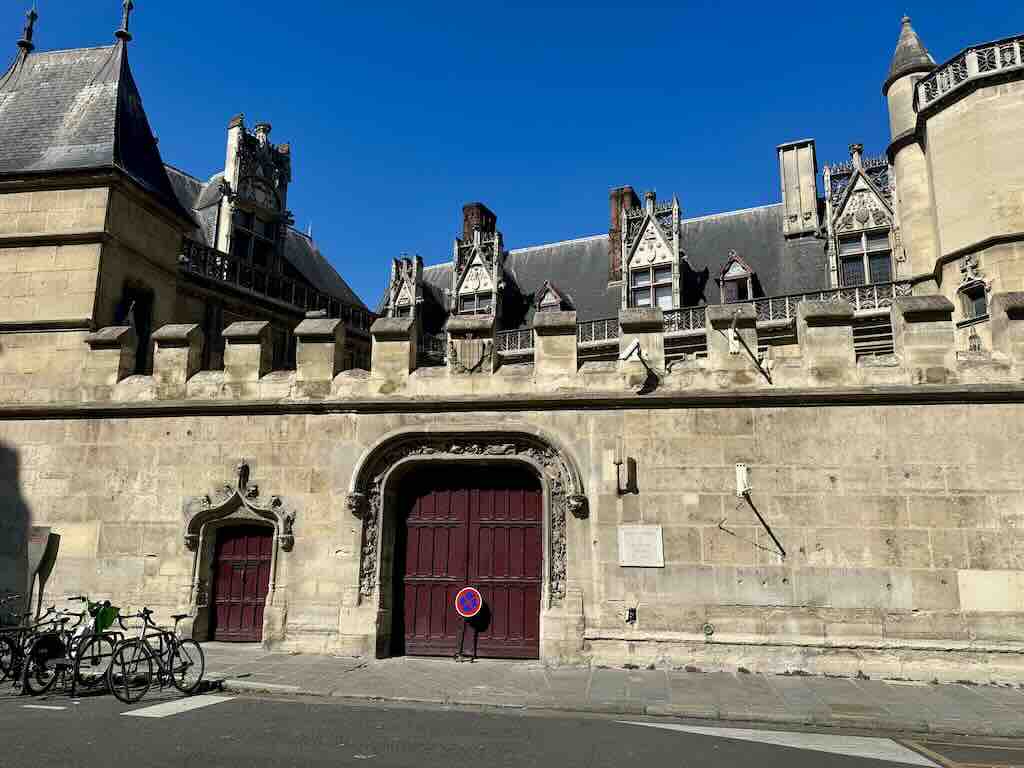
The Musée de Cluny (officially Musée National du Moyen Âge) is the best medieval museum in France — and one of the most underrated museums in Paris. Housed in a 15th-century mansion built on top of preserved Gallo-Roman thermal baths, it shelters the famous Lady and the Unicorn tapestries plus illuminated manuscripts, stained glass and ivory carvings. After a major renovation completed in 2022, the museum is now one of the best designed in the city. Entry around €12 (free first Sunday of each month).
Jardin des Plantes — Paris’ Botanical Wonderland
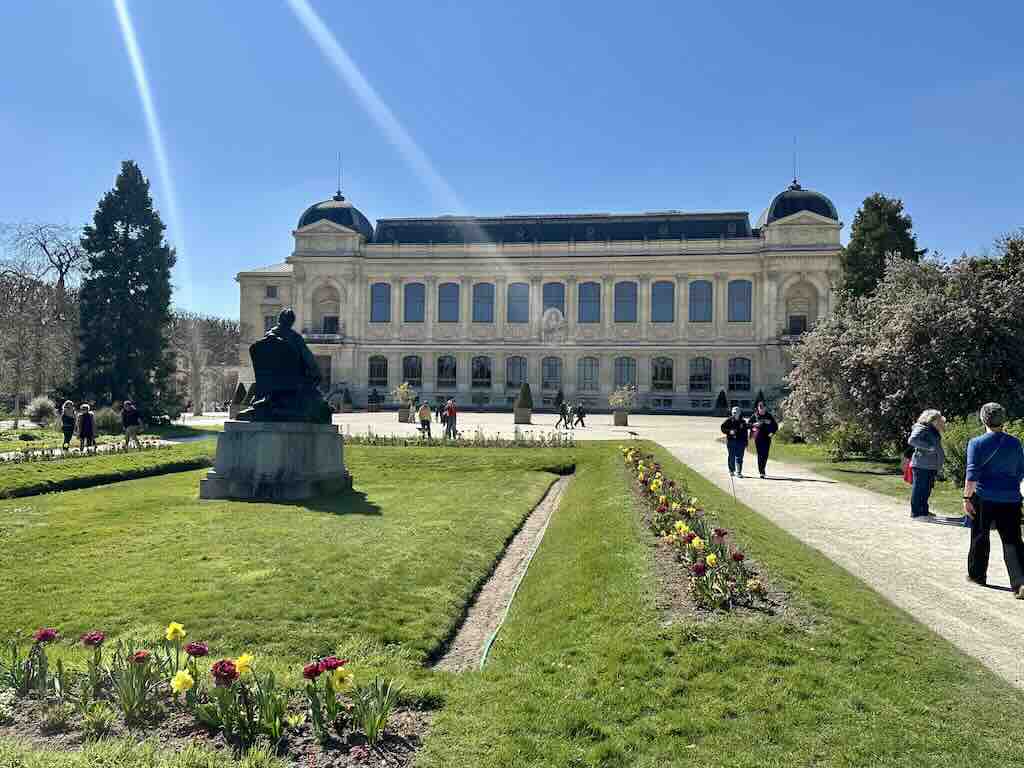
Founded in 1626 as the royal medicinal garden, the Jardin des Plantes is the oldest botanical garden in Paris and one of the largest green spaces of the 5th arrondissement. It also houses the Grande Galerie de l’Évolution (national natural history museum, excellent for families) and the small but charming Ménagerie zoo. Spring blooms here are spectacular — and unlike the Luxembourg Gardens, you can usually find a quiet bench in the rose garden even in peak season. Visit official MNHN site for current exhibitions.
Grande Mosquée de Paris
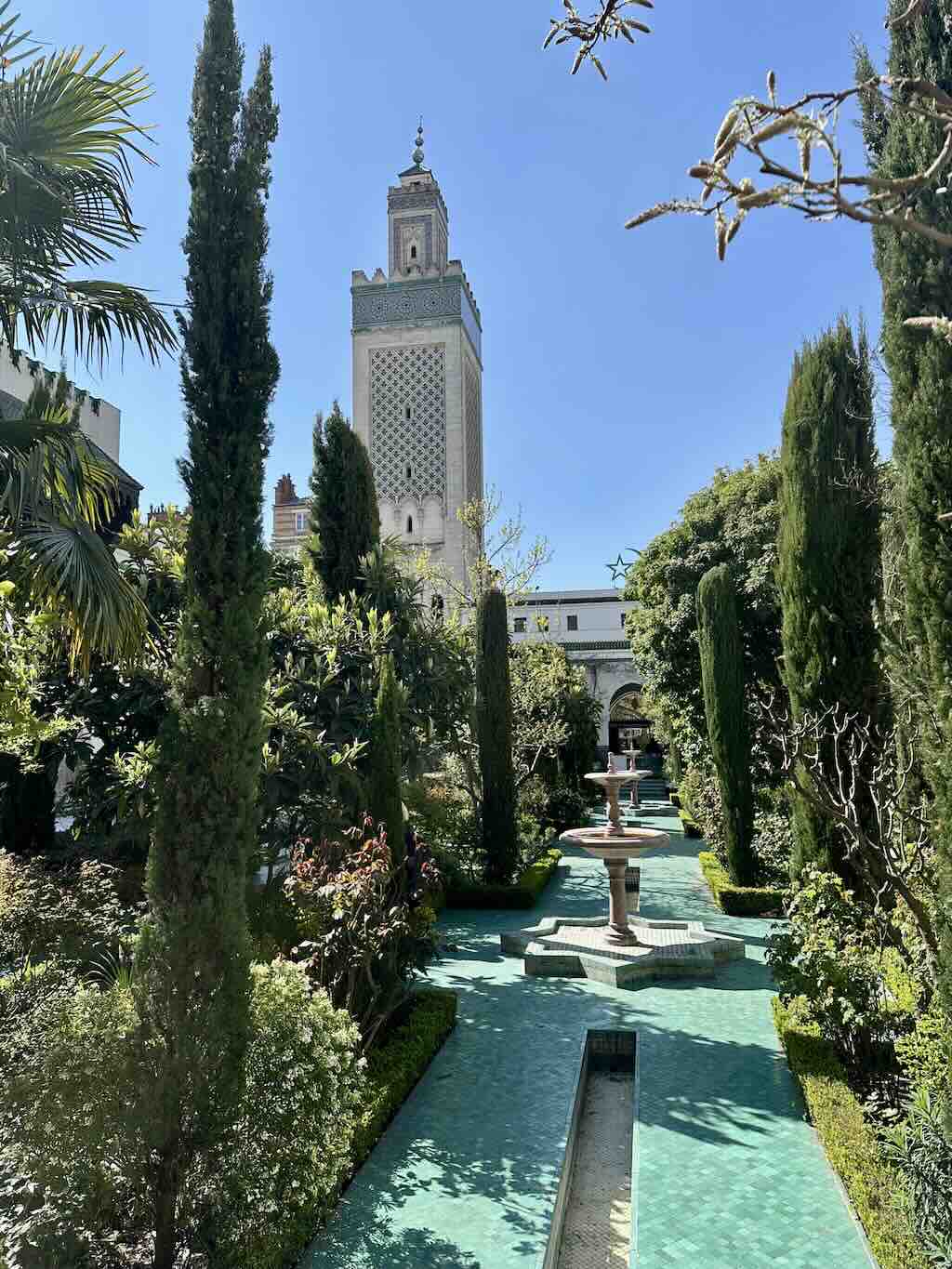
Built in the 1920s as a tribute to Muslim soldiers who fought for France in WWI, the Grande Mosquée de Paris is a stunning Hispano-Moorish complex with painted tiles, cedar carvings and a peaceful courtyard. The mosque itself can be visited (modest dress required, around €3), and the adjacent salon de thé serves traditional mint tea and pastries at very reasonable prices. The hammam next door is a Parisian classic — book ahead for a real local experience.
Saint-Étienne-du-Mont — Where Pascal Rests
Just behind the Panthéon, this often-overlooked Gothic-Renaissance church houses the only remaining rood screen (jubé) in Paris — a stunning 16th-century stone bridge crossing the nave. Blaise Pascal and Jean Racine are buried here, and the church appears in the opening sequence of Woody Allen’s Midnight in Paris. Free entry; come in the morning when light hits the stained glass.
Arènes de Lutèce — Roman Paris
Hidden between rue Monge and rue de Navarre, the Arènes de Lutèce are the remains of a 1st-century Roman amphitheater that once held 15,000 spectators. Discovered during 19th-century construction and restored, the site is now a small public park where Parisian kids play football on the same ground where gladiators fought. It’s one of my favorite spots to bring visitors who don’t know that Paris was a Roman city («Lutetia»).
Where to Eat in the Latin Quarter
Eating in the Latin Quarter is a balance between catering to students (cheap and cheerful) and respecting Parisian tradition (proper bistros and historic cafés). Avoid rue de la Huchette — it’s the tourist trap of the neighborhood — and head instead to the streets I’m about to recommend.
Rue Mouffetard — The Food Street
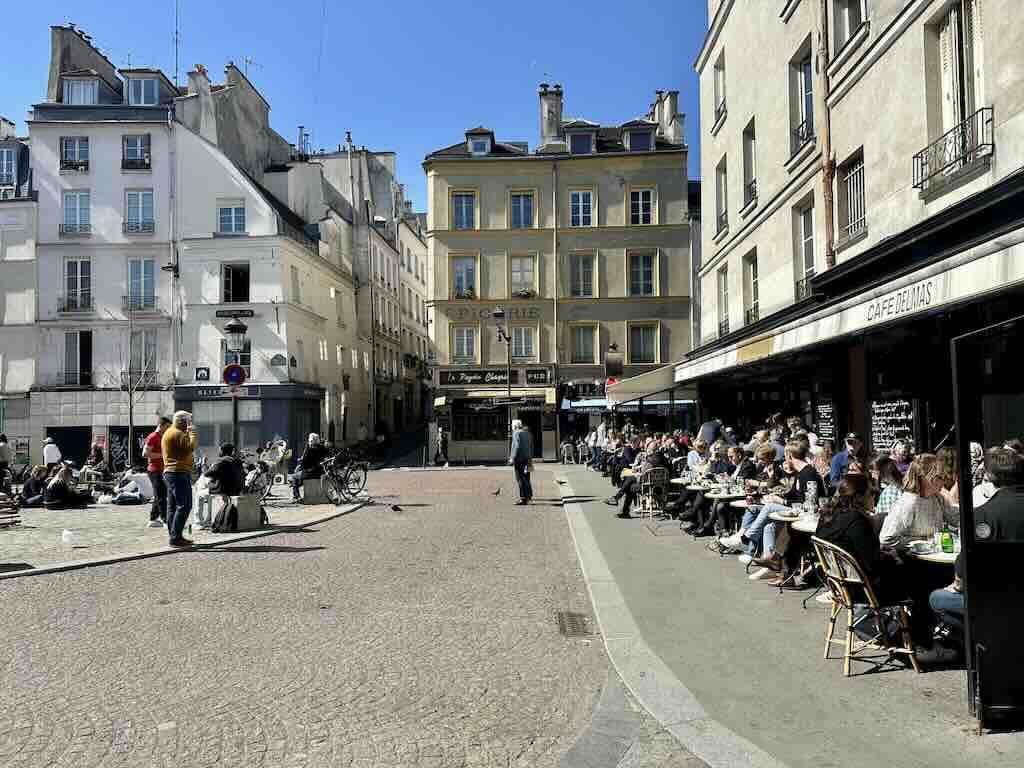
Rue Mouffetard is one of the oldest streets in Paris (Roman road originally) and the most famous food street in the Latin Quarter. The lower half hosts a daily open-air market (Tuesday–Sunday morning) with fruit, cheese, wine and rotisserie chicken. Stop at Maison Mulot for picnic provisions, La Fromagerie du Vélib for cheese, or just buy a baguette and walk to the Jardin des Plantes. Top of the street: Place de la Contrescarpe, a quintessential Parisian café square.
Traditional Bistros
For classic French cuisine: Le Pré Verre on rue Thénard (modern bistro, excellent value menu), Au Moulin à Vent on rue des Fossés-Saint-Bernard (proper steak frites, 1940s decor), or Café de la Nouvelle Mairie on rue des Fossés-Saint-Jacques (natural wine bar with refined small plates). For a more upscale evening, Brasserie Balzar on rue des Écoles is a Sorbonne institution since 1898 — pricey but historically charged.
Student-Friendly Cheap Eats
For €5-12 meals: the falafels and shawarmas along rue Saint-Séverin (skip the worst tourist places, go where students queue), the Vietnamese pho shops on boulevard Saint-Marcel, or the Crous university restaurants (open to public in the evening with a passport, around €4 for a 3-course meal). My personal student go-to was always Le Comptoir Méditerranéen on rue Mouffetard — Lebanese, generous, cheap.
Latin Quarter Nightlife and Bars
Latin Quarter nightlife mixes student bars, historic jazz clubs and one extraordinary cabaret. It’s less polished than the Marais or Saint-Germain — more like real Paris at 11 PM than a curated experience.
Paradis Latin — Cabaret with History

The Paradis Latin on rue du Cardinal-Lemoine is the oldest cabaret still operating in Paris (1889, building designed by Gustave Eiffel after the Tour Eiffel). It’s a more intimate alternative to the Moulin Rouge or Lido — feathers, can-can, French chanson, dinner included if you book the full evening. Tickets €80-200 depending on package. The kind of evening you remember years later.
Jazz Clubs and Live Music
Caveau de la Huchette on rue de la Huchette is a 16th-century cellar that became one of the legendary post-WWII jazz clubs (it appears in La La Land). Live swing and bebop every night, around €15 cover. Le Petit Journal Saint-Michel on boulevard Saint-Michel is the more sophisticated jazz option, with quality nightly programs.
Student Bars Around Place de la Contrescarpe
The classic student night: start at Cave La Bourgogne on rue de Bièvre for inexpensive wine, move to Le Piano Vache on rue Laplace (rock bar in business since the 1960s), end at Le Cinquième Sens or any of the small bars circling Place de la Contrescarpe. Cheaper drinks than Saint-Germain, real Parisian student crowd, no dress code.
The Latin Quarter in One Day: Walking Itinerary
The Latin Quarter is compact enough to cover in a full day on foot. Here’s the route I’d recommend — combining the must-sees with the hidden corners locals love.
Morning — Sorbonne, Panthéon and Sainte-Geneviève
Start at 9:00 AM at the Cluny Museum (line 10 metro Cluny–La Sorbonne) — it opens at 9:30 and is far quieter early. From there, walk up rue de la Sorbonne to see the historic university square, then continue south on rue Saint-Jacques to the Panthéon. Climb the dome if the weather is good (best 360° view in Paris). Across the square: the Bibliothèque Sainte-Geneviève — pop inside even just to see the magnificent reading room.
Lunch — Rue Mouffetard
Around 12:30 PM, walk down rue Mouffetard. The morning market is winding down, the bistros are filling up. Grab a sandwich from a boulangerie and eat at Place de la Contrescarpe, or sit down at Café Delmas for a proper Parisian lunch with people-watching. Visit Saint-Médard church at the bottom of the street — gorgeous and rarely crowded.
Afternoon — Jardin des Plantes and Mosquée
Walk east to the Jardin des Plantes — spend 90 minutes wandering the rose garden, the alpine garden and (if traveling with kids) the Grande Galerie de l’Évolution. Exit on rue Geoffroy-Saint-Hilaire and walk one block to the Grande Mosquée de Paris. Mint tea and a pastry in the courtyard salon de thé is the most relaxing 30 minutes you’ll spend in the Latin Quarter.
Evening — Arènes, Saint-Étienne-du-Mont, Notre-Dame
Around 5:30 PM, head north via rue Monge — duck into the Arènes de Lutèce for a quick Roman amphitheater break. Continue to Saint-Étienne-du-Mont church (Pascal’s tomb, Woody Allen’s Midnight in Paris opening). End the day walking down rue Saint-Jacques toward the Seine — cross the river at Pont au Double for the postcard-perfect view of Notre-Dame at golden hour. Dinner in a Latin Quarter bistro, or cross into the Marais for a livelier evening.
How to Get to the Latin Quarter and Transportation Tips
The Latin Quarter is one of the easiest neighborhoods to reach in Paris — central, dense with metro stations, walkable from most major attractions. For the full metro map, see the official RATP website.
Closest Metro Stations
For the western Latin Quarter (Sorbonne, Cluny): Cluny–La Sorbonne (line 10) or Saint-Michel (line 4). For the Panthéon: Cardinal Lemoine (line 10) or Maubert–Mutualité (line 10). For rue Mouffetard and the Jardin des Plantes: Place Monge (line 7) or Censier-Daubenton (line 7). RER B Luxembourg is also an excellent gateway via the gardens.
Walking from Other Paris Neighborhoods
From the Marais, cross the Île de la Cité — 15 minutes on foot. From the Luxembourg Gardens, walk through the gardens and exit east — 10 minutes. From the 6th arrondissement (Saint-Germain), boulevard Saint-Germain brings you straight in — 12 minutes. For a complete Paris walking plan, see our Paris walking tours guide.
Transportation Tips
Buy a Navigo Easy pass (rechargeable) or a Paris Visite multi-day pass if you’ll use transport heavily. Metro runs from 5:30 AM to 1:00 AM (2:00 AM on Fridays and Saturdays). Apps like Bonjour RATP or Citymapper handle navigation well. Vélib city bikes are great for shorter distances — there are stations every few blocks in the Latin Quarter, and biking along the Seine at sunset is unforgettable.
Where to Stay in the Latin Quarter
The Latin Quarter often delivers better value than the more polished 6th arrondissement next door, while offering equal walkability to all of central Paris. Here are four micro-zones, each with its own character.
Around the Panthéon — Most Atmospheric
Hotels on rue Soufflot, rue Cujas or rue Valette put you in the most visually striking part of the quarter. Mornings start with breakfast and Panthéon view. Expect €180-300 per night for high-season boutique hotels. Ideal for first-time visitors and couples.
Place Maubert and Boulevard Saint-Germain Edge
Halfway between the Latin Quarter and the Île de la Cité, Place Maubert hosts a market three times a week and is dense with bistros. Hotels here are typically €140-250 per night. 8-minute walk to Notre-Dame, 5 minutes to the Cluny. My favorite zone for a first stay on the Left Bank.
Cardinal Lemoine and Rue Mouffetard — Local Vibe
Further south, around metro Cardinal Lemoine and the Mouffetard food street, you’ll find smaller hotels in residential streets where Parisians actually live. €110-200 per night. Hemingway lived on rue du Cardinal Lemoine in the 1920s — his apartment is marked by a plaque at no. 74.
Around Jardin des Plantes — Quiet and Green
The eastern edge of the 5th arrondissement, around the Jardin des Plantes and the Mosquée, is the quietest. Hotels here are usually best value (€100-180 per night), with a more residential atmosphere. 12-minute walk to the Panthéon, 15 minutes to Notre-Dame. Ideal for travelers who want a calmer base.
Some links in this section are affiliate links. If you book through them, MBPV receives a small commission at no extra cost to you. We only recommend hotels we’ve personally stayed in or carefully vetted.
Final Tips for Visiting the Latin Quarter
Best Time to Visit — Seasonal Notes
The Latin Quarter is at its most alive when students are in session — roughly mid-September to mid-June, with a calmer break in July-August (Parisians leave, the cafés get quieter, but the monuments are open and less crowded). My favorite time is May — the Sorbonne is buzzing with exams, the Jardin des Plantes is in full bloom, and Place de la Contrescarpe terraces stay full until late evening.
Cultural Etiquette — How to Blend In
Three rules: 1) Always say «Bonjour» when entering a shop, café or restaurant — the most important politeness rule in Paris. 2) Don’t speak too loudly in cafés — Parisians prefer quiet conversation. 3) Avoid rue de la Huchette and the tourist menus along the Seine — they’re the only real tourist traps in the area, and the food is at best mediocre.
Safety and Practical Info
The Latin Quarter is very safe day and night. Standard precautions against pickpockets in the metro and around Saint-Michel are enough. ATMs are abundant, credit cards accepted nearly everywhere except small market stalls. Tap water is safe. Public toilets near the Sorbonne and Jardin des Plantes are free.
Explore More of Paris’ Left Bank
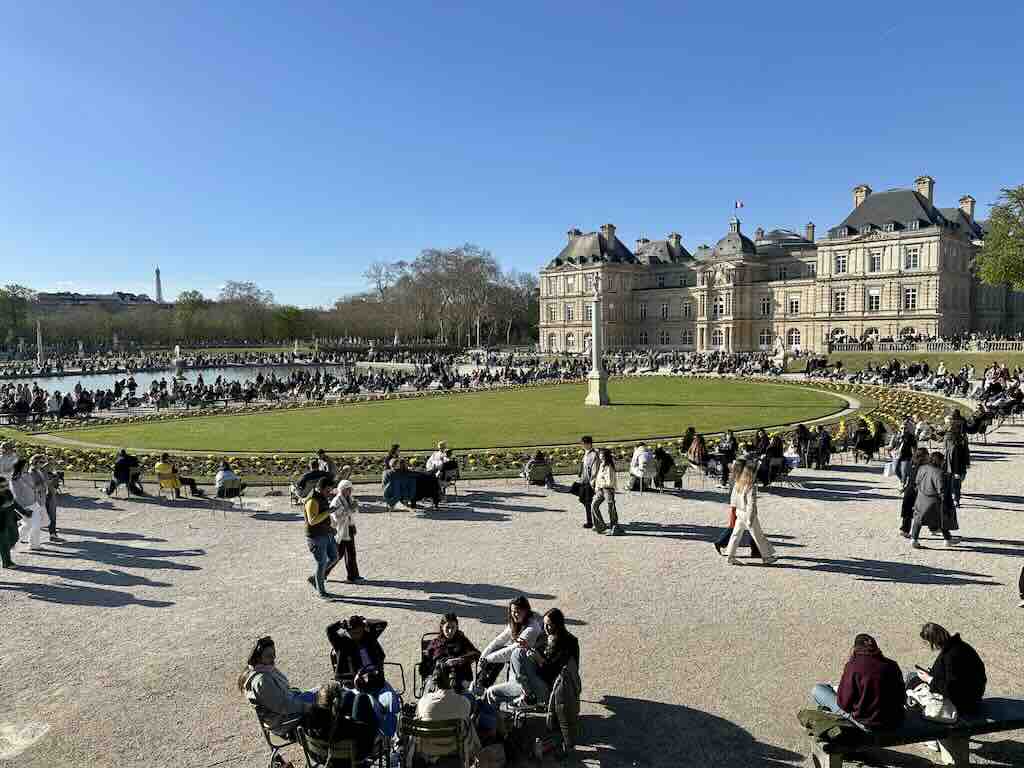
Step into the Luxembourg Gardens — Paris’ most beloved park, just west of the Latin Quarter, with the Palais du Luxembourg and the Fontaine Médicis.
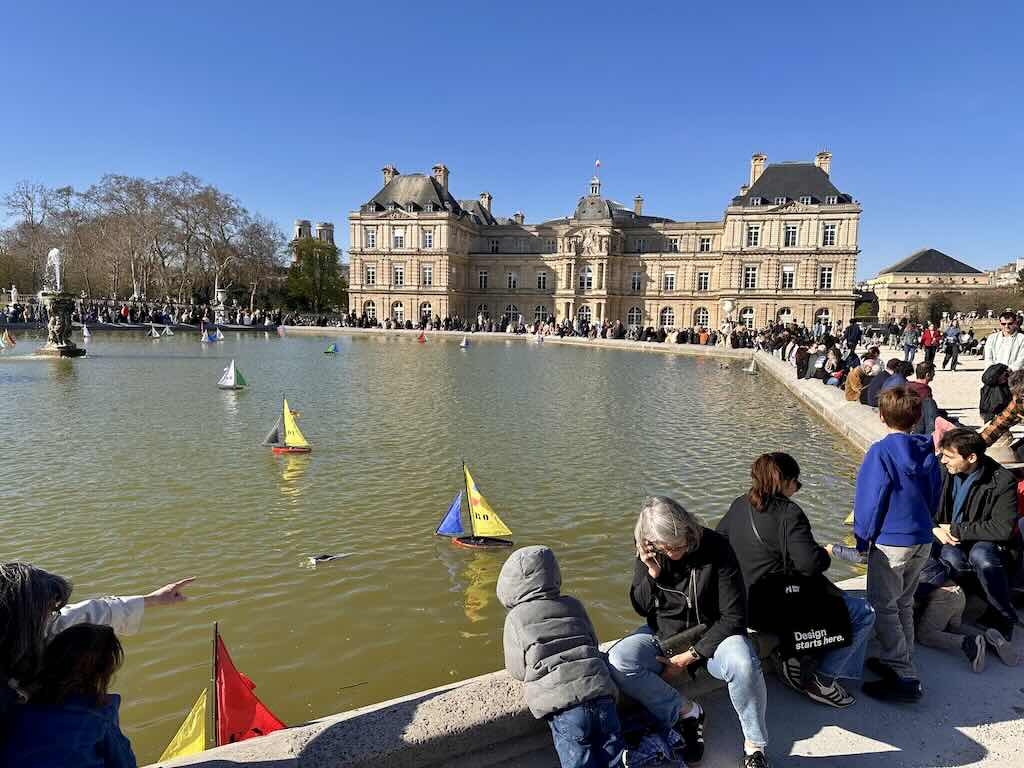
Explore the 6th arrondissement of Paris — Saint-Germain-des-Prés, literary cafés, art galleries and bohemian atmosphere just across boulevard Saint-Michel.
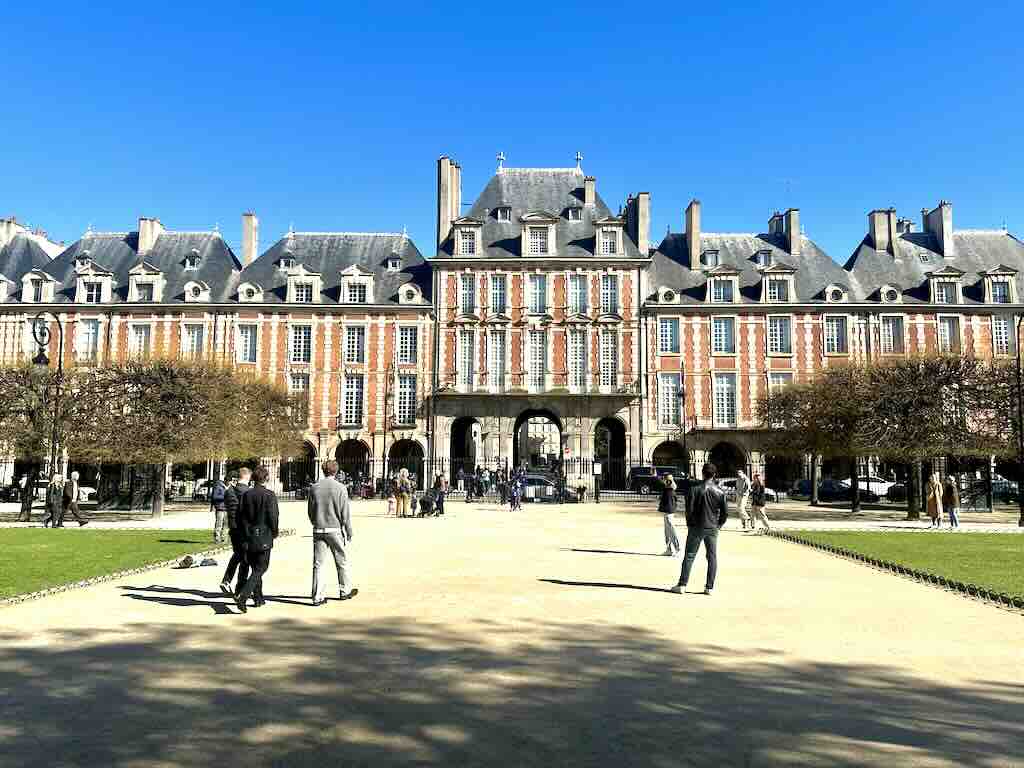
Cross the Seine to the Marais — Paris’ most charming district, with the Place des Vosges, hôtels particuliers and the most vibrant Right Bank atmosphere.
Frequently Asked Questions about the Latin Quarter
The Latin Quarter is in the 5th arrondissement of Paris, on the Left Bank of the Seine, just south of Notre-Dame and east of the Jardin du Luxembourg. It’s one of the most walkable neighborhoods in central Paris, easily reached on foot from the Marais or Saint-Germain-des-Prés.
The name dates back to the Middle Ages, when the University of Paris (founded in the 12th century) taught all its lectures in Latin — the lingua franca of European academia at the time. Students from across Europe came here to study theology, philosophy and medicine, all in Latin. The name stuck even after Latin was abandoned in 1793.
Yes — it’s one of the most historically dense neighborhoods in Paris. In a single afternoon you can see the Panthéon (resting place of Voltaire, Hugo and Curie), the Sorbonne university, a Roman amphitheater (Arènes de Lutèce), a 1920s Moorish mosque, and one of the best medieval museums in France (Cluny). It also has some of the best food streets in Paris (rue Mouffetard) and a legendary jazz club scene.
A full day is enough to cover the major sights at a relaxed pace — Panthéon, Sorbonne, Cluny, Jardin des Plantes, Mosquée, rue Mouffetard. If you want to deeply explore the museums (Cluny needs 2 hours, Grande Galerie de l’Évolution another 2) and slow down for lunch and a salon de thé, plan two days.
The Latin Quarter is famous for four things: (1) the Sorbonne and 800 years of university tradition, (2) the Panthéon and France’s secular pantheon of greats, (3) the Cluny medieval museum and the Lady and the Unicorn tapestries, and (4) its student atmosphere — bookshops, jazz clubs, cheap eats and the May ’68 protest heritage.
For the western part (Sorbonne, Cluny): Cluny–La Sorbonne (line 10) or Saint-Michel (line 4). For the Panthéon: Cardinal Lemoine (line 10) or Maubert–Mutualité (line 10). For rue Mouffetard and the Jardin des Plantes: Place Monge (line 7). RER B Luxembourg is also a great gateway via the gardens.
Skip rue de la Huchette (tourist trap) and head to rue Mouffetard for the market and bistros, rue Thénard for Le Pré Verre (modern bistro), or rue des Écoles for the historic Brasserie Balzar. For cheap eats, try the falafels along rue Saint-Séverin where students queue, or the Crous university restaurants for a €4 three-course meal in the evening.
Yes, very safe — even late at night. The neighborhood stays animated until 1-2 AM thanks to student bars and live music venues around Place de la Contrescarpe and rue Mouffetard. Standard pickpocket precautions in the metro and around Saint-Michel are enough. The area near the Sorbonne and the Panthéon is well-lit and patrolled.
The Sorbonne main building is a working university with restricted access. Public tours are limited to organized visits and European Heritage Days in September (free, advance booking required). You can admire the famous facade on Place de la Sorbonne, peek into the courtyard, and visit the Bibliothèque Sainte-Geneviève opposite the Panthéon — one of the most beautiful library interiors in Paris, free to enter.
The Latin Quarter offers accommodations for every budget. Around the Panthéon for atmosphere (€180-300/night), Place Maubert for great walkability to Notre-Dame and Saint-Germain (€140-250/night), Cardinal Lemoine and rue Mouffetard for residential local vibe (€110-200/night), or around Jardin des Plantes for quiet and best value (€100-180/night). See our dedicated section above for our personal recommendations.