Diving in Thailand: Complete Guide to the Andaman Sea and Koh Tao (2026)
Diving in Thailand is among the best scuba experiences in Southeast Asia, offering warm tropical waters, vibrant coral reefs, dramatic underwater topography, and encounters ranging from colorful reef life to whale sharks and manta rays. Whether you choose the world-famous Similan Islands in the Andaman Sea or the accessible dive sites of Koh Tao in the Gulf of Thailand, the country delivers exceptional diving for all levels.
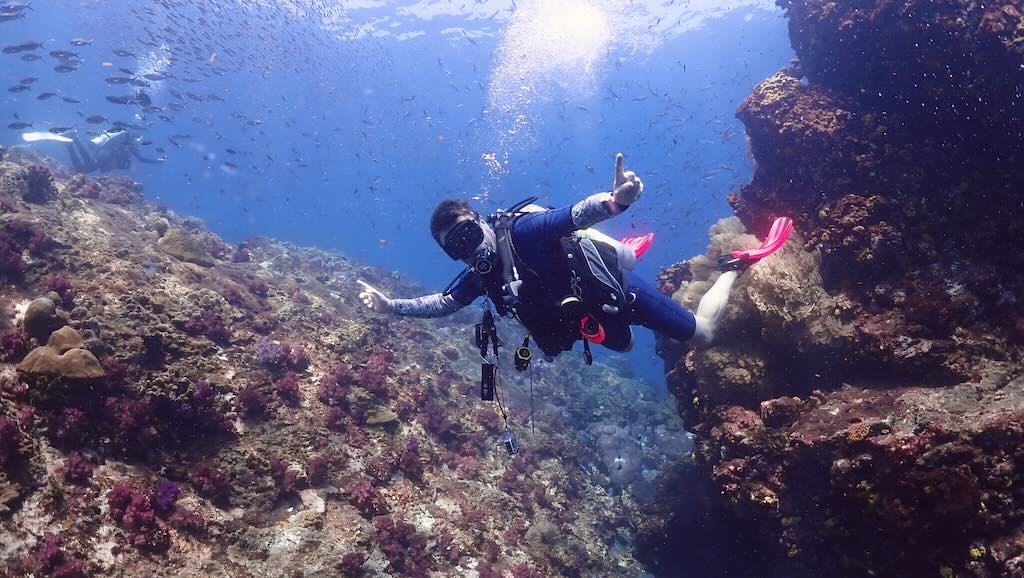
Based on my own dives across Thailand — including a North Andaman liveaboard in March 2026 and dives at Sail Rock in 2025 — this guide covers where to dive, what you can see, the best seasons, and how to choose between Thailand’s two main diving regions.
Andaman Sea vs Gulf of Thailand — Quick Comparison
Choosing between Thailand’s two main diving regions depends on your experience level, travel dates, and the type of underwater encounters you’re seeking.
- 🐋 Best for big animals: Andaman Sea (Similan Islands, Koh Bon, Richelieu Rock)
- 🤿 Best for beginners and courses: Koh Tao (Gulf of Thailand)
- 👁️ Best visibility: Similan Islands (Andaman Sea)
- 📅 Most consistent year-round diving: Gulf of Thailand
- 🚢 Best liveaboard experiences: Andaman Sea
In short, the Andaman Sea delivers Thailand’s most spectacular and remote diving, while the Gulf of Thailand offers accessible, affordable, and beginner-friendly conditions.
Andaman Sea Diving (West Coast)
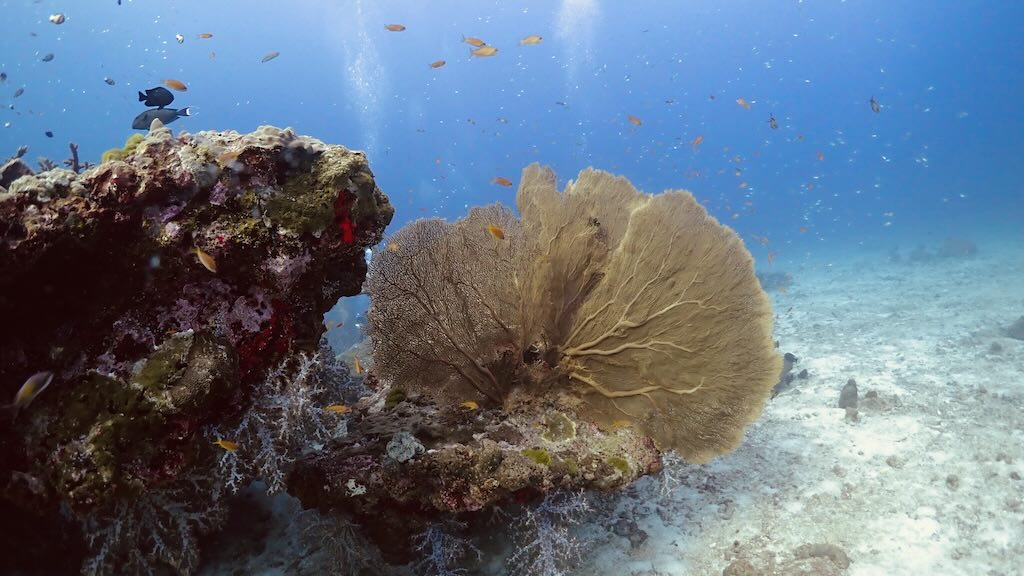
The Andaman Sea offers Thailand’s most spectacular diving. Located west of the mainland, this region includes the Similan Islands, Surin Islands, Koh Bon, Koh Tachai, and the legendary Richelieu Rock.
Why dive the Andaman Sea?
- Thailand’s best visibility and reef health
- Large pelagic species (manta rays, whale sharks)
- Dramatic underwater landscapes
- Massive schools of fish
- World-class liveaboard routes
Most top sites lie far offshore and are best explored via liveaboard from Phuket or Khao Lak.
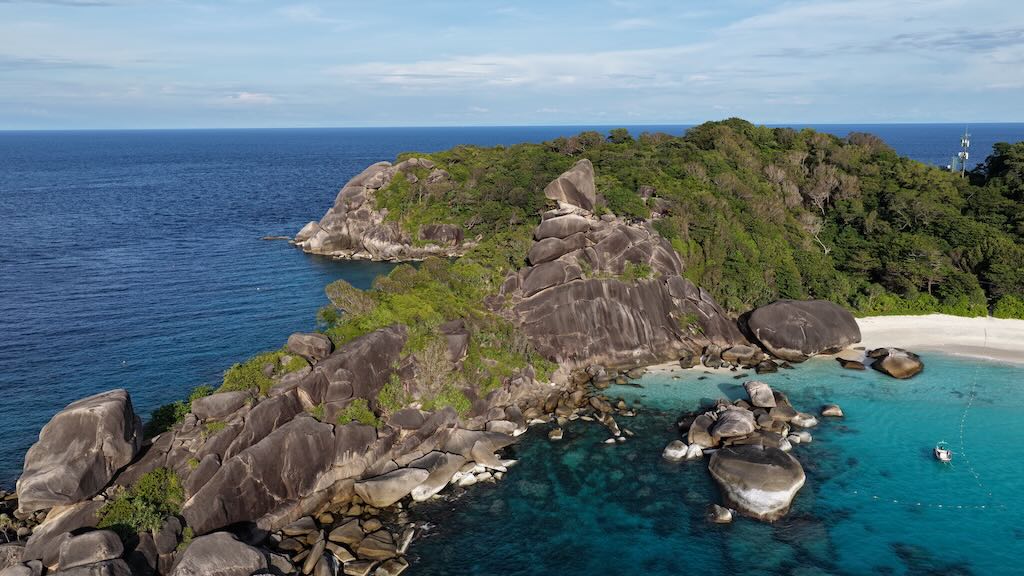
Similan Islands — Granite Cathedrals Underwater
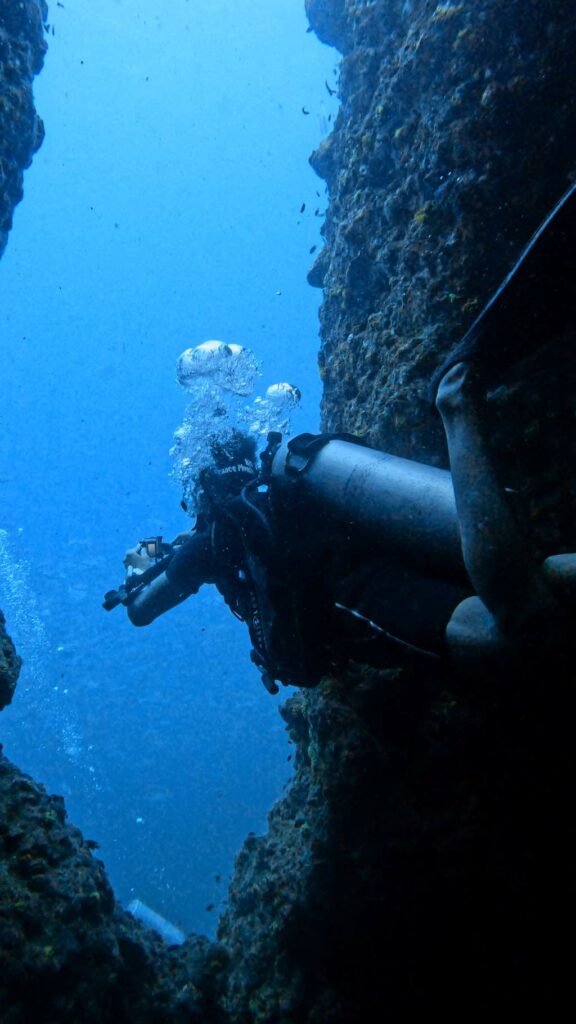
The Similan Islands National Park is Thailand’s most famous dive destination. Massive granite boulders form swim-throughs, arches, and underwater labyrinths covered in corals and marine life.
Typical encounters include:
- Reef sharks
- Sea turtles
- Giant trevally
- Barracuda schools
- Moray eels
- Macro life hidden among corals
Conditions are usually calm with excellent visibility, making the Similans suitable for intermediate divers.
Koh Bon — Manta Ray Territory
Koh Bon lies north of the Similans and features steep walls and deep drop-offs. It is one of Thailand’s best locations for manta rays, especially at cleaning stations along the ridge.
Even without mantas, the site offers:
- Large pelagic fish
- Reef sharks
- Dense reef life
- Deep-water species
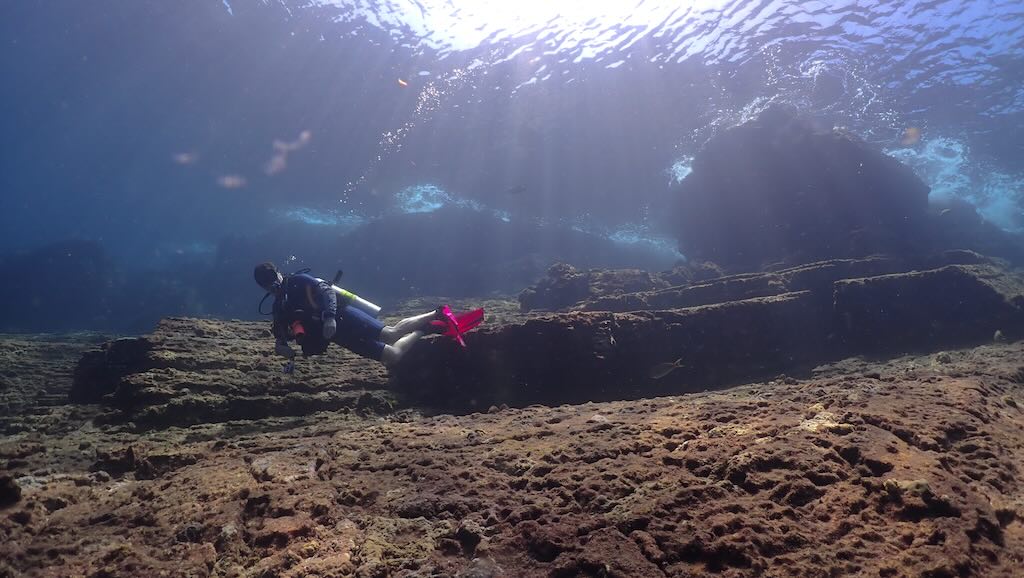
Koh Tachai — Big Fish Action
Tachai Pinnacle is a submerged seamount rising from deep water, famous for strong currents and spectacular fish density.
Highlights include:
- Huge barracuda schools
- Giant trevally hunting in the blue
- Surgeonfish tornadoes
- Occasional manta rays or whale sharks
This site can be challenging due to currents, but it is unforgettable when conditions align.
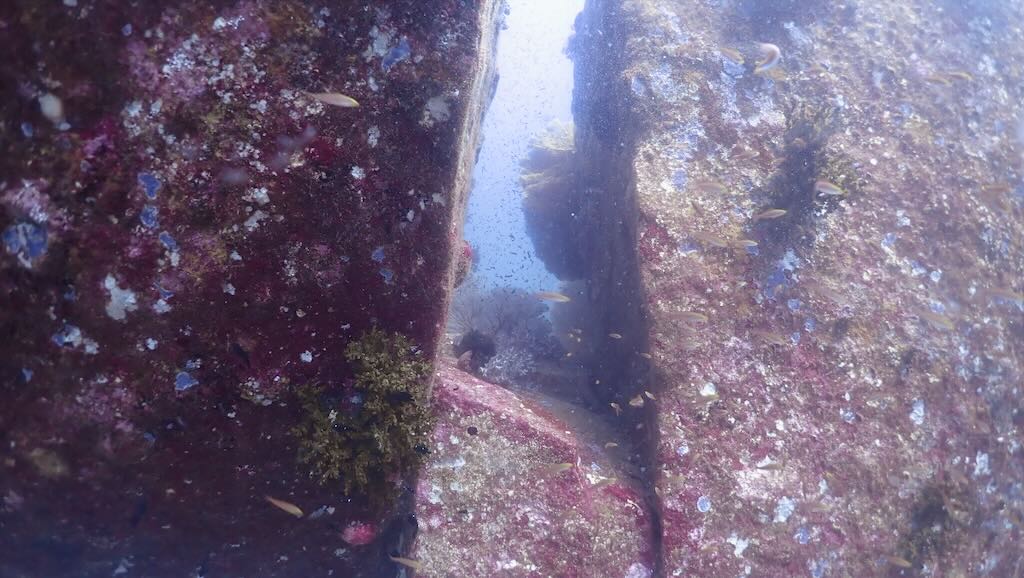
Richelieu Rock — Thailand’s Best Dive Site
Richelieu Rock is widely considered the top dive site in Thailand and one of the best in Southeast Asia.
This horseshoe-shaped pinnacle explodes with life:
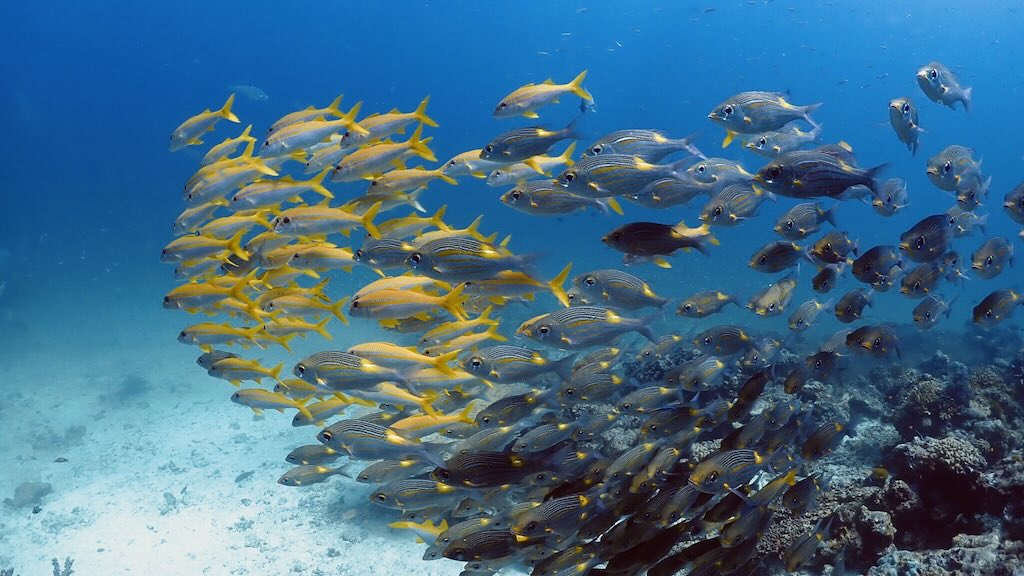
- Dense schools of fusiliers and snappers
- Predatory fish activity
- Exceptional macro life
- Soft corals in vivid colors
- Frequent whale shark sightings (seasonal)
Every dive here feels like entering a living aquarium.
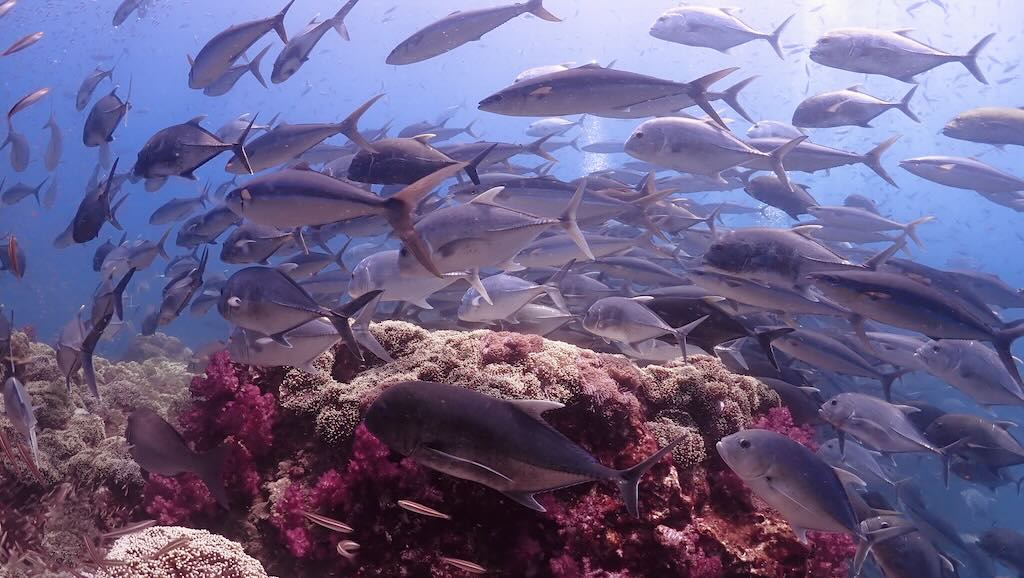
Gulf of Thailand Diving — Koh Tao and Surroundings (East Coast)
On the opposite side of the country, the Gulf of Thailand offers a completely different diving experience.
Why dive Koh Tao?
- Excellent for beginners and training
- Affordable courses and fun dives
- Easy shore access
- Year-round diving
- High chance of turtle encounters
Koh Tao is one of the world’s most popular places to earn an Open Water certification.
Chumphon Pinnacle — Koh Tao’s Signature Site
Located northwest of Koh Tao, Chumphon Pinnacle is a submerged granite formation attracting large schools of pelagic fish.
Common sightings:
- Barracuda schools
- Trevally
- Batfish
- Reef sharks
- Occasional whale sharks
Sail Rock — The Gulf’s Best Dive Site
Situated between Koh Tao and Koh Phangan, Sail Rock is considered the best dive site in the Gulf of Thailand.
Its famous vertical “chimney” swim-through is a highlight, along with:
- Dense fish aggregations
- Predator activity
- Seasonal whale shark visits
- Excellent visibility during peak months
Marine Life in Thailand
Thailand’s tropical waters support a remarkable diversity of species.
Large marine animals
- Whale sharks (seasonal)
- Manta rays (Andaman Sea)
- Reef sharks
- Sea turtles
Reef fish & schooling species
- Barracuda
- Trevally
- Snapper
- Fusiliers
- Batfish
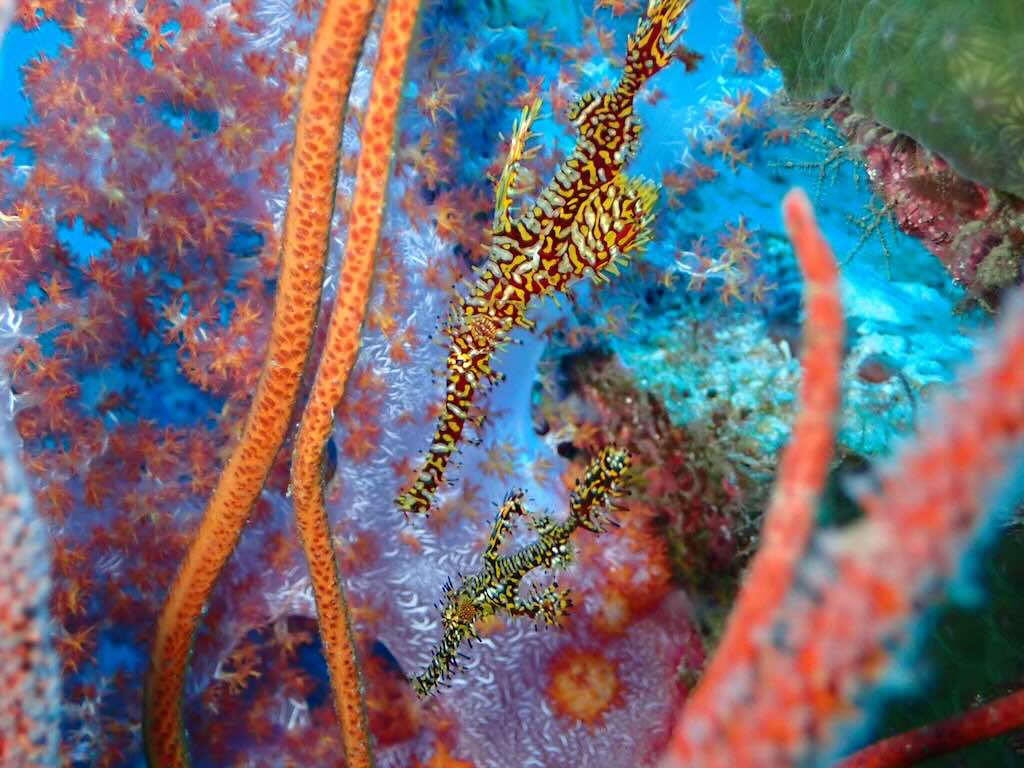
Macro highlights
- Seahorses
- Nudibranchs
- Ghost pipefish
- Shrimp and crabs
- Frogfish
Best Time to Dive in Thailand
Thailand’s two coasts have opposite monsoon seasons, allowing diving somewhere in the country almost year-round.
Andaman Sea (Similan, Richelieu Rock)
Best season: November to April
Peak conditions: February to April
Closed: May to October (marine park protection)
Gulf of Thailand (Koh Tao)
Best season: March to September
Good conditions: Most of the year
Worst months: November–December monsoon
Liveaboard vs Day Trips
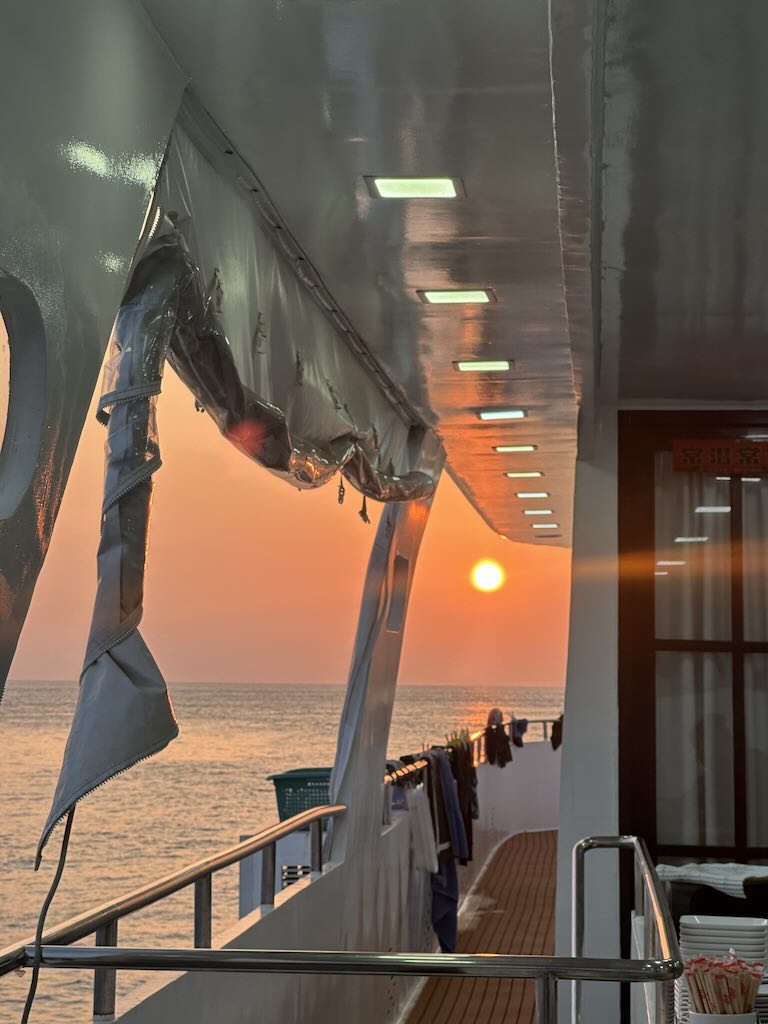
Liveaboard (Andaman Sea)
Best for:
- Access to remote offshore sites
- Multiple dives per day
- Big-fish encounters
- Serious divers
Typical trips last 4–7 days.
Land-Based Diving (Koh Tao, Phuket)
Best for:
- Beginners and courses
- Flexible schedules
- Budget travel
- Casual diving
Where to Base Yourself for Diving in Thailand
Your choice of base depends on which coast you plan to explore, as Thailand’s top dive regions lie on opposite sides of the country.
Andaman Sea (West Coast)
The main gateways are Phuket and Khao Lak, both offering easy access to the Similan Islands, Koh Bon, Koh Tachai, and Richelieu Rock.
- 🏝️ Phuket: Largest hub with international airport, wide range of accommodation, day trips, and liveaboards departing from nearby Thap Lamu Pier
- 🌿 Khao Lak: Quieter alternative closer to the Similan Islands, popular with divers joining liveaboards
Gulf of Thailand (East Coast)
Diving here centers around Koh Tao, reached via Koh Samui or the mainland.
- 🐢 Koh Tao: Thailand’s top base for beginner-friendly diving, training courses, and affordable fun dives
- ✈️ Koh Samui: Major transport hub with an airport, offering easier access before transferring to Koh Tao
Choosing the right base ensures shorter travel times to dive sites and a smoother overall diving itinerary.
Who Should Dive Where?
Choose the Andaman Sea if you want:
- Thailand’s best overall diving
- Pelagic encounters
- Dramatic underwater scenery
- Liveaboard experience
- Advanced or intermediate dives
Choose Koh Tao if you want:
- Easy, affordable diving
- Training courses
- Calm conditions
- Turtle encounters
- Social island atmosphere
Is Thailand Good for Diving in 2026?
Absolutely. Thailand remains one of the world’s most accessible and rewarding tropical dive destinations. With protected marine parks, strong dive infrastructure, and diverse ecosystems, it offers exceptional value compared to many global hotspots.
For many divers, Thailand is the perfect introduction to tropical diving — and for others, the Andaman Sea provides experiences rivaling top destinations worldwide.
Final Thoughts
Thailand offers two distinct diving worlds:
- The remote, spectacular Andaman Sea
- The accessible, beginner-friendly Gulf of Thailand
Together, they make the country one of the most versatile dive destinations on Earth.
Whether you are chasing whale sharks at Richelieu Rock, drifting through granite cathedrals in the Similan Islands, or spotting turtles around Koh Tao, diving in Thailand delivers unforgettable underwater experiences.
If you’re planning a broader journey, explore my complete Thailand Travel Guide to design an itinerary that combines temples, tropical islands, national parks, and world-class diving across both coasts.
If you’re comparing destinations across Southeast Asia, you may also enjoy my selection of the Top Dive Sites in South East Asia, where Thailand stands alongside global heavyweights thanks to Richelieu Rock and the Similan Islands.
Thailand is not just a single dive destination — it’s two distinct underwater worlds shaped by different seas, seasons, and ecosystems. From beginner-friendly reefs to remote pelagic hotspots, it offers a complete diving journey in one country.
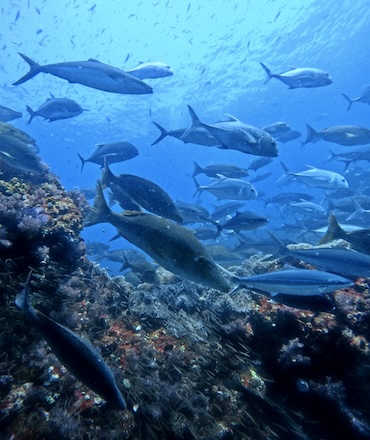
🚢 North Andaman Sea Liveaboard — World-Class Diving
Explore Thailand’s most spectacular dive sites — Similan Islands, Koh Bon, and Richelieu Rock — on a multi-day cruise far from the mainland.
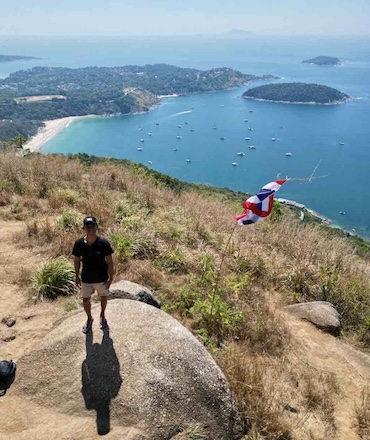
🏝️ Phuket— Gateway to Thailand’s Best Diving
Most dive trips to the Andaman Sea depart from Phuket, making it the ideal base for liveaboards, day trips, and travel planning.
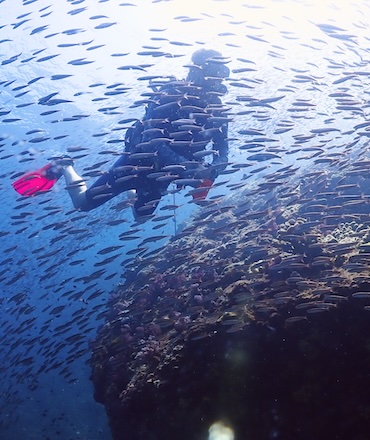
🌏 Southeast Asia — Among the World’s Top Dive Regions
Thailand’s reefs rank among Southeast Asia’s finest, alongside legendary destinations across the Coral Triangle.
🇹🇭 Frequently Asked Questions — Diving in Thailand
Yes. Thailand is one of the best diving destinations in Southeast Asia, offering warm water year-round, excellent visibility, diverse marine life, and sites suitable for all experience levels.
The Andaman Sea (west coast) hosts the country’s top sites, including the Similan Islands, Richelieu Rock, Koh Bon, and Koh Tachai. The Gulf of Thailand (east coast), especially Koh Tao, is known for easier conditions and beginner-friendly diving.
The best season in the Andaman Sea runs from November to April, with peak conditions from January to March. In the Gulf of Thailand, diving is possible most of the year, with best visibility typically from May to September.
Absolutely. Thailand is one of the world’s most popular places to learn scuba diving, thanks to calm conditions, warm water, and many professional dive schools.
Not always, but it is recommended. Some sites involve depth and currents, making Advanced Open Water certification beneficial for safety and enjoyment.
Divers commonly encounter reef sharks, turtles, barracuda, moray eels, octopus, and vibrant reef fish. In the Andaman Sea, sightings of manta rays and whale sharks are possible, though never guaranteed.
Yes. Liveaboards allow access to remote offshore sites that cannot be reached on day trips and offer multiple dives per day, including early-morning and night dives.
Water temperatures typically range from 27°C to 30°C (81–86°F), so most divers use a thin wetsuit or shorty.
Conditions vary by site. Many locations have mild currents, but offshore pinnacles in the Andaman Sea can experience stronger flow, attracting larger pelagic species.
Yes, provided you dive with reputable operators and follow standard safety guidelines. Thailand has a well-developed diving industry with experienced professionals and modern equipment.