Montparnasse Paris: what to see, history and best places (2026)
Montparnasse is one of the most fascinating and underrated neighborhoods in Paris. Located on the Left Bank, at the crossroads of the 6th, 14th, and 15th arrondissements, it offers a unique mix of history, art, and local life.
Once the beating heart of Parisian bohemian culture, Montparnasse was home to some of the greatest artists, writers, and intellectuals of the 20th century. Names like Pablo Picasso, Amedeo Modigliani, Ernest Hemingway, and Anaïs Nin shaped the identity of this neighborhood.
Today, Montparnasse still preserves this artistic spirit while offering visitors a more local and less touristy side of Paris. From panoramic views to historic cafés and hidden cultural gems, it’s a district that rewards those who take the time to explore it.
A Neighborhood of Creativity and Intellectualism
Montparnasse, straddling the border between the 6th, 14th, and 15th arrondissements, has long been a haven for artists, writers, and intellectuals. In the early 20th century, it rivaled Montmartre as the beating heart of Parisian bohemian life. Names like Pablo Picasso, Amedeo Modigliani, Henry Miller, and Anaïs Nin walked these streets, frequenting the area’s legendary cafés and studios. Even today, Montparnasse maintains its artistic and literary spirit, offering visitors a mix of history, culture, and modern vibrancy.
Montparnasse Tower: The Best Panoramic View of Paris
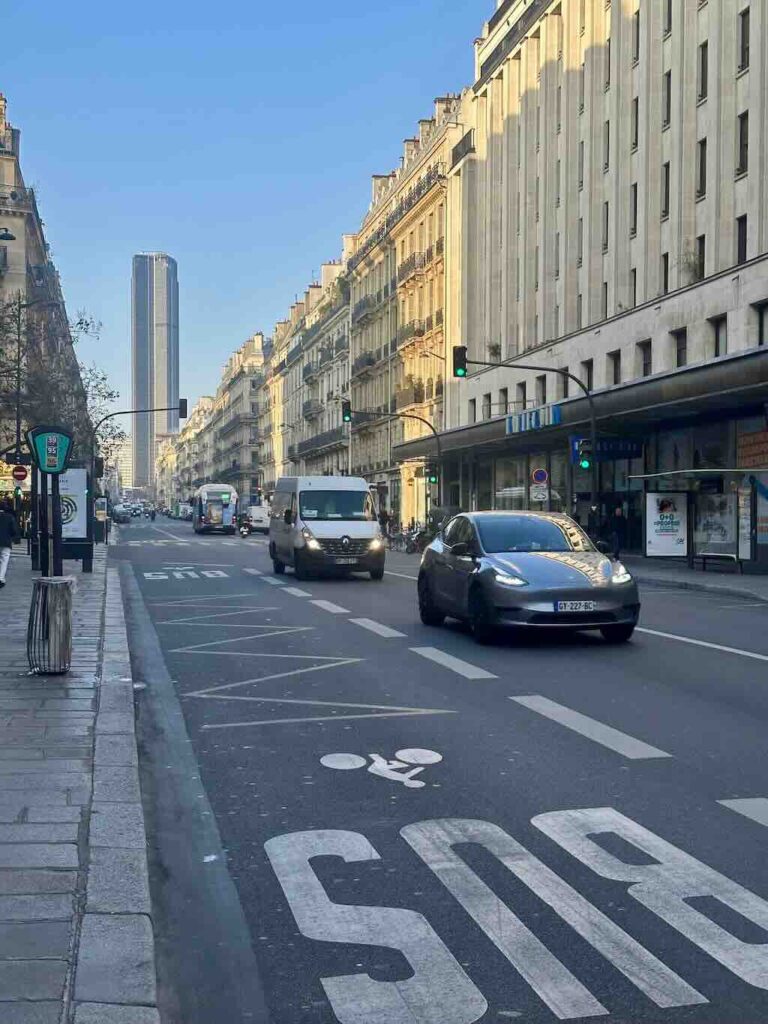
The Montparnasse Tower (Tour Montparnasse) is one of the few skyscrapers in the city. Its brutalist architecture contrasts with the elegance of Haussmannian Paris. But its observation deck offers one of the most breathtaking panoramic views of the city.
- The 56th-floor terrace provides an unobstructed 360-degree view of Paris, including the Eiffel Tower, Sacré-Cœur, Notre-Dame, and the Seine.
- Unlike the Eiffel Tower, there are no long lines, making it an easier and more relaxed way to take in the city’s skyline.
- If you want an unforgettable experience, visit at sunset when the city lights begin to glow, turning Paris into the City of Light in its truest form.
Montparnasse Cemetery: A Place of Reflection & History
Montparnasse Cemetery (Cimetière du Montparnasse) is one of the most famous cemeteries in Paris. It is the final resting place for many of the great minds who shaped modern literature, philosophy, and the arts. This cemetery also holds a personal significance for me, as my father is buried here. Walking through the tree-lined paths, visitors can find beautifully sculpted tombs and poignant epitaphs honoring some of history’s most influential figures.
- Jean-Paul Sartre & Simone de Beauvoir – The legendary existentialist philosophers, buried side by side, remain a symbol of intellectual partnership and love.
- Samuel Beckett – The Nobel Prize-winning playwright behind Waiting for Godot rests here in a simple yet deeply meaningful grave.
- Charles Baudelaire – The poet of Les Fleurs du Mal, known for his dark, evocative verses.
- Serge Gainsbourg – The provocative French musician and songwriter, whose grave is often decorated with fan tributes.
Montparnasse’s Artistic Legacy: The Heart of Bohemian Paris
During the 1920s and 1930s, Montparnasse was the epicenter of the avant-garde movement, attracting artists, poets, and philosophers from all over the world. The district’s cheap rents and vibrant nightlife made it a melting pot of creativity.
Legendary Cafés & Brasseries of Montparnasse
Like Saint-Germain-des-Prés, Montparnasse was home to iconic cafés where artists and intellectuals gathered to discuss philosophy, politics, and art over absinthe and espresso. Many of these historic spots still exist today:
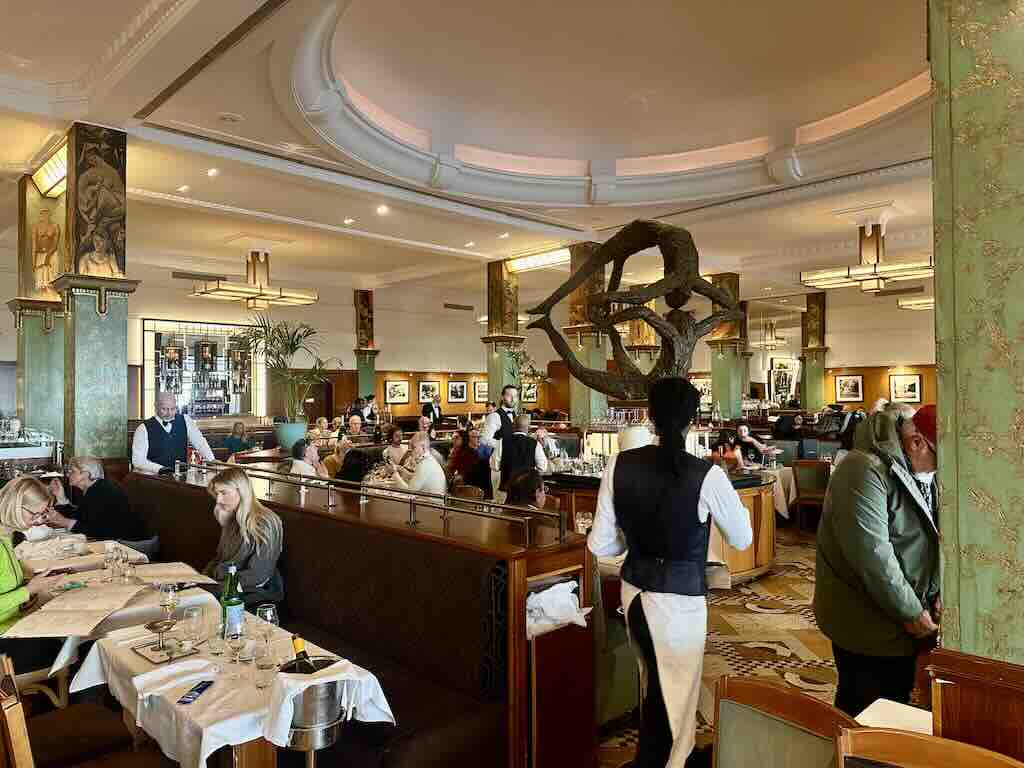
- La Coupole. Once the favorite haunt of Hemingway, Picasso, and Man Ray, this grand Art Deco brasserie remains an institution in Montparnasse.
- Le Dôme. A historic café where Henry Miller, Modigliani, and Anaïs Nin once spent their nights debating and creating.
- Le Select. A literary hotspot where F. Scott Fitzgerald and Ernest Hemingway found inspiration for their works.
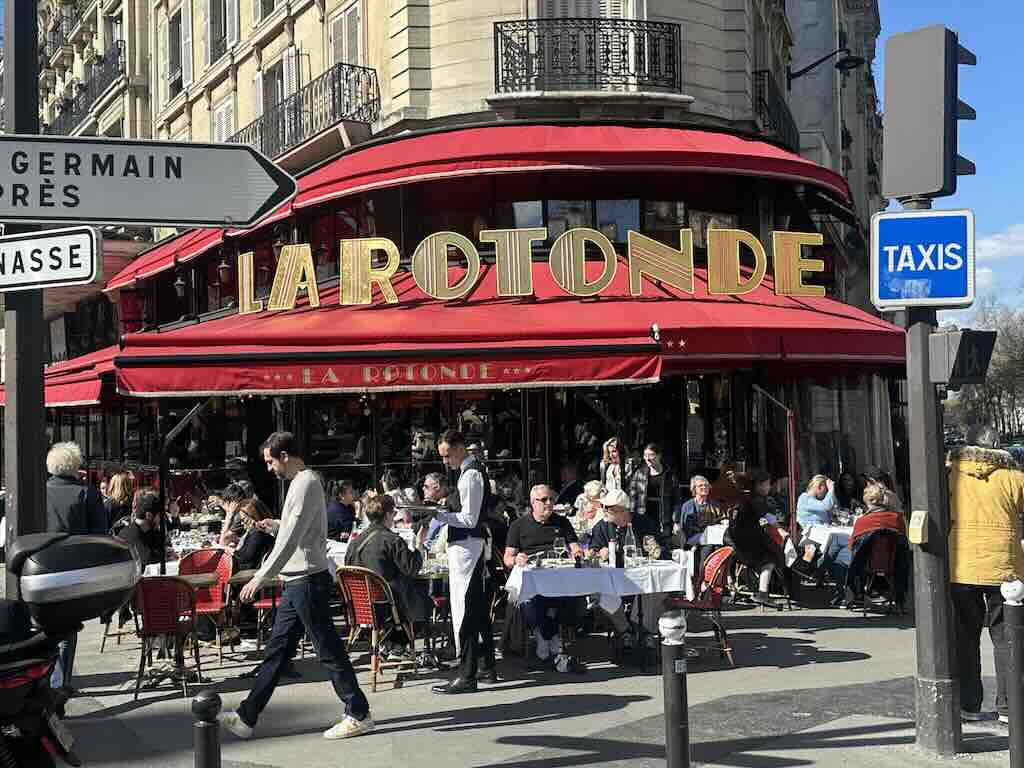
- La Rotonde. A beloved meeting place for artists of the École de Paris, known for its warm atmosphere and deep cultural roots.
Montparnasse’s Artistic Soul Today
Though it may no longer be the bohemian epicenter it once was, Montparnasse still celebrates its artistic heritage through its galleries, theaters, and cultural spaces. The Fondation Cartier pour l’Art Contemporain showcases cutting-edge contemporary art. While the Théâtre de la Gaîté-Montparnasse continues the tradition of Parisian performing arts.
The Paris Catacombs
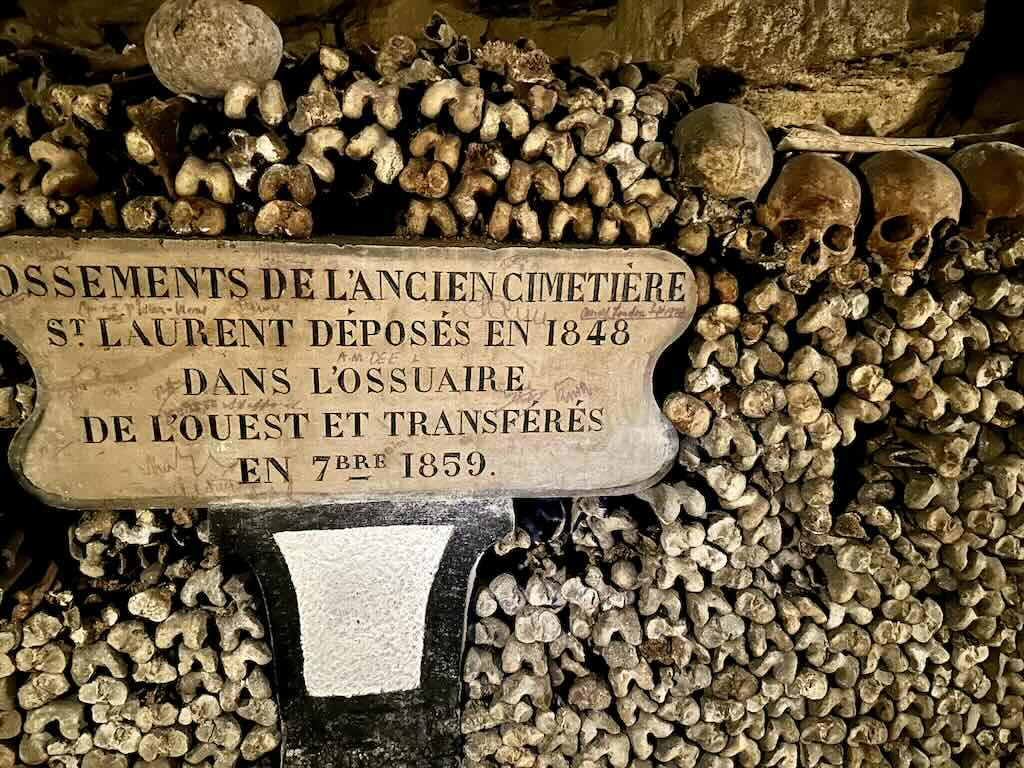
The Paris Catacombs offer one of the city’s most haunting yet fascinating experiences. Hidden beneath the streets, this underground ossuary stretches for miles, holding the remains of over six million Parisians. Originally created in the late 18th century when Paris’ cemeteries became overcrowded, the Catacombs repurposed abandoned limestone quarries as a resting place for the dead.
Today, visitors can explore a small section of this vast network, where walls of carefully arranged bones form eerie yet striking patterns. Inscriptions and poetic verses carved into the stone remind visitors of the fleeting nature of life. One of the most famous warnings at the entrance reads: “Arrête! C’est ici l’empire de la mort.” (Stop! This is the empire of death.) The tunnels are cool and humid, adding to the mysterious, almost surreal atmosphere. All this makes the Catacombs an unforgettable part of Paris’ history.
Observatoire de Paris: A Gateway to the Stars
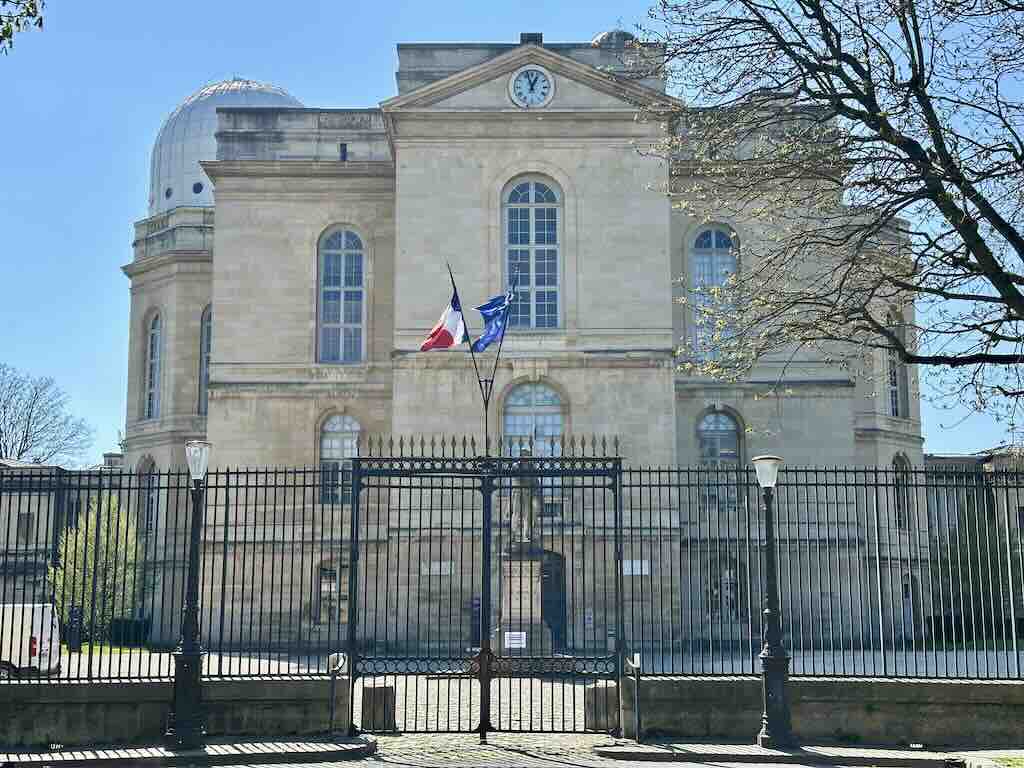
Not far from this underground world stands the Observatoire de Paris. It is one of the oldest astronomical observatories in the world. Founded in 1667 under King Louis XIV, it has played a crucial role in astronomical discoveries.
Designed by architect Claude Perrault, who also worked on the Louvre, the observatory was once home to the historic meridian line that guided maps before the Greenwich Meridian replaced it in the 19th century. While it remains an active research institution, occasional guided tours allow visitors to step inside and discover centuries-old telescopes, archives, and observation rooms.
Where to Eat: Best Restaurants, Cafés & Bakeries
Best brasserie
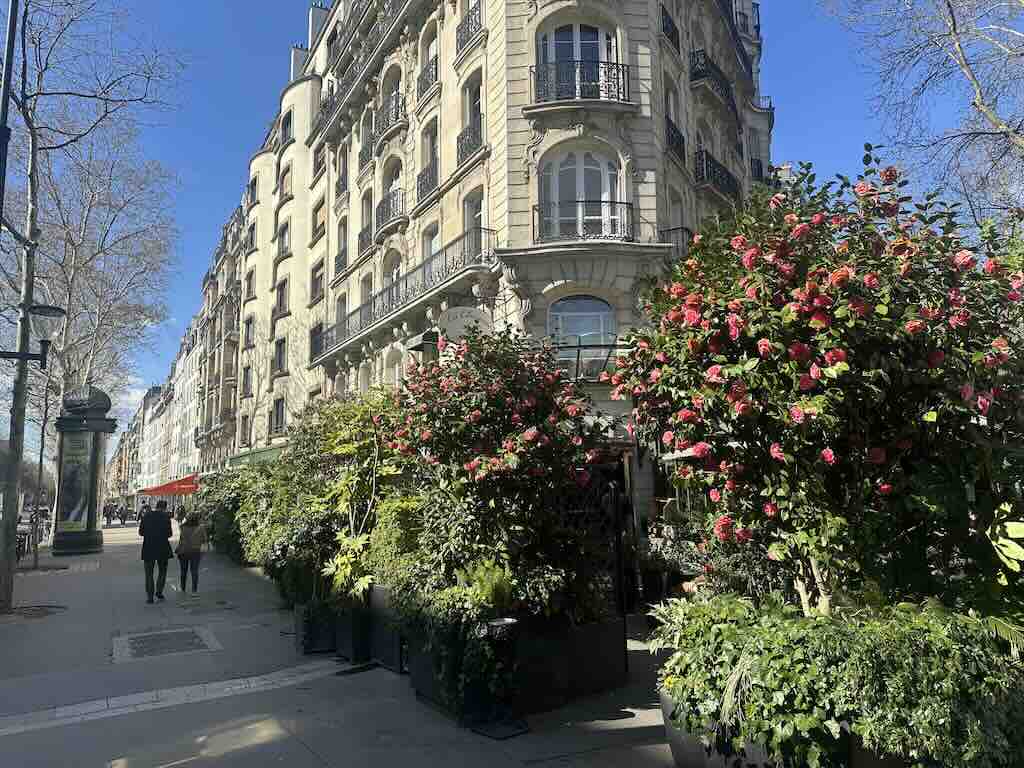
For an old-world brasserie experience, head towards Montparnasse, an area known for its artistic and literary heritage. Here, you’ll find La Closerie des Lilas, an iconic brasserie where Hemingway, Fitzgerald, and other writers once gathered. The setting, with its lush terrace and classic Belle Époque decor, is magical. But the highlight for me is their steak tartare, the best I have ever eaten in Paris. The impeccable preparation and fresh ingredients make it a dish worth returning for.
Why visit Montparnasse in Paris
Montparnasse offers a completely different side of Paris compared to more famous areas like Saint-Germain or the Latin Quarter. It is more local, more artistic, and deeply connected to the city’s cultural history.
From the panoramic views of the Montparnasse Tower to the quiet atmosphere of the cemetery and the legendary cafés once frequented by great artists, the neighborhood tells a unique story of creativity and intellectual life.
If you’re looking to experience a more authentic and less touristy side of Paris, Montparnasse is definitely worth exploring.
👉 Discover also the complete guide to Paris.
👉 Explore the 6th arrondissement and Saint-Germain-des-Prés.